
Deficiency syndromes of fat-soluble vitamins — MCQs

A 26-year-old man from India visits the clinic with complaints of feeling tired all the time and experiencing lack of energy for the past couple of weeks. He also complains of weakness and numbness of his lower limbs. He has been strictly vegan since the age of 18, including not consuming eggs and milk. He does not take any vitamin or dietary supplements. Physical examination reveals a smooth, red beefy tongue along with lower extremity sensory and motor deficits. What other finding is most likely to accompany this patient’s condition?
A 62-year-old man, who is known to have recurrent thromboembolic strokes, presents to his physician for a routine follow-up visit. While assessing drug compliance, the physician realizes that the patient inadvertently doubled his dose of warfarin 1 month ago. When he is asked about any new complaints, the patient denies any symptoms, including bleeding. The physical examination does not show any signs of bleeding. Based on the patient’s lifestyle, the physician does not consider him to be at increased risk for bleeding. He then orders an international normalized ratio (INR) for this patient, which is 13.5. In addition to temporarily holding warfarin, which of the following drugs is indicated for this patient?
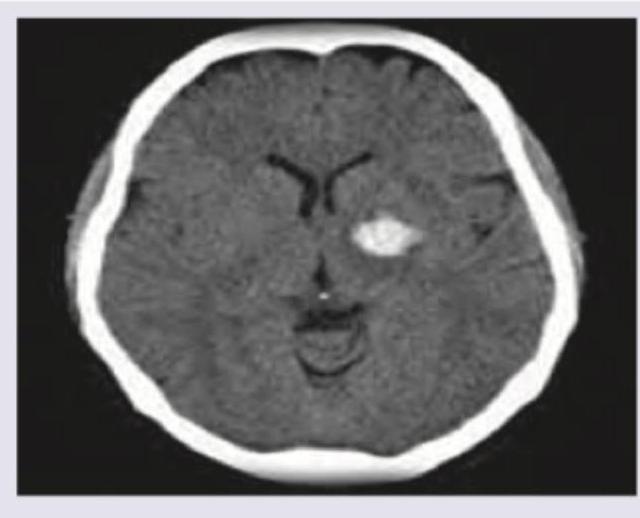
A 70-year-old Caucasian male presents to the emergency room following a fall. The patient's past medical history is significant for myocardial infarction and atrial fibrillation. His home medications are unknown. The patient's head CT is shown in Image A. Laboratory results reveal an International Normalized Ratio (INR) of 6. Which of the following is the most appropriate pharmacologic therapy for this patient?
A 46-year-old man presents to the office complaining of dry, irritated eyes that have gotten worse over the last week. The patient states that he has also developed a red bumpy rash on his arms. On exam, his bilateral cornea and conjunctiva are dry and thickened. There are small ulcerations on the cornea. The skin of the bilateral arms has an erythematous rash characterized by small, white raised lesions. The patient has a history of alcoholism but has no other significant past medical history. What is most likely deficient in this patient?
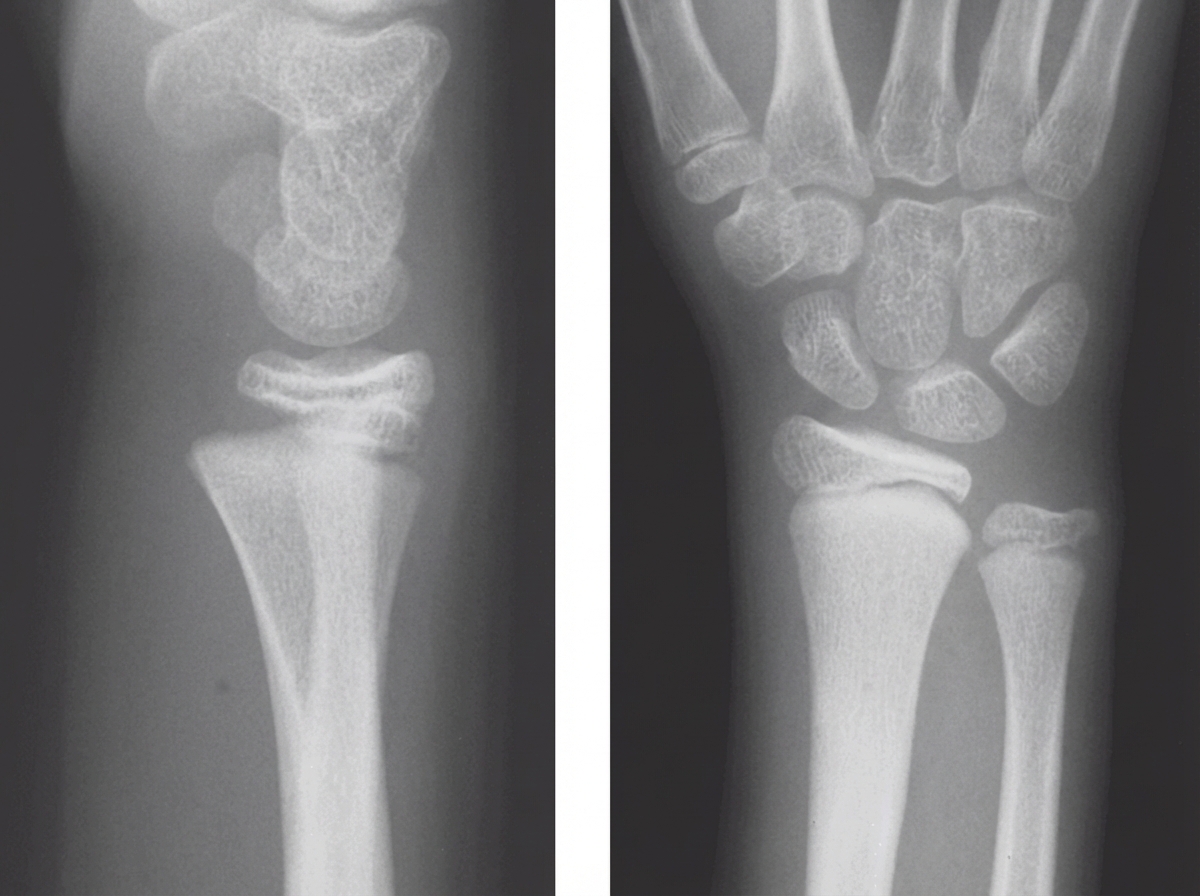
A 6-year-old refugee with delayed growth and weakness is brought to the physician. Her family has been displaced several times over the last few years, and nutrition and housing were frequently inadequate. Examination of the lower limbs shows bowing of the legs with reduced proximal muscle strength. The abdomen is protruded. Inspection of the chest shows subcostal grooving during inspiration. An image of the patient’s wrist is shown. Which of the following is the most likely cause of this patient’s condition?
A 35-year-old woman presents to the clinic with a 2-week history of headaches. She was in her usual state of health until 2 weeks ago, when she started having headaches. The headaches are throughout her whole head and rated as a 7/10. They are worse in the mornings and when she bends over. She has some mild nausea, but no vomiting. The headaches are not throbbing and are not associated with photophobia or phonophobia. On further questioning, she has noticed more hair than usual on her pillow in the morning and coming out in her hands when she washes her hair. The past medical history is unremarkable; she takes no prescription medications, but for the past year she has been taking an oral 'health supplement' recommended by her sister, which she orders over the internet. She cannot recall the supplement's name and does not know its contents. The physical exam is notable for some mild hepatomegaly but is otherwise unremarkable. This patient's presentation is most likely related to which of the following micronutrients?
A 10-year-old boy is brought into your clinic by his mother for sunburns that have not been healing. The mother states that he easily gets sunburned. The mother admits she gave birth to him at home and has never taken him to see a doctor. The patient walks with a wide stance gait and appears unstable on his feet. He has an extensive erythematous, scaling, hyperkeratotic rash on his face, neck, arms and legs. After extensive workup, the patient is found to have a genetic disorder that results in defective absorption of an important vitamin. Which of the following is likely to be low if measured?
A 45-year-old man presents to his primary care physician because of abdominal pain. He has had this pain intermittently for several years but feels that it has gotten worse after he started a low carbohydrate diet. He says that the pain is most prominent in the epigastric region and is also associated with constipation and foul smelling stools that float in the toilet bowl. He has a 15-year history of severe alcoholism but quit drinking 1 year ago. Laboratory studies are obtained showing a normal serum amylase and lipase. Both serum and urine toxicology are negative. His physician starts him on appropriate therapy and checks to make sure that his vitamin and mineral levels are appropriate. Which of the following deficiency syndromes is most closely associated with the cause of this patient's abdominal pain?
A 6-month-old boy presents with decreased growth, pigmented retinopathy, hemolytic anemia, and peripheral neuropathy. You suspect that these signs are the result of a vitamin deficiency leading to increased oxidative damage to lipids. Which of the following is most likely responsible for this patient's symptoms?
A 4-year-old girl is brought to the physician for a routine checkup. She was recently adopted and has never seen a doctor before. The patient's parents state she was very emaciated when they adopted her and noticed she has trouble seeing in the evening. They also noted that she was experiencing profuse foul-smelling diarrhea as well, which is currently being worked up by a gastroenterologist. Her temperature is 97.8°F (36.6°C), blood pressure is 104/54 mmHg, pulse is 100/min, respirations are 19/min, and oxygen saturation is 98% on room air. The girl appears very thin. She has dry skin noted on physical exam. Laboratory studies are ordered as seen below. Hemoglobin: 12 g/dL Hematocrit: 36% Leukocyte count: 4,500/mm^3 with normal differential Platelet count: 191,000/mm^3 Serum: Na+: 139 mEq/L Cl-: 100 mEq/L K+: 3.8 mEq/L HCO3-: 28 mEq/L BUN: 20 mg/dL Glucose: 88 mg/dL Creatinine: 0.7 mg/dL Ca2+: 9.0 mg/dL Which of the following findings is also likely to be seen in this patient?
Want unlimited practice?
Get full access to all questions, explanations, and performance tracking.
Scan to download app