
Second messenger systems (cAMP, cGMP, Ca2+) — MCQs

Which receptor type mediates the slow phase of synaptic transmission in autonomic ganglia?
An investigator is studying a drug that acts on a G protein-coupled receptor in the pituitary gland. Binding of the drug to this receptor leads to increased production of inositol triphosphate (IP3) in the basophilic cells of the anterior pituitary. Administration of this drug every 90 minutes is most likely to be beneficial in the treatment of which of the following conditions?
A 59-year-old man is brought to the emergency department one hour after developing shortness of breath and “squeezing” chest pain that began while he was mowing the lawn. He has asthma, hypertension, and erectile dysfunction. Current medications include salmeterol, amlodipine, lisinopril, and vardenafil. His pulse is 110/min and blood pressure is 122/70 mm Hg. Physical examination shows diaphoresis. An ECG shows sinus tachycardia. Sublingual nitroglycerin is administered. Five minutes later, his pulse is 137/min and his blood pressure is 78/40 mm Hg. Which of the following is the most likely mechanism of this patient's hypotension?
A 60-year-old man presents to the office for a scheduled follow-up visit. He has had hypertension for the past 30 years and his current anti-hypertensive medications include lisinopril (40 mg/day) and hydrochlorothiazide (50 mg/day). He follows most of the lifestyle modifications recommended by his physician, but is concerned about his occasional occipital headaches in the morning. His blood pressure is 160/98 mm Hg. The physician adds another drug to his regimen that acts centrally as an α2-adrenergic agonist. Which of the following second messengers is involved in the mechanism of action of this new drug?
A 70-year-old male presents to his primary care provider complaining of decreased sexual function. He reports that over the past several years, he has noted a gradual decline in his ability to sustain an erection. He used to wake up with erections but no longer does. His past medical history is notable for diabetes, hyperlipidemia, and a prior myocardial infarction. He takes metformin, glyburide, aspirin, and atorvastatin. He drinks 2-3 drinks per week and has a 25 pack-year smoking history. He has been happily married for 40 years. He retired from his job as a construction worker 5 years ago and has been enjoying retirement with his wife. His physician recommends starting a medication that is also used in the treatment of pulmonary hypertension. Which of the following is a downstream effect of this medication?
A 59-year-old man comes to the physician because of a 1-year history of increased urinary frequency, weak urinary stream, and occasional straining to void urine. Rectal examination shows a large, nontender prostate without asymmetry or nodularity. His serum creatinine, prostate-specific antigen, and urinalysis are all within the reference range. A diagnosis of benign prostatic hyperplasia is made, and treatment with tamsulosin is begun. Which of the following changes in intracellular messaging is most likely to occur in response to this drug?
A 55-year-old woman has a total thyroidectomy for papillary thyroid carcinoma. She complains of tingling around the mouth 11 hours after the operation. Her condition rapidly deteriorates with difficulty breathing and chest tightness. Which of the following best represent the signaling pathway of the deficient hormone responsible for this patient’s symptoms?
An investigator is studying the principles of cell-to-cell signaling of the autonomic nervous system. It is found that the adrenal medulla has receptors that, when activated, result in the immediate opening of Na+, Ca2+, and K+ channels, which subsequently leads to the secretion of epinephrine and norepinephrine. These receptors are structurally most similar to which of the following receptors?
An 11-month-old boy is brought to a pediatrician by his parents with a recurrent cough, which he has had since the age of 2 months. He has required 3 hospitalizations for severe wheezing episodes. His mother also mentions that he often has diarrhea. The boy’s detailed history reveals that he required hospitalization for meconium ileus during the neonatal period. Upon physical examination, his temperature is 37.0°C (98.6ºF), pulse rate is 104/min, respiratory rate is 40/min, and blood pressure is 55/33 mm Hg. An examination of the boy’s respiratory system reveals the presence of bilateral wheezing and scattered crepitations. An examination of his cardiovascular system does not reveal any abnormality. His length is 67.3 cm (26.5 in) and weight is 15 kg (33 lbs). His sweat chloride level is 74 mmol/L. His genetic evaluation confirms that he has an autosomal recessive disorder resulting in a dysfunctional membrane-bound protein. Which of the following best describes the mechanism associated with the most common mutation that causes this disorder?
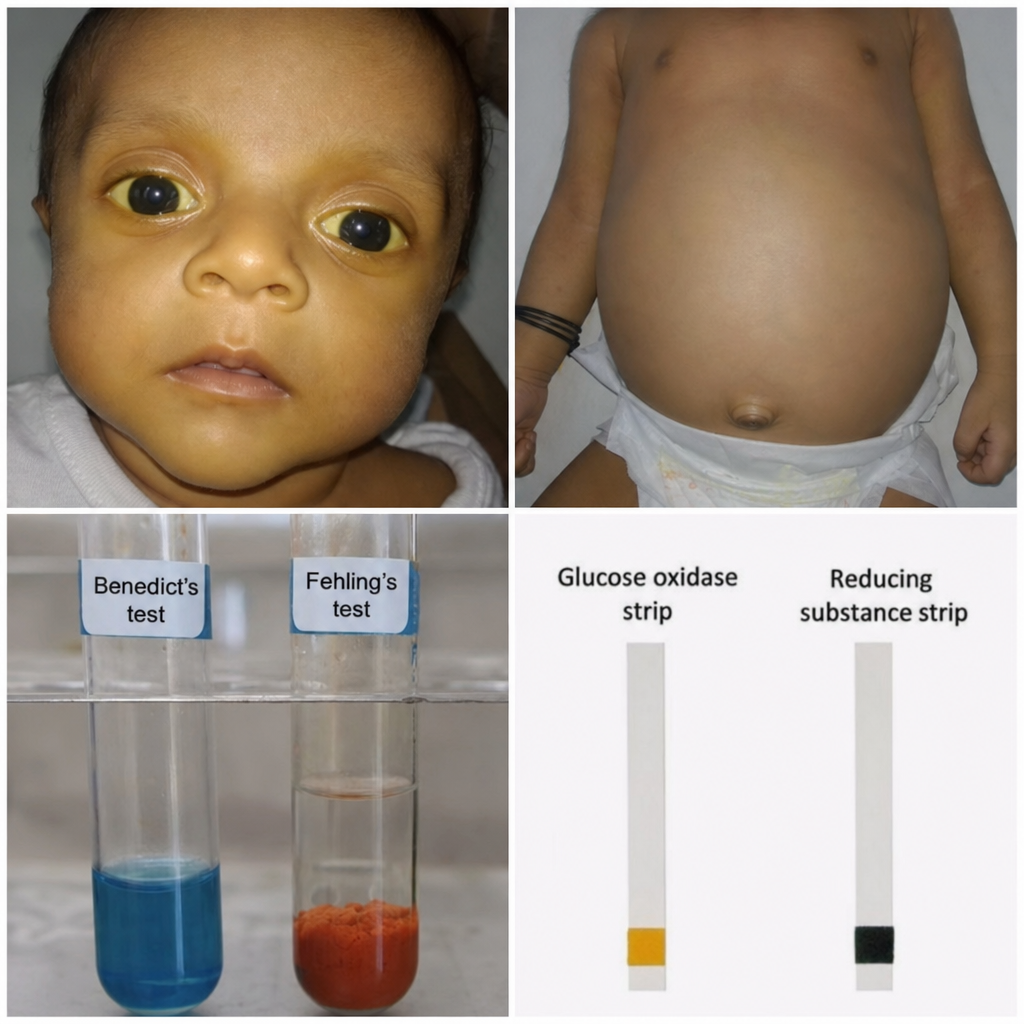
A 6-week-old infant presents with vomiting, jaundice, hepatomegaly, and cataracts. Urine reducing substances are positive, but glucose oxidase strip is negative. The infant is being breastfed. Red blood cell galactose-1-phosphate levels are markedly elevated. Based on the biochemical findings, which enzyme is most likely deficient?
Want unlimited practice?
Get full access to all questions, explanations, and performance tracking.
Scan to download app