A 22-year-old man comes to the physician because of a fall associated with a 6-month history of increasing difficulty walking. Over the last year, his friends have also noticed his speech becoming slower. During this period, he also gave up his hobby of playing video games because he has become clumsy with his hands. His father died of esophageal varices at the age of 40 years. The patient does not smoke or drink alcohol. He takes no medications. He appears sad. His temperature is 37°C (98.6°F), pulse is 70/min, and blood pressure is 120/80 mm Hg. He is alert and oriented to person, place, and time. His speech is slurred and monotonous; his gait is unsteady. Examination shows scleral icterus and some drooling. The liver is palpated 2 to 3 cm below the right costal margin, and the spleen is palpated 1 to 2 cm below the left costal margin. Further evaluation of this patient is most likely to show which of the following findings?
Q32
A medical student is spending his research year studying the physiology of cholesterol transport within the body. Specifically, he wants to examine how high-density lipoprotein (HDL) particles are able to give other lipoproteins the ability to hydrolyse triglycerides into free fatty acids. He labels all the proteins on HDL particles with a tracer dye and finds that some of them are transferred onto very-low-density lipoprotein (VLDL) particles after the 2 are incubated together. Furthermore, he finds that only VLDL particles with transferred proteins are able to catalyze triglyceride hydrolysis. Which of the following components were most likely transferred from HDL to VLDL particles to enable this reaction?
Q33
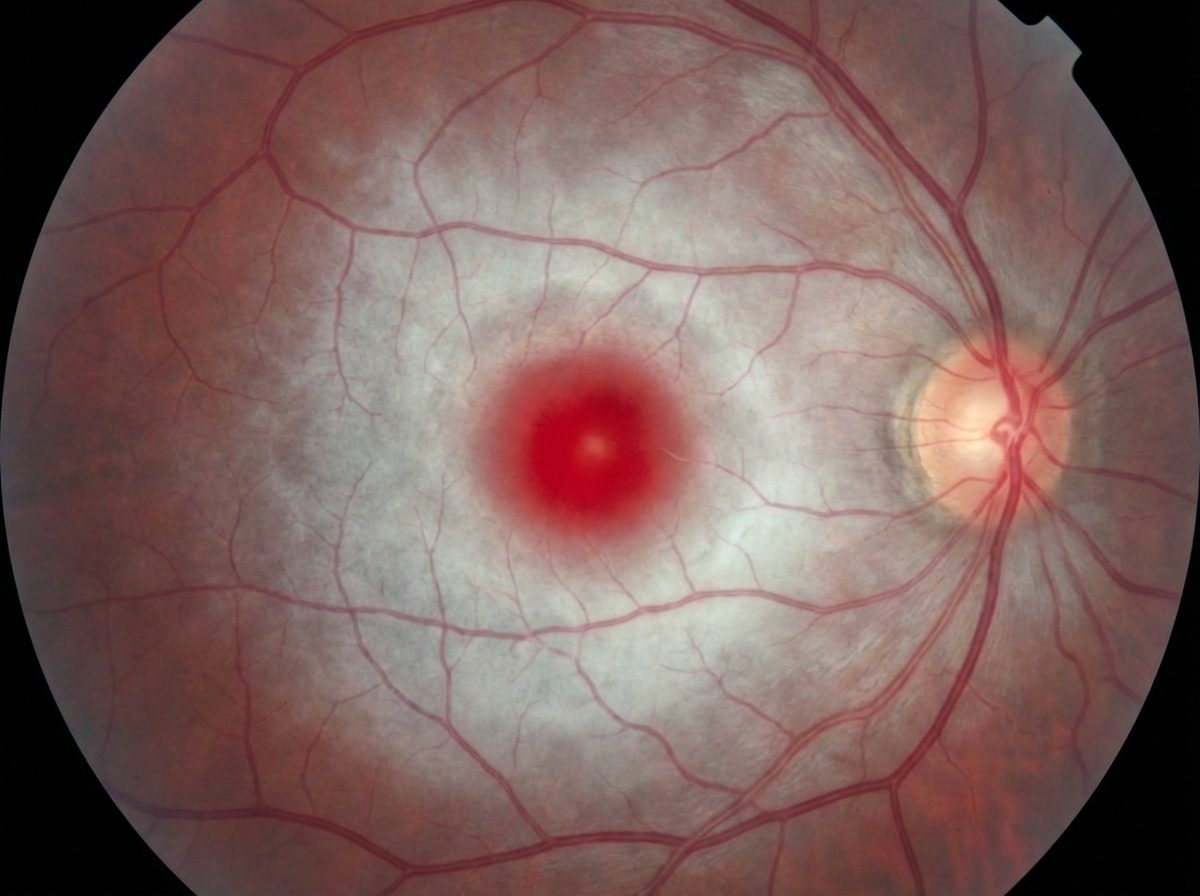
A 7-month-old boy is brought by his parents to the pediatrician’s office. His mother says the child has been weakening progressively and is not as active as he used to be when he was born. His condition seems to be getting worse, especially over the last month. He was born at 41 weeks through normal vaginal delivery. There were no complications observed during the prenatal period. He was progressing well over the 1st few months and achieving the appropriate milestones. On examination, his abdomen appears soft with no liver enlargement. The patient appears to be dehydrated and lethargic. The results of a fundoscopic examination are shown in the picture. A blood test for which of the following enzymes is the next best assay to evaluate this patient's health?
Q34
A 10-year-old boy is brought to the emergency department due to vomiting and weakness. He is attending a summer camp and was on a hike with the other kids and a camp counselor. His friends say that the boy skipped breakfast, and the counselor says he forgot to pack snacks for the kids during the hike. The child’s parents are contacted and report that the child has been completely healthy since birth. They also say there is an uncle who would have to eat regularly or he would have similar symptoms. At the hospital, his heart rate is 90/min, respiratory rate is 17/min, blood pressure is 110/65 mm Hg, and temperature is 37.0°C (98.6°F). Physical examination reveals a visibly lethargic child with slight disorientation to time and place. Mild hepatosplenomegaly is observed but no signs of dehydration are noted. A blood sample is drawn, and fluids are started via an intravenous line.
Lab report
Serum glucose 44 mg/dL
Serum ketones absent
Serum creatinine 1.0 mg/dL
Blood urea nitrogen 32 mg/dL
Alanine aminotransferase (ALT) 425 U/L
Aspartate aminotransferase (AST) 372 U/L
Hemoglobin (Hb%) 12.5 g/dL
Mean corpuscular volume (MCV) 80 fl
Reticulocyte count 1%
Erythrocyte count 5.1 million/mm3
Which of the following is most likely deficient in this patient?
Q35
A 32-year-old woman presents to her family physician with a long history of depression, irritability, and, more recently, personality changes. As her partner comments, she has stopped engaging in activities she used to enjoy like dancing, drumming lessons, and yoga. The patient denies changes in skin pigmentation and assures she keeps a balanced diet low in fat and carbohydrates. During the physical examination, jaundice and dark rings encircling the iris of the eye are noted, as well as hepatomegaly and gait disturbances. For a follow-up visit, the patient brings a battery of laboratory tests that includes a complete blood count showing normocytic normochromic anemia, a negative Coombs, normal iron levels, normal fasting glucose levels, elevated aminotransferases from the liver biochemical tests, bilirubin, and decreased serum ceruloplasmin levels. Antinuclear antibodies are negative. What is the most likely diagnosis?
Q36
A 40-year-old G1P0010 presents to the clinic with nausea and vomiting 8 weeks after a spontaneous abortion at 10 weeks gestation. She admits to heavy drinking (7–8 glasses of wine per day) for the last 20 years; however, after the pregnancy loss, she increased her drinking to 8–9 glasses per day. Hepatomegaly, right upper quadrant pain, and jaundice are noted on abdominal examination. The lungs are clear to auscultation with no abnormalities on chest X-ray. Liver function tests are obtained and a biopsy is performed. Which of the following findings is most likely to be true in her condition?
Q37
A 60-year-old man presents to the physician for a regular checkup. The patient has a history of osteoarthritis in his right knee and gastroesophageal reflux disease. His conditions are well controlled by medications, and he has no active complaints at the moment. He takes ibuprofen, omeprazole, and a multivitamin. Laboratory tests show:
Laboratory test
Serum glucose (fasting) 77 mg/dL
Serum electrolytes
Sodium 142 mEq/L
Potassium 3.9 mEq/L
Chloride 101 mEq/L
Serum creatinine 0.8 mg/dL
Blood urea nitrogen 10 mg/dL
Cholesterol, total 250 mg/dL
HDL-cholesterol 35 mg/dL
LDL-cholesterol 190 mg/dL
Triglycerides 135 mg/dL
Which of the following will be increased in the liver?
Q38
A 12-month-old child passed away after suffering from craniofacial abnormalities, neurologic dysfunction, and hepatomegaly. Analysis of the child’s blood plasma shows an increase in very long chain fatty acids. The cellular analysis demonstrates dysfunction of an organelle responsible for the breakdown of these fatty acids within the cell. Postmortem, the child is diagnosed with Zellweger syndrome. The family is informed about the autosomal recessive inheritance pattern of the disease and their carrier status. Which of the following processes is deficient in the dysfunctional organelle in this disease?
Q39
A 17-year-old girl is brought to the physician because she has never menstruated. She is at the 15th percentile for weight and 45th percentile for height. Vital signs are within normal limits. Examination shows facial hair, clitoromegaly, and coarse, curly pubic hair that extends to the inner surface of both thighs. She has no glandular breast tissue. Ultrasound shows inguinal testes but no uterus or ovaries. Which of the following is the most likely underlying cause for this patient's symptoms?
Q40
A 10-month-old boy with a seizure disorder is brought to the physician by his mother because of a 2-day history of vomiting and lethargy. Laboratory studies show a decreased serum glucose concentration with low ketones. Further testing confirms a deficiency in an enzyme involved in fatty acid oxidation. Which of the following enzymes is most likely deficient in this patient?
Lipid metabolism US Medical PG Practice Questions and MCQs
Question 31: A 22-year-old man comes to the physician because of a fall associated with a 6-month history of increasing difficulty walking. Over the last year, his friends have also noticed his speech becoming slower. During this period, he also gave up his hobby of playing video games because he has become clumsy with his hands. His father died of esophageal varices at the age of 40 years. The patient does not smoke or drink alcohol. He takes no medications. He appears sad. His temperature is 37°C (98.6°F), pulse is 70/min, and blood pressure is 120/80 mm Hg. He is alert and oriented to person, place, and time. His speech is slurred and monotonous; his gait is unsteady. Examination shows scleral icterus and some drooling. The liver is palpated 2 to 3 cm below the right costal margin, and the spleen is palpated 1 to 2 cm below the left costal margin. Further evaluation of this patient is most likely to show which of the following findings?
A. Increased number of CAG repeats
B. Oligoclonal bands on CSF analysis
C. Low serum ceruloplasmin concentration (Correct Answer)
D. Ventriculomegaly on CT scan of the brain
E. Increased transferrin saturation
Explanation: ***Low serum ceruloplasmin concentration***
- This patient presents with a constellation of symptoms including neurological (difficulty walking, clumsy hands, slurred speech, unsteady gait), hepatic (father died of esophageal varices at an early age, hepatosplenomegaly, scleral icterus), and psychiatric (sadness, slurred and monotonous speech) manifestations, all suggestive of **Wilson's disease**.
- **Wilson's disease** is an autosomal recessive disorder of copper metabolism leading to copper accumulation in various organs, predominantly the **liver**, **brain**, and **cornea**. **Low serum ceruloplasmin** is a hallmark biochemical finding, as ceruloplasmin is a copper-carrying protein, and its synthesis or copper incorporation is defective.
*Increased number of CAG repeats*
- An increased number of **CAG trinucleotide repeats** is characteristic of **Huntington's disease**.
- While Huntington's disease causes neurological and psychiatric symptoms, it does not typically involve significant **liver disease** or scleral icterus, which are prominent features in this patient's presentation.
*Oligoclonal bands on CSF analysis*
- **Oligoclonal bands** in the **cerebrospinal fluid (CSF)** are a key diagnostic finding for **multiple sclerosis**.
- Multiple sclerosis presents with neurological deficits, but it does not account for the prominent liver involvement (scleral icterus, hepatosplenomegaly, family history of varices) seen in this case.
*Ventriculomegaly on CT scan of the brain*
- **Ventriculomegaly** on a CT scan of the brain can be seen in various conditions, including **hydrocephalus** or **cerebral atrophy**.
- While some neurological degenerative diseases can lead to cerebral atrophy and resulting ventriculomegaly, it's a non-specific finding and doesn't explain the patient's severe **hepatic involvement** with scleral icterus and hepatosplenomegaly.
*Increased transferrin saturation*
- **Increased transferrin saturation** is a laboratory finding indicative of **hemochromatosis**, a disorder of iron metabolism leading to iron overload.
- While hemochromatosis can cause liver disease and neurological symptoms, the combination of **scleral icterus**, the specific neurological presentation, and the strong family history of early liver disease in this context points much more strongly towards **Wilson's disease** rather than hemochromatosis.
Question 32: A medical student is spending his research year studying the physiology of cholesterol transport within the body. Specifically, he wants to examine how high-density lipoprotein (HDL) particles are able to give other lipoproteins the ability to hydrolyse triglycerides into free fatty acids. He labels all the proteins on HDL particles with a tracer dye and finds that some of them are transferred onto very-low-density lipoprotein (VLDL) particles after the 2 are incubated together. Furthermore, he finds that only VLDL particles with transferred proteins are able to catalyze triglyceride hydrolysis. Which of the following components were most likely transferred from HDL to VLDL particles to enable this reaction?
A. ApoC-II (Correct Answer)
B. Apo-A1
C. ApoE
D. Lipoprotein lipase
E. ApoB-100
Explanation: ***ApoC-II***
- **ApoC-II** is an apolipoprotein found on HDL that serves as an **activator for lipoprotein lipase (LPL)**, which is the enzyme responsible for hydrolyzing triglycerides in VLDL.
- The transfer of ApoC-II from HDL to VLDL enables the VLDL particles to be substrates for LPL, leading to the hydrolysis of their **triglyceride content** into free fatty acids.
*Apo-A1*
- **ApoA-I** is the primary apolipoprotein of HDL and is crucial for the activation of **lecithin-cholesterol acyltransferase (LCAT)**, an enzyme involved in cholesterol esterification.
- While essential for HDL function and reverse cholesterol transport, ApoA-I does not directly activate triglyceride hydrolysis by lipoprotein lipase.
*ApoE*
- **ApoE** is an apolipoprotein important for the **uptake of chylomicron remnants and VLDL remnants** by the liver, binding to LDL receptors and LRP (LDL receptor-related protein).
- It plays a role in lipoprotein metabolism but is not directly involved in activating lipoprotein lipase for triglyceride hydrolysis.
*Lipoprotein lipase*
- **Lipoprotein lipase (LPL)** is the enzyme that hydrolyzes triglycerides in VLDL and chylomicrons into free fatty acids and glycerol.
- However, LPL is located on the **endothelial surface of capillaries**, not transferred from HDL to VLDL; rather, ApoC-II on HDL activates LPL.
*ApoB-100*
- **ApoB-100** is the main structural protein of VLDL, intermediate-density lipoprotein (IDL), and LDL, and it is essential for the **assembly and secretion of VLDL** from the liver.
- While it remains on the VLDL particle throughout its metabolism, it does not have the function of activating triglyceride hydrolysis.
Question 33: A 7-month-old boy is brought by his parents to the pediatrician’s office. His mother says the child has been weakening progressively and is not as active as he used to be when he was born. His condition seems to be getting worse, especially over the last month. He was born at 41 weeks through normal vaginal delivery. There were no complications observed during the prenatal period. He was progressing well over the 1st few months and achieving the appropriate milestones. On examination, his abdomen appears soft with no liver enlargement. The patient appears to be dehydrated and lethargic. The results of a fundoscopic examination are shown in the picture. A blood test for which of the following enzymes is the next best assay to evaluate this patient's health?
A. Acid alpha-glucosidase
B. Hexosaminidase (Correct Answer)
C. Sphingomyelinase
D. Glucocerebrosidase
E. Arylsulfatase A
Explanation: ***Hexosaminidase***
- The symptoms and history suggest **Tay-Sachs disease**, characterized by progressive weakness and developmental delay, often linked to **deficiency in hexosaminidase A**.
- A fundoscopic exam typically reveals a **cherry-red spot**, consistent with this condition, making hexosaminidase testing essential for diagnosis.
- Tay-Sachs results from accumulation of **GM2 ganglioside** in neurons due to hexosaminidase A deficiency.
*Glucocerebrosidase*
- This enzyme is primarily associated with **Gaucher's disease**, which does not match the clinical features presented here.
- Symptoms of Gaucher's disease include **hepatosplenomegaly** and bone pain, not primarily weakness or lethargy in a young infant.
*Acid alpha-glucosidase*
- Generally tested for **Pompe disease**, which typically presents with **muscle weakness and hypertrophic cardiomyopathy**, not solely lethargy and failure to thrive.
- The clinical presentation in this case does not indicate glycogen storage disorder symptoms.
*Arylsulfatase A*
- This enzyme deficiency relates to **metachromatic leukodystrophy**, which often features neurological decline rather than isolated lethargy in infants.
- The specific symptoms and age do not align with the typical findings of this condition.
*Sphingomyelinase*
- Linked to **Niemann-Pick disease**, characterized by **hepatosplenomegaly** and neurological deterioration, absent in this scenario.
- The presentation of weakness does not match the classic signs expected with sphingomyelinase deficiency.
Question 34: A 10-year-old boy is brought to the emergency department due to vomiting and weakness. He is attending a summer camp and was on a hike with the other kids and a camp counselor. His friends say that the boy skipped breakfast, and the counselor says he forgot to pack snacks for the kids during the hike. The child’s parents are contacted and report that the child has been completely healthy since birth. They also say there is an uncle who would have to eat regularly or he would have similar symptoms. At the hospital, his heart rate is 90/min, respiratory rate is 17/min, blood pressure is 110/65 mm Hg, and temperature is 37.0°C (98.6°F). Physical examination reveals a visibly lethargic child with slight disorientation to time and place. Mild hepatosplenomegaly is observed but no signs of dehydration are noted. A blood sample is drawn, and fluids are started via an intravenous line.
Lab report
Serum glucose 44 mg/dL
Serum ketones absent
Serum creatinine 1.0 mg/dL
Blood urea nitrogen 32 mg/dL
Alanine aminotransferase (ALT) 425 U/L
Aspartate aminotransferase (AST) 372 U/L
Hemoglobin (Hb%) 12.5 g/dL
Mean corpuscular volume (MCV) 80 fl
Reticulocyte count 1%
Erythrocyte count 5.1 million/mm3
Which of the following is most likely deficient in this patient?
A. Acyl-CoA dehydrogenase (Correct Answer)
B. α-glucosidase
C. Glucose-6-phosphatase
D. Acetyl-CoA carboxylase
E. Nicotinic acid
Explanation: ***Acyl-CoA dehydrogenase***
- This patient presents with **hypoglycemia** (44 mg/dL) and **absent ketone bodies** after prolonged fasting, along with elevated **liver transaminases** and **hepatosplenomegaly**, which are classic signs of a **fatty acid oxidation disorder**.
- A deficiency in **acyl-CoA dehydrogenase**, particularly **medium-chain acyl-CoA dehydrogenase (MCAD)**, prevents adequate fatty acid breakdown for energy and ketone production, leading to **hypoketotic hypoglycemia** during periods of fasting.
*α-glucosidase*
- A deficiency in **α-glucosidase** (Pompe disease) leads to the accumulation of **glycogen** in lysosomes, primarily affecting muscles, heart, and liver.
- While it can cause hepatomegaly and muscle weakness, it typically presents with **cardiomyopathy** and does not directly cause hypoketotic hypoglycemia.
*Glucose-6-phosphatase*
- A deficiency in **glucose-6-phosphatase** (Von Gierke disease) is a type of **glycogen storage disease** characterized by severe **fasting hypoglycemia with lactic acidosis**, **massive hepatomegaly**, and **hyperlipidemia**.
- Unlike fatty acid oxidation disorders, Von Gierke disease typically presents with **lactic acidosis** as the predominant metabolic derangement, and patients often have a **doll-like face** and **growth retardation** from chronic presentation.
*Acetyl-CoA carboxylase*
- **Acetyl-CoA carboxylase** is a key enzyme in **fatty acid synthesis**, not fatty acid oxidation.
- A deficiency would primarily impair the body's ability to synthesize fatty acids, which is not consistent with the hypoketotic hypoglycemia observed here.
*Nicotinic acid*
- **Nicotinic acid** (niacin or vitamin B3) is a precursor to **NAD+** and **NADP+**, coenzymes involved in various metabolic reactions, including fatty acid synthesis and breakdown.
- While a deficiency (pellagra) can cause dermatitis, diarrhea, and dementia, it does not directly lead to **hypoketotic hypoglycemia** or fatty liver disease.
Question 35: A 32-year-old woman presents to her family physician with a long history of depression, irritability, and, more recently, personality changes. As her partner comments, she has stopped engaging in activities she used to enjoy like dancing, drumming lessons, and yoga. The patient denies changes in skin pigmentation and assures she keeps a balanced diet low in fat and carbohydrates. During the physical examination, jaundice and dark rings encircling the iris of the eye are noted, as well as hepatomegaly and gait disturbances. For a follow-up visit, the patient brings a battery of laboratory tests that includes a complete blood count showing normocytic normochromic anemia, a negative Coombs, normal iron levels, normal fasting glucose levels, elevated aminotransferases from the liver biochemical tests, bilirubin, and decreased serum ceruloplasmin levels. Antinuclear antibodies are negative. What is the most likely diagnosis?
A. Primary sclerosing cholangitis
B. Wilson disease (Correct Answer)
C. Hemochromatosis
D. Nonalcoholic fatty liver disease
E. Autoimmune hepatitis
Explanation: ***Wilson disease***
- The combination of **neuropsychiatric symptoms** (depression, irritability, personality changes, gait disturbances), **liver disease** (jaundice, hepatomegaly, elevated aminotransferases, hyperbilirubinemia), and **Kayser-Fleischer rings** in the eyes is pathognomonic for Wilson disease.
- **Decreased serum ceruloplasmin** levels further confirm the diagnosis, as ceruloplasmin is the main copper-carrying protein in the blood, and its deficiency leads to copper accumulation.
*Primary sclerosing cholangitis*
- Characterized by inflammation and fibrosis of the **bile ducts**, leading to cholestasis and can be associated with inflammatory bowel disease, which is not mentioned here.
- While it causes jaundice and elevated liver enzymes, it does not typically present with the neurological or psychiatric symptoms, or **Kayser-Fleischer rings** seen in Wilson disease.
*Hemochromatosis*
- This disorder involves excessive **iron accumulation** in the body, leading to symptoms like fatigue, joint pain, impotence, and liver damage (cirrhosis, hepatomegaly).
- The patient's **normal iron levels** and the absence of classic bronze skin pigmentation, along with the presence of Kayser-Fleischer rings and neuropsychiatric symptoms, rule out hemochromatosis.
*Nonalcoholic fatty liver disease*
- Primarily associated with **metabolic syndrome** (obesity, diabetes, hyperlipidemia) and is characterized by fat accumulation in the liver.
- While it can cause hepatomegaly and elevated liver enzymes, it does not typically manifest with neurological or psychiatric symptoms, nor **Kayser-Fleischer rings**, and the patient describes a balanced diet.
*Autoimmune hepatitis*
- Involves **immune-mediated inflammation of the liver** and can present with elevated aminotransferases, hyperbilirubinemia, and hepatomegaly, often with positive autoantibodies (e.g., ANA, anti-smooth muscle antibodies).
- The patient's **negative ANA** and the presence of **Kayser-Fleischer rings** and prominent neuropsychiatric symptoms are not characteristic of autoimmune hepatitis.
Question 36: A 40-year-old G1P0010 presents to the clinic with nausea and vomiting 8 weeks after a spontaneous abortion at 10 weeks gestation. She admits to heavy drinking (7–8 glasses of wine per day) for the last 20 years; however, after the pregnancy loss, she increased her drinking to 8–9 glasses per day. Hepatomegaly, right upper quadrant pain, and jaundice are noted on abdominal examination. The lungs are clear to auscultation with no abnormalities on chest X-ray. Liver function tests are obtained and a biopsy is performed. Which of the following findings is most likely to be true in her condition?
E. ↑ NAD+/NADH; ALT:AST ≥ 2:1; β-oxidation ↑; β-hydroxybutyrate, no change; lactic acid ↓
Explanation: ***↑ NADH/NAD+; AST:ALT ≥ 2:1; β-oxidation ↓; β-hydroxybutyrate ↑; lactic acid ↑***
- **Alcohol metabolism** increases the **NADH/NAD+ ratio**, diverting substrates to lipid synthesis (leading to fatty liver) and inhibiting **β-oxidation**.
- The elevated NADH also promotes **lactic acid** and **β-hydroxybutyrate** formation, while the **AST:ALT ratio ≥ 2:1** is characteristic of **alcoholic liver disease**, often due to mitochondrial damage and pyridoxal phosphate deficiency.
*↑ NADH/NAD+; ALT:AST ≥ 2:1; β-oxidation ↓; β-hydroxybutyrate ↓; lactic acid ↑*
- While a high **NADH/NAD+ ratio** and **lactic acid ↑** are consistent with alcohol metabolism, the **ALT:AST ≥ 2:1** ratio is more commonly seen in **non-alcoholic liver diseases**, and **β-hydroxybutyrate ↓** is incorrect as it should be elevated.
- **β-hydroxybutyrate** is increased in alcoholic ketoacidosis due to altered redox state, not decreased.
*↑ NAD+/NADH; AST:ALT ≥ 2:1; β-oxidation ↑; β-hydroxybutyrate ↓; lactic acid ↓*
- This option incorrectly states an **↑ NAD+/NADH ratio**, when alcohol metabolism actually increases **NADH**.
- **β-oxidation** is inhibited, not increased, and both **β-hydroxybutyrate** and **lactic acid** would be elevated.
*↑ NADH/NAD+; ALT:AST ≥ 2:1; β-oxidation ↓; β-hydroxybutyrate ↓; lactic acid ↓*
- While **↑ NADH/NAD+** and **β-oxidation ↓** are correct, the **ALT:AST ≥ 2:1** ratio is atypical for alcoholic liver disease where AST is usually higher.
- Both **β-hydroxybutyrate** and **lactic acid** should be elevated due to the increased NADH, not decreased.
*↑ NAD+/NADH; ALT:AST ≥ 2:1; β-oxidation ↑; β-hydroxybutyrate, no change; lactic acid ↓*
- This option is incorrect as **alcohol metabolism** increases **NADH**, not NAD+, and inhibits **β-oxidation**.
- **β-hydroxybutyrate** and **lactic acid** are typically elevated, not unchanged or decreased.
Question 37: A 60-year-old man presents to the physician for a regular checkup. The patient has a history of osteoarthritis in his right knee and gastroesophageal reflux disease. His conditions are well controlled by medications, and he has no active complaints at the moment. He takes ibuprofen, omeprazole, and a multivitamin. Laboratory tests show:
Laboratory test
Serum glucose (fasting) 77 mg/dL
Serum electrolytes
Sodium 142 mEq/L
Potassium 3.9 mEq/L
Chloride 101 mEq/L
Serum creatinine 0.8 mg/dL
Blood urea nitrogen 10 mg/dL
Cholesterol, total 250 mg/dL
HDL-cholesterol 35 mg/dL
LDL-cholesterol 190 mg/dL
Triglycerides 135 mg/dL
Which of the following will be increased in the liver?
A. Bile acid production (Correct Answer)
B. Surface LDL-receptors
C. HMG-CoA reductase activity
D. Scavenger receptors
E. Cholesterol degradation
Explanation: ***Bile acid production***
- The patient has high **LDL-cholesterol** (190 mg/dL) and total cholesterol (250 mg/dL), indicating **hypercholesterolemia**. The liver attempts to eliminate excess cholesterol by converting it into **bile acids**.
- This process is a primary mechanism for cholesterol excretion, especially when intracellular cholesterol levels are high.
*Surface LDL-receptors*
- High intracellular cholesterol levels typically lead to a **downregulation** of **LDL receptors** on the hepatocyte surface to prevent further cholesterol uptake.
- This patient's high LDL-C suggests impaired LDL receptor function or insufficient numbers, contributing to elevated circulating LDL.
*HMG-CoA reductase activity*
- **HMG-CoA reductase** is the rate-limiting enzyme in cholesterol synthesis. High intracellular cholesterol levels, as inferred from hypercholesterolemia, would normally **inhibit** this enzyme to reduce endogenous cholesterol production.
- An increase in its activity would worsen hypercholesterolemia.
*Scavenger receptors*
- **Scavenger receptors** primarily bind and internalize **modified LDL particles**, such as oxidized LDL, which are typically associated with atherogenesis.
- While they contribute to cholesterol uptake, their activity doesn't directly increase in response to high *unmodified* LDL levels in the same homeostatic regulatory manner as LDL receptors or bile acid production.
*Cholesterol degradation*
- While cholesterol can be degraded, the primary pathway for its removal from the body is its conversion to **bile acids**, not direct metabolic degradation into smaller non-steroid molecules.
- The liver converts cholesterol to bile acids, which are then excreted via bile, rather than "degrading" the cholesterol molecule itself.
Question 38: A 12-month-old child passed away after suffering from craniofacial abnormalities, neurologic dysfunction, and hepatomegaly. Analysis of the child’s blood plasma shows an increase in very long chain fatty acids. The cellular analysis demonstrates dysfunction of an organelle responsible for the breakdown of these fatty acids within the cell. Postmortem, the child is diagnosed with Zellweger syndrome. The family is informed about the autosomal recessive inheritance pattern of the disease and their carrier status. Which of the following processes is deficient in the dysfunctional organelle in this disease?
A. Transcription
B. Phosphorylation
C. Translation
D. Ubiquitination
E. Beta-oxidation (Correct Answer)
Explanation: ***Beta-oxidation***
- Zellweger syndrome is a **peroxisomal disorder** where the peroxisomes are either absent or dysfunctional.
- Peroxisomes are primarily responsible for the **beta-oxidation** of very long chain fatty acids (VLCFAs, >C22) and branched-chain fatty acids.
- Mitochondria handle shorter chain fatty acids, but **only peroxisomes can initiate breakdown of VLCFAs**, which explains why these fatty acids accumulate in the blood when peroxisomes are defective.
*Transcription*
- **Transcription** is the process of synthesizing RNA from a DNA template in the nucleus.
- This process is not directly affected in Zellweger syndrome, which involves organelle dysfunction, not gene expression at the mRNA level.
*Phosphorylation*
- **Phosphorylation** is the addition of a phosphate group to a molecule, a common post-translational modification or energy transfer mechanism.
- While essential for many metabolic pathways, it is not the primary enzymatic process deficient in peroxisomes in Zellweger syndrome.
*Translation*
- **Translation** is the process by which ribosomes synthesize proteins from mRNA in the cytoplasm.
- This cellular process is not the direct cause of the accumulation of very long chain fatty acids in Zellweger syndrome.
*Ubiquitination*
- **Ubiquitination** is a process that tags proteins for degradation by the proteasome.
- While critical for protein turnover, it is not the deficient metabolic pathway within peroxisomes in Zellweger syndrome.
Question 39: A 17-year-old girl is brought to the physician because she has never menstruated. She is at the 15th percentile for weight and 45th percentile for height. Vital signs are within normal limits. Examination shows facial hair, clitoromegaly, and coarse, curly pubic hair that extends to the inner surface of both thighs. She has no glandular breast tissue. Ultrasound shows inguinal testes but no uterus or ovaries. Which of the following is the most likely underlying cause for this patient's symptoms?
A. 5-α reductase deficiency (Correct Answer)
B. Sex chromosome mosaicism
C. Complete androgen insensitivity
D. Aromatase deficiency
E. Sex chromosome monosomy
Explanation: ***5-α reductase deficiency***
- This patient presents with **primary amenorrhea**, **clitoromegaly**, **facial hair**, **coarse pubic hair extending to the thighs**, the absence of a **uterus and ovaries**, and the presence of **inguinal testes**. This constellation of findings is classic for **5-α reductase deficiency**.
- In individuals with **46,XY karyotype**, 5-α reductase converts testosterone to **dihydrotestosterone (DHT)**, which is essential for external male genital development. A deficiency leads to ambiguous or feminized external genitalia at birth that often undergo **virilization at puberty** (due to a surge in testosterone), while internal male structures (testes and epididymis) develop normally, and Wolffian ducts differentiate.
*Sex chromosome mosaicism*
- This refers to the presence of two or more cell lines with different chromosomal constitutions within the same individual, e.g., **45,X/46,XX** or **46,XY/45,X**.
- While it can cause diverse reproductive issues like ambiguous genitalia or primary amenorrhea, it doesn't typically present with the specific combination of **masculinization at puberty** with **inguinal testes** and absence of uterus/ovaries as seen here.
*Complete androgen insensitivity*
- In **complete androgen insensitivity syndrome (CAIS)**, individuals with a **46,XY karyotype** have normal or elevated testosterone levels but their cells cannot respond to androgens.
- This leads to **female external genitalia**, a **blind-ending vagina**, absence of a uterus and ovaries, and **inguinal or abdominal testes**. However, these patients develop **breast tissue** (due to peripheral conversion of androgens to estrogens) and **do not develop pubic hair or facial hair** due to androgen insensitivity, which contrasts with this patient's findings.
*Aromatase deficiency*
- **Aromatase deficiency** prevents the conversion of androgens to estrogens. In a **46,XX** individual, this leads to **virilization of female external genitalia** at birth, primary amenorrhea, and lack of breast development, but they would have a uterus and ovaries.
- In a **46,XY** individual, it would primarily affect **bone maturation** and lead to tall stature due to unfused epiphyses, but not the constellation of features described here.
*Sex chromosome monosomy*
- The most common sex chromosome monosomy is **45,X (Turner syndrome)**, which affects females.
- Individuals with Turner syndrome typically present with **primary amenorrhea**, **streaked gonads** (instead of testes), **lack of pubic hair** in some cases, **webbed neck**, **short stature**, and **cardiac anomalies**, none of which are consistent with the virilization and presence of testes noted in this case.
Question 40: A 10-month-old boy with a seizure disorder is brought to the physician by his mother because of a 2-day history of vomiting and lethargy. Laboratory studies show a decreased serum glucose concentration with low ketones. Further testing confirms a deficiency in an enzyme involved in fatty acid oxidation. Which of the following enzymes is most likely deficient in this patient?
A. Acyl-CoA dehydrogenase (Correct Answer)
B. HMG-CoA reductase
C. Glycerol kinase
D. Acetyl-CoA carboxylase
E. Glycerol-3-phosphate dehydrogenase
Explanation: ***Acyl-CoA dehydrogenase***
- The combination of **hypoglycemia** with **low ketones** in a setting of prolonged vomiting (stress) strongly suggests a **disorder of fatty acid oxidation**. These disorders impair the body's ability to produce ketones when glucose stores are low.
- **Acyl-CoA dehydrogenase** is a key enzyme in the mitochondrial β-oxidation of fatty acids. A deficiency prevents the breakdown of fatty acids into acetyl-CoA, which is necessary for ketogenesis and to fuel gluconeogenesis indirectly.
*HMG-CoA reductase*
- This enzyme is involved in **cholesterol synthesis**, not directly in fatty acid oxidation or ketone body formation from fatty acids.
- Deficiency would primarily affect cholesterol levels and not typically present with the described metabolic crisis of hypoglycemia and low ketones.
*Glycerol kinase*
- **Glycerol kinase** phosphorylates glycerol, a product of triglyceride hydrolysis, allowing it to enter glycolysis or gluconeogenesis.
- A deficiency would impair glycerol utilization but would not directly impact fatty acid oxidation pathways that are critical for ketone production during hypoglycemia.
*Acetyl-CoA carboxylase*
- **Acetyl-CoA carboxylase** is the rate-limiting enzyme in **fatty acid synthesis**, not degradation.
- A deficiency would lead to impaired fatty acid synthesis, which is the opposite of the metabolic problem described (impaired breakdown of fatty acids).
*Glycerol-3-phosphate dehydrogenase*
- This enzyme is involved in the conversion of **dihydroxyacetone phosphate (DHAP)** to **glycerol-3-phosphate** in both triglyceride synthesis and the glycerol phosphate shuttle.
- While related to lipid metabolism, a deficiency would not directly cause the severe hypoglycemia and hypoketosis seen with a fatty acid oxidation defect.