A 16-year-old teenager is brought to the emergency department after having slipped on ice while walking to school. She hit her head on the side of the pavement and retained consciousness. She was brought to the closest ER within an hour of the incident. The ER physician sends her immediately to get a CT scan and also orders routine blood work. The physician understands that in cases of stress, such as in this patient, the concentration of certain hormones will be increased, while others will be decreased. Considering allosteric regulation by hormones, which of the following enzymes will most likely be inhibited in this patient?
A 16-year-old boy comes to the physician because of muscle weakness and cramps for 5 months. He becomes easily fatigued and has severe muscle pain and swelling after 15 minutes of playing basketball with his friends. The symptoms improve after a brief period of rest. After playing, he sometimes also has episodes of reddish-brown urine. There is no family history of serious illness. Serum creatine kinase concentration is 950 U/L. Urinalysis shows: Blood 2+ Protein negative Glucose negative RBC negative WBC 1–2/hpf Which of the following is the most likely underlying cause of this patient's symptoms?
Researchers are investigating a new mouse model of glycogen regulation. They add hepatocyte enzyme extracts to radiolabeled glucose to investigate glycogen synthesis, in particular two enzymes. They notice that the first enzyme adds a radiolabeled glucose to the end of a long strand of radiolabeled glucose. The second enzyme then appears to rearrange the glycogen structure such that there appears to be shorter strands that are linked. Which of the following pairs of enzymes in humans is most similar to the enzymes being investigated by the scientists?
Maturity Onset Diabetes of the Young (MODY) type 2 is a consequence of a defective pancreatic enzyme, which normally acts as a glucose sensor, resulting in a mild hyperglycemia. The hyperglycemia is especially exacerbated during pregnancy. Which of the following pathways is controlled by this enzyme?
To maintain blood glucose levels even after glycogen stores have been depleted, the body, mainly the liver, is able to synthesize glucose in a process called gluconeogenesis. Which of the following reactions of gluconeogenesis requires an enzyme different from glycolysis?
A 22-year-old man presents to his primary care provider because of fever, diarrhea, and abdominal cramps. He has returned from Dhaka, Bangladesh recently where he was visiting his relatives. He is diagnosed with Shigella infection, and ciprofloxacin is started. He develops severe nausea and weakness 2 days later and complains of passing dark urine. The lab test results reveal a hemoglobin level of 7.9 g/dL, increased unconjugated bilirubin, increased reticulocyte count, increased lactate dehydrogenase, and increased blood urea. Which of the following is the best next step for the diagnosis of this patient’s condition?
To prepare for an endoscopy, a 27-year-old male was asked by the gastroenterologist to fast overnight for his 12 p.m. appointment the next day. Therefore, his last meal was dinner at 5 p.m. the day before the appointment. By 12 p.m. the day of the appointment, his primary source of glucose was being generated from gluconeogenesis, which occurs via the reversal of glycolysis with extra enzymes to bypass the irreversible steps in glycolysis. Which of the following irreversible steps of gluconeogenesis occurs in the mitochondria?
A 2-year-old boy presents to the emergency department with new onset seizures. After controlling the seizures with fosphenytoin loading, a history is obtained that reveals mild hypotonia and developmental delay since birth. There is also a history of a genetic biochemical disorder on the maternal side but the family does not know the name of the disease. Physical exam is unrevealing and initial lab testing shows a pH of 7.34 with a pCO2 of 31 (normal range 35-45) and a bicarbonate level of 17 mEq/L (normal range 22-28). Further bloodwork shows an accumulation of alanine and pyruvate. A deficiency in which of the following enzymes is most likely responsible for this patient's clinical syndrome?
A 16-year-old girl is brought to the emergency department unresponsive. A witness reports that she became anxious, lightheaded, and began sweating and trembling a few minutes before she lost consciousness. Her vitals are as follows: blood pressure 95/60 mm Hg, heart rate 110/min, respiratory rate 21/min, and temperature 35.5°C (95.5°F). She becomes responsive but is still somnolent. She complains of dizziness and weakness. A more detailed history reveals that she has drastically restricted her diet to lose weight for the past 18 hours, and has not eaten today. Her skin is pale, wet, and cold. The rest of the physical examination is unremarkable. Blood testing shows a plasma glucose level of 2.8 mmol/L (50.5 mg/dL). Which of the following statements is true?
A research group is investigating an allosteric modulator to improve exercise resistance and tolerance at low-oxygen conditions. The group has created cultures of myocytes derived from high-performance college athletes. The application of this compound to these cultures in a low-oxygen environment and during vigorous contraction leads to longer utilization of glucose before reaching a plateau and cell death; however, the culture medium is significantly acidified in this experiment. An activating effect on which of the following enzymes would explain these results?
Explanation: ***Phosphofructokinase*** - In a stress state, **cortisol** and **epinephrine** levels are elevated, leading to increased **gluconeogenesis** and **glycogenolysis** to provide rapid energy. - **Allosteric inhibition** of PFK-1 occurs through multiple mechanisms: - **ATP** and **citrate** (high energy signals) act as direct **allosteric inhibitors** of PFK-1 - **Glucagon** (elevated during stress) indirectly inhibits PFK-1 by reducing levels of **fructose-2,6-bisphosphate**, a potent allosteric activator - This inhibition of glycolysis spares glucose for critical organs like the brain and heart. *Glucose-6-phosphatase* - This enzyme catalyzes the final step of **gluconeogenesis** and **glycogenolysis**, converting G6P to free glucose. - During stress, its activity is **stimulated** to increase blood glucose levels, not inhibited. *Fructose 1,6-bisphosphatase* - This enzyme plays a key role in **gluconeogenesis**, a process vital for maintaining glucose homeostasis during stress. - Its activity would be **upregulated** to produce glucose, rather than inhibited. *Pyruvate carboxylase* - This enzyme initiates **gluconeogenesis** by converting pyruvate to oxaloacetate in the mitochondria. - During stress, its activity is **stimulated** by elevated acetyl-CoA (an allosteric activator), not inhibited. *Glycogen phosphorylase* - This enzyme is responsible for **glycogenolysis**, the breakdown of glycogen into glucose-1-phosphate. - Its activity is **stimulated** by stress hormones (epinephrine and glucagon) through cAMP-mediated phosphorylation, ensuring rapid glucose availability.
Explanation: ***Myophosphorylase deficiency*** - This condition (McArdle disease) is an **autosomal recessive disorder** of glycogen metabolism characterized by a defect in **glycogenolysis**, specifically the breakdown of muscle glycogen. This leads to impaired energy production during exercise. - The classic presentation includes **exercise-induced muscle pain, stiffness, cramps, fatigue**, and sometimes **myoglobinuria** (reddish-brown urine due to myoglobin release from damaged muscle), which is consistent with the patient's symptoms and elevated **creatine kinase**. *Medium-chain acyl-CoA dehydrogenase deficiency* - This is a disorder of **fatty acid oxidation** that primarily affects the liver, leading to episodes of **hypoketotic hypoglycemia** during fasting or illness. - It does not typically present with isolated exercise-induced muscle pain and myoglobinuria. *Low levels of triiodothyronine and thyroxine* - **Hypothyroidism** can cause generalized muscle weakness, fatigue, and muscle cramps, but it is usually associated with other systemic symptoms like weight gain, cold intolerance, and constipation. - While it can cause elevated CK, it generally does not present with acute, exercise-induced muscle pain and myoglobinuria in the manner described. *Acid maltase deficiency* - This (Pompe disease) is a lysosomal storage disorder affecting glycogen metabolism, but it results from a deficiency of **acid alpha-glucosidase (acid maltase)**. - The infantile form presents with severe hypotonia and cardiomyopathy, while the juvenile and adult forms typically cause **proximal muscle weakness** and respiratory insufficiency, rather than exercise-induced muscle pain and myoglobinuria. *CTG repeat in the DMPK gene* - This genetic defect is associated with **myotonic dystrophy type 1 (Steinert disease)**, an autosomal dominant disorder. - Key features include **myotonia** (delayed relaxation of muscles), muscle weakness, cataracts, and cardiac conduction abnormalities, which are distinct from the patient's presentation of exercise-induced cramps and myoglobinuria without myotonia.
Explanation: ***Glycogen synthase and branching enzyme*** - The first enzyme described, adding a **radiolabeled glucose to the end of a long strand of radiolabeled glucose**, perfectly matches the function of **glycogen synthase**, which elongates existing glycogen chains. - The second enzyme, rearranging the glycogen structure to create **shorter strands that are linked**, describes the role of the **branching enzyme**, which forms α-1,6 glycosidic bonds to create branches in the glycogen molecule. *Glycogen synthase and debranching enzyme* - While **glycogen synthase** does elongate glycogen chains, the **debranching enzyme** (α-1,6 glucosidase) is involved in glycogenolysis by removing glucose units at branch points, not in synthesizing shorter, linked strands during glycogen synthesis. - The description of the second enzyme's action is inconsistent with the role of a debranching enzyme, which breaks down branches rather than creating them in a synthetic process. *Branching enzyme and debranching enzyme* - The first enzyme is described as adding a single glucose unit to the end of a strand, which is the function of **glycogen synthase**, not the branching enzyme. - The second enzyme's action of creating shorter, linked strands is consistent with the branching enzyme, but the initial enzyme described does not fit the role of either a branching or debranching enzyme in its initiation phase. *Glycogen phosphorylase and branching enzyme* - **Glycogen phosphorylase** breaks down glycogen by removing glucose-1-phosphate units from the ends of chains, which is the opposite of the described action of adding radiolabeled glucose to the end of a strand. - While the **branching enzyme**'s action aligns with the second enzyme, the first enzyme's function is clearly not glycogen phosphorylase, as it is involved in synthesis, not degradation. *Glycogen phosphorylase and glycogen synthase* - **Glycogen phosphorylase** is responsible for glycogen breakdown, releasing glucose-1-phosphate, and therefore cannot be the first enzyme which is involved in adding glucose to a strand. - While **glycogen synthase** aligns with the first enzyme, the second enzyme's action of creating shorter, linked strands is due to the **branching enzyme**, not glycogen synthase, which only extends linear chains.
Explanation: ***Glucose --> glucose-6-phosphate*** - This reaction is catalyzed by **glucokinase** in the pancreatic beta cells, which serves as a **glucose sensor** by controlling the rate-limiting step of glycolysis. - MODY type 2 is caused by mutations in the **glucokinase gene (GCK)**, leading to a higher threshold for insulin secretion and mild hyperglycemia, particularly exacerbated during pregnancy. *Fructose-6-phosphate --> fructose-1,6-bisphosphate* - This step is catalyzed by **phosphofructokinase-1 (PFK-1)**, a key regulatory enzyme in glycolysis, but it is not the primary glucose sensor in pancreatic beta cells. - While important for glycolysis, defects in PFK-1 are associated with glycolytic enzyme deficiencies (e.g., Tarui's disease), not MODY type 2. *Phosphoenolpyruvate --> pyruvate* - This final step of glycolysis is catalyzed by **pyruvate kinase**, an enzyme that is regulated but does not act as the primary glucose sensor. - Pyruvate kinase deficiency leads to hemolytic anemia and is not associated with MODY type 2. *Glucose-6-phosphate --> fructose-6-phosphate* - This reversible isomerization step is catalyzed by **phosphoglucose isomerase**, and while part of glycolysis, it is not the rate-limiting step or the primary glucose sensing mechanism in pancreatic beta cells. - Defects in this enzyme are rare and not linked to MODY type 2. *Glyceraldehyde-3-phosphate --> 1,3-bisphosphoglycerate* - This step is catalyzed by **glyceraldehyde-3-phosphate dehydrogenase (GAPDH)**, an important enzyme in glycolysis. - GAPDH is involved in energy production but is not considered the glucose sensor for insulin release, and its defects are not associated with MODY type 2.
Explanation: ***Fructose 1,6-bisphosphate --> Fructose-6-phosphate*** - This reaction in gluconeogenesis is catalyzed by **fructose 1,6-bisphosphatase**, which is distinct from **phosphofructokinase-1** that catalyzes the reverse reaction in glycolysis. - This step is one of the three **irreversible steps** in glycolysis that must be bypassed by different enzymes in gluconeogenesis to ensure the unidirectional flow of the pathway. *Glyceraldehyde 3-phosphate --> 1,3-bisphosphoglycerate* - This reaction is catalyzed by **Glyceraldehyde 3-phosphate dehydrogenase** in both glycolysis and gluconeogenesis, as it is a **reversible step**. - In gluconeogenesis, the equilibrium is shifted towards the formation of glyceraldehyde 3-phosphate due to the low concentration of products. *2-phosphoglycerate --> 3-phosphoglycerate* - This is a reversible isomerization reaction catalyzed by **phosphoglycerate mutase** in both glycolysis and gluconeogenesis. - No unique enzyme is required for gluconeogenesis at this step. *Dihydroxyacetone phosphate --> Glyceraldehyde 3-phosphate* - This reversible interconversion between these two triose phosphates is catalyzed by **triose phosphate isomerase** in both pathways. - These molecules are in equilibrium and can be readily converted from one to the other. *Phosphoenolpyruvate --> 2-phosphoglycerate* - This is a reversible reaction catalyzed by **enolase** in both glycolysis and gluconeogenesis. - No distinct enzyme is needed for this step in gluconeogenesis.
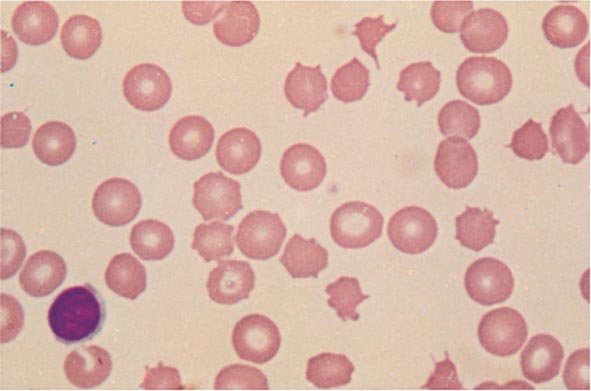
Explanation: ***Glucose-6-phosphate dehydrogenase (G6PD) enzyme assay*** - The patient's symptoms (nausea, weakness, dark urine) and lab findings (hemoglobin 7.9 g/dL, increased unconjugated bilirubin, increased reticulocyte count, increased LDH) indicate **acute hemolytic anemia**. - **Ciprofloxacin** is an oxidant drug, and in a patient with recent travel history to Bangladesh, **glucose-6-phosphate dehydrogenase (G6PD) deficiency** should be strongly considered due to its higher prevalence in populations from South Asia, the Mediterranean, and Africa, and its role in drug-induced hemolysis. - The **G6PD enzyme assay** (quantitative measurement) is the definitive diagnostic test for G6PD deficiency. *Direct antiglobulin (Coombs) test* - This test detects **autoimmune hemolytic anemia** by identifying antibodies or complement components bound to red blood cells. - While the patient has hemolytic anemia, the context of **oxidant drug exposure (ciprofloxacin)** and travel to an endemic area makes G6PD deficiency a more likely cause than an autoimmune process. *ADAMTS-13 activity assay* - This assay is used to diagnose **Thrombotic Thrombocytopenic Purpura (TTP)** by measuring the activity of the ADAMTS13 enzyme. - TTP involves microangiopathic hemolytic anemia, thrombocytopenia, and organ damage; however, the patient's presentation does not include **thrombocytopenia** or other features of TTP, making this diagnosis less likely. *Eosin-5-maleimide (EMA) binding test* - This test is used to diagnose **hereditary spherocytosis**, a condition in which red blood cells have a defective membrane skeleton leading to increased fragility and chronic hemolysis. - While hereditary spherocytosis causes hemolytic anemia, the patient's **acute presentation immediately following ciprofloxacin use** makes G6PD deficiency a more pertinent diagnosis than a chronic hereditary condition. *Hemoglobin electrophoresis* - This test identifies abnormal hemoglobins, such as those found in **thalassemia** or **sickle cell disease**. - These conditions cause chronic hemolytic anemia, but the acute onset of severe hemolysis directly linked to **oxidant drug exposure** is inconsistent with these inherited hemoglobinopathies.
Explanation: ***Pyruvate to oxaloacetate*** - This step, catalyzed by **pyruvate carboxylase**, is the initial and irreversible step of **gluconeogenesis** that occurs within the **mitochondrial matrix**. - **Pyruvate** is converted to **oxaloacetate**, which then either is converted to malate to exit the mitochondria or remains in the mitochondria for subsequent steps of gluconeogenesis depending on the tissue. *Glucose-6-phosphate to glucose* - This final dephosphorylation step of gluconeogenesis, catalyzed by **glucose-6-phosphatase**, occurs in the **endoplasmic reticulum** lumen, not the mitochondria. - It is crucial for releasing free glucose into the bloodstream. *Phosphoenolypyruvate to pyruvate* - This is an irreversible step in **glycolysis**, catalyzed by **pyruvate kinase**, and it is going in the *opposite direction* to what happens in gluconeogenesis. - In gluconeogenesis, **pyruvate** is converted back to **phosphoenolpyruvate** via oxaloacetate, involving enzymes in both the mitochondria and cytoplasm. *Glucose-6-phosphate to 6-phosphogluconolactone* - This reaction is the first committed step of the **pentose phosphate pathway**, catalyzed by **glucose-6-phosphate dehydrogenase** and it occurs in the cytoplasm, not mitochondria. - It is involved in producing NADPH and ribose-5-phosphate, not directly in gluconeogenesis. *Fructose-1,6-bisphosphate to fructose-6-phosphate* - This irreversible dephosphorylation step in gluconeogenesis, catalyzed by **fructose-1,6-bisphosphatase**, occurs in the **cytoplasm**. - It bypasses the phosphofructokinase-1 step of glycolysis.
Explanation: ***Pyruvate dehydrogenase*** - A deficiency in pyruvate dehydrogenase complex leads to the accumulation of **pyruvate** and **alanine**, as pyruvate cannot be converted into acetyl-CoA to enter the citric acid cycle. - This accumulation results in **lactic acidosis**, presenting with symptoms like **seizures**, **hypotonia**, and developmental delay, consistent with the patient's presentation. *Glucose-6-phosphatase* - Deficiency in **glucose-6-phosphatase** causes **Type I glycogen storage disease (Von Gierke disease)**, characterized by **hypoglycemia**, hepatomegaly, and lactic acidosis. - While there is lactic acidosis, the primary manifestations are related to glucose metabolism and not typically the accumulation of alanine and pyruvate to this extent. *Alanine transaminase* - **Alanine transaminase (ALT)** is an enzyme involved in amino acid metabolism, converting alanine and α-ketoglutarate into pyruvate and glutamate. - A deficiency in ALT is not known to cause a distinct clinical syndrome with seizures, hypotonia, and the specific metabolic profile observed. *Glucose-6-phosphate dehydrogenase* - **Glucose-6-phosphate dehydrogenase (G6PD) deficiency** primarily affects **red blood cells**, leading to **hemolytic anemia** triggered by oxidative stress. - It does not typically cause seizures, hypotonia, or the accumulation of pyruvate and alanine described in this case. *Pyruvate kinase* - **Pyruvate kinase deficiency** is another enzymatic defect in **glycolysis** that predominantly affects **red blood cells**, causing **hemolytic anemia**. - While it can lead to some metabolic derangements, it is not the classic cause of central nervous system symptoms like seizures and developmental delay with the specific Lactic Acidosis described.
Explanation: ***Hypoglycemia in this patient is being compensated with an increased glycogenolysis rate.*** - The patient's symptoms (anxiety, sweating, trembling, dizziness, weakness) and **low blood glucose (2.8 mmol/L)** confirm hypoglycemia. The immediate physiological response to hypoglycemia is the release of counter-regulatory hormones (glucagon, epinephrine, cortisol, growth hormone) which stimulate **glycogenolysis** (breakdown of glycogen to glucose) in the liver to maintain blood glucose, especially in the initial hours of fasting. - Given that she has only fasted for 18 hours, her **hepatic glycogen stores** would still be recruited to provide glucose, making increased glycogenolysis a primary compensatory mechanism before gluconeogenesis becomes dominant. *Epinephrine-induced gluconeogenesis is the main process that allows for the compensation of a decreased glucose level.* - While epinephrine promotes **gluconeogenesis**, it is not the *main* compensatory process in the *initial* stages of fasting (0-24 hours). **Glycogenolysis** is the primary response in the first few hours. - Gluconeogenesis becomes the predominant source of glucose after glycogen stores are significantly depleted, typically after 24 hours of fasting or longer. *There is an increase in the glycogen synthesis rate in this patient’s hepatocytes.* - **Glycogen synthesis (glycogenesis)** occurs when blood glucose levels are high, typically after a meal, to store excess glucose as glycogen. - In a state of hypoglycemia, the liver's priority is to *release* glucose, meaning **glycogenolysis** is increased, and glycogen synthesis is inhibited. *The patient’s symptoms are most likely the consequence of increased insulin secretion from the pancreatic islets.* - **Increased insulin secretion** would *cause* hypoglycemia, not be a consequence. In response to hypoglycemia, insulin secretion is *reduced* to prevent further lowering of blood glucose. - The symptoms described (anxiety, sweating, trembling) are characteristic of the **adrenergic response** to hypoglycemia, mediated by epinephrine and norepinephrine, which are counter-regulatory hormones. *The patient’s hypoglycemia inhibits glucagon release from pancreatic alpha cells.* - **Hypoglycemia** is a strong stimulant for **glucagon release** from pancreatic alpha cells. Glucagon's primary role is to raise blood glucose levels by promoting hepatic glycogenolysis and gluconeogenesis. - Therefore, glucagon release would be *stimulated*, not inhibited, in this patient's condition.
Explanation: ***Lactate dehydrogenase*** - Enhanced **lactate dehydrogenase** activity would lead to increased conversion of **pyruvate to lactate**, regenerating **NAD+** for glycolysis to continue under **anaerobic conditions**. - This process explains the **longer glucose utilization** and the significant **acidification of the medium** due to lactate production. *Bisphosphoglycerate mutase* - This enzyme is involved in the synthesis of **2,3-bisphosphoglycerate (2,3-BPG)** in red blood cells, which affects **hemoglobin's oxygen affinity**, not direct glucose utilization in myocytes under anaerobic conditions. - While important for oxygen delivery, its activation would not primarily explain the observed **increased glucose utilization** and **lactic acid accumulation** in myocyte cultures. *Enolase* - **Enolase** catalyzes the conversion of **2-phosphoglycerate to phosphoenolpyruvate** in glycolysis. - While crucial for glycolysis, its activation alone without an efficient disposal pathway for **pyruvate** (like lactate formation) would not sustain glucose metabolism and lead to such pronounced acidification under anaerobic stress. *Malate dehydrogenase* - **Malate dehydrogenase** is primarily involved in the **citric acid cycle** and the **malate-aspartate shuttle**, operating under **aerobic conditions** to convert malate to oxaloacetate. - Its activation would not sustain glycolysis or lead to the observed **acidification** in a low-oxygen environment, where the citric acid cycle is inhibited. *Pyruvate dehydrogenase* - **Pyruvate dehydrogenase** converts **pyruvate to acetyl-CoA**, shunting carbons into the **citric acid cycle** for **aerobic respiration**. - In a **low-oxygen environment**, this enzyme's activity would be limited due to reduced oxygen, and its activation would not explain the sustained glucose utilization or the significant **lactic acid accumulation** from anaerobic metabolism.
Explanation: ***An increase in the ratio of reduced form of nicotinamide adenine dinucleotide to nicotinamide adenine dinucleotide (NADH/NAD+ ratio)*** - Alcohol metabolism by **alcohol dehydrogenase** and **aldehyde dehydrogenase** significantly increases the **NADH/NAD+ ratio**. - This altered ratio inhibits key gluconeogenic enzymes (e.g., lactate dehydrogenase, malate dehydrogenase), diverting substrates away from **glucose production** and leading to **hypoglycemia**. *Overactive pyruvate dehydrogenase* - **Pyruvate dehydrogenase** converts pyruvate to acetyl-CoA, a step in glucose utilization, not production. - An overactive enzyme would typically lead to less pyruvate available for gluconeogenesis, but it's not the primary mechanism of **alcohol-induced hypoglycemia**. *Alcohol-induced diuresis* - Alcohol causes **diuresis** (increased urine production) primarily through inhibition of **antidiuretic hormone (ADH/vasopressin)**. - While diuresis can lead to dehydration and electrolyte imbalances, it does not directly cause **hypoglycemia**. *Increase in insulin secretion* - Alcohol can initially cause a transient increase in insulin, but sustained **hypoglycemia** in chronic alcoholics is not due to **hyperinsulinemia**. - Moreover, the predominant mechanism involves impaired **hepatic glucose production**, not excessive glucose uptake due to insulin. *Glycogen depletion* - While chronic alcohol use can lead to **glycogen depletion** in the liver due to poor nutrition and altered metabolism, this patient's acute presentation points to a more immediate mechanism. - The elevated **NADH/NAD+ ratio** directly inhibits gluconeogenesis, which is the primary contributor to acute **alcohol-induced hypoglycemia**, even before significant **glycogen depletion** occurs.
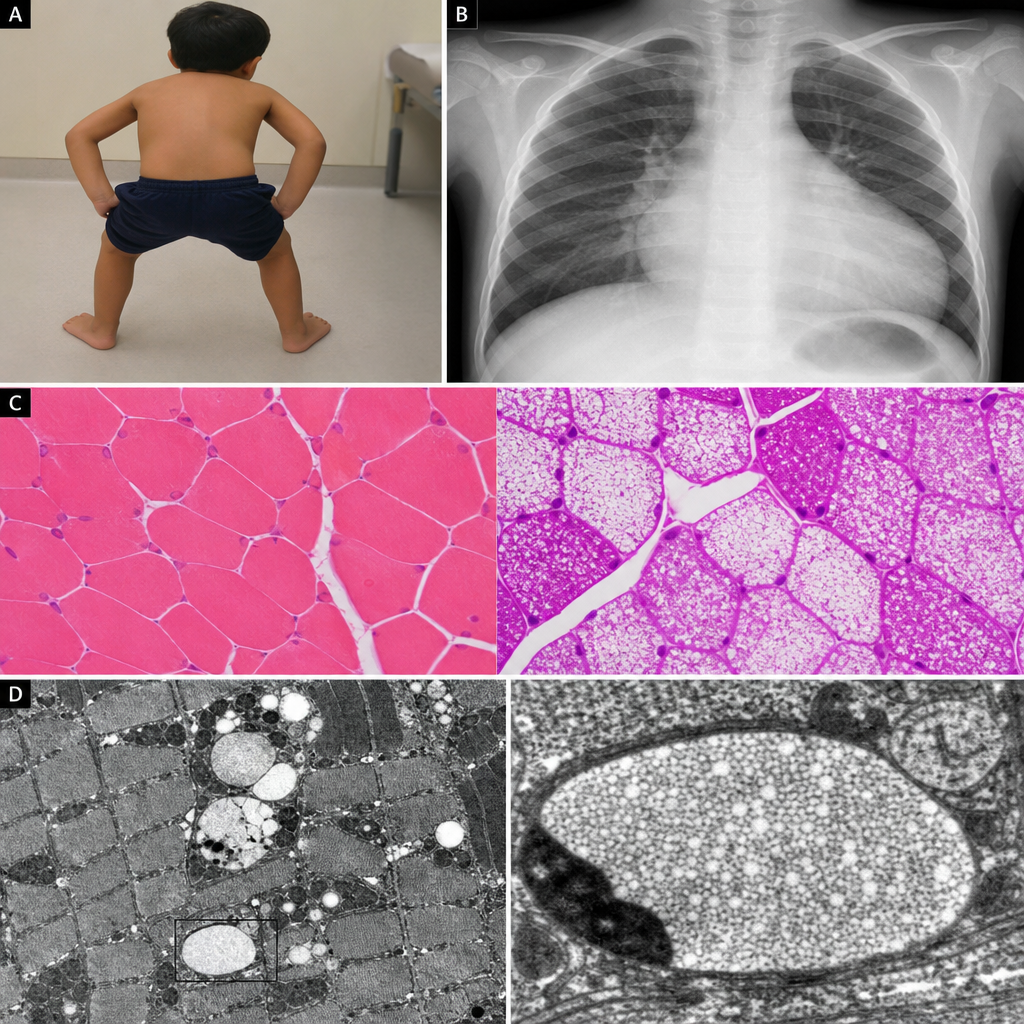
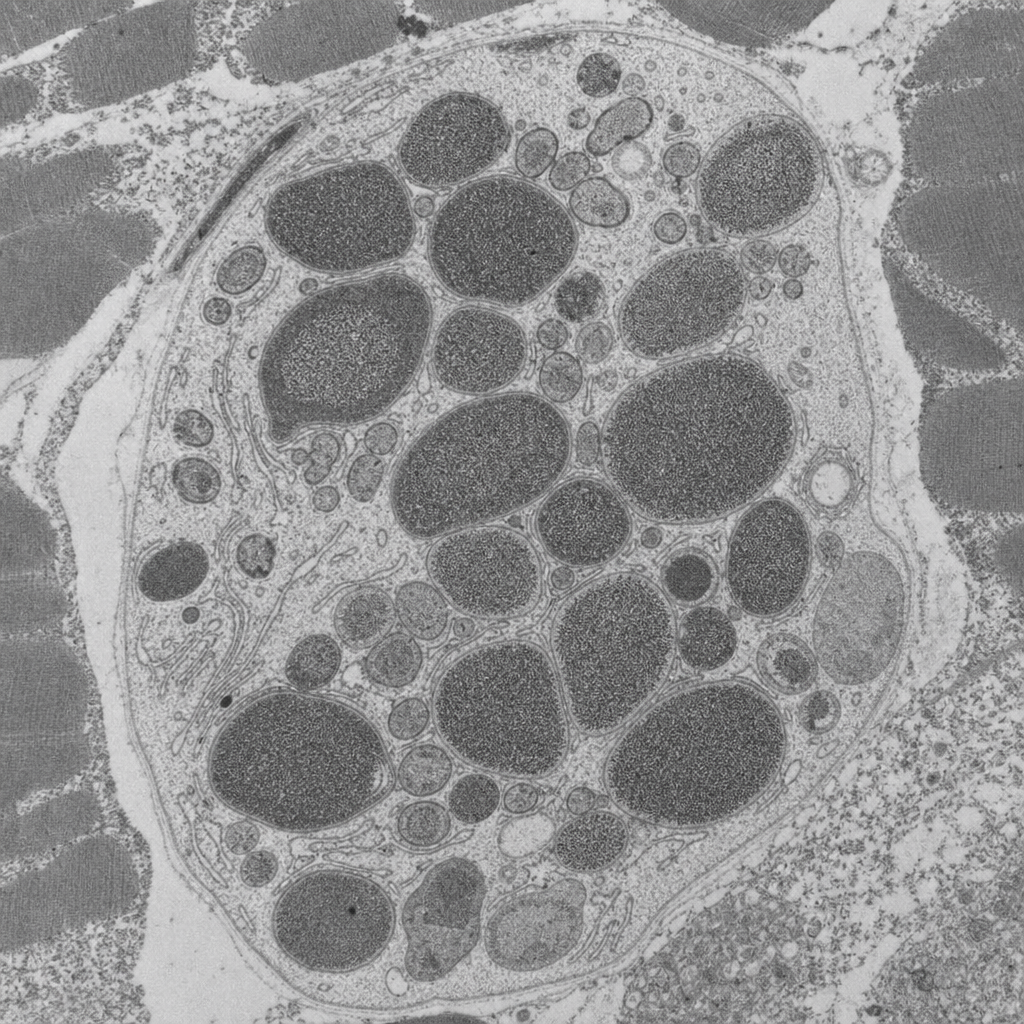
Explanation: ***Lysosomal alpha 1,4-glucosidase*** - The constellation of **hypotonia**, **failure to thrive**, **respiratory distress**, and **cardiomegaly** in an infant, along with **electron-dense granules in lysosomes** and a defect in **glycogen processing**, is characteristic of **Pompe disease (Type II glycogen storage disease)**. - **Pompe disease** is caused by a deficiency of **lysosomal alpha 1,4-glucosidase** (also known as acid maltase), which is responsible for breaking down glycogen in lysosomes. *Branching enzyme* - A deficiency in **branching enzyme (amylo-alpha-1,4-to-alpha-1,6-transglucosidase)** causes **Andersen disease (Type IV glycogen storage disease)**, which typically presents with **hepatosplenomegaly**, **cirrhosis**, and **failure to thrive**. - While it involves glycogenopathy, the specific features of **cardiomyopathy** and **lysosomal accumulation** are not primary to this disorder. *Muscle phosphorylase* - A deficiency in **muscle phosphorylase** causes **McArdle disease (Type V glycogen storage disease)**, which primarily affects **skeletal muscle**. - Symptoms include **exercise intolerance**, **muscle cramps**, and **myoglobinuria**, typically presenting later in childhood or adolescence, and does not involve cardiomyopathy or lysosomal storage. *Debranching enzyme* - A deficiency in **debranching enzyme (alpha-1,6-glucosidase)** causes **Cori disease (Type III glycogen storage disease)**, which presents with **hepatomegaly**, **hypoglycemia**, and **muscle weakness**. - While it can sometimes involve a milder form of cardiomyopathy, the significant **lysosomal involvement** and severe infantile onset with respiratory distress and profound hypotonia point away from Cori disease. *Glucose-6-phosphatase* - A deficiency in **glucose-6-phosphatase** causes **Von Gierke disease (Type I glycogen storage disease)**, characterized by **severe fasting hypoglycemia**, **lactic acidosis**, **hepatomegaly**, and **hyperlipidemia**. - This condition primarily affects the liver and kidneys, and typically does not present with primary cardiomyopathy, hypotonia, or lysosomal glycogen accumulation.
Explanation: ***Correct: Glucose-6-phosphatase*** - The presentation of severe **hypoglycemia** not responsive to glucagon, coupled with **hepatomegaly** and **lactic acidosis** in a neonate, is highly suggestive of **Type I glycogen storage disease (von Gierke disease)**. - Deficiency of **glucose-6-phosphatase** prevents the liver from releasing glucose into the bloodstream (the final step of both gluconeogenesis and glycogenolysis), leading to profound hypoglycemia. - **Key diagnostic clue**: Lack of response to glucagon occurs because glucagon stimulates glycogenolysis, but without functional glucose-6-phosphatase, glucose-6-phosphate cannot be converted to free glucose for release. - Accumulated glucose-6-phosphate shunts to glycolysis, producing **lactate** (lactic acidosis), and to glycogen synthesis, causing **hepatomegaly**. *Incorrect: α-ketoacid dehydrogenase* - Deficiency of **branched-chain α-ketoacid dehydrogenase** causes **maple syrup urine disease (MSUD)**, which presents with poor feeding, vomiting, lethargy, and a characteristic maple syrup odor in urine. - While MSUD can cause neurological symptoms and seizures, **severe hypoglycemia unresponsive to glucagon** and **hepatomegaly** as primary features are not typical. *Incorrect: Phenylalanine hydroxylase* - Deficiency in **phenylalanine hydroxylase** causes **phenylketonuria (PKU)**, which is primarily characterized by intellectual disability, seizures (if untreated), and a musty odor, usually manifesting later in infancy. - PKU does not present with acute neonatal hypoglycemia, lactic acidosis, or hepatomegaly. *Incorrect: Glucocerebrosidase* - Deficiency in **glucocerebrosidase** leads to **Gaucher disease**, a lysosomal storage disorder characterized by hepatosplenomegaly, bone crises, and neurological symptoms in severe infantile forms. - While hepatomegaly may be present, Gaucher disease does not cause acute, severe neonatal hypoglycemia, lactic acidosis, or lack of response to glucagon. *Incorrect: Sphingomyelinase* - Deficiency in **sphingomyelinase** causes **Niemann-Pick disease**, another lysosomal storage disorder, which typically presents with hepatosplenomegaly, neurological deterioration, and "cherry-red spots" in the retina. - This condition does not cause acute neonatal hypoglycemia, lactic acidosis, or glucagon unresponsiveness.
Explanation: ***Increased concentration of H+*** - During **anaerobic metabolism** in high-intensity exercise like sprints, pyruvate is converted to **lactate** by **lactate dehydrogenase** to regenerate NAD+. This process produces H+, leading to a decrease in pH and an increase in H+ concentration in the blood. - The accumulation of **hydrogen ions (H+)** contributes to metabolic acidosis, muscle fatigue, and the burning sensation experienced during intense exertion. - Blood gas analysis would show **decreased pH** and **increased H+ concentration**. *Decreased concentration of NADH* - NADH is primarily an **intracellular metabolite** and is not typically measured in blood samples as it does not circulate freely in significant concentrations. - Within muscle cells during anaerobic glycolysis, NADH is consumed by lactate dehydrogenase to convert pyruvate to lactate, regenerating NAD+ for continued glycolysis. - This option is not a realistic blood finding from a clinical laboratory perspective. *Decreased concentration of lactate* - **High-intensity sprints** primarily rely on **anaerobic metabolism**, which rapidly produces **lactate** from pyruvate. - Therefore, the concentration of lactate in the blood would significantly **increase** after such a workout, not decrease. - Elevated blood lactate is a hallmark finding after intense anaerobic exercise. *Increased concentration of insulin* - **Insulin** levels typically **decrease** during exercise, especially high-intensity exercise, due to **sympathetic nervous system activation** and the body's need to mobilize glucose from liver glycogen and fatty acids. - Exercise promotes glucose uptake through **insulin-independent mechanisms** (GLUT4 translocation via AMP-activated protein kinase). - Increased insulin would be counterproductive during intense exercise when glucose mobilization is needed. *Increased concentration of ATP* - ATP does not circulate in blood in measurable concentrations as a typical laboratory finding. - Within muscle cells, ATP is rapidly **consumed** during intense exercise to fuel muscle contraction. - While cells work to maintain ATP levels through anaerobic glycolysis and the creatine phosphate system, net ATP does not accumulate in the blood.
Explanation: ***D-glucose-6-phosphate + NADP+ → 6-phospho-D-glucono-1,5-lactone + NADPH + H+*** - This reaction is catalyzed by **glucose-6-phosphate dehydrogenase (G6PD)**, an enzyme critical for the production of **NADPH** in the **pentose phosphate pathway**. - **NADPH** is essential for reducing **oxidative stress** in red blood cells. A deficiency in G6PD leads to increased susceptibility to hemolysis, especially under oxidative triggers like malaria, resulting in symptoms such as **acute hemolytic anemia**, jaundice, and specific morphological changes (e.g., **fragmented RBCs**, **microspherocytes**, and **eccentrocytes**, also known as **bite cells**). *Glucose-1-phosphate + UTP → UDP-glucose + pyrophosphate* - This reaction is catalyzed by **UDP-glucose pyrophosphorylase** and is important for **glycogen synthesis**. - A deficiency in this enzyme would primarily affect glycogen metabolism and would not explain the **hemolytic anemia** or the characteristic red blood cell morphology seen in the patient. *Glucose + ATP → Glucose-6-phosphate + ADP + H+* - This reaction is catalyzed by **hexokinase**, the first committed step in **glycolysis**. - While hexokinase deficiency can cause **hemolytic anemia**, it generally presents with chronic, moderate anemia and does not typically involve the specific red blood cell morphology (eccentrocytes/bite cells) associated with oxidative damage found in G6PD deficiency. *D-glucose 6-phosphate → D-fructose-6-phosphate* - This reaction is catalyzed by **phosphoglucose isomerase** (also known as phosphohexose isomerase) and is part of **glycolysis**. - A deficiency in this enzyme would impair glycolysis and lead to **hemolytic anemia**, but its clinical presentation and RBC morphology differ from what is typically seen in G6PD deficiency, particularly the absence of oxidative stress markers like bite cells. *Glucose-6-phosphate + H2O → glucose + Pi* - This reaction is catalyzed by **glucose-6-phosphatase**, an enzyme found primarily in the liver and kidney, responsible for the final step in **gluconeogenesis** and glycogenolysis to release free glucose into the bloodstream. - A deficiency in glucose-6-phosphatase leads to **glycogen storage disease type I (Von Gierke's disease)**, characterized by **hypoglycemia**, **lactic acidosis**, and hepatomegaly, not hemolytic anemia.
Explanation: ***Normal glycogen structure*** - The patient's symptoms (exercise-induced muscle cramps, myoglobinuria, and elevated CK) are classic for **McArdle disease** (Glycogen Storage Disease Type V), caused by a deficiency in **muscle glycogen phosphorylase**. - In McArdle disease, the enzyme responsible for breaking down glycogen (glycogen phosphorylase) is deficient, but the enzymes involved in synthesizing glycogen are normal. Therefore, the **structure of glycogen is normal**, but it accumulates in muscle cells because it cannot be catabolized. *Short outer glycogen chains* - **Short outer glycogen chains** are characteristic of **Cori disease** (Glycogen Storage Disease Type III), caused by a deficiency in **debranching enzyme**. - This condition also presents with hypoglycemia and hepatomegaly, which are not described in the patient's presentation. *Accumulation of glycogen in lysosomes forming dense granules* - **Accumulation of glycogen in lysosomes** and the formation of **dense granules** is characteristic of **Pompe disease** (Glycogen Storage Disease Type II), caused by a deficiency in **lysosomal alpha-glucosidase (acid maltase)**. - Pompe disease typically presents as a severe infantile form with cardiomegaly and hypotonia, or a later-onset form with proximal muscle weakness, which differs from the patient's primary complaint of exercise intolerance and myoglobinuria. *Glycogen without normal branching pattern* - **Glycogen without a normal branching pattern** (very long unbranched chains) is characteristic of **Andersen disease** (Glycogen Storage Disease Type IV), caused by a deficiency in **branching enzyme**. - This condition typically leads to cirrhosis and liver failure in infancy, which is not consistent with the patient's presentation. *Absence of glycogen in muscles* - While McArdle disease involves an inability to break down muscle glycogen, it does not result in the **absence of glycogen** in muscles; rather, there is an **over-accumulation** of normal-structured glycogen because it cannot be utilized. - The defect is in **glycogenolysis**, not glycogen synthesis, so glycogen is formed but not broken down.
Explanation: ***Low pyruvate dehydrogenase activity*** - The patient's symptoms (headache, nausea, dizziness, tachypnea) after smoke exposure, combined with a **high serum lactate (6 mmol/L)** and signs of acidosis (pH 7.3, PaCO2 49 mmHg indicating respiratory compensation for metabolic acidosis), are highly suggestive of **carbon monoxide (CO) poisoning**. - **CO binds to cytochrome C oxidase**, inhibiting the electron transport chain and **oxidative phosphorylation**. This leads to a buildup of NADH and a shift to **anaerobic metabolism**, where pyruvate is converted to **lactate** instead of entering the **Krebs cycle** via **pyruvate dehydrogenase (PDH)**. Therefore, the effective activity of PDH is reduced because its substrate (pyruvate) is shunted to lactate production. *Increased oxidation of NADH* - In CO poisoning, **oxidative phosphorylation is inhibited**, leading to a *decrease* in NADH oxidation as the electron transport chain cannot efficiently accept electrons from NADH. - Instead, NADH *accumulates*, favoring the conversion of pyruvate to lactate to regenerate NAD+ for glycolysis. *Low lactate dehydrogenase activity* - **Lactate dehydrogenase (LDH)** activity would likely be *increased* or normal in this scenario, as it is responsible for converting pyruvate to lactate during anaerobic metabolism, which is elevated as indicated by the high serum lactate. - Low LDH activity would *reduce* lactate production, counteracting the observed elevated lactate levels. *High pyruvate dehydrogenase activity* - **Pyruvate dehydrogenase (PDH)** converts pyruvate to acetyl-CoA for entry into the Krebs cycle, a key step in *aerobic* metabolism. - In the setting of **CO poisoning**, aerobic metabolism is compromised, leading to a *reduction* in the flow through PDH as pyruvate is shunted towards **lactate production**. *Increased decarboxylation of pyruvate* - **Decarboxylation of pyruvate** is catalyzed by **pyruvate dehydrogenase (PDH)**, converting pyruvate to acetyl-CoA and releasing CO2. - With compromised oxidative phosphorylation due to CO poisoning, the cell shifts to anaerobic metabolism, which *reduces* the processing of pyruvate through PDH, thus *decreasing* its decarboxylation, leading to lactate build-up.
Explanation: ***Defect in expression of glucokinase gene*** - The patient's presentation with **mild, stable hyperglycemia** (fasting glucose 132 mg/dL, HbA1c 7.1%) since a young age, without features of typical type 1 or type 2 diabetes, is highly suggestive of **Maturity-Onset Diabetes of the Young (MODY)**. - Specifically, **MODY2**, caused by a defect in the **glucokinase gene (GCK-MODY)**, is characterized by a slightly elevated fasting glucose that is often present from birth, minimally progressive, and typically managed with diet due to the negligible risk of complications. *Mutation in hepatocyte nuclear factor 1* - Mutations in **hepatocyte nuclear factor 1-alpha (HNF1A-MODY or MODY3)** and **HNF4A (HNF4A-MODY or MODY1)** are also common forms of MODY, but they usually lead to more progressive hyperglycemia and often require sulfonylurea treatment due to impaired insulin secretion. - These forms of MODY are associated with a higher risk of diabetic complications compared to GCK-MODY, which contradicts the physician's conclusion of a low complication risk. *Resistance to insulin-mediated glucose uptake* - This describes **insulin resistance**, a hallmark of **Type 2 Diabetes Mellitus**. - However, the patient's normal BMI (20.3 kg/m2) and relatively low insulin level after glucose challenge (20 mIU/L, within range of "normal" for some labs, but significantly lower than the expected robust response in early T2DM) make significant insulin resistance unlikely as the primary cause. *Increased endogenous cortisol production* - Increased cortisol, as seen in **Cushing's syndrome**, can cause hyperglycemia due to increased gluconeogenesis and insulin resistance. - However, the patient presents with no other signs or symptoms of Cushing's syndrome (e.g., central obesity, moon facies, striae, hypertension), making this diagnosis improbable. *Autoantibodies to pancreatic beta cells* - The presence of autoantibodies (e.g., anti-GAD, islet cell antibodies) is characteristic of **Type 1 Diabetes Mellitus**, an autoimmune condition leading to destruction of pancreatic beta cells and usually presents with more severe hyperglycemia and insulin dependency. - The patient's mild, stable hyperglycemia and the physician's conclusion of a low complication risk and diet-only management contradict the typical progression and management of Type 1 Diabetes.
Explanation: ***Lens*** - The **lens** is rich in the enzyme **aldose reductase**, which converts glucose to sorbitol, and then **sorbitol dehydrogenase** converts sorbitol to fructose via the **polyol pathway**. - In a high-glucose environment, this pathway becomes highly active in the lens, leading to an increased production and accumulation of **fructose**, which can contribute to osmotic stress and cataract formation. *Ovary* - While other reproductive tissues can metabolize glucose, the **ovary** is not a primary site for significant fructose accumulation through the **polyol pathway** in response to elevated glucose. - Its metabolic activity is more geared towards steroidogenesis and oocyte development rather than high fructose production from glucose. *Retina* - The **retina** contains some aldose reductase activity, and increased glucose can activate the **polyol pathway**, leading to sorbitol and fructose accumulation. - However, the lens typically shows a more pronounced increase in fructose concentration due to its higher metabolic flux through this pathway and its susceptibility to osmotic damage. *Myelin sheath* - The **myelin sheath**, primarily composed of lipids, is part of the nervous system and is not known for significant **fructose production** via the **polyol pathway** in response to high glucose. - Damage to myelin in diabetic conditions is often linked to other mechanisms like glycation and oxidative stress rather than direct fructose accumulation. *Kidney* - The **kidney** can utilize the **polyol pathway**, and conditions like **diabetic nephropathy** involve increased sorbitol and fructose production. - However, the magnitude of fructose accumulation and its direct pathogenic role differ from that in the lens, where osmotic effects of polyols are particularly critical.
Explanation: ***Fructose-1,6-bisphosphate*** - **Fructose-1,6-bisphosphate** is a potent **allosteric activator** of pyruvate kinase. This is an example of **feed-forward activation**, where a product of an early irreversible step in glycolysis (catalyzed by phosphofructokinase-1) activates a later enzyme (pyruvate kinase) in the pathway. - This activation ensures that substrates for the later steps of glycolysis are rapidly utilized when earlier steps are highly active, matching the rate of metabolite flow and increasing the overall efficiency of glycolysis for energy production. *Alanine* - **Alanine** is an **inhibitor** of pyruvate kinase, not an activator. It serves as an indicator of a high cellular energy state and ample amino acid supply. - High levels of alanine signal the cell that there is sufficient energy and building blocks, thus **shutting down** glycolysis at the pyruvate kinase step to conserve glucose for other needs like glycogen synthesis. *ATP* - **ATP** (adenosine triphosphate) is an **allosteric inhibitor** of pyruvate kinase. High ATP levels signal a high energy state in the cell. - When the cell has sufficient energy, ATP binds to a regulatory site on pyruvate kinase, reducing its activity and **slowing down glycolysis** to prevent overproduction of ATP. *Glucose-6-phosphate* - **Glucose-6-phosphate** is an intermediate in glycolysis but does not directly activate pyruvate kinase. It can act as an allosteric inhibitor of hexokinase, the first enzyme in glycolysis, but not pyruvate kinase. - Its accumulation typically signifies a **backup** in the glycolytic pathway (e.g., due to downstream inhibition), leading to a *reduction* in overall glucose flux rather than a direct activation of pyruvate kinase. *Glyceraldehyde-3-phosphate* - **Glyceraldehyde-3-phosphate** is an intermediate in glycolysis, but it does not directly activate pyruvate kinase. It is a substrate for glyceraldehyde-3-phosphate dehydrogenase. - While its presence indicates active glycolysis, it does not exert a specific allosteric regulatory effect on pyruvate kinase in the way fructose-1,6-bisphosphate does.
Explanation: ***Breaking down glycogen to glucose-1-phosphate*** - The patient's symptoms (muscle pain, quick fatigue during exercise, tea-colored urine indicating **rhabdomyolysis**) and laboratory findings (**elevated creatine kinase and myoglobin**, **large glycogen deposits** in muscle, and **lack of myophosphorylase activity**) are classic for **McArdle disease (Glycogen Storage Disease Type V).** - **Myophosphorylase** (also known as **glycogen phosphorylase**) is the enzyme responsible for breaking down glycogen into **glucose-1-phosphate** in muscle, so this reaction is severely impaired. *Cleaving alpha-1,6 glycosidic bonds from glycogen* - This reaction is catalyzed by the **debranching enzyme** (specifically, its **oligo-1,6-glucosidase** activity), not myophosphorylase. - The debranching enzyme is crucial for completely breaking down glycogen, but its deficiency would lead to different clinical and histopathological findings (e.g., accumulation of **dextrin-like structures**). *Creating alpha-1,6 glycosidic bonds in glycogen* - This is the function of the **branching enzyme**, which introduces branches into the glycogen structure. - This process is part of **glycogen synthesis**, not degradation, and is not directly affected by myophosphorylase deficiency. *Converting glucose-6-phosphate to glucose* - This reaction primarily occurs in the liver and kidneys, catalyzed by **glucose-6-phosphatase**, to release glucose into the bloodstream. - While muscle cells can produce glucose-6-phosphate from glycogen, they lack glucose-6-phosphatase, so they cannot release free glucose into the blood. This reaction is irrelevant to the primary defect here. *Converting galactose to galactose-1-phosphate* - This is an initial step in **galactose metabolism**, catalyzed by **galactokinase**. - This metabolic pathway is entirely separate from glycogen metabolism and is not implicated in McArdle disease.
Explanation: ***C-peptide level*** - A **low C-peptide level** in the presence of **hypoglycemia** and high insulin levels confirms the diagnosis of **exogenous insulin administration** (factitious hypoglycemia). - **C-peptide** is cleaved from **proinsulin** in equimolar amounts with endogenous insulin, making it an excellent marker to differentiate endogenous insulin production from exogenous insulin injection. - In this case: **Low C-peptide + High insulin + Hypoglycemia** = exogenous insulin administration. *Fasting blood glucose* - The patient already has documented **hypoglycemia (25 mg/dL)**, so an additional fasting blood glucose test would not provide further diagnostic information about the **cause** of hypoglycemia. - A single fasting blood glucose level indicates current glucose status but **does not differentiate** between endogenous insulin overproduction (insulinoma) and exogenous insulin administration. *Urine metanephrines* - **Urine metanephrines** are used to diagnose **pheochromocytoma**, a catecholamine-secreting tumor of the adrenal medulla. - Pheochromocytoma presents with **hypertension**, palpitations, headaches, and diaphoresis—**not hypoglycemia**. - This test is not relevant to the differential diagnosis of hypoglycemia. *Genetic testing* - **Genetic testing** might be considered for rare hereditary causes of hypoglycemia, such as congenital hyperinsulinism or genetic insulinoma syndromes (e.g., MEN1). - Given the clinical context (depressed nurse with access to insulin and empty syringes found at home), **exogenous insulin administration** is far more likely than a genetic condition. - Genetic testing is not the appropriate initial diagnostic step in this scenario. *24 hr cortisol* - A **24-hour urinary cortisol** test is used to diagnose **Cushing's syndrome** (cortisol excess), not hypoglycemia. - While **adrenal insufficiency** (cortisol deficiency) can cause hypoglycemia, it typically presents with **hypotension**, **hyponatremia**, **hyperkalemia**, and **hyperpigmentation**—features not described in this case. - The clinical presentation strongly suggests insulin-related hypoglycemia rather than adrenal insufficiency.
Explanation: ***Hexokinase*** - This patient has **essential fructosuria** (fructokinase deficiency), a **benign condition** presenting with positive reducing substances in urine but **normal growth and development** (unlike galactosemia, which causes failure to thrive). - **Apple juice** contains high concentrations of both **fructose** and **glucose**. Since fructokinase is deficient, the patient cannot metabolize fructose efficiently, and it spills into the urine. - However, the **glucose component** of apple juice will be metabolized normally via **hexokinase**, which phosphorylates glucose to glucose-6-phosphate. Increased glucose intake leads to **increased hexokinase activity**. *Galactokinase* - **Galactokinase** phosphorylates galactose to galactose-1-phosphate in the first step of galactose metabolism. - This patient's condition involves **fructose metabolism**, not galactose metabolism. Apple juice contains primarily glucose and fructose, not galactose. - Galactokinase activity would not be significantly affected by apple juice consumption. *α-1,6-glucosidase* - This **debranching enzyme** is involved in **glycogenolysis** (breakdown of glycogen at branch points). - Deficiency causes **Cori disease (Type III Glycogen Storage Disease)**. - This enzyme is not involved in the metabolism of dietary sugars from apple juice and would not show increased activity. *Fructokinase* - **Fructokinase** phosphorylates fructose to fructose-1-phosphate in the first step of fructose metabolism. - This patient has **essential fructosuria** due to **fructokinase deficiency**, so this enzyme has **reduced or absent activity**, not increased activity. - The positive reducing substances in urine represent unmetabolized fructose accumulating due to this deficiency. *Aldolase B* - **Aldolase B** cleaves fructose-1-phosphate to dihydroxyacetone phosphate and glyceraldehyde in the second step of fructose metabolism. - Deficiency causes **hereditary fructose intolerance** (HFI), which presents with severe symptoms (vomiting, hypoglycemia, hepatomegaly, failure to thrive) when fructose is consumed—unlike this asymptomatic patient. - Since fructokinase is deficient in this patient, **fructose-1-phosphate is not produced**, so aldolase B would not show increased activity.
Explanation: ***Generation of adenosine triphosphate*** - Immediately after glucose enters pancreatic beta-cells via **GLUT2 transporters**, it is phosphorylated by **glucokinase (hexokinase IV)** to glucose-6-phosphate. - This glucose is then metabolized through **glycolysis** and the **Krebs cycle**, leading to the generation of **ATP**. - This increase in intracellular **ATP/ADP ratio** is the **primary signal** that links glucose metabolism to insulin secretion. - Among the listed options, ATP generation is the **earliest event** that occurs. *Closure of membranous potassium channels* - The elevated **ATP** levels from glucose metabolism lead to the closure of **ATP-sensitive potassium (K-ATP) channels**. - This closure is a subsequent event that depends on the increased ATP/ADP ratio, not an immediate consequence of glucose entry. *Increased expression of hexokinase I mRNA* - While **glucokinase (hexokinase IV)** activity is crucial for glucose phosphorylation in beta-cells, increased mRNA expression is a **long-term adaptive response** requiring transcription and translation. - The immediate response involves the existing enzyme converting glucose to **glucose-6-phosphate**, followed by ATP generation. *Exocytosis of insulin granules* - **Insulin granule exocytosis** is the final step in insulin release, occurring after a cascade of events: ATP generation → K-ATP channel closure → membrane depolarization → calcium influx. - This event is a *downstream consequence*, not an immediate result of glucose entering the cell. *Depolarization of beta-cell membrane* - **Membrane depolarization** follows the closure of ATP-sensitive potassium channels, which then leads to the opening of **voltage-gated calcium channels**. - This is a subsequent event that depends on the initial ATP generation and K-ATP channel closure.
Explanation: ***Debranching enzyme*** - The presence of **abnormally short outer chains** in a storage molecule, along with **hypoglycemia** and **hepatomegaly**, strongly suggests a defect in the **debranching enzyme** (Type III Glycogen Storage Disease or Cori/Forbes disease). This enzyme is responsible for breaking down the α-1,6 glycosidic bonds at the branch points of glycogen. - Deficiency leads to the accumulation of glycogen with **short branches**, affecting both liver and muscle. *Hepatic phosphorylase* - A defect in **hepatic phosphorylase** (Type VI Glycogen Storage Disease or Hers' disease) leads to similar symptoms like **hepatomegaly** and **hypoglycemia**. - However, the glycogen structure would be normal, not characterized by abnormally short outer chains. *Glucose-6-phosphatase* - A deficiency in **glucose-6-phosphatase** (Type I Glycogen Storage Disease or Von Gierke's disease) leads to severe **hypoglycemia**, **hepatomegaly**, and often **renal enlargement**. - Glycogen structure in this condition is typically normal, with **increased hepatic glycogen stores**. *Muscle phosphorylase* - A deficiency in **muscle phosphorylase** (Type V Glycogen Storage Disease or McArdle's disease) primarily affects skeletal muscle function, causing **muscle cramping**, pain, and **fatigue during exercise**. - It does not typically present with severe **hypoglycemia** or **hepatomegaly** because the liver enzyme is unaffected. *Branching enzyme* - A defect in the **branching enzyme** (Type IV Glycogen Storage Disease or Andersen's disease) results in glycogen with **abnormally long unbranched chains** and fewer branch points. - This typically leads to **cirrhosis** and liver failure, and while hypoglycemia can occur, the characteristic glycogen structure is the opposite of what is described in the patient.
Explanation: ***Erythrocyte transketolase activity*** - The patient's history of **chronic alcohol abuse**, prolonged seizure, and post-mortem findings of **atrophic mammillary bodies with brown-tan discoloration** are characteristic of **Wernicke-Korsakoff syndrome**, caused by **thiamine (vitamin B1) deficiency**. - **Transketolase** is a thiamine-dependent enzyme involved in the **pentose phosphate pathway**; its activity in erythrocytes would be **decreased** in thiamine deficiency. *Aldolase B activity* - **Aldolase B** is an enzyme involved in **fructose metabolism**, and its deficiency is associated with **hereditary fructose intolerance**. - There is no clinical or pathological evidence in this case to suggest a disorder of fructose metabolism. *Rapid fluorescent spot test* - This test is used to screen for **glucose-6-phosphate dehydrogenase (G6PD) deficiency**, a condition characterized by **hemolytic anemia** triggered by certain drugs or infections. - While chronic alcohol abuse can lead to various hematologic abnormalities, there is no direct link between G6PD deficiency and Wernicke-Korsakoff syndrome or the patient's specific presentation. *CSF IgG protein* - Elevated **CSF IgG protein** is typically seen in inflammatory or demyelinating conditions of the central nervous system, such as **multiple sclerosis** or certain infections. - This finding is not directly associated with thiamine deficiency or alcoholic encephalopathy. *Serum methylmalonic acid* - Elevated **serum methylmalonic acid** is a sensitive indicator of **vitamin B12 deficiency**, which can cause neurological symptoms. - While alcoholics can have various nutritional deficiencies, the specific brain pathology described (mammillary body atrophy) is characteristic of thiamine deficiency, not vitamin B12 deficiency.
Explanation: ***No change in plasma glucose; glucose-6-phosphatase*** - The clinical presentation, including **hypoglycemia** (35 mg/dL), **hepatomegaly** (liver span 4.5 cm below costal margin), and **enlarged cheeks** (due to fat deposition), is classic for **Glycogen Storage Disease Type I (von Gierke disease)**. This condition is caused by a deficiency in **glucose-6-phosphatase**. - In von Gierke disease, the body cannot convert **glycogen to glucose** or perform **gluconeogenesis** efficiently. Therefore, a **glucagon stimulation test** (which typically promotes glycogenolysis and gluconeogenesis to raise blood glucose) would show **no change** in plasma glucose levels because the final enzyme in this pathway, glucose-6-phosphatase, is deficient. *Rise in plasma glucose; alpha-1,4-glucosidase* - A deficiency in **alpha-1,4-glucosidase** (acid maltase) causes **Glycogen Storage Disease Type II (Pompe disease)**, which primarily affects muscles and the heart. - While it can present with profound hypotonia and cardiomegaly, it typically **does not cause hypoglycemia** or marked hepatomegaly with fasting, and a glucagon test would likely show a rise in plasma glucose as the enzymes involved in glucose production are intact. *Rise in plasma glucose; liver phosphorylase* - A deficiency in **liver phosphorylase** causes **Glycogen Storage Disease Type VI (Hers disease)**. This can lead to hepatomegaly and hypoglycemia. - However, in Hers disease, the **glucose-6-phosphatase** enzyme is functional, so a glucagon stimulation test would eventually lead to a **rise in plasma glucose** once glycogen breakdown products reach this final step. *Rise in plasma glucose; glycogen debranching enzyme* - A deficiency in **glycogen debranching enzyme** causes **Glycogen Storage Disease Type III (Cori disease)**. This condition also presents with hepatomegaly and hypoglycemia, similar to von Gierke disease. - However, because the **glucose-6-phosphatase** enzyme is functional, a glucagon stimulation test would eventually show a **rise in plasma glucose**, albeit a blunted or delayed rise, after partial glycogenolysis occurs. *No change in plasma glucose; muscle phosphorylase* - A deficiency in **muscle phosphorylase** causes **Glycogen Storage Disease Type V (McArdle disease)**, which primarily affects skeletal muscles. - Patients typically present with **exercise intolerance**, muscle cramps, and myoglobinuria, and do not experience **hypoglycemia** or hepatomegaly. The liver enzymes for glucose production would be intact, so a glucagon test would show a rise in plasma glucose.
Explanation: ***Acid maltase deficiency*** - This condition is also known as **Pompe disease**. It is a **lysosomal storage disease** that presents in infancy with **cardiomegaly**, **macroglossia**, **hypotonia**, and **respiratory failure**, all of which are consistent with the patient's presentation. - The deficiency in **acid alpha-glucosidase (acid maltase)** leads to glycogen accumulation in lysosomes, particularly in muscle cells, causing impaired muscle function, including the heart. *Familial hypertrophic cardiomyopathy* - While it causes **myocardial hypertrophy**, it typically does **not present with profound generalized hypotonia, macroglossia, or feeding difficulties** as the primary symptoms in infancy. - This condition is usually due to **sarcomeric protein mutations** and lacks the widespread systemic muscle involvement seen in Pompe disease. *Clostridium tetani infection* - This infection causes **tetanus**, characterized by **severe muscle spasms, trismus (lockjaw), and opisthotonus**, rather than hypotonia and weakness. - It would also typically involve a history of a **puncture wound or contaminated injury**, which is not mentioned. *Spinal muscular atrophy type I disease* - This is characterized by **severe hypotonia** and **muscle weakness** due to the degeneration of anterior horn cells. - However, **cardiomegaly and macroglossia are not typical features** of spinal muscular atrophy. *Clostridium botulinum infection* - This infection causes **flaccid paralysis** and weakness, usually presenting with **constipation**, **weak cry**, and **difficulty feeding**, by preventing acetylcholine release at neuromuscular junctions. - However, **cardiomyopathy and macroglossia are not characteristic** of botulism.
Explanation: ***Pathological; an intermediate of glycolysis*** - The patient's symptoms (fatigue, jaundice, hepatomegaly, tachycardia, atypical red blood cells) are consistent with **chronic hemolytic anemia**, likely due to **pyruvate kinase deficiency**, a genetic condition more common in populations from Africa and the Mediterranean. - In **pyruvate kinase deficiency**, the enzyme that converts phosphoenolpyruvate (PEP) to pyruvate is deficient, leading to impaired ATP production in red blood cells. - This causes a compensatory increase in **2,3-Bisphosphoglycerate (2,3-BPG)** through the Rapoport-Luebering shunt, a side pathway of glycolysis that diverts 1,3-BPG to form 2,3-BPG. - Elevated **2,3-BPG is pathological** in this context and is an **intermediate associated with glycolysis**, making this the correct answer. *Physiological; found in the mitochondrial intermembrane space* - This option refers to molecules like **cytochrome c** found in the mitochondrial intermembrane space during normal oxidative phosphorylation. - Red blood cells lack mitochondria, so this is not relevant to the pathology described. - The clinical presentation indicates a pathological state, not normal physiology. *Pathological; an intermediate of the Krebs cycle* - The Krebs cycle occurs in mitochondria, which **mature red blood cells lack**. - The hemolytic anemia with atypical red blood cells specifically points to a defect in **red blood cell glycolysis**, not the Krebs cycle. - This option is incorrect because the pathology involves glycolysis, not the Krebs cycle. *Physiological; an intermediate of glycolysis* - While 2,3-BPG is technically an intermediate related to glycolysis, its **markedly elevated level in this patient is pathological**, not physiological. - The molecule is high due to disease (pyruvate kinase deficiency), not normal metabolic function. - The context clearly describes a pathological condition requiring the molecule to be abnormally elevated. *Physiological; an intermediate of gluconeogenesis* - Gluconeogenesis occurs primarily in the liver and kidneys, not in red blood cells. - Red blood cells rely exclusively on glycolysis for ATP production and do not perform gluconeogenesis. - The condition is pathological, not a normal physiological state.
Explanation: ***Myophosphorylase deficiency*** - This condition (also known as **McArdle disease**) presents with **exercise-induced muscle cramps, pain, and fatigue** immediately after initiating activity, with a "second wind" phenomenon where symptoms improve after resting. - The elevated **creatine kinase** and **reddish-brown urine** (indicating **myoglobinuria** due to rhabdomyolysis) are classic findings after strenuous activity in this glycogen storage disorder. *CTG repeat in the DMPK gene* - This describes **myotonic dystrophy type 1**, which presents with **myotonia** (delayed muscle relaxation), muscle weakness, and often involves multiple organ systems. - While it causes muscle weakness, it does not typically present with acute, exercise-induced pain, cramping, and rhabdomyolysis in this manner. *Dystrophin gene mutation* - This is characteristic of **Duchenne or Becker muscular dystrophy**, which are progressive muscle weakness disorders. - They typically cause **progressive proximal muscle weakness** and atrophy, not acute, intermittent, exercise-induced pain and cramping with a "second wind" phenomenon. *Thyroid hormone deficiency* - **Hypothyroidism** can cause muscle cramps, weakness, and elevated creatine kinase, but these symptoms are usually chronic and progressive, not acutely exercise-induced with improvement after a short rest. - It would also present with other systemic symptoms like fatigue, weight gain, and cold intolerance, which are not described. *Acid maltase deficiency* - Also known as **Pompe disease**, this is a glycogen storage disorder that primarily affects infants and can present in adults with **proximal muscle weakness**, respiratory insufficiency, and cardiac involvement. - It does not typically present with acute, exercise-induced muscle cramps, pain, and rhabdomyolysis followed by a "second wind" phenomenon like McArdle disease.
Explanation: ***Hemophilia A*** - The infant's symptoms (**fever**, **coke-colored urine**, **jaundice**, and history of **hyperbilirubinemia**) following exposure to **trimethoprim-sulfamethoxazole (TMP-SMX)** suggest **glucose-6-phosphate dehydrogenase (G6PD) deficiency**, an X-linked recessive condition. - **Hemophilia A** is also an **X-linked recessive disorder**, making its inheritance pattern similar to G6PD deficiency. *Rett syndrome* - **Rett syndrome** is an **X-linked dominant** neurodevelopmental disorder, primarily affecting females severely and often embryonically lethal in males. - Its inheritance pattern differs significantly from the X-linked recessive inheritance of G6PD deficiency. *Beta thalassemia* - **Beta thalassemia** is an **autosomal recessive** blood disorder, meaning it is inherited through genes located on non-sex chromosomes. - This inheritance pattern is distinct from the X-linked recessive pattern of G6PD deficiency. *Sickle cell anemia* - **Sickle cell anemia** is an **autosomal recessive** hereditary blood disorder, with the gene located on chromosome 11. - Its inheritance pathway is different from the X-linked recessive genetic inheritance seen in G6PD deficiency. *Marfan syndrome* - **Marfan syndrome** is an **autosomal dominant** disorder affecting connective tissue, the gene for which is located on chromosome 15. - This mode of inheritance is distinctly different from the X-linked recessive pattern of inheritance.
Explanation: ***Glucose-6-phosphatase*** - The patient's symptoms, including **hypoglycemia**, **hepatomegaly** (implied by protuberant abdomen), **lactic acidosis** (elevated lactate), and lack of response to **glucagon stimulation**, are classic for **Type I glycogen storage disease (von Gierke disease)**, which is caused by a deficiency in **glucose-6-phosphatase**. - This enzyme is crucial for the final step of both **glycogenolysis** and **gluconeogenesis**, and its deficiency prevents the liver from releasing glucose into the bloodstream, leading to severe hypoglycemia. *Alpha-1,4-glucosidase* - A deficiency in **alpha-1,4-glucosidase (acid maltase)** causes **Type II glycogen storage disease (Pompe disease)**, which primarily affects muscle (cardiac and skeletal). - Symptoms include **cardiomyopathy**, **hypotonia**, and muscle weakness, and it does **not** typically present with hypoglycemia or lactic acidosis. *Glycogen synthase* - A deficiency in **glycogen synthase** would lead to an inability to synthesize glycogen, resulting in **hypoglycemia** but **low** (rather than high) glycogen levels. - Patients typically experience fasting hypoglycemia, but **no hepatomegaly** or lactic acidosis would be expected. *Alpha-1,6-glucosidase* - A deficiency in **alpha-1,6-glucosidase (debranching enzyme)** causes **Type III glycogen storage disease (Cori disease)**. - This condition presents with **hepatomegaly**, **hypoglycemia**, and sometimes muscle weakness, but patients typically **do respond to glucagon** and have less severe lactic acidosis compared to Type I. *Glycogen phosphorylase* - A deficiency in **glycogen phosphorylase (hepatic form, Type VI GSD or Hers disease)** primarily affects the liver's ability to break down glycogen. - This typically causes **hepatomegaly** and **hypoglycemia**, but usually, the patients **respond to glucagon** because other pathways for glucose release (like gluconeogenesis) are intact.
Explanation: ***Subsarcolemmal acid–Schiff-positive deposits*** - The patient's symptoms (chronic fatigue, generalized weakness, leg stiffness, and cramps after exertion, relieved by rest) combined with the **ischemic forearm test** results (increased ammonia, stable lactate) are highly suggestive of **McArdle disease** (glycogen storage disease type V). - McArdle disease is caused by a deficiency in **myophosphorylase**, leading to an inability to break down glycogen in muscles. Muscle biopsy in McArdle disease typically reveals **subsarcolemmal accumulation of glycogen**, which stains positive with periodic acid–Schiff (PAS) reagent. *Intrafascicular CD8+ lymphocytic infiltration* - This finding is characteristic of **polymyositis**, an inflammatory myopathy. - Polymyositis would typically present with **progressive proximal muscle weakness** and elevated muscle enzymes, rather than activity-induced cramps and fatigue, and the ischemic forearm test would not show stable lactate. *Endomysial fibrosis with absent dystrophin* - This is a hallmark of **Duchenne muscular dystrophy**, a genetic disorder. - Duchenne muscular dystrophy presents in early childhood with **progressive muscle degeneration**, Gower's sign, and significantly elevated creatine kinase, which is different from the described symptoms. *Intermyofibrillar proliferation of mitochondria* - This is characteristic of **mitochondrial myopathies**, such as ragged red fibers, often seen with specific stains like Gomori trichrome. - While mitochondrial myopathies can cause exercise intolerance, the specific ischemic forearm test results (normal lactate response) do not align with a primary defect in aerobic respiration. *Perivascular CD4+ lymphocytic infiltrate* - This histological finding is typically associated with **dermatomyositis**, another inflammatory myopathy linked to specific skin lesions and muscle weakness. - Dermatomyositis shares some features with polymyositis but has distinct perivascular inflammation and usually presents with pathognomonic skin rashes, which are absent in this case.
Explanation: ***Activation of phosphorylase kinase*** - Exercise, particularly in the context of **ischemic heart disease** suggested by the patient's symptoms, triggers a rapid need for energy, leading to **glycogenolysis**. - **Phosphorylase kinase** is the key enzyme that activates **glycogen phosphorylase**, the rate-limiting step in glycogen breakdown, to release glucose-1-phosphate from glycogen stores. *Decrease in protein kinase A* - **Protein kinase A (PKA)** is typically activated during exercise via **epinephrine** signaling, which in turn *activates* phosphorylase kinase and *inhibits* glycogen synthase. - A decrease in PKA activity would lead to *reduced* glycogen breakdown, which contradicts the described increase in glycogen breakdown. *Inactivation of glycogen synthase kinase* - **Glycogen synthase kinase (GSK3)** phosphorylates and inactivates **glycogen synthase**, thereby *inhibiting* glycogen synthesis. - If GSK3 were inactivated, glycogen synthesis would be *promoted*, rather than glycogen breakdown, further contradicting the clinical scenario. *Activation of protein phosphatase* - **Protein phosphatases** generally remove phosphate groups, which would *deactivate* glycogen phosphorylase and *activate* glycogen synthase. - This action would promote glycogen synthesis and inhibit glycogen breakdown, which is the opposite of the observed physiological response during exercise. *Increase in glucose-6-phosphate* - While **glucose-6-phosphate** is an intermediate in glycogen metabolism, an increase in its concentration would primarily signal abundant glucose and tend to *inhibit* glycogen phosphorylase and *activate* glycogen synthase. - This effect would favor glycogen synthesis and inhibit its breakdown, making it an unlikely explanation for increased glycogen breakdown during exercise.
Explanation: ***Glucose-6-phosphate to 6-phosphogluconolactone*** - This reaction is the first step of the **pentose phosphate pathway (PPP)**, which occurs in the **cytosol**. - Since the isotope cannot cross into organelles and is found in the cytosolic fraction, this pathway is a likely candidate. *Glucose-6-phosphate to glucose* - This reaction describes the dephosphorylation of **glucose-6-phosphate** to **glucose**, catalyzed by **glucose-6-phosphatase**. - While important for glucose release, this enzyme is primarily located in the **endoplasmic reticulum** of the liver and kidneys, an organelle. *Isocitrate to α-ketoglutarate* - This is a step in the **Krebs cycle (citric acid cycle)**, which takes place in the **mitochondrial matrix**. - The isotope would not be found in this compartmentalized reaction because it cannot enter organelles. *Carbamoyl phosphate to citrulline* - This reaction is part of the **urea cycle**, which has steps occurring in both the **mitochondrial matrix** and the cytosol. The initial step, forming carbamoyl phosphate, is mitochondrial. - The isotope, being unable to cross into organelles, would not readily participate in the mitochondrial portion of this pathway. *Fatty acyl-CoA to acetyl-CoA* - This reaction represents **beta-oxidation of fatty acids**, a process that primarily occurs in the **mitochondria** and peroxisomes. - As the isotope is excluded from organelles, it would not be involved in these reactions.
Explanation: ***Low X and high Y*** - The enzyme described is **hexokinase**, which has a **low Km (X)** and a **high Vmax (Y)**. It is found in **most body tissues** and is located in the **cytoplasm**, matching the description in the question. - **Low Km (X)** means hexokinase has **high affinity for glucose** and reaches half its maximum velocity at low glucose concentrations (typically 0.1 mM), allowing it to phosphorylate glucose efficiently even at low physiologic glucose levels. - **High Vmax (Y)** indicates hexokinase has a high maximum reaction rate when saturated with substrate, enabling efficient glucose phosphorylation for cellular energy needs. - Hexokinase is the first enzyme in glycolysis and is inhibited by its product, glucose-6-phosphate, providing feedback regulation. *High X and high Y* - This describes **glucokinase**, which has **high Km (low affinity)** and **high Vmax**, but glucokinase is only found in **liver and pancreatic β-cells**, not "most body tissues" as stated in the question. - Glucokinase acts as a glucose sensor and phosphorylates glucose proportionally to blood glucose concentration after meals. *Low X and infinite Y* - An **infinite Vmax (Y)** is impossible for any enzyme, as all enzymes have a finite maximum reaction rate when saturated with substrate. - This violates basic enzyme kinetics principles. *Low X and low Y* - While **low Km (X)** correctly describes hexokinase's high affinity for glucose, **low Vmax (Y)** is incorrect. - Hexokinase has a **high Vmax**, not low, allowing it to rapidly phosphorylate glucose in tissues with high metabolic demands. *High X and low Y* - **High Km (X)** indicates low affinity for glucose, requiring higher substrate concentrations to achieve half-maximal velocity, which does not match the enzyme described as being present in most tissues. - **Low Vmax (Y)** would limit the enzyme's capacity to handle glucose, which is inconsistent with the role of the primary glucose-phosphorylating enzyme in most tissues.
Overview and regulation of glycolysis
Practice Questions
Preparatory phase reactions
Practice Questions
Pay-off phase reactions
Practice Questions
Rate-limiting enzymes and control points
Practice Questions
Energy yield and ATP production
Practice Questions
Fates of pyruvate
Practice Questions
Substrate-level phosphorylation
Practice Questions
Feeder pathways to glycolysis
Practice Questions
Glycolysis in different tissues
Practice Questions
Disorders of glycolytic enzymes
Practice Questions
Alternative glycolytic pathways
Practice Questions
Get full access to all questions, explanations, and performance tracking.
Start For Free