
GSD type II (Pompe disease) — MCQs

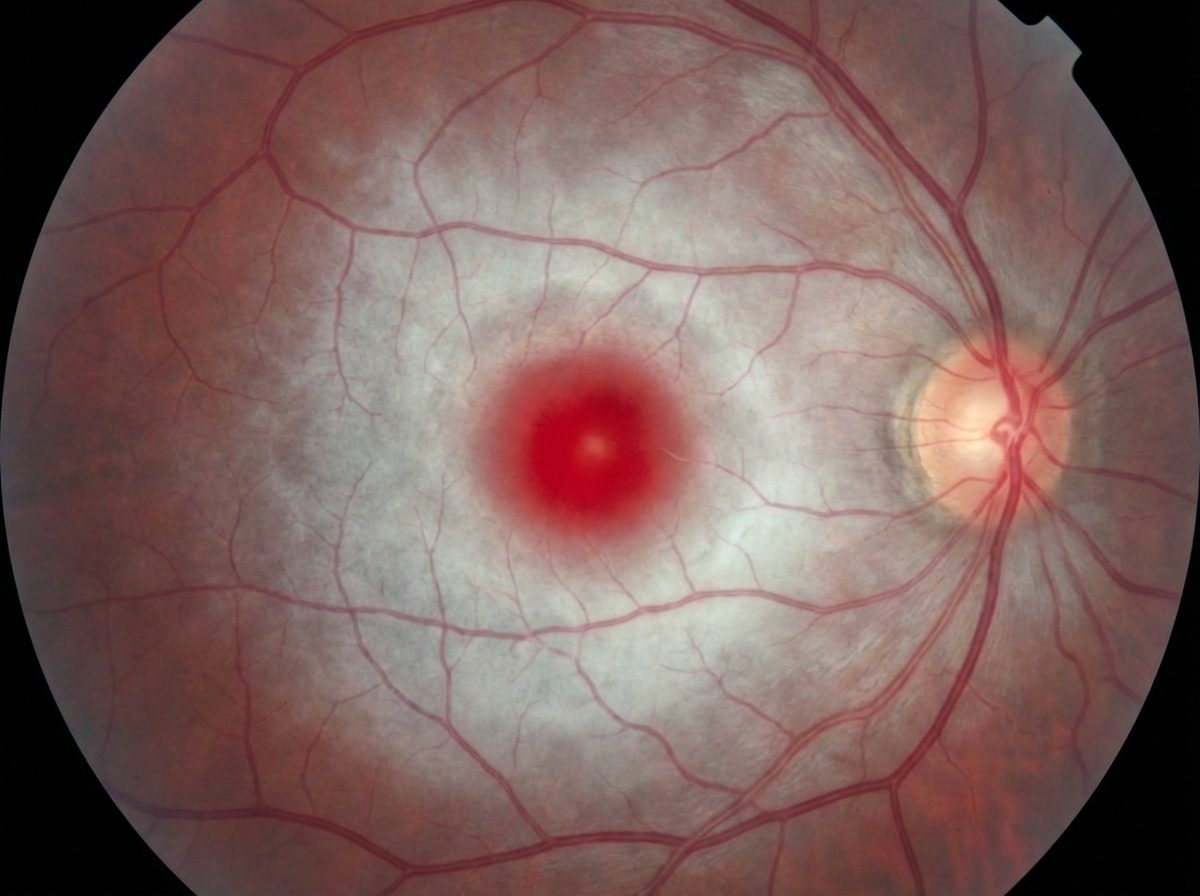
A 7-month-old boy is brought by his parents to the pediatrician’s office. His mother says the child has been weakening progressively and is not as active as he used to be when he was born. His condition seems to be getting worse, especially over the last month. He was born at 41 weeks through normal vaginal delivery. There were no complications observed during the prenatal period. He was progressing well over the 1st few months and achieving the appropriate milestones. On examination, his abdomen appears soft with no liver enlargement. The patient appears to be dehydrated and lethargic. The results of a fundoscopic examination are shown in the picture. A blood test for which of the following enzymes is the next best assay to evaluate this patient's health?
A 3-month-old girl is brought to the emergency department by her parents after she appeared to have a seizure at home. On presentation, she no longer has convulsions though she is still noted to be lethargic. She was born through uncomplicated vaginal delivery and was not noted to have any abnormalities at the time of birth. Since then, she has been noted by her pediatrician to be falling behind in height and weight compared to similarly aged infants. Physical exam reveals an enlarged liver, and laboratory tests reveal a glucose of 38 mg/dL. Advanced testing shows that a storage molecule present in the cells of this patient has abnormally short outer chains. Which of the following enzymes is most likely defective in this patient?
A 38-year-old woman presents to her primary care physician for evaluation of 3 months of increasing fatigue. She states that she feels normal in the morning, but that her fatigue gets worse throughout the day. Specifically, she says that her head drops when trying to perform overhead tasks. She also says that she experiences double vision when watching television or reading a book. On physical exam, there is right-sided ptosis after sustaining upward gaze for a 2 minutes. Which of the following treatments may be effective in treating this patient's diagnosis?
A 7-year-old boy is brought to his pediatrician by his mother who is worried about his clumsiness. She states that over the past 3 months she has noticed progressive weakness. He used to climb trees and run outside with his cousins, but now he says he gets “too tired.” She’s recently noticed him starting to “walk funny,” despite having “muscular legs.” Upon physical examination, the patient has calf muscle hypertrophy. He uses his arms to rise out of the chair. Labs are obtained that show an elevated creatine kinase. Genetic analysis detects a dystropin gene mutation. A muscle biopsy is performed that reveals reduced dystrophin. Which of the following is the most likely diagnosis?
A 5-month-old boy presents with increasing weakness for the past 3 months. The patient’s mother says that the weakness is accompanied by dizziness, sweating, and vertigo early in the morning. Physical examination shows hepatomegaly. Laboratory findings show an increased amount of lactate, uric acid, and elevated triglyceride levels. Which of the following enzymes is most likely deficient in this patient?
A 28-year-old male presents to his primary care physician with complaints of intermittent abdominal pain and alternating bouts of constipation and diarrhea. His medical chart is not significant for any past medical problems or prior surgeries. He is not prescribed any current medications. Which of the following questions would be the most useful next question in eliciting further history from this patient?
A 9-month-old girl is brought to the physician because of a 1-month history of poor feeding and irritability. She is at the 15th percentile for height and 5th percentile for weight. Examination shows hypotonia and wasting of skeletal muscles. Cardiopulmonary examination shows no abnormalities. There is hepatomegaly. Her serum glucose is 61 mg/dL, creatinine kinase is 100 U/L, and lactic acid is within the reference range. Urine ketone bodies are elevated. Which of the following enzymes is most likely deficient in this patient?
A newborn infant presents with severe weakness. He was born to a G1P1 mother at 40 weeks gestation with the pregnancy attended by a midwife. The mother's past medical history is unremarkable. She took a prenatal vitamin and folic acid throughout the pregnancy. Since birth, the child has had trouble breastfeeding despite proper counseling. He also has had poor muscle tone and a weak cry. His temperature is 99.5°F (37.5°C), blood pressure is 57/38 mmHg, pulse is 150/min, respirations are 37/min, and oxygen saturation is 96% on room air. Physical exam reveals poor muscle tone. The patient's sucking reflex is weak, and an enlarged tongue is noted. An ultrasound is performed, and is notable for hypertrophy of the myocardium. Which of the following is the most likely diagnosis?
A 1-year-old male with a history of recurrent pseudomonal respiratory infections and steatorrhea presents to the pediatrician for a sweat test. The results demonstrate a chloride concentration of 70 mEq/L (nl < 40 mEq/L). Which of the following defects has a similar AUTOSOMAL RECESSIVE mode of inheritance as the disorder experienced by this patient?
An 8-month-old infant is brought in with poor feeding, lethargy, hypotonia, and hepatomegaly. Labs reveal hypoglycemia and metabolic acidosis. Which condition is most likely?
Want unlimited practice?
Get full access to all questions, explanations, and performance tracking.
Scan to download app