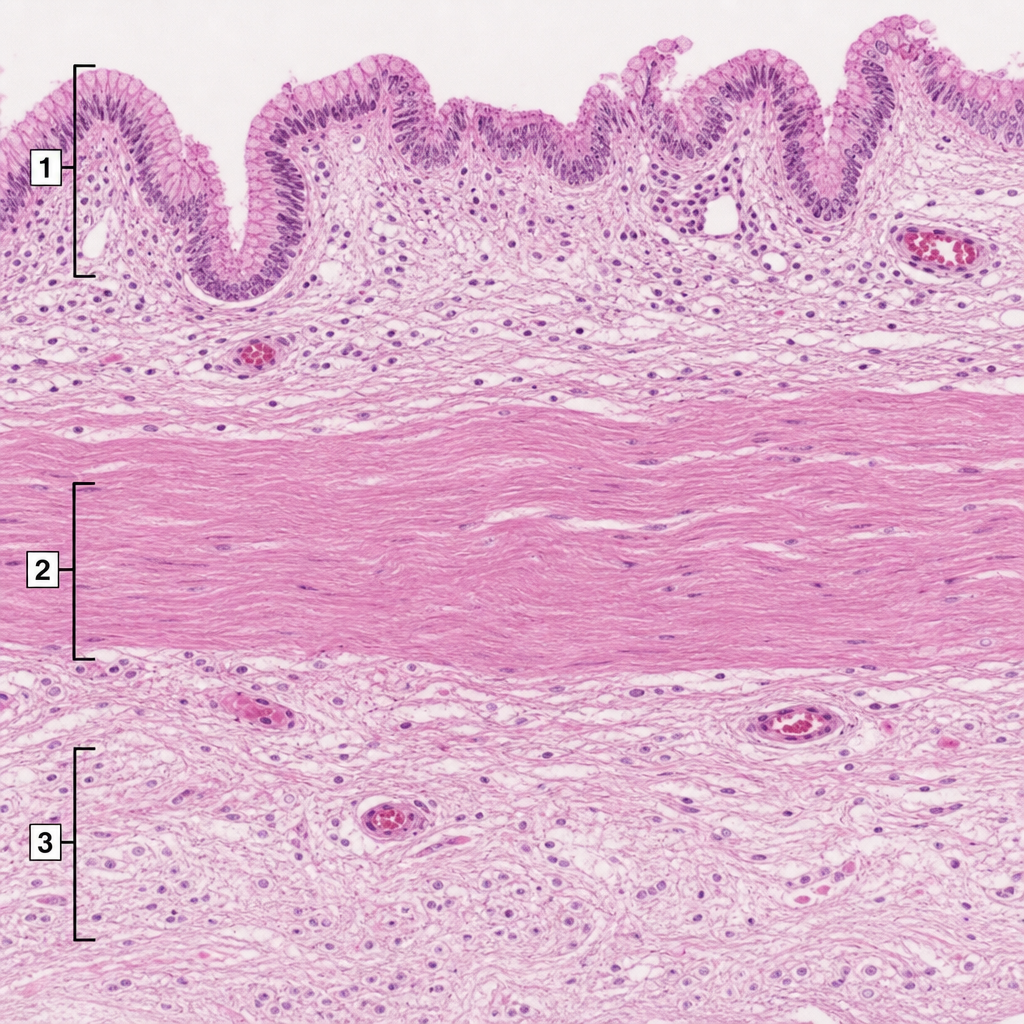
A 23-year-old woman presents to her primary care physician with 3 days of fatigue and back pain after she started a drug for malaria prophylaxis. She says that her urine has also been darker over the same time period. Her past medical history is significant for allergies as well as a broken elbow that was treated in a cast 10 years ago. She does not take any medications, does not smoke, and drinks socially. Peripheral blood smear reveals both red blood cells with dark intracellular inclusions as well as abnormally shaped red blood cells. The immune cells responsible for the shape of these red blood cells are located in which of the following places?
Q12
A 31-year-old woman presents to the emergency room with high-grade fever and abdominal pain for the past 2 days. She also complains of malaise and has vomited several times since last night. The past medical history is benign. The vital signs include: temperature 40.0°C (104.0°F), pulse 120/min, respiratory rate 28/min, and blood pressure 120/89 mm Hg. On physical examination, severe costovertebral angle tenderness is noted. She is admitted to the medical floor and blood is drawn. The laboratory testing reveals leukocytosis with predominant neutrophilia and increased C-reactive protein and ferritin levels. She is suspected to have a retroperitoneal organ infection. Which of the following best describes the involved organ?
Q13
A 38-year-old man comes to the clinic complaining of recurrent abdominal pain for the past 2 months. He reports a gnawing, dull pain at the epigastric region that improves with oral ingestion. He has been taking calcium carbonate for the past few weeks; he claims that “it used to help a lot but it’s losing its effects now.” Laboratory testing demonstrated increased gastrin levels after the administration of secretin. A push endoscopy visualized several ulcers at the duodenum and proximal jejunum. What characteristics distinguish the jejunum from the duodenum?
Q14
A scientist is studying the anatomy and function of bone growth. He is able to create a cell line of osteocytes with a mutation that prevents the osteocytes from exchanging nutrients and waste products within neighboring lamellae. This mutation most likely affected which of the following cell structures?
Q15
An investigator is studying the immune response and the spleen in a mouse model infected with Escherichia coli. Which of the following anatomical sites in the spleen is important for the secondary maturation and affinity maturation of B cells that will ultimately target Escherichia coli?
Q16
A 58-year-old woman with refractory gastrointestinal complaints undergoes a bowel biopsy. On histology, the pathologist observes that submucosal glands of Brunner are present in the specimen. Which portion of the bowel was most likely biopsied?
Q17
A 35-year-old woman presents to a pre-operative evaluation clinic prior to an elective cholecystectomy. She has a 5 pack-year smoking history. The anesthesiologist highly recommends to discontinue smoking for at least 8 weeks prior to the procedure for which she is compliant. What is the most likely histology of her upper respiratory tract's epithelial lining at the time of her surgery?
Q18
A 62-year-old man with prostate cancer comes to the physician because of low back pain for 2 weeks and a 4.5-kg (10-lb) weight loss. Physical examination shows localized tenderness over the lumbar spine. An x-ray of the lumbar spine shows several osteoblastic lesions at the level of L2 and L4 vertebrae. Microscopic examination of a bone biopsy specimen from the L4 vertebra shows irregular bone trabeculae and star-shaped cells with long, cytoplasmic processes located deep within the lacunae. Exchange of nutrients and waste products between these cells most likely occurs through which of the following structures?
Organ-specific histology US Medical PG Practice Questions and MCQs
Question 11: A 23-year-old woman presents to her primary care physician with 3 days of fatigue and back pain after she started a drug for malaria prophylaxis. She says that her urine has also been darker over the same time period. Her past medical history is significant for allergies as well as a broken elbow that was treated in a cast 10 years ago. She does not take any medications, does not smoke, and drinks socially. Peripheral blood smear reveals both red blood cells with dark intracellular inclusions as well as abnormally shaped red blood cells. The immune cells responsible for the shape of these red blood cells are located in which of the following places?
A. Lymph nodes
B. Red pulp of the spleen (Correct Answer)
C. Bone marrow
D. White pulp of the spleen
E. Blood vessels
Explanation: ***Red pulp of the spleen***
- The patient's symptoms (fatigue, back pain, dark urine after malaria prophylaxis) and lab findings (**dark intracellular inclusions** and abnormally shaped red blood cells) suggest **G6PD deficiency**, leading to **hemolytic anemia**.
- The **red pulp of the spleen** is where old or damaged red blood cells, including those with Heinz bodies (intracellular inclusions) or abnormal shapes, are **phagocytosed** by macrophages, thus "shaping" them or removing severely affected cells.
*Lymph nodes*
- **Lymph nodes** are primarily involved in filtering lymph and are major sites for adaptive immune responses, housing B and T lymphocytes.
- They are not the primary sites for the destruction or "shaping" of red blood cells.
*Bone marrow*
- The **bone marrow** is the primary site of **hematopoiesis**, where red blood cells are produced, not where they are destroyed or undergo physical shaping due to immune cell action in hemolysis.
- While macrophages are present, their main role in marrow is related to erythropoiesis (e.g., central macrophage in erythroblastic islands) and debris clearance, not erythrocyte shaping in peripheral circulation.
*White pulp of the spleen*
- The **white pulp of the spleen** is rich in lymphocytes and is the site of immune responses, similar to lymph nodes.
- It is involved in adaptive immunity and not directly engaged in the physical destruction or "shaping" of red blood cells during hemolysis.
*Blood vessels*
- **Blood vessels** are conduits for blood transport and are not primary sites for the physical destruction or shaping of red blood cells by immune cells.
- While some hemolysis can occur intravascularly, the immune cells responsible for removing and "shaping" damaged red blood cells (like macrophages) are predominantly organ-resident.
Question 12: A 31-year-old woman presents to the emergency room with high-grade fever and abdominal pain for the past 2 days. She also complains of malaise and has vomited several times since last night. The past medical history is benign. The vital signs include: temperature 40.0°C (104.0°F), pulse 120/min, respiratory rate 28/min, and blood pressure 120/89 mm Hg. On physical examination, severe costovertebral angle tenderness is noted. She is admitted to the medical floor and blood is drawn. The laboratory testing reveals leukocytosis with predominant neutrophilia and increased C-reactive protein and ferritin levels. She is suspected to have a retroperitoneal organ infection. Which of the following best describes the involved organ?
A. It is the most common site of Meckel's diverticulum.
B. It is composed of white pulp and red pulp.
C. It is composed of tubules and parenchyma. (Correct Answer)
D. It stores and concentrates bile.
E. It produces hydrochloric acid.
Explanation: ***It is composed of tubules and parenchyma.***
- The patient's symptoms of **high-grade fever**, **abdominal pain**, and **costovertebral angle (CVA) tenderness** are highly suggestive of **pyelonephritis**, an infection of the kidney.
- The **kidney** is a retroperitoneal organ composed of millions of **nephrons**, which include **renal tubules** and surrounding **parenchyma**.
*It is the most common site of Meckel's diverticulum.*
- **Meckel's diverticulum** is a remnant of the vitelline duct and is typically found in the **ileum** (small intestine), an intraperitoneal organ, not a retroperitoneal one.
- Its presence is not associated with costovertebral angle tenderness or the described systemic symptoms.
*It is composed of white pulp and red pulp.*
- The **spleen** is composed of white pulp (lymphoid tissue) and red pulp (vascular sinuses), but it is an **intraperitoneal organ** and its infection typically does not present with costovertebral angle tenderness.
- Splenic infection (e.g., abscess) is less common and usually presents with left upper quadrant pain, not the retroperitoneal symptoms described.
*It stores and concentrates bile.*
- The **gallbladder** stores and concentrates bile, and while it is partially retroperitoneal or intraperitoneal depending on its location, an infection (cholecystitis) typically causes right upper quadrant pain, not costovertebral angle tenderness.
- Its function is unrelated to the described symptoms of a kidney infection.
*It produces hydrochloric acid.*
- The **stomach** produces hydrochloric acid, but it is an **intraperitoneal organ**, and its infection or inflammation (gastritis, peptic ulcer) would cause epigastric pain, not costovertebral angle tenderness.
- The clinical picture does not align with symptoms related to the stomach.
Question 13: A 38-year-old man comes to the clinic complaining of recurrent abdominal pain for the past 2 months. He reports a gnawing, dull pain at the epigastric region that improves with oral ingestion. He has been taking calcium carbonate for the past few weeks; he claims that “it used to help a lot but it’s losing its effects now.” Laboratory testing demonstrated increased gastrin levels after the administration of secretin. A push endoscopy visualized several ulcers at the duodenum and proximal jejunum. What characteristics distinguish the jejunum from the duodenum?
A. Lack of goblet cells
B. Crypts of Lieberkuhn
C. Lack of submucosal Brunner glands (Correct Answer)
D. Peyer patches
E. Plicae circulares
Explanation: ***Lack of submucosal Brunner glands***
- The **jejunum** lacks **Brunner glands**, which are characteristic of the **duodenum** and secrete alkaline mucus to neutralize acidic chyme from the stomach.
- The absence of these glands helps differentiate the jejunum from the duodenum histologically.
*Lack of goblet cells*
- **Goblet cells** are present throughout the small intestine, including both the duodenum and jejunum, though their density increases distally.
- Therefore, the **lack of goblet cells** does not distinguish the jejunum from the duodenum.
*Crypts of Lieberkuhn*
- **Crypts of Lieberkuhn** (intestinal crypts) are present throughout the entire small intestine, including both the **duodenum** and **jejunum**, where they house stem cells for epithelial renewal.
- Their presence is not a distinguishing feature between these two segments histologically.
*Peyer patches*
- **Peyer patches** are lymphoid aggregates primarily found in the **ileum**, not the jejunum or duodenum, and are involved in immune surveillance.
- They are a distinguishing feature of the ileum but not between the jejunum and duodenum.
*Plicae circulares*
- **Plicae circulares** (also known as valves of Kerckring or circular folds) are macroscopic folds of the mucosa and submucosa that are present in both the **duodenum** and **jejunum**.
- They are most prominent in the jejunum, but their mere presence does not distinguish the jejunum from the duodenum.
Question 14: A scientist is studying the anatomy and function of bone growth. He is able to create a cell line of osteocytes with a mutation that prevents the osteocytes from exchanging nutrients and waste products within neighboring lamellae. This mutation most likely affected which of the following cell structures?
A. Dynein
B. Gap junctions (Correct Answer)
C. Endoplasmic reticulum
D. Plasma membrane
E. Kinesin
Explanation: ***Gap junctions***
- **Gap junctions** are specialized intercellular connections that permit direct communication and exchange of small molecules and ions between adjacent cells.
- In osteocytes, **gap junctions** located in the **canaliculi** are crucial for the exchange of nutrients, waste, and signaling molecules within and between lamellae, allowing for synchronous activity and maintaining bone health.
- These connexin-based channels physically connect the cytoplasm of neighboring osteocytes embedded in bone matrix.
*Dynein*
- **Dynein** is a motor protein involved in intracellular transport towards the minus end of **microtubules**, playing a role in moving organelles and vesicles.
- It is not directly responsible for the intercellular exchange of nutrients and waste products between cells.
*Endoplasmic reticulum*
- The **endoplasmic reticulum** is an organelle involved in protein synthesis and lipid metabolism, playing a critical role in cellular function.
- It does not directly mediate the exchange of nutrients and waste products between adjacent cells.
*Plasma membrane*
- While **gap junctions** are embedded within the **plasma membrane**, the membrane itself does not facilitate direct cytoplasmic continuity between cells.
- The question specifically refers to structures that enable direct cell-to-cell exchange; the mutation affects the gap junction channels themselves (connexins), not the general plasma membrane structure.
- Without functional gap junctions, the plasma membrane alone cannot support the intercellular communication required for osteocyte networks.
*Kinesin*
- **Kinesin** is a motor protein that moves cargo along **microtubules** towards the plus end, involved in fundamental cellular processes like cell division and organelle transport.
- It is not involved in direct intercellular communication for nutrient and waste exchange but rather internal cellular trafficking.
Question 15: An investigator is studying the immune response and the spleen in a mouse model infected with Escherichia coli. Which of the following anatomical sites in the spleen is important for the secondary maturation and affinity maturation of B cells that will ultimately target Escherichia coli?
A. Sinusoids
B. Periarteriolar lymphatic sheaths
C. Marginal zone
D. Red pulp
E. Germinal center (Correct Answer)
Explanation: ***Germinal center***
- The **germinal centers** are the primary sites within secondary lymphoid organs, including the spleen, where B cells undergo **proliferation**, **somatic hypermutation**, and **affinity maturation** following antigen exposure.
- This process is crucial for generating high-affinity antibodies capable of effectively targeting pathogens like *Escherichia coli*.
*Sinusoids*
- **Sinusoids** are specialized vascular channels found throughout the spleen, particularly in the red pulp, responsible for filtering blood and removing old or damaged red blood cells.
- They are not directly involved in the secondary maturation or affinity maturation of B cells.
*Periarteriolar lymphatic sheaths*
- The **periarteriolar lymphatic sheaths (PALS)** are T-cell rich areas in the white pulp of the spleen, surrounding central arterioles.
- While important for T-cell activation, the main site for B-cell affinity maturation is the germinal center, which forms within B cell follicles adjacent to the PALS.
*Marginal zone*
- The **marginal zone** is a specialized area at the periphery of the white pulp, rich in unique B cell populations that respond rapidly to T-cell independent antigens.
- While it plays a role in initial immune responses, it is not the primary site for the secondary maturation and affinity maturation of B cells.
*Red pulp*
- The **red pulp** makes up the majority of the spleen and is primarily involved in filtering blood, removing old red blood cells, and storing platelets.
- While it contains macrophages and other immune cells, it is not the main site for B-cell secondary maturation and affinity maturation, which occurs in the white pulp's germinal centers.
Question 16: A 58-year-old woman with refractory gastrointestinal complaints undergoes a bowel biopsy. On histology, the pathologist observes that submucosal glands of Brunner are present in the specimen. Which portion of the bowel was most likely biopsied?
A. Descending colon
B. Ileum
C. Jejunum
D. Cecum
E. Duodenum (Correct Answer)
Explanation: ***Duodenum***
- The presence of **Brunner's glands** in the submucosa is a **histological hallmark** of the duodenum.
- These glands produce an **alkaline mucus** that helps protect the duodenal wall from acidic chyme entering from the stomach.
*Descending colon*
- The descending colon is part of the **large intestine** and does not contain Brunner's glands.
- Its histology is characterized by numerous **goblet cells** and the absence of villi.
*Ileum*
- The ileum is the final section of the small intestine, characterized by the presence of **Peyer's patches** (lymphoid aggregates) in the lamina propria and submucosa.
- It lacks Brunner's glands.
*Jejunum*
- The jejunum is the middle section of the small intestine, known for its tall, finger-like villi, but it **does not contain Brunner's glands**.
- It is primarily involved in nutrient absorption and has a reduced number of goblet cells compared to the ileum.
*Cecum*
- The cecum is the beginning of the **large intestine** and is characterized by a high density of **goblet cells** and lymphoid tissue, but no Brunner's glands.
- It plays a role in absorption of fluids and electrolytes.
Question 17: A 35-year-old woman presents to a pre-operative evaluation clinic prior to an elective cholecystectomy. She has a 5 pack-year smoking history. The anesthesiologist highly recommends to discontinue smoking for at least 8 weeks prior to the procedure for which she is compliant. What is the most likely histology of her upper respiratory tract's epithelial lining at the time of her surgery?
A. Simple squamous
B. Simple columnar
C. Pseudostratified columnar (Correct Answer)
D. Stratified squamous
E. Stratified columnar
Explanation: ***Pseudostratified columnar***
- The upper respiratory tract is normally lined by **pseudostratified ciliated columnar epithelium** with goblet cells, which is crucial for mucociliary clearance.
- While smoking can initially cause **squamous metaplasia**, discontinuing smoking for 8 weeks allows for significant, if not complete, **reversal of these changes** back to the normal pseudostratified columnar epithelium.
*Simple squamous*
- This type of epithelium is found in areas designed for efficient **gas exchange** (e.g., alveoli of the lungs) and is not typical for the conductive airways of the upper respiratory tract.
- It lacks the **cilia and goblet cells** necessary for clearing inhaled particles and pathogens.
*Simple columnar*
- **Simple columnar epithelium** is found in regions like the lining of the gastrointestinal tract (e.g., stomach, small and large intestines) and is not characteristic of the upper respiratory tract.
- While it can have goblet cells, it typically lacks **cilia** for respiratory clearance.
*Stratified squamous*
- **Stratified squamous epithelium** is found in areas subject to friction and abrasion, such as the oral cavity, pharynx, and esophagus.
- While chronic smoking can induce **squamous metaplasia** in the respiratory tract, an 8-week cessation period would likely result in the reversal of this change back to the normal type.
*Stratified columnar*
- **Stratified columnar epithelium** is a relatively rare type found in specific locations like parts of the male urethra and some large excretory ducts.
- It is not the normal or even a common metaplastic lining for the human upper respiratory tract.
Question 18: A 62-year-old man with prostate cancer comes to the physician because of low back pain for 2 weeks and a 4.5-kg (10-lb) weight loss. Physical examination shows localized tenderness over the lumbar spine. An x-ray of the lumbar spine shows several osteoblastic lesions at the level of L2 and L4 vertebrae. Microscopic examination of a bone biopsy specimen from the L4 vertebra shows irregular bone trabeculae and star-shaped cells with long, cytoplasmic processes located deep within the lacunae. Exchange of nutrients and waste products between these cells most likely occurs through which of the following structures?
A. Zonula adherens
B. Macula adherens
C. Macula communicans (Correct Answer)
D. Zonula occludens
E. Hemidesmosomes
Explanation: ***Macula communicans***
- The description of **star-shaped cells with long, cytoplasmic processes** located deep within lacunae refers to **osteocytes**. These cells communicate and exchange nutrients/waste products via **gap junctions**, also known as **macula communicans**.
- **Gap junctions** are essential for maintaining the viability of osteocytes embedded in the mineralized bone matrix by allowing the passage of small molecules and ions.
*Zonula adherens*
- This is an **adherens junction** that provides strong cell-to-cell adhesion, typically forming a continuous belt-like structure around the cell.
- Its primary role is mechanical adhesion, not the direct exchange of nutrients and waste products between cells.
*Macula adherens*
- Also known as a **desmosome**, this junction provides strong focal adhesion between cells, often in tissues subjected to mechanical stress.
- Like adherens junctions, its main function is structural integrity, not transepithelial transport or communication.
*Zonula occludens*
- This is a **tight junction**, which forms a seal between adjacent cells, preventing paracellular transport of molecules and maintaining cell polarity.
- While crucial for creating barriers, it does not facilitate direct communication or nutrient exchange between the cytoplasm of neighboring cells.
*Hemidesmosomes*
- These junctions anchor epithelial cells to the **basement membrane**, providing strong adhesion between the cell and the extracellular matrix.
- Their function is cell-matrix adhesion, distinct from cell-to-cell communication for nutrient exchange.