
Cell structure and organelles — MCQs

An investigator is developing a drug that selectively inhibits the retrograde axonal transport of rabies virus towards the central nervous system. To achieve this effect, this drug must target which of the following?
An investigator is studying the function of the endoplasmic reticulum in genetically modified lymphocytes. A gene is removed that facilitates the binding of ribosomes to the endoplasmic reticulum. Which of the following processes is most likely to be impaired as a result of this genetic modification?
An 11-month-old boy is brought to a pediatrician by his parents with a recurrent cough, which he has had since the age of 2 months. He has required 3 hospitalizations for severe wheezing episodes. His mother also mentions that he often has diarrhea. The boy’s detailed history reveals that he required hospitalization for meconium ileus during the neonatal period. Upon physical examination, his temperature is 37.0°C (98.6ºF), pulse rate is 104/min, respiratory rate is 40/min, and blood pressure is 55/33 mm Hg. An examination of the boy’s respiratory system reveals the presence of bilateral wheezing and scattered crepitations. An examination of his cardiovascular system does not reveal any abnormality. His length is 67.3 cm (26.5 in) and weight is 15 kg (33 lbs). His sweat chloride level is 74 mmol/L. His genetic evaluation confirms that he has an autosomal recessive disorder resulting in a dysfunctional membrane-bound protein. Which of the following best describes the mechanism associated with the most common mutation that causes this disorder?
An investigator is studying human genetics and cell division. A molecule is used to inhibit the exchange of genetic material between homologous chromosomes. Which of the following phases of the cell cycle does the molecule target?
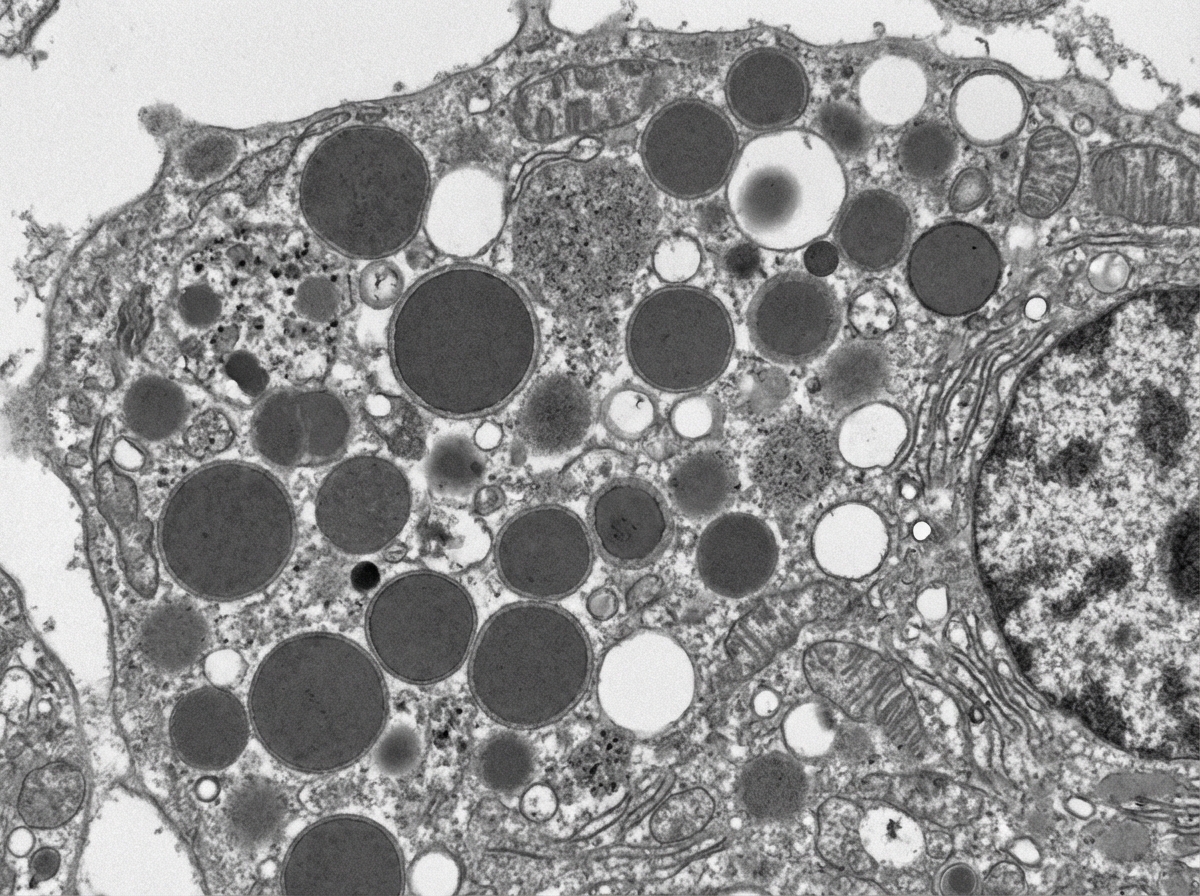
A 3-month-old boy presents for routine health maintenance. The patient has coarse facial features and stiff joint movements with restricted passive and active range of motion. He also has problems following objects with his eyes and seems not to focus on anything. On physical examination, the corneas are clouded, and the patient fails to meet any 3-month developmental milestones. Genetic testing and histopathology are performed and reveal failure of a cellular structure to phosphorylate mannose residues on glycoproteins. An electron microscopy image of one of this patient’s cells is shown. Which of the following is the most likely diagnosis in this patient?
A newborn is found to have cystic fibrosis during routine newborn screening. The parents, both biochemists, are curious about the biochemical basis of their newborn's condition. The pediatrician explains that the mutation causing cystic fibrosis affects the CFTR gene which codes for the CFTR channel. Which of the following correctly describes the pathogenesis of the most common CFTR mutation?
A 12-month-old child passed away after suffering from craniofacial abnormalities, neurologic dysfunction, and hepatomegaly. Analysis of the child’s blood plasma shows an increase in very long chain fatty acids. The cellular analysis demonstrates dysfunction of an organelle responsible for the breakdown of these fatty acids within the cell. Postmortem, the child is diagnosed with Zellweger syndrome. The family is informed about the autosomal recessive inheritance pattern of the disease and their carrier status. Which of the following processes is deficient in the dysfunctional organelle in this disease?
A 32-year-old man presents to the emergency room for a generalized tonic-clonic seizure. After stabilizing the patient, a full radiologic evaluation reveals multiple contrast-enhancing lesions in the brain, lungs, and liver. According to his wife, he lost several pounds in the last few months. The medical history is relevant for cryptorchidism, with abdominal testes that were surgically transferred to the scrotum just before he turned 1-year old. His lab investigation reveals: α-fetoprotein: 9 ng/mL (normal values < 10 ng/mL) Human chorionic gonadotropin: 1,895 IU/L (normal values < 0.5 IU/L) Which of the following microscopic features best describes the lesions seen in this patient's imaging study?
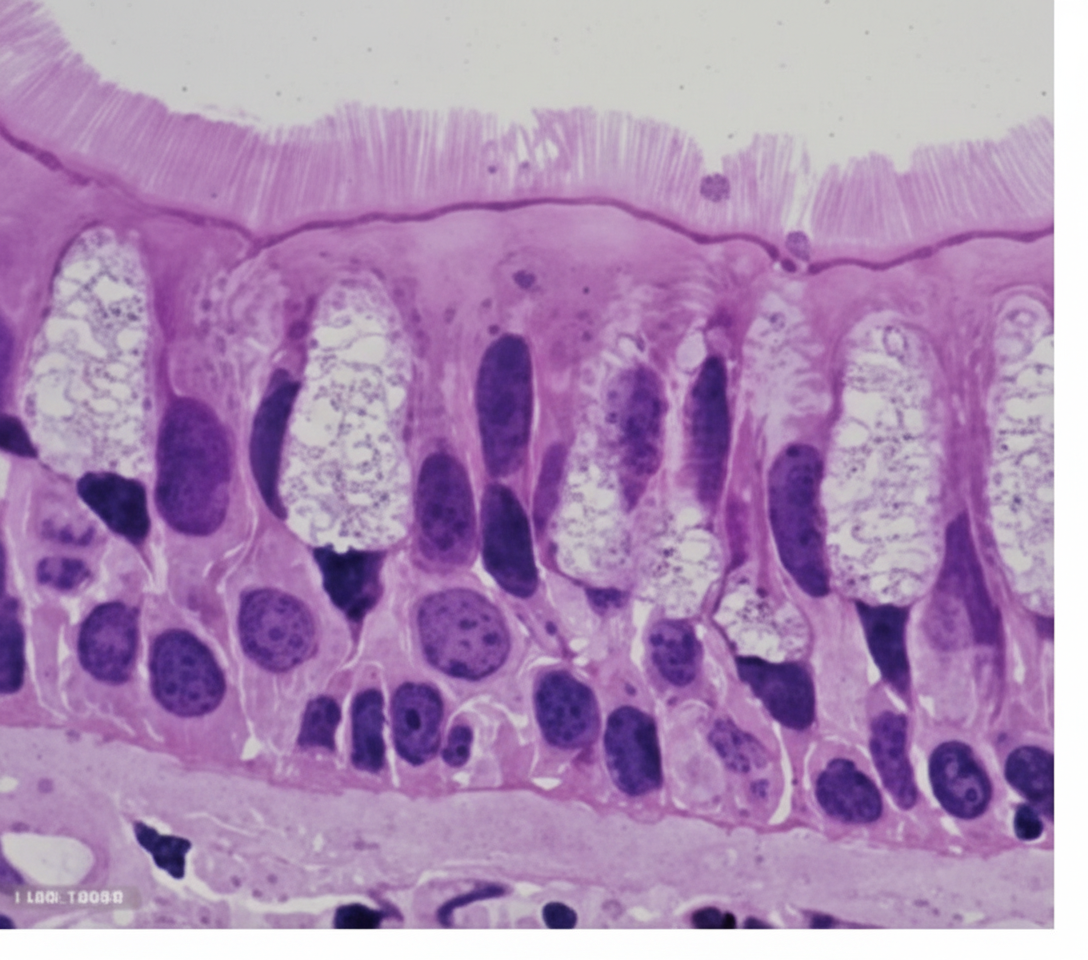
This type of epithelium is most commonly seen in which of the following organs?
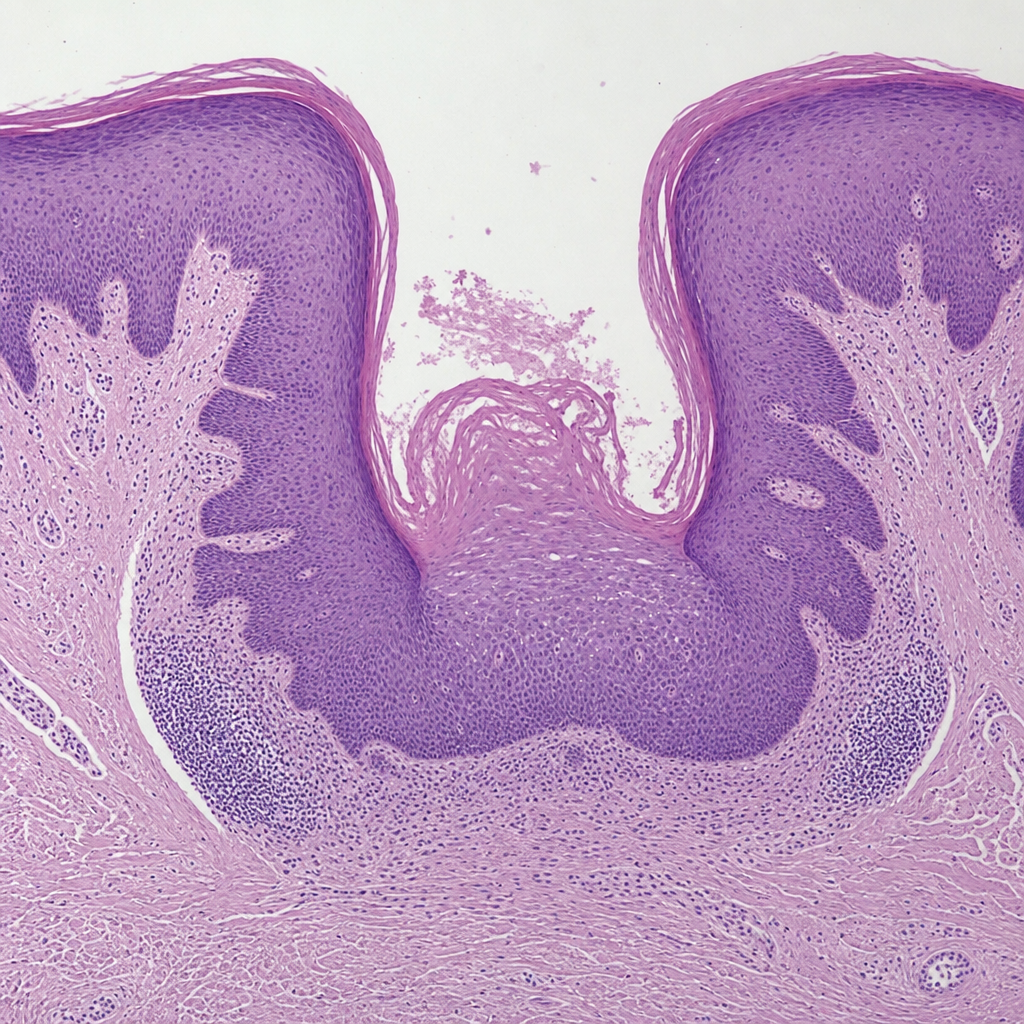
Identify the type of papillae of the tongue shown in the histological image below:
Want unlimited practice?
Get full access to all questions, explanations, and performance tracking.
Scan to download app