Which of these is the best for management of a 3 cm stone in renal pelvis without evidence of hydronephrosis?
Bell clapper deformity (abnormal testicular fixation) predisposes to which of the following conditions?
Time cut-off for diagnosis of Priapism is?
Straining and dribbling of urine in a male infant with recurrent urinary infection should lead to the suspicion of :
In Marshall - Marchetti - Krantz (MMK) colposuspension for stress urinary incontinence, Pubocervical fascia is attached to
Le Fort's operation is done in
Which of the following is not seen in testicular carcinoma?
Reflux into grossly dilated ureter belongs to which grade of Vesicoureteric Reflux?
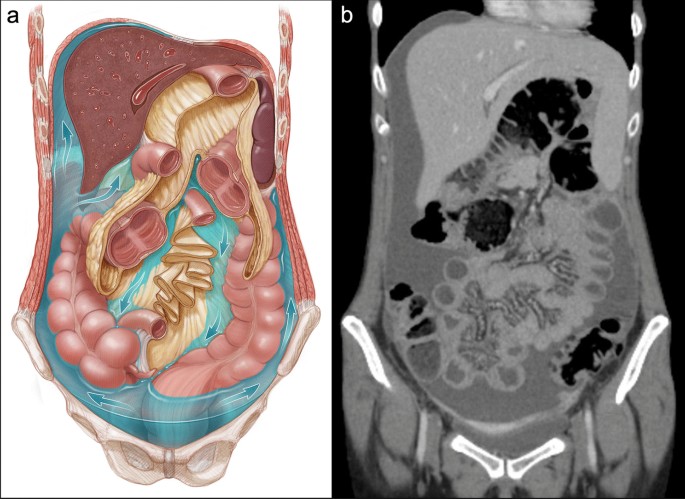
What could be the cause of the condition given in the CT below?
Which of the following is the preferred treatment for a urethral diverticulum?
Explanation: ***PCNL*** - **Percutaneous nephrolithotomy (PCNL)** is the gold standard treatment for large renal stones (>2 cm) due to its high stone-free rates in a single procedure. - For a 3 cm renal pelvis stone, PCNL provides the best clearance rate (~95%) with minimal need for repeat procedures. - It involves direct percutaneous access to the kidney, allowing fragmentation and removal of large stone burden efficiently. *ESWL* - **Extracorporeal shock wave lithotripsy (ESWL)** has limited efficacy for stones >2 cm, with stone-free rates dropping to 50-60% for 3 cm stones. - Multiple sessions are typically required, with increased risk of steinstrasse (stone street) formation and residual fragments. - While non-invasive, ESWL is not the optimal choice for this stone size. *Retrograde pyeloplasty* - This option appears to reference **retrograde endoscopic approaches** (such as retrograde intrarenal surgery - RIRS or ureteroscopy). - While retrograde ureteroscopy can treat renal stones, it is generally reserved for stones <2 cm due to longer operative time and lower stone-free rates for larger stones. - True "pyeloplasty" is a reconstructive procedure for ureteropelvic junction obstruction, not a stone removal technique. *Antegrade pyeloplasty* - This option likely refers to **antegrade endoscopic access** to the renal pelvis. - While antegrade access is used in PCNL, "pyeloplasty" specifically means surgical reconstruction of the UPJ for obstruction, not stone treatment. - Antegrade ureteroscopy alone (without nephroscopy) would be less effective than PCNL for a 3 cm stone.
Explanation: ***Testicular torsion*** - The **bell clapper deformity** describes an abnormally high attachment of the tunica vaginalis, leaving the testis and epididymis free to rotate within the scrotal sac. - This anatomical variation allows the spermatic cord to twist, cutting off blood supply to the testis, which is the mechanism of **testicular torsion**. *Hydrocele* - A **hydrocele** is a collection of fluid in the tunica vaginalis, resulting from an imbalance in fluid production and absorption, or a patent processus vaginalis. - It is not directly caused by abnormal testicular fixation. *Testicular atrophy* - **Testicular atrophy** is a reduction in testicular size, often due to conditions like cryptorchidism, mumps orchitis, or prolonged testicular torsion, but not predisposed by the bell clapper deformity itself unless torsion occurs. - While torsion can lead to atrophy if not promptly treated, the deformity directly predisposes to the torsion event, rather than atrophy itself. *Varicocele* - A **varicocele** is an abnormal dilation of the veins of the pampiniform plexus within the scrotum, usually due to incompetent valves or venous obstruction. - This condition is not associated with testicular fixation abnormalities.
Explanation: ***4 hours*** - A penile erection lasting longer than **4 hours** is the established cut-off for the diagnosis of **priapism**. - Prolonged erection beyond this duration can lead to **ischemia** and permanent cavernosal damage. *2 hours* - While concerning, an erection lasting 2 hours is typically not classified as priapism, which requires a longer duration to meet diagnostic criteria. - At this stage, the risk of significant ischemic injury is lower compared to longer durations. *3 hours* - An erection lasting 3 hours is still below the clinically defined threshold for priapism. - Although it warrants close monitoring, intervention is usually recommended once the 4-hour mark is reached. *1 hour* - An erection of 1 hour is generally considered a normal physiological response and does not meet the criteria for priapism. - This duration is insufficient to cause the microvascular damage and cellular changes associated with priapism.
Explanation: ***Posterior urethral valve*** - **Posterior urethral valves (PUV)** are obstructive membranes in the posterior urethra of male infants, leading to **straining** during micturition and poor stream (dribbling). - This obstruction causes urinary stasis, predisposing to **recurrent urinary tract infections (UTIs)** and potential kidney damage. *Vesico – ureteric reflux* - **Vesico-ureteric reflux (VUR)** involves the retrograde flow of urine from the bladder to the ureters, which can cause recurrent UTIs. - However, VUR does not typically present with obstructive symptoms like **straining** or **dribbling** as seen in this clinical scenario. *Phimosis* - **Phimosis** is a condition where the foreskin cannot be fully retracted over the glans penis, which can sometimes interfere with urinary flow and hygiene. - While it can predispose to UTIs, it rarely causes significant **obstructive voiding symptoms** like straining and dribbling in infancy that would suggest a more distal anatomical obstruction. *Pelvic ureteric junction obstruction* - **Pelvic ureteric junction (PUJ) obstruction** is a blockage at the junction of the renal pelvis and the ureter, often leading to hydronephrosis. - This condition primarily affects urine drainage from the kidney and does not cause **straining** or **dribbling** during micturition, nor does it directly lead to recurrent UTIs via bladder outflow obstruction.
Explanation: ***Symphysis pubis*** - In a Marshall-Marchetti-Krantz (MMK) colposuspension, the **pubocervical fascia** on either side of the urethra is sutured directly to the **periosteum of the symphysis pubis**. - This procedure aims to provide support and elevate the bladder neck and proximal urethra to correct stress urinary incontinence. - The direct attachment to the symphysis pubis is the **defining feature** of the MMK procedure. *Pectineal Ligament* - The pectineal ligament (also known as Cooper's ligament) is the primary anchoring point in **Burch colposuspension**, not MMK. - In the Burch procedure, the paravaginal fascia is sutured to Cooper's ligament, which provides more lateral support compared to MMK. - This is the key anatomical difference between MMK and Burch procedures. *Arcus tendineus fascia pelvis* - The arcus tendineus fascia pelvis (white line) is a thickened band of pelvic fascia extending from the pubic bone to the ischial spine. - It serves as an attachment point for paravaginal fascia and is the target in **paravaginal defect repairs**, not in MMK colposuspension. - While important for pelvic floor support, it is not used as the primary anchoring structure in retropubic bladder neck suspensions. *Cooper's ligament (Pectineal ligament)* - Cooper's ligament is the **same structure** as the pectineal ligament—these terms are synonymous. - It is the defining attachment site in **Burch colposuspension**, where paravaginal tissue is sutured laterally to this ligament. - The MMK procedure, by contrast, uses a more midline approach with attachment directly to the symphysis pubis periosteum.
Explanation: ***Elderly menopausal patients with advanced prolapse*** - Le Fort's operation is a **colpocleisis** procedure, which permanently closes the vagina, making it suitable for elderly patients who are no longer sexually active. - It is often reserved for those with **advanced uterine or vaginal prolapse** who are not candidates for more extensive surgeries due to comorbidities. *Women over 40 years, those who have completed their families* - While these patients may have completed their families, Le Fort's operation is a **definitive and irreversible procedure** that is typically reserved for those who are also postmenopausal and have no desire for future sexual activity. - Other less invasive or reconstructive options might be considered for women over 40 who still maintain sexual activity. *Women under 40 years who are desirous of retaining their menstrual and reproduction function* - Le Fort's operation involves **closure of the vagina**, which makes it impossible to retain menstrual or reproductive function. - Younger women would typically be offered **uterine-sparing procedures** or reconstructive surgeries to preserve these functions. *Young woman suffering from second or third degree prolapse* - For young women, even with significant prolapse, the primary goal is often to **preserve fertility, menstruation, and sexual function**. - Le Fort's operation would be contraindicated because it involves **vaginal obliteration**, making it unsuitable for a young woman.
Explanation: ***Inguinal lymphadenopathy*** - **Testicular carcinoma** does NOT spread to inguinal lymph nodes under normal circumstances. - The testis has **lymphatic drainage to para-aortic/retroperitoneal lymph nodes**, bypassing the inguinal region. - **Inguinal lymphadenopathy** would only occur if there was prior inguinal surgery, scrotal skin involvement, or invasion of scrotal wall—very rare scenarios. - This is the key anatomical distinction that differentiates testicular tumor spread from scrotal pathology. *Epididymo-orchitis* - This is an **inflammatory/infectious condition** of the epididymis and testis, not a feature of testicular carcinoma. - It is an important **differential diagnosis** that can clinically mimic testicular cancer with swelling and discomfort. - While both conditions can present as a testicular mass, epididymo-orchitis is a **separate pathological entity**, not something "seen in" or caused by testicular carcinoma. - However, rarely, inflammation may coexist with an underlying tumor, making careful clinical assessment essential. *Hydrocele* - A **hydrocele** (fluid collection around the testis) can occur as a **secondary reactive phenomenon** in 10% of testicular tumors. - The presence of a hydrocele does NOT rule out underlying **testicular carcinoma**—careful palpation through the fluid and ultrasound evaluation are essential. - **New-onset hydrocele** in adults should raise suspicion for underlying testicular pathology. *Abdominal lump* - **Testicular carcinoma** frequently metastasizes to **retroperitoneal (para-aortic) lymph nodes**, which can enlarge and become palpable as an **abdominal mass**. - This is a common presentation in **advanced disease**, particularly with non-seminomatous germ cell tumors. - May be the presenting complaint in some patients before testicular symptoms are noticed.
Explanation: ***Grade V*** - **Grade V** VUR is characterized by reflux into a **grossly dilated** and tortuous ureter, often with blunting of the **renal calyces**. - This is the most severe form, indicating significant renal parenchymal damage risk and often associated with a non-functioning kidney. *Grade III* - **Grade III** VUR shows reflux into the ureter and renal pelvis, with **mild to moderate dilation** of the ureter and renal pelvis, but without blunting of the calyces. - The ureter is still relatively straight or mildly tortuous. *Grade II* - **Grade II** VUR involves reflux into the ureter, renal pelvis, and calyces, but without any **dilation** of these structures. - The reflux does not cause any anatomical changes to the kidney or ureter. *Grade IV* - **Grade IV** VUR presents with reflux into a **moderately dilated** and tortuous ureter, with moderate blunting of the **renal calyces**. - While significant, it is less severe than Grade V, which involves gross dilation and extensive calycial blunting.
Explanation: **Bladder outlet obstruction** - The CT image (b) shows **significant ascites** (fluid accumulation in the abdominal cavity), particularly pooling in the lower abdomen and pelvis. This pattern, combined with the presence of **bilateral hydroureteronephrosis** (dilated ureters and renal pelves) often seen with bladder distension, is highly suggestive of **bladder outlet obstruction** leading to urine reflux and renal complications. - The associated image (a) illustrates the peritoneal fluid pathways, and the CT image depicts extensive fluid accumulation consistent with a chronic process that could be secondary to prolonged obstruction. *Diverticulosis coli* - **Diverticulosis coli** is characterized by the presence of diverticula in the colon and typically does not cause widespread ascites or bilateral hydroureteronephrosis unless there is a severe complication like perforation leading to peritonitis. - The CT image does not provide direct evidence of diverticula or their complications as the primary cause of the depicted ascites and upper urinary tract dilatation. *Ureteric stricture* - A **ureteric stricture** typically causes **unilateral hydroureteronephrosis** (dilatation of the ureter and kidney on one side) proximal to the stricture. - The image shows **bilateral hydroureteronephrosis** and extensive ascites, which are not characteristic findings of a solitary ureteric stricture. *Carcinoma colon* - **Carcinoma of the colon** can cause ascites if it metastasizes to the peritoneum (peritoneal carcinomatosis) or if it obstructs lymphatic flow. - While colonic carcinoma can cause ascites, it typically does **not directly lead to bilateral hydroureteronephrosis** unless it causes direct compression of both ureters in the pelvis, which would likely also present with other signs of the primary tumor, which are not clearly evident as the primary cause here.
Explanation: ***Diverticulectomy*** - **Diverticulectomy** is the preferred and most definitive treatment for a urethral diverticulum, involving **surgical excision of the diverticular sac**. - This method effectively removes the source of symptoms and prevents recurrence, leading to a long-term cure. *Transurethral electrosurgical fulguration* - This technique involves **burning or destroying tissue** using an electric current, typically used for smaller lesions or to coagulate bleeding. - It is generally **not sufficient to completely excise** a urethral diverticulum and may result in recurrence or incomplete resolution of symptoms. *Diverticulum marsupialization* - Marsupialization involves **opening the diverticular sac** and suturing its edges to the surrounding tissue, creating a continuously open pouch. - While it can drain the diverticulum, it **does not remove the sac** and may leave a persistent cavity that can still become infected or problematic. *Partial diverticular sac ablation* - **Partial ablation** involves destroying part of the diverticular sac, often with laser or electrocautery. - This approach is **less effective than complete excision** and carries a higher risk of recurrent symptoms or incomplete treatment as the remaining diverticular tissue can continue to cause issues.
Urological Anatomy
Practice Questions
Hematuria Evaluation
Practice Questions
Urinary Calculi
Practice Questions
Benign Prostatic Hyperplasia
Practice Questions
Prostate Cancer
Practice Questions
Bladder Cancer
Practice Questions
Renal Cell Carcinoma
Practice Questions
Testicular Tumors
Practice Questions
Urinary Tract Infections
Practice Questions
Urinary Incontinence
Practice Questions
Genitourinary Trauma
Practice Questions
Pediatric Urology Basics
Practice Questions
Get full access to all questions, explanations, and performance tracking.
Start For Free