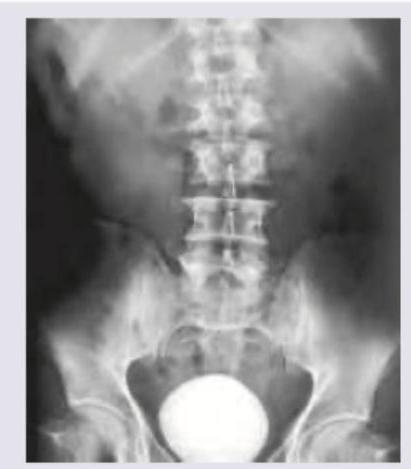
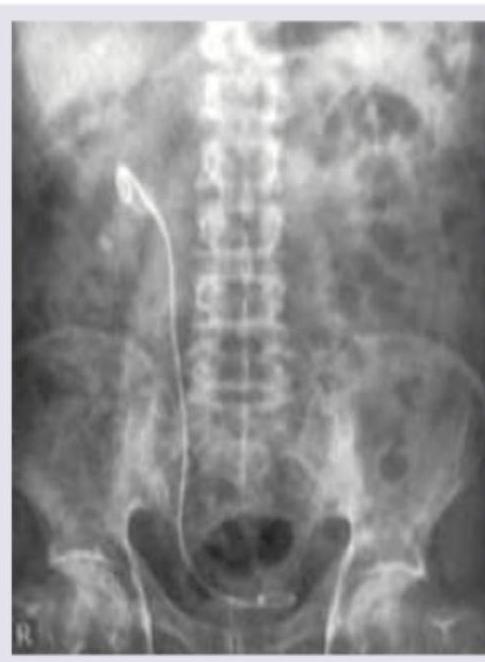
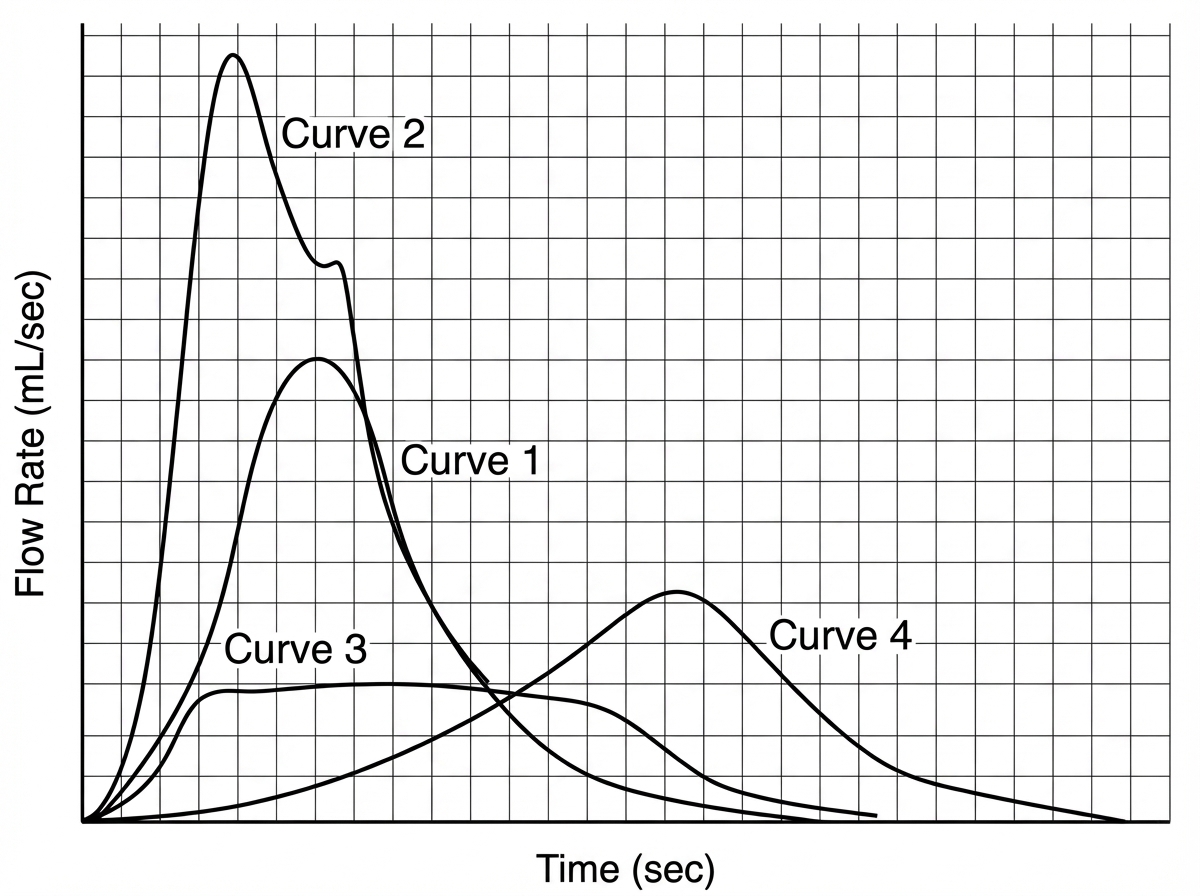
A patient presented with acute renal failure (ARF) and complete anuria, but had a normal ultrasound. What is the next investigation?
Pain in the region of the penis in acute urethritis is typically experienced?
Which of the following best describes the 'Kiss cancer' of the Urinary Bladder?
Brodel's line is seen in which organ?
What is the most common type of cancer affecting the renal pelvis and upper ureter?
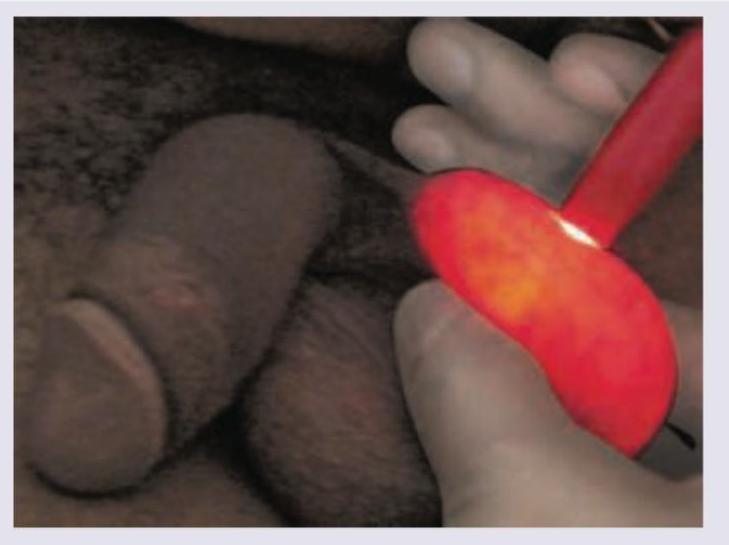
Which of the following closely mimics testicular malignancy?
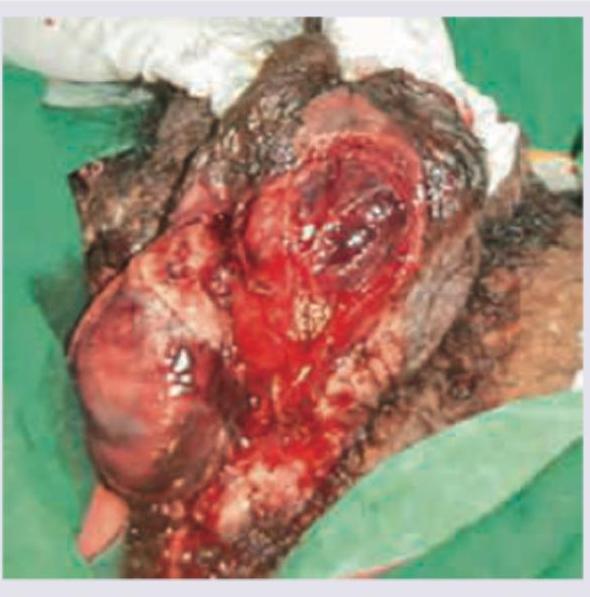
Which of the following statements is FALSE regarding Fournier's gangrene?
Which is the most common cause of urinary retention in an elderly man?
In the follow-up of Benign Prostatic Hyperplasia (BPH), what is the most important indication for surgery?
Which of the following is NOT typically performed before surgery?
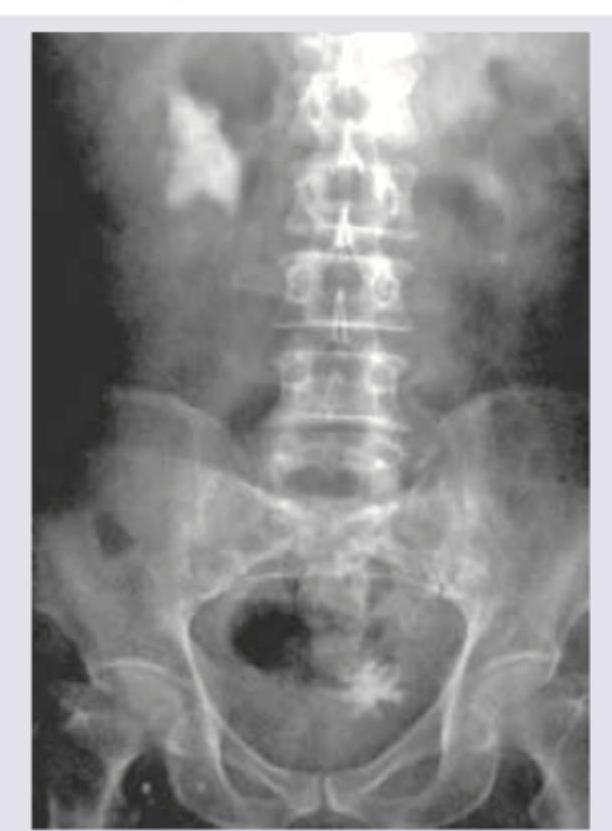
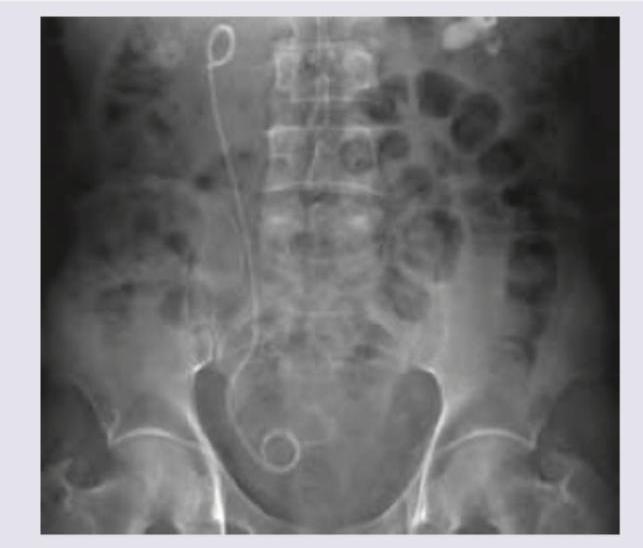
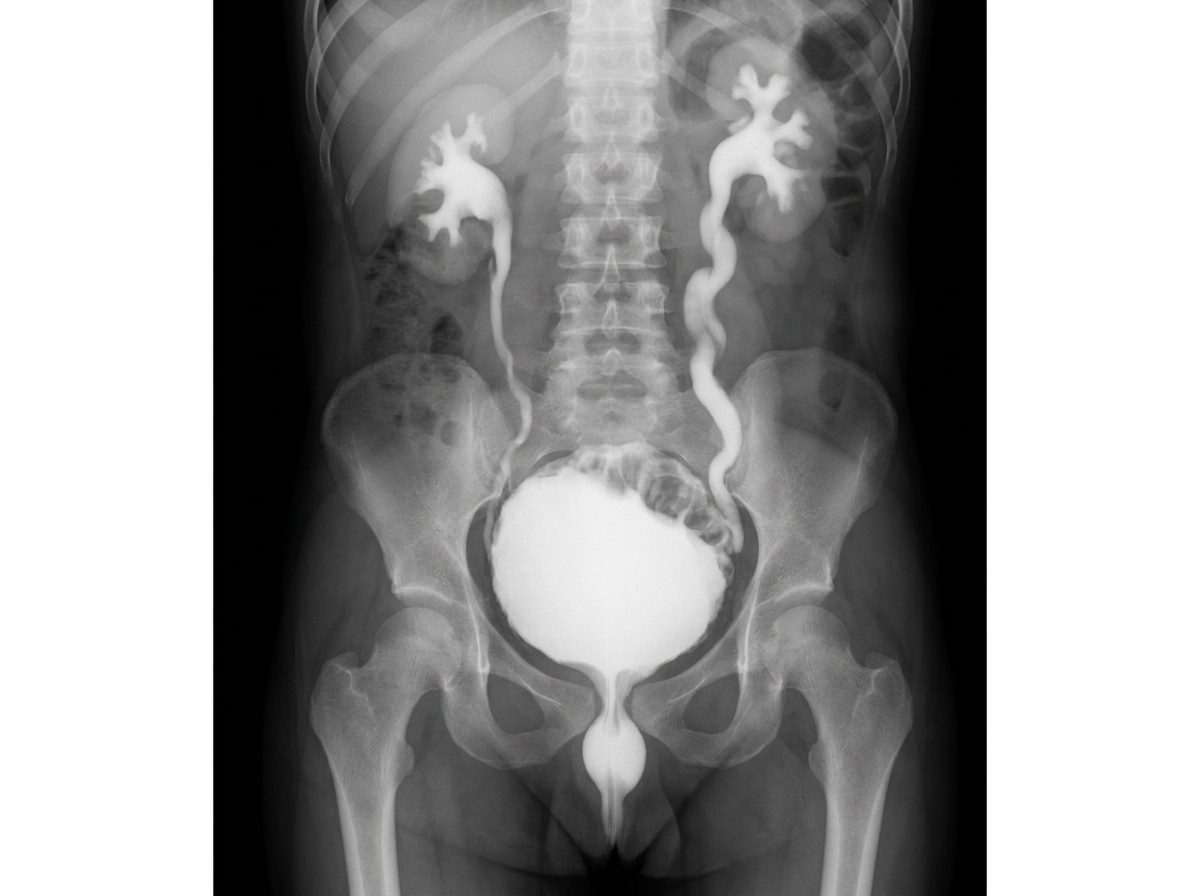
Explanation: ### Explanation **Correct Answer: D. Radiorenogram** The clinical scenario describes **Acute Renal Failure (ARF) with complete anuria** and a **normal ultrasound**. In urology, a normal ultrasound in the setting of ARF is a critical finding because it effectively rules out obstructive uropathy (post-renal causes like stones or hydronephrosis). When obstruction is ruled out, the focus shifts to **vascular causes** or **acute tubular necrosis**. A **Radiorenogram (DTPA or MAG3 scan)** is the investigation of choice here because it assesses renal perfusion and functional uptake. It is highly sensitive for diagnosing **bilateral renal artery embolism or thrombosis**, which can present with sudden-onset complete anuria and a normal-looking kidney on ultrasound. #### Why other options are incorrect: * **A. Intravenous Pyelography (IVP):** IVP is contraindicated in ARF. The iodinated contrast is nephrotoxic and will not be excreted by a non-functioning kidney, making the test both dangerous and non-diagnostic. * **B & C. Antegrade/Retrograde Pyelography:** These are invasive procedures used primarily to localize and bypass an **obstruction**. Since the ultrasound is normal (no hydronephrosis), an obstructive cause is unlikely, making these tests unnecessary at this stage. #### NEET-PG High-Yield Pearls: * **Anuria + Normal Ultrasound:** Think vascular catastrophe (Renal artery occlusion) or rapidly progressive glomerulonephritis. * **Anuria + Hydronephrosis on Ultrasound:** Think obstructive uropathy (Calculi, strictures, or malignancy). * **Investigation of choice for Renal Function/Perfusion:** DTPA (Glomerular filtration) or MAG3 (Tubular secretion). * **Gold Standard for Renal Artery Stenosis:** Digital Subtraction Angiography (DSA).
Explanation: ### Explanation The correct answer is **C. During micturition**. **Medical Concept:** Urethritis is the inflammation of the urethral mucosa, most commonly due to sexually transmitted infections (e.g., *Neisseria gonorrhoeae* or *Chlamydia trachomatis*). The pain associated with urethritis is a classic example of **"scalding" dysuria**. As acidic urine passes through the inflamed, sensitive, and often denuded urethral lining during the act of voiding, it causes immediate irritation and a burning sensation. Therefore, the pain is maximal **during micturition**. **Analysis of Incorrect Options:** * **A. Before micturition:** Pain before voiding is typically associated with **bladder distension** (e.g., acute cystitis or interstitial cystitis). The pain is relieved once the bladder is emptied and the tension on the bladder wall is reduced. * **B. After micturition:** Pain at the end of or after micturition (terminal dysuria) is characteristic of **trigonitis** or **posterior urethritis/prostatitis**. As the bladder collapses at the end of voiding, the inflamed mucosal surfaces of the trigone rub against each other, causing pain. * **D. Irrespective of micturition:** Constant pain in the penile region, unrelated to voiding, is more suggestive of conditions like **priapism, paraphimosis, or local trauma/abscess**, rather than simple urethritis. **High-Yield Clinical Pearls for NEET-PG:** * **Urethral Discharge:** Gonococcal urethritis typically presents with a profuse, creamy yellow discharge, whereas Non-gonococcal urethritis (NGU) presents with a scant, mucoid discharge. * **Two-Glass Test:** Used to localize the site of infection. If the first glass is turbid and the second is clear, it indicates **anterior urethritis**. If both are turbid, it suggests a more proximal infection (cystitis or prostatitis). * **Initial Dysuria:** Pain at the start of micturition usually points to an anterior urethral lesion.
Explanation: **Explanation:** The term **'Kiss cancer'** (also known as a 'kissing lesion') in the context of the urinary bladder is a classic misnomer. Despite the name "cancer," it refers to a **Benign** condition. **1. Why the correct answer is Benign:** A 'Kiss cancer' is actually a **contact ulcer** or a localized inflammatory lesion. It occurs when a primary lesion (often an inflammatory one or a specific type of cystitis) on one wall of the bladder comes into constant contact with the opposing wall when the bladder is empty. This repeated contact leads to a "mirror image" lesion on the opposite side. In clinical practice, this is most commonly associated with **Hunner’s ulcers** seen in **Interstitial Cystitis**. Because it is an inflammatory process and not a neoplastic one, it is classified as benign. **2. Why the other options are wrong:** * **Malignant/Highly Malignant:** While true bladder cancers (like Transitional Cell Carcinoma) can occasionally show "seeding" or multicentricity, the specific term 'Kiss cancer' is reserved for the benign inflammatory contact lesions described above. * **Pre-malignant:** There is no evidence that these contact ulcers undergo malignant transformation into carcinoma. **3. Clinical Pearls for NEET-PG:** * **Association:** Always associate 'Kiss cancer' of the bladder with **Interstitial Cystitis** and **Hunner’s Ulcers**. * **Presentation:** Patients typically present with the triad of frequency, urgency, and pelvic pain relieved by voiding. * **Cystoscopy Finding:** Look for "Glomerulations" (pinpoint hemorrhages) after hydrodistension. * **Terminology Trap:** NEET-PG often tests "misnomers." Similar to 'Kiss cancer,' remember that a **"Morton’s Neuroma"** is not a true tumor, and **"Mycosis Fungoides"** is a lymphoma, not a fungal infection.
Explanation: **Explanation:** **Brodel’s line** is an important anatomical landmark in the **Kidney**. It refers to a relatively avascular plane located on the convex lateral border of the kidney. **Why Kidney is the correct answer:** The kidney receives its blood supply from the renal artery, which divides into anterior and posterior divisions. Brodel’s line represents the **watershed area** or the boundary between the distribution of these two divisions. Specifically, it lies approximately 1 cm posterior to the convex lateral border of the kidney. Because this area has minimal large blood vessels, it is the preferred site for performing a **nephrolithotomy** (surgical incision into the kidney to remove stones) to minimize intraoperative hemorrhage. **Why other options are incorrect:** * **Heart:** While the heart has specific surgical lines (like the Waterston’s groove), Brodel’s line is specific to renal anatomy. * **Spleen:** The spleen is highly vascular without a defined "avascular line" similar to Brodel’s; surgical approaches usually involve the hilum or total splenectomy. **Clinical Pearls for NEET-PG:** * **Max Brodel:** The line is named after the famous medical illustrator Max Brödel. * **Surgical Significance:** It is the "bloodless" plane used for **Percutaneous Nephrolithotomy (PCNL)** access. * **Anatomical Landmark:** It is located between the anterior two-thirds and the posterior one-third of the renal parenchyma. * **Related Concept:** Do not confuse this with **Hyrtl’s epinephric artery**, which is the actual vessel that may occasionally run near this plane.
Explanation: ### Explanation **Correct Option: A. Transitional Cell Carcinoma (TCC)** The entire urinary tract, from the renal calyces and pelvis down to the proximal urethra, is lined by **urothelium** (formerly known as transitional epithelium). Therefore, the most common malignancy arising from these structures is **Transitional Cell Carcinoma (TCC)**, now more commonly referred to as **Urothelial Carcinoma**. It accounts for over 90% of tumors in the renal pelvis and ureter. **Incorrect Options:** * **B. Adenocarcinoma:** This is a rare primary tumor of the renal pelvis, usually associated with chronic irritation or glandular metaplasia (cystitis glandularis). * **C. Squamous Cell Carcinoma (SCC):** While it can occur in the renal pelvis, it is much less common than TCC. It is strongly associated with **chronic irritation**, such as long-standing staghorn calculi or chronic infections. * **D. Nephroblastoma (Wilms Tumor):** This is a primary **embryonal renal parenchymal tumor** seen in children. It does not arise from the urothelial lining of the collecting system. **Clinical Pearls for NEET-PG:** 1. **Field Change Effect:** Urothelial tumors exhibit "polychronotopicity." A patient with renal pelvis TCC has a 30–50% chance of developing a synchronous or metachronous bladder tumor. 2. **Risk Factors:** Smoking (most common), Balkan endemic nephropathy, and exposure to aromatic amines (dyes). 3. **Gold Standard Investigation:** CT Urography (shows a "filling defect"). 4. **Treatment of Choice:** Radical nephroureterectomy with excision of a bladder cuff (to prevent recurrence in the distal ureteric stump).
Explanation: **Explanation** The correct answer is **Haematocele**. **Why Haematocele mimics Testicular Malignancy:** A chronic haematocele is the most common condition to be mistaken for a testicular tumor. Both conditions typically present as a **painless, firm-to-hard, heavy scrotal swelling** that does **not transilluminate**. In chronic cases, the blood within the tunica vaginalis undergoes organization, leading to thickening and fibrosis of the sac. This creates a solid, irregular mass-like consistency on palpation, making it clinically indistinguishable from a malignancy without imaging (Ultrasound) or surgical exploration. **Why other options are incorrect:** * **Hydrocele:** While it causes scrotal enlargement, it is typically soft, fluctuant, and **transilluminates** brilliantly. Malignancy is solid and opaque. * **Spermatocele:** This is a retention cyst of the efferent ductules. It is felt as a distinct, globular swelling **separate from and above the testis** (like a "third testis"), whereas malignancy involves the body of the testis itself. * **Cyst of Epididymis:** Similar to a spermatocele, these are fluid-filled structures located in the epididymis and are easily distinguishable from the testicular parenchyma on palpation. **High-Yield Clinical Pearls for NEET-PG:** * **Rule of Thumb:** Any solid, non-transilluminating testicular mass is considered **malignant until proven otherwise**. * **Diagnostic Gold Standard:** Scrotal Ultrasound (USG) is the first-line investigation to differentiate intra-testicular from extra-testicular masses. * **Surgical Approach:** If malignancy is suspected, the surgical approach is always **Radical Inguinal Orchidectomy**. A trans-scrotal biopsy is strictly contraindicated as it risks lymphatic seeding to the inguinal nodes.
Explanation: **Explanation:** Fournier’s gangrene is a life-threatening, necrotizing fasciitis of the perineal, perianal, and genital regions. Understanding its pathophysiology is crucial for NEET-PG. **1. Why Option D is the Correct (False) Statement:** While the **testes are typically spared from the necrotic process**, they are **frequently exposed** as the overlying scrotal skin and fascia slough away. The testes survive because they have a separate blood supply (the **testicular artery** arising directly from the abdominal aorta), whereas the scrotal skin is supplied by the external and internal pudendal arteries. Therefore, the statement that they are "spared from exposure" is clinically incorrect; they are spared from *gangrene*, but often left completely denuded. **2. Analysis of Incorrect Options:** * **Option A:** It is indeed a **vascular disaster**. The infection (usually polymicrobial) leads to endarteritis obliterans of the small subcutaneous arteries, causing local tissue ischemia and subsequent gangrene. * **Option B:** It is characterized by a **sudden onset** of pain, swelling, and inflammation of the scrotum, often accompanied by systemic signs of sepsis. * **Option C:** The hallmark of this condition is its **rapid progression**. The necrosis can spread at a rate of 2–3 cm per hour along the fascial planes (Colles’, Scarpa’s, and Dartos fascia). **Clinical Pearls for NEET-PG:** * **Risk Factors:** Diabetes Mellitus (most common), chronic alcoholism, and immunosuppression. * **Microbiology:** Usually **polymicrobial** (Type I necrotizing fasciitis), involving aerobes (E. coli, Klebsiella) and anaerobes (Bacteroides). * **Management:** Emergency surgical debridement, broad-spectrum antibiotics, and hemodynamic stabilization. * **Sign:** Crepitus on palpation (due to gas-forming organisms).
Explanation: **Explanation:** **Benign Prostatic Hyperplasia (BPH)** is the most common cause of bladder outlet obstruction and subsequent urinary retention in elderly men. As a man ages, the periurethral (transition) zone of the prostate undergoes glandular and stromal proliferation under the influence of Dihydrotestosterone (DHT). This enlargement compresses the prostatic urethra, increasing resistance to urine flow and leading to Lower Urinary Tract Symptoms (LUTS) or acute/chronic retention. **Analysis of Options:** * **Benign Prostatic Hyperplasia (Correct):** Histological evidence of BPH is present in approximately 50% of men by age 60 and 90% by age 85, making it the statistically dominant cause. * **Carcinoma of the Prostate:** While common in elderly men, it typically arises in the **peripheral zone**. It usually remains asymptomatic until advanced stages and is a much less frequent cause of acute retention compared to BPH. * **Bladder Neck Hypertrophy:** This is often a secondary change (compensatory) due to chronic obstruction or seen in specific conditions like Marion’s disease (primary bladder neck obstruction), but it is not the primary cause in the general elderly population. * **Constriction (Stricture):** Urethral strictures are usually the result of trauma, instrumentation, or infection (gonococcal). While they cause retention, they are less common than BPH in the elderly. **Clinical Pearls for NEET-PG:** * **Zone involved:** BPH affects the **Transition Zone**; Prostate Cancer affects the **Peripheral Zone**. * **First-line Medical Management:** Alpha-blockers (e.g., Tamsulosin) to reduce dynamic obstruction. * **Gold Standard Surgery:** TURP (Transurethral Resection of the Prostate). * **Most common site of metastasis in Prostate Cancer:** Lumbar spine (via Batson’s plexus).
Explanation: ### Explanation In the management of Benign Prostatic Hyperplasia (BPH), the decision to move from medical management to surgical intervention (typically TURP) is based on the presence of **absolute indications**. **Why Bilateral Hydronephrosis is Correct:** Bilateral hydronephrosis indicates that the bladder outlet obstruction has become severe enough to cause high-pressure chronic urinary retention. This pressure is transmitted retrogradely through the ureters to the kidneys, leading to obstructive uropathy and potential renal failure. The primary goal of BPH surgery is to prevent irreversible end-organ damage; therefore, **renal insufficiency or upper tract dilatation** caused by BPH is a definitive, absolute indication for surgery. **Analysis of Incorrect Options:** * **A. Prostate size > 75 grams:** Size alone is never an indication for surgery. Many patients with large prostates are asymptomatic, while those with small prostates (e.g., median lobe enlargement) may suffer severe obstruction. * **B. Single episode of UTI:** While recurrent or persistent UTIs are an indication for surgery, a single, easily treated episode is generally managed medically first. * **C. Hypertension:** Hypertension is not a contraindication to BPH medications (like Alpha-blockers); in fact, some older alpha-blockers treat both. Surgery is indicated if the patient fails medical therapy or experiences intolerable side effects, but not because of hypertension itself. **High-Yield Clinical Pearls for NEET-PG:** * **Absolute Indications for Surgery (TURP) in BPH:** 1. Refractory urinary retention (failed trial without catheter). 2. Recurrent UTIs. 3. Recurrent gross hematuria (due to friable prostatic veins). 4. Bladder calculi (indicates significant stasis). 5. **Renal insufficiency/Bilateral hydronephrosis.** * **Gold Standard Investigation:** Uroflowmetry (Qmax <10 ml/sec suggests significant obstruction). * **Gold Standard Surgery:** Transurethral Resection of the Prostate (TURP).
Explanation: **Explanation:** The goal of preoperative preparation is to optimize the patient’s physiological state and minimize surgical risks. **Initiation of anticoagulation (Option D)** is the correct answer because it is generally **contraindicated** immediately before surgery. Anticoagulants (like Warfarin or Heparin) increase the risk of intraoperative hemorrhage and postoperative hematoma. In patients already on long-term anticoagulation, these drugs are typically **stopped** or "bridged" with short-acting agents to ensure normal coagulation during the procedure. **Analysis of Incorrect Options:** * **Shaving of the surgical site (Option A):** While routine shaving is now discouraged (clipping is preferred to prevent micro-abrasions), hair removal at the site is still a standard preoperative step if hair interferes with the incision or dressing. * **Draping the surgical field (Option B):** This is a fundamental step performed in the OR just before the incision to maintain a sterile field and prevent Surgical Site Infections (SSIs). * **Control of blood glucose (Option C):** Hyperglycemia impairs wound healing and increases the risk of infection. Achieving euglycemia (typically <180 mg/dL) is a critical preoperative requirement. **Clinical Pearls for NEET-PG:** * **Hair Removal:** If necessary, it should be done using **electric clippers** immediately before surgery. Shaving the night before increases SSI risk due to bacterial colonization of nicks. * **Anticoagulation Bridge:** Warfarin is usually stopped **5 days** prior to major surgery. * **Prophylaxis vs. Initiation:** Do not confuse "initiation of anticoagulation" with "DVT prophylaxis." Low-dose Heparin for DVT prevention is often started preoperatively in high-risk patients, but therapeutic anticoagulation is avoided.
Urological Anatomy
Practice Questions
Hematuria Evaluation
Practice Questions
Urinary Calculi
Practice Questions
Benign Prostatic Hyperplasia
Practice Questions
Prostate Cancer
Practice Questions
Bladder Cancer
Practice Questions
Renal Cell Carcinoma
Practice Questions
Testicular Tumors
Practice Questions
Urinary Tract Infections
Practice Questions
Urinary Incontinence
Practice Questions
Genitourinary Trauma
Practice Questions
Pediatric Urology Basics
Practice Questions
Get full access to all questions, explanations, and performance tracking.
Start For Free