In the Glasgow Coma Scale, which of the following is not a parameter?
A patient with a history of chest trauma presents to the emergency department with a BP of 90/70 mm Hg and a pulse rate of 120/min. The patient is observed to be short of breath, using accessory muscles of respiration. The JVP is not elevated. What is the most likely diagnosis?
A patient presents with breathlessness following a road traffic accident. Which of the following is the best method to differentiate between cardiac tamponade and tension pneumothorax?
Which of the following is NOT a side effect of massive blood transfusion?
What is the source of a chronic subdural hematoma?
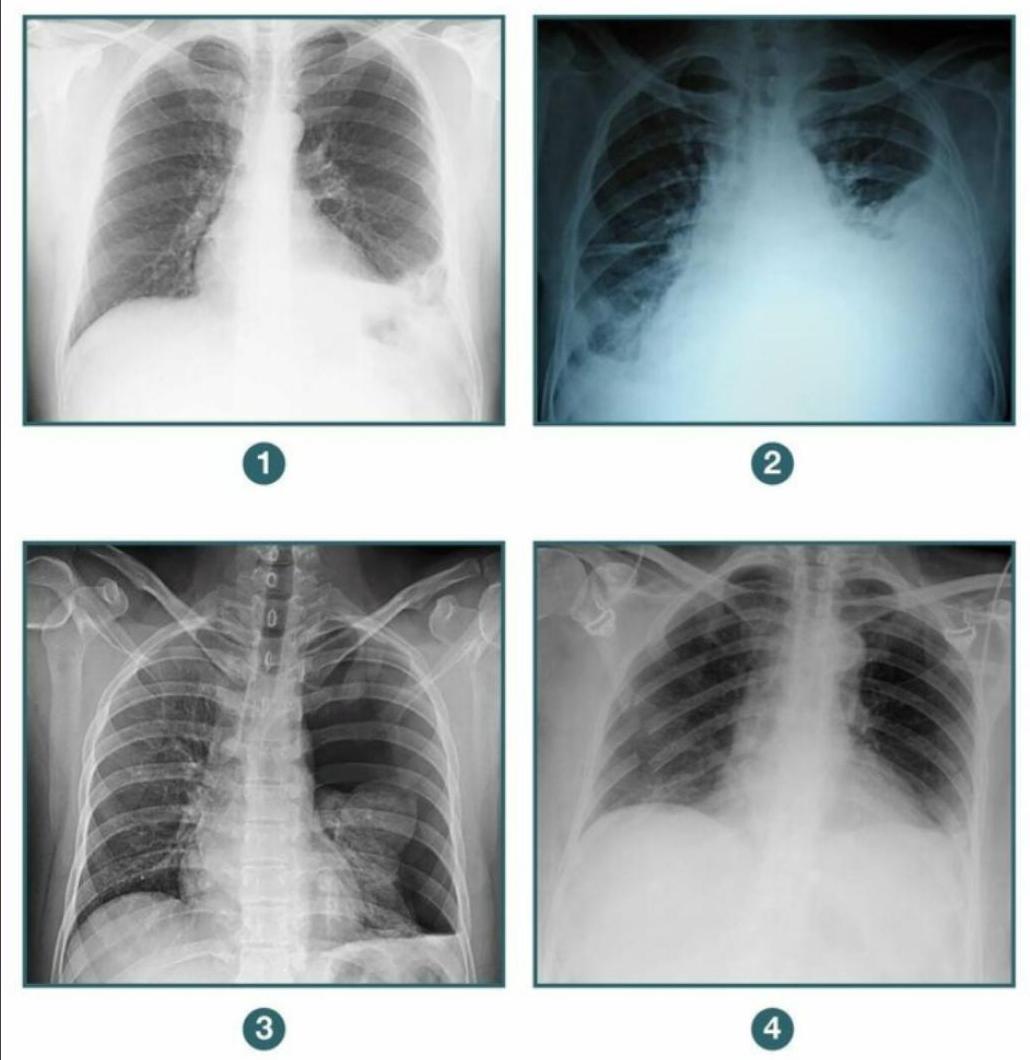
Which of the following statements about hemothorax are correct?
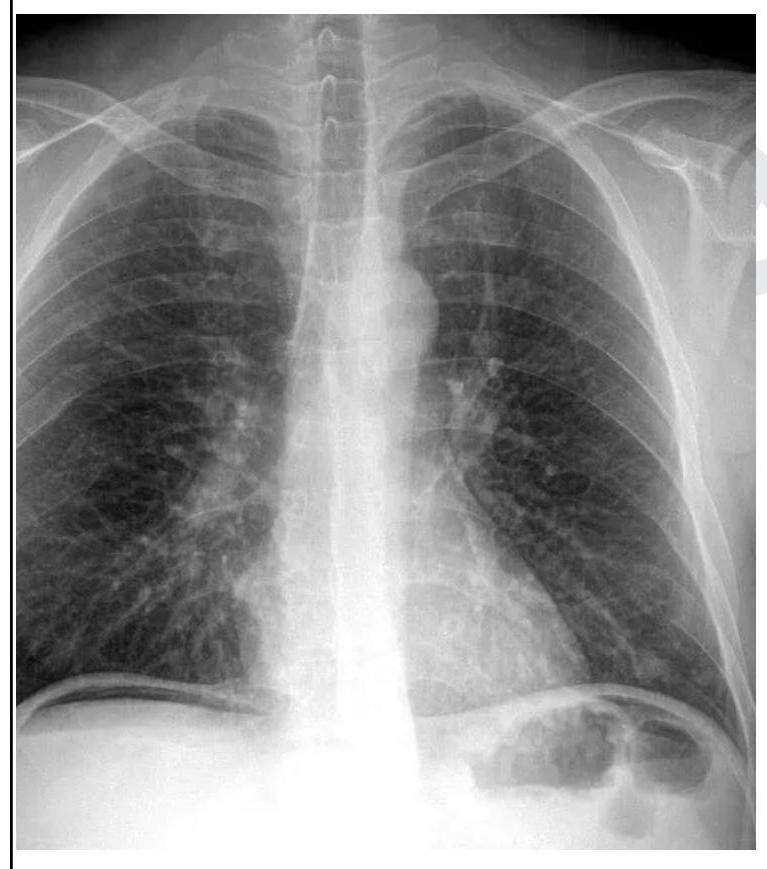
A 50-year-old known asthmatic develops sudden onset right-sided chest pain with dyspnea. Chest X-ray reveals hyperlucency on the right side with a shift of the trachea to the left side. What is the best treatment for immediate relief of symptoms?
A patient presents with necrotizing cellulitis after a bite on the leg. What is the ideal initial management?
Bristow elevator is used in which approach?
A 25-year-old man presents with significant upper gastrointestinal hemorrhage on post-injury day 4 following an automobile accident. Injuries sustained included bilateral closed femur fractures, left pulmonary contusion, and closed head injury. Endoscopic examination reveals an area of confluent ulceration with bleeding in the gastric fundus, and endoscopic hemostasis has failed. What is the appropriate immediate management?
Explanation: The **Glasgow Coma Scale (GCS)** is a standardized clinical tool used to assess the level of consciousness in patients with acute brain injury. It evaluates three specific physiological responses, often remembered by the mnemonic **"EVM"**. ### Why "Sensory Response" is the Correct Answer The GCS is designed to measure objective behavioral responses to stimuli. While the scale utilizes sensory input (such as verbal commands or painful stimuli) to elicit a reaction, it does **not** formally grade the patient’s sensory perception or dermatomal sensation. Therefore, **Sensory response** is not a parameter of the GCS. ### Analysis of Other Options * **A. Verbal response (V):** Scored from 1 to 5. It assesses orientation and cognitive integration. * **B. Eye opening (E):** Scored from 1 to 4. It assesses the arousal mechanism of the brainstem (Reticular Activating System). * **C. Motor response (M):** Scored from 1 to 6. It is the most significant predictor of ultimate clinical outcome. ### High-Yield Clinical Pearls for NEET-PG * **Score Range:** The total score ranges from a **minimum of 3** (deep coma/death) to a **maximum of 15** (fully awake). There is no score of 0. * **Head Injury Classification:** * 13–15: Mild Head Injury * 9–12: Moderate Head Injury * **≤ 8: Severe Head Injury** (Indicative of coma; "GCS of 8, intubate"). * **Modified GCS:** In intubated patients, the verbal score is replaced by the suffix 'T' (e.g., GCS 5T). * **GCS-P:** A newer variant that includes **Pupillary reactivity** (GCS score minus the number of non-reactive pupils) to provide better prognostic data.
Explanation: ### Explanation The patient presents with signs of **hypovolemic shock** (hypotension and tachycardia) and respiratory distress following chest trauma. The clinical differentiator here is the **Jugular Venous Pressure (JVP)**. **1. Why Massive Hemothorax is correct:** Massive hemothorax is defined as >1500 ml of blood (or 1/3 of the patient's blood volume) in the pleural space. This leads to two primary issues: * **Hypovolemic Shock:** Significant blood loss leads to decreased preload, resulting in hypotension and **flat neck veins (low JVP)**. * **Respiratory Distress:** Blood in the pleural space causes lung collapse and mediastinal shift, leading to dyspnea and decreased breath sounds on the affected side. **2. Why other options are incorrect:** * **Tension Pneumothorax:** While it causes hypotension and respiratory distress, it is characterized by **distended neck veins (elevated JVP)** due to increased intrathoracic pressure impeding venous return. Percussion would reveal hyper-resonance, whereas hemothorax reveals dullness. * **Cardiac Tamponade:** This presents with **Beck’s Triad** (hypotension, muffled heart sounds, and **elevated JVP**). Unlike hemothorax, the lungs are usually clear on auscultation, and there is no significant respiratory distress unless associated with other injuries. **3. Clinical Pearls for NEET-PG:** * **The JVP Rule:** In a trauma patient with shock and respiratory distress: * **Low JVP/Flat veins** = Massive Hemothorax. * **High JVP/Distended veins** = Tension Pneumothorax or Cardiac Tamponade. * **Percussion:** Dullness = Hemothorax; Hyper-resonance = Pneumothorax. * **Management:** The initial treatment for massive hemothorax is a wide-bore chest tube (Intercostal Drainage). An immediate output of **>1500 ml** or a continuous output of **200 ml/hr for 2–4 hours** is an indication for urgent **Thoracotomy**.
Explanation: **Explanation:** In the setting of thoracic trauma, both **Cardiac Tamponade** and **Tension Pneumothorax** are life-threatening conditions that present with obstructive shock, hypotension, and distended neck veins (elevated JVP). The most reliable clinical finding to differentiate between them at the bedside is the **auscultation of breath sounds.** 1. **Why "Breathing Sounds" is correct:** * **Tension Pneumothorax:** Characterized by **absent or significantly diminished breath sounds** on the affected side, along with hyper-resonance on percussion and tracheal deviation. * **Cardiac Tamponade:** Breath sounds remain **normal and bilateral** because the pathology is confined to the pericardial sac, not the pleural space. 2. **Why other options are incorrect:** * **Jugular Venous Pressure (JVP):** Both conditions cause increased JVP due to impaired venous return to the heart. Therefore, it cannot be used to distinguish them. * **Pulse Pressure & Pulse Volume:** Both conditions lead to a state of shock characterized by tachycardia, low pulse volume, and narrowed pulse pressure. While *Pulsus Paradoxus* is a classic sign of tamponade, it can also occur in severe tension pneumothorax. **Clinical Pearls for NEET-PG:** * **Beck’s Triad (Cardiac Tamponade):** Hypotension, Distended neck veins, and Muffled heart sounds. * **The "Diamond" Rule:** If a patient has respiratory distress + hypotension + distended neck veins: * *Absent breath sounds* = Tension Pneumothorax. * *Normal breath sounds* = Cardiac Tamponade. * **Immediate Management:** Tension pneumothorax requires immediate **needle thoracocentesis** (5th ICS mid-axillary line in adults), while tamponade requires **pericardiocentesis**.
Explanation: **Explanation** Massive Blood Transfusion (MBT) is defined as the replacement of >10 units of PRBCs in 24 hours or >4 units in 1 hour. The correct answer is **Hypokalemia** because MBT typically causes **Hyperkalemia**, not hypokalemia. **1. Why Hypokalemia is the correct answer (The Exception):** During storage, red blood cells undergo a "storage lesion" where the Na+/K+ ATPase pump fails due to cold temperatures and lack of ATP. This causes potassium to leak out of the cells into the plasma. Consequently, transfusing old stored blood leads to **Hyperkalemia**. *Note:* Transient hypokalemia may occur later as transfused cells resume metabolic activity and take up potassium, or due to metabolic alkalosis from citrate metabolism, but the classic acute complication tested in exams is hyperkalemia. **2. Why the other options are wrong (Actual Side Effects):** * **Hypothermia (A):** Blood is stored at 4°C. Rapid infusion of cold blood cools the core temperature, shifting the oxyhemoglobin curve to the left and worsening coagulopathy. * **Hypocalcemia (B):** Citrate is used as an anticoagulant in blood bags. It chelates ionized calcium in the recipient’s blood, leading to tetany or arrhythmias. * **Hypomagnesemia (C):** Similar to calcium, citrate also binds to magnesium, leading to decreased serum magnesium levels. **High-Yield Clinical Pearls for NEET-PG:** * **Lethal Triad of Trauma:** Acidosis, Coagulopathy, and Hypothermia. * **Metabolic Alkalosis:** Citrate is metabolized by the liver into bicarbonate, often leading to alkalosis rather than acidosis in the post-transfusion phase. * **Dilutional Coagulopathy:** MBT with only PRBCs leads to a deficiency of platelets and clotting factors (V and VIII). * **TRALI:** The most common cause of transfusion-related fatalities.
Explanation: **Explanation:** The correct answer is **Venous**. A **Subdural Hematoma (SDH)**, whether acute or chronic, occurs due to the rupture of **bridging veins**. These veins traverse the subdural space as they drain blood from the cerebral cortex into the dural venous sinuses (primarily the Superior Sagittal Sinus). In **Chronic Subdural Hematoma (cSDH)**, which typically occurs in elderly patients or those with chronic alcoholism, brain atrophy leads to an increase in the distance between the cortex and the dura. This stretches the bridging veins, making them highly susceptible to shearing even with trivial trauma. The bleeding is low-pressure (venous), allowing the hematoma to accumulate slowly over weeks to months. **Analysis of Incorrect Options:** * **A. Arterial:** Arterial bleeding is the hallmark of **Epidural Hematoma (EDH)**, most commonly involving the Middle Meningeal Artery. Arterial bleeds are high-pressure and present acutely. * **C. Capillary:** Capillary oozing is not a recognized primary source for major intracranial hematomas like SDH. * **D. None of the above:** Incorrect, as the venous origin is well-established. **Clinical Pearls for NEET-PG:** * **Imaging:** On CT, cSDH appears as a **crescent-shaped (concave)** lesion that is **hypodense** (dark) compared to the brain. Acute SDH is hyperdense (white). * **Risk Factors:** Cerebral atrophy (elderly), anticoagulation therapy, and chronic alcoholism. * **Pathophysiology:** The initial clot often liquefies, and a "pseudomembrane" forms. Recurrent micro-bleeding from fragile neo-capillaries in this membrane can cause the hematoma to enlarge over time. * **Management:** Symptomatic cSDH is typically treated with **burr-hole craniostomy** and drainage.
Explanation: **Explanation:** **Hemothorax** refers to the accumulation of blood in the pleural space, most commonly due to blunt or penetrating trauma. **1. Why Option D is the Correct Answer (Contextual Interpretation):** In the context of surgical management of a **Massive Hemothorax** (defined as >1500 ml of blood initially or >200 ml/hr for 2–4 hours), an **emergent thoracotomy** is the definitive treatment. While initial management for a simple hemothorax is an Intercostal Drainage (ICD) tube, the "correct" designation of this option in NEET-PG often refers to the surgical necessity in life-threatening presentations where tube thoracostomy alone is insufficient to control the source of bleeding (e.g., intercostal artery or internal mammary artery injury). **2. Why the other options are incorrect:** * **Option A:** Choriocarcinoma is typically associated with **hemoptysis** (due to pulmonary metastases) or **chylothorax**, but it is not a classic or common cause of hemothorax. * **Option B:** In trauma, an **erect chest X-ray** is superior to a supine film. In a supine position, blood spreads across the posterior pleural space, appearing only as a vague "ground-glass" haziness (veiling opacity), making it easy to miss. An erect film shows a sharp fluid level or blunting of the costophrenic angle. * **Option C:** Diagnosis is primarily clinical and radiological (CXR or eFAST). **Needle aspiration is contraindicated** for diagnosis as it is unreliable, risks introducing infection, and may cause further lung injury. The gold standard for both diagnosis and initial treatment is a large-bore (28-32 Fr) chest tube. **Clinical Pearls for NEET-PG:** * **Initial Management:** Tube thoracostomy (ICD) at the 5th intercostal space, mid-axillary line. * **Indications for Thoracotomy:** 1. Immediate drainage of **>1500 ml** of blood. 2. Continued bleeding of **>200 ml/hr for 3-4 consecutive hours**. 3. Increasing size of hemothorax on CXR despite drainage. * **Complication:** If not drained, it can lead to a **clotted hemothorax** or fibrothorax, requiring decortication.
Explanation: ### Explanation The clinical presentation of sudden onset pleuritic chest pain, dyspnea, and hyperlucency on X-ray with a contralateral tracheal shift is diagnostic of a **Tension Pneumothorax**. In this patient, the underlying asthma likely led to the rupture of a subpleural bleb (Secondary Spontaneous Pneumothorax). **1. Why Option D is Correct:** The definitive management for a pneumothorax is the evacuation of air from the pleural space to allow lung re-expansion. **Water seal intercostal drainage (ICD)** provides a one-way valve system that allows air to exit the pleural cavity during expiration but prevents it from re-entering during inspiration. This immediately relieves the pressure on the mediastinum and improves cardiac output and oxygenation. **2. Why Incorrect Options are Wrong:** * **Options B & C:** While the patient is a known asthmatic, the sudden onset of symptoms and the X-ray findings (tracheal shift and hyperlucency) confirm a mechanical issue (pneumothorax) rather than an inflammatory airway issue (bronchospasm). Bronchodilators will not address the collapsed lung. * **Option A:** Morphine may provide pain relief but will not treat the underlying cause. Furthermore, it can cause respiratory depression, which is dangerous in a patient already suffering from compromised lung function. **3. NEET-PG High-Yield Pearls:** * **Clinical Diagnosis:** Tension pneumothorax is a **clinical diagnosis**. In an unstable patient, do not wait for an X-ray; perform immediate needle decompression. * **Needle Decompression Site:** The updated ATLS (10th ed.) guidelines recommend the **5th intercostal space** just anterior to the mid-axillary line in adults (the 2nd ICS in the mid-clavicular line is an alternative). * **ICD Insertion Site:** Safe triangle (bordered by the lateral edge of pectoralis major, anterior edge of latissimus dorsi, and a line superior to the horizontal level of the nipple). * **Tracheal Shift:** Always occurs **away** from the side of a tension pneumothorax or large pleural effusion, and **towards** the side of collapse or agenesis.
Explanation: **Explanation:** **Necrotizing Cellulitis (Necrotizing Fasciitis)** is a surgical emergency characterized by rapid, widespread destruction of the superficial fascia and subcutaneous fat. The diagnosis is primarily **clinical**. **Why Surgical Exploration is the Correct Answer:** In cases of suspected necrotizing soft tissue infections (NSTI), **surgical exploration and aggressive debridement** is the gold standard for both diagnosis and treatment. Delaying surgery to wait for imaging or lab results significantly increases mortality. The "finger test" (lack of bleeding, "dishwater" pus, and easy blunt dissection of the fascia) during exploration confirms the diagnosis. **Why Other Options are Incorrect:** * **MRI (A) & CT (B):** While imaging may show fascial thickening or subcutaneous gas (pathognomonic), it lacks the sensitivity to rule out early infection. A negative scan should never delay surgery if clinical suspicion is high. * **C-reactive protein (C):** Inflammatory markers like CRP and WBC are often elevated (used in the LRINEC score), but they are non-specific and do not provide a definitive diagnosis or therapeutic benefit in an acute setting. **High-Yield Clinical Pearls for NEET-PG:** * **Clinical Hallmark:** "Pain out of proportion" to physical findings and cutaneous anesthesia (due to nerve destruction). * **Hard Signs:** Crepitus, skin necrosis, bullae, and rapid progression. * **LRINEC Score:** Used to distinguish necrotizing from non-necrotizing infections (includes CRP, WBC, Hemoglobin, Sodium, Creatinine, and Glucose). * **Microbiology:** Type I is polymicrobial (common in diabetics); Type II is monomicrobial (Group A Streptococcus). * **Management Rule:** "The sun should not set on a necrotizing infection." Immediate debridement + broad-spectrum antibiotics (e.g., Carbapenem + Clindamycin) is mandatory.
Explanation: **Explanation:** The **Bristow elevator** is a specialized surgical instrument used primarily for the reduction of zygomatic arch fractures. **1. Why Gillies approach is correct:** The **Gillies temporal approach** is an extra-oral technique used to reduce fractures of the zygomatic arch. An incision is made in the temporal region (within the hairline), through the skin, subcutaneous tissue, and the temporal fascia. The Bristow elevator is then inserted deep to the deep temporal fascia but superficial to the temporalis muscle. It is slid inferiorly until it reaches the medial aspect of the zygomatic arch, where it is used to exert lateral pressure to "pop" the fractured bone back into its anatomical position. **2. Why the other options are incorrect:** * **Keen’s technique:** This is an **intra-oral approach** for reducing zygomatic arch fractures. An incision is made in the gingivobuccal sulcus (maxillary vestibular incision) behind the zygomaticomaxillary buttress. While a similar elevator (like a Rowes or Laskin elevator) can be used, the Bristow elevator is classically associated with the Gillies temporal approach. * **Both/None:** Since the Bristow elevator is the hallmark instrument specifically designed for the leverage required in the temporal (Gillies) approach, these options are incorrect. **Clinical Pearls for NEET-PG:** * **Anatomical Plane:** In the Gillies approach, the elevator must stay **between the deep temporal fascia and the temporalis muscle** to ensure it reaches the underside of the zygomatic arch. * **Zygomatic Complex Fractures:** The most common clinical sign is "flattening of the cheek" and restricted mouth opening (due to impingement on the coronoid process). * **Other Instruments:** A **Rowe’s zygomatic elevator** is another common instrument used for the same purpose.
Explanation: ### **Explanation** The patient is presenting with **Stress-Induced Gastritis (Stress Ulcers)**, specifically **Curling’s Ulcers**, which occur following severe physiological stress such as major trauma, burns, or head injuries. These ulcers typically involve the acid-producing areas of the stomach (fundus and body) and manifest as diffuse, shallow, confluent erosions. **Why Option C is Correct:** When endoscopic hemostasis (the first-line treatment) fails in a patient with diffuse stress-induced gastric bleeding, the next step is **Angiographic Intervention**. Selective arterial infusion of **vasopressin** into the left gastric artery causes vasoconstriction of the submucosal vessels, effectively controlling hemorrhage in approximately 70-80% of cases. This is preferred over surgery in hemodynamically stable patients or those who are poor surgical candidates due to multi-system trauma. **Why Other Options are Incorrect:** * **Option A (Iced Saline Lavage):** This is an outdated practice. It does not provide definitive hemostasis and may worsen coagulopathy by inducing local hypothermia. * **Option B (Total Gastrectomy):** This is a morbid, "last-resort" procedure. While surgery (like near-total gastrectomy) may be required if all else fails, it is not the *immediate* next step after failed endoscopy. * **Option D (Sengstaken-Blakemore Tube):** This is indicated for **Esophageal Varices**, not gastric stress ulcers. It works by direct mechanical compression, which is ineffective for diffuse gastric mucosal bleeding. ### **High-Yield Pearls for NEET-PG** * **Curling’s Ulcer:** Associated with severe **Burns** (reduced plasma volume leads to gastric ischemia). * **Cushing’s Ulcer:** Associated with **Head Injury/Increased ICP** (vagal stimulation leads to hypersecretion of gastric acid). * **Prophylaxis:** The best management is prevention using Proton Pump Inhibitors (PPIs) or H2 blockers in high-risk ICU patients. * **Anatomy:** The **Left Gastric Artery** is the most common source of major upper GI bleeding from stress ulcers and Mallory-Weiss tears.
Initial Assessment of Trauma Patient
Practice Questions
Advanced Trauma Life Support (ATLS) Principles
Practice Questions
Chest Trauma
Practice Questions
Abdominal Trauma
Practice Questions
Head Trauma
Practice Questions
Spinal Trauma
Practice Questions
Extremity Trauma
Practice Questions
Vascular Trauma
Practice Questions
Genitourinary Trauma
Practice Questions
Burns Management
Practice Questions
Mass Casualty Management
Practice Questions
Damage Control Surgery
Practice Questions
Get full access to all questions, explanations, and performance tracking.
Start For Free