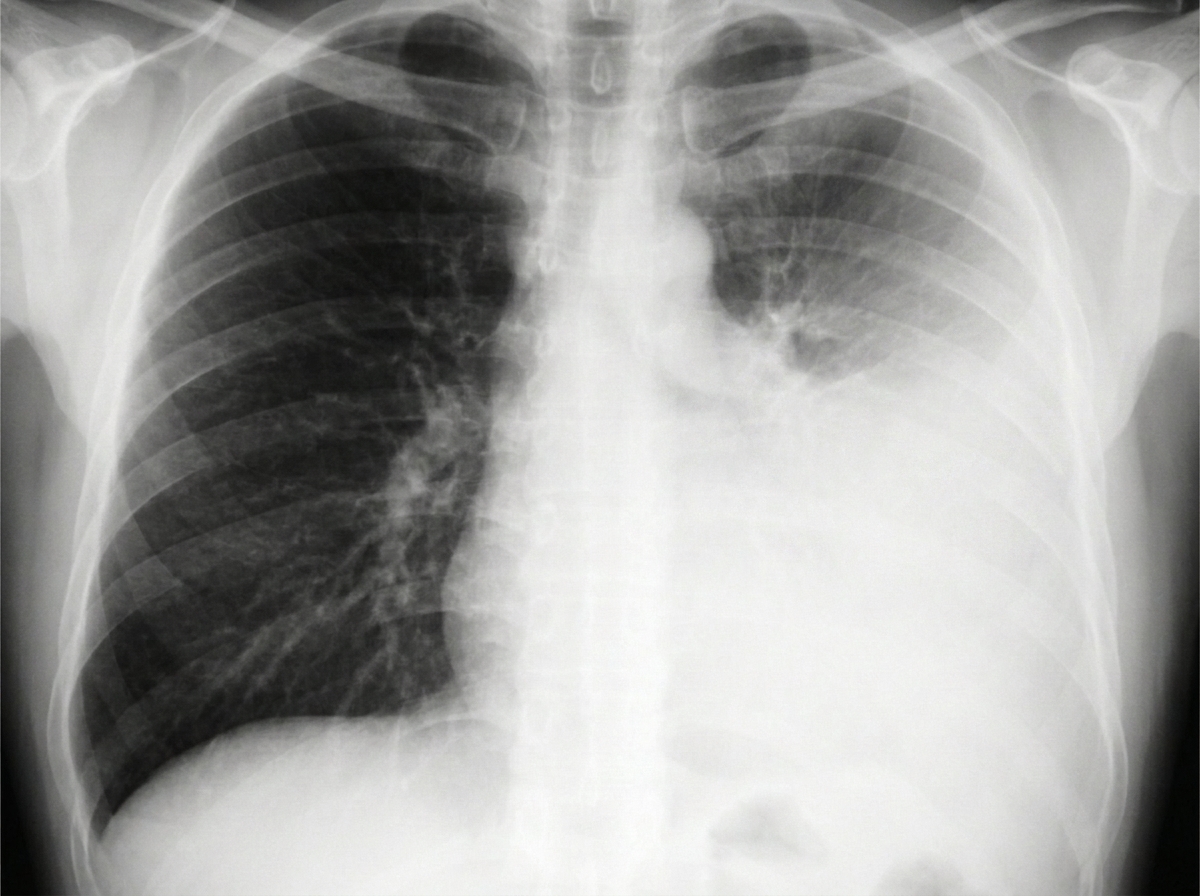
Which is the most common type of injury that occurs when a person wearing a seatbelt is involved in an accident?
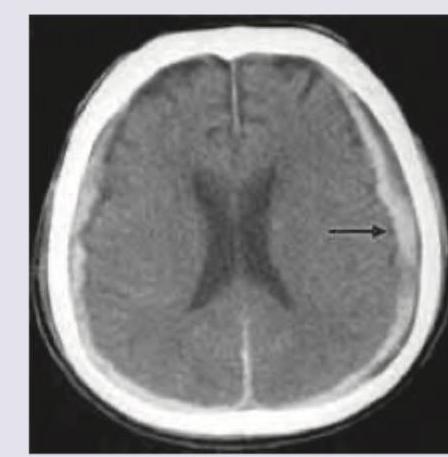
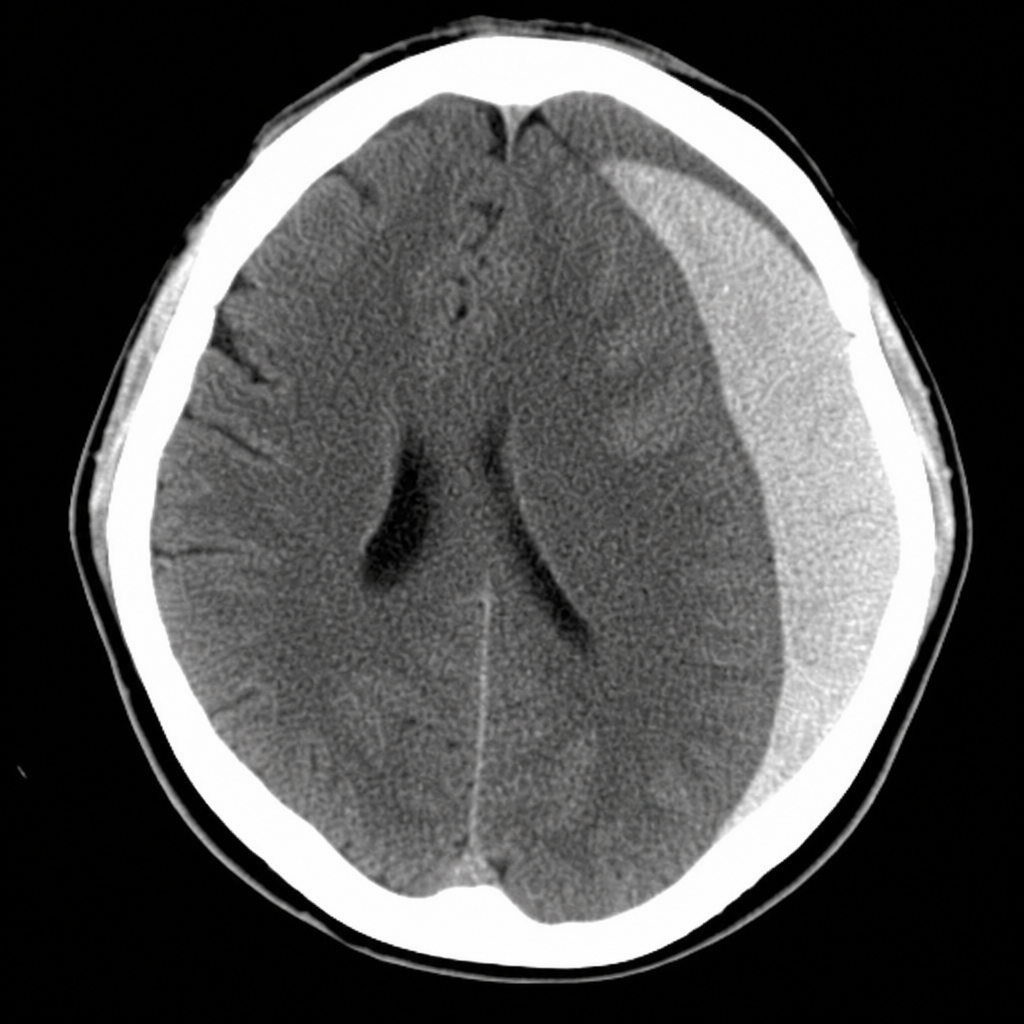
A 25-year-old male presents with a head injury. He is initially walking, conscious, and oriented, but then loses consciousness. What is the most likely diagnosis?
Undisplaced fracture of the zygoma is managed by?
Circumorbital ecchymosis is seen in all of the following facial fractures, except?
In a 6-year-old child with burns involving the whole of the head and trunk, what is the estimated body surface area involved?
What is the treatment of choice for tension pneumothorax?
What does FAST stand for?
Isolated splenic or hepatic injury in a child is most commonly managed by?
What percentage of severe trauma is associated with extradural hematoma?
Which of the following characterizes 'Tennis elbow'?
Explanation: **Explanation:** The correct answer is **Rupture of mesentery**. This occurs due to the **"Seatbelt Syndrome,"** which describes a specific pattern of injuries resulting from the rapid deceleration and compression forces exerted by a lap belt during a motor vehicle accident. **Why Rupture of Mesentery is Correct:** When a vehicle stops abruptly, the lap belt acts as a fulcrum. The abdominal viscera continue to move forward, leading to sudden compression of the bowel and its attachments against the vertebral column. This creates a "shearing force" or a sudden increase in intraluminal pressure, commonly leading to **mesenteric tears** (often involving the distal ileum) and hollow viscus perforations (e.g., small bowel). **Analysis of Incorrect Options:** * **Splenic and Liver Injuries (A & D):** While these are the most common solid organ injuries in blunt abdominal trauma (BAT) overall, they are typically caused by direct impact or compression. They are not specifically associated with the focal mechanism of a seatbelt. * **Rib Fracture (B):** While common in thoracic trauma, it is more associated with the shoulder harness or steering wheel impact rather than the classic "seatbelt sign" involving the lower abdomen. **Clinical Pearls for NEET-PG:** * **Seatbelt Sign:** Ecchymosis across the lower abdomen from a seatbelt is a high-yield clinical indicator; it carries a high risk (approx. 65%) of associated internal injuries. * **Chance Fracture:** This is a horizontal distraction fracture of the lumbar spine (usually L2-L3) frequently associated with seatbelt-related mesenteric and bowel injuries. * **Triad of Seatbelt Syndrome:** 1. Abdominal wall bruising, 2. Hollow viscus injury (Mesentery/Bowel), and 3. Lumbar spine fracture (Chance fracture). * **Investigation of Choice:** Contrast-Enhanced CT (CECT) is the gold standard, though mesenteric injuries can sometimes be subtle on initial scans.
Explanation: ### Explanation **Correct Answer: A. Epidural Hematoma (EDH)** The clinical scenario describes the classic presentation of a **Lucid Interval**, which is the hallmark of an **Epidural Hematoma (EDH)**. 1. **Why it is correct:** EDH usually results from a blow to the temporal region, causing a fracture that lacerates the **Middle Meningeal Artery**. The sequence involves: * Initial concussion (brief loss of consciousness). * **Lucid Interval:** A period where the patient regains consciousness and appears normal while the arterial bleed slowly expands. * Rapid deterioration: As the hematoma expands, intracranial pressure rises sharply, leading to herniation and secondary loss of consciousness. 2. **Why the other options are incorrect:** * **Subarachnoid Hemorrhage (SAH):** Typically presents with a "thunderclap headache" (worst headache of life) and meningeal signs. While trauma can cause SAH, it does not typically follow the "conscious-to-unconscious" lucid pattern. * **Intracerebral Hemorrhage (ICH):** Usually presents with focal neurological deficits (like hemiparesis) depending on the site of the bleed, rather than a transient lucid interval. * **Rupture of Aneurysm:** This is a non-traumatic cause of spontaneous SAH. The history of a "head injury" points directly toward a traumatic etiology like EDH. ### High-Yield Clinical Pearls for NEET-PG: * **Source of Bleed:** Middle Meningeal Artery (most common). * **CT Appearance:** **Biconvex (Lentiform)**, hyperdense, lens-shaped opacity that does *not* cross suture lines. * **Management:** Urgent surgical evacuation (burr hole or craniotomy) if the hematoma is >30 cm³ or if the patient's GCS is declining. * **Mnemonic:** "Talk and Die" syndrome—referring to the deceptive nature of the lucid interval.
Explanation: **Explanation:** The management of zygomatic (malar) fractures is primarily dictated by the degree of displacement and the presence of functional or aesthetic impairment. **1. Why "No specific treatment" is correct:** An **undisplaced fracture** implies that the bony fragments are in their anatomical position and the structural integrity of the orbit and malar prominence is maintained. In such cases, there is no functional deficit (like diplopia or trismus) and no cosmetic deformity. Therefore, surgical intervention is unnecessary. Management consists of **conservative observation**, a soft diet for 2–3 weeks to avoid stress from the masseter muscle, and avoidance of direct pressure on the cheek. **2. Why other options are incorrect:** * **Closed reduction (A):** This is indicated for minimally displaced fractures where the fragment can be "popped" back into place without direct visualization (e.g., using a Gillies temporal approach). It is unnecessary if there is no displacement. * **Open reduction (B):** This involves surgical exposure of the fracture site. It is reserved for unstable, displaced, or comminuted fractures to ensure precise anatomical alignment. * **Wiring to the frontal bone (D):** This refers to internal fixation (often at the zygomaticofrontal suture). This is a component of surgical management for displaced tripod fractures to provide stability, which is not required here. **Clinical Pearls for NEET-PG:** * **Tripod Fracture:** Involves the zygomaticofrontal suture, zygomaticomaxillary suture, and zygomaticotemporal suture (arch). * **Clinical Sign:** Flattening of the malar prominence and "step-off" deformity at the infraorbital rim. * **Indications for Surgery:** Persistent diplopia, limited mandibular movement (impingement on the coronoid process), or significant cosmetic deformity. * **Imaging:** **NCCT Head/Face (3D reconstruction)** is the gold standard. Submentovertex view (Jug handle view) is best for the zygomatic arch.
Explanation: **Explanation:** The correct answer is **Le Fort I fracture** because it is a low-level horizontal fracture of the maxilla that occurs above the level of the teeth but **below the orbital floor**. Since the fracture line involves the alveolar process and the palate, it does not involve the bony orbit; therefore, it does not typically result in circumorbital ecchymosis (raccoon eyes). **Analysis of Options:** * **Le Fort I:** Known as a "Guerin fracture" or "floating palate." The fracture line passes through the pyriform aperture and maxillary sinus, sparing the orbits. * **Orbital Blowout Fracture:** This involves a fracture of the thin orbital floor (maxilla) or medial wall (ethmoid). Hemorrhage from the maxillary sinus or orbital vessels leads to significant periorbital bruising and edema. * **Le Fort III:** Also known as "Craniofacial disjunction." The fracture line passes through the zygomaticofrontal suture, the orbital floor, and the nasofrontal suture. Because it involves the entire midface separation from the skull base, bilateral circumorbital ecchymosis is a hallmark sign. * **Zygomatic Complex (ZMC) Fracture:** Often called a "Tripod fracture," it involves the infraorbital rim. Bleeding into the surrounding soft tissues of the eye is a classic clinical finding. **High-Yield Clinical Pearls for NEET-PG:** * **Raccoon Eyes:** While common in Le Fort II/III and ZMC fractures, its presence without local trauma is highly suggestive of a **Basilar Skull Fracture** (anterior cranial fossa). * **Le Fort II (Pyramidal):** Involves the infraorbital rim and bridge of the nose; it **does** cause circumorbital ecchymosis. * **Dish-face deformity:** Classically associated with Le Fort II and III fractures due to the backward displacement of the midface. * **Guérin's Sign:** Ecchymosis in the region of the greater palatine vessels, seen in Le Fort I fractures.
Explanation: ### Explanation The estimation of Total Body Surface Area (TBSA) in pediatric burns differs from adults because children have a proportionally larger head and smaller lower extremities. For NEET-PG, the **Lund and Browder chart** is the gold standard, but the **Modified Rule of Nines** is frequently tested for rapid calculation. **Calculation for a 6-year-old child:** * **Head:** In a newborn, the head is 18%. For every year of age until 10, subtract 1% from the head. * *Calculation:* $18 - (6 \text{ years}) = 12\%$. * **Trunk:** The trunk (Anterior + Posterior) remains constant at **36%** (18% front, 18% back) across all ages. * **Total:** $12\% \text{ (Head)} + 36\% \text{ (Trunk)} = \mathbf{48\%}$. **Analysis of Options:** * **Option B (48%) is Correct:** Based on the age-adjusted reduction of the head surface area and the fixed trunk percentage. * **Option A (44%):** This would be the calculation for an older child (approx. 10 years old) where the head accounts for only 8-9%. * **Option C (55%):** This value is too high and does not account for the physiological decrease in head-to-body ratio as the child grows. * **Option D (58%):** This would approximate the TBSA of an infant (Head 18% + Trunk 36% + small additions), not a 6-year-old. **Clinical Pearls for NEET-PG:** 1. **Rule of Palms:** The patient’s palm (including fingers) represents **1% TBSA**; useful for small or patchy burns. 2. **Wallace Rule of Nines:** Only accurate for **adults**. In adults, Head = 9%, Trunk = 36%, Arms = 18%, Legs = 36%, Perineum = 1%. 3. **Fluid Resuscitation:** For children, use the **Parkland Formula** ($4 \text{ ml} \times \text{kg} \times \% \text{TBSA}$) PLUS maintenance fluids (using the 4-2-1 rule) to prevent hypoglycemia and dehydration. 4. **Critical Threshold:** Burns $>10\%$ TBSA in children generally require formal fluid resuscitation.
Explanation: **Explanation:** **Tension Pneumothorax** is a life-threatening clinical emergency where a "one-way valve" effect allows air to enter the pleural space during inspiration but prevents it from escaping during expiration. This leads to a rapid increase in intrapleural pressure, causing lung collapse, mediastinal shift, and compression of the great vessels, resulting in obstructive shock. 1. **Why Option A is correct:** While the immediate *emergency* stabilization is needle decompression, the **definitive treatment of choice** is the insertion of an **Intercostal Tube (Chest Tube)**. It provides a continuous, large-bore exit for air, allowing the lung to re-expand and the mediastinal structures to return to their normal position. In the context of NEET-PG, if "Needle Decompression" is not an option or the question asks for the definitive management, ICD is the gold standard. 2. **Why other options are incorrect:** * **Options B & C:** Needle aspiration (continuous or intermittent) is insufficient for a tension pneumothorax because the underlying leak is usually significant. A needle can easily kink or clog, and it does not provide the sustained negative pressure required for lung re-expansion. * **Option D:** Thoracotomy is an invasive surgical procedure reserved for refractory cases (e.g., massive air leaks or bronchopleural fistulas) and is never the first-line treatment for an acute tension pneumothorax. **High-Yield Clinical Pearls for NEET-PG:** * **Diagnosis:** It is a **clinical diagnosis**. Never wait for a Chest X-ray if you suspect tension pneumothorax. * **Needle Decompression (ATLS 10th Ed):** The recommended site is the **5th intercostal space** just anterior to the mid-axillary line (previously the 2nd ICS in the mid-clavicular line). * **ICD Placement:** Usually done in the **"Triangle of Safety"** (5th ICS, anterior to the mid-axillary line). * **Classic Signs:** Tracheal deviation (to the opposite side), hyper-resonance on percussion, and absent breath sounds.
Explanation: ### Explanation **Correct Answer: A. Focused assessment with sonography for trauma** **Why it is correct:** FAST is a rapid bedside ultrasound examination used as a screening test in the emergency department for patients with blunt or penetrating thoracoabdominal trauma. The term **"Assessment"** is preferred over "Abdominal" because the protocol has evolved to include the pericardial space (heart) and, in its extended version (eFAST), the pleural spaces. The primary goal is to identify **free intraperitoneal or pericardial fluid** (usually blood), which appears anechoic (black) on ultrasound. **Analysis of Incorrect Options:** * **B. Focused abdominal sonography for trauma:** While commonly used in older literature, this is technically incomplete as the assessment includes the **pericardium** (subxiphoid view), which is not part of the abdomen. * **C. Fast assessment with sonography for trauma:** "FAST" is an acronym for the technique's name, not a description of the speed of the exam (though it is indeed performed quickly). * **D. Fast assignment with sonography and tomography:** This is a distractor; FAST relies solely on ultrasonography. Computed Tomography (CT) is a separate modality used only in hemodynamically stable patients. **Clinical Pearls for NEET-PG:** 1. **Standard FAST Views (4 Ps):** Perihepatic (Morison’s pouch), Perisplenic, Pelvic (Pouch of Douglas/Retrovesical), and Pericardial. 2. **eFAST (Extended FAST):** Includes bilateral lung views to detect **Pneumothorax** (absence of lung sliding) and Hemothorax. 3. **Indications:** The most critical use is in a **hemodynamically unstable** blunt trauma patient. If FAST is positive for fluid in an unstable patient, the next step is immediate **Laparotomy**. 4. **Limitation:** FAST cannot reliably detect retroperitoneal hemorrhage, hollow viscus injury, or solid organ injuries without free fluid. It requires approximately **200–250 ml** of fluid to be sensitive.
Explanation: **Explanation:** The management of solid organ injuries (spleen and liver) in children has shifted significantly toward **Non-Operative Management (NOM)** or conservative management. This is the gold standard for hemodynamically stable pediatric patients, regardless of the grade of injury. **Why Conservative Management is Correct:** Children have a more elastic rib cage, thicker splenic capsules, and more robust myofibroblasts in their solid organs, which facilitates spontaneous hemostasis. Furthermore, preserving the spleen is critical in children to avoid **Overwhelming Post-Splenectomy Infection (OPSI)** caused by encapsulated organisms. Success rates for NOM in pediatric splenic and hepatic injuries exceed 90-95%. **Why Other Options are Incorrect:** * **Laparotomy:** This is reserved only for patients with hemodynamic instability (refractory shock) or signs of peritonitis. Routine laparotomy increases morbidity and the risk of unnecessary organ removal. * **Interventional Radiology (Angioembolization):** While common in adults, it is used less frequently in children. It is considered an adjunct to conservative management rather than the primary "most common" mode of treatment. * **Splenectomy and Liver Packing:** These are "damage control" surgical procedures. Splenectomy is a last resort in children due to the lifelong risk of sepsis. **NEET-PG High-Yield Pearls:** * **Hemodynamic stability** is the single most important criteria for choosing NOM, not the CT grade of injury. * The **Spleen** is the most commonly injured organ in blunt abdominal trauma in children. * **Bed rest** and serial hemoglobin monitoring are the cornerstones of conservative management. * In children, the **Kehr’s sign** (referred left shoulder pain) is a classic indicator of splenic rupture/diaphragmatic irritation.
Explanation: **Explanation:** **Extradural Hematoma (EDH)** is a neurosurgical emergency characterized by bleeding between the inner table of the skull and the dura mater. In the context of severe head trauma (defined by a Glasgow Coma Scale score of <9), EDH is found in approximately **10%** of cases. While EDH is life-threatening, it is less common than Subdural Hematoma (SDH), which occurs in roughly 30% of severe head injuries. * **Why 10% is correct:** Large-scale trauma registries and neurosurgical studies (including the Traumatic Coma Data Bank) consistently show that EDH occurs in about 10% of patients with severe traumatic brain injury (TBI). It is most frequently associated with a skull fracture (80% of cases) that lacerates the **middle meningeal artery**. * **Why other options are incorrect:** * **36%:** This figure is closer to the incidence of Subdural Hematomas (SDH) or intraparenchymal contusions in severe TBI, which are significantly more common than EDH. * **77% and 96%:** These percentages are far too high for any single type of focal intracranial hematoma. These numbers might reflect the percentage of EDH patients who have an associated skull fracture, but not the incidence of EDH in trauma itself. **High-Yield Clinical Pearls for NEET-PG:** 1. **Source of Bleed:** Most common is the **Middle Meningeal Artery** (anterior division). In children, it can be venous (dural sinus). 2. **Classic Presentation:** The "Lucid Interval" (temporary improvement between the initial loss of consciousness and subsequent neurological deterioration) is characteristic but only present in about 20-30% of cases. 3. **CT Appearance:** Appears as a **Biconvex (Lentiform)**, hyperdense, extra-axial collection that does *not* cross skull sutures (but can cross venous sinuses). 4. **Management:** Urgent surgical evacuation (burr hole or craniotomy) is indicated if the volume is >30 cm³ or if there is a midline shift.
Explanation: **Explanation:** **Tennis Elbow (Lateral Epicondylitis)** is a clinical condition characterized by pain and tenderness over the lateral epicondyle of the humerus. It is caused by repetitive stress or overuse leading to micro-tears and degenerative changes (angiofibroblastic hyperplasia) at the **common extensor origin**. 1. **Why Option B is Correct:** The common extensor origin attaches to the lateral epicondyle. The muscle most frequently involved is the **Extensor Carpi Radialis Brevis (ECRB)**. Repetitive wrist extension and supination lead to inflammation and tendinosis at this site, making "tendinitis of the common extensor origin" the definitive pathological description. 2. **Why Other Options are Incorrect:** * **Option A & C:** Tenderness over the **medial epicondyle** and tendinitis of the **common flexor origin** (specifically the Pronator teres and Flexor carpi radialis) characterize **Golfer’s Elbow** (Medial Epicondylitis), not Tennis elbow. * **Option D:** While movement may be painful, the hallmark of the condition is pain during **resisted wrist extension** and gripping, rather than simple passive flexion and extension of the elbow joint itself. **High-Yield Clinical Pearls for NEET-PG:** * **Cozen’s Test:** Pain at the lateral epicondyle when the patient resists wrist extension with the elbow flexed. * **Mill’s Test:** Pain elicited by passive wrist flexion and forearm pronation while extending the elbow. * **Maudsley’s Test:** Pain on resisted extension of the middle finger (due to ECRB involvement). * **Management:** Primarily conservative (NSAIDs, activity modification, eccentric exercises). Refractory cases may require corticosteroid or PRP injections, or surgical release of the ECRB origin (Nirschl procedure).
Initial Assessment of Trauma Patient
Practice Questions
Advanced Trauma Life Support (ATLS) Principles
Practice Questions
Chest Trauma
Practice Questions
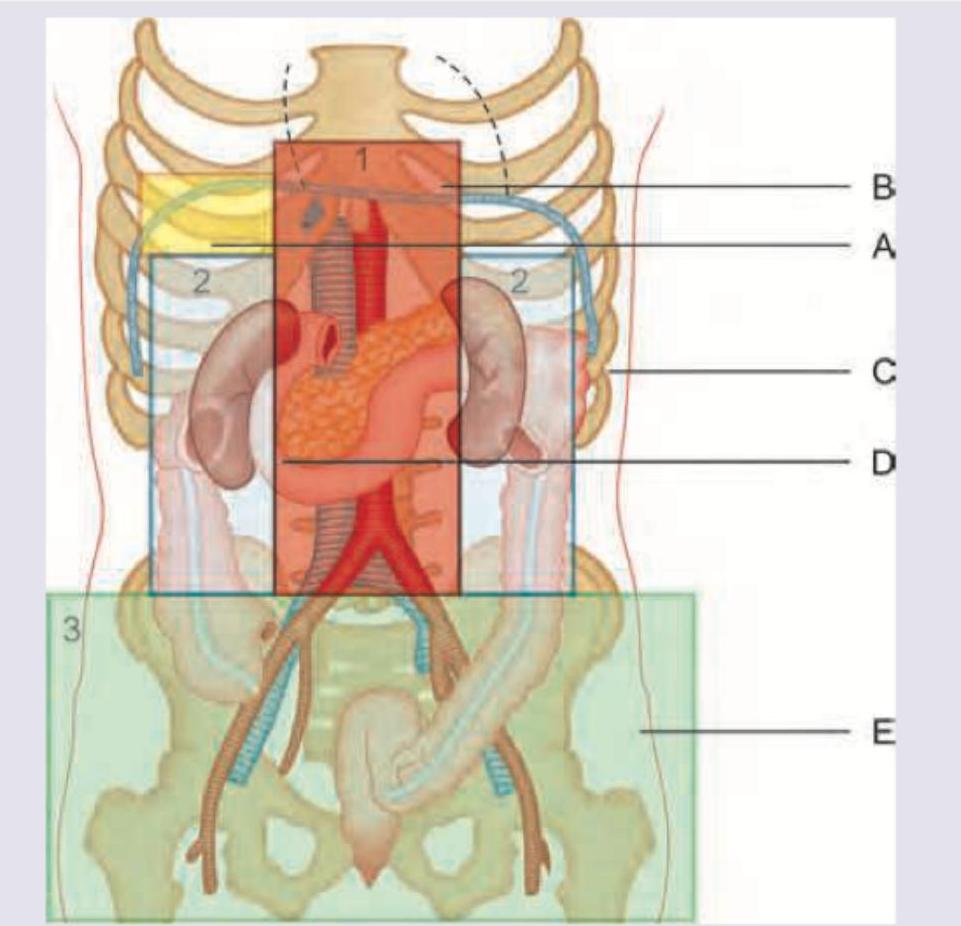
Abdominal Trauma
Practice Questions
Head Trauma
Practice Questions
Spinal Trauma
Practice Questions
Extremity Trauma
Practice Questions
Vascular Trauma
Practice Questions
Genitourinary Trauma
Practice Questions
Burns Management
Practice Questions
Mass Casualty Management
Practice Questions
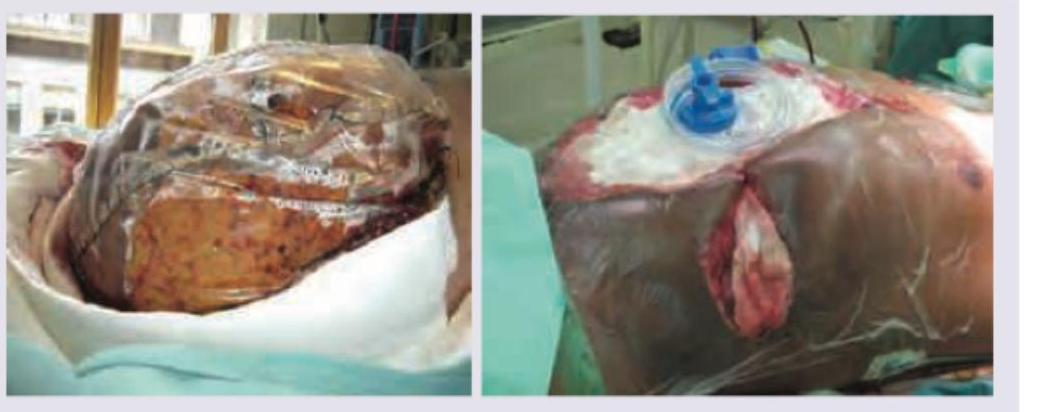
Damage Control Surgery
Practice Questions
Get full access to all questions, explanations, and performance tracking.
Start For Free