Triage means classification of injuries based on what?
Under which step of the ABCDE approach to trauma care should needle decompression for tension pneumothorax be performed?
A 25-year-old woman presents with a 1-cm stab wound to the left chest, located just inferior to the left breast in the mid-clavicular line. Examination reveals jugular venous distension and complete absence of breath sounds on the left side. She is experiencing severe dyspnea and hypoxia. What is the most likely diagnosis?
Compartment syndrome is confirmed at what pressure above?
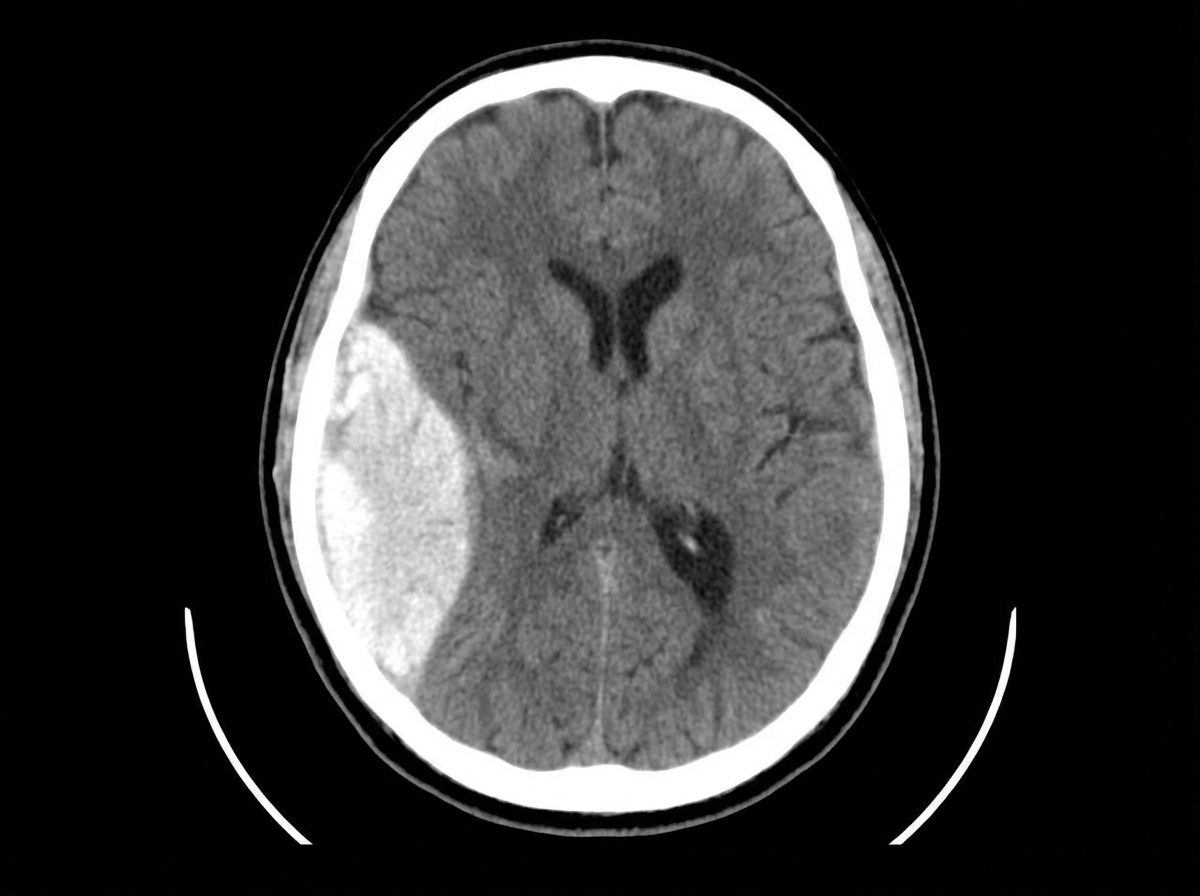
Initial emergency reduction of intracranial pressure is most rapidly accomplished by?
A patient with blunt trauma presents to the emergency department in a state of shock and is not responding to IV crystalloids. What is the next step in management?
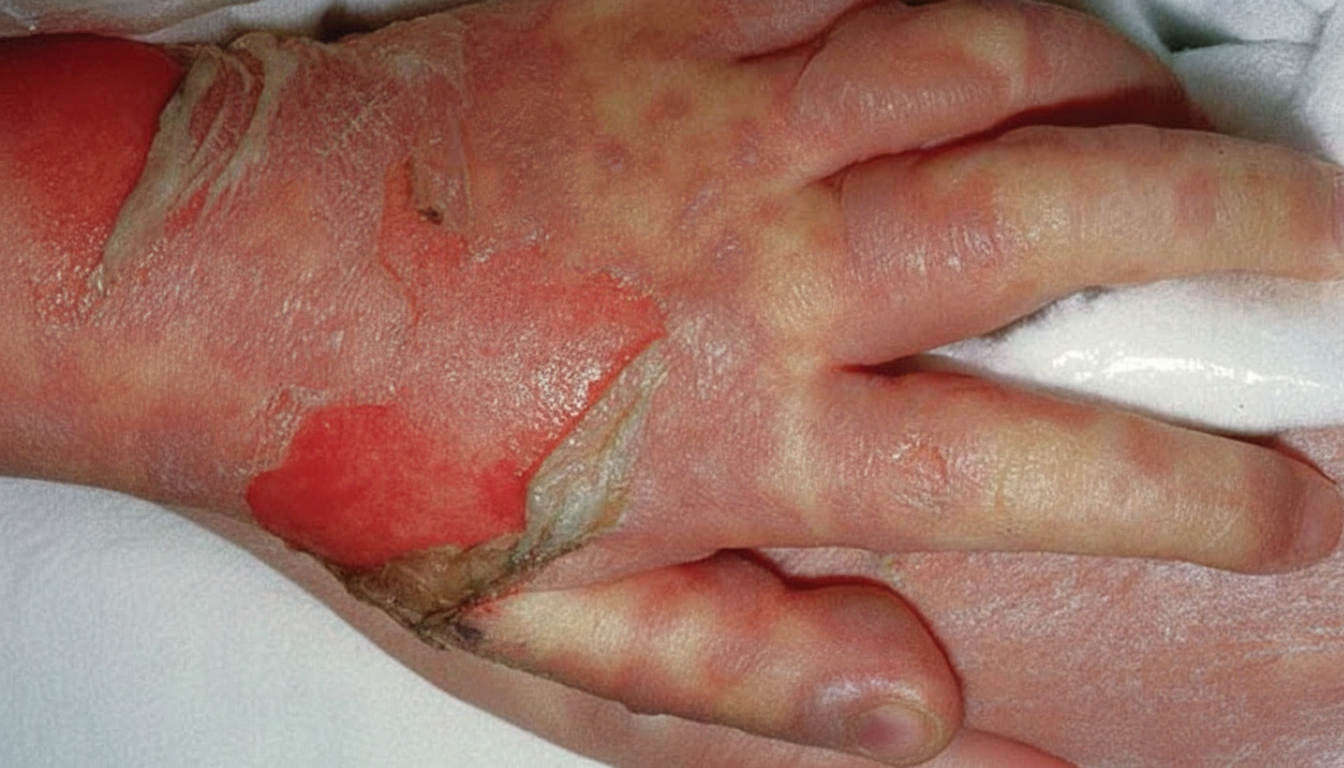
In burns management, which of the following is the fluid of choice?
What is the initial management of a chemical injury?
Metabolic derangements in severe burns are all except?
In triage, what does the color red denote?
Explanation: ### Explanation **Correct Option: A. Severity of injury** **Underlying Medical Concept:** Triage is derived from the French word *trier*, meaning "to sort." In medical practice, especially during mass casualty incidents (MCI), triage is the process of prioritizing patients based on the **severity of their injuries** and their **prognosis**. The goal is to provide the greatest good for the greatest number of people by identifying who needs immediate life-saving intervention versus those whose treatment can be delayed. **Why the other options are incorrect:** * **B. Mode of injury:** While the mechanism (e.g., blunt vs. penetrating) helps in clinical assessment, triage is determined by the physiological status and urgency, not how the injury occurred. * **C. Treatment protocol:** Protocols are the *result* of triage, not the basis for classification. Once a patient is triaged, a specific protocol is followed. * **D. Supervision:** This refers to the administrative or clinical oversight of a patient’s care and has no bearing on the initial sorting process. **High-Yield Clinical Pearls for NEET-PG:** * **The Color Coding System (Standard Triage):** 1. **Red (Immediate):** Life-threatening injuries but treatable (e.g., tension pneumothorax, airway obstruction). 2. **Yellow (Delayed):** Serious but not immediately life-threatening (e.g., stable long bone fractures). 3. **Green (Minor):** "Walking wounded" (e.g., minor lacerations). 4. **Black (Dead/Moribund):** Deceased or injuries so severe that survival is unlikely even with care. * **START Protocol:** Simple Triage and Rapid Treatment is the most common algorithm used, focusing on **RPM** (Respiration, Perfusion, and Mental Status). * **Reverse Triage:** Used in military or specific resource-exhausted settings where those with minor injuries are treated first to return them to duty or clear space.
Explanation: **Explanation:** The **ABCDE approach** is the cornerstone of the Primary Survey in Advanced Trauma Life Support (ATLS). The correct answer is **B (Breathing)** because tension pneumothorax is a life-threatening condition that directly impairs pulmonary ventilation and gas exchange. 1. **Why 'B' is Correct:** The "Breathing" phase focuses on ensuring adequate oxygenation and ventilation. Tension pneumothorax causes a shift of mediastinal structures, compression of the contralateral lung, and severe respiratory distress. **Needle decompression** (converting a tension pneumothorax into a simple one) is the immediate life-saving intervention required during this step before proceeding to "C." 2. **Why Other Options are Incorrect:** * **A (Airway):** Focuses on maintaining a patent airway and cervical spine stabilization. While a tension pneumothorax affects breathing, the airway itself (trachea/larynx) is usually patent, though it may be deviated. * **C (Circulation):** Focuses on hemorrhage control and shock management. Although tension pneumothorax causes obstructive shock (by decreasing venous return), the *primary* pathology is respiratory; therefore, it must be addressed in 'B'. * **D (Disability):** Focuses on neurological status (GCS and pupil reaction), which is assessed only after A, B, and C are stabilized. **NEET-PG Clinical Pearls:** * **Diagnosis:** Tension pneumothorax is a **clinical diagnosis**. Do NOT wait for a X-ray. * **Classic Triad:** Respiratory distress, unilateral absent breath sounds, and hyper-resonance. Tracheal deviation is a late sign. * **Needle Decompression Site (ATLS 10th Ed):** 5th intercostal space, just anterior to the mid-axillary line in adults (the 2nd ICS at the mid-clavicular line is now the alternative site). * **Definitive Treatment:** Insertion of a wide-bore chest tube (Intercostal Drainage).
Explanation: **Explanation:** The clinical presentation of severe dyspnea, hypoxia, **absent breath sounds**, and **jugular venous distension (JVD)** in the setting of penetrating chest trauma is classic for a **Tension Pneumothorax**. **Why Tension Pneumothorax is correct:** In a tension pneumothorax, a "one-way valve" mechanism allows air to enter the pleural space but prevents it from escaping. This leads to a rapid increase in intrapleural pressure, causing complete lung collapse (absent breath sounds). The resulting mediastinal shift compresses the vena cava, obstructing venous return to the heart, which manifests as JVD and eventual obstructive shock. **Why the other options are incorrect:** * **Cardiac Tamponade:** While it also presents with JVD (Beck’s Triad), it is characterized by **normal breath sounds**. The absence of breath sounds in this patient points directly to a pulmonary process. * **Spontaneous Pneumothorax:** This typically occurs without trauma (e.g., ruptured blebs in tall, thin males) and rarely progresses to the hemodynamic instability seen here. * **Open Pneumothorax:** Also known as a "sucking chest wound," this requires a defect at least 2/3 the diameter of the trachea. While it causes respiratory distress, it does not typically cause JVD unless it converts into a tension pneumothorax. **High-Yield NEET-PG Pearls:** * **Diagnosis:** Tension pneumothorax is a **clinical diagnosis**. Never wait for an X-ray; doing so can be fatal. * **Management:** Immediate **needle decompression** followed by tube thoracostomy (chest tube). * **Needle Site (ATLS 10th Ed):** 5th intercostal space, just anterior to the mid-axillary line (the 2nd ICS at the MCL is now the alternative site in adults). * **Differentiating Feature:** The presence of JVD + Absent breath sounds = Tension Pneumothorax. JVD + Normal breath sounds = Cardiac Tamponade.
Explanation: **Explanation:** Compartment syndrome occurs when increased interstitial pressure within a closed osteofascial space compromises local tissue perfusion. While the diagnosis is primarily clinical, intracompartmental pressure (ICP) measurement is used for confirmation, especially in obtunded or polytrauma patients. **1. Why 30 mm Hg is correct:** The consensus in surgical literature (and the standard for NEET-PG) is that an absolute ICP of **>30 mm Hg** is the threshold for diagnosing compartment syndrome and indicates the need for an emergency fasciotomy. At this pressure, the capillary perfusion pressure is overcome, leading to muscle and nerve ischemia. **2. Analysis of incorrect options:** * **40 mm Hg & 50 mm Hg:** While these pressures certainly confirm compartment syndrome, they are significantly higher than the diagnostic threshold. Waiting for pressures to reach these levels would lead to irreversible muscle necrosis and Volkmann’s Ischemic Contracture. * **35 mm Hg:** Though higher than the threshold, 30 mm Hg remains the standard "cutoff" point used in clinical guidelines and standardized examinations. **3. Clinical Pearls for NEET-PG:** * **Delta Pressure (ΔP):** A more reliable indicator than absolute pressure is the Delta Pressure (Diastolic BP minus ICP). A **ΔP < 30 mm Hg** is highly suggestive of compartment syndrome. * **Earliest Sign:** The earliest clinical sign is **pain out of proportion** to the injury and **pain on passive stretching** of the involved muscles. * **Late Sign:** Pulselessness is a very late sign and often indicates permanent damage. * **Measurement:** The **Whitesides’ technique** or a Stryker monitor is used to measure ICP. * **Management:** The definitive treatment is an immediate **emergency fasciotomy** (e.g., double-incision four-compartment fasciotomy for the leg).
Explanation: **Explanation:** The management of acutely raised intracranial pressure (ICP) in trauma requires interventions that act within seconds to minutes. **Why Hyperventilation is the Correct Answer:** Hyperventilation is the **fastest** method to reduce ICP. It works by decreasing the partial pressure of arterial carbon dioxide ($PaCO_2$). Low $PaCO_2$ causes immediate **pre-capillary cerebral vasoconstriction**, which reduces cerebral blood volume and, consequently, intracranial pressure. The effect begins within **1–5 minutes**. However, it is a temporary measure (lasting 4–6 hours) and must be used cautiously ($PaCO_2$ target: 30–35 mmHg) to avoid cerebral ischemia. **Analysis of Incorrect Options:** * **Saline-furosemide (Lasix):** While loop diuretics can reduce ICP by inducing systemic diuresis and decreasing CSF production, their onset is much slower than hyperventilation and they are not the primary choice in acute trauma. * **Urea infusion:** Urea is an osmotic diuretic similar to Mannitol. While effective, it takes **15–30 minutes** to exert its effect. It is rarely used today due to the risk of "rebound" ICP elevation and local tissue necrosis. * **Intravenous dexamethasone:** Steroids are effective for **vasogenic edema** (e.g., surrounding brain tumors) but have **no role** in the acute management of head injury or cytotoxic edema. In fact, the CRASH trial showed increased mortality with steroid use in traumatic brain injury. **NEET-PG High-Yield Pearls:** * **Gold Standard Osmotic Agent:** Mannitol (20%) is the most commonly used osmotic diuretic, but hyperventilation remains faster for immediate "burst" reduction. * **Monro-Kellie Doctrine:** The cranial vault is a fixed volume; an increase in one constituent (blood, CSF, or brain) must be compensated by a decrease in another. * **Cushing’s Triad:** A late sign of raised ICP consisting of hypertension, bradycardia, and irregular respiration.
Explanation: **Explanation:** The core principle in managing blunt trauma is the assessment of hemodynamic stability. This patient is in **hemorrhagic shock** and is a **"non-responder"** to initial fluid resuscitation (crystalloids). In the setting of blunt trauma, a non-responder with persistent hypotension indicates ongoing, massive internal hemorrhage that requires immediate surgical intervention to achieve source control. **Why Option A is correct:** According to ATLS protocols, if a patient remains hemodynamically unstable despite adequate fluid resuscitation, the priority is to stop the bleeding. In blunt trauma, the most common site of occult major bleeding is the abdomen. Therefore, an **immediate laparotomy** is indicated to identify and repair the source of hemorrhage. **Why other options are incorrect:** * **B. Blood transfusion:** While blood products are necessary in hemorrhagic shock (ideally via massive transfusion protocol), they are an adjunct to surgery, not a definitive treatment for active, massive internal bleeding. * **C. Albumin transfusion:** Colloids like albumin have no proven benefit over crystalloids in acute trauma resuscitation and do not address the underlying surgical emergency. * **D. Abdominal compression:** This is not a standard or effective maneuver for controlling intra-abdominal blunt trauma hemorrhage and may worsen certain injuries (e.g., pelvic fractures). **Clinical Pearls for NEET-PG:** * **Responders:** Stabilize with fluids; proceed to CT scan for diagnosis. * **Transient Responders:** Improve initially but deteriorate; require rapid evaluation (FAST/DPL) and likely surgery. * **Non-Responders:** Persistent shock; require immediate operative intervention. * **FAST (Focused Assessment with Sonography for Trauma):** The investigation of choice in unstable patients to identify hemoperitoneum before heading to the OR. If FAST is positive in an unstable patient, laparotomy is the next step.
Explanation: **Explanation:** **Why Ringer Lactate (RL) is the Fluid of Choice:** Ringer Lactate is the preferred crystalloid for burn resuscitation because its electrolyte composition most closely resembles human plasma (it is **isotonic**). In major burns, there is a massive shift of fluid and electrolytes from the intravascular space to the interstitial space. RL contains **sodium** (to maintain intravascular volume) and **lactate**, which is metabolized by the liver into bicarbonate. This helps buffer the **metabolic acidosis** commonly seen in burn shock. Unlike Normal Saline, RL has a lower chloride concentration, reducing the risk of hyperchloremic metabolic acidosis. **Analysis of Incorrect Options:** * **A. Dextrose 5%:** This is a hypotonic solution once glucose is metabolized. It does not stay in the intravascular compartment and can lead to cerebral edema and hyponatremia. It is never used for initial volume resuscitation. * **B. Normal Saline (0.9% NaCl):** While isotonic, its high chloride content (154 mEq/L) can induce hyperchloremic acidosis and may worsen renal vasoconstriction in severely dehydrated patients. * **D. Isolyte-M:** This is a maintenance fluid containing higher potassium and lower sodium. Using it for resuscitation can lead to life-threatening hyperkalemia, especially since burn patients already have high serum potassium due to cell lysis. **High-Yield Clinical Pearls for NEET-PG:** * **Parkland Formula:** Total fluid in first 24 hours = **4 mL × Body Weight (kg) × % TBSA burned**. * **Timing:** Give 50% of the calculated volume in the first 8 hours (from the *time of injury*, not arrival) and the remaining 50% over the next 16 hours. * **Modified Brooke Formula:** Uses **2 mL/kg/% TBSA** (often preferred now to prevent "fluid creep"). * **Monitoring:** The best indicator of adequate fluid resuscitation is **Urinary Output** (Target: 0.5–1.0 mL/kg/hr in adults; 1.0–1.5 mL/kg/hr in children).
Explanation: **Explanation:** The primary goal in the management of chemical burns is to stop the burning process and limit tissue damage. Unlike thermal burns, chemical agents continue to react with tissue proteins as long as they remain on the skin. **1. Why "Lavage with water" is correct:** Immediate and profuse irrigation with water (copious lavage) is the cornerstone of management. It works by **diluting** the chemical agent and **mechanically washing** it away. For most chemicals, irrigation should continue for at least 20–30 minutes (or up to 2 hours for alkali burns) until the pH of the skin surface or eye is neutralized. **2. Why other options are incorrect:** * **Skin grafting (A):** This is a reconstructive procedure performed once the wound is stable and the extent of necrosis is demarcated. It is never an "initial" management step. * **Antibiotic coverage (B):** While important in later stages to prevent secondary infection, it does not stop the ongoing chemical reaction, which is the immediate priority. * **Wait and watch (C):** This is contraindicated. Delay in irrigation leads to deeper penetration of the chemical, especially in alkali burns (which cause liquefactive necrosis), resulting in more severe injury. **High-Yield Clinical Pearls for NEET-PG:** * **Alkali vs. Acid:** Alkali burns are generally more severe than acid burns because they cause **liquefactive necrosis**, allowing the chemical to penetrate deeper. Acids cause **coagulative necrosis**, which creates a protein eschar that limits further penetration. * **The Exception:** In cases of **Dry Lime** (Calcium Oxide) injury, do not use water immediately. Brush off the powder first, as lime reacts with water to produce heat (exothermic reaction), which can cause thermal injury. * **Hydrofluoric Acid:** Managed with **Calcium Gluconate** (topical or intra-arterial) to neutralize the fluoride ion. * **Elemental Phosphorus:** Keep the area submerged in water or covered with wet dressings to prevent spontaneous combustion upon exposure to air.
Explanation: **Explanation:** Severe burns trigger a massive systemic inflammatory response syndrome (SIRS) and a profound hypermetabolic state. **Why "Increased secretion of HCl" is the correct (incorrect statement) answer:** While burn patients are at high risk for **Curling’s Ulcers** (acute gastroduodenal stress ulcers), the underlying mechanism is **gastric mucosal ischemia** due to hypovolemia and reduced splanchnic perfusion, rather than an increase in HCl secretion. In fact, gastric acid secretion is often **decreased or normal** in the early post-burn period. **Analysis of other options:** * **Increased cortisol secretion:** Severe trauma acts as a potent stressor on the Hypothalamic-Pituitary-Adrenal (HPA) axis, leading to a massive release of cortisol and catecholamines to meet metabolic demands. * **Hyperglycaemia:** This is a hallmark of the "ebb and flow" phases of trauma. It results from increased gluconeogenesis, glycogenolysis (driven by cortisol and glucagon), and peripheral **insulin resistance**. * **Neutrophil dysfunction:** Burns cause significant immune suppression. There is a documented impairment in neutrophil chemotaxis, phagocytosis, and intracellular killing, which contributes to the high risk of sepsis in these patients. **High-Yield Clinical Pearls for NEET-PG:** * **Hypermetabolic State:** Burns >20% TBSA can double the basal metabolic rate (BMR). * **Curling’s Ulcer:** Occurs in the stomach or duodenum; prophylaxis with H2 blockers or PPIs is standard. * **Electrolytes:** Initial phase often shows **Hyperkalemia** (cell lysis) and **Hyponatremia** (fluid shifts). * **Gold Standard for Fluid Resuscitation:** Parkland Formula (4ml x kg x %TBSA).
Explanation: ### Explanation Triage is the process of prioritizing patients based on the severity of their condition and the likelihood of survival with available resources. It is a high-yield topic for NEET-PG, particularly in the context of mass casualty incidents (MCI). **1. Why Option A is Correct:** The **Red Tag (Priority I - Immediate)** is assigned to patients with life-threatening injuries who are "critical but salvageable." These patients require immediate intervention (within the "Golden Hour") to survive. Examples include airway obstruction, tension pneumothorax, or compensated hemorrhagic shock. **2. Analysis of Incorrect Options:** * **Option B (Yellow Tag - Priority II - Delayed):** These patients are "stable for the moment" but require systemic treatment. They can wait 1–6 hours without immediate threat to life or limb (e.g., large bone fractures, stable abdominal trauma). * **Option C (Green Tag - Priority III - Minimal):** Known as the "walking wounded," these patients have minor injuries (e.g., abrasions, minor lacerations) and can wait hours to days for definitive care. * **Option D (Black Tag - Priority 0 - Expectant):** This denotes patients who are either dead or have injuries so catastrophic (e.g., 90% burns, exposed brain matter) that they are unlikely to survive even with intensive care in a resource-limited disaster setting. **3. Clinical Pearls for NEET-PG:** * **START Protocol:** The most common triage algorithm used is **S**imple **T**riage **a**nd **R**apid **T**reatment. It assesses three parameters: **RPM** (Respiration, Perfusion, and Mental Status). * **The Red Criteria:** A patient is tagged Red if: * Respiratory rate > 30/min. * Capillary refill > 2 seconds (or absent radial pulse). * Unable to follow simple commands (altered mental status). * **Reverse Triage:** In military settings, those who can be returned to the front lines most quickly are treated first—this is the opposite of civilian triage.
Initial Assessment of Trauma Patient
Practice Questions
Advanced Trauma Life Support (ATLS) Principles
Practice Questions
Chest Trauma
Practice Questions
Abdominal Trauma
Practice Questions
Head Trauma
Practice Questions
Spinal Trauma
Practice Questions
Extremity Trauma
Practice Questions
Vascular Trauma
Practice Questions
Genitourinary Trauma
Practice Questions
Burns Management
Practice Questions
Mass Casualty Management
Practice Questions
Damage Control Surgery
Practice Questions
Get full access to all questions, explanations, and performance tracking.
Start For Free