
Pyloric Stenosis — MCQs

Congenital pyloric stenosis causes: 1. Bilious vomiting 2. Non-bilious vomiting 3. Projectile vomiting 4. Non-projectile vomiting 5. Forceful vomiting
In a case of hypertrophic pyloric stenosis, which of the following metabolic disturbances are found?
A 24-day-old neonate presents with projectile vomiting and failure to gain weight. What is the most likely diagnosis?
Which electrolyte imbalance should be corrected before surgery in a patient with hypertrophic pyloric stenosis?
Which of the following metabolic derangements is associated with congenital pyloric stenosis?
A 6-week-old child with a history of vomiting undergoes an ultrasound, which shows an antral nipple sign or target sign, as shown in the image. What is the diagnosis?
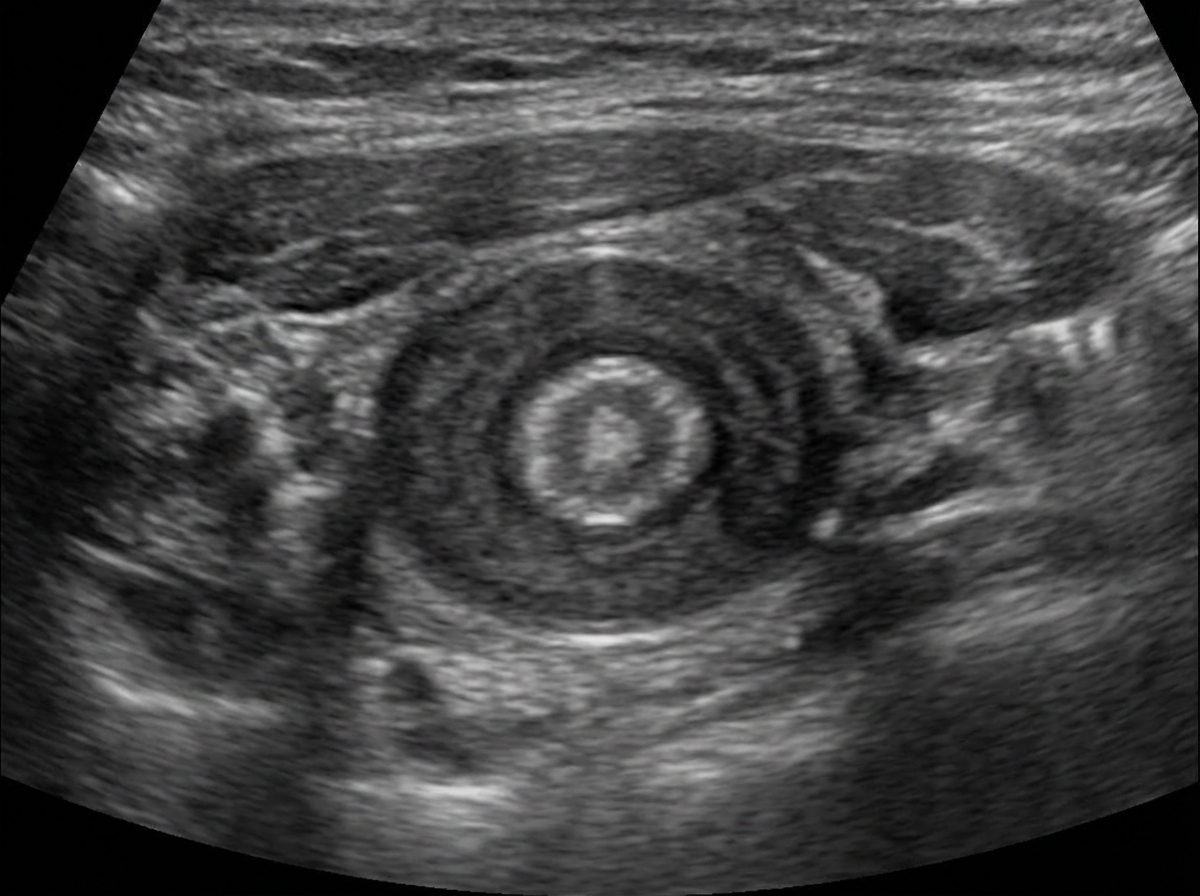
All of the following are true about congenital hypertrophic pyloric stenosis except
A 1-week-old previously healthy infant presents to the emergency room with the acute onset of bilious vomiting. The abdominal plain film in the emergency department (A) and the barium enema done after admission (B) are shown. Which of the following is the most likely diagnosis for this patient?
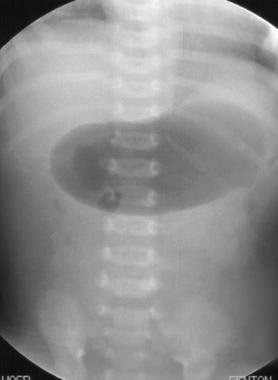
The treatment of choice for congenital hypertrophic pyloric stenosis is :
Most common cause of acute intestinal obstruction in children is
Want unlimited practice?
Get full access to all questions, explanations, and performance tracking.
Scan to download app