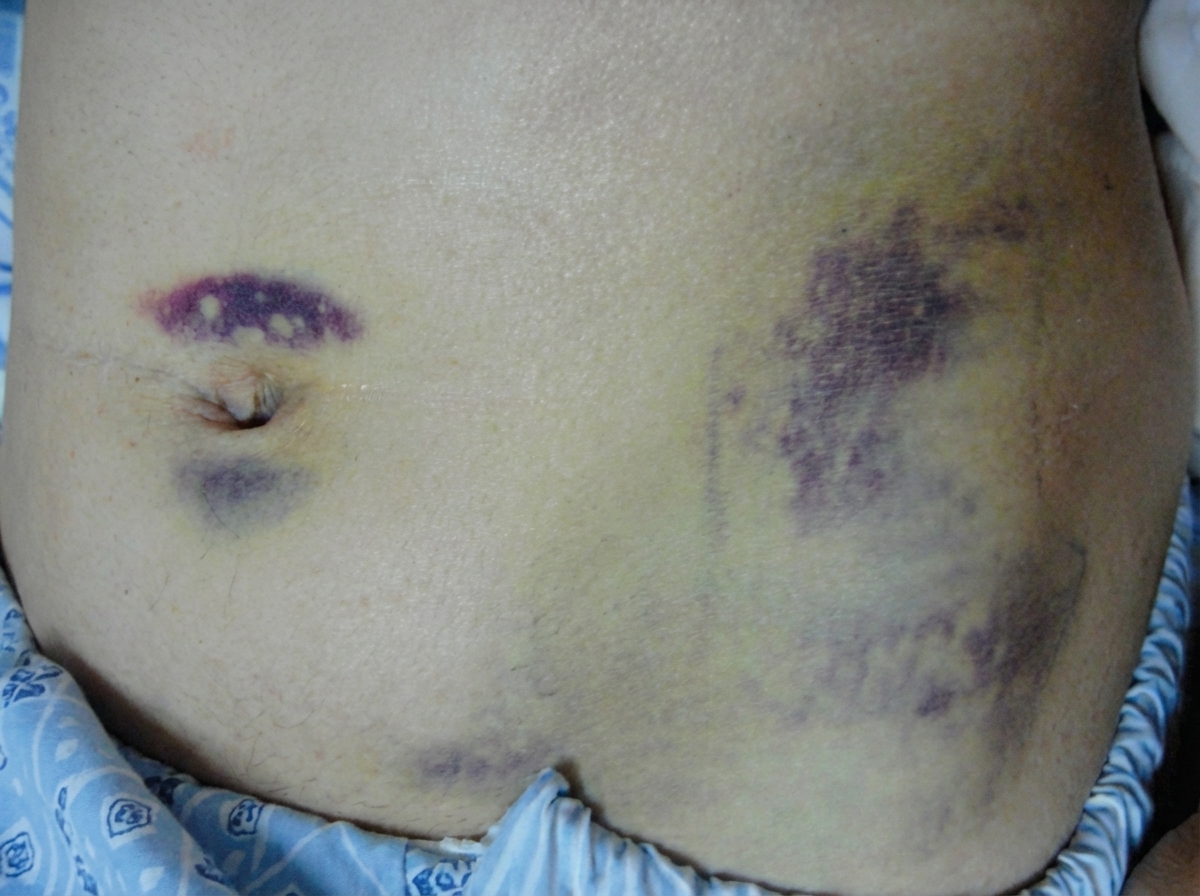
What is the commonest cause of acute pancreatitis?
A 60-year-old chronic smoker presented with jaundice, anorexia, and weight loss. ERCP was performed. What is the most likely diagnosis based on ERCP findings?

What is the best diagnostic modality for pancreatic cancer located in the head of the pancreas?
What is the treatment of choice for an asymptomatic pancreatic pseudocyst?
Which of the following is a poor prognostic factor in a patient with acute pancreatitis?
What is the most common functional neuroendocrine tumor of the pancreas?
The boundaries of the foramen of Winslow (epiploic foramen) include all of the following EXCEPT:
Which of the following is NOT a medical treatment for pancreatitis?
Which of the following types of pancreatitis has the best prognosis?
An adrenal biopsy should be considered after ruling out which of the following conditions?
Explanation: **Explanation:** Acute pancreatitis is an inflammatory condition of the pancreas characterized by the premature activation of digestive enzymes. Understanding its etiology is high-yield for NEET-PG. **1. Why Biliary Calculi is Correct:** Globally and in India, **biliary calculi (gallstones)** are the most common cause of acute pancreatitis, accounting for approximately **35–45%** of cases. The mechanism involves a stone obstructing the Ampulla of Vater or the pancreatic duct, leading to increased ductal pressure and the reflux of bile into the pancreatic duct, which triggers enzyme activation and autodigestion of the gland. **2. Analysis of Incorrect Options:** * **Alcohol abuse:** This is the **second most common cause** overall (approx. 30%) and the most common cause of *chronic* pancreatitis. In some Western demographics, it may rival gallstones, but statistically, biliary causes remain more frequent. * **Infective causes:** While viruses (Mumps, Coxsackie, HIV) and parasites (Ascaris) can cause pancreatitis, they are rare compared to metabolic or mechanical causes. * **Idiopathic causes:** About 10–20% of cases have no identifiable cause after initial workup. However, many "idiopathic" cases are later found to be due to biliary sludge or microlithiasis. **3. High-Yield Clinical Pearls for NEET-PG:** * **Mnemonic (GET SMASHED):** **G**allstones, **E**thanol, **T**rauma, **S**teroids, **M**umps, **A**utoimmune, **S**corpion sting, **H**ypertriglyceridemia/Hypercalcemia, **E**RCP, **D**rugs (e.g., Azathioprine, Thiazides). * **Iatrogenic Cause:** Post-ERCP pancreatitis is a significant clinical concern. * **Diagnosis:** Requires 2 out of 3: (1) Typical abdominal pain, (2) Serum Amylase/Lipase >3x normal, (3) Characteristic findings on imaging (CECT is the gold standard).
Explanation: ***Carcinoma of the pancreas*** - **Double duct sign** on ERCP (simultaneous dilation of common bile duct and main pancreatic duct) is pathognomonic for **carcinoma of the head of pancreas**. - Clinical triad of **painless obstructive jaundice**, **weight loss**, and **smoking history** strongly suggests pancreatic adenocarcinoma. *Choledochal cyst* - ERCP would show **cystic dilation** of the bile duct, typically presenting in **childhood or young adults**. - Associated with **choledochal-pancreatic malunion** and **recurrent cholangitis**, not the typical presentation described. *Cholangiocarcinoma* - ERCP typically shows **strictures** and **irregular narrowing** of bile ducts with **beading appearance**. - Usually presents with **cholangitis** and **pruritus** rather than the classic pancreatic cancer triad. *Chronic pancreatitis* - ERCP shows **chain of lakes appearance** with alternating **strictures and dilatations** of the pancreatic duct. - Typically presents with **chronic abdominal pain**, **diabetes mellitus**, and **steatorrhea** rather than painless jaundice.
Explanation: ### Explanation The diagnosis of pancreatic head cancer relies on identifying both the mass and its effect on the biliary and pancreatic ducts. **Why ERCP is the Correct Answer:** In the context of traditional surgical teaching and specific NEET-PG patterns, **ERCP** is considered a superior diagnostic modality for lesions in the head of the pancreas because of its high sensitivity in detecting ductal changes. It can demonstrate the pathognomonic **"Double Duct Sign"** (simultaneous dilatation of the common bile duct and the main pancreatic duct), which is highly suggestive of a head of pancreas malignancy. Furthermore, ERCP allows for tissue acquisition via brush cytology or biopsy and provides a therapeutic window for stenting in patients with obstructive jaundice. **Analysis of Incorrect Options:** * **Ultrasound (A):** Often the initial screening tool, but it is frequently limited by overlying bowel gas and has low sensitivity for small tumors (<2 cm). * **CAT Scan (C):** While **Contrast-Enhanced CT (CECT)** is the gold standard for **staging** and assessing resectability (evaluating vascular invasion), ERCP is traditionally prioritized in exams for its diagnostic precision regarding ductal anatomy in head lesions. * **PTC (D):** An invasive procedure used primarily when ERCP fails or when there is high biliary obstruction. It does not visualize the pancreatic duct. **High-Yield Clinical Pearls for NEET-PG:** * **Gold Standard for Staging:** Triple-phase Contrast-Enhanced CT (CECT). * **Most Common Presentation:** Painless progressive obstructive jaundice. * **Tumor Marker:** CA 19-9 (used for monitoring recurrence, not for primary diagnosis). * **Courvoisier’s Law:** In a patient with obstructive jaundice, if the gallbladder is palpable, the obstruction is unlikely to be due to a stone (points towards malignancy like pancreatic head cancer).
Explanation: **Explanation:** The management of a pancreatic pseudocyst is primarily determined by the presence of symptoms and the risk of complications, rather than just the size or duration of the cyst. **1. Why Conservative Management is Correct:** Most pancreatic pseudocysts (up to 50-70%) resolve spontaneously without intervention. In an **asymptomatic** patient, the standard of care is "watchful waiting" with serial imaging (CT or Ultrasound). Intervention is only indicated if the cyst becomes symptomatic (pain, early satiety), gets infected, causes biliary/gastric outlet obstruction, or shows a rapid increase in size. The old "6-week, 6-cm" rule is no longer strictly followed if the patient remains asymptomatic. **2. Why the Other Options are Incorrect:** * **Marsupialization (A):** This is an obsolete surgical technique where the cyst is opened and stitched to the skin. It is rarely performed today due to the risk of external pancreatic fistulas. * **Drainage (C):** Percutaneous or endoscopic drainage is reserved for **symptomatic** or **infected** pseudocysts. Routine drainage of asymptomatic cysts increases the risk of introducing infection into a sterile collection. * **Cystogastrostomy (D):** This is the surgical/endoscopic internal drainage procedure of choice for pseudocysts located behind the stomach. However, it is only indicated for **symptomatic** cysts that have a mature wall (usually after 6 weeks). **Clinical Pearls for NEET-PG:** * **Definition:** A pseudocyst lacks an epithelial lining (lined by granulation/fibrous tissue) and usually occurs 4+ weeks after an episode of acute pancreatitis. * **Most common site:** Lesser sac. * **Gold Standard Investigation:** Contrast-Enhanced CT (CECT). * **Treatment of Choice (Symptomatic):** Endoscopic Ultrasound (EUS)-guided cystogastrostomy is now preferred over open surgery. * **Most common complication:** Infection (abscess formation).
Explanation: In acute pancreatitis, prognosis is determined by the severity of the systemic inflammatory response and organ dysfunction, rather than the magnitude of enzyme elevation. ### **Why Option A is Correct** **Leukocytosis > 20,000/mL** is a recognized indicator of severe inflammation and a poor prognostic marker. It is a key component of the **Ranson Criteria** (measured at admission) and the **Modified Glasgow (Imrie) Score**. A high white cell count reflects a massive systemic inflammatory response syndrome (SIRS), which correlates with an increased risk of pancreatic necrosis, multi-organ failure, and mortality. ### **Why Other Options are Incorrect** * **Options B & C (Serum Amylase and Lipase):** These are diagnostic markers, not prognostic ones. The absolute level of amylase or lipase does **not** correlate with the severity of the disease. A patient with a five-fold increase may have mild interstitial pancreatitis, while a patient with a two-fold increase may have life-threatening hemorrhagic necrosis. * **Option D (Diastolic BP > 90 mm Hg):** Hypertension is not a poor prognostic sign. Conversely, **hypotension** (Systolic BP < 90 mm Hg) or shock is a major indicator of severity (as seen in the Atlanta Classification), reflecting massive fluid sequestration and systemic collapse. ### **Clinical Pearls for NEET-PG** * **Ranson Criteria at Admission (GALAW):** **G**lucose >200 mg/dL, **A**ge >55 yrs, **L**DH >350 IU/L, **A**ST >250 IU/L, **W**BC >16,000/mm³ (Note: The question uses >20,000, which is even more significant). * **Most sensitive prognostic marker:** C-Reactive Protein (CRP) >150 mg/L at 48 hours. * **Gold standard for assessing severity:** Contrast-Enhanced CT (CECT) performed after 72 hours (Balthazar Scoring). * **BISAP Score:** A simple bedside tool (BUN, Impaired mental status, SIRS, Age >60, Pleural effusion).
Explanation: **Explanation:** **1. Why Insulinoma is Correct:** Insulinoma is the **most common functional pancreatic neuroendocrine tumor (pNET)**. It arises from the beta cells of the islets of Langerhans. Unlike many other pNETs, approximately **90% of insulinomas are benign, solitary, and small (<2 cm)**. They classically present with fasting hypoglycemia due to inappropriate insulin secretion, characterized by the **Whipple’s Triad**: symptoms of hypoglycemia, low plasma glucose (<50 mg/dL), and relief of symptoms after glucose administration. **2. Why Other Options are Incorrect:** * **Gastrinoma (Option A):** This is the second most common functional pNET. It causes **Zollinger-Ellison Syndrome** (refractory peptic ulcers and diarrhea). While common, its incidence is lower than insulinoma. Notably, gastrinomas are more frequently malignant (60-90%) compared to insulinomas. * **Somatostatinoma (Option B):** These are extremely rare. They present with a "inhibitory syndrome" consisting of diabetes mellitus, cholelithiasis, and steatorrhea due to the universal inhibitory action of somatostatin. * **VIPoma (Option C):** Also rare, these secrete Vasoactive Intestinal Peptide, leading to **Verner-Morrison Syndrome** (WDHA syndrome: Watery Diarrhea, Hypokalemia, and Achlorhydria). **3. High-Yield Clinical Pearls for NEET-PG:** * **Localization:** Most insulinomas are distributed equally across the head, body, and tail of the pancreas. * **Diagnosis:** The gold standard is the **72-hour supervised fast** (showing elevated insulin and C-peptide levels during hypoglycemia). * **Rule of 10s:** Approximately 10% of insulinomas are malignant, 10% are multiple, and 10% are associated with **MEN-1 syndrome**. * **Management:** Surgical enucleation is usually curative for small, benign lesions.
Explanation: The **Foramen of Winslow** (Epiploic Foramen) is a critical anatomical communication between the greater and lesser sacs of the peritoneum. Understanding its boundaries is high-yield for surgical anatomy and procedures like the **Pringle Maneuver**. ### **Explanation of the Correct Answer** **Option D** is the correct answer because it incorrectly describes the **posterior** boundary. The portal vein, hepatic artery, and common bile duct (contained within the hepatoduodenal ligament) actually form the **Anterior** boundary of the foramen, not the posterior. The posterior boundary is formed by the **Inferior Vena Cava (IVC)** and the right crus of the diaphragm. ### **Analysis of Other Options** * **Option A (Superior):** The superior boundary is formed by the **Caudate lobe of the liver**. (Note: The question option mentions the lesser omentum; however, in standard anatomy, the caudate lobe is the primary superior roof). * **Option B (Inferior):** The inferior boundary is correctly formed by the **first part (superior part) of the duodenum** and the hepatic artery (as it passes forward). * **Option C (Posterior):** As mentioned, the posterior boundary is the **IVC**. (Note: The question phrasing in Option C and D appears to have swapped anatomical positions to test precision). ### **NEET-PG High-Yield Pearls** * **Pringle Maneuver:** Surgeons compress the structures in the anterior border (hepatoduodenal ligament) to control bleeding from the liver. This stops blood flow through the hepatic artery and portal vein. * **Internal Hernia:** Though rare, loops of the small intestine can herniate through the Foramen of Winslow. * **Boundaries Summary:** * **Anterior:** Free edge of lesser omentum (Portal triad: Portal vein, Hepatic artery, Bile duct). * **Posterior:** Inferior Vena Cava (IVC). * **Superior:** Caudate lobe of liver. * **Inferior:** First part of Duodenum.
Explanation: **Explanation:** In the management of acute pancreatitis, medical therapy focuses on supportive care, pain relief, and inhibiting pancreatic enzyme activity. **Why Aprotinin is the Correct Answer:** Aprotinin is a potent protease inhibitor that was historically used to treat acute pancreatitis by inhibiting trypsin and other proteolytic enzymes that drive autodigestion. However, multiple clinical trials and meta-analyses demonstrated that it **does not improve clinical outcomes** or reduce mortality in patients with pancreatitis. Consequently, it is no longer recommended or used as a medical treatment for this condition. In modern practice, its primary use is limited to reducing blood loss during cardiac surgery. **Analysis of Incorrect Options:** * **Cholestyramine:** This is a bile acid sequestrant. It is used in the management of **biliary pancreatitis** or post-pancreatitis complications to treat pruritus caused by obstructive jaundice or to manage bile acid malabsorption. * **Calcium:** While hypocalcemia is a common complication of severe pancreatitis (due to saponification of fat), calcium gluconate is administered as a corrective treatment. Conversely, hypercalcemia is a known *etiology* of pancreatitis; thus, managing calcium levels is a standard part of medical care. * **Glucagon:** Glucagon has been used because it inhibits pancreatic exocrine secretion ("resting the pancreas"). While its clinical efficacy is debated and it is not a first-line therapy today, it remains a recognized pharmacological intervention in medical literature for pancreatitis. **NEET-PG High-Yield Pearls:** * **Ranson’s Criteria:** Remember that **Calcium < 8 mg/dL** at 48 hours is a sign of poor prognosis. * **Most common cause:** Gallstones (worldwide), Alcohol (second most common). * **Drug of choice for pain:** Traditionally Meperidine (Pethidine) was preferred over Morphine to avoid Sphincter of Oddi spasm, though recent evidence suggests NSAIDs or Morphine are also acceptable.
Explanation: **Explanation:** The prognosis of acute pancreatitis is largely determined by the etiology and the ability to eliminate the triggering factor. **1. Why Gallstone Pancreatitis is the correct answer:** Gallstone pancreatitis generally carries the **best prognosis** because the underlying cause—a mechanical obstruction (gallstone)—is often transient or can be definitively treated. Once the stone passes into the duodenum or is removed via ERCP, and the gallbladder is subsequently removed (cholecystectomy), the inflammatory stimulus is eliminated, and the risk of recurrence is significantly reduced. **2. Why the other options are incorrect:** * **Alcoholic Pancreatitis:** This carries a poorer prognosis compared to gallstone etiology because it is often associated with chronic, repetitive insults to the pancreatic parenchyma, leading to a higher risk of progression to chronic pancreatitis and permanent organ damage. * **Postoperative Pancreatitis:** This is associated with the **worst prognosis** and highest mortality rates. It often occurs after major abdominal or cardiac surgeries, where the pancreas suffers from ischemia or direct trauma. These patients are already physiologically stressed, making the inflammatory response more lethal. * **Idiopathic Pancreatitis:** Since the underlying cause is unknown, it cannot be specifically treated or prevented, leading to a higher risk of recurrent attacks and potential progression to chronic disease. **Clinical Pearls for NEET-PG:** * **Most common cause of acute pancreatitis:** Gallstones (worldwide), followed by Alcohol. * **Worst prognosis:** Postoperative pancreatitis. * **Ranson’s Criteria:** Used to assess severity; remember that "Admission" and "48-hour" parameters differ. * **Sentinel Loop:** A localized ileus of the jejunum seen on X-ray, a classic sign of acute pancreatitis. * **Investigation of choice:** Contrast-Enhanced CT (CECT) is the gold standard for assessing necrosis (best done after 72 hours).
Explanation: **Explanation:** The fundamental rule in adrenal imaging and intervention is to **never biopsy an adrenal mass until a pheochromocytoma has been biochemically ruled out.** **Why Pheochromocytoma is the Correct Answer:** Performing a needle biopsy on a pheochromocytoma can trigger a massive, uncontrolled release of catecholamines. This can lead to a **hypertensive crisis**, lethal arrhythmias, or intra-abdominal hemorrhage. Therefore, the first step in evaluating any adrenal incidentaloma is biochemical screening (e.g., plasma or 24-hour urinary metanephrines). Only after excluding a functional tumor should a biopsy be considered, and even then, only if the results will change clinical management (usually to confirm metastatic disease). **Analysis of Incorrect Options:** * **A. Adrenocortical Carcinoma (ACC):** Biopsy is generally **avoided** if ACC is suspected because it has low diagnostic yield and carries a high risk of **capsular seeding**, which can worsen the prognosis by spreading malignant cells along the needle track. Diagnosis is usually made via imaging and surgical resection. * **B. Metastases:** This is actually the **most common indication** for an adrenal biopsy. However, you must still rule out pheochromocytoma first to ensure the procedure is safe. * **D. Cushing’s Syndrome:** This is a functional state (hypercortisolism). While biochemical workup is necessary to diagnose it, it does not pose the same immediate life-threatening procedural risk as a pheochromocytoma. **NEET-PG High-Yield Pearls:** * **Order of Workup:** 1. Biochemical tests (rule out hyperfunction) → 2. Imaging (CT/MRI) → 3. Biopsy (only if 1 & 2 are inconclusive and metastasis is suspected). * **Biopsy Indication:** Primarily used in patients with a known primary extra-adrenal malignancy to confirm if the adrenal mass is a metastasis. * **Pheochromocytoma Rule of 10s:** 10% bilateral, 10% malignant, 10% extra-adrenal (paragangliomas), 10% pediatric, 10% familial.
Pancreatic Anatomy and Physiology
Practice Questions
Acute Pancreatitis
Practice Questions
Chronic Pancreatitis
Practice Questions
Pancreatic Pseudocysts
Practice Questions
Pancreatic Adenocarcinoma
Practice Questions
Cystic Neoplasms of Pancreas
Practice Questions
Neuroendocrine Tumors of Pancreas
Practice Questions
Pancreatic Trauma
Practice Questions
Pancreatectomy Techniques
Practice Questions
Whipple Procedure
Practice Questions
Pancreatic Anastomosis
Practice Questions
Complications of Pancreatic Surgery
Practice Questions
Get full access to all questions, explanations, and performance tracking.
Start For Free