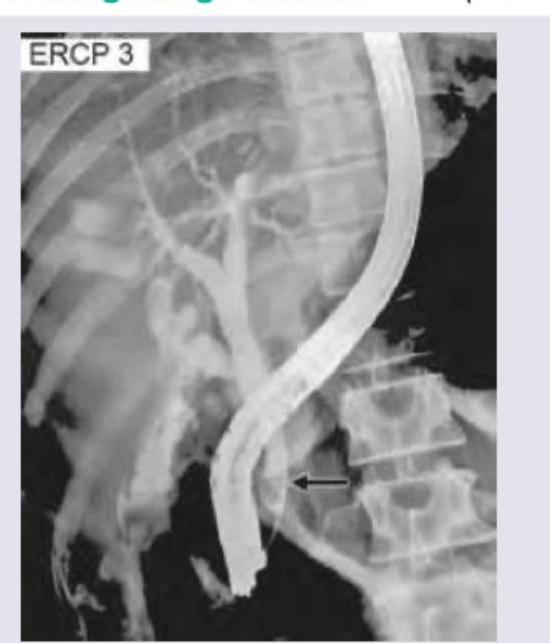
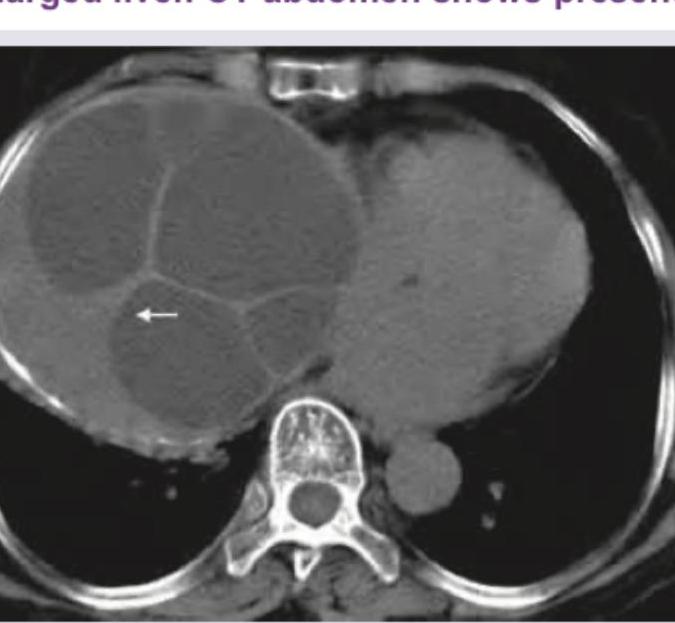
Which of the following statements about pyogenic abscess of the liver are true?
According to the Strasberg classification, lateral common bile duct injuries are classified as what type?
Brown pigment gallstones are formed due to which of the following mechanisms?
Which of the following does not predispose to cholangiocarcinoma?
Which one of the following statements is incorrect regarding stones in the common bile duct?
Serum albumin level is a component of which of the following scoring systems?
Which of the following is NOT true about hepatic adenoma?
What is a common cause of acute cholecystitis?
Which of the following statements is true regarding pyogenic liver abscess?
A 40-year-old male with a history of chronic alcoholism is diagnosed with cirrhosis. He presents with a lump in the right lobe of the liver. His serum AFP level is normal. What is the most probable diagnosis?
Explanation: ### Explanation **1. Why Option A is Correct:** The **right lobe** of the liver is the most common site for pyogenic abscesses (involved in approximately 65–75% of cases). This is due to the **"streamline phenomenon"** of portal venous flow. Blood from the superior mesenteric vein (draining the small bowel and right colon) preferentially flows to the right lobe, while blood from the splenic vein and inferior mesenteric vein flows to the left lobe. Additionally, the right lobe has a larger volume and a more extensive network of biliary radicals. **2. Why the Other Options are Incorrect:** * **Option B:** Historically, appendicitis was the leading cause. However, in modern practice, **biliary tract disease** (e.g., gallstones, cholangitis, or biliary strictures) is the most common underlying cause of pyogenic liver abscess. * **Option C:** Mortality is **highly dependent** on the underlying disease. Abscesses secondary to malignancy or those occurring in immunocompromised patients have a significantly higher mortality rate compared to those caused by simple biliary obstruction. * **Option D:** With the advent of advanced imaging (CT/USG) and **percutaneous drainage**, mortality has dropped significantly from over 60–80% in the pre-drainage era to **less than 5–15%** today. **3. High-Yield Clinical Pearls for NEET-PG:** * **Most common organism:** *E. coli* is the most common worldwide, but *Klebsiella pneumoniae* is increasingly common, especially in diabetics and in Southeast Asia. * **Route of infection:** Biliary tract (most common) > Portal vein (pylephlebitis) > Hepatic artery (bacteremia) > Direct extension. * **Diagnosis:** Ultrasound is the initial screening tool; **CT scan** is the gold standard for localization. * **Management:** The mainstay of treatment is **percutaneous needle aspiration or catheter drainage** combined with long-term intravenous antibiotics. Surgical drainage is reserved for ruptured abscesses or failed percutaneous attempts.
Explanation: The **Strasberg Classification** is the most widely used system for categorizing laparoscopic bile duct injuries. It expands upon the older Bismuth classification by including minor leaks and injuries to the biliary tree. ### **Explanation of the Correct Answer** **Type D** injuries are defined as **lateral (partial) injuries to the common bile duct (CBD)** or the common hepatic duct. Unlike a complete transection, the continuity of the duct is maintained, but there is a hole or tear in the side wall. This typically occurs due to thermal injury or inadvertent clipping/tearing during dissection. ### **Analysis of Incorrect Options** * **Type B (Option A):** Occlusion (usually by clipping) of an **aberrant right sectoral duct**. There is no bile leak because the duct is ligated. * **Type C (Option B):** Transection without ligation of an **aberrant right sectoral duct**. This results in a bile leak from the liver bed but the main CBD remains intact. * **Type E (Option D):** These are **major circumferential injuries** involving the main bile duct (complete transection or stricture). Type E is further subdivided (E1–E5) based on the Bismuth classification, depending on the distance from the hilar confluence. ### **NEET-PG High-Yield Pearls** * **Type A:** Most common type; involves a leak from the **cystic duct** or the gallbladder bed (Ducts of Luschka). * **Memory Aid:** Remember **"D" for "Ductal wall"** (lateral wall injury) and **"E" for "End of duct"** (complete transection/major injury). * **Management:** Type D injuries can often be managed with a T-tube or ERCP with stenting, whereas Type E usually requires surgical reconstruction (Roux-en-Y Hepaticojejunostomy).
Explanation: **Explanation:** Brown pigment gallstones are primarily associated with **chronic biliary infection and stasis**. The pathophysiology involves the enzyme **Beta-glucuronidase**, which is released by bacteria (commonly *E. coli* and *Klebsiella*) or damaged hepatocytes. This enzyme catalyzes the **deconjugation of soluble bilirubin glucuronides** into insoluble unconjugated bilirubin. This free bilirubin then precipitates with calcium to form calcium bilirubinate, the primary component of brown stones. **Analysis of Options:** * **Option B (Correct):** As explained, bacterial deconjugation of bilirubin is the hallmark of brown stone formation, typically occurring within the bile ducts (primary CBD stones). * **Option A (Incorrect):** Cholesterol supersaturation is the primary mechanism for **Cholesterol stones**, which are associated with obesity, female gender, and rapid weight loss. * **Option C & D (Incorrect):** An increased biliary bilirubin load (hyperbilirubinemia) leads to the formation of **Black pigment stones**. These are typically seen in chronic hemolytic states (e.g., Hereditary Spherocytosis, Sickle Cell Anemia) and occur in sterile gallbladder bile, unlike brown stones. **High-Yield Clinical Pearls for NEET-PG:** * **Location:** Brown stones are usually **primary CBD stones** (formed in the ducts), whereas black stones are usually formed in the gallbladder. * **Composition:** Brown stones contain calcium palmitate and cholesterol (due to bacterial phospholipase activity), making them softer and "earthy" compared to the hard, brittle black stones. * **Association:** Brown stones are strongly linked to **biliary parasites** (*Clonorchis sinensis*, *Ascaris lumbricoides*) and biliary stasis (strictures). * **Radiology:** Brown stones are often radiolucent, while 10-20% of cholesterol stones and 50% of black stones are radiopaque.
Explanation: **Explanation:** Cholangiocarcinoma (CCA) is a malignancy arising from the epithelial lining of the biliary tree. The primary underlying mechanism for its development is **chronic biliary inflammation and stasis**, which leads to DNA damage and malignant transformation of cholangiocytes. **Why Chronic Pancreatitis is the correct answer:** While chronic pancreatitis can cause biliary strictures due to extrinsic compression of the common bile duct, it is **not** a direct premalignant condition for cholangiocarcinoma. It primarily increases the risk of pancreatic adenocarcinoma, not biliary tree cancer. **Analysis of Incorrect Options (Risk Factors for CCA):** * **Ulcerative Colitis (UC):** UC is strongly associated with **Primary Sclerosing Cholangitis (PSC)**. PSC is the most common predisposing factor for cholangiocarcinoma in the Western world, carrying a lifetime risk of 10-15%. * **Clonorchis sinensis:** This is a liver fluke common in Southeast Asia. Chronic infection causes chronic portal inflammation and biliary epithelial hyperplasia, significantly increasing the risk of intrahepatic cholangiocarcinoma. * **Choledochal Cyst:** Congenital cystic dilatations of the bile duct (especially Type I and IV) lead to bile stasis and an abnormal pancreaticobiliary duct junction (APBDJ). This allows reflux of pancreatic enzymes into the biliary tree, causing chronic irritation and a 10-30% risk of malignancy. **High-Yield Clinical Pearls for NEET-PG:** * **Most common site:** The confluence of the right and left hepatic ducts (**Klatskin tumor** / Perihilar CCA). * **Tumor Marker:** **CA 19-9** is the most commonly used marker (though not specific). * **Other Risk Factors:** Caroli’s disease, Thorotrast exposure, Hepatolithiasis (recurrent pyogenic cholangitis), and Hepatitis B/C. * **Protective Factor:** Some studies suggest statins and aspirin may reduce risk, though this is not yet standard clinical teaching.
Explanation: **Explanation:** The correct answer is **D** because it contains an incorrect clinical timeframe. When a T-tube is placed following an open or laparoscopic exploration of the common bile duct (CBD), it must remain in situ for at least **10 to 14 days**. This duration is essential to allow a mature fibrous tract to form around the tube. Removing it prematurely (e.g., after 3 days) would lead to bile leaking into the peritoneal cavity, causing biliary peritonitis. Before removal, a **T-tube cholangiogram** is typically performed on day 7–10 to ensure there are no retained stones and that bile flows freely into the duodenum. **Analysis of other options:** * **Option A:** CBD stones (choledocholithiasis) often cause ascending cholangitis, classically presenting as **Charcot’s Triad** (fever, jaundice, and right upper quadrant pain). * **Option B:** On ultrasound, a CBD diameter **> 8 mm** (in a patient with a gallbladder) is a highly sensitive indicator of biliary obstruction or stones. (Note: Post-cholecystectomy, up to 10 mm may be considered normal). * **Option C:** Endoscopic Retrograde Cholangiopancreatography (ERCP) with sphincterotomy and stone extraction is currently the **gold standard** first-line treatment for CBD stones. **High-Yield Pearls for NEET-PG:** * **Reynolds' Pentad:** Charcot’s Triad + Hypotension + Altered Mental Status (indicates obstructive suppurative cholangitis). * **Investigation of Choice:** MRCP is the most accurate non-invasive diagnostic test; ERCP is the gold standard for therapeutic intervention. * **T-tube placement:** Indicated if there is concern about ductal edema or retained stones after CBD exploration. It is usually a 14-French size tube.
Explanation: **Explanation:** The **Child-Pugh Scoring System** (or Child-Turcotte-Pugh score) is used to assess the prognosis of chronic liver disease and cirrhosis. It evaluates the liver's synthetic function and the severity of portal hypertension. Serum albumin is a key component because it reflects the liver's long-term synthetic capacity. The five components of the Child-Pugh score are: 1. **Serum Albumin** (Synthetic function) 2. **Serum Bilirubin** (Excretory function) 3. **Prothrombin Time / INR** (Synthetic function) 4. **Ascites** (Clinical sign) 5. **Encephalopathy** (Clinical sign) **Analysis of Incorrect Options:** * **Ranson’s Criteria:** Used to predict the severity of **Acute Pancreatitis**. It includes parameters like glucose, AST, LDH, and WBC count, but not albumin. * **APACHE II Score:** A general ICU mortality prediction score. While it uses many physiological variables (temperature, heart rate, creatinine, etc.), serum albumin is not one of its 12 core parameters. * **ASA Physical Status Classification:** A subjective system used by anesthesiologists to grade a patient's overall physical health (ASA I to VI) before surgery. It does not rely on specific laboratory values like albumin. **High-Yield Clinical Pearls for NEET-PG:** * **Mnemonic for Child-Pugh:** **"A B C D E"** (Albumin, Bilirubin, Coagulation/INR, Distension/Ascites, Encephalopathy). * **MELD Score:** Unlike Child-Pugh, the MELD score (Model for End-Stage Liver Disease) uses **Creatinine, Bilirubin, and INR** (Mnemonic: **I** **C**an **L**ive—INR, Creatinine, Liver/Bilirubin). It does *not* include albumin. * **Prognosis:** Child-Pugh Class C (score 10-15) indicates severe hepatic impairment with a 1-year survival rate of approximately 45%.
Explanation: **Explanation:** **Hepatic Adenoma** is a benign liver tumor primarily seen in young women. The correct answer is **Option A** because hepatic adenomas are **usually solitary (70-80% of cases)**. When more than 10 adenomas are present, the condition is termed "hepatic adenomatosis," which is often associated with HNF-1α mutations. **Analysis of Options:** * **Option B:** Oral Contraceptive Pills (OCPs) are the strongest predisposing factor. The risk increases with the duration and dose of estrogen. Other risk factors include anabolic steroids and Glycogen Storage Diseases (Type I and III). * **Option C:** Histologically, they consist of **cords of benign hepatocytes** without normal lobular architecture. A key diagnostic feature is the **absence of bile ducts and portal tracts** within the lesion. * **Option D:** Approximately 50-75% of patients are symptomatic, typically presenting with right upper quadrant pain. Large adenomas (>5 cm) carry a significant risk of spontaneous rupture and intraperitoneal hemorrhage. **High-Yield Clinical Pearls for NEET-PG:** * **Risk of Malignancy:** There is a small but definitive risk of transformation into Hepatocellular Carcinoma (HCC), especially in the **β-catenin mutated subtype**. * **Management:** Asymptomatic small lesions (<5 cm) may regress upon stopping OCPs. Surgical resection is indicated for lesions >5 cm, symptomatic tumors, or those in male patients (higher malignancy risk). * **Imaging:** On triple-phase CT, they show early arterial enhancement but, unlike Focal Nodular Hyperplasia (FNH), they lack a central stellate scar. Cold on sulfur colloid scan (due to lack of Kupffer cells).
Explanation: **Explanation:** **Acute cholecystitis** is most commonly caused by gallstones (calculous cholecystitis). However, in the context of this question, **Total Parenteral Nutrition (TPN)** is a well-recognized and high-yield cause of **Acalculous Cholecystitis**. **Why TPN is the correct answer:** The underlying mechanism involves the lack of enteral feeding. When a patient is on TPN, there is no fat or protein entering the duodenum to trigger the release of **Cholecystokinin (CCK)**. This leads to: 1. **Gallbladder stasis:** The gallbladder fails to contract. 2. **Biliary sludge formation:** Bile becomes concentrated and stagnant, leading to mucosal inflammation and potential ischemia of the gallbladder wall. **Why the other options are incorrect:** * **B. Tuberculosis:** While TB can affect the abdomen (peritoneal or ileocecal), it rarely presents as primary acute cholecystitis. * **C. Anemia:** Chronic hemolytic anemias (like Sickle Cell) lead to **pigment gallstones**, which can *eventually* cause cholecystitis, but anemia itself is not a direct cause of acute inflammation. * **D. Malignancy:** While gallbladder cancer can cause biliary obstruction, it is a much less common cause of acute cholecystitis compared to the stasis induced by TPN in critically ill patients. **High-Yield Clinical Pearls for NEET-PG:** * **Acalculous Cholecystitis** is typically seen in critically ill patients (burns, trauma, major surgery, or prolonged TPN). * It has a higher risk of **gangrene and perforation** compared to calculous cholecystitis. * **Investigation of Choice:** Ultrasound is initial; **HIDA scan** is the most sensitive (showing non-visualization of the gallbladder). * **Management:** Cholecystostomy (percutaneous drainage) is often preferred if the patient is too unstable for surgery.
Explanation: **Explanation:** Pyogenic liver abscess (PLA) is a life-threatening condition caused by bacterial infection of the hepatic parenchyma. The pathophysiology and presentation depend largely on the route of infection. **Why Option C is correct:** The morphology of the abscess is dictated by its source. When infection spreads via **direct extension** (e.g., from an inflamed gallbladder, subphrenic abscess, or penetrating trauma), it typically results in a **large, single (unilocular) abscess** localized to the area of contact. In contrast, hematogenous spread (via the portal vein or hepatic artery) or biliary tree infections (ascending cholangitis) usually result in multiple, smaller abscesses scattered throughout the liver. **Why other options are incorrect:** * **Option A:** Serological tests (like IHA or ELISA) are highly sensitive for **Amoebic** liver abscesses, not pyogenic ones. Diagnosis of PLA relies on imaging and **culture** of the aspirated pus or blood. * **Option B:** Radiographic features (USG/CT) are excellent for localization and showing "cluster signs," but they are **not pathognomonic**. They cannot definitively differentiate between pyogenic, amoebic, or fungal abscesses without clinical correlation or aspiration. * **Option D:** Systemic manifestations are **very common**. Patients typically present with the classic triad of fever with chills, RUQ pain, and jaundice (Charcot’s triad if biliary in origin). **High-Yield Clinical Pearls for NEET-PG:** * **Most common cause worldwide:** Biliary tract disease (e.g., gallstones, strictures). * **Most common organism:** *E. coli* (historically); however, *Klebsiella pneumoniae* is now the leading cause in many Asian series. * **Treatment of choice:** Percutaneous needle aspiration or catheter drainage combined with long-term IV antibiotics. * **Location:** The **Right Lobe** is most commonly involved due to its larger mass and the streaming effect of portal blood flow.
Explanation: **Explanation:** The correct answer is **Hepatocellular Carcinoma (HCC)**. In the context of NEET-PG, the most important clinical rule is: **Any new liver mass in a patient with underlying cirrhosis is HCC until proven otherwise.** 1. **Why HCC is correct:** Chronic alcoholism leading to cirrhosis is the strongest risk factor for HCC. While Alpha-fetoprotein (AFP) is a classic tumor marker, it is **normal in approximately 30-40% of HCC cases**. A normal AFP does not exclude the diagnosis, especially in the early stages or in specific histological variants. 2. **Why other options are incorrect:** * **Focal Nodular Hyperplasia (FNH):** This is a benign "stealth lesion" typically found in young females. It is not associated with cirrhosis and usually shows a characteristic "central stellate scar" on imaging. * **Metastatic Disease:** While metastases are the most common tumors in a *non-cirrhotic* liver, they are actually less common in a *cirrhotic* liver. Cirrhosis provides a poor "soil" for metastatic seeding compared to primary oncogenesis. * **Hepatocellular Adenoma:** This is strongly associated with oral contraceptive use in women or anabolic steroid use. It rarely occurs in the setting of alcoholic cirrhosis. **High-Yield Clinical Pearls for NEET-PG:** * **Gold Standard Investigation:** Triple-phase CT scan (showing arterial enhancement with venous "washout"). * **Biopsy:** Generally avoided in resectable HCC due to the risk of needle track seeding. * **AFP Cut-off:** Values >400 ng/mL are highly suggestive, but normal levels are common. * **Fibrolamellar Variant:** A subtype of HCC seen in young non-cirrhotics with a normal AFP and a better prognosis.
Liver Anatomy and Physiology
Practice Questions
Benign Liver Lesions
Practice Questions
Liver Abscess
Practice Questions
Hepatocellular Carcinoma
Practice Questions
Metastatic Liver Disease
Practice Questions
Cirrhosis and Portal Hypertension
Practice Questions
Liver Trauma
Practice Questions
Cholelithiasis and Cholecystitis
Practice Questions
Choledocholithiasis
Practice Questions
Biliary Tract Tumors
Practice Questions
ERCP and Its Complications
Practice Questions
Liver Transplantation Basics
Practice Questions
Get full access to all questions, explanations, and performance tracking.
Start For Free