All of the following are risk factors for gallbladder cancer except?
A patient has 50ml of bile output from an abdominal drain on the first postoperative day. What is the appropriate management?
All of the following are true about pigmented gallstones except:
What is the best treatment modality for a common bile duct stone?
Transarterial chemoembolization (TACE) is used in the treatment of unresectable hepatocellular carcinoma without portal vein thrombosis. Which drug is commonly used for TACE?
Transjugular intrahepatic portosystemic shunt (TIPS) is used in all except?
Which of the following is true about gallstones?
Which of the following is NOT true about primary sclerosing cholangitis?
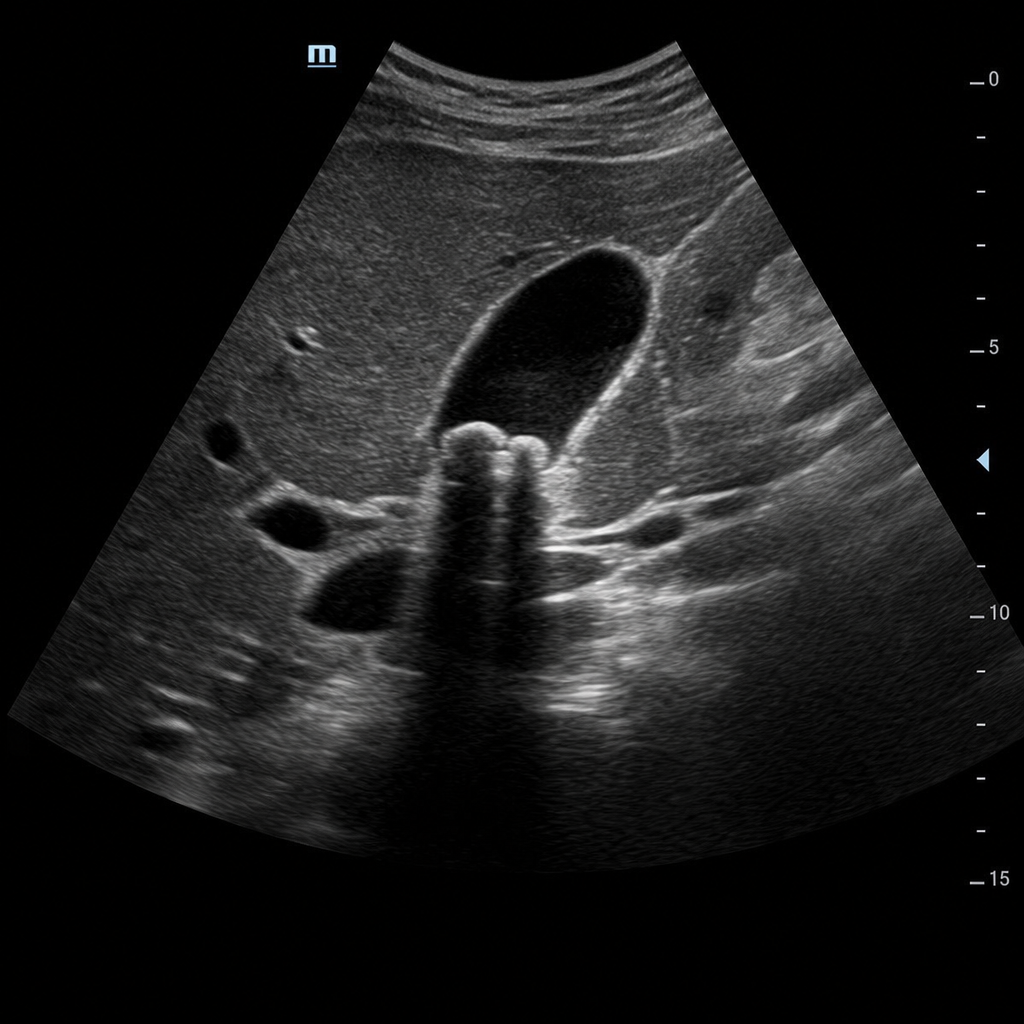
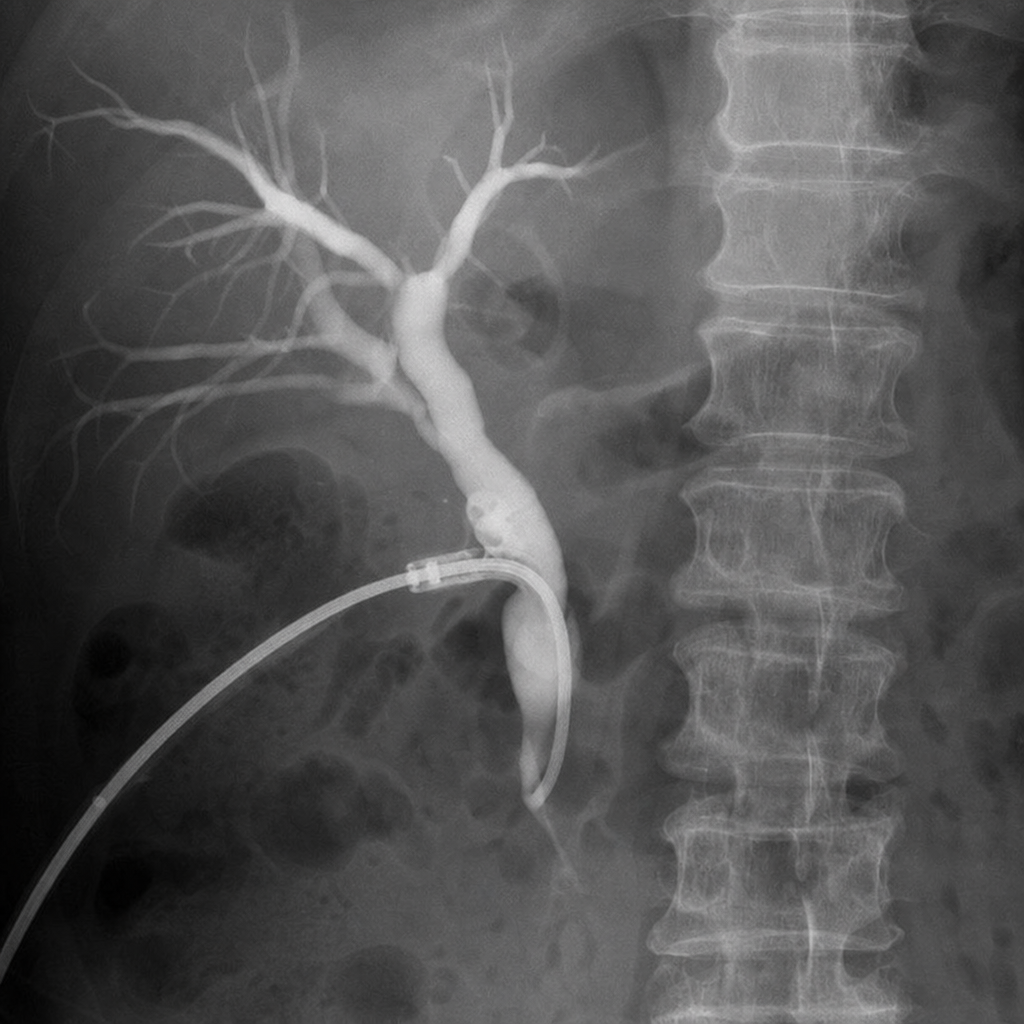
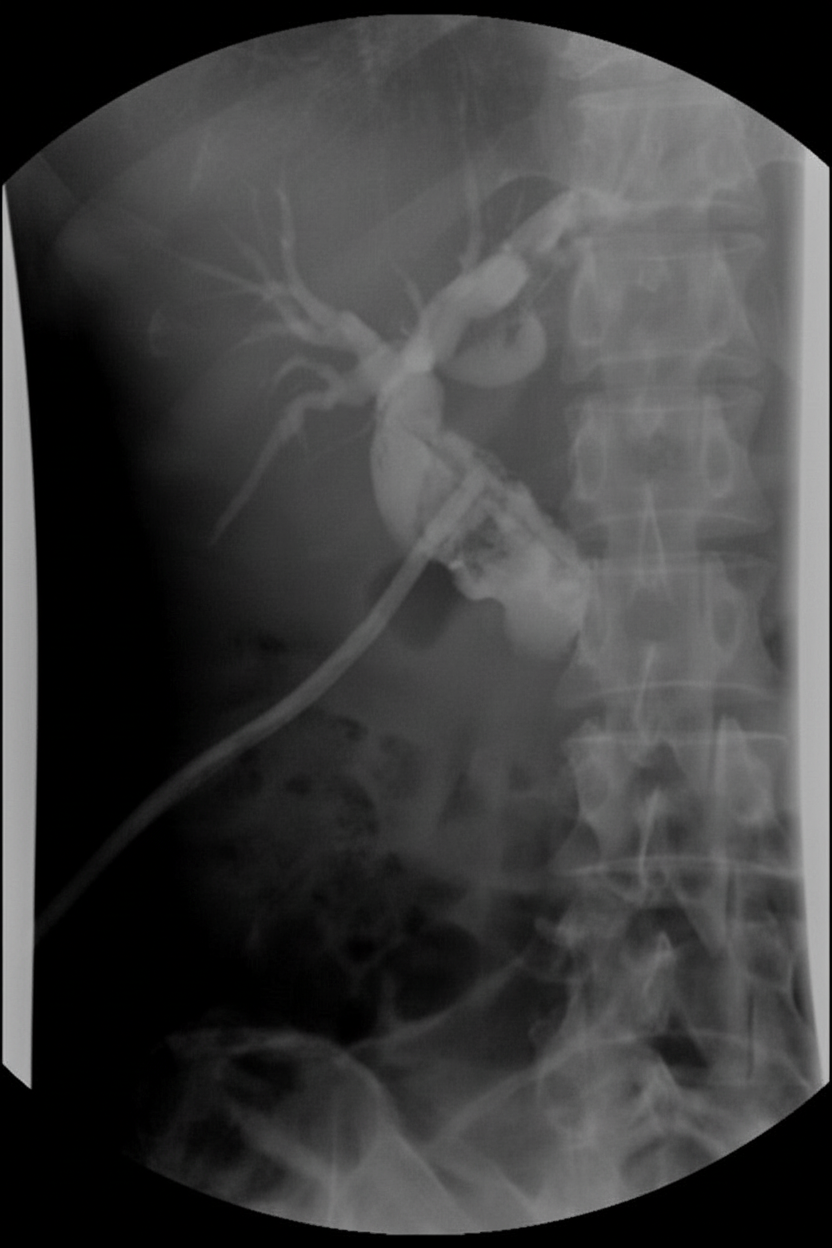
Reconstructive surgery for choledochal cyst is not performed in which type?
Pringle's maneuver is used to stop bleeding from which organ?
Explanation: **Explanation:** Gallbladder (GB) cancer is the most common biliary tract malignancy, often associated with chronic inflammation. **Why Adenomyomatosis is the correct answer:** Adenomyomatosis is a benign condition characterized by the proliferation of the mucosal epithelium and hypertrophy of the muscularis layer, leading to the formation of **Rokitansky-Aschoff sinuses**. While it can mimic malignancy on imaging, it is generally considered a **degenerative/hyperplastic process** rather than a premalignant one. Current surgical consensus suggests that unless it is symptomatic or malignancy cannot be ruled out, it does not carry a significant risk for GB cancer. **Analysis of Incorrect Options (Risk Factors):** * **Gallstones (Cholelithiasis):** The most common risk factor (present in 70-90% of cases). Large stones (>3 cm) increase the risk by 10-fold due to chronic mucosal irritation. * **Porcelain Gallbladder:** This refers to intramural calcification of the GB wall. While historically cited as having a 20-60% risk, recent studies suggest a lower risk (approx. 7-15%), but it remains a classic high-yield risk factor for exams. * **Choledochal Cyst:** Specifically Type I and Type IV cysts are associated with an anomalous pancreaticobiliary ductal junction (APBDJ), which allows pancreatic juice reflux, causing chronic inflammation and a significantly higher risk of biliary tract cancer. **High-Yield Clinical Pearls for NEET-PG:** * **Most common histological type:** Adenocarcinoma. * **Salmonella typhi (Chronic carrier state):** A significant infective risk factor for GB cancer. * **GB Polyps:** Risk of malignancy increases if the polyp is **>10 mm**, sessile, or associated with gallstones. * **Mirizzi Syndrome:** Chronic compression can lead to increased risk. * **Staging:** GB cancer is staged using the TNM system; T1a (limited to lamina propria) can be treated with simple cholecystectomy, whereas T1b or higher requires radical cholecystectomy.
Explanation: **Explanation:** **1. Why Observation is Correct:** The management of postoperative bile leak depends primarily on the **volume of the leak** and the **clinical stability** of the patient. A bile output of **50 ml/day** is considered a low-volume leak (typically defined as <300–400 ml/day). On the first postoperative day, minor leaks often occur from the gallbladder bed (Luschka’s ducts) or minor accessory ducts. Most of these low-volume leaks are self-limiting and resolve spontaneously as the inflammatory process subsides, provided the patient is hemodynamically stable and there are no signs of peritonitis. **2. Why Other Options are Incorrect:** * **Immediate Exploration (B):** This is indicated only if the patient shows signs of generalized peritonitis, hemodynamic instability, or a major biliary enteric disruption. Early re-operation in an inflamed field increases the risk of further ductal injury. * **Intrabiliary Stenting (ERCP) (A):** While ERCP with stenting is the gold standard for persistent or high-volume leaks (to decrease the pressure gradient), it is not the first step for a minor 50ml leak on Day 1. It is reserved for cases where drainage does not decrease over 4–7 days. * **T-tube Drainage (C):** This is a surgical procedure used during the primary operation (like CBD exploration) or during a formal repair; it is not a bedside management option for a minor drain leak. **Clinical Pearls for NEET-PG:** * **Low-volume leak:** <300 ml/day; usually managed conservatively (Observation + Drain). * **High-volume leak:** >400–500 ml/day; likely indicates a major ductal injury or cystic duct stump leak; requires ERCP/Stenting. * **Most common site of leak post-cholecystectomy:** Cystic duct stump. * **Strasberg Classification:** Used to grade bile duct injuries (Type A is most common: leak from cystic duct or Luschka duct).
Explanation: **Explanation:** Gallstones are broadly classified into cholesterol stones and pigment stones (Black and Brown). Understanding the pathophysiology of pigment stones is crucial for NEET-PG. **Why Option B is the Correct Answer (The "Except"):** Secondary common bile duct (CBD) stones are stones that have migrated from the gallbladder into the CBD. In most Western and urban populations, gallbladder stones are predominantly **cholesterol stones**. Therefore, secondary CBD stones are typically cholesterol-based. In contrast, **Primary CBD stones** (Option C) form de novo within the bile ducts, usually due to stasis and infection; these are almost exclusively **Brown Pigment Stones**. **Analysis of Other Options:** * **Option A (Seen in cholangiohepatitis):** Recurrent pyogenic cholangiohepatitis (Oriental Cholangiohepatitis) is characterized by the formation of multiple brown pigment stones throughout the intrahepatic and extrahepatic ducts due to chronic infection (e.g., *E. coli*, *Clonorchis sinensis*). * **Option C (Primary CBD stones):** As mentioned, primary stones form due to biliary stasis and bacterial action (producing beta-glucuronidase), which precipitates calcium bilirubinate, forming brown pigment stones. * **Option D (More common in Asians):** While cholesterol stones dominate in the West, pigment stones (especially brown ones associated with parasitic infections and stasis) have a significantly higher prevalence in Asian populations. **High-Yield Clinical Pearls for NEET-PG:** 1. **Black Pigment Stones:** Associated with **chronic hemolysis** (e.g., Hereditary Spherocytosis, Sickle Cell) and cirrhosis. They form in the gallbladder and are composed of calcium bilirubinate polymers. 2. **Brown Pigment Stones:** Associated with **infection and stasis**. They are the hallmark of primary CBD stones. 3. **Radiopacity:** Black stones are often radiopaque (50%), while brown stones are usually radiolucent. 4. **Enzyme Key:** Bacterial **Beta-glucuronidase** is the key enzyme responsible for the formation of brown pigment stones by deconjugating bilirubin diglucuronide.
Explanation: **Explanation:** The management of common bile duct (CBD) stones (choledocholithiasis) focuses on clearing the duct to prevent complications like obstructive jaundice, cholangitis, and gallstone pancreatitis. **Why Endoscopic Sphincterotomy is Correct:** Endoscopic Retrograde Cholangiopancreatography (ERCP) with **Endoscopic Sphincterotomy (ES)** followed by stone extraction (using baskets or balloons) is currently the **gold standard** and treatment of choice. It is minimally invasive, highly effective (success rate >90%), and allows for immediate decompression of the biliary tree. In patients with an intact gallbladder, ERCP is typically followed by elective laparoscopic cholecystectomy. **Analysis of Incorrect Options:** * **Observation:** CBD stones rarely pass spontaneously and carry a high risk of life-threatening complications (ascending cholangitis). Therefore, "wait and watch" is never recommended. * **Chenodeoxycholic acid:** This bile acid is used for the medical dissolution of small, radiolucent *gallbladder* stones in symptomatic patients who are unfit for surgery. It is ineffective for CBD stones and takes months to work. * **Percutaneous removal:** Percutaneous Transhepatic Biliary Drainage (PTBD) is a second-line intervention. It is reserved for cases where ERCP fails or is anatomically impossible (e.g., previous Roux-en-Y gastric bypass). **Clinical Pearls for NEET-PG:** * **Most common type of CBD stone:** Secondary stones (migrated from the gallbladder). * **Investigation of choice (Initial):** Ultrasound (shows dilated CBD). * **Investigation of choice (Gold Standard/Diagnostic):** MRCP (non-invasive) or ERCP (invasive/therapeutic). * **Charcot’s Triad:** Fever, jaundice, and RUQ pain—indicates urgent need for CBD decompression.
Explanation: ### Explanation **Hepatocellular Carcinoma (HCC)** is a hypervascular tumor that derives its blood supply primarily from the **hepatic artery** (unlike normal liver parenchyma, which receives 75% of its supply from the portal vein). **Transarterial Chemoembolization (TACE)** exploits this anatomy by delivering high-dose chemotherapy directly into the arterial supply, followed by an embolic agent to induce ischemic necrosis. #### Why Doxorubicin is Correct: **Doxorubicin** (often formulated as an emulsion with Lipiodol) is the most commonly used chemotherapeutic agent for TACE. Lipiodol acts as a vehicle that carries the drug and remains selectively within the tumor vessels. Other agents sometimes used include Cisplatin or Mitomycin C, but Doxorubicin remains the gold standard in conventional TACE protocols. #### Why Other Options are Incorrect: * **B. Sorafenib:** This is an oral multikinase inhibitor used for **systemic therapy** in advanced HCC (BCLC Stage C). It is not used for local chemoembolization. * **C. Tamoxifen:** While once studied for hormonal manipulation in HCC, it has shown no clinical benefit and is not part of standard treatment protocols. * **D. Carboplatin:** While used in various solid tumors (like lung or ovarian cancer), it is not a standard agent for TACE in HCC. #### High-Yield Clinical Pearls for NEET-PG: * **Indications:** TACE is the treatment of choice for **Intermediate-stage HCC** (BCLC Stage B: multinodular, asymptomatic, no vascular invasion). * **Contraindication:** **Portal Vein Thrombosis (PVT)** is a major contraindication because embolizing the hepatic artery when the portal vein is blocked can lead to massive liver necrosis and failure. * **Post-TACE Syndrome:** A common side effect characterized by fever, abdominal pain, and elevated liver enzymes due to tumor necrosis. * **Lipiodol:** An ethiodized oil used in TACE because it is selectively retained by HCC cells and is radio-opaque, allowing for post-procedure imaging.
Explanation: ### **Explanation** **TIPS (Transjugular Intrahepatic Portosystemic Shunt)** is a procedure that creates a low-resistance channel between the hepatic vein and the intrahepatic portion of the portal vein (usually the right branch). Its primary goal is to decompress the portal venous system. #### **Why Hepatopulmonary Syndrome (HPS) is the Correct Answer:** Hepatopulmonary syndrome is characterized by a triad of liver disease, increased alveolar-arterial oxygen gradient, and **intrapulmonary vascular dilatations**. TIPS is generally **not indicated** for HPS because shunting can worsen the hyperdynamic circulation and potentially exacerbate the ventilation-perfusion mismatch. The definitive treatment for HPS is **Liver Transplantation**. #### **Analysis of Other Options:** * **Refractory Ascites:** TIPS is a standard second-line treatment for ascites that does not respond to high-dose diuretics or frequent paracentesis. It reduces the portal pressure that drives fluid into the peritoneal cavity. * **Budd-Chiari Syndrome:** In cases where medical management or angioplasty fails, TIPS serves as a bridge to transplant or a definitive treatment to decompress the congested liver by providing an outflow tract. * **Refractory Hepatic Hydrothorax:** Similar to refractory ascites, when pleural effusions (usually right-sided) fail to respond to medical therapy, TIPS is effective in reducing the portal hypertension causing the leak. --- ### **High-Yield Clinical Pearls for NEET-PG:** * **Absolute Contraindications for TIPS:** 1. Congestive Heart Failure (Right-sided) – Shunting increases venous return, leading to acute heart failure. 2. Severe Pulmonary Hypertension. 3. Polycystic Liver Disease. 4. Uncontrolled Systemic Infection/Sepsis. * **Most Common Complication:** Hepatic Encephalopathy (due to bypass of nitrogenous wastes from the liver). * **Primary Indication:** Secondary prophylaxis of variceal bleeding (when endoscopic therapy fails). * **Mnemonic for HPS:** **PLATYPNEA** (shortness of breath relieved by lying down) and **ORTHODEOXIA** (hypoxemia that worsens when upright).
Explanation: **Explanation:** **1. Why Option A is Correct:** Gallstones (cholelithiasis) are significantly more common in females. This is primarily due to the role of **estrogen**, which increases the saturation of cholesterol in bile, and **progesterone**, which causes gallbladder stasis by relaxing smooth muscle. This epidemiological trend is famously summarized by the "4 F’s": **F**emale, **F**at, **F**ertile, and **F**orty. **2. Why the Other Options are Incorrect:** * **Option B:** **Saint’s Triad** consists of **Gallstones, Hiatus Hernia, and Diverticulosis**. It does not include CBD (Common Bile Duct) stones. The clinical significance is to avoid "diagnostic momentum"—finding one condition shouldn't stop the search for others if symptoms persist. * **Option C:** **Limey Bile** (milky of calcium bile) is a rare condition where the gallbladder is filled with a paste of calcium carbonate. While it occurs in the presence of chronic cholecystitis and cystic duct obstruction, it is a *consequence* or a specific type of presentation, not a universal association for all gallstones. * **Option D:** **Extracorporeal Shockwave Lithotripsy (ESWL)** is rarely performed for gallstones today. It has high recurrence rates and strict criteria (solitary, radiolucent stone <2cm). The gold standard treatment for symptomatic gallstones is **Laparoscopic Cholecystectomy**. **High-Yield Clinical Pearls for NEET-PG:** * **Most common type of stone:** Mixed stones (globally); however, Pigment stones are common in cases of chronic hemolysis. * **Investigation of Choice:** Transabdominal Ultrasonography (95% sensitivity). * **Asymptomatic Gallstones:** Generally managed expectantly ("Wait and Watch") unless the patient has a porcelain gallbladder, stones >3cm, or is undergoing bariatric surgery.
Explanation: **Explanation:** Primary Sclerosing Cholangitis (PSC) is a chronic, progressive cholestatic liver disease characterized by inflammation and obliterative fibrosis of both intrahepatic and extrahepatic bile ducts. **1. Why Option C is the correct answer (The False Statement):** Unlike Primary Biliary Cholangitis (PBC), which predominantly affects females (9:1 ratio), **Primary Sclerosing Cholangitis is more common in males.** The male-to-female ratio is approximately **2:1**. Therefore, the statement that it is more common in females is incorrect. **2. Analysis of Incorrect Options (True Statements):** * **Option A:** PSC typically presents in the **fourth or fifth decade** of life (median age around 40 years), making this statement clinically accurate. * **Option B:** While many patients are asymptomatic at diagnosis (detected via abnormal LFTs), **jaundice, pruritus, and fatigue** are the most common presenting symptoms as the disease progresses. * **Option D:** There is a very strong association with **Inflammatory Bowel Disease (IBD)**, specifically **Ulcerative Colitis (UC)**. Approximately 70-80% of patients with PSC have coexisting UC. **NEET-PG High-Yield Pearls:** * **Imaging Gold Standard:** MRCP is the initial diagnostic test of choice, showing a characteristic **"beaded appearance"** (multifocal strictures and focal dilations). * **Serology:** Often associated with **p-ANCA** (positive in 60-80% of cases). * **Histology:** Classic finding is **"Onion-skin" fibrosis** (periductal concentric fibrosis). * **Malignancy Risk:** PSC is a significant risk factor for **Cholangiocarcinoma** and Colorectal Cancer (in patients with UC). * **Treatment:** Liver transplantation is the only definitive treatment for end-stage disease.
Explanation: **Explanation:** The management of choledochal cysts is primarily determined by the **Todani Classification**. The core principle of treatment is the complete excision of the cyst to prevent malignant transformation (cholangiocarcinoma), followed by biliary reconstruction (usually Roux-en-Y Hepaticojejunostomy). **Why Type III is the Correct Answer:** Type III choledochal cysts, also known as **Choledochoceles**, are cystic dilatations of the intraduodenal portion of the common bile duct. Unlike other types, Type III cysts have an extremely low risk of malignancy. Therefore, radical excision and biliary reconstruction are unnecessary. The standard treatment is **Endoscopic Sphincterotomy** or endoscopic resection, which allows for adequate drainage of the cyst into the duodenum. **Analysis of Incorrect Options:** * **Type I (Saccular/Fusiform CBD dilation):** This is the most common type. It carries a high risk of malignancy and requires complete cyst excision with Roux-en-Y Hepaticojejunostomy. * **Type II (Diverticulum of CBD):** These are true diverticula. Treatment involves simple **diverticulectomy** (excision of the cyst) and primary closure of the CBD wall. * **Type IV (Multiple intra- and extrahepatic cysts):** Management requires excision of the extrahepatic component and biliary reconstruction. If intrahepatic involvement is localized to one lobe, partial hepatectomy may be indicated. **NEET-PG High-Yield Pearls:** * **Most Common Type:** Type I (80-90% of cases). * **Type V (Caroli’s Disease):** Intrahepatic cysts only. If localized, lobectomy is done; if diffuse, liver transplant is the definitive treatment. * **Triad of Presentation:** Abdominal pain, jaundice, and a palpable right upper quadrant mass (seen in only 20% of patients). * **Gold Standard Investigation:** MRCP is the diagnostic modality of choice. * **Complication:** The most feared long-term complication of untreated cysts is **Cholangiocarcinoma**.
Explanation: **Explanation:** **Pringle’s Maneuver** is a surgical technique used to control hemorrhage during liver trauma or elective hepatic resection. The maneuver involves the clamping of the **hepatoduodenal ligament**, which contains the **Portal Triad**: 1. **Portal Vein** 2. **Hepatic Artery Proper** 3. **Common Bile Duct** By compressing these structures (usually with a vascular clamp or manually), the inflow of blood to the **liver** is temporarily halted. If bleeding continues despite this maneuver, it suggests an injury to the **retrohepatic inferior vena cava (IVC)** or the **hepatic veins**, as these vessels are not contained within the hepatoduodenal ligament. **Why other options are incorrect:** * **Pancreas:** While the pancreas is anatomically close, its blood supply is derived from the celiac trunk and superior mesenteric artery (SMA) via the pancreaticoduodenal arcades, which are not controlled by clamping the hepatoduodenal ligament. * **Spleen:** Bleeding from the spleen is managed by clamping the splenic artery (at the hilum or the upper border of the pancreas) or by splenectomy. * **Kidneys:** The kidneys are retroperitoneal organs supplied directly by the renal arteries arising from the abdominal aorta. **High-Yield Clinical Pearls for NEET-PG:** * **Time Limit:** The maneuver is typically performed in cycles (intermittent clamping) to prevent ischemic injury; usually **15–20 minutes** of clamping followed by 5 minutes of reperfusion. * **Anatomical Landmark:** The clamp is applied across the **Foramen of Winslow** (epiploic foramen). * **Failure of Maneuver:** If bleeding persists after Pringle’s maneuver, the most likely source is the **Hepatic Veins** or **Retrohepatic IVC**.
Liver Anatomy and Physiology
Practice Questions
Benign Liver Lesions
Practice Questions
Liver Abscess
Practice Questions
Hepatocellular Carcinoma
Practice Questions
Metastatic Liver Disease
Practice Questions
Cirrhosis and Portal Hypertension
Practice Questions
Liver Trauma
Practice Questions
Cholelithiasis and Cholecystitis
Practice Questions
Choledocholithiasis
Practice Questions
Biliary Tract Tumors
Practice Questions
ERCP and Its Complications
Practice Questions
Liver Transplantation Basics
Practice Questions
Get full access to all questions, explanations, and performance tracking.
Start For Free