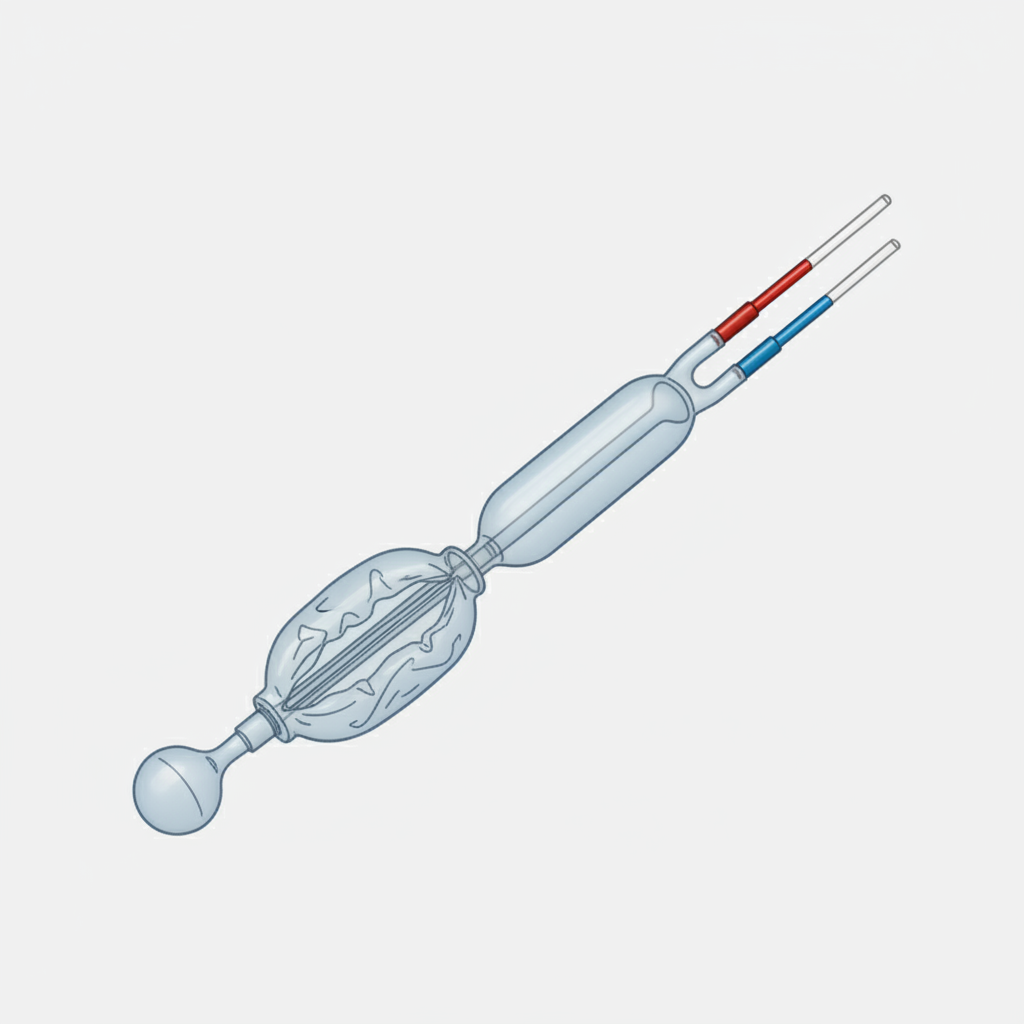
In which stage of gallbladder carcinoma is liver lobe resection considered for patients with carcinoma of the gallbladder?
A patient with an 8 cm x 8 cm abscess in the right lobe of the liver was treated with multiple aspirations (3 times) and systemic amebicides. A cavity remains in the right lobe of the liver, but it is now empty. A seven-day course of luminal amebicides has been administered. How will you follow up?
Black bile stones are composed of which of the following?
Following resection of two-thirds of the liver, regeneration is complete within approximately what time frame?
Which surgical operation precipitates portosystemic encephalopathy?
An otherwise normal female presents with symptoms of flatulent dyspepsia. She was started on proton pump inhibitors, which controlled her symptoms. What is the next step in the management of this condition?
Prognosis of a retroperitoneal (poocaval) shunt depends on which of the following factors?
A patient operated for colonic carcinoma develops a solitary nodule in the liver. What is the treatment of choice?
Which of the following is a tumor marker for hepatocellular carcinoma (HCC)?
What is the most common cause of biliary stricture?
Explanation: **Explanation:** The management of gallbladder carcinoma (GBC) is primarily determined by the depth of wall invasion (T-stage). **Why Stage IIA is Correct:** Stage IIA (T2a N0 M0) involves tumor invasion into the **perimuscular connective tissue on the peritoneal side**, without involvement of the serosa. For T2 tumors, a simple cholecystectomy is oncologically inadequate due to the high risk of lymphatic spread and micrometastasis. Therefore, **Radical (Extended) Cholecystectomy** is the standard of care. This procedure includes: 1. Removal of the gallbladder. 2. **Wedge resection of the liver (Segments IVb and V)** or a formal liver lobe resection to ensure negative margins (R0 resection). 3. Regional lymphadenectomy (portal lymph nodes). **Analysis of Incorrect Options:** * **Stage IA (T1a N0 M0):** The tumor is limited to the lamina propria. A **simple cholecystectomy** is curative with excellent 5-year survival rates; liver resection is unnecessary. * **Stage III:** This represents advanced local disease (T3) or regional lymph node involvement (N1). While surgery may still be attempted, it often requires more extensive multivisceral resections, and the prognosis is significantly poorer. * **Stage IV:** This stage indicates distant metastasis (M1) or extensive vascular/nodal involvement. These cases are generally considered **unresectable**, and management is palliative. **High-Yield Clinical Pearls for NEET-PG:** * **Most common histological type:** Adenocarcinoma. * **Most common site of spread:** Liver (direct invasion). * **Incidental GBC:** If T1a is found after simple cholecystectomy, no further surgery is needed. If T1b or higher is found, a completion radical cholecystectomy is required. * **Nevin’s Staging and TNM Staging** are both used, but TNM is the current gold standard for surgical planning.
Explanation: ### Explanation **1. Understanding the Correct Answer (Option B)** The management of an **Amoebic Liver Abscess (ALA)** does not end with clinical recovery. Even after successful treatment (aspiration and amebicides), the radiological resolution of the abscess cavity lags significantly behind clinical improvement. * **The Concept of the "Residual Cavity":** An empty cavity can persist for months. Studies show that it takes an average of **3 to 9 months** (and sometimes up to a year) for the liver parenchyma to return to normal on an Ultrasound (USG). * **Follow-up Protocol:** Regular USG is the gold standard for monitoring. Weekly USG for the first month ensures there is no re-accumulation of pus or secondary infection. Subsequent monthly USG until 1 year confirms complete radiological resolution and rules out recurrence. **2. Why Other Options are Incorrect** * **Option A:** Stool examination only detects the presence of *E. histolytica* cysts/trophozoites in the gut. While important to prevent relapse, it does not monitor the healing of the liver parenchyma. * **Option C:** A CT scan is unnecessary for routine follow-up. It involves high radiation exposure and is generally reserved for cases with diagnostic uncertainty or suspected complications (e.g., rupture). * **Option D:** Weekly stool examinations are excessive and clinically unnecessary once a full course of luminal amebicides (like Diloxanide furoate) is completed. **3. Clinical Pearls for NEET-PG** * **Most Common Site:** Right lobe (due to the "streaming effect" of portal blood flow from the superior mesenteric vein). * **Anchovy Sauce Pus:** Characteristic appearance of aspirated material (sterile, odorless, reddish-brown). * **Indications for Aspiration:** Failure to respond to medical therapy (48–72 hours), large abscess (>5–10 cm), left lobe abscess (high risk of rupture into the pericardium), or pregnancy. * **Drug of Choice:** Metronidazole (Tissue amebicide) followed by Diloxanide furoate (Luminal amebicide) to eradicate the intestinal carrier state.
Explanation: **Explanation:** Gallstones are broadly classified into **Cholesterol stones** and **Pigment stones**. Pigment stones are further subdivided into **Black** and **Brown** stones. **1. Why Option A is Correct:** Black pigment stones are primarily composed of **Calcium Bilirubinate** (insoluble polymers of unconjugated bilirubin) mixed with calcium phosphates and carbonates. They form in the gallbladder when there is an excess of unconjugated bilirubin in the bile. This typically occurs in states of **chronic hemolysis** (e.g., Hereditary Spherocytosis, Sickle Cell Anemia, Thalassemia) or **Cirrhosis**. Unlike brown stones, black stones are usually sterile and form in the absence of infection. **2. Why the other options are incorrect:** * **Option B:** Cholesterol monohydrate is the primary component of **Cholesterol stones** (the most common type in the West), formed due to bile supersaturation with cholesterol. * **Option C:** Calcium monohydrate is not a standard constituent of gallstones; calcium in stones is usually present as bilirubinate, carbonate, or phosphate. * **Option D:** While pigment stones contain some cholesterol, "Cholesterol bilirubinate" is not a recognized medical classification for black stones. **High-Yield Clinical Pearls for NEET-PG:** * **Radiopacity:** Black stones are often **radiopaque** (50-75% visible on X-ray) due to high calcium content, whereas cholesterol stones are typically radiolucent. * **Brown Stones:** Composed of calcium bilirubinate and **calcium palmitate/stearate**. They are associated with **biliary stasis and infection** (e.g., *E. coli*, *Clonorchis sinensis*) and usually form in the bile ducts. * **Risk Factors for Black Stones:** The "Hemolysis-Cirrhosis" dyad. * **Risk Factors for Cholesterol Stones:** The "5 F's" (Fat, Female, Fertile, Forty, Fair).
Explanation: **Explanation:** The liver possesses a unique and remarkable capacity for compensatory hyperplasia. Following a major resection (such as a 75% hepatectomy), the remaining hepatocytes exit the quiescent $G_0$ phase and enter the cell cycle to restore the original functional liver mass. **1. Why 4-6 months is correct:** While the initial surge of cellular proliferation begins within hours and the majority of the liver volume is restored relatively quickly (often within weeks), the complete structural reorganization, functional maturation, and stabilization of the liver mass to its pre-resection state typically take **4 to 6 months**. This timeframe accounts for the full restoration of the complex lobular architecture and metabolic capacity. **2. Analysis of Incorrect Options:** * **4-5 weeks (Option D):** This is the period where the most rapid increase in liver volume occurs, but the regeneration process is not yet "complete" in terms of functional maturity. * **8-10 weeks / 2-3 months (Options B & A):** While significant progress is made by this stage, these durations underestimate the time required for the final remodeling phase of the biliary tree and vascular supply. **3. High-Yield Clinical Pearls for NEET-PG:** * **Mechanism:** Liver regeneration is **compensatory hyperplasia**, not true regeneration (the lost lobes do not regrow; instead, the remaining lobes enlarge). * **Key Mediators:** Hepatocyte Growth Factor (HGF) and Transforming Growth Factor-alpha (TGF-$\alpha$) are the primary stimulators. * **Inhibitor:** Transforming Growth Factor-beta (TGF-$\beta$) acts as a potent inhibitor to stop the process once the mass is restored. * **Limit of Resection:** In a healthy liver, up to **75-80%** can be safely resected. In a cirrhotic liver, this limit is significantly lower (usually <40%) due to impaired regenerative capacity.
Explanation: ### Explanation **Portosystemic Encephalopathy (PSE)** occurs when nitrogenous toxins (primarily ammonia) from the gut bypass the liver’s detoxification process and enter the systemic circulation, crossing the blood-brain barrier. **Why Portacaval Anastomosis is the correct answer:** A **Portacaval shunt** is a **total/non-selective shunt**. It diverts the entire portal blood flow directly into the inferior vena cava (IVC). This results in a complete loss of first-pass metabolism of ammonia by the liver. Because it maximizes the diversion of "dirty" portal blood into the systemic circulation, it carries the **highest risk** (up to 40-50%) of precipitating or worsening hepatic encephalopathy. **Analysis of Incorrect Options:** * **Splenorenal shunt:** Specifically, the *Distal Splenorenal Shunt (Warren Shunt)* is a **selective shunt**. It decompresses esophageal varices while maintaining portal hypertension in the mesenteric bed to preserve hepatopetal flow (blood flow to the liver). This significantly reduces the risk of PSE compared to portacaval shunts. * **Sugiura operation:** This is a **non-shunt procedure** involving extensive esophagogastric devascularization and esophageal transection. Since portal blood is not diverted into the systemic circulation, it does not precipitate PSE. * **Talma-Morison operation:** An obsolete procedure (omentopexy) intended to create adhesions between the omentum and the abdominal wall to promote collateral circulation. It is ineffective but does not cause the massive diversion required to trigger PSE. **NEET-PG High-Yield Pearls:** * **Gold Standard for PSE prevention:** Selective shunts (Warren Shunt). * **TIPS (Transjugular Intrahepatic Portosystemic Shunt):** Acts like a side-to-side portacaval shunt and also carries a high risk of PSE. * **Most common trigger for PSE in clinical practice:** Gastrointestinal bleeding (increases nitrogen load). * **Treatment of choice for PSE:** Lactulose (converts ammonia to non-absorbable ammonium) and Rifaximin.
Explanation: ### **Explanation** **1. Why "Wait and Watch" is the Correct Answer:** The patient presents with **flatulent dyspepsia**, which is a non-specific symptom often associated with functional dyspepsia or GERD rather than being a classic symptom of gallstones (biliary colic). The fact that her symptoms were **controlled by Proton Pump Inhibitors (PPIs)** strongly suggests that the underlying cause is acid-peptic disease or GERD, not gallbladder pathology. In clinical practice, even if an incidental ultrasound reveals asymptomatic gallstones (silent stones), the standard of care is **expectant management (Wait and Watch)**. Prophylactic cholecystectomy is not indicated for asymptomatic gallstones because the risk of developing complications (1–2% per year) is lower than the cumulative risk of surgical complications. **2. Why Other Options are Incorrect:** * **A & B (Laparoscopic Cholecystectomy/Laparotomy):** Surgery is indicated only for **symptomatic** gallstones (biliary colic, cholecystitis) or specific high-risk asymptomatic conditions (e.g., porcelain gallbladder, stones >3cm). Since this patient’s symptoms responded to PPIs, she is considered asymptomatic regarding her gallbladder. * **D (ERCP):** This is an invasive procedure used for managing common bile duct (CBD) stones or biliary obstruction. There is no evidence of jaundice, dilated CBD, or cholangitis in this patient to justify an ERCP. **3. Clinical Pearls for NEET-PG:** * **Indications for Cholecystectomy in Asymptomatic Patients:** 1. Porcelain gallbladder (high risk of malignancy). 2. Gallstones >3 cm in diameter. 3. Stones associated with a hemolytic anemia (e.g., Hereditary Spherocytosis). 4. Gallbladder polyps >10 mm. 5. Congenital anomalous biliary anatomy. * **Gold Standard Investigation:** Ultrasound is the initial and best screening tool for gallstones (sensitivity >95%). * **Flatulent Dyspepsia:** It is no longer considered a classic symptom of "fatty, fertile, female of forty" unless accompanied by true biliary colic (RUQ pain radiating to the scapula).
Explanation: **Explanation:** The prognosis and physiological outcome of a portosystemic shunt are primarily determined by the **Type of shunt created**. Shunts are classified into three categories based on their hemodynamic impact: 1. **Total Shunts (e.g., End-to-side Portocaval):** These divert all portal blood flow away from the liver. While they are most effective at preventing re-bleeding, they carry the highest risk of hepatic encephalopathy and liver failure because the liver is deprived of hepatotrophic portal factors. 2. **Partial Shunts (e.g., Small-diameter interposition grafts):** These lower portal pressure while maintaining some prograde (hepatopetal) flow, balancing bleeding control with a lower risk of encephalopathy. 3. **Selective Shunts (e.g., Distal Splenorenal/Warren Shunt):** These decompress gastroesophageal varices while maintaining portal hypertension and flow to the liver, offering the best long-term metabolic prognosis. **Why other options are incorrect:** * **Serum Bilirubin, Albumin, and Ascites (Options A, B, C):** These are components of the **Child-Pugh Score**. While they help determine the *pre-operative* risk and the patient's suitability for surgery (surgical fitness), they do not define the specific prognostic outcome of the shunt procedure itself. The hemodynamic design of the shunt (Type) is the definitive factor in post-operative complications like encephalopathy. **Clinical Pearls for NEET-PG:** * **Gold Standard for Variceal Bleeding:** Endoscopic Variceal Ligation (EVL). * **Distal Splenorenal Shunt (DSRS):** The procedure of choice for elective decompression in patients with preserved liver function; it is "selective" and avoids the liver. * **TIPS (Transjugular Intrahepatic Portosystemic Shunt):** Acts as a side-to-side (total) shunt; it is the preferred "bridge" to transplant. * **Child-Pugh Class C:** Generally a contraindication for elective portosystemic shunt surgery due to high mortality.
Explanation: **Explanation:** The liver is the most common site for distant metastasis in colorectal cancer (CRC) due to portal venous drainage. In the case of a **solitary liver metastasis** (or even limited resectable lesions), **Surgery (Hepatic Resection)** is the treatment of choice because it offers the only potential for long-term survival and cure. * **Why Surgery is Correct:** Unlike many other cancers where liver metastasis signifies terminal stage IV disease, colorectal liver metastases (CRLM) are unique. If the primary tumor is controlled and the liver lesion is resectable with adequate future liver remnant (FLR), surgery can achieve a 5-year survival rate of 30-50%. * **Why Other Options are Incorrect:** * **Radiation:** The liver has low tolerance for whole-organ radiation (risk of radiation-induced liver disease). While SBRT is an option for non-surgical candidates, it is not the "treatment of choice" for a fit patient with a resectable solitary nodule. * **Chemotherapy:** While often used as neoadjuvant or adjuvant therapy, chemotherapy alone is palliative and cannot achieve the curative rates offered by surgical resection. * **Conservative Treatment:** This is inappropriate for a potentially curable stage of metastatic disease. **Clinical Pearls for NEET-PG:** * **Resectability Criteria:** Based on whether the tumor can be completely removed (R0 resection) while leaving at least 25-30% of healthy liver tissue. * **Carcinoembryonic Antigen (CEA):** The most important tumor marker for monitoring recurrence in post-op colonic carcinoma patients. * **Synchronous vs. Metachronous:** If the liver nodule is found at the same time as the primary, it is "synchronous"; if found later, it is "metachronous." Surgery remains the gold standard for both if resectable.
Explanation: **Explanation:** **Alpha-fetoprotein (AFP)** is the most widely used and established serum tumor marker for **Hepatocellular Carcinoma (HCC)**. It is a glycoprotein normally produced by the fetal yolk sac and liver. In adults, pathological elevation (typically >400 ng/mL) in the setting of chronic liver disease or cirrhosis is highly suggestive of HCC. However, it is important to note that AFP can also be elevated in germ cell tumors (yolk sac tumors) and during liver regeneration (chronic hepatitis). **Analysis of Options:** * **Alpha-fucosidase (AFU):** While AFU is a lysosomal enzyme that can be elevated in HCC patients, it is considered an *adjunct* marker rather than the primary diagnostic standard. It lacks the specificity and widespread clinical validation of AFP. * **Des-gamma-carboxyprothrombin (DCP/PIVKA-II):** This is an abnormal prothrombin molecule produced by HCC cells. While it is a highly specific marker for HCC and often used in combination with AFP to increase sensitivity, it is not the "classic" or primary answer expected in standard examinations unless specified as a complementary marker. * **CA 19-9:** This is the primary tumor marker for **Cholangiocarcinoma** and pancreatic adenocarcinoma. It is not specific for HCC. **High-Yield Clinical Pearls for NEET-PG:** * **Screening Protocol:** For high-risk patients (cirrhotics), the standard screening involves **USG Abdomen + Serum AFP** every 6 months. * **Diagnostic Threshold:** An AFP level >400 ng/mL in a patient with a hypervascular liver mass on Triphasic CT is often diagnostic. * **Fibrolamellar Variant:** This specific subtype of HCC (seen in young non-cirrhotics) typically has **normal AFP levels** but elevated Neurotensin. * **Other Markers:** Glypican-3 (GPC3) is a newer immunohistochemical marker used to differentiate HCC from benign nodules.
Explanation: **Explanation:** The most common cause of biliary stricture is **iatrogenic trauma**, specifically injuries occurring during surgical procedures. **1. Why Trauma is Correct:** Approximately **80% of all benign biliary strictures** result from operative trauma. The most frequent culprit is **laparoscopic cholecystectomy**, where the common bile duct (CBD) may be inadvertently clipped, ligated, or transected due to anatomical variations or inflammation. Other traumatic causes include injuries during gastric resections, pancreatic surgeries, or liver transplantations. Ischemic injury to the bile duct (which relies on a tenuous blood supply at the 3 and 9 o'clock positions) also leads to post-surgical fibrosis and stricture formation. **2. Why Other Options are Incorrect:** * **Common bile duct stone:** While stones cause biliary *obstruction*, they rarely cause a permanent fibrous *stricture* unless they lead to chronic recurrent cholangitis or Mirizzi syndrome. * **Asiatic cholangitis (Recurrent Pyogenic Cholangitis):** This is a common cause of strictures in specific geographic regions (Southeast Asia) due to parasitic infections (e.g., *Clonorchis sinensis*), but it is not the most common cause globally or in general surgical practice. * **Congenital anomaly:** Conditions like biliary atresia or choledochal cysts cause neonatal or pediatric biliary issues but are far less common than acquired traumatic strictures in the general population. **High-Yield Clinical Pearls for NEET-PG:** * **Gold Standard Investigation:** MRCP (Magnetic Resonance Cholangiopancreatography) is the initial investigation of choice to define the anatomy. * **Management:** Minor leaks/strictures may be managed via ERCP with stenting. Major transections usually require a **Roux-en-Y Hepaticojejunostomy**. * **Bismuth Classification:** Used to grade the level of biliary stricture based on the distance from the hilar confluence.
Liver Anatomy and Physiology
Practice Questions
Benign Liver Lesions
Practice Questions
Liver Abscess
Practice Questions
Hepatocellular Carcinoma
Practice Questions
Metastatic Liver Disease
Practice Questions
Cirrhosis and Portal Hypertension
Practice Questions
Liver Trauma
Practice Questions
Cholelithiasis and Cholecystitis
Practice Questions
Choledocholithiasis
Practice Questions
Biliary Tract Tumors
Practice Questions
ERCP and Its Complications
Practice Questions
Liver Transplantation Basics
Practice Questions
Get full access to all questions, explanations, and performance tracking.
Start For Free