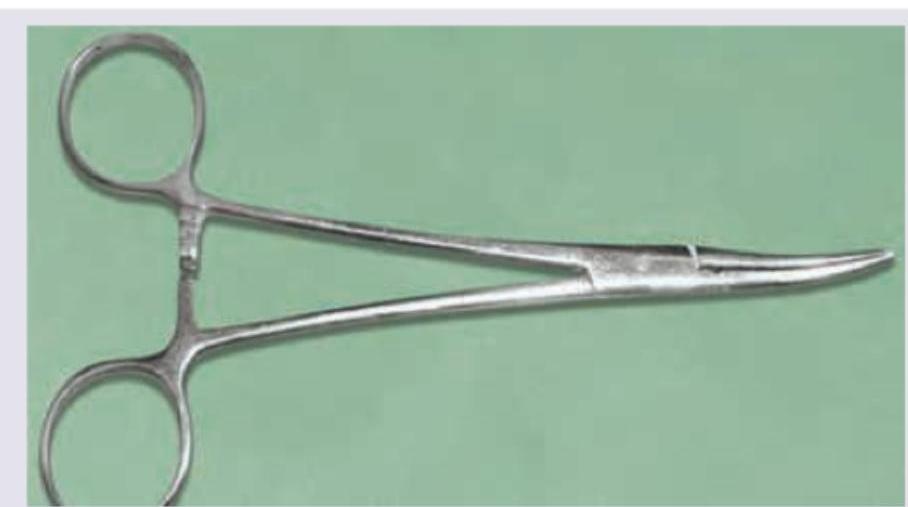
Identify the instrument:

Identify the instrument:

Identify the image shown:
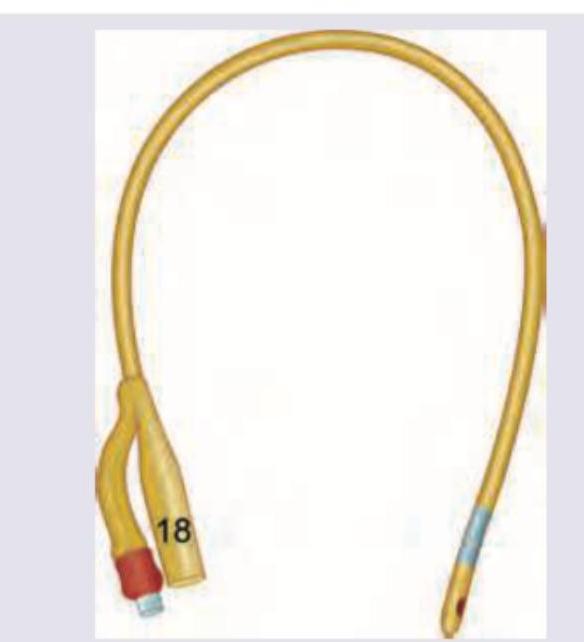
The image shows a catheter. What does inscription 18 on the catheter imply?
Which of the following statements regarding the given image is false?
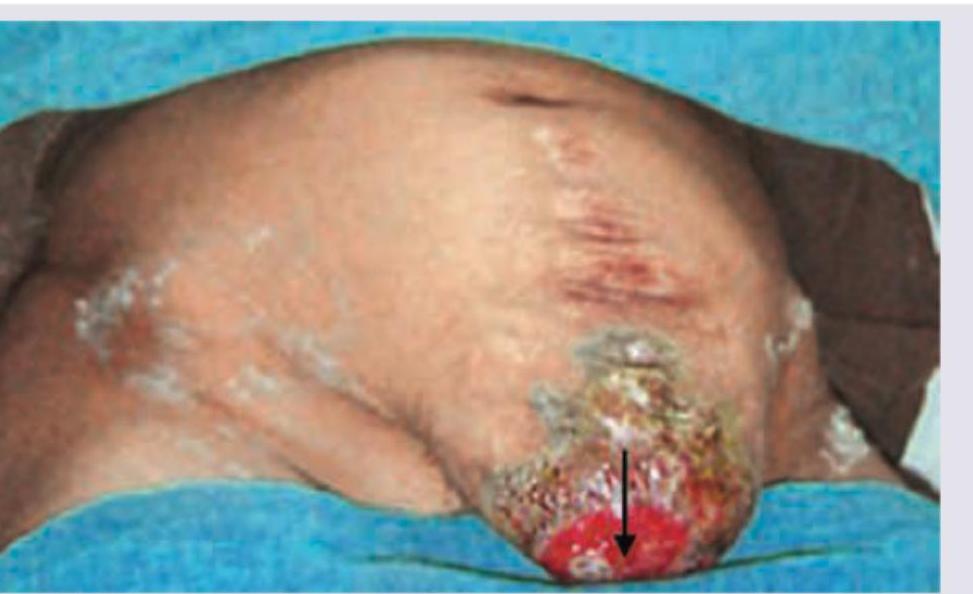
Hernia that is depicted in the image usually occurs at:
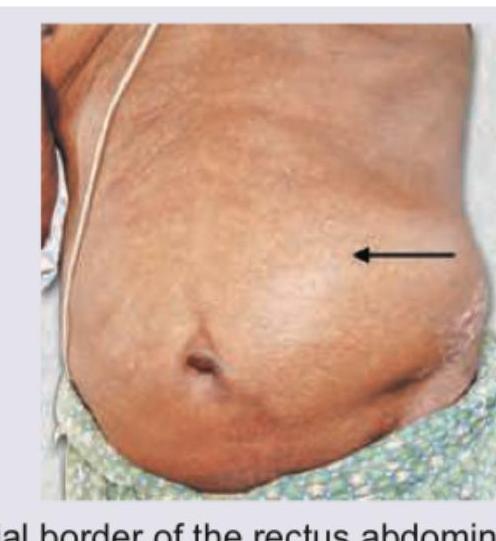
All of the following conditions are visible in the image except: (Recent NEET Pattern 2016-17)
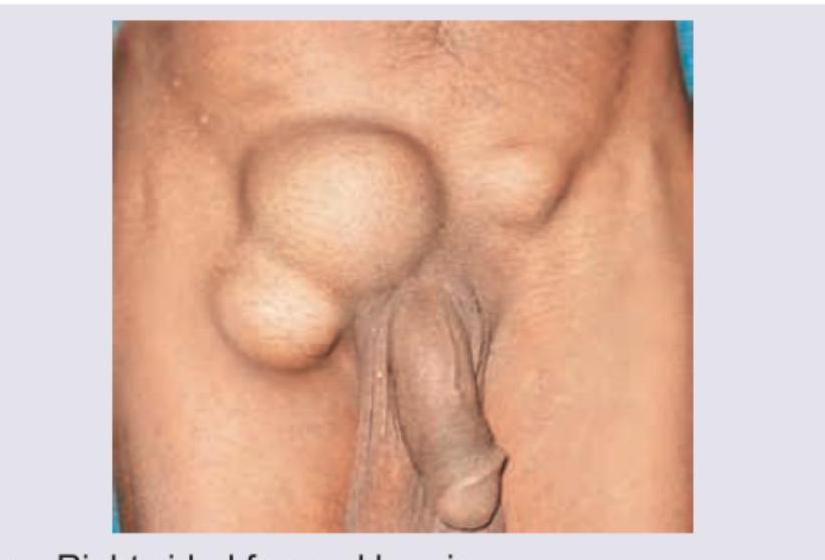
A multiparous female presents with the condition shown in the image. This condition can be managed by: (Recent NEET Pattern 2016-17)
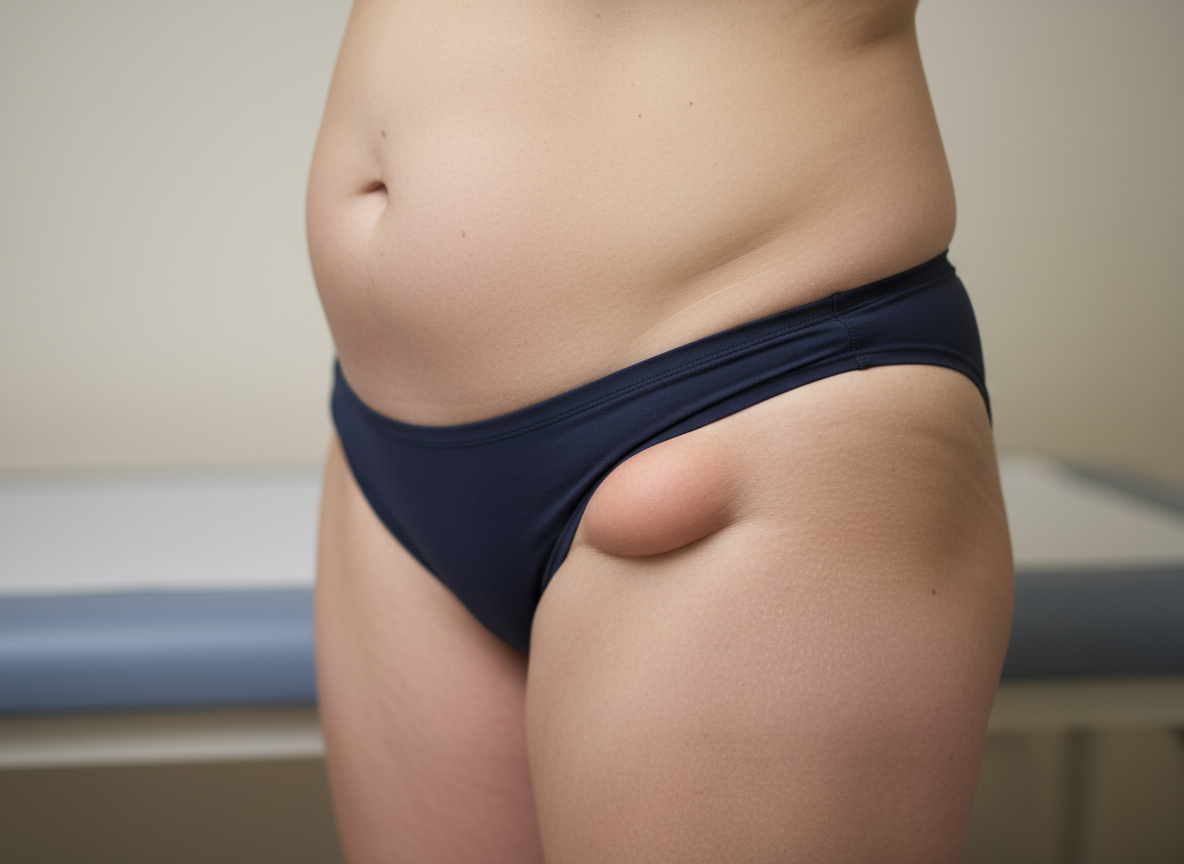
What is the most likely diagnosis based on the clinical image?
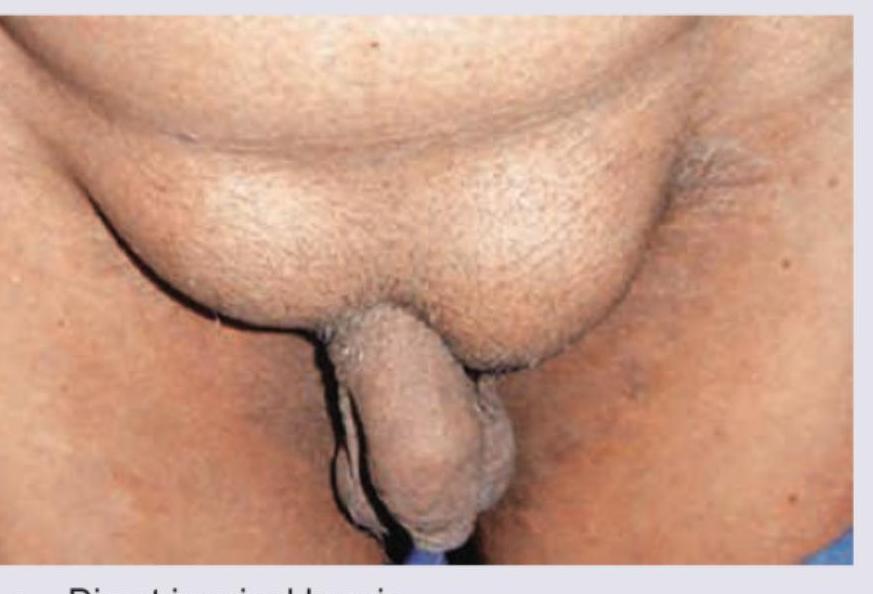
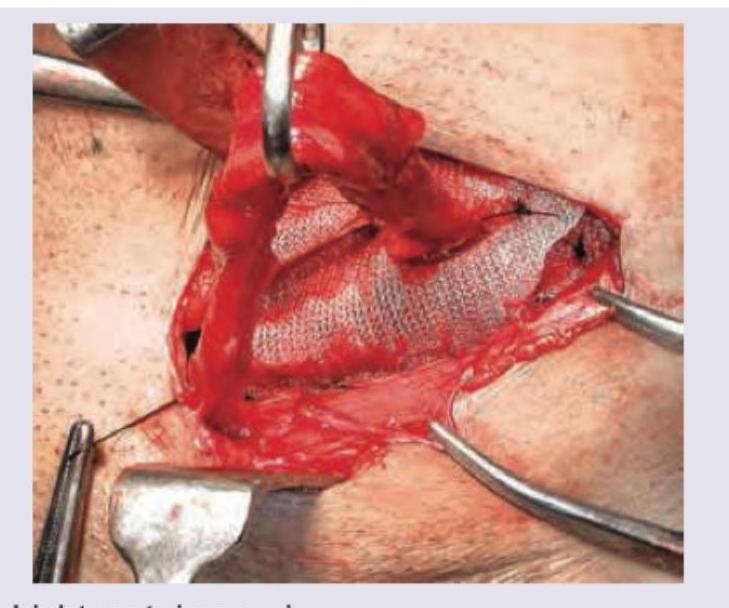
Which hernia repair procedure is shown in the image? (Recent NEET Pattern 2016-17)
Explanation: ***Artery forceps*** - This instrument is characterized by its **ring handles**, **ratchet lock**, and relatively **fine, curved jaws** with serrations, which are typical features of artery forceps (like a Crile or Halsted mosquito forceps). - Artery forceps are primarily used to **clamp blood vessels** to control bleeding or to grasp and hold other tissues firmly. *Towel clip* - Towel clips have **sharp, pointed, inwardly curved jaws** designed to secure surgical drapes to the patient or to each other. - They lack the fine serrations and jaw shape seen in the image, instead having piercing points. *Ovum forceps* - Ovum forceps are designed with **cup-shaped, fenestrated jaws** that are much broader and more delicate than those pictured, used for grasping and removing placental tissue or polyps from the uterus. - The jaws of ovum forceps are typically non-traumatic to minimize damage to uterine tissue. *Kocher forceps* - Kocher forceps are characterized by **strong, serrated jaws** that terminate in **interdigitating teeth** at the tip. - While they have ring handles and a ratchet, their robust design and prominent teeth differentiate them from the finer, curved tips of artery forceps shown.
Explanation: ***Mosquito forceps*** - **Mosquito forceps** (also called mosquito hemostatic forceps or Halsted mosquito forceps) are small, delicate hemostatic clamps with fine serrations at the tip - They have a characteristic **ratchet locking mechanism** and are used to clamp small blood vessels and delicate tissues - The instrument has **fine, delicate jaws** with transverse serrations for precise hemostasis in small vessels - Commonly used in plastic surgery, pediatric surgery, and for controlling small bleeders during dissection *Towel clip* - Towel clips have **sharp, pointed tips** designed to penetrate and interlock through surgical drapes - They are used to secure drapes to the patient or to each other, not for clamping vessels - Unlike the instrument shown, towel clips lack the fine serrated jaws and ratchet mechanism *Artery forceps* - While artery forceps (like Kelly or Crile forceps) are also hemostatic clamps, they are **larger and sturdier** than mosquito forceps - Artery forceps have **broader jaws** and are used for larger vessels - Mosquito forceps are distinguished by their **smaller size and more delicate construction** *Ovum holding forceps* - Ovum holding forceps have **fenestrated, cup-shaped jaws** with smooth, rounded edges - They are specifically designed to gently grasp ova or delicate tissue without trauma - The instrument lacks the ratchet locking mechanism seen in hemostatic forceps
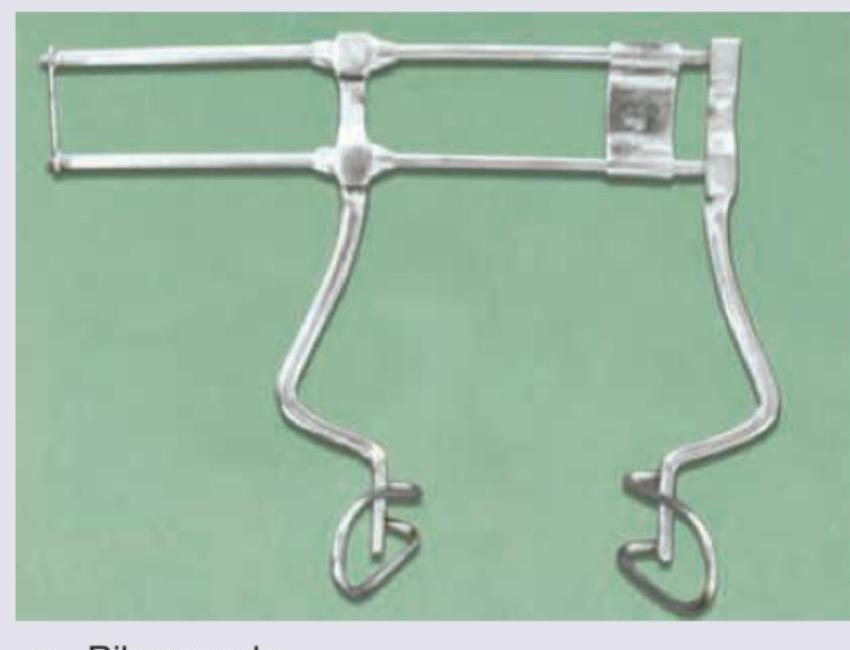
Explanation: ***Correct: Rib spreader*** - The image displays a **rib spreader**, also known as a **Finochietto retractor**, which is specifically designed to separate ribs during thoracic and cardiac surgeries. - Its characteristic design includes wide, curved blades that create and maintain an opening in the chest cavity, and a ratcheted mechanism to keep the ribs apart. *Incorrect: Self-retaining retractor* - While a rib spreader is a type of self-retaining retractor, "self-retaining retractor" is a broader category of instruments used to hold back tissue or organs, and the image shows a very specific type. - General self-retaining retractors, such as **Weitlaner** or **Gelpi retractors**, usually have multiple arms with sharp or dull prongs for retraction in various surgical fields, unlike the broad blades of a rib spreader. *Incorrect: Lister dilator* - A **Lister dilator** is a gynecological instrument used to progressively dilate the uterine cervix. - It consists of a series of smooth, cylindrical rods of increasing diameter, which is distinctly different from the instrument shown in the image. *Incorrect: Male metallic catheter* - A **male metallic catheter** is a rigid, curved tube used for urinary drainage or irrigation in male patients. - It is designed to be inserted into the urethra and bladder, and its structure is completely different from the surgical retractor depicted.
Explanation: ***Circumference of 18 mm*** - Catheter sizing uses the **French scale (Fr)**, where **1 Fr = 1/3 mm of outer diameter** - An **18 Fr catheter has an outer diameter of 6 mm** (18 ÷ 3 = 6 mm) - The **circumference = π × diameter = π × 6 mm ≈ 18.85 mm ≈ 18 mm** - While the French scale is defined by diameter, the inscription "18" on the catheter corresponds approximately to its **circumference in millimeters** due to the mathematical relationship where π ≈ 3 *Diameter of 18 mm* - This would be incorrect as 18 Fr indicates a **diameter of 6 mm**, not 18 mm - If the diameter were 18 mm, it would be a 54 Fr catheter (18 mm × 3 Fr/mm) - Such a large catheter would be impractical for most clinical applications *Radius of 18 mm* - A radius of 18 mm would mean a diameter of 36 mm, corresponding to 108 Fr - This is far too large for any standard medical catheter - Catheter sizing does not use radius as a measurement parameter *Surface area of 18 square mm* - Surface area is not used as a sizing parameter for catheters in clinical practice - Catheter size refers to cross-sectional dimensions (diameter/circumference), not surface area - The French scale provides a standardized method for indicating catheter size based on outer diameter
Explanation: ***Caused by use of local anesthesia*** - The image depicts **wound dehiscence with evisceration**, a serious surgical complication where the wound edges separate, and abdominal contents protrude. - This condition is **not caused by local anesthesia**, which primarily affects nerve conduction to block pain sensation. Local anesthesia has no direct role in wound healing or structural integrity. *Faulty surgical technique* - **Surgical technique** is a major factor in wound dehiscence. Improper closure, excessive tension on suture lines, or inadequate tissue approximation can lead to wound breakdown. - Such **technical errors** compromise the integrity of the surgical repair, increasing the risk of the wound rupturing. *Distension of the abdomen* - **Increased intra-abdominal pressure** due to abdominal distension (e.g., from ileus, ascites, or coughing/vomiting) can place significant stress on the surgical incision. - This **elevated pressure** can cause sutures to pull through tissues or the wound edges to separate, contributing to dehiscence. *Associated with wound infection* - **Wound infection** significantly impairs the healing process by causing inflammation, tissue breakdown, and weakening of the wound edges. - The presence of **infection** increases the risk of dehiscence by delaying collagen synthesis and promoting enzymatic degradation of tissues.
Explanation: ***Lateral border of the rectus abdominis*** - The image depicts a **Spigelian hernia**, which is a rare type of ventral hernia that occurs through the **Spigelian aponeurosis**. - This aponeurosis is located at the **semilunar line**, which is the curved tendinous intersection found at the lateral border of the rectus abdominis muscle. *Medial border of the rectus abdominis* - Hernias at the medial border of the rectus abdominis are typically **umbilical or epigastric hernias**, which present differently and are not depicted here. - These are located closer to the midline, unlike the more lateral protrusion shown. *Medial border of transverse abdominis* - The transverse abdominis muscle generally lies deeper and its medial border is not a common site for a hernia like the one shown. - Hernias in this region would not typically present as a bulge along the semilunar line. *Lateral border of transverse abdominis* - The lateral border of the transverse abdominis is situated more posteriorly and superiorly, often near the flank or lumbar region. - Hernias in this area are typically **lumbar hernias**, which are distinct from the anterior bulge seen in the image.
Explanation: ***Left sided femoral hernia*** - This is the **correct answer** because a left-sided femoral hernia is **NOT visible in the image**. - The image shows bilateral inguinal hernias, with bulges located **above the inguinal ligament**, characteristic of inguinal hernias. - A **femoral hernia** would present as a bulge **below the inguinal ligament**, inferior and lateral to the pubic tubercle, which is **not depicted on the left side**. *Right sided femoral hernia* - This option is also not visible in the image, but since only one answer can be marked correct, the question focuses on the left side. - The prominent right-sided bulge is located **above the inguinal ligament**, characteristic of an **inguinal hernia**, not a femoral hernia. - A femoral hernia would appear in the upper thigh region, which is not shown on the right. *Right sided inguinal hernia* - This condition **IS visible in the image** as a large, prominent bulge in the right groin region. - The bulge is located in the anatomic area of the **inguinal canal**, superior to the inguinal ligament, consistent with a **right-sided inguinal hernia**. *Left sided inguinal hernia* - This condition **IS visible in the image** as a smaller but distinct bulge in the left groin region. - The bulge is in the characteristic location for an **inguinal hernia** above the inguinal ligament on the left side.
Explanation: ***McEvedy repair*** - The image shows a **femoral hernia**, characterized by a bulge below the **inguinal ligament** and lateral to the pubic tubercle. The McEvedy repair (high approach) is a surgical technique particularly suited for strangulated femoral hernias, allowing for a better assessment of bowel viability. - This approach involves an incision extending above the inguinal ligament, providing good access to the femoral canal and allowing for reduction and repair from a superior position. *Bassini repair* - This is a traditional **inguinal hernia repair** method where the transversus abdominis muscle, transversalis fascia, and conjoint tendon are sutured to the inguinal ligament. - It is primarily used for **inguinal hernias**, not femoral hernias, and would not provide adequate access or repair for the condition shown. *Hunters repair* - This term does not correspond to a recognized standard surgical repair technique for hernias. It might be a misnomer or an outdated/less commonly used eponym. - Standard hernia repair names typically refer to specific anatomical repairs or named surgeons like Shouldice, Lichtenstein, or McEvedy. *Shouldice repair* - The Shouldice repair is a **tension-free repair** of an **inguinal hernia** that involves four layers of fascia being approximated. - It is specifically designed for inguinal hernias and is not suitable for the repair of a femoral hernia, which requires a different anatomical approach.
Explanation: **Hydrocele** - The image shows a **swollen scrotum** that is likely **non-tender** and **transilluminable**, characteristic findings of a hydrocele, which is a collection of fluid around the testis. - The swelling appears smooth and confined to the scrotum, consistent with fluid accumulation within the **tunica vaginalis**. *Direct inguinal hernia* - A direct inguinal hernia typically presents as a bulge in the **inguinal region** that protrudes directly through the posterior wall of the inguinal canal (Hesselbach's triangle). - It usually **does not extend into the scrotum** or cause such a generalized scrotal enlargement as seen here. *Indirect inguinal hernia* - An indirect inguinal hernia protrudes through the **deep inguinal ring** and often descends into the scrotum, alongside the spermatic cord. - Unlike a hydrocele, it is typically **reducible** bulge of bowel or omentum, thus feeling more solid and not transilluminating. *Varicocele* - A varicocele is characterized by a "bag of worms" feeling due to **dilated pampiniform plexus veins** in the scrotum. - It often appears as an irregular, soft mass that is more prominent when standing and typically **does not transilluminate**.
Explanation: ***Lichtenstein repair*** - The image clearly displays a **mesh patch** being used to reinforce the posterior wall of the inguinal canal, which is the hallmark of a **tension-free Lichtenstein repair**. - This technique is widely considered the **gold standard** for **inguinal hernia repair** due to its low recurrence rates and reduced postoperative pain. *Bassini herniorrhaphy* - **Bassini's repair** is a **tissue-based repair** that involves suturing the conjoined tendon and transversalis fascia to the inguinal ligament. - This method does **not use mesh** and is associated with higher tension and recurrence rates compared to mesh-based repairs. *Shouldice repair* - The **Shouldice repair** is another **tissue-based repair** from Canada, renowned for its strong, multilayered closure of the posterior wall of the inguinal canal. - It involves **four layers of suture repair** of the transversalis fascia and conjoined tendon, without the use of synthetic mesh as seen in the image. *Lord's procedure* - **Lord's procedure** is a historical method for **inguinal hernia repair** that primarily involved placing a small, tightly rolled mesh plug into the internal ring. - It is **not commonly used today** and does not involve the broad, flat mesh placement depicted in the image to reinforce the entire posterior wall.
Wound Healing and Care
Practice Questions
Surgical Infections
Practice Questions
Fluid and Electrolyte Management
Practice Questions
Nutrition in Surgical Patients
Practice Questions
Hemostasis and Blood Transfusion
Practice Questions
Surgical Instruments and Equipment
Practice Questions
Sutures and Stapling Devices
Practice Questions
Minimal Access Surgery Principles
Practice Questions
Surgical Complications
Practice Questions
Anesthesia Principles for Surgeons
Practice Questions
Surgical Oncology Principles
Practice Questions
Evidence-Based Surgery
Practice Questions
Get full access to all questions, explanations, and performance tracking.
Start For Free