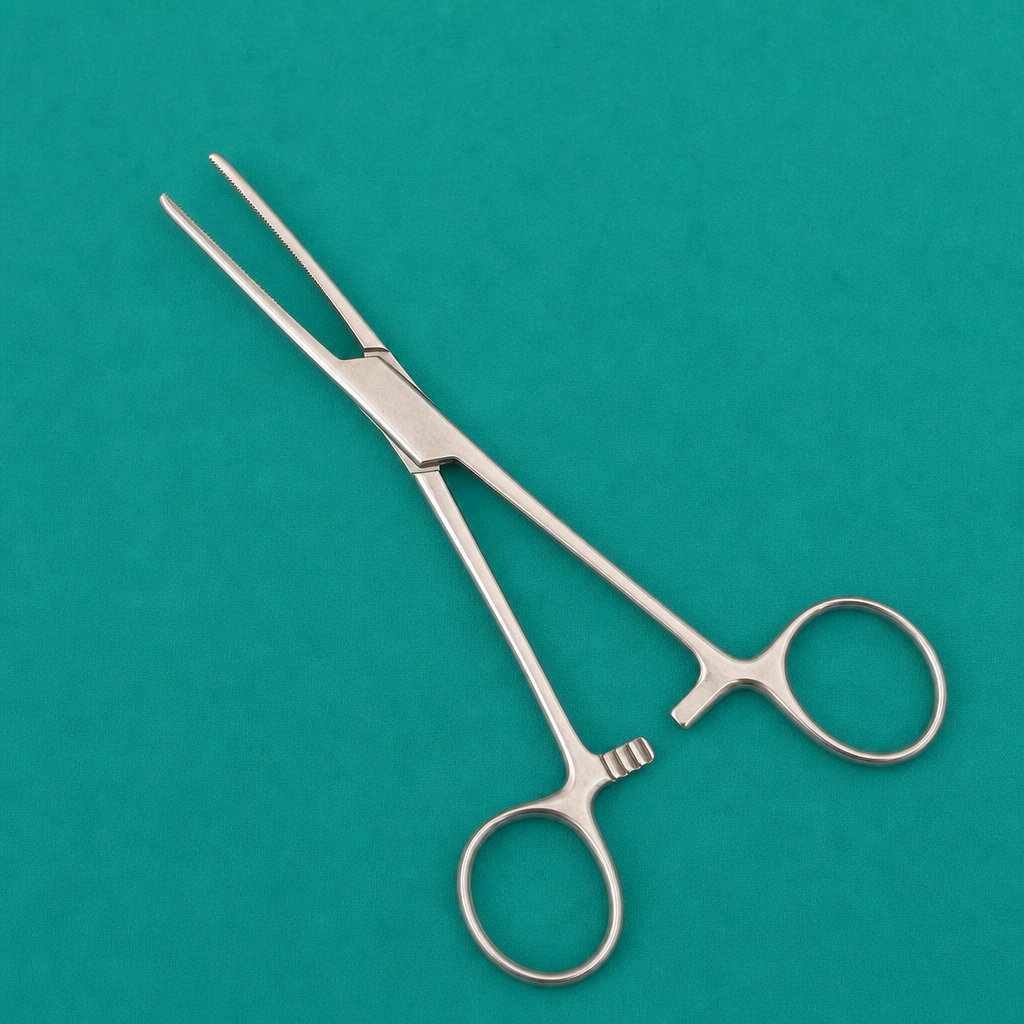
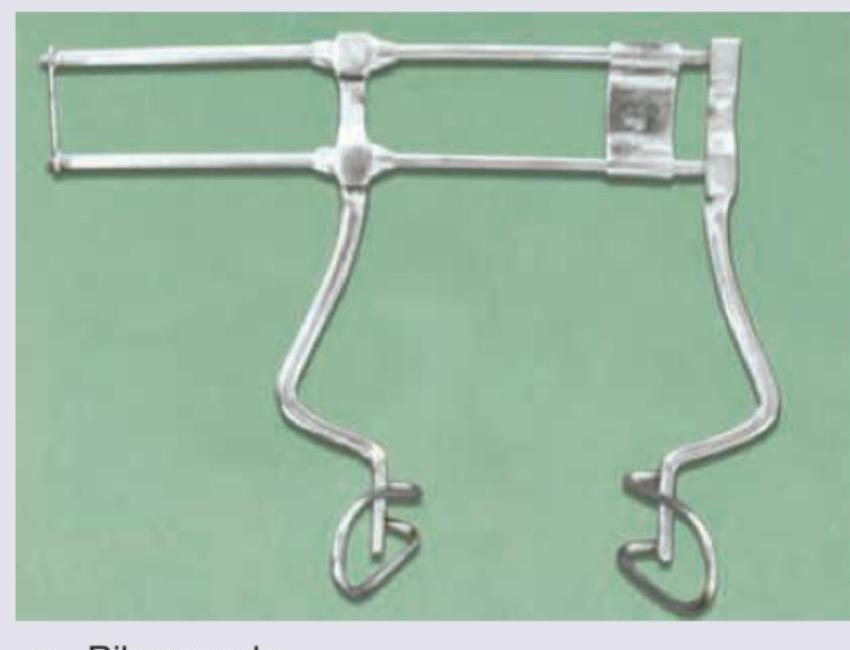
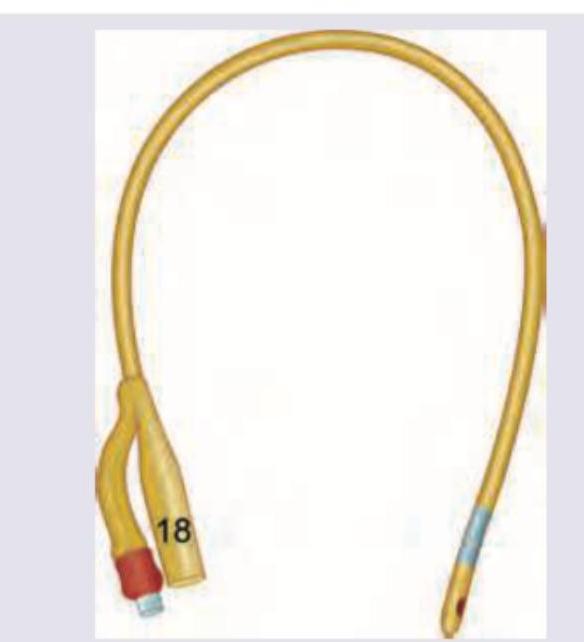
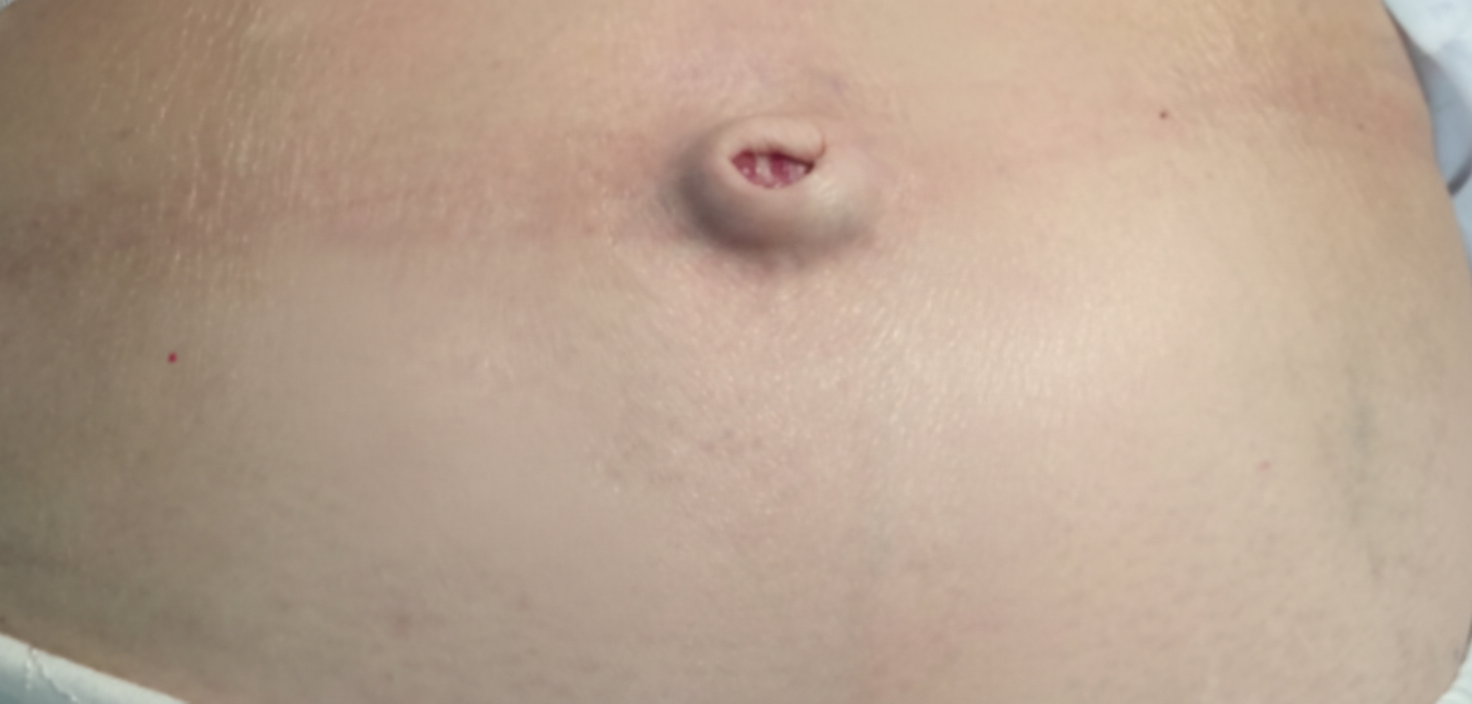
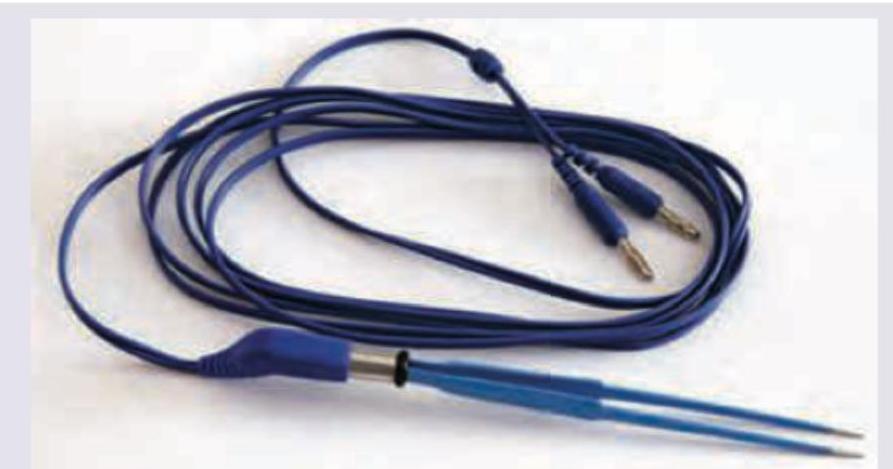
You are examining a direct inguinal hernia in a 45-year-old man. On examination, the swelling is doughy in consistency and dull on percussion. The swelling is reducible, but reduction is difficult towards the end. What is your diagnosis?
High incidence of oral malignancies is attributed to which of the following factors?
HIPEC is used for?
Regarding the management of diabetic foot, which of the following statements are TRUE?
Which of the following conditions does NOT show fibrosis?
In a patient receiving total parenteral nutrition, what is monitored daily?
A tumor arising in a burns scar is likely to be?
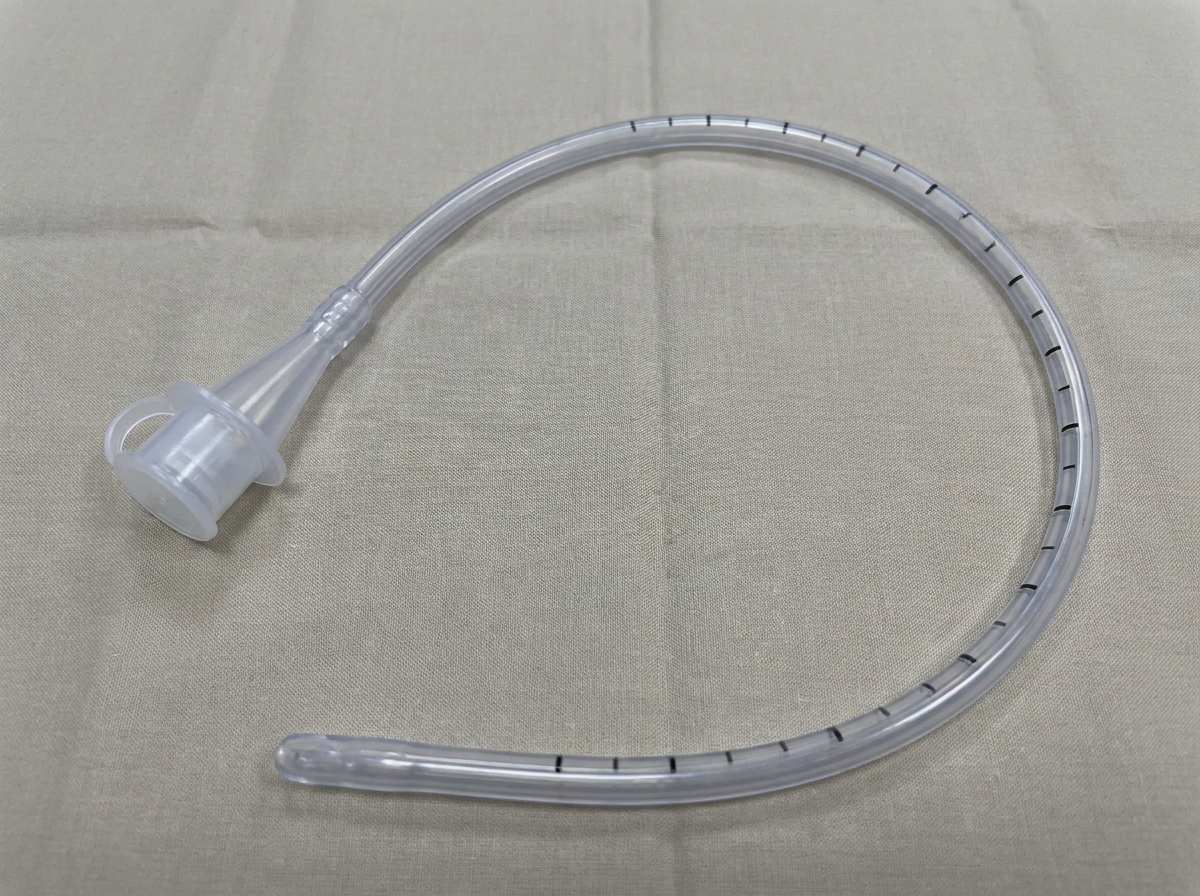
What is the recommended patient position for optimal insertion of a Ryle's tube?
Which of the following is NOT included in the SIRS criteria?
According to NHS protocol, what is the correct sequence for surgical handovers and checks?
Explanation: ### Explanation The clinical presentation described is classic for an **Epiplocele**, which occurs when the omentum is the content of the hernia sac. **1. Why Epiplocele is correct:** * **Consistency:** Omentum is fatty tissue, giving the swelling a characteristic **doughy or granular** feel on palpation. * **Percussion:** Since the omentum is solid tissue (unlike air-filled bowel), it yields a **dull note** on percussion. * **Reducibility:** Omentum is often the first part to enter and the last part to leave the sac. Reduction is typically easy at first but becomes **difficult towards the end** because the omentum often becomes congested or adherent to the neck of the sac. **2. Why other options are incorrect:** * **Enterocele (B):** This refers to small bowel as the content. It is typically **elastic/distended** in consistency, **resonant** on percussion (due to gas), and reduction is often associated with a characteristic **gurgling sound**. It is usually difficult to start reducing but "slips" back easily at the end. * **Cystocele (A):** This involves the urinary bladder. While it can occur in direct hernias (as a sliding hernia), it usually presents with urinary symptoms (Micturition in two stages) and changes size after voiding. * **Hydrocele (D):** This is a collection of fluid within the tunica vaginalis. It is typically **fluctuant**, **transilluminant**, and most importantly, you **cannot "get above" the swelling** in the scrotum. It is not reducible. **Clinical Pearls for NEET-PG:** * **Direct Inguinal Hernia:** Occurs through Hesselbach’s triangle, medial to the inferior epigastric vessels. It is rarely found in the scrotum and has a lower risk of strangulation compared to indirect hernias. * **Content Rule:** In an enterocele, the *last* part to be reduced is the *most* difficult (opposite of epiplocele). * **Richter’s Hernia:** Only a part of the bowel wall circumference is trapped; it can strangulate without causing complete intestinal obstruction.
Explanation: **Explanation:** The primary risk factor for oral malignancies, particularly in the Indian subcontinent, is the chronic use of **Pan (betel quid)**. Pan typically contains betel leaf, areca nut, slaked lime, and often tobacco. The underlying medical mechanism involves both chemical and mechanical irritation. **Areca nut** contains alkaloids (like arecoline) that induce fibroblastic proliferation, leading to **Oral Submucous Fibrosis (OSMF)**, a potent premalignant condition. When combined with **tobacco**, the nitrosamines act as potent carcinogens, causing DNA damage and squamous cell carcinoma. **Analysis of Options:** * **Option A (Correct):** Pan chewing is the single most significant epidemiological factor in South Asia, leading to a high "field cancerization" effect in the oral cavity. * **Option B (Incorrect):** While poor oral hygiene and jagged teeth can cause chronic mechanical trauma (leading to ulcers), they are considered secondary or contributory factors rather than the primary driver of high incidence. * **Option C (Incorrect):** HPV (specifically strains 16 and 18) is strongly associated with **Oropharyngeal cancer** (tonsils and base of tongue), but in the Indian context, oral cavity proper cancers are overwhelmingly linked to chewable tobacco. * **Option D (Incorrect):** Poor nutrition (e.g., Vitamin A and iron deficiency/Plummer-Vinson syndrome) predisposes to mucosal atrophy, but it is not the leading cause compared to direct carcinogen exposure. **Clinical Pearls for NEET-PG:** * **Most common site** of oral cancer in India: **Buccal mucosa** (due to the "tobacco pouch" habit). * **Most common histological type:** Squamous Cell Carcinoma (SCC). * **Premalignant conditions:** Erythroplakia (highest transformation risk), Leukoplakia, and OSMF. * **Field Cancerization:** A concept where the entire mucosal surface exposed to a carcinogen is at risk of developing multiple primary tumors.
Explanation: **Explanation:** **HIPEC (Hyperthermic Intraperitoneal Chemotherapy)** is a specialized treatment modality used primarily for **peritoneal carcinomatosis** (metastasis to the lining of the abdominal cavity). The procedure involves two main steps: 1. **Cytoreductive Surgery (CRS):** All visible tumor nodules are surgically removed from the abdomen. 2. **Chemotherapy Infusion:** Heated chemotherapy drugs (usually 41°C to 43°C) are circulated within the abdominal cavity for 60–90 minutes. **Why Option C is correct:** The "Hyperthermic" component enhances the cytotoxicity of the chemotherapy and increases drug penetration into any remaining microscopic tumor cells. By delivering the drug directly into the peritoneum, a high local concentration is achieved with minimal systemic toxicity, making it the gold standard for peritoneal surface malignancies (e.g., pseudomyxoma peritonei, mesothelioma, and select cases of colorectal or ovarian cancer). **Why other options are incorrect:** * **Option A:** Bone metastases are typically identified using Technetium-99m MDP bone scans or PET-CT. * **Option B:** Breast cancer screening relies on Mammography (standard) or MRI (high-risk patients). * **Option C:** Tuberculosis (specifically abdominal TB) is diagnosed via imaging (CT), ADA levels in ascitic fluid, or laparoscopy with biopsy. **High-Yield Clinical Pearls for NEET-PG:** * **Sugarbaker’s Procedure:** Another name for the combination of CRS and HIPEC. * **Common Drugs used:** Mitomycin C (Colorectal), Cisplatin/Doxorubicin (Ovarian/Mesothelioma), and Oxaliplatin. * **PCI (Peritoneal Cancer Index):** A scoring system used to determine the extent of peritoneal spread and eligibility for HIPEC. * **Best Prognosis:** HIPEC shows the best outcomes in **Pseudomyxoma Peritonei** (secondary to appendiceal mucinous neoplasms).
Explanation: The management of diabetic foot requires a multidisciplinary approach focusing on metabolic control, wound care, and limb salvage. **Explanation of the Correct Answer (B):** * **Strict Diabetic Control:** Essential to improve leukocyte function, enhance wound healing, and prevent the progression of neuropathy and vasculopathy. * **Topical Antibiotics:** Used as an adjunct in managing superficial infections and reducing bacterial load in the ulcer bed. * **Trophic Ulcers:** Diabetic ulcers are classic examples of trophic ulcers, resulting from a combination of **sensory neuropathy** (loss of protective sensation), **autonomic neuropathy** (dry, cracked skin), and **motor neuropathy** (deformity leading to abnormal pressure points). * **Venous System Involvement:** Diabetic foot is primarily a disease of the **arterial system** (macro and microangiopathy) and the nervous system. Venous involvement is not a primary pathophysiological feature. * **Early Amputation:** The goal of modern management is **limb salvage**. Amputation is a last resort, reserved for non-viable tissue, life-threatening sepsis, or intractable pain in a non-reconstructible limb. **Why Other Options are Incorrect:** * **Option A:** Incorrectly identifies venous system involvement as true. * **Option C & D:** Incorrect because the statements are a mix of established clinical truths and false surgical practices. **NEET-PG High-Yield Pearls:** * **Wagner’s Classification:** Most commonly used for grading diabetic foot ulcers (Grade 0 to 5). * **Monofilament Test:** The 10g Semmes-Weinstein monofilament is the gold standard for screening "at-risk" feet. * **Offloading:** The single most important factor in healing a neuropathic ulcer (e.g., Total Contact Casting). * **Investigation of Choice:** MRI is the most sensitive imaging for detecting osteomyelitis in diabetic foot.
Explanation: **Explanation:** The correct answer is **Buruli ulcer**. The underlying medical concept involves the unique pathogenesis of *Mycobacterium ulcerans*, the causative organism. **1. Why Buruli Ulcer is the correct answer:** Unlike most chronic ulcers, Buruli ulcer is characterized by extensive **coagulative necrosis** of the subcutaneous fat and dermis without significant fibrosis or acute inflammatory cell infiltration. This is due to the production of a potent lipid toxin called **Mycolactone**. Mycolactone has cytotoxic and immunosuppressive properties that inhibit the recruitment of inflammatory cells and the subsequent healing process (fibroblasts/collagen deposition), leading to a "painless" ulcer with deeply undermined edges and a lack of scarring in the active stage. **2. Why the other options are incorrect:** * **Marjolin’s Ulcer:** This is a squamous cell carcinoma arising in a background of chronic scarring or old burn wounds. Dense **fibrosis** and cicatrization are hallmark features of the pre-existing scar. * **Venous Ulcer:** These occur due to chronic venous hypertension. The pathology involves **lipodermatosclerosis**, where there is significant capillary proliferation and pericapillary fibrin deposition leading to dermal fibrosis. * **Peptic Ulcer:** Chronic peptic ulcers are defined by a base consisting of four layers: necrotic debris, non-specific inflammation, granulation tissue, and a deep layer of **fibrous cicatricial tissue** (scarring). **High-Yield NEET-PG Pearls:** * **Buruli Ulcer:** Caused by *M. ulcerans*; toxin is **Mycolactone**; classic feature is **undermined edges**. * **Marjolin’s Ulcer:** Most common site is the lower limb; it is more aggressive than typical SCC but has slow lymphatic spread due to the dense surrounding fibrosis. * **Rule of thumb:** Most chronic inflammatory ulcers heal by secondary intention, which inherently involves fibrosis. Buruli ulcer is the notable exception due to its toxin-mediated necrosis.
Explanation: **Explanation:** Monitoring a patient on Total Parenteral Nutrition (TPN) is critical to prevent metabolic and fluid-related complications. **Why Body Weight is the Correct Answer:** Daily measurement of **body weight** is the most sensitive and practical bedside indicator of a patient's **fluid status**. In the initial phase of TPN, rapid weight gain (e.g., >0.5–1.0 kg/day) usually signifies fluid overload or pulmonary edema rather than true tissue accretion. Conversely, weight loss may indicate inadequate caloric intake or dehydration. Therefore, it is the primary parameter monitored **daily** to adjust fluid and electrolyte administration. **Analysis of Incorrect Options:** * **Plasma Protein (B):** Albumin and pre-albumin have long half-lives (approx. 20 days and 2 days, respectively). They reflect nutritional trends over weeks or several days, making daily monitoring unnecessary and clinically unhelpful. * **Complete Blood Count (C):** CBC is typically monitored 1–2 times per week to check for signs of infection (leukocytosis) or anemia, unless an acute complication is suspected. * **Plasma Osmolality (D):** While TPN is hypertonic, plasma osmolality is generally monitored via indirect markers like serum glucose and electrolytes. It is not a routine daily requirement unless the patient is at high risk for hyperosmolar non-ketotic states. **High-Yield Clinical Pearls for NEET-PG:** * **Daily Monitoring:** Body weight, Intake/Output (I/O) charts, and Blood Glucose (often 6-hourly initially). * **Bi-weekly/Weekly Monitoring:** Electrolytes (BUN, Cr, Na, K), Liver Function Tests (LFTs), and CBC. * **Refeeding Syndrome:** Watch for sudden drops in **Phosphate, Magnesium, and Potassium** when starting TPN in malnourished patients. * **Most common complication:** Catheter-related sepsis (specifically *Staphylococcus aureus* or *Candida*).
Explanation: **Explanation:** The correct answer is **Squamous cell carcinoma (SCC)**. A malignancy arising in a site of chronic irritation, chronic non-healing ulcers, or old burn scars is classically known as a **Marjolin’s ulcer**. **Why Squamous Cell Carcinoma is correct:** The underlying mechanism involves chronic inflammation and repeated attempts at tissue repair in a relatively avascular scar. This persistent cellular turnover, combined with poor lymphatic drainage in the fibrotic tissue, predisposes the epithelium to malignant transformation. While Marjolin’s ulcers can occur in various chronic wounds (like osteomyelitis sinuses), they are most characteristically associated with **post-burn cicatrices**. These tumors are typically more aggressive and have a higher rate of metastasis than standard SCC. **Why other options are incorrect:** * **Basal cell carcinoma (BCC):** While BCC is the most common skin cancer overall, it typically occurs on sun-exposed healthy skin. It is rarely associated with burn scars. * **Malignant melanoma:** This arises from melanocytes and is primarily linked to UV radiation and genetic factors, not chronic scar tissue. * **Fibrosarcoma:** This is a mesenchymal tumor. While radiation scars can occasionally predispose to sarcomas, epithelial malignancies (SCC) are far more common in burn scars. **High-Yield Clinical Pearls for NEET-PG:** * **Latency Period:** The average time from the initial burn to the development of Marjolin’s ulcer is **30–35 years** (chronic type). * **Characteristic Feature:** The ulcer usually has **everted edges** and a foul-smelling discharge. * **Management:** Wide local excision (usually with a 2 cm margin) or amputation is the treatment of choice. * **Biopsy:** Always perform a biopsy on any ulcer arising in an old scar that shows new growth, bleeding, or induration.
Explanation: ### Explanation The correct position for Ryle’s tube (Nasogastric tube) insertion is the **sitting position with the neck slightly flexed**. **Why it is correct:** The goal during NG tube insertion is to guide the tube into the esophagus while avoiding the trachea. 1. **Sitting/High-Fowler’s position** uses gravity to help the tube descend and reduces the risk of aspiration. 2. **Neck Flexion (Chin-to-chest):** This is the most critical maneuver. Flexing the neck narrows the airway opening (laryngeal inlet) and widens the esophageal opening. It also facilitates the "swallowing" reflex, which further helps the tube enter the esophagus. **Why other options are incorrect:** * **Sitting with neck extended:** Extending the neck straightens the path to the trachea, significantly increasing the risk of accidental tracheal intubation and lung trauma. * **Left lateral position:** While used for gastric lavage or in unconscious patients to prevent aspiration, it is not the "optimal" position for active insertion in a conscious patient as it lacks the anatomical advantage of flexion. * **Supine position:** This increases the risk of the tube coiling in the pharynx and poses a high risk of aspiration if the patient gags or vomits. **High-Yield Clinical Pearls for NEET-PG:** * **Measurement:** Measure the tube length from the **Nose to the Earlobe to the Xiphoid process (NEX)**. * **Gold Standard Confirmation:** A **Chest X-ray** is the most reliable method to confirm correct placement. * **Bedside Confirmation:** Aspirating gastric contents (pH <5.5) is the preferred bedside method. The "whoosh test" (auscultation over the epigastrium) is now considered unreliable. * **Contraindication:** Avoid NG tubes in patients with **Basal Skull Fractures** (risk of intracranial insertion) or **Esophageal Varices/Strictures**.
Explanation: The **Systemic Inflammatory Response Syndrome (SIRS)** is a clinical syndrome characterized by a robust inflammatory response to various insults (infectious or non-infectious). The criteria focus on vital signs and laboratory parameters rather than end-organ dysfunction. ### Why Oliguria is the Correct Answer **Oliguria** (low urine output) is a sign of **organ dysfunction** (specifically acute kidney injury). While it is a critical component of the **SOFA (Sequential Organ Failure Assessment) score** and is used to define "Severe Sepsis" in older classifications, it is **not** part of the four SIRS criteria. ### Explanation of Incorrect Options The SIRS criteria require at least **two** of the following: * **Tachycardia (Option B):** Heart rate > 90 beats per minute. * **Leukocytosis/Leukopenia (Options C & D):** White blood cell count > 12,000/mm³, < 4,000/mm³, or > 10% immature (band) forms. * **Temperature:** > 38°C (100.4°F) or < 36°C (96.8°F). * **Tachypnea:** Respiratory rate > 20 breaths per minute or PaCO₂ < 32 mmHg. ### High-Yield Clinical Pearls for NEET-PG * **Sepsis Definition:** Sepsis was traditionally defined as SIRS + a documented source of infection. However, the **Sepsis-3 guidelines** now define sepsis as life-threatening organ dysfunction caused by a dysregulated host response to infection (SOFA score increase of ≥2). * **qSOFA (Quick SOFA):** A bedside tool used to identify patients at risk of poor outcomes. It includes: 1. Altered mental status (GCS < 15) 2. Systolic BP ≤ 100 mmHg 3. Respiratory rate ≥ 22/min. * **Note:** SIRS is sensitive but not specific; it can be triggered by trauma, burns, or pancreatitis without infection.
Explanation: The correct sequence follows the **WHO Surgical Safety Checklist**, which has been adopted globally (including by the NHS) to reduce morbidity and mortality in the operating theatre. The protocol is designed to follow the chronological flow of a surgical procedure: 1. **Sign In (Before Induction of Anesthesia):** This occurs before the patient is anesthetized. It involves confirming the patient’s identity, the surgical site, the procedure, and consent. It also includes checks for anesthesia safety, pulse oximetry, and allergy/airway risks. 2. **Time Out (Before Skin Incision):** This is a "surgical pause" involving the entire team (surgeon, anesthetist, and nurse). They verbally confirm the patient’s name, the procedure, the site, and anticipate critical events (blood loss, equipment needs, antibiotic prophylaxis). 3. **Sign Out (Before the Patient Leaves the OR):** This occurs during or immediately after wound closure. The nurse verbally confirms the name of the procedure, ensures instrument/sponge counts are correct, and labels any specimens. **Why other options are incorrect:** * **Options A, B, and D** are incorrect because they disrupt the logical clinical timeline. You cannot "Sign Out" (post-op) before you "Sign In" (pre-op), and the "Time Out" must occur immediately before the incision to ensure the final safety check is fresh in the team's mind. **High-Yield Clinical Pearls for NEET-PG:** * **Origin:** The checklist was introduced by the WHO in **2008** (Safe Surgery Saves Lives campaign). * **Goal:** To reduce "Never Events" (e.g., wrong-site surgery). * **Key Step:** The **Time Out** is the only phase where the *entire* surgical team must stop and participate simultaneously. * **Antibiotics:** Administration of prophylactic antibiotics (if indicated) should be confirmed during the **Time Out** (ideally within 60 minutes before incision).
Wound Healing and Care
Practice Questions
Surgical Infections
Practice Questions
Fluid and Electrolyte Management
Practice Questions
Nutrition in Surgical Patients
Practice Questions
Hemostasis and Blood Transfusion
Practice Questions
Surgical Instruments and Equipment
Practice Questions
Sutures and Stapling Devices
Practice Questions
Minimal Access Surgery Principles
Practice Questions
Surgical Complications
Practice Questions
Anesthesia Principles for Surgeons
Practice Questions
Surgical Oncology Principles
Practice Questions
Evidence-Based Surgery
Practice Questions
Get full access to all questions, explanations, and performance tracking.
Start For Free