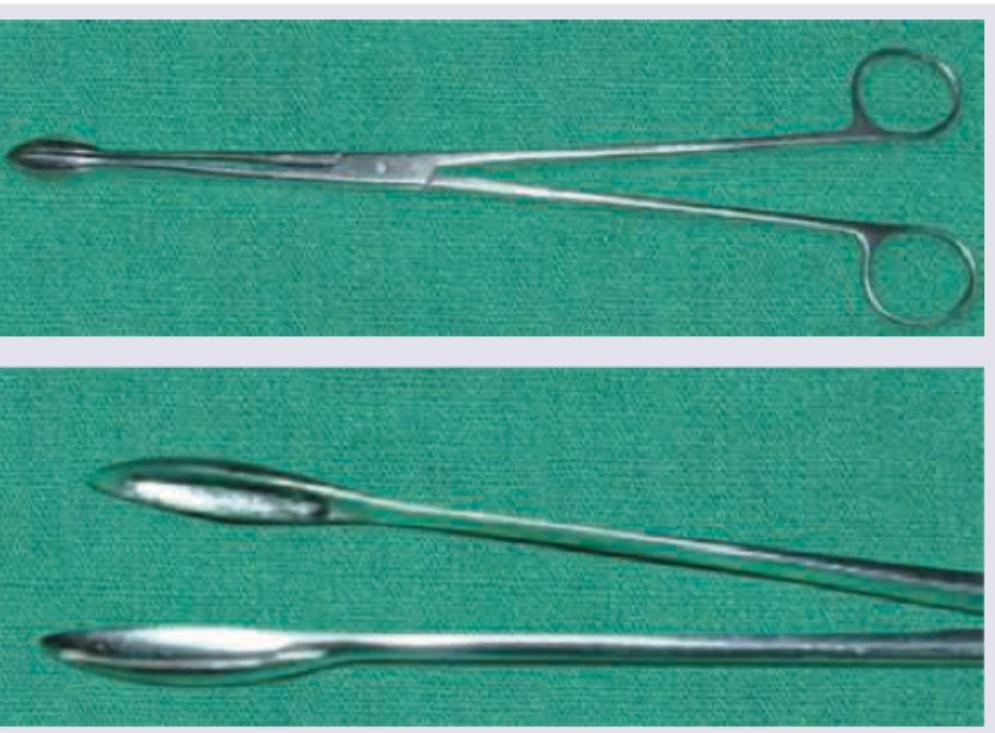
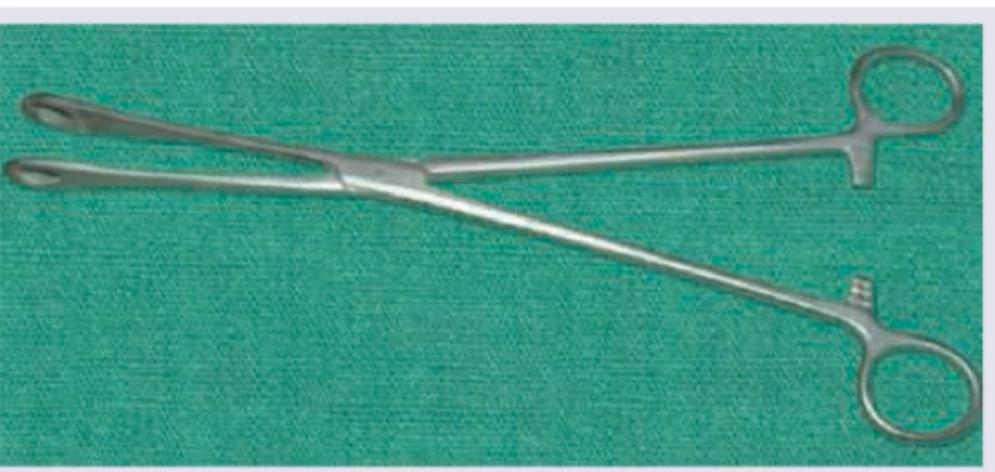
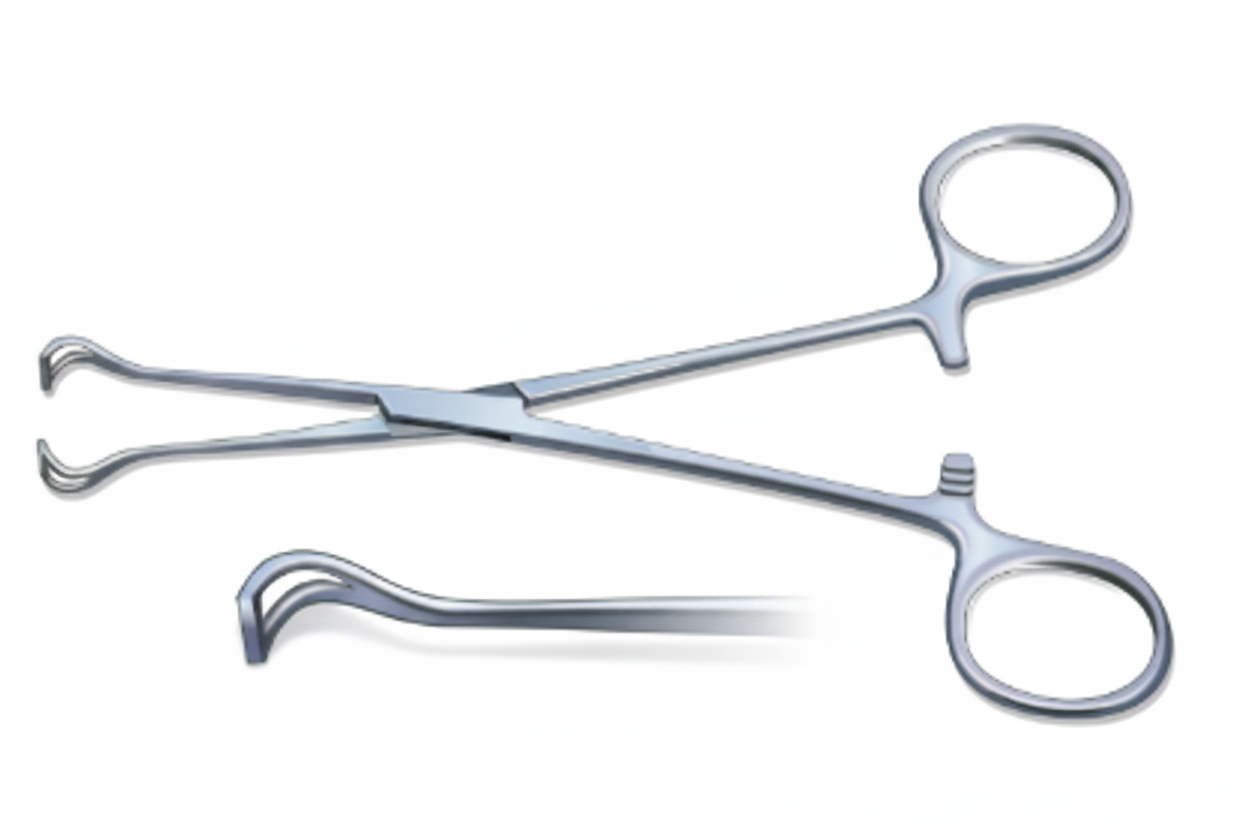
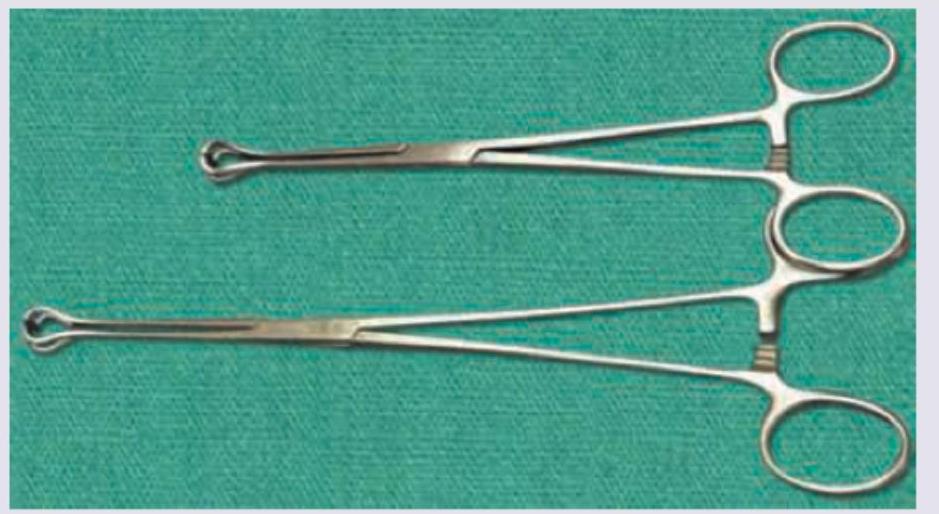
Which of the following is NOT an indication for splenectomy?
A clean and small wound heals by what intention?
Which of the following structures can be a sliding constituent of a large direct inguinal hernia?
Suturing in facial wound injuries should ideally be performed within what timeframe?
True about indirect inguinal hernia?
All are true about a femoral hernia EXCEPT?
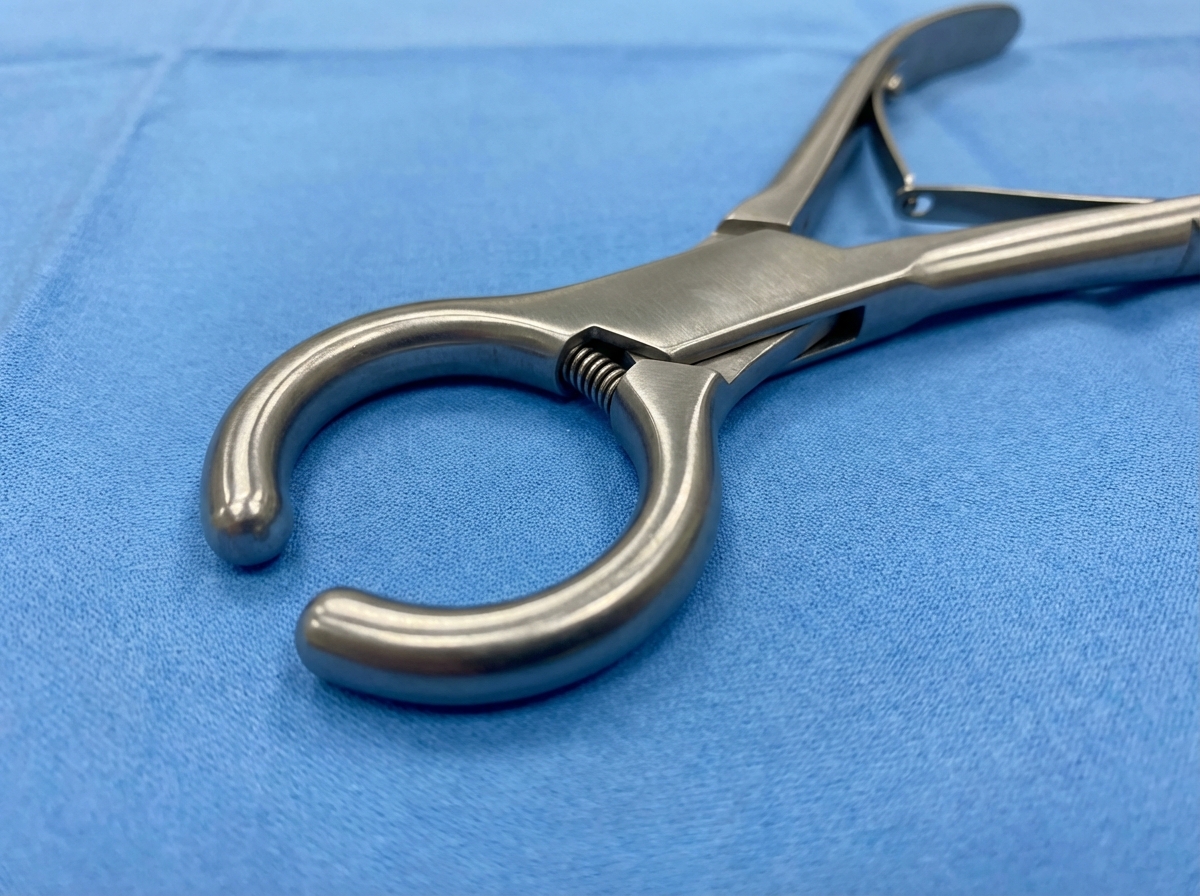
The principle of pole dilatation is primarily utilized by which instrument?
Who introduced catgut in surgery?
What is the relation of the hernial sac to the spermatic cord in a direct inguinal hernia?
Tissue adhesive glue contains which of the following substances?
Explanation: **Explanation:** The correct answer is **Chediak-Higashi syndrome**. This is an autosomal recessive disorder characterized by a defect in the **LYST gene**, leading to impaired microtubule assembly and giant lysosomal granules. While patients present with partial albinism, recurrent pyogenic infections, and progressive neurological defects, the primary treatment is **Bone Marrow Transplantation**. Splenectomy is not a standard indication as it does not address the underlying phagocytic defect. **Analysis of other options:** * **Hereditary Spherocytosis:** Splenectomy is the **treatment of choice** for moderate to severe cases. It eliminates the site of premature red cell destruction (the splenic cords), thereby curing the anemia and preventing gallstone formation. * **Hairy Cell Leukemia:** While Cladribine is the modern drug of choice, splenectomy is indicated for patients with massive splenomegaly causing discomfort or severe cytopenias (hypersplenism) that do not respond to systemic therapy. * **Immune Thrombocytopenic Purpura (ITP):** Splenectomy is a classic **second-line treatment** for patients who fail corticosteroid therapy. It removes both the primary site of platelet destruction and a major source of anti-platelet antibody production. **Clinical Pearls for NEET-PG:** * **Vaccination:** Post-splenectomy patients must receive vaccinations against encapsulated organisms (*S. pneumoniae, H. influenzae, N. meningitidis*) ideally **2 weeks before** elective surgery or **2 weeks after** emergency surgery. * **Blood Picture:** Look for **Howell-Jolly bodies**, Pappenheimer bodies, and Heinz bodies on a peripheral smear post-splenectomy. * **OPSI:** Overwhelming Post-Splenectomy Infection is most commonly caused by *Streptococcus pneumoniae*.
Explanation: **Explanation:** Wound healing is categorized based on the nature of the wound and the timing of closure. **1. Why Primary Intention is Correct:** Healing by **Primary Intention** (or Primary Union) occurs when a wound is clean, uninfected, and has minimal tissue loss. The edges are surgically apposed using sutures, staples, or adhesive tape. Because the wound edges are close together, there is minimal formation of granulation tissue and a very small scar. This is the fastest and most common method of healing for surgical incisions and small, clean lacerations. **2. Why the Other Options are Incorrect:** * **Secondary Intention:** This occurs when there is extensive tissue loss or infection (e.g., pressure sores or large ulcers). The wound is left open to heal from the "bottom up" through the formation of abundant granulation tissue and significant **wound contraction** (mediated by myofibroblasts). It results in a larger, more prominent scar. * **Tertiary Intention (Delayed Primary Closure):** This is used for contaminated or traumatic wounds. The wound is initially left open for 3–5 days to ensure no infection develops, then surgically closed once the bacterial count is low. It combines the principles of both secondary (initial phase) and primary (final closure) intention. **High-Yield Clinical Pearls for NEET-PG:** * **Key Cell:** The **Myofibroblast** is the hallmark cell of secondary intention, responsible for wound contraction. * **Tensile Strength:** At 1 week (suture removal), strength is ~10%. It reaches a maximum of **70-80%** of original skin strength by 3 months; it never reaches 100%. * **Collagen Shift:** During remodeling, Type III collagen (immature) is replaced by **Type I collagen** (mature/strong).
Explanation: In a **sliding hernia** (hernia en glissade), a portion of a retroperitoneal organ forms part of the wall of the hernia sac rather than being entirely contained within it. This occurs because the organ is dragged down by the peritoneum as it herniates through the defect. **Explanation of the Correct Answer:** * **A. Bladder:** The urinary bladder is a retroperitoneal/extraperitoneal structure located medially to the inguinal canal. In **direct inguinal hernias**, which occur through Hesselbach’s triangle (medial to the inferior epigastric vessels), the bladder is the most common sliding constituent. As the direct sac protrudes forward, it frequently pulls the bladder wall along with it. **Explanation of Incorrect Options:** * **B & C. Sigmoid Colon and Caecum:** These are the most common sliding constituents in **indirect inguinal hernias**. Because indirect hernias pass through the deep inguinal ring (lateral to the inferior epigastric vessels), they are more likely to involve the sigmoid (on the left) or the caecum (on the right). * **D. Appendix:** While the appendix can be found inside a hernia sac (known as **Amyand’s Hernia**), it is usually a content of the sac rather than a "sliding" component of the wall itself. **NEET-PG High-Yield Pearls:** 1. **Definition:** In a sliding hernia, the organ is **extra-saccular** (forms the wall). 2. **Clinical Caution:** The most important surgical pearl is to avoid opening the sac anteriorly or ligating it too high, as this can lead to accidental injury to the bladder or bowel. 3. **Side Predilection:** Sliding hernias are more common on the **left side** (sigmoid) and in **elderly males**. 4. **Direct vs. Indirect:** Remember: **Direct = Bladder**; **Indirect = Sigmoid/Caecum.**
Explanation: **Explanation:** The primary concern in wound management is the risk of infection and the "Golden Period" for primary closure. For most traumatic wounds, the standard timeframe for primary suturing is within **6 hours**. **1. Why 6 hours is correct:** This timeframe is based on the bacterial growth curve. After an injury, bacteria contaminate the wound but require time to colonize and multiply to a critical level (typically $>10^5$ organisms per gram of tissue). Within the first 6 hours, the wound is considered "contaminated" but not yet "infected." Primary closure during this window significantly reduces the risk of wound dehiscence and sepsis. **2. Analysis of Incorrect Options:** * **2 & 4 hours (Options A & C):** While suturing earlier is always better for tissue viability, these timeframes are unnecessarily restrictive. The risk of infection does not increase significantly between hours 2 and 6. * **8 hours (Option D):** By 8 hours, the bacterial load often reaches the threshold for clinical infection. Closing a wound after this period (especially on the trunk or limbs) increases the risk of trapping pathogens, leading to abscess formation. **3. Clinical Pearls for NEET-PG:** * **The Exception (Face and Scalp):** Due to the **excellent vascularity** of the face and scalp, the "Golden Period" can often be extended up to **12–24 hours**. However, in standard surgical teaching and general MCQ patterns, 6 hours remains the classic benchmark for primary closure. * **Primary vs. Delayed Primary Closure:** Wounds presenting after 6–8 hours (or heavily soiled wounds) should be managed by **Delayed Primary Closure (Third Intention)**—usually performed 3–5 days later after ensuring the wound is clean. * **Bites:** Human and animal bites are generally not closed primarily (regardless of the timeframe) due to high polymicrobial contamination, except in specific cosmetic areas like the face where loose suturing may be considered.
Explanation: **Explanation:** The correct answer is **A**. An **indirect inguinal hernia** occurs when abdominal contents protrude through the **deep inguinal ring**, lateral to the inferior epigastric artery. This is typically due to a congenital patency of the *processus vaginalis*. Because the hernia sac enters the internal (deep) ring, it travels the entire length of the inguinal canal and exits through the **superficial inguinal ring** to potentially enter the scrotum. **Analysis of Options:** * **Option B & C:** These are incorrect because the indirect hernia is defined by its passage through the entire inguinal canal. It enters at the deep ring and exits at the superficial ring. * **Option D:** This describes a **Direct Inguinal Hernia**. Direct hernias protrude through a weakness in the posterior wall of the inguinal canal (fascia transversalis) within **Hesselbach’s triangle**, medial to the inferior epigastric artery. They do not pass through the deep ring. **NEET-PG High-Yield Pearls:** 1. **Relation to Vessels:** Indirect hernias are **lateral** to the inferior epigastric artery; Direct hernias are **medial**. 2. **Internal Inguinal Ring Test:** If the hernia is controlled by pressure over the deep ring (1.25 cm above the mid-inguinal point), it is an **Indirect hernia**. 3. **Coverings:** Indirect hernias are covered by all three layers of the spermatic fascia (Internal, Cremasteric, and External). 4. **Demographics:** Indirect is the most common type of hernia in both males and females, and it is the most common type to undergo strangulation.
Explanation: **Explanation:** The correct answer is **C (Cough impulse is present)** because, in the case of a femoral hernia, a cough impulse is **frequently absent**. This is due to the narrow, rigid boundaries of the femoral canal (specifically the lacunar ligament) and the fact that the hernia sac is often plugged with omental fat or becomes incarcerated early. **Analysis of Options:** * **A. Common in multiparous women:** True. While inguinal hernias are the most common hernia in both sexes, femoral hernias occur more frequently in females (F:M ratio of 3:1) due to the wider female pelvis and the stretching of pelvic ligaments during multiple pregnancies. * **B. Lockwood infra-inguinal approach:** True. This is a low approach used for elective, reducible femoral hernias. Other surgical approaches include Lotheissen’s (trans-inguinal) and McEvedy’s (high/supra-inguinal), the latter being preferred for strangulated cases. * **D. Higher incidence of strangulation:** True. The femoral canal is narrow and unyielding. Approximately 30-40% of femoral hernias present as emergencies with strangulation, a much higher rate than inguinal hernias. **Clinical Pearls for NEET-PG:** * **Anatomy:** The femoral canal is bounded medially by the **Lacunar (Gimbernat’s) ligament**, which is usually the site of constriction leading to strangulation. * **Position:** A femoral hernia is located **below and lateral** to the pubic tubercle (whereas an inguinal hernia is above and medial). * **Management:** Because of the high risk of strangulation, all femoral hernias should be repaired surgically as soon as possible; "truss" treatment is contraindicated.
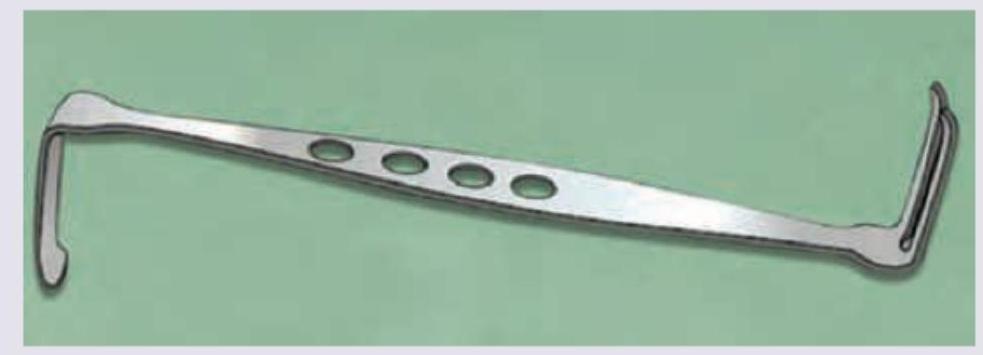
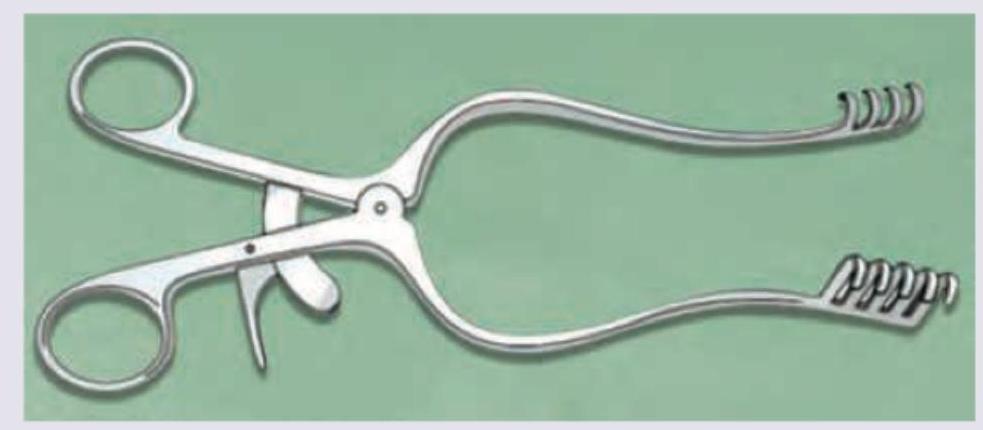
Explanation: **Explanation:** The principle of **pole dilatation** is a fundamental mechanical concept used in tooth extraction, specifically associated with the use of **dental forceps**. 1. **Why Forceps is Correct:** Dental forceps act as a lever of the first class. When the beaks of the forceps are applied to the root of a tooth and pressure is exerted, the force is transmitted to the alveolar bone. This results in the expansion of the bony socket (dilatation) along the long axis of the tooth. By rocking the tooth back and forth (bucco-lingual movement), the "poles" or the margins of the socket are widened, allowing the tooth to be delivered. 2. **Why Elevator is Incorrect:** Elevators primarily work on the principles of the **Lever** (first class), the **Wedge**, and the **Wheel and Axle**. While they help in luxating the tooth by severing periodontal ligaments and creating space, they do not utilize the specific "pole dilatation" mechanism, which requires the dual-sided grasping and rocking action unique to forceps. 3. **Why C and D are Incorrect:** Since the mechanism is specific to the gripping and expansion action of forceps, these options are logically excluded. **High-Yield Clinical Pearls for NEET-PG:** * **Forceps Principle:** Primarily a First-Class Lever. * **Elevator Principles:** * *Lever Principle:* Most common (e.g., Coupland’s elevator). * *Wedge Principle:* Used when the elevator is inserted between the root and the alveolar wall. * *Wheel and Axle:* Specifically used by the **Winter’s Cryer elevator** to remove mandibular roots. * **Key Goal:** The ultimate objective of pole dilatation is to expand the cortical plates of the alveolar bone to a diameter greater than the widest part of the tooth root.
Explanation: **Explanation:** The correct answer is **John Hunter (C)**. John Hunter, often referred to as the "Father of Modern Surgery," was the first to introduce and use **catgut** as an absorbable suture material in surgical practice. He utilized it for ligating arteries, recognizing its ability to be absorbed by the body over time, which was a revolutionary step in reducing post-operative infection and foreign body reactions. **Analysis of Options:** * **John Hunter (Correct):** Beyond catgut, he is famous for his work on inflammation, gunshot wounds, and the ligation of the femoral artery in Hunter’s canal for popliteal aneurysms. * **Lord Lister (Incorrect):** While Lister is the "Father of Antiseptic Surgery," he did not introduce catgut. However, he is credited with **improving** it by developing "chromic catgut" (treating it with chromic acid) to delay its absorption and making it sterile using carbolic acid. * **Astley Cooper (Incorrect):** A student of Hunter, he is best known for his work on hernia (Cooper’s ligament) and breast anatomy (Cooper’s ligaments), but not for the introduction of catgut. * **Syme (Incorrect):** James Syme was a pioneer in amputations (Syme’s amputation at the ankle) and was a mentor to Joseph Lister, but not the innovator of catgut. **NEET-PG High-Yield Pearls:** * **Catgut Source:** Despite the name, it is derived from the sub-mucosa of the **sheep’s intestine** or the serosa of **bovine intestine** (99% collagen). * **Absorption:** It is absorbed by **proteolytic enzymatic digestion**, not hydrolysis (unlike synthetic absorbables). * **Chromic Catgut:** Lasts longer (10–14 days) compared to plain catgut (3–7 days). * **Father of Antiseptic Surgery:** Lord Lister. * **Father of Modern Surgery:** John Hunter.
Explanation: **Explanation:** The relationship between the hernial sac and the spermatic cord is a classic high-yield anatomical concept in inguinal hernia surgery. **1. Why the Correct Answer is Right:** In a **direct inguinal hernia**, the sac protrudes directly forward through a weakness in the posterior wall of the inguinal canal (Hesselbach’s triangle). Because the spermatic cord lies within the inguinal canal, the direct sac emerges from behind it. Therefore, the **sac is located posterior to the spermatic cord**. **2. Analysis of Incorrect Options:** * **Option D (Lateral):** This is the characteristic position of an **indirect inguinal hernia**. In indirect hernias, the sac enters the deep inguinal ring lateral to the inferior epigastric artery and remains **anterolateral** to the cord structures within the cremasteric fascia. * **Option A (Anterior):** The sac does not typically lie anteriorly in either type. In indirect hernias, it is within the cord; in direct hernias, it is behind it. * **Option C (Medial):** While a direct hernia occurs medial to the inferior epigastric vessels, its physical relationship to the cord itself is posterior. **3. Clinical Pearls for NEET-PG:** * **The "Rule of Lateral/Medial":** This refers to the **inferior epigastric artery**. Indirect hernias are lateral to the artery; direct hernias are medial to it. * **Coverings:** A direct hernia sac is covered by the transversalis fascia but is **not** covered by the internal spermatic fascia (unlike indirect hernias). * **Pantaloon Hernia:** When both direct and indirect hernia sacs are present simultaneously, straddling the inferior epigastric vessels. * **Nerve at Risk:** The **ilioinguinal nerve** lies on the anterior surface of the spermatic cord and is the most commonly injured nerve during open inguinal hernia repair.
Explanation: **Explanation:** **Cyanoacrylate** is the primary component of medical-grade tissue adhesives (e.g., Dermabond). When it comes into contact with moisture on the skin surface, it undergoes an exothermic polymerization reaction, forming a strong, flexible bond that bridges wound edges. In surgery, it is used for closing small, tension-free incisions and as a microbial barrier. **Analysis of Incorrect Options:** * **B. Ethanolamine:** This is a sclerosing agent (Ethanolamine oleate) used primarily in the endoscopic treatment of bleeding esophageal varices, not as a tissue adhesive. * **C. Methacrylate:** Specifically Methyl methacrylate, this is "bone cement." It is used in orthopedic surgery for fixing prosthetic implants to bone but is not used as a topical tissue glue for skin closure. * **D. Polychloroprene:** This is a synthetic rubber (Neoprene) used in the manufacturing of surgical gloves and medical supports; it has no adhesive properties for wound closure. **High-Yield Clinical Pearls for NEET-PG:** * **Mechanism:** Polymerization occurs upon contact with hydroxyl ions (water/blood). * **Advantages:** It provides a waterproof seal, acts as a barrier to bacteria, and eliminates the need for suture removal. * **Contraindications:** Do not use on infected wounds, mucosal surfaces, or high-tension areas (like joints) unless reinforced. * **Types:** *Butyl-cyanoacrylate* (faster setting, more brittle) and *Octyl-cyanoacrylate* (stronger, more flexible, preferred for long incisions).
Wound Healing and Care
Practice Questions
Surgical Infections
Practice Questions
Fluid and Electrolyte Management
Practice Questions
Nutrition in Surgical Patients
Practice Questions
Hemostasis and Blood Transfusion
Practice Questions
Surgical Instruments and Equipment
Practice Questions
Sutures and Stapling Devices
Practice Questions
Minimal Access Surgery Principles
Practice Questions
Surgical Complications
Practice Questions
Anesthesia Principles for Surgeons
Practice Questions
Surgical Oncology Principles
Practice Questions
Evidence-Based Surgery
Practice Questions
Get full access to all questions, explanations, and performance tracking.
Start For Free