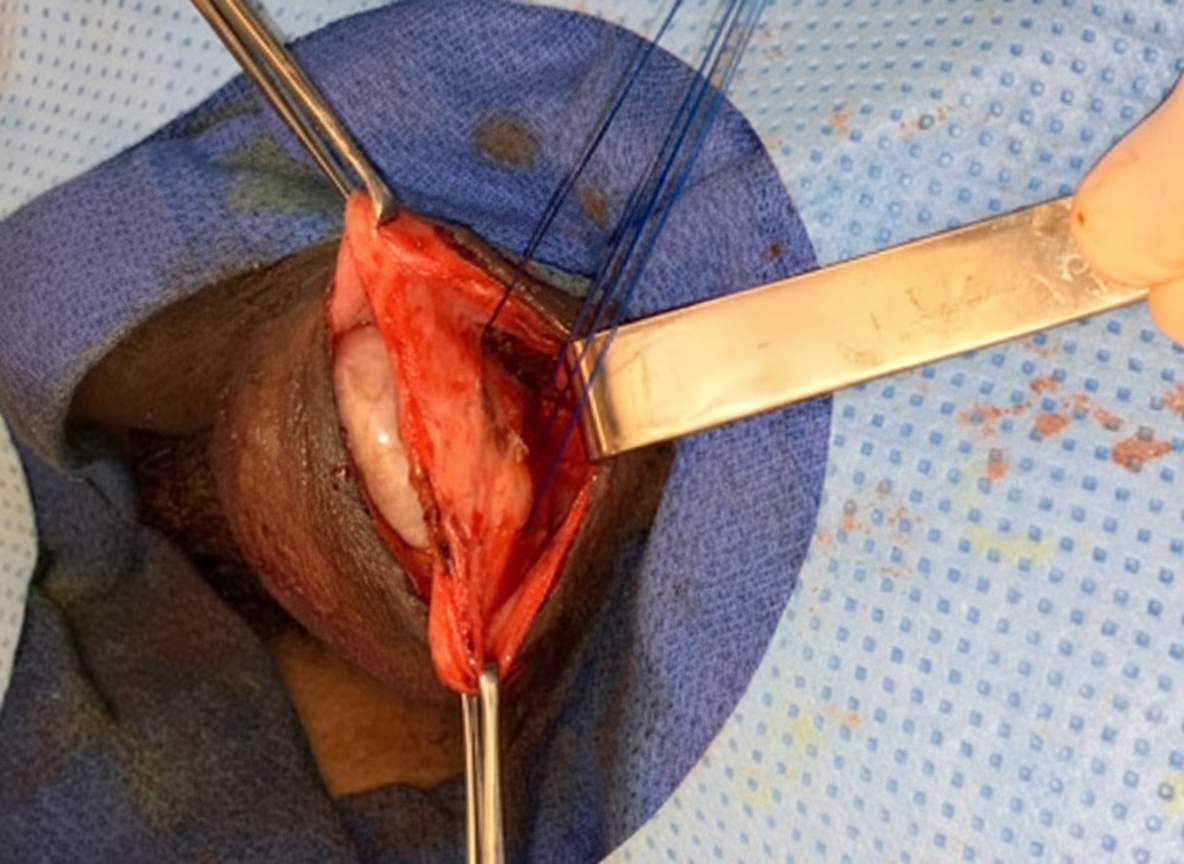
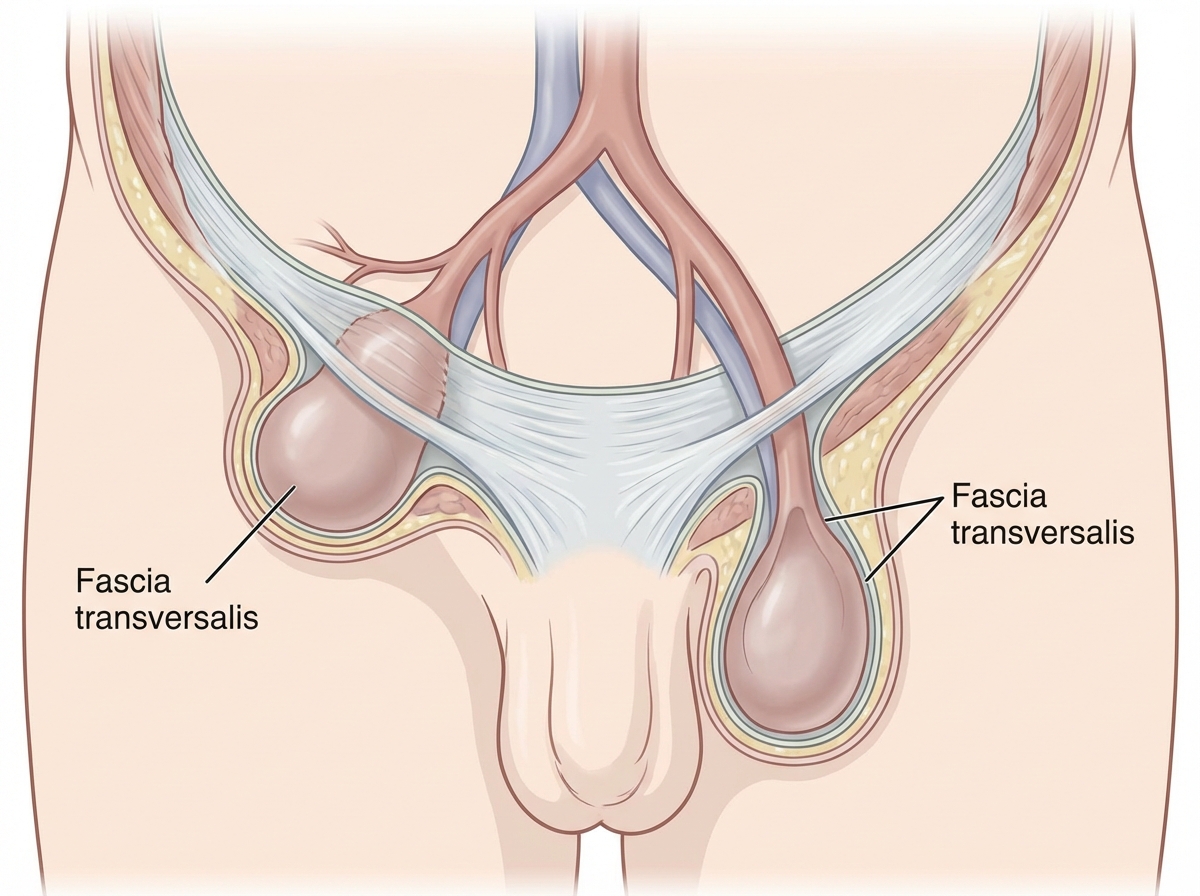
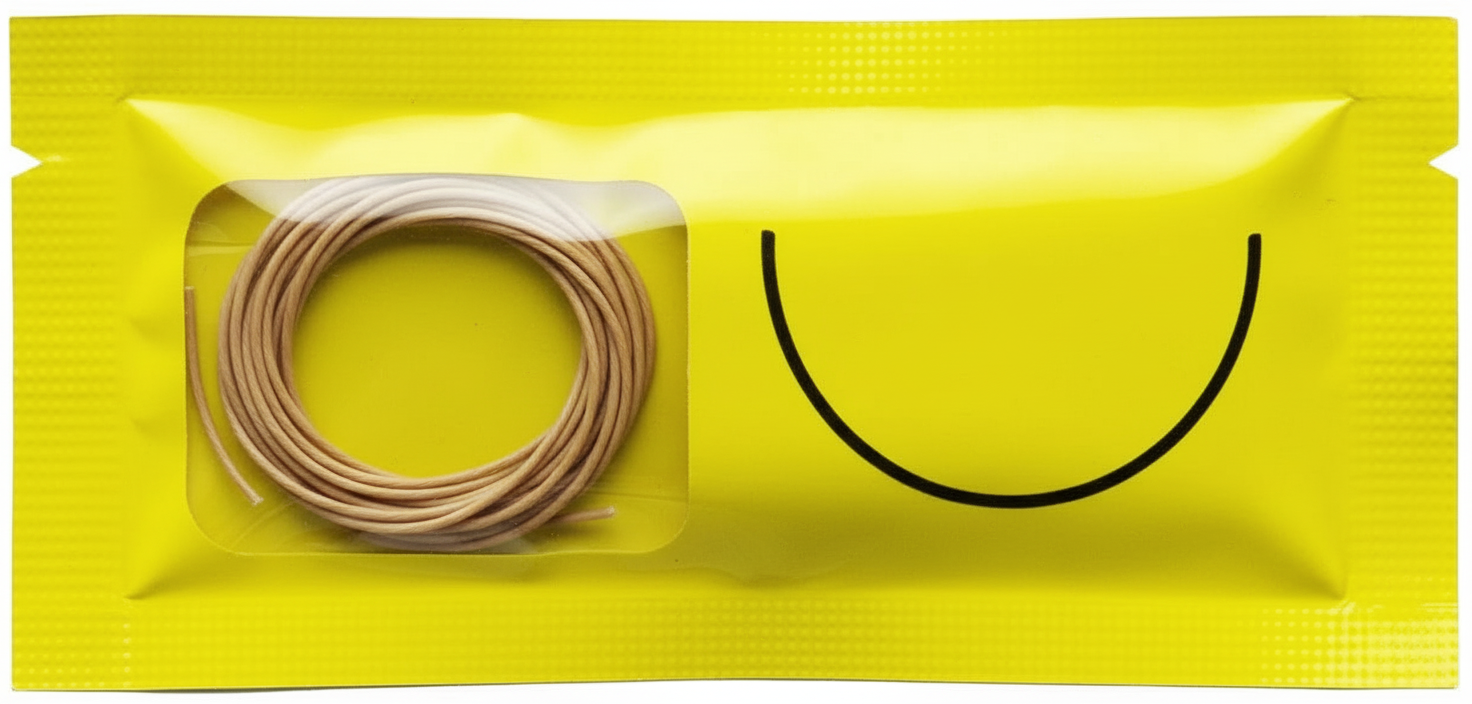
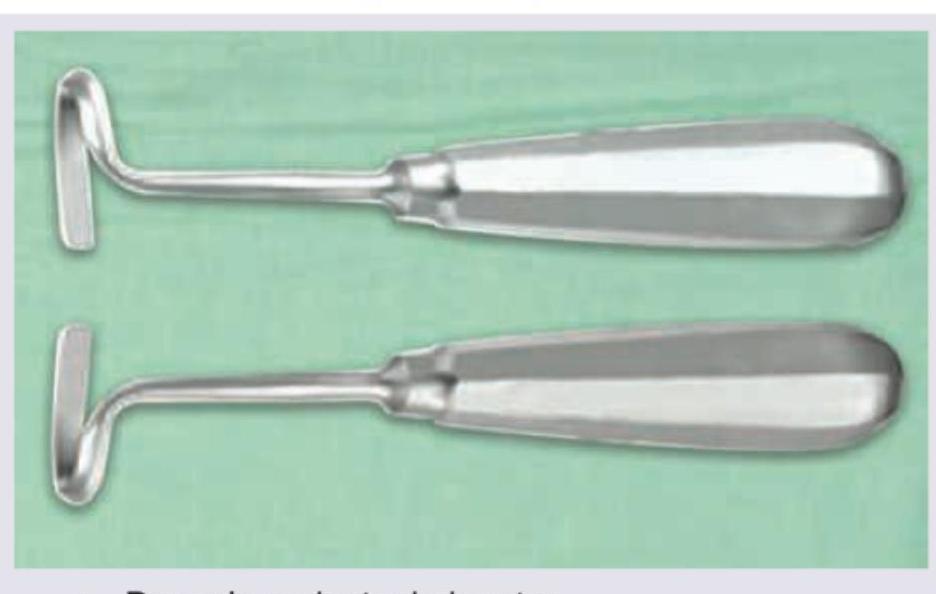
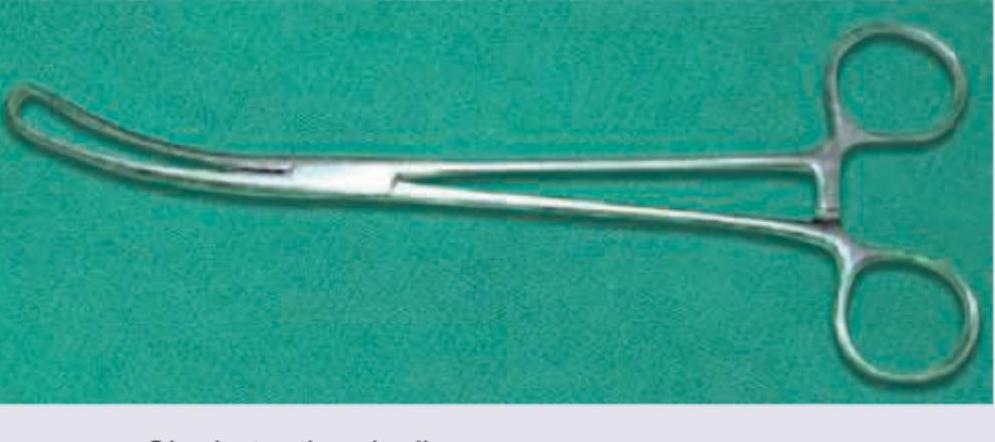
Which physical principle does this scalpel operate on?

Homans' sign is seen in which condition?
Which of the following is NOT a natural response to injury?
What is the most common site for basal cell carcinoma?
What are the differentiating features between sepsis and trauma?
What is the most common organism causing peritonitis?
Which of the following are not non-absorbable sutures?
All of the following conditions are associated with an increased risk of breast cancer, except?
What is the most important principle during tooth extraction?
In infection involving the submandibular space when extraoral incision and drainage are necessary, which of the following structures must be divided?
Explanation: ***Ultrasonic waves*** - This **harmonic scalpel** operates using **ultrasonic vibrations** at approximately **55,500 Hz** to simultaneously cut and coagulate tissue. - The ultrasonic energy causes **protein denaturation** through mechanical vibration, providing precise cutting with minimal thermal damage. *Electricity* - **Electrosurgery** uses electrical current to generate heat for cutting and coagulation, not the mechanism shown in this device. - Electrocautery devices have different electrode configurations and produce more **thermal spread** compared to ultrasonic scalpels. *Laser* - **Laser scalpels** use focused **light energy** (photons) to cut tissue through thermal vaporization. - Laser devices require different safety protocols including **eye protection** and have distinct beam delivery systems. *Radiofrequency* - **Radiofrequency devices** use electromagnetic energy in the RF spectrum to generate heat for tissue ablation. - RF energy typically operates at lower frequencies than ultrasonic devices and has different tissue interaction mechanisms.
Explanation: **Explanation:** **Homans' sign** is a classic clinical sign used in the assessment of **Deep Vein Thrombosis (DVT)**. It is elicited by performing passive dorsiflexion of the foot with the knee slightly flexed. A positive sign is indicated by the presence of pain in the calf or popliteal region. The underlying medical concept is that dorsiflexion stretches the gastrocnemius and soleus muscles, which in turn compresses the inflamed deep veins of the calf, triggering pain. **Analysis of Options:** * **Deep Vein Thrombosis (Correct):** As described, the sign specifically targets the calf veins where DVT most commonly originates. * **Pulmonary Embolism:** While PE is a major complication of DVT, Homans' sign is a physical exam finding of the leg, not the lungs. * **Peripheral Vascular Disease (PVD):** PVD (Arterial insufficiency) typically presents with intermittent claudication or rest pain, and signs like Buerger’s test, not Homans' sign. * **Lymphangitis:** This is an inflammation of the lymphatic channels, usually presenting with red streaks and lymphadenopathy, rather than pain on passive dorsiflexion. **Clinical Pearls for NEET-PG:** * **Low Specificity/Sensitivity:** Despite being a common exam question, Homans' sign is clinically unreliable and has low diagnostic accuracy. It is positive in only about 30% of DVT cases and can be positive in other conditions like ruptured Baker’s cyst or calf strain. * **Moses' Sign:** Another DVT sign where pain is elicited by squeezing the calf muscles transversely. * **Lowenberg's Sign:** Pain felt in the calf when a blood pressure cuff is inflated to 80–100 mmHg. * **Gold Standard Investigation:** For DVT, the initial investigation of choice is **Duplex Ultrasonography**, while the gold standard is **Contrast Venography**.
Explanation: The metabolic response to injury is a complex physiological cascade designed to mobilize energy and substrates for survival and tissue repair. This response is primarily characterized by a **hypermetabolic, catabolic state**. ### Why Anabolism is the Correct Answer **Anabolism** refers to the metabolic process of building complex molecules from simpler ones (e.g., protein synthesis, muscle building). In the acute phase following trauma or surgery (the "Flow Phase"), the body prioritizes the breakdown of stored fuels to provide glucose and amino acids for vital organs and wound healing. Therefore, **anabolism is suppressed**, making it the "unnatural" response during the acute phase of injury. ### Explanation of Incorrect Options * **Immobility/Rest:** This is a behavioral response mediated by the CNS to prevent further tissue damage and conserve energy. * **Anorexia:** Loss of appetite is a common systemic response mediated by cytokines (like TNF-α and IL-1). It shifts the body's focus away from digestion toward mobilizing internal energy stores. * **Catabolism:** This is the hallmark of the metabolic response. The body breaks down skeletal muscle (proteolysis) and fat (lipolysis) to provide a steady stream of amino acids for gluconeogenesis and acute-phase protein synthesis. ### High-Yield NEET-PG Pearls * **Cuthbertson’s Phases:** The response is divided into the **Ebb phase** (initial 24–48 hours; decreased BMR, cardiac output, and temperature) and the **Flow phase** (hypermetabolism, catabolism, and increased CO). * **Hormonal Profile:** The response is driven by "stress hormones"—**Cortisol, Catecholamines, and Glucagon**. Insulin levels may be high, but **insulin resistance** prevails. * **Negative Nitrogen Balance:** Due to massive skeletal muscle breakdown, patients in the flow phase exhibit significant nitrogen loss in urine. * **Goal of Management:** Modern surgical care (ERAS protocols) aims to blunt this catabolic response through adequate analgesia and early enteral nutrition.
Explanation: **Explanation:** Basal Cell Carcinoma (BCC) is the most common skin malignancy worldwide. The primary risk factor for its development is chronic, cumulative exposure to **ultraviolet (UV) radiation**. **Why Face is Correct:** Approximately **80% of BCCs occur on the head and neck**, with the **face** being the most frequent site. Specifically, the majority of lesions are found above a line joining the lobe of the ear to the angle of the mouth (the "mask area" of the face). The nose is the single most common anatomical subunit involved. This distribution is directly linked to the face having the highest degree of sun exposure throughout an individual's life. **Why Other Options are Incorrect:** * **Chest and Abdomen:** While BCC can occur on the trunk (often the superficial subtype), these areas are typically protected by clothing, leading to significantly lower incidence compared to the face. * **Extremities:** Although the arms and legs receive sun exposure, they are less frequently involved than the face. BCC is notably rare on the palms and soles, as it arises from hair-bearing skin (pilosebaceous units). **High-Yield Clinical Pearls for NEET-PG:** * **Characteristic Feature:** Classically presents as a pearly, translucent papule with **telangiectasia** and a rolled-out border ("Rodent Ulcer"). * **Metastasis:** BCC is locally invasive but **rarely metastasizes** distant sites. * **Risk Factors:** Fair skin (Fitzpatrick types I & II), Albinism, and Xeroderma Pigmentosum. * **Treatment of Choice:** Surgical excision with clear margins. For high-risk areas on the face, **Mohs Micrographic Surgery** provides the highest cure rate and maximal tissue preservation.
Explanation: ### Explanation The metabolic response to injury and infection involves a complex cascade of hormonal and inflammatory changes. While both sepsis and trauma share many metabolic characteristics, the **Energy Requirement (Resting Energy Expenditure - REE)** is the primary differentiating feature. **1. Why "Energy Requirement" is the correct answer:** In **sepsis**, the metabolic rate is significantly higher and more prolonged compared to trauma. Patients in septic shock or severe infection can experience an increase in REE by **50% to 100%** above baseline. In contrast, uncomplicated **trauma** typically increases REE by only **15% to 25%**. Sepsis is characterized by a "hyperdynamic" state with higher cardiac output and oxygen consumption than sterile trauma. **2. Why the other options are incorrect:** * **Catabolism (B):** Both conditions are profoundly catabolic. Both involve the breakdown of skeletal muscle (proteolysis) to provide amino acids for gluconeogenesis and acute-phase protein synthesis. * **Insulin Resistance (C):** Both sepsis and trauma induce "stress diabetes." Pro-inflammatory cytokines (TNF-α, IL-1) and counter-regulatory hormones (cortisol, catecholamines) cause peripheral insulin resistance and increased hepatic glucose production in both states. * **Fluid Loss (D):** Both conditions involve fluid shifts. Trauma involves hemorrhage or "third-spacing" due to tissue injury, while sepsis involves increased capillary permeability (leaky gut/vessels) leading to relative hypovolemia. **Clinical Pearls for NEET-PG:** * **Cuthbertson’s Phases:** Remember the **Ebb phase** (initial 24-48 hours, decreased REE/CO) and the **Flow phase** (hypermetabolic state, increased REE/CO). Sepsis stays in the Flow phase much longer than trauma. * **Nitrogen Balance:** Negative nitrogen balance is a hallmark of both, but it is more severe and harder to reverse with nutritional support in sepsis. * **Preferred Fuel:** In the stress response, the body shifts toward **lipid oxidation** as the primary energy source, despite the presence of hyperglycemia.
Explanation: **Explanation:** The most common cause of peritonitis, particularly **secondary peritonitis**, is the translocation of indigenous flora from the gastrointestinal tract following a hollow viscus perforation (e.g., perforated peptic ulcer or appendix). Since the large intestine contains the highest concentration of bacteria, the flora is dominated by Gram-negative aerobes and anaerobes. **Escherichia coli (E. coli)** is the most frequently isolated aerobic organism in these cases, often found in polymicrobial synergy with anaerobes like *Bacteroides fragilis*. **Analysis of Options:** * **B. E. coli (Correct):** It is the leading cause of both secondary peritonitis (due to GI perforation) and Spontaneous Bacterial Peritonitis (SBP) associated with cirrhosis. * **A. Klebsiella:** While a common Gram-negative pathogen in the gut, it is the second most common cause after E. coli. * **C. Staphylococcus aureus:** This is a common cause of peritonitis specifically in patients undergoing **Continuous Ambulatory Peritoneal Dialysis (CAPD)**, where the infection is introduced via the skin/catheter. * **D. Streptococcus:** *Streptococcus pneumoniae* can cause primary peritonitis in children (especially those with nephrotic syndrome), but it is not the most common cause in the general population. **Clinical Pearls for NEET-PG:** * **Most common cause of SBP:** E. coli. * **Most common cause of CAPD peritonitis:** *Staphylococcus epidermidis* (overall) or *Staphylococcus aureus*. * **Most common cause of Post-operative peritonitis:** Often involves multi-drug resistant organisms like *Pseudomonas* or *Enterococcus*. * **Primary Peritonitis (Childhood):** Often associated with *Streptococcus pneumoniae* or Group A *Streptococcus*.
Explanation: ### Explanation The classification of suture materials into **absorbable** and **non-absorbable** is a fundamental concept in surgery. Absorbable sutures are those that lose their tensile strength within 60 days and are eventually digested by enzymatic action or hydrolysis. **Why Catgut is the Correct Answer:** **Catgut** is a natural, **absorbable** suture derived from the submucosa of sheep intestine or the serosa of bovine intestine. It is degraded by proteolytic enzymes. Plain catgut loses its tensile strength rapidly (7–10 days), while Chromic catgut, treated with chromium salts to delay absorption, maintains strength for 14–21 days. Because it is absorbable, it is the "odd one out" among the non-absorbable options provided. **Analysis of Incorrect Options:** * **A. Silk:** A natural, non-absorbable suture produced by silkworm larvae. Although it may degrade very slowly over years, it is classified clinically as non-absorbable. * **C. Metal (Stainless Steel):** A synthetic, non-absorbable material. It provides the highest tensile strength and is used for bone repair or sternal closure. * **D. Nylon (Polyamide):** A synthetic, non-absorbable monofilament. It is commonly used for skin closure due to its high tensile strength and low tissue reactivity. **NEET-PG High-Yield Pearls:** * **Fastest absorption:** Catgut is absorbed faster than synthetic absorbables like Polyglycolic acid (Dexon) or Polyglactin (Vicryl). * **Hydrolysis vs. Proteolysis:** Synthetic absorbables (Vicryl, PDS) are broken down by **hydrolysis** (less reactive), whereas natural absorbables (Catgut) are broken down by **enzymatic proteolysis** (more reactive). * **Propropylene (Prolene):** The non-absorbable suture of choice for vascular anastomoses because it is the least thrombogenic. * **Black Silk:** Known for having the highest tissue reactivity among non-absorbable sutures.
Explanation: **Explanation:** The correct answer is **D. Hereditary nonpolyposis colorectal cancer (HNPCC)**, also known as **Lynch Syndrome**. **1. Why HNPCC is the correct answer:** Lynch Syndrome is caused by germline mutations in DNA mismatch repair (MMR) genes (*MLH1, MSH2, MSH6, PMS2*). While it significantly increases the risk of **colorectal, endometrial, ovarian, gastric, and urinary tract cancers**, it is **not** classically associated with an increased risk of breast cancer. In the context of NEET-PG, breast cancer is not considered part of the Lynch syndrome tumor spectrum. **2. Analysis of incorrect options:** * **Peutz-Jeghers Syndrome (PJS):** Caused by *STK11* mutations. It is characterized by hamartomatous polyps and mucocutaneous pigmentation. Patients have a significantly elevated lifetime risk of breast cancer (approx. 30-50%). * **Cowden Syndrome:** Part of the PTEN Hamartoma Tumor Syndrome. Mutations in the *PTEN* gene lead to multiple hamartomas and a very high lifetime risk of breast cancer (up to 85%). * **BRCA 1 Mutation:** This is the most well-known genetic risk factor for breast cancer. BRCA1 mutations carry a lifetime breast cancer risk of 60-80% and are also associated with ovarian and pancreatic cancers. **Clinical Pearls for NEET-PG:** * **Li-Fraumeni Syndrome (*TP53*):** Another high-yield association with early-onset breast cancer, sarcomas, and adrenocortical carcinomas. * **Lynch Syndrome Mnemonic:** Remember **"CEO"** (Colorectal, Endometrial, Ovarian) for the primary associated malignancies. * **Ataxia-Telangiectasia:** Carriers of the *ATM* gene mutation also have an increased risk of breast cancer.
Explanation: The fundamental goal of any surgical extraction is to remove the offending tooth while preserving the integrity of the surrounding supporting structures (the **alveolar bone** and the **overlying gingival mucosa**). ### **Why Option C is Correct** The primary principle of oral surgery is **atraumatic extraction**. When a tooth is difficult to remove (e.g., impacted, ankylosed, or multi-rooted), attempting to pull it as a single unit often requires excessive force, leading to bone fractures or mucosal tearing. * **Tooth Sectioning:** By dividing the tooth into pieces (sectioning), the surgeon can remove each root along its own path of least resistance. * **Preservation:** This technique minimizes the need for extensive bone removal and prevents damage to the soft tissue, which is crucial for rapid healing, reduced post-operative pain, and the preservation of the alveolar ridge for future implants or prostheses. ### **Why Other Options are Incorrect** * **Option A & B:** These are incomplete. Focusing solely on bone or mucosa is insufficient. Trauma to the mucosa leads to delayed healing and scarring, while trauma to the bone leads to "dry socket" (alveolar osteitis) or permanent ridge defects. * **"Extracting the whole tooth":** Insisting on removing the tooth in one piece in complex cases is a common surgical error that increases the risk of complications like mandibular fracture or maxillary sinus perforation. ### **High-Yield Clinical Pearls for NEET-PG** * **Alveolar Osteitis (Dry Socket):** The most common complication after extraction, caused by premature fibrinolysis of the blood clot. Risk increases with traumatic extractions. * **Forceps vs. Elevators:** Elevators work on the principle of **leverage and fulcrum**; they should always be supported by bone, never by adjacent teeth. * **Primary Goal:** Preservation of the **buccal cortical plate** is the most critical factor for future dental implant success.
Explanation: ### Explanation **Concept Overview:** The submandibular space is a potential space located between the floor of the mouth and the hyoid bone. It is divided by the mylohyoid muscle into the sublingual and submaxillary spaces. In cases of severe infections (like Ludwig’s Angina), extraoral incision and drainage (I&D) are required to decompress the space and prevent airway compromise. **Why Option D is Correct:** To reach the submandibular space and ensure adequate drainage of pus, the surgeon must traverse several anatomical layers. The incision is typically made 2 cm below the lower border of the mandible (to avoid the marginal mandibular nerve). The layers divided include: 1. **Skin** 2. **Superficial fascia** (containing the **Platysma** muscle) 3. **Deep cervical fascia** (specifically the investing layer). 4. The **Masseter muscle** (its lower attachment) is often involved or needs retraction/division to access the posterior aspect of the submandibular space, especially if the infection involves the masticator space. **Why Other Options are Incorrect:** * **Options A & B:** These are insufficient. Dividing only the skin and superficial fascia would not penetrate the investing layer of the deep cervical fascia, where the infection is contained. * **Option C:** While it includes the platysma and masseter, it omits the **deep cervical fascia**, which is the primary anatomical barrier that must be breached to drain a deep neck space abscess. **NEET-PG High-Yield Pearls:** * **Ludwig’s Angina:** A rapidly spreading cellulitis of the submandibular space (bilateral). The most common cause is dental infection (2nd/3rd molars). * **Danger of the Space:** The primary risk is **airway obstruction** due to the tongue being pushed superiorly and posteriorly. * **Nerve at Risk:** During extraoral I&D, the **marginal mandibular branch of the facial nerve** is most at risk. The incision should be made at least 2 finger-breadths (2-3 cm) below the mandible. * **Microbiology:** Usually polymicrobial (Streptococci, Staphylococci, and anaerobes).
Wound Healing and Care
Practice Questions
Surgical Infections
Practice Questions
Fluid and Electrolyte Management
Practice Questions
Nutrition in Surgical Patients
Practice Questions
Hemostasis and Blood Transfusion
Practice Questions
Surgical Instruments and Equipment
Practice Questions
Sutures and Stapling Devices
Practice Questions
Minimal Access Surgery Principles
Practice Questions
Surgical Complications
Practice Questions
Anesthesia Principles for Surgeons
Practice Questions
Surgical Oncology Principles
Practice Questions
Evidence-Based Surgery
Practice Questions
Get full access to all questions, explanations, and performance tracking.
Start For Free