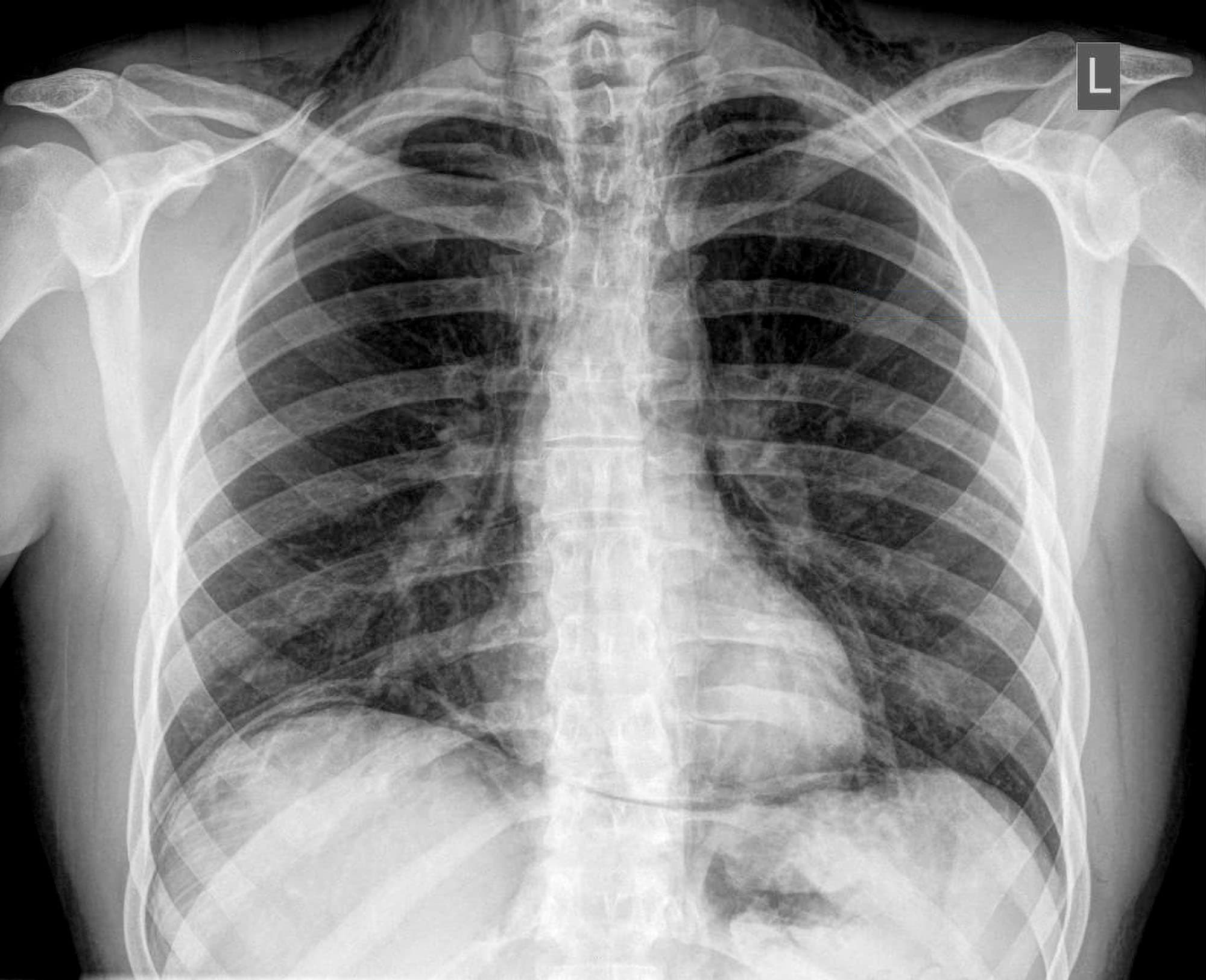
All are true statements about Meckel's diverticulum except?
What is the most common cause of esophageal perforation?
Extensive ileal resection can cause all of the following EXCEPT:
What is the most common facial abnormality observed in Gardner's syndrome?
What do yellowish exudates at multiple sites seen during colonoscopy indicate?
Which of the following is a characteristic feature of congenital pyloric stenosis?
Which of the following tests differentiates between diffuse esophageal spasm and GERD?
Meckel's diverticulum follows the rule of 2. Which of the following statements is false?
Which condition is characterized by the presence of odorless peritoneal fluid?
Rigler's triad is seen in which of the following conditions?
Explanation: **Explanation:** Meckel’s diverticulum is the most common congenital anomaly of the gastrointestinal tract, resulting from the failure of the **vitellointestinal duct** (omphalomesenteric duct) to obliterate. **Why Option C is the correct answer:** **Diarrhea is NOT a typical presentation** of Meckel’s diverticulum. The most common clinical presentations include **painless lower GI bleeding** (due to ectopic gastric mucosa causing ileal ulceration), intestinal obstruction (via intussusception or volvulus), and diverticulitis (mimicking appendicitis). Diarrhea is not a recognized feature of this pathology. **Analysis of other options:** * **Option A:** It follows the **"Rule of 2s,"** which states it occurs in **2% of the population**, is located 2 feet proximal to the ileocecal valve, and is approximately 2 inches long. * **Option B:** It is a **true diverticulum** (containing all layers of the bowel wall) and characteristically arises from the **antimesenteric border** of the ileum, as it is a remnant of the yolk stalk. * **Option D:** **Perforation** can occur, often secondary to diverticulitis or peptic ulceration caused by ectopic gastric acid secretion. **High-Yield Clinical Pearls for NEET-PG:** * **Ectopic Tissue:** Gastric mucosa is the most common (found in 50%), followed by pancreatic tissue. * **Diagnosis:** The investigation of choice for a bleeding Meckel’s is a **Technetium-99m pertechnetate scan** (Meckel’s scan), which identifies ectopic gastric mucosa. * **Littre’s Hernia:** When a Meckel’s diverticulum is present within a hernial sac. * **Inversion:** It can act as a lead point for intussusception.
Explanation: **Explanation:** **Instrumentation** is the most common cause of esophageal perforation, accounting for approximately **50–75%** of all cases. This is typically "iatrogenic," occurring during procedures such as upper GI endoscopy, dilatation of strictures, or transesophageal echocardiography (TEE). The most common site for iatrogenic perforation is the **cricopharyngeus muscle** (the narrowest part of the esophagus). **Analysis of Options:** * **Acid/Alkali Ingestion (A):** While corrosive substances cause severe mucosal injury and potential late strictures, acute perforation is less common than iatrogenic injury. * **Hyperemesis (B):** This refers to **Boerhaave Syndrome** (effort rupture). While it is a classic surgical emergency, it is much rarer than instrumental trauma. It typically occurs in the left posterolateral aspect of the distal esophagus. * **Carcinoma Infiltrating (D):** Malignancy can lead to perforation through direct invasion or necrosis, but it is a significantly less frequent cause compared to medical procedures. **High-Yield Clinical Pearls for NEET-PG:** * **Mackler’s Triad (Boerhaave Syndrome):** Vomiting, chest pain, and subcutaneous emphysema. * **Most common site of instrumental perforation:** Pharyngoesophageal junction (Killian’s dehiscence). * **Diagnosis:** Gastrografin swallow is the initial investigation of choice (water-soluble contrast is preferred over Barium to avoid mediastinitis). * **Management:** If detected within 24 hours, primary surgical repair is preferred; after 24 hours, conservative management or diversion may be required due to inflammation.
Explanation: Extensive ileal resection leads to significant physiological changes due to the loss of specialized absorptive surfaces and hormonal feedback loops. **Explanation of the Correct Answer (A):** Ileal resection actually leads to **pancreatic exocrine insufficiency**, not hypersecretion. The terminal ileum secretes hormones like **Peptide YY and Glucagon-like Peptide (GLP-1)**, which act as the "ileal brake" to inhibit gastric and pancreatic secretions. Loss of the ileum results in the loss of these inhibitory signals, but more importantly, it disrupts the enterohepatic circulation of bile salts. This leads to impaired micelle formation and decreased stimulation of pancreatic enzymes, contributing to malabsorption. **Explanation of Incorrect Options:** * **B. Calcium Oxalate Calculi:** Normally, calcium binds to oxalate in the gut to form an unabsorbable complex. In ileal resection, unabsorbed fatty acids bind to calcium (saponification), leaving free oxalate to be absorbed in the colon, leading to **hyperoxaluria** and renal stones. * **C. Lactic Acidosis:** Extensive resection can lead to **Short Bowel Syndrome**. Malabsorbed carbohydrates reach the colon, where bacteria ferment them into **D-lactate**. This can cause systemic D-lactic acidosis, characterized by neurological symptoms. * **D. Macrocytic Anemia:** The terminal ileum is the exclusive site for the absorption of the **Vitamin B12-Intrinsic Factor complex**. Resection leads to B12 deficiency, resulting in megaloblastic (macrocytic) anemia. **NEET-PG High-Yield Pearls:** * **Bile Acid Diarrhea:** Occurs with <100 cm resection (choleretic diarrhea). * **Steatorrhea:** Occurs with >100 cm resection (bile acid pool depletion). * **Gallstones:** Increased risk due to decreased bile salt concentration and increased cholesterol saturation in bile. * **Gastric Hypersecretion:** Often seen post-resection due to loss of inhibitory hormones (e.g., Enterogastrone).
Explanation: **Explanation:** **Gardner’s Syndrome** is a clinical variant of Familial Adenomatous Polyposis (FAP), inherited in an autosomal dominant fashion due to a mutation in the **APC gene** on chromosome 5q21. It is characterized by the triad of gastrointestinal polyps, soft tissue tumors, and skeletal abnormalities. **Why Multiple Osteomas is Correct:** Osteomas are the most common skeletal manifestation and the most frequent facial abnormality in Gardner’s syndrome. These are benign, slow-growing bony outgrowths that typically involve the **mandible** (angle of the jaw) and the skull. They often precede the development of intestinal polyposis, making them a crucial early diagnostic marker for clinicians. **Analysis of Incorrect Options:** * **Ectodermal dysplasia:** This is a group of genetic disorders affecting the skin, hair, nails, and sweat glands (e.g., Hypohidrotic ectodermal dysplasia). It is not a component of Gardner’s syndrome. * **Odontomas:** While dental abnormalities like impacted teeth, supernumerary teeth, and odontomas occur in Gardner’s syndrome, they are less frequent than osteomas. * **Dental cysts:** These are not a classic or defining feature of Gardner’s syndrome. **High-Yield Clinical Pearls for NEET-PG:** * **Triad of Gardner’s:** 1. Colonic Polyposis (100% risk of malignancy), 2. Osteomas (Mandible/Skull), 3. Soft tissue tumors (Desmoid tumors, sebaceous cysts, fibromas). * **Desmoid Tumors:** These are locally aggressive tumors that often occur in the abdominal wall or mesentery following surgery; they are a significant cause of morbidity. * **CHRPE:** Congenital Hypertrophy of Retinal Pigment Epithelium is a highly specific ocular finding seen on fundoscopy in these patients.
Explanation: **Explanation:** The presence of **yellowish exudates** at multiple sites during colonoscopy is a classic endoscopic feature of **Crohn’s Disease**. These exudates typically represent **aphthous ulcers**, which are early, superficial erosions with a yellowish-white base surrounded by a halo of erythema. As the disease progresses, these ulcers can coalesce into deep, linear "serpentine" ulcers, contributing to the characteristic "cobblestone appearance" of the mucosa. **Analysis of Options:** * **Crohn’s Disease (Correct):** Characterized by transmural inflammation and "skip lesions." The yellowish exudates correspond to the fibrinopurulent base of aphthous ulcers, which are often the earliest visible signs of the disease. * **Hirschsprung Disease:** This is a functional obstruction caused by the absence of ganglion cells in the distal colon. Endoscopy typically shows a dilated proximal colon and a narrowed distal segment, but not exudative ulcerations. * **Tuberculosis (Intestinal):** While it can mimic Crohn’s, TB typically presents with transverse ulcers, a pulled-up cecum, and a patulous ileocecal valve. Yellowish exudates are less characteristic than discrete, deep ulcerations. * **Lymphoma:** Usually presents as a bulky mass, diffuse wall thickening, or a large ulcerated lesion rather than multiple small yellowish exudative spots. **NEET-PG High-Yield Pearls:** * **Earliest sign of Crohn’s:** Aphthous ulcers (yellowish exudates). * **Pathognomonic finding:** Non-caseating granulomas (seen in only 40-60% of biopsies). * **String Sign of Kantor:** Radiologic narrowing of the terminal ileum. * **Creeping Fat:** Mesenteric fat wrapping around the bowel wall is highly suggestive of Crohn's.
Explanation: **Congenital Hypertrophic Pyloric Stenosis (CHPS)** is a classic high-yield topic in NEET-PG, characterized by hypertrophy of the circular muscle fibers of the pylorus, leading to gastric outlet obstruction. ### **Explanation of the Correct Answer** **Option A (Hypokalemic metabolic alkalosis)** is the hallmark biochemical abnormality. Persistent vomiting of gastric contents leads to a loss of **Hydrogen (H+)** and **Chloride (Cl-)** ions. To compensate for the resulting metabolic alkalosis, the kidneys initially excrete bicarbonate. However, as dehydration sets in, the body prioritizes sodium reabsorption via the Renin-Angiotensin-Aldosterone System (RAAS). In the distal tubule, sodium is reabsorbed in exchange for **Potassium (K+)** and **Hydrogen (H+)**, leading to **hypokalemia** and **paradoxical aciduria**. ### **Analysis of Incorrect Options** * **Option B:** While visible gastric peristalsis is a clinical sign, it moves from **left to right** (from the fundus toward the pylorus). This option is technically correct in its description, but in the context of "characteristic features," the metabolic derangement (Option A) is the most frequently tested physiological hallmark. * **Option C:** CHPS is a **congenital** condition occurring in infants (3–6 weeks of age). Carcinoma of the stomach is a cause of *acquired* gastric outlet obstruction in adults. * **Option D:** Projectile, **non-bilious** vomiting is indeed a classic symptom. However, in many MCQ formats, if the question asks for the most specific metabolic/characteristic feature, the unique electrolyte profile (Hypochloremic hypokalemic metabolic alkalosis) takes precedence. ### **Clinical Pearls for NEET-PG** * **Classic Presentation:** First-born male child, 3–6 weeks old, with non-bilious projectile vomiting. * **Physical Exam:** "Olive-shaped" mass palpable in the epigastrium. * **Investigation of Choice:** Ultrasound (showing pyloric thickness >4mm or length >14mm). * **Barium Meal Sign:** String sign, Mushroom sign, or Beak sign. * **Management:** Initial resuscitation with **0.45% or 0.9% Normal Saline** (to correct alkalosis first), followed by **Ramstedt’s Pyloromyotomy**.
Explanation: **Explanation:** The clinical presentation of **Diffuse Esophageal Spasm (DES)** and **Gastroesophageal Reflux Disease (GERD)** often overlaps, as both can present with retrosternal chest pain and dysphagia. 1. **Why Option C is Correct:** **Ambulatory 24-hour pH monitoring** is the gold standard for diagnosing GERD. It quantifies acid exposure in the distal esophagus. In many cases, DES is actually secondary to underlying acid reflux (reflux-induced spasm). By performing pH monitoring, clinicians can determine if the esophageal symptoms and manometric abnormalities are driven by pathological acid reflux. If the pH study is positive, the primary diagnosis is GERD; if negative, a primary motility disorder like DES is confirmed. 2. **Why Other Options are Incorrect:** * **A. Barium Swallow:** While it may show a "corkscrew esophagus" in DES or reflux/hiatal hernia in GERD, it is a structural study and lacks the sensitivity to definitively differentiate the functional etiology of chest pain. * **B. Manometry:** This is the gold standard for diagnosing DES (showing high-amplitude, non-peristaltic contractions). However, manometry alone cannot rule out GERD, as GERD can cause secondary motility patterns that mimic DES. * **C. Biopsy:** Endoscopic biopsy is used to identify esophagitis, Barrett’s esophagus, or eosinophilic esophagitis. It does not provide information on the functional motility of the esophagus. **High-Yield Clinical Pearls for NEET-PG:** * **DES Hallmark:** "Corkscrew" or "Rosary bead" appearance on Barium swallow. * **Manometry Criteria for DES:** Simultaneous (non-peristaltic) contractions in >20% of wet swallows with amplitudes >30 mmHg. * **DeMeester Score:** Used in 24-hour pH monitoring to quantify GERD (Score >14.72 is abnormal). * **First-line treatment for DES:** Nitrates or Calcium Channel Blockers (to relax smooth muscle).
Explanation: **Explanation:** Meckel’s diverticulum is the most common congenital anomaly of the gastrointestinal tract, resulting from the incomplete obliteration of the **vitellointestinal duct** (omphalomesenteric duct). It is a "true diverticulum" as it contains all layers of the intestinal wall. **Why Option D is the correct (False) statement:** While the "Rule of 2s" is a classic mnemonic, the percentage of symptomatic cases is actually **4% to 6%**, not 2%. Most individuals with Meckel’s diverticulum remain asymptomatic throughout their lives; the anomaly is often discovered incidentally during laparotomy or autopsy. **Analysis of other options (The "Rule of 2s"):** * **Option A:** It occurs in approximately **2% of the population**, making it a high-yield epidemiological fact. * **Option B:** The average length of the diverticulum is approximately **2 inches**. * **Option C:** It is typically located on the antimesenteric border of the ileum, roughly **2 feet (60 cm)** proximal to the ileocecal valve. **Clinical Pearls for NEET-PG:** * **Ectopic Tissue:** The most common ectopic tissue found is **Gastric mucosa** (60%), followed by pancreatic tissue. Gastric mucosa secretes acid, leading to the most common presentation in children: **painless lower GI bleeding**. * **Most Common Complication:** In adults, it is **intestinal obstruction** (due to intussusception or voluvlus); in children, it is **hemorrhage**. * **Diagnosis:** The investigation of choice for a bleeding Meckel’s is the **Technetium-99m pertechnetate scan** (Meckel’s scan), which identifies ectopic gastric mucosa. * **Demographics:** It is **2 times** more common in males than females.
Explanation: **Explanation:** The odor of peritoneal fluid in cases of hollow viscus perforation is primarily determined by the bacterial load and the type of organisms present. **1. Why Perforated Peptic Ulcer is correct:** In a **perforated peptic ulcer**, the fluid released into the peritoneal cavity consists of gastric acid, pepsin, and bile. Due to the high acidity (low pH) of the stomach, it is relatively **sterile** in the early stages. Since there is an absence of significant bacterial overgrowth (especially anaerobes), the resulting chemical peritonitis produces **odorless** peritoneal fluid. **2. Why the other options are incorrect:** * **Perforated Ileum:** The distal small intestine has a high bacterial concentration (including coliforms). Perforation leads to bacterial peritonitis, resulting in **feculent or foul-smelling** fluid. * **Perforated Appendix:** This typically involves an obstructed, gangrenous segment with a proliferation of anaerobic bacteria (like *Bacteroides fragilis*). The resulting pus is characteristically **foul-smelling**. * **Tuberculous Peritonitis:** This condition is characterized by "straw-colored" or ascitic fluid with high protein content. While not typically "fecal," it is associated with a chronic inflammatory process rather than the acute, sterile chemical release seen in peptic perforations. **Clinical Pearls for NEET-PG:** * **Gas under diaphragm:** Seen in 70-80% of peptic ulcer perforations (best viewed on an erect X-ray chest). * **Shifting Dullness:** Often absent in early peptic perforation due to the presence of free air (pneumoperitoneum) masking the fluid. * **Bacterial Peritonitis:** If a peptic ulcer perforation is left untreated for >12-24 hours, it can become secondarily infected, at which point the fluid may develop an odor.
Explanation: **Explanation:** **Rigler’s Triad** is a classic radiological finding diagnostic of **Gallstone Ileus**. This condition occurs when a large gallstone (usually >2.5 cm) ulcerates through the gallbladder wall into the duodenum, creating a cholecysto-enteric fistula. The stone travels through the small bowel and typically impacts at the **ileocecal valve**, causing a mechanical small bowel obstruction. The triad consists of: 1. **Pneumobilia** (Air in the biliary tree). 2. **Partial or complete intestinal obstruction** (Dilated small bowel loops). 3. **Ectopic gallstone** (Visualized in the right iliac fossa or pelvis). **Analysis of Incorrect Options:** * **B. Post-laparotomy intestinal obstruction:** This is most commonly caused by **adhesions**. While it presents with dilated bowel loops, it lacks pneumobilia and an ectopic stone. * **C. Ischiorectal fistula:** This is a perianal condition. It presents with pain and discharge near the anus, not with signs of intestinal obstruction or biliary air. * **D. Carcinoma of the head of the pancreas:** This typically presents with **painless progressive jaundice** and a palpable gallbladder (Courvoisier’s Law), but does not cause the specific radiological triad of gallstone ileus. **Clinical Pearls for NEET-PG:** * **Most common site of impaction:** Terminal ileum (narrowest part). * **Rigler’s Sign vs. Rigler’s Triad:** Do not confuse them. **Rigler’s Sign** (or the double-wall sign) refers to gas on both sides of the bowel wall, indicating **pneumoperitoneum**. * **Treatment:** The priority is a laparotomy with **enterolithotomy** (removal of the stone). The fistula is usually addressed in a delayed setting.
Esophageal Disorders
Practice Questions
Gastric Disorders
Practice Questions
Small Intestine Pathology
Practice Questions
Appendicitis
Practice Questions
Inflammatory Bowel Disease
Practice Questions
Intestinal Obstruction
Practice Questions
Gastrointestinal Bleeding
Practice Questions
Diverticular Disease
Practice Questions
Anorectal Disorders
Practice Questions
Colorectal Neoplasms
Practice Questions
Gastrointestinal Stomas
Practice Questions
Bariatric Surgery Principles
Practice Questions
Get full access to all questions, explanations, and performance tracking.
Start For Free