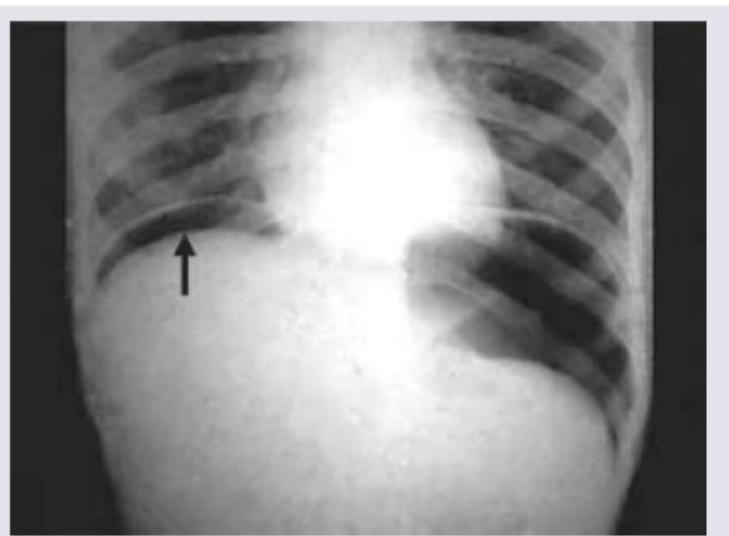
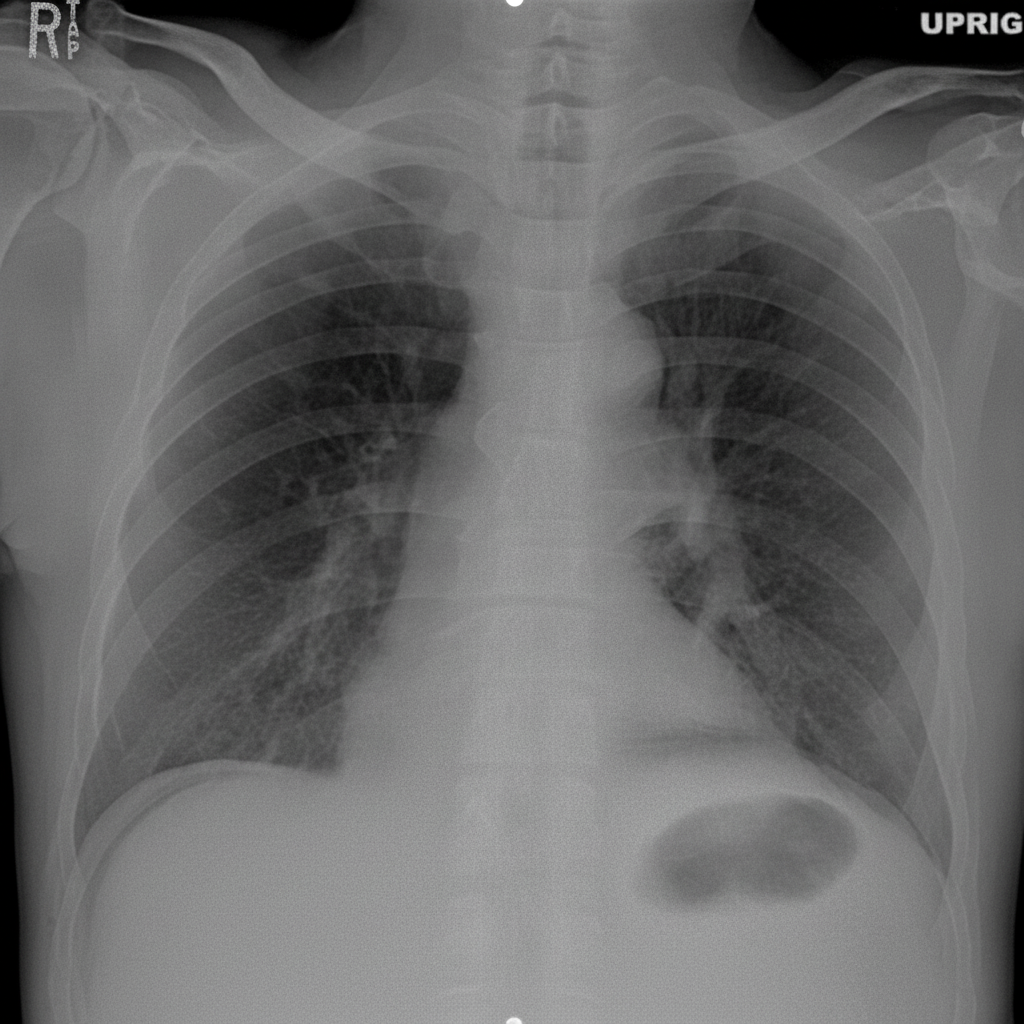
What is the most common site of esophageal tear in Boerhaave syndrome?
A patient presents with fever, chills, and a painful mass adjacent to the anus. On examination, a tender, fluctuant mass is palpated, and purulent material is noted. The diagnosis of an ischioanal abscess is made, and incision and drainage are performed. During the procedure, the extent of the lesion is underestimated, and the inferior rectal nerve is damaged. This nerve is a direct branch of which of the following nerves?
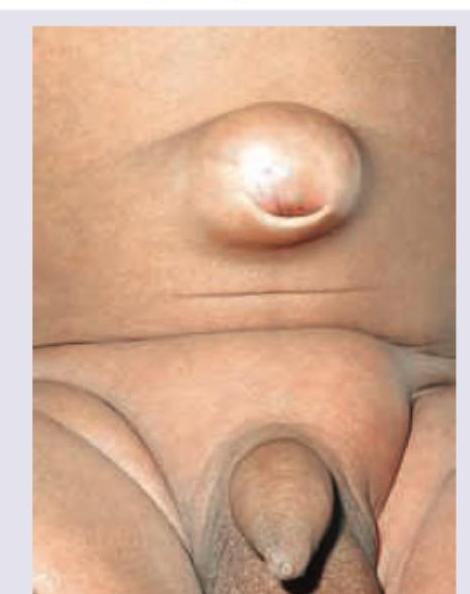
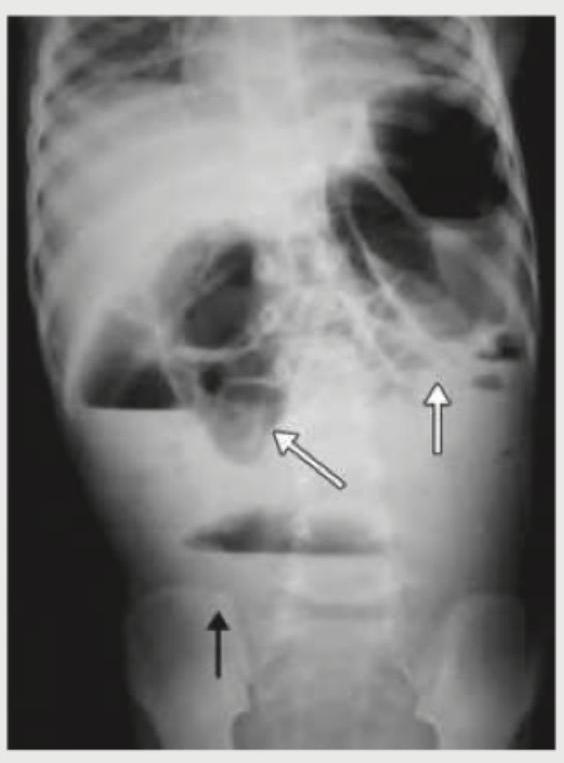
Which of the following is FALSE regarding Gallstone ileus?
Which colonic polyps have the least malignant potential?
What is the ideal investigation for fistula-in-ano?
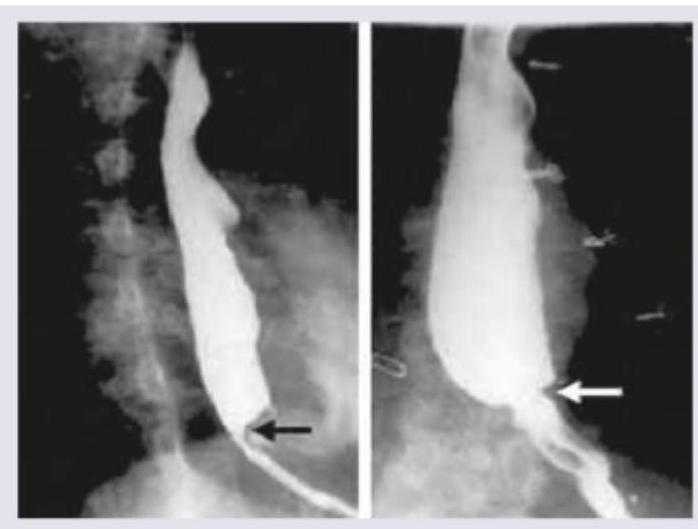
All of the following are true about Meckel's Diverticulum except:
A 27-year-old female with no past medical history presented with chronic postprandial pain for 10 months, accompanied by a 10 kg weight loss. Her whole abdomen sonogram was within normal limits. However, a CT scan of the abdomen revealed severe compression of the celiac axis. Based on her clinical symptoms and imaging findings, what is the most likely diagnosis?
What is the treatment of choice for squamous cell carcinoma of the anus?
All of the following are true about toxic megacolon EXCEPT?
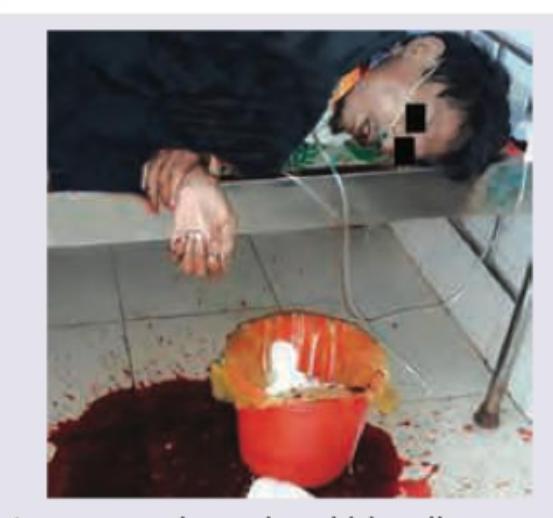
Bleeding from a Mallory-Weiss tear typically occurs from which of the following vessels?
Explanation: **Explanation:** **Boerhaave Syndrome** is a spontaneous transmural perforation of the esophagus caused by a sudden increase in intra-esophageal pressure against a closed glottis (typically during forceful vomiting or retching). **Why the Correct Answer is Right:** The most common site of perforation is the **lower end of the esophagus**, specifically on the **left posterolateral aspect**, approximately 2–3 cm above the gastroesophageal junction. This area is anatomically predisposed to rupture because it lacks the support of surrounding structures (like the liver or heart) and has a relatively weak muscular arrangement compared to the rest of the esophagus. **Why Incorrect Options are Wrong:** * **At the gastroesophageal junction (Option B):** While the tear is close to this area, the rupture typically occurs just above the junction in the thoracic esophagus. Tears *at* the GE junction that involve only the mucosa are characteristic of **Mallory-Weiss syndrome**, not Boerhaave. * **Upper and Mid-esophagus (Options C & D):** These areas are less common for spontaneous rupture. Perforations here are usually **iatrogenic** (e.g., during endoscopy or intubation) or due to foreign body ingestion. **Clinical Pearls for NEET-PG:** * **Mackler’s Triad:** Vomiting, chest pain, and subcutaneous emphysema (pathognomonic but seen in only 25% of cases). * **Diagnosis:** Gastrografin (water-soluble) swallow is the initial investigation of choice. Chest X-ray may show a "V-sign of Naclerio" (air behind the heart). * **Management:** This is a surgical emergency. If diagnosed within 24 hours, primary repair is preferred; late diagnosis may require esophageal diversion or stenting.
Explanation: **Explanation:** The **inferior rectal nerve** is a direct branch of the **pudendal nerve (S2-S4)**. It typically arises within the pudendal (Alcock’s) canal, crosses the ischioanal fossa alongside the inferior rectal vessels, and provides motor innervation to the external anal sphincter and sensory innervation to the anal canal below the pectinate line and the perianal skin. In the context of an ischioanal abscess, the nerve is vulnerable during deep incision and drainage because it traverses the fat-filled ischioanal fossa. **Analysis of Options:** * **Pudendal nerve (Correct):** It originates from the sacral plexus (S2-S4) and gives off three main branches: the inferior rectal nerve, the perineal nerve, and the dorsal nerve of the penis/clitoris. * **Inferior gluteal nerve:** Arises from L5-S2 and supplies the gluteus maximus; it does not enter the perineum or supply the anal region. * **Pelvic splanchnic nerves:** These are parasympathetic fibers (S2-S4) that provide autonomic innervation to the pelvic viscera and hindgut; they do not provide somatic motor supply to the external anal sphincter. * **Sciatic nerve:** The largest nerve of the body (L4-S3), it exits the pelvis via the greater sciatic foramen to supply the lower limb; it has no direct role in anal innervation. **High-Yield Clinical Pearls for NEET-PG:** * **Ischioanal Fossa Boundaries:** Medially by the levator ani and external anal sphincter; laterally by the obturator internus and ischial tuberosity. * **Nerve Injury:** Damage to the inferior rectal nerve leads to **fecal incontinence** due to paralysis of the external anal sphincter. * **Pudendal Canal (Alcock’s):** Located in the lateral wall of the ischioanal fossa, containing the pudendal nerve and internal pudendal vessels.
Explanation: **Explanation:** **1. Why Option A is False:** Contrary to what might be expected, only about **25% to 50%** of patients with gallstone ileus have a known prior history of symptomatic biliary disease or cholecystitis. In many cases, the formation of the cholecystoenteric fistula occurs "silently" through chronic inflammation, and the intestinal obstruction is the first clinical presentation of the underlying gallbladder pathology. **2. Analysis of Other Options:** * **Option B:** Gallstone ileus is a rare cause of small bowel obstruction (SBO) in the general population (~1%). However, in the **elderly (over 65–70 years)**, it is a significant cause, accounting for up to **25% of non-strangulated SBO cases**. * **Option C:** It is characterized by a **"tumbling" obstruction**. As the stone migrates through the bowel, it may temporarily lodge, cause symptoms, and then dislodge and move further downstream until it finally impacts (most commonly at the narrow **ileocecal valve**). * **Option D:** The most common site of fistula formation is **cholecystoduodenal** (between the gallbladder and the first/second part of the duodenum) due to their close anatomical proximity. **Clinical Pearls for NEET-PG:** * **Rigler’s Triad (X-ray findings):** 1. Pneumobilia (air in the biliary tree), 2. Small bowel obstruction, 3. Ectopic radiopaque gallstone. * **Most common site of impaction:** Terminal ileum (narrowest part). * **Bouveret Syndrome:** A specific type of gallstone ileus where the stone impacts the duodenum, causing gastric outlet obstruction. * **Management:** The primary goal is **Enterolithotomy** (removal of the stone). Definitive fistula repair and cholecystectomy are often deferred to a second stage in elderly, comorbid patients.
Explanation: **Explanation:** The malignant potential of a colonic polyp is primarily determined by its histological origin. Polyps are broadly classified into **Neoplastic** (adenomatous) and **Non-neoplastic** (hamartomatous, inflammatory, or hyperplastic). **Why Juvenile Polyp is correct:** Juvenile polyps are **Hamartomatous** polyps. They are non-neoplastic malformations consisting of normal mature tissue arranged in a disorganized fashion. Solitary juvenile polyps are common in children and carry **virtually no malignant potential**. While "Juvenile Polyposis Syndrome" (multiple polyps) increases cancer risk due to associated adenomatous changes, a sporadic juvenile polyp is the least likely to undergo malignant transformation among the given choices. **Analysis of Incorrect Options:** * **Familial Adenomatous Polyposis (FAP):** Caused by a mutation in the *APC* gene, it results in thousands of adenomatous polyps. It has a **100% risk** of progression to colorectal cancer if left untreated. * **Gardner’s Syndrome:** A variant of FAP. It includes colonic polyposis plus extra-colonic manifestations (osteomas, desmoid tumors, sebaceous cysts). It carries the same **100% malignant potential** as FAP. * **Turcot’s Syndrome:** Another FAP variant (or associated with HNPCC) characterized by colonic polyposis and **Central Nervous System tumors** (Medulloblastoma or Glioma). It also carries a very high risk of malignancy. **NEET-PG High-Yield Pearls:** * **Most common site for Juvenile Polyps:** Rectum (often presents with painless rectal bleeding in children). * **Histology of Juvenile Polyp:** Characterized by "dilated cystic glands" filled with mucin and an expanded lamina propria. * **Malignancy Risk in Adenomas:** Villous > Tubulovillous > Tubular. * **Size Correlation:** Polyps >2 cm have a >50% risk of containing invasive carcinoma.
Explanation: **Explanation:** The management of fistula-in-ano depends entirely on the accurate mapping of the fistulous tract and its relationship with the anal sphincter complex. **Why MRI is the Correct Answer:** **MRI (specifically Contrast-enhanced MRI or Pelvic MRI)** is considered the **gold standard** and the investigation of choice for fistula-in-ano. Its superior soft-tissue resolution allows for: 1. Accurate identification of the primary tract and internal opening. 2. Detection of secondary extensions or "hidden" horseshoe abscesses. 3. Precise assessment of the tract's relationship to the internal and external sphincters, which is crucial to prevent postoperative fecal incontinence. **Analysis of Incorrect Options:** * **Endoanal Ultrasound (EAUS):** While useful and portable, it has a limited field of view. It often struggles to differentiate between active inflammation and old scars and may miss high supralevator extensions. * **Fistulography:** This involves injecting contrast into the external opening. It is now largely obsolete because it cannot visualize the sphincter muscles and often fails to show the internal opening due to debris blocking the tract. * **CT Scan:** CT has poor soft-tissue contrast for the pelvic floor. It is primarily used to detect large perirectal abscesses but is inadequate for detailed anatomical mapping of a fistula. **High-Yield Pearls for NEET-PG:** * **Goodsall’s Rule:** Predicts the trajectory of the tract. Posterior openings follow a curved path to the 6 o'clock position; anterior openings follow a straight radial path (except those >3cm from the anus, which curve posteriorly). * **Park’s Classification:** Categorizes fistulae into Intersphincteric (most common), Transsphincteric, Suprasphincteric, and Extrasphincteric. * **Surgery:** The standard treatment for simple fistulae is a **fistulotomy**. For complex fistulae, sphincter-saving procedures like **VAFT, LIFT, or Seton placement** are preferred.
Explanation: **Explanation:** Meckel’s Diverticulum is the most common congenital anomaly of the gastrointestinal tract. The correct answer is **Option D** because the management of incidentally discovered Meckel’s diverticulum is a subject of clinical debate, and the word "always" makes the statement incorrect. While many surgeons opt for conservative management in asymptomatic adults, surgical resection is often recommended in children or if specific risk factors are present (e.g., length >2cm, presence of a narrow neck, or palpable heterotopic mucosa), as these increase the lifetime risk of complications like intussusception or hemorrhage. **Analysis of other options:** * **Option A & C:** It is a **congenital** remnant of the **omphalomesenteric (vitellointestinal) duct**, which normally obliterates between the 5th and 8th weeks of gestation. Failure of this closure results in the diverticulum. * **Option B:** It is a **true diverticulum** because it contains all three layers of the intestinal wall: mucosa, submucosa, and muscularis propria. **High-Yield Clinical Pearls for NEET-PG:** * **Rule of 2s:** Occurs in 2% of the population, located 2 feet proximal to the ileocecal valve, is 2 inches long, contains 2 types of ectopic tissue (Gastric is most common, Pancreatic is second), and usually presents before age 2. * **Most common presentation:** Painless lower GI bleeding in children (due to acid secretion from ectopic gastric mucosa causing ileal ulcers). In adults, intestinal obstruction is more common. * **Diagnosis:** The investigation of choice for bleeding is the **Technetium-99m pertechnetate scan** (Meckel’s scan), which identifies ectopic gastric mucosa.
Explanation: ### Explanation **Median Arcuate Ligament Syndrome (MALS)**, also known as Dunbar Syndrome, occurs due to the extrinsic compression of the **celiac axis** by the median arcuate ligament (a fibrous band connecting the diaphragmatic crura). #### Why the Correct Answer is Right: * **Clinical Presentation:** MALS typically affects young females (20–40 years). The classic triad includes **chronic postprandial abdominal pain**, **weight loss** (due to "food fear"), and sometimes an epigastric bruit. * **Imaging:** While ultrasound is often normal or shows non-specific findings, the **CT Angiography** is the gold standard, showing a characteristic **"hook-shaped" narrowing** of the celiac artery. The compression is often worse during expiration when the diaphragm moves superiorly. #### Why Other Options are Incorrect: * **A. Vasculitis:** While Takayasu arteritis can affect the celiac artery, it usually presents with systemic inflammatory markers (elevated ESR/CRP) and involvement of other major branches of the aorta. * **B. Peptic Ulcer Disease:** Though it causes postprandial pain, it does not explain the CT finding of celiac axis compression. * **C. Atherosclerosis:** This is the most common cause of mesenteric ischemia in **elderly** patients with cardiovascular risk factors (smoking, HTN, DM). It is highly unlikely in a 27-year-old with no medical history. #### NEET-PG High-Yield Pearls: * **Pathophysiology:** Compression is caused by an abnormally low insertion of the median arcuate ligament. * **Diagnosis:** CT Angiography is the preferred imaging modality. * **Treatment:** The definitive management is **Surgical Decompression** (division of the median arcuate ligament), which can be performed laparoscopically. * **Key Differentiator:** If the question mentions pain worsening with **expiration**, think MALS.
Explanation: **Explanation:** The treatment of choice for Squamous Cell Carcinoma (SCC) of the anus is **Chemoradiation**, specifically the **Nigro Protocol**. Unlike most gastrointestinal malignancies where surgery is the primary modality, anal SCC is highly radiosensitive and chemosensitive. The goal of treatment is to achieve a clinical cure while maintaining fecal continence by preserving the anal sphincter. * **Why Chemoradiation is correct:** The Nigro Protocol typically involves a combination of **5-Fluorouracil (5-FU)** and **Mitomycin-C**, along with external beam radiation. This approach achieves high local control rates (70-90%) and avoids the morbidity of a permanent colostomy. * **Why other options are wrong:** * **Chemotherapy (A):** While used as part of the protocol, chemotherapy alone is insufficient for local control and is generally reserved for metastatic disease. * **Sphincter-sparing surgery (C):** Local excision is only indicated for very small (<2cm), well-differentiated tumors of the anal margin (not the canal) that do not involve the sphincter. For most anal SCCs, surgery is reserved as "salvage therapy" (Abdominoperineal Resection) if chemoradiation fails. * **Monoclonal antibodies (D):** These are not first-line treatments, though agents like Pembrolizumab (anti-PD-1) are being studied for refractory or metastatic cases. **High-Yield Clinical Pearls for NEET-PG:** * **Risk Factor:** Strongly associated with **HPV (Types 16 and 18)** and HIV infection. * **Salvage Surgery:** If there is persistent or recurrent disease after chemoradiation, the treatment is **Abdominoperineal Resection (APR)**. * **Lymphatic Spread:** Above the dentate line to internal iliac nodes; below the dentate line to **superficial inguinal nodes**. * **Most common symptom:** Rectal bleeding (often mistaken for hemorrhoids).
Explanation: ### Explanation Toxic megacolon is a life-threatening complication characterized by total or segmental non-obstructive colonic dilatation (typically >6 cm) associated with systemic toxicity. **Why Option B is the Correct Answer (The Exception):** Toxic megacolon is **not** a consistent feature of Crohn’s disease. While it can occur in Crohn’s colitis, it is much more commonly associated with **Ulcerative Colitis (UC)**. In fact, it occurs in approximately 5–10% of UC patients. It is also frequently seen in infectious colitides, most notably *Clostridioides difficile* (pseudomembranous colitis). **Analysis of Other Options:** * **Option A (Risk of Perforation):** This is true. The hallmark of toxic megacolon is transmural inflammation that leads to thinning of the colonic wall and neuromuscular paralysis. This creates a high risk of spontaneous perforation, which carries a mortality rate of up to 40%. * **Option C (Colonic Dilatation):** This is the defining radiological feature. Diagnosis requires evidence of colonic distension (usually the transverse colon) greater than 6 cm on a plain abdominal X-ray. * **Option D (Colectomy):** This is true. While initial management is medical (IV fluids, steroids, antibiotics, and bowel rest), failure to improve within 24–72 hours or signs of impending perforation are absolute indications for an emergency subtotal colectomy with end-ileostomy. ### NEET-PG High-Yield Pearls * **Jalan’s Criteria:** Used for diagnosis; requires radiological dilatation (>6 cm) + 3 of (Fever, Tachycardia, Leukocytosis, Anemia) + 1 of (Dehydration, Altered sensorium, Electrolyte imbalance, Hypotension). * **Contraindication:** Barium enema and colonoscopy are strictly contraindicated during an acute episode as they can precipitate perforation. * **Most common site of dilatation:** Transverse colon (due to its superior position when the patient is supine). * **Drug triggers:** Anticholinergics, antidepressants, and opioids can worsen the condition by further reducing colonic motility.
Explanation: **Explanation:** **Mallory-Weiss Syndrome** refers to longitudinal mucosal lacerations at the gastroesophageal junction or gastric cardia, typically following episodes of forceful vomiting, retching, or coughing. 1. **Why the Left Gastric Artery is Correct:** The tears in Mallory-Weiss syndrome are most commonly located on the gastric side of the gastroesophageal junction (about 75% of cases). This region is primarily supplied by the **left gastric artery**, a branch of the celiac trunk. The laceration extends through the mucosa and submucosa, involving the rich plexus of arterioles derived from this artery, leading to hematemesis. 2. **Why Other Options are Incorrect:** * **Phrenic vein:** These veins drain the diaphragm and are not involved in the superficial mucosal layers of the cardia. * **Short gastric arteries:** These arise from the splenic artery and supply the fundus of the stomach, which is lateral to the site of a typical Mallory-Weiss tear. * **Coronary vein (Left Gastric Vein):** While this vein is involved in **Esophageal Varices** (portal hypertension), Mallory-Weiss tears are arterial bleeds resulting from mechanical trauma to the mucosal lining, not venous congestion. **High-Yield Clinical Pearls for NEET-PG:** * **Classic Presentation:** Alcoholics or pregnant women with a history of non-bloody vomiting followed by sudden **painless hematemesis**. * **Diagnosis:** Gold standard is **Upper GI Endoscopy (OGD)**, which reveals linear mucosal tears. * **Management:** Most cases (approx. 90%) stop bleeding spontaneously with supportive care. If persistent, endoscopic therapy (epinephrine injection, clipping, or thermal coagulation) is used. * **Boerhaave Syndrome vs. Mallory-Weiss:** Boerhaave is a **transmural** perforation (full thickness) often leading to mediastinitis, whereas Mallory-Weiss is a **mucosal/submucosal** tear.
Esophageal Disorders
Practice Questions
Gastric Disorders
Practice Questions
Small Intestine Pathology
Practice Questions
Appendicitis
Practice Questions
Inflammatory Bowel Disease
Practice Questions
Intestinal Obstruction
Practice Questions
Gastrointestinal Bleeding
Practice Questions
Diverticular Disease
Practice Questions
Anorectal Disorders
Practice Questions
Colorectal Neoplasms
Practice Questions
Gastrointestinal Stomas
Practice Questions
Bariatric Surgery Principles
Practice Questions
Get full access to all questions, explanations, and performance tracking.
Start For Free