Which of the following statements is least common regarding angiodysplasia of the colon?
What condition is characterized by obstruction and dilatation of the large intestine in the absence of any mechanical obstruction?
At what age do symptoms of midgut volvulus most commonly present?
In which type of hernia can the cecum be found as part of the hernia contents?
What is the most common cause of small intestine obstruction?
What condition is caused by a gallstone impacting and causing intestinal obstruction?
A 25 year old man presents with a 3-day history of pain in the right lower abdomen and vomiting. The patient's general condition is satisfactory, and clinical examination reveals a tender lump in the right iliac fossa. What is the most appropriate management in this case?
A patient after a heavy meal and episode of forceful vomiting presents with severe epigastric pain. On examination, there is tenderness and rigidity in the upper abdomen. X-ray shows pneumomediastinum. What is the most likely cause?
A patient presents with abdominal pain. On physical examination there was abdominal guarding and tenderness. A plain erect chest X-ray reveals air under diaphragm. Probable diagnosis is
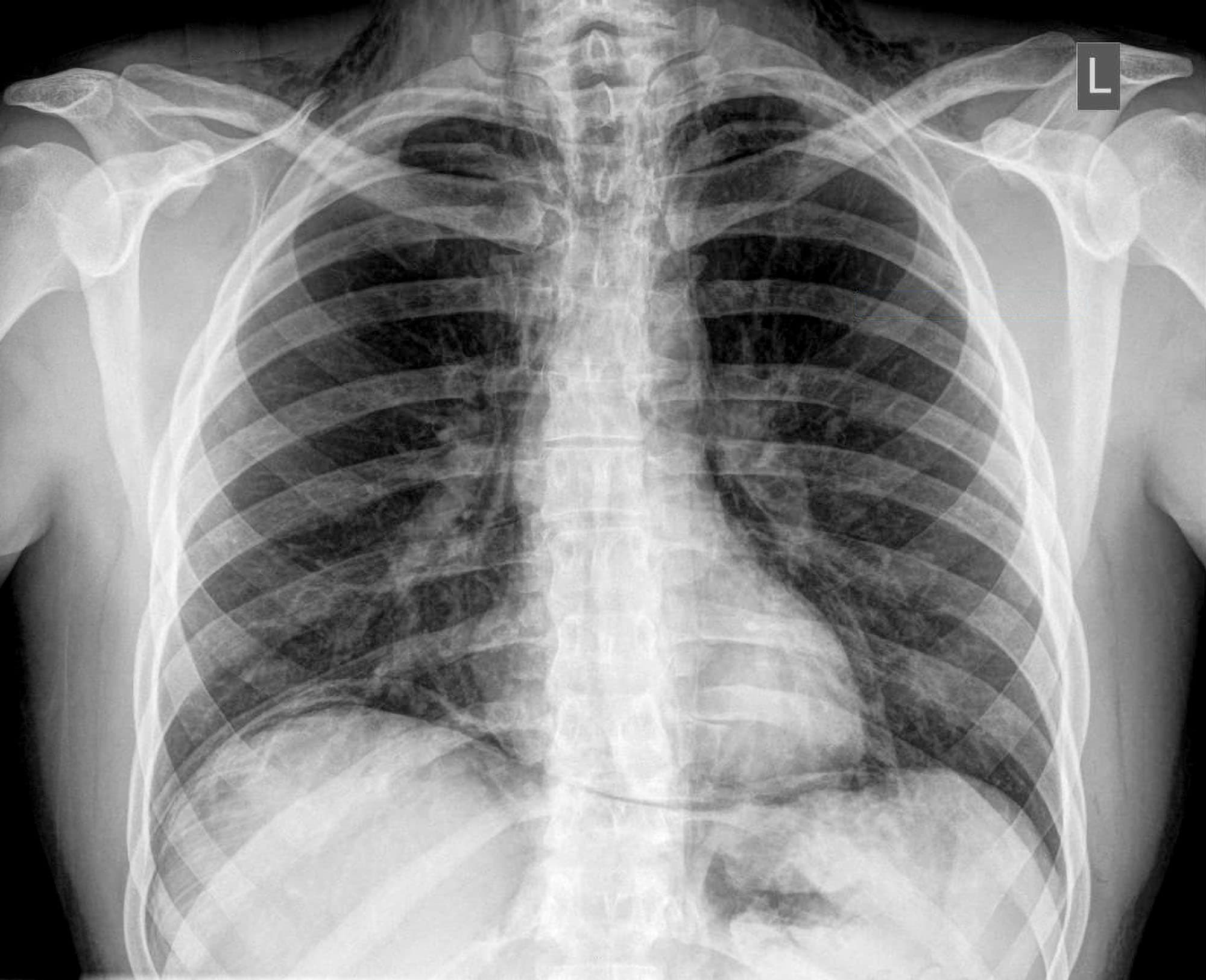
Under what guidelines is treatment started for a patient presenting with appendicular mass on a CT scan?
Explanation: ***Involvement of rectum in 50% of cases*** - Angiodysplasia typically does not involve the **rectum** as frequently, with most cases occurring in the colon [1]. - This statement does not reflect the true distribution pattern of angiodysplasia, which is more common in the **right colon** [1]. *Affecting age group > 40 yrs.* - Angiodysplasia is commonly seen in patients **over 40 years** of age, usually presenting after the sixth decade of life [1]. - This is due to **vascular degeneration** processes that occur with aging, making it a frequent finding in this demographic. *Involvement of cecum* - The **cecum** is actually one of the most common sites for angiodysplasia in the colon [1]. - This contributes significantly to the overall occurrence of angiodysplastic lesions in patients. *Cause of troublesome lower G.I. hemorrhage* - Angiodysplasia is indeed a significant cause of **lower gastrointestinal bleeding**, accounting for 20% of major episodes of lower intestinal bleeding [1]. - It can cause **intermittent bleeding** or acute and massive hemorrhage, contributing to anemia and requiring medical intervention [1]. **References:** [1] Kumar V, Abbas AK, et al.. Robbins and Cotran Pathologic Basis of Disease. 9th ed. The Gastrointestinal Tract, pp. 787-789.
Explanation: ***Ogilvie syndrome*** - It is characterized by **acute colonic pseudo-obstruction**, involving massive dilation of the colon without a mechanical obstruction. - This condition most often occurs in severely ill, hospitalized patients and is thought to be due to an imbalance in the **autonomic nervous system** regulation of the colon. *Hirschsprung disease* - This is a **congenital condition** characterized by the absence of **ganglion cells** in the distal colon, leading to a functional obstruction. - It typically presents in neonates and infants with symptoms like failure to pass meconium, abdominal distension, and vomiting. *Chagas disease* - Caused by the parasite **Trypanosoma cruzi**, it can lead to chronic complications, including **cardiomyopathy** and **megacolon**. - The megacolon in Chagas disease results from destruction of the **myenteric plexus**, not an acute pseudo-obstruction. *Toxic megacolon* - This is an **acute complication** of **inflammatory bowel disease** (ulcerative colitis or Crohn's disease) or infectious colitis. - It involves severe colonic dilation with systemic toxicity, but occurs in the setting of severe mucosal inflammation, not pseudo-obstruction.
Explanation: ***1 week*** - **Midgut volvulus** is a surgical emergency where the intestine twists around the **superior mesenteric artery**, typically due to **intestinal malrotation**. - Approximately **50% of cases present within the first week of life**, making this the most common timeframe for symptom onset. - Classic presentation includes **bilious vomiting** in a neonate, which requires urgent surgical evaluation. - The volvulus causes arterial occlusion leading to **bowel ischemia** and potential necrosis if not promptly treated. *Within 24 hours* - While some cases present within the first 24 hours of life, this represents a subset of cases rather than the typical presentation timeframe. - The teaching emphasizes that 50% present in the **first week**, not specifically the first day. *2-3 days* - This falls within the first week and represents a reasonable timeframe for presentation. - However, when considering the **most typical** presentation period, the first week as a whole is the more accurate teaching point. *2-3 weeks* - While 75% of cases present within the **first month of life**, the peak incidence is earlier. - Presentation at 2-3 weeks is possible but less common than presentation in the first week. - Most standard references emphasize the **first week** as the critical period for presentation.
Explanation: ***Sliding hernia*** - A **sliding hernia** occurs when a **retroperitoneal organ** (such as cecum, sigmoid colon, or bladder) **forms part of the wall of the hernia sac** itself - The **cecum**, being retroperitoneal on the right side, characteristically "slides" into **right-sided inguinal hernias** - The peritoneal covering of the organ becomes part of the sac wall, distinguishing it from hernias where organs are simply contained within the sac - **Key distinguishing feature:** The organ is not just herniated content but actually forms the sac wall *Rolling hernia* - A **paraesophageal hernia** where the **gastric fundus** herniates through the diaphragmatic hiatus alongside the esophagus - The gastroesophageal junction remains in normal position - Involves only upper GI structures, not abdominal organs like the cecum *Incisional hernia* - Develops through weakened fascia at previous **surgical incision sites** - Can contain various abdominal contents including cecum, but the cecum does **not form part of the sac wall** as in sliding hernias - Lacks the specific anatomical relationship characteristic of sliding hernias *Hiatus hernia* - Protrusion of **stomach** through the esophageal hiatus into the thoracic cavity - Involves only gastroesophageal structures - Does not involve intestinal organs like the cecum
Explanation: ***Postoperative adhesions*** - **Postoperative adhesions** are by far the most common cause of **small bowel obstruction** in developed countries, leading to fibrous bands that can kink or strangulate the bowel. - The risk of adhesion formation increases with the number and complexity of prior **abdominal surgeries**. *Intussusception* - **Intussusception** is a condition where one segment of the intestine telescopes into another, which is more common in **children** than adults. - While it can cause obstruction, it is a relatively rare cause of small bowel obstruction in the general adult population. *Idiopathic adhesions* - While adhesions can occur, very few are truly **idiopathic**; most have an identifiable cause, such as prior surgery or inflammation. - They are not considered the most prevalent cause compared to those clearly linked to previous surgical interventions. *Tumors* - **Tumors**, both primary and metastatic, can cause small bowel obstruction by stricturing the lumen or compressing it externally. - Though a significant cause, tumors are less common than postoperative adhesions for acute small bowel obstructions.
Explanation: ***Gallstone ileus*** - **Gallstone ileus** occurs when a **gallstone erodes through the gallbladder wall** into the adjacent small intestine, creating a **cholecystoenteric fistula**. - The displaced gallstone then travels down the bowel and causes **mechanical obstruction**, most commonly in the **terminal ileum** due to its narrow lumen. - This is the **correct answer** as it specifically describes intestinal obstruction caused by an impacted gallstone. *Incorrect: Raynaud's pentad* - **Raynaud's pentad** is an incorrect term; the related clinical entity is **Reynolds' pentad**. - **Reynolds' pentad** describes the combination of **Charcot's triad** (right upper quadrant pain, fever, jaundice) with **hypotension** and **altered mental status**, indicating **acute suppurative cholangitis**. - This represents a **biliary tract complication**, not intestinal obstruction. *Incorrect: Hepatitis* - **Hepatitis** refers to **inflammation of the liver parenchyma**, which can be caused by viral infections, alcohol, drugs, or autoimmune conditions. - Gallstones do not directly cause hepatitis; they may cause **biliary obstruction** or **cholangitis**, but these are distinct conditions affecting the biliary tree rather than causing hepatocellular inflammation characteristic of hepatitis. - This is **not related to intestinal obstruction**. *Incorrect: Obstructive jaundice* - **Obstructive jaundice** occurs when there is a **blockage in the bile ducts**, preventing bile flow from the liver to the intestine, leading to **bilirubin accumulation**. - This condition is typically caused by a gallstone in the **common bile duct (choledocholithiasis)**, which obstructs the **biliary system**, not the intestinal lumen. - While caused by gallstones, this represents **biliary obstruction**, not **intestinal obstruction**.
Explanation: ***Ochsner-Sherren regimen*** - The presence of a **tender lump** in the right iliac fossa combined with a 3-day history strongly suggests a contained appendix mass or abscess. The **Ochsner-Sherren regimen** is appropriate here. - This conservative management includes **IV fluids**, **antibiotics**, **nil by mouth (NBM)**, **nasogastric aspiration**, and pain control, aiming to resolve the inflammation before interval appendectomy (typically after 6-8 weeks). *Immediate appendicectomy* - This is indicated for **uncomplicated acute appendicitis**, where there is no evidence of a contained mass or abscess. - Performing surgery on a mature appendix mass can be technically difficult, increasing the risk of **perforation** and **complications**. *Exploratory laparotomy* - This is a more extensive surgical procedure, typically reserved for cases with **diffuse peritonitis**, **haemodynamic instability**, or suspicion of other serious intra-abdominal pathology that requires immediate wide exploration. - Given the stable condition and localized findings, it is not the initial appropriate approach. *External drainage* - **External drainage** is specifically used for a well-formed **appendix abscess** that is amenable to percutaneous (image-guided) drainage. - While it's an option for some abscesses, the Ochsner-Sherren regimen is the initial conservative step for an appendix mass, with drainage considered if the mass progresses to a drainable abscess.
Explanation: ***Spontaneous rupture of the esophagus*** - The combination of **post-emetic epigastric pain**, upper abdominal tenderness/rigidity, and **pneumomediastinum** is characteristic of Boerhaave syndrome, which is a **spontaneous transmural esophageal rupture**. - This rupture often occurs after a heavy meal or forceful vomiting, leading to a sudden increase in **intra-esophageal pressure**. *Penetrating injury to the esophagus* - While a penetrating injury could cause esophageal rupture and pneumomediastinum, the clinical scenario describes a **spontaneous event** following a meal, not trauma. - Absence of an external wound, trauma history, or foreign body ingestion makes this less likely. *Perforation of a peptic ulcer* - A perforated peptic ulcer would typically cause **severe, sudden onset epigastric pain** and **peritonitis**, but it would lead to **pneumoperitoneum** (free air in the abdomen) rather than pneumomediastinum. - While it could cause referred pain to the chest, the direct finding of air in the mediastinum points away from an isolated abdominal perforation. *Rupture of an emphysematous bulla* - Rupture of an emphysematous bulla would cause a **pneumothorax** or **pneumomediastinum**, but it would not typically present with severe epigastric pain and abdominal signs. - There would usually be a history of **lung disease** or smoking, and respiratory symptoms would be more prominent.
Explanation: ***Perforated abdominal viscus*** - The presence of **abdominal guarding** and **tenderness** indicates peritoneal irritation, while **air under the diaphragm** on an erect chest X-ray (**pneumoperitoneum**) is a classic sign of a perforated hollow abdominal organ. - This combination strongly suggests a **perforated abdominal viscus**, such as a **perforated peptic ulcer** or perforated diverticulitis, leading to the leakage of air and intestinal contents into the peritoneal cavity. *Acute myocardial infarction* - Acute myocardial infarction primarily presents with **chest pain**, radiation to the arm/jaw, and shortness of breath, not typically severe abdominal pain with guarding. - While it can cause some epigastric discomfort, it would not explain the **pneumoperitoneum** seen on the chest X-ray. *Aortic dissection* - Aortic dissection typically causes **sudden, severe tearing chest or back pain**, often radiating to the back. - There is no direct link between aortic dissection and **air under the diaphragm** unless there's a co-existing, unrelated issue, which is not suggested by the primary symptoms. *None of the options* - Given the clear clinical and radiological findings of **pneumoperitoneum** and **peritoneal signs**, a perforated abdominal viscus is the most fitting diagnosis among the choices provided. - This option is incorrect as there is a highly probable diagnosis among the given choices.
Explanation: ***Ochsner Sherren Regimen*** - The **Ochsner Sherren regimen** is a conservative management approach specifically used for patients presenting with an **appendicular mass** (a palpable mass formed by the inflamed appendix, omentum, and small bowel loops). - This regimen involves **nil by mouth**, **intravenous fluids**, **antibiotics**, and **analgesia**, with close observation to allow the inflammation to subside before potential interval appendectomy. *Conservative management and discharge* - While the Ochsner Sherren regimen is a form of conservative management, simply stating "conservative management and discharge" is incomplete and potentially dangerous for a patient with an **appendicular mass**. - **Discharge** is not appropriate without a period of observation and specific medical interventions like antibiotics, as there's a risk of abscess formation or perforation. *Kocher's Regimen* - **Kocher's regimen** is not a recognized treatment protocol for an appendicular mass. - The term "Kocher" is more commonly associated with a **surgical incision** (Kocher incision for cholecystectomy) or a **maneuver** (Kocher maneuver for duodenal mobilization). *Immediate Laparotomy* - **Immediate laparotomy** is generally contraindicated in the presence of a well-formed **appendicular mass**. - Operating on a friable, inflamed mass can disrupt the natural containment, leading to widespread peritonitis and increased morbidity. The Ochsner Sherren regimen aims to cool down the inflammation first.
Esophageal Disorders
Practice Questions
Gastric Disorders
Practice Questions
Small Intestine Pathology
Practice Questions
Appendicitis
Practice Questions
Inflammatory Bowel Disease
Practice Questions
Intestinal Obstruction
Practice Questions
Gastrointestinal Bleeding
Practice Questions
Diverticular Disease
Practice Questions
Anorectal Disorders
Practice Questions
Colorectal Neoplasms
Practice Questions
Gastrointestinal Stomas
Practice Questions
Bariatric Surgery Principles
Practice Questions
Get full access to all questions, explanations, and performance tracking.
Start For Free