Fractional curettage is done in all except:
CHOP is used in the treatment of?
Which of the following is most radioresistant?
Principles used in Radio Therapy are:
A patient with cancer received an extreme degree of radiation toxicity. Further history revealed that the dose adjustment of a particular drug was missed during the course of radiotherapy. Which of the following drugs required a dose adjustment in that patient during radiotherapy to prevent radiation toxicity?
When is oxygen effective during radiotherapy?
What is the threshold radiation dose for the hematological syndrome?
Which of the following is a late complication of radiotherapy?
Which of the following is NOT a radioprotector?
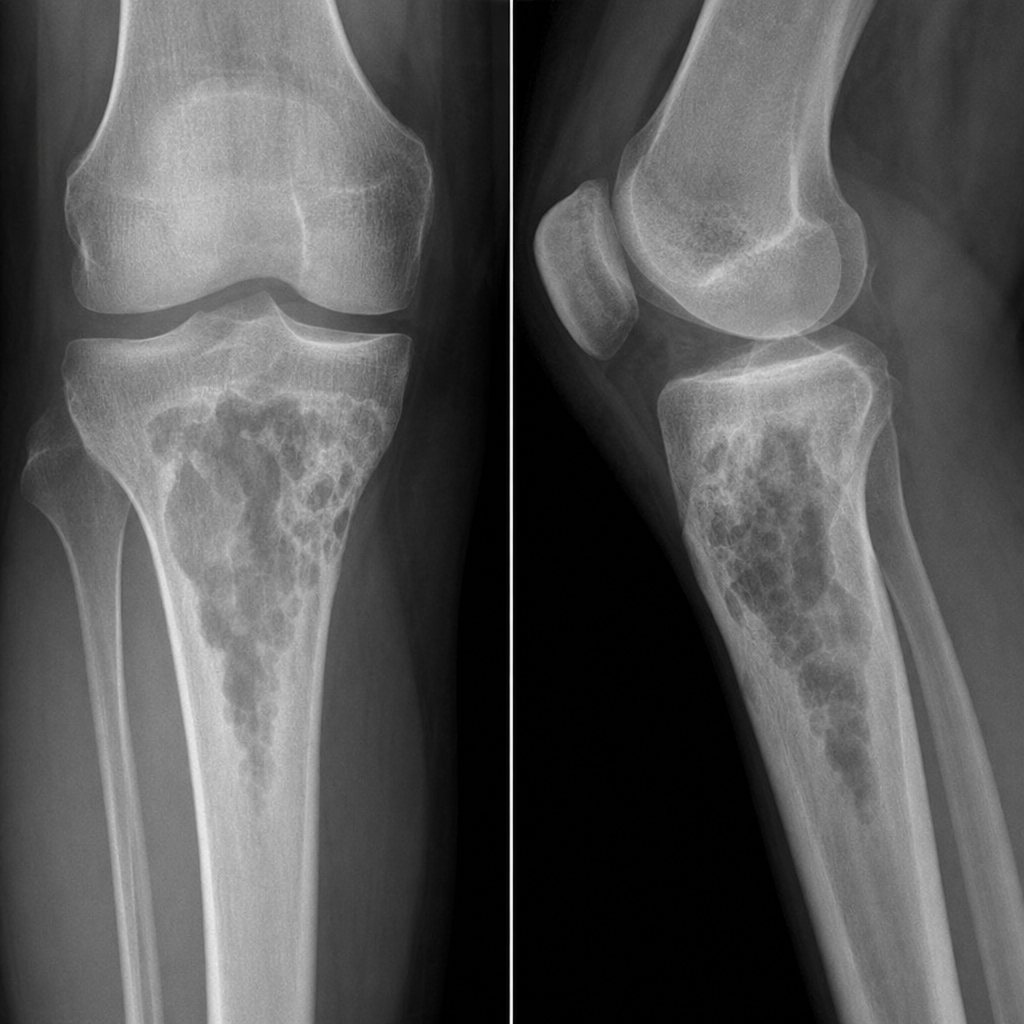
What is observed in the part of the bone which received radiotherapy?
Explanation: ***As part of MTP*** - Fractional curettage is a diagnostic procedure, while **Medical Termination of Pregnancy (MTP)** involves the evacuation of uterine contents, typically performed with suction curettage or medication. - The goal of MTP is to end a pregnancy, not to differentiate between cervical and endometrial pathologies. *CA cervix* - **Fractional curettage** is crucial for diagnosing **cervical cancer** as it allows for separate sampling of the endocervical canal and the endometrial cavity. - This helps determine the origin and extent of the malignancy, differentiating cervical involvement from endometrial involvement. *Fibroid uterus* - In cases of **abnormal uterine bleeding** associated with **fibroids**, fractional curettage can be performed to rule out coexisting endometrial pathology. - While fibroids are benign, concurrent conditions like **endometrial hyperplasia** or **carcinoma** need to be excluded. *Endometrial carcinoma* - Fractional curettage is a primary diagnostic method for suspected **endometrial carcinoma** as it provides distinct samples from the endocervix and endometrium. - Separate sampling helps to accurately stage the disease and confirms whether the cancer is confined to the endometrium or has spread to the cervix.
Explanation: ***NHL*** - **CHOP** is the **gold standard first-line chemotherapy regimen** for most types of **Non-Hodgkin Lymphoma**, particularly **diffuse large B-cell lymphoma (DLBCL)** [1]. - The regimen combines **cyclophosphamide** (alkylating agent), **hydroxydaunorubicin/doxorubicin** (anthracycline), **oncovin/vincristine** (vinca alkaloid), and **prednisone** (corticosteroid) for optimal efficacy [1]. *Head and neck cancer* - Treatment primarily involves **platinum-based regimens** such as **cisplatin or carboplatin** combined with **5-fluorouracil** or **taxanes**. - **CHOP is not a standard chemotherapy regimen** for head and neck malignancies, which are solid tumors requiring different therapeutic approaches. *Ca Stomach* - Gastric cancer chemotherapy typically uses regimens like **FOLFOX** (fluorouracil, leucovorin, oxaliplatin) or **FLOT** (fluorouracil, leucovorin, oxaliplatin, docetaxel). - **CHOP is not used for gastric cancer** treatment, as it requires **platinum-based or fluoropyrimidine-based combinations**. *Ca Lung* - Lung cancer treatment involves **platinum-based doublets** such as **cisplatin/carboplatin** combined with **pemetrexed, paclitaxel, or gemcitabine** [2]. - **CHOP is not used for lung cancer** as it is specifically designed for **hematological malignancies**, not solid tumors like lung cancer.
Explanation: ***Cartilage*** - **Cartilage** is a connective tissue with a relatively **low metabolic rate** and **avascular nature**, making its cells (chondrocytes) less susceptible to rapid turnover and DNA damage from radiation. - Its **dense extracellular matrix** and limited cellular division contribute to its inherent resistance to ionizing radiation, requiring higher doses to induce significant damage. *Ewing's sarcoma* - **Ewing's sarcoma** is a highly **malignant bone tumor** that is generally considered **radiosensitive** and often treated with radiation therapy. - Its cells are rapidly dividing, making them more vulnerable to the DNA-damaging effects of radiation. *GIT epithelium* - The **gastrointestinal tract (GIT) epithelium** is characterized by **rapid cell turnover** and high mitotic activity to constantly replace damaged cells and absorb nutrients. - This high proliferative rate makes the GIT epithelium highly **radiosensitive**, leading to common side effects like mucositis and diarrhea during radiation therapy. *Gonadal tumours* - Tumors of the **gonads** (e.g., testicular seminoma, ovarian dysgerminoma) are often highly **radiosensitive** and respond well to radiation therapy due to the germ cell origin and rapid proliferation of tumor cells. - The germ cells themselves are very sensitive to radiation, leading to concerns about **fertility preservation** in patients undergoing treatment.
Explanation: ***Ionizing radiation*** - Radiation therapy primarily utilizes **ionizing radiation** (e.g., X-rays, gamma rays, protons) to damage the **DNA** of cancer cells. - This damage prevents cancer cells from growing and dividing, leading to their death and tumor shrinkage. *Ultrasonic effect* - **Ultrasound** uses high-frequency sound waves for imaging (sonography) and, in some therapeutic applications, to generate heat or mechanically disrupt tissues. - It is not the primary principle for general **radiotherapy** which aims to destroy cancer cells via DNA damage. *Charring of nucleoprotein* - **Charring** refers to the severe burning of organic material, often resulting in carbonization. - While radiation can cause significant cellular damage, the primary mechanism is not macroscopic charring but rather precise **DNA damage** at a molecular level. *Infrared rays* - **Infrared rays** are a form of electromagnetic radiation associated with heat, used in some warming therapies or for imaging (thermography). - They lack the energy to cause **ionization** and significant DNA damage to effectively treat cancer in the manner of therapeutic radiation.
Explanation: ***Dactinomycin*** - **Dactinomycin (Actinomycin D)** is known to potentiate radiation effects, meaning it can significantly increase the tissue damage from radiation. - When given concurrently with radiation or prior to radiation, its dose must be carefully adjusted or avoided to prevent severe radiation toxicity, including **radiation recall** phenomena. *Vincristine* - **Vincristine** is a vinca alkaloid primarily used for its antimitotic activity, interfering with microtubule formation. - While it has its own significant toxicities (e.g., neurotoxicity), it is not typically associated with directly potentiating radiation toxicity to the same extent as dactinomycin, nor does it commonly require dose adjustment due to radiation interaction to prevent severe toxicity of this nature. *Cyclophosphamide* - **Cyclophosphamide** is an alkylating agent often used in chemotherapy and immunosuppression. - Although it has various toxicities (e.g., hemorrhagic cystitis, myelosuppression), it is not specifically known for significantly enhancing radiation toxicity in a manner that necessitates routine dose adjustment during concurrent radiotherapy to prevent extreme local radiation effects. *6-Mercaptopurine* - **6-Mercaptopurine** is an antimetabolite primarily used in acute lymphoblastic leukemia. - It interferes with nucleic acid synthesis but is not typically highlighted as a drug that critically requires dose adjustment during radiotherapy to avoid extreme radiation potentiation or recall reactions.
Explanation: ***During and within microseconds of starting*** - Oxygen is effective during radiotherapy primarily due to the **oxygen enhancement ratio (OER)**, which describes the increased radiosensitivity of cells in the presence of oxygen. - This effect is almost instantaneous, as oxygen acts as a **radical sensitizer** by stabilizing DNA damage caused by radiation, making it irreparable by cellular repair mechanisms. *Just before starting the therapy* - While having oxygen present just before therapy is important, the actual sensitization effect requires oxygen to be present **during** the radiation exposure itself. - Simply having oxygen before without its presence during treatment will not maximize the therapeutic benefit. *After 5 minutes* - The critical period for oxygen's radiosensitizing effect is during and immediately after the ionization events caused by radiation, which occur over **microseconds**. - Oxygen administered 5 minutes after radiation exposure would be too late to impact the initial damage fixation process. *After 10 minutes* - Similar to the 5-minute mark, oxygen delivered 10 minutes after radiation would have **no significant impact** on the immediate radiation-induced cellular damage. - The window of opportunity for oxygen to enhance radiosensitivity is extremely short, occurring at the moment of radiation interaction with biological molecules.
Explanation: ### Explanation **Acute Radiation Syndrome (ARS)** occurs after whole-body exposure to high doses of ionizing radiation. It is categorized into three distinct sub-syndromes based on the dose received and the organ system affected. **1. Why Option A (2 Gy) is Correct:** The **Hematological (Bone Marrow) Syndrome** occurs at doses between **2 and 10 Gy**. At this threshold, the radiation destroys the highly mitotic precursor cells in the bone marrow, leading to pancytopenia (depletion of white blood cells, platelets, and red blood cells). Death, if it occurs, is usually due to infection or hemorrhage within 3–6 weeks. **2. Why the Other Options are Incorrect:** * **Option B (6 Gy):** While 6 Gy falls within the range of hematological syndrome, it is above the *threshold* (starting point). At doses above 6–10 Gy, the Gastrointestinal syndrome begins to overlap and dominate. * **Option C (15 Gy):** This dose triggers the **Gastrointestinal (GI) Syndrome** (threshold: **6–10 Gy**). It involves the destruction of intestinal crypt cells, leading to severe diarrhea, dehydration, and electrolyte imbalance. Death typically occurs within 5–10 days. * **Option D (50 Gy):** This dose triggers the **Cerebrovascular (CNS) Syndrome** (threshold: **>20–50 Gy**). It results in immediate neurological symptoms, seizures, and coma, with death occurring within 24–48 hours. **High-Yield Clinical Pearls for NEET-PG:** * **LD 50/60:** The lethal dose required to kill 50% of the population in 60 days is approximately **3–4 Gy** (without medical intervention). * **Prodromal Phase:** The initial stage of ARS characterized by nausea, vomiting, and anorexia (NVA). * **Radiosensitivity:** According to the **Law of Bergonie and Tribondeau**, cells with high mitotic activity and low differentiation (like hematopoietic stem cells) are the most radiosensitive.
Explanation: In radiobiology, complications of radiotherapy are classified based on the timing of their appearance relative to the treatment course. **Correct Answer: C. Mucositis** Mucositis is traditionally categorized as an **acute complication** of radiotherapy. It occurs due to the rapid depletion of the basal cell layer of the oral or gastrointestinal mucosa, which has a high mitotic index. However, in the context of this specific question (often seen in previous medical exams), it is frequently contrasted against immediate systemic reactions. *Note for NEET-PG:* There is a common academic debate regarding this question. While mucositis is biologically "acute," it often persists longer than immediate reactions like nausea. However, if the question asks for a **late** complication (occurring months to years later), typical examples include **fibrosis, necrosis, and secondary malignancies**. If "Mucositis" is marked as the key, it is often due to its peak occurring toward the end of a 6-week treatment cycle compared to immediate "early" symptoms. **Analysis of Incorrect Options:** * **A. Nausea:** This is an **immediate/early** side effect, often part of "radiation sickness," occurring within hours of exposure. * **B. Thrombocytopenia:** This is an **acute** effect on the hematopoietic system. Bone marrow suppression occurs rapidly due to the high radiosensitivity of precursor cells. * **D. Erythema:** This is the classic **acute** skin reaction (resembling a sunburn) that occurs within days to weeks of starting therapy. **High-Yield Clinical Pearls for NEET-PG:** * **Acute Effects:** Occur in rapidly dividing tissues (Skin, Mucosa, Bone Marrow). * **Late Effects:** Occur in slowly dividing tissues (Lung, Kidney, Heart, CNS). The hallmark of late injury is **vascular damage and fibrosis**. * **Radiosensitivity:** The most sensitive phase of the cell cycle is **M (Mitosis)**, followed by G2. The most resistant phase is **S (Synthesis)**. * **Law of Bergonie and Tribondeau:** Radiosensitivity is directly proportional to the reproductive rate and inversely proportional to the degree of differentiation.
Explanation: **Explanation:** In radiobiology, substances are classified based on how they modify the cellular response to ionizing radiation. The distinction between **radioprotectors** and **radiosensitizers** is a high-yield topic for NEET-PG. **Why BUDR is the correct answer:** **BUDR (5-Bromo-2'-deoxyuridine)** is a **radiosensitizer**, not a radioprotector. It is a halogenated pyrimidine analog that incorporates into the DNA of rapidly dividing cells in place of thymidine. This substitution makes the DNA chain more fragile and susceptible to radiation-induced strand breaks, thereby increasing the lethality of a given dose of radiation. **Analysis of incorrect options (Radioprotectors):** * **Amifostine (WR-2721):** This is the most potent and well-known radioprotector. It is a sulfhydryl compound that acts as a free radical scavenger. It is FDA-approved to reduce xerostomia in patients undergoing radiotherapy for head and neck cancers. * **IL-1 (Interleukin-1):** Cytokines like IL-1 act as biological response modifiers. They protect hematopoietic stem cells and promote recovery of the bone marrow after radiation exposure. * **GM-CSF (Granulocyte-Macrophage Colony-Stimulating Factor):** This is a growth factor that stimulates the proliferation of white blood cells. It is used clinically to mitigate hematologic toxicity (bone marrow syndrome) following radiation. **Clinical Pearls for NEET-PG:** * **Oxygen Effect:** Oxygen is the most potent naturally occurring radiosensitizer. * **Sulfhydryl Compounds:** Most radioprotectors work by scavenging free radicals (produced by indirect action of radiation) or by donating hydrogen atoms to repair DNA lesions. * **Radiosensitizers list:** BUDR, IUDR, Metronidazole, Misonidazole, and Cisplatin. * **Radioprotectors list:** Amifostine, Cysteine, Cysteamine, Vitamin E, and certain cytokines (IL-1, TNF-alpha).
Explanation: ***More destruction of bone*** - Radiotherapy causes **radiation osteitis** and **osteoradionecrosis**, leading to progressive bone destruction and necrosis. - **Impaired vascularization** and cellular damage result in weakened bone structure and increased susceptibility to fractures. *Response to radiotherapy is good* - While radiotherapy may effectively treat tumors, the **bone tissue itself responds poorly** to radiation exposure. - **Bone cells** (osteoblasts and osteocytes) are particularly sensitive to radiation damage, leading to compromised bone integrity. *Fast healing* - Radiation actually **impairs bone healing** by damaging blood vessels and reducing cellular regeneration capacity. - **Delayed union** or **non-union** of fractures is common in irradiated bone due to compromised osteoblastic activity. *Tumor regression is not affected* - While tumor regression may occur with adequate radiation doses, this doesn't address the **direct effects on bone tissue**. - The question specifically asks about bone changes, not tumor response to radiotherapy.
Get full access to all questions, explanations, and performance tracking.
Start For Free