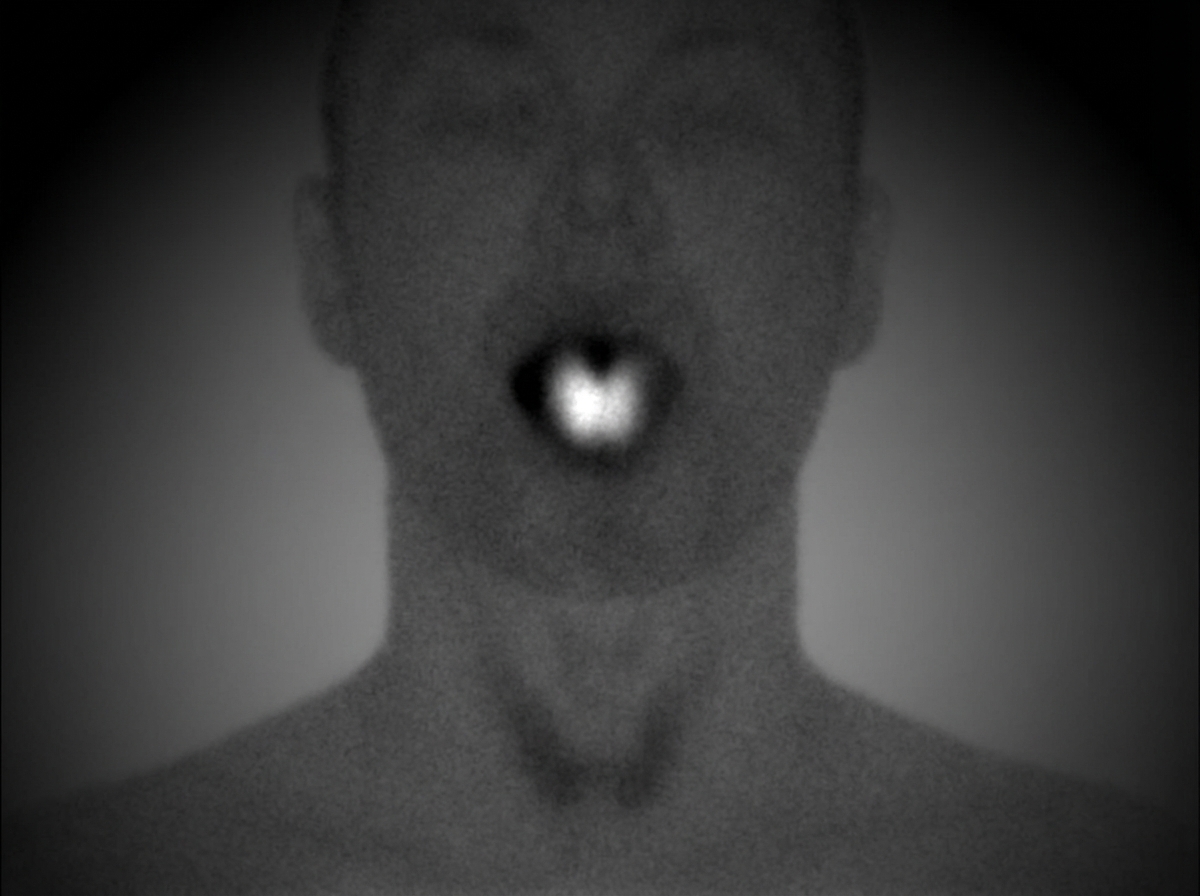
Which imaging modality is best for diagnosing Meckel's diverticulum?
What is the recommended dose of I-131 for carcinoma of the thyroid?
Which among the following is/are pure beta emitter(s)?
Which test is performed to detect reversible myocardial ischemia?
Tc Haemangioma involves which of the following?
Tc HMPAO SPECT is used for what type of imaging?
Hot spots in a bone scan are seen in which of the following conditions except?
Which of the following best defines nuclear medicine?
What is the investigation of choice for detecting renal scarring defects in an infected kidney?
Which of the following agents does not increase the sensitivity of a Tc-pertechnetate scan?
Explanation: **Explanation:** The **Technetium-99m (Tc-99m) pertechnetate scan**, commonly known as the **Meckel’s scan**, is the gold standard for diagnosing Meckel’s diverticulum. **Why it is correct:** Meckel’s diverticulum often contains **ectopic gastric mucosa** (present in ~50% of symptomatic cases). Tc-99m pertechnetate has a high affinity for the mucoid cells of the gastric mucosa. When injected intravenously, the radionuclide accumulates in both the stomach and the ectopic gastric tissue within the diverticulum, appearing as a "hot spot" on scintigraphy, typically in the right lower quadrant. **Why the other options are incorrect:** * **X-ray:** Plain radiographs are non-specific and usually normal unless there is a complication like intestinal obstruction or perforation (pneumoperitoneum). * **Ultrasound:** While it may occasionally show a blind-ended pouch or "target sign" in cases of intussusception, it is operator-dependent and lacks the sensitivity of nuclear imaging for identifying ectopic tissue. * **CT Scan:** CT is useful for identifying complications (e.g., diverticulitis or enteroliths) but often fails to distinguish a simple Meckel’s diverticulum from normal small bowel loops. **High-Yield Clinical Pearls for NEET-PG:** * **Rule of 2s:** 2% of the population, 2 inches long, 2 feet from the ileocecal valve, 2 types of ectopic tissue (Gastric > Pancreatic), and presents before age 2. * **Sensitivity:** The Meckel’s scan is more sensitive in children (~85-90%) than in adults. * **Pharmacological Augmentation:** To improve the scan's sensitivity, **Pentagastrin** (increases uptake), **H2 blockers like Cimetidine** (inhibits release from cells), or **Glucagon** (decreases peristalsis) can be administered. * **Most common presentation:** Painless lower GI bleeding (hematochezia) in a child.
Explanation: **Explanation:** The management of differentiated thyroid carcinoma (DTC) often involves **Radioactive Iodine (RAI) therapy** using I-131 following a total thyroidectomy. The dosage is stratified based on the patient's risk of recurrence and the presence of metastases. 1. **Low-Risk Patients (Option A):** For patients with small, localized tumors and no evidence of extrathyroidal extension or lymph node involvement, the goal is **remnant ablation**. Lower doses ranging from **30 to 100 mCi** are sufficient to destroy any remaining normal thyroid tissue, facilitating future monitoring with Thyroglobulin levels. 2. **High-Risk Patients (Option B):** For patients with gross extrathyroidal extension, incomplete tumor resection, or distant metastases (e.g., lung or bone), higher doses are required for **adjuvant therapy or treatment**. Doses typically range from **100 to 200 mCi** to ensure the destruction of microscopic or macroscopic residual disease. **Why Option C is correct:** Since both A and B represent the standard clinical protocols for different risk categories, "Both A and B" is the most accurate answer. **Why Option D is incorrect:** While 50 mCi falls within the low-risk range, it is too specific and fails to account for the higher doses required in advanced or metastatic cases. **High-Yield Clinical Pearls for NEET-PG:** * **Preparation:** Patients must have a high TSH (>30 mIU/L) before therapy, achieved either by thyroid hormone withdrawal (4 weeks) or recombinant human TSH (rhTSH). * **Diet:** A low-iodine diet is recommended for 1–2 weeks prior to treatment to increase I-131 uptake. * **Contraindication:** Pregnancy and breastfeeding are absolute contraindications for I-131 therapy. * **Side Effects:** Acute sialadenitis (salivary gland swelling) and bone marrow suppression (at very high doses) are important complications to remember.
Explanation: **Explanation:** In nuclear medicine, radionuclides are classified based on the type of radiation they emit. **Pure beta emitters** emit only beta particles (electrons) without accompanying gamma radiation. This makes them ideal for targeted therapy as they deliver high energy over a very short range (a few millimeters), minimizing radiation exposure to surrounding healthy tissues and simplifying radiation safety protocols (no lead shielding required for gamma rays). **Why Phosphorus-32 (P-32) is correct:** P-32 is a classic example of a pure beta emitter. It has a physical half-life of 14.3 days. Clinically, it was historically used for the treatment of Polycythemia Vera and is still used for intracavitary therapy and the treatment of persistent joint effusions (radiosynovectomy). **Analysis of Incorrect Options:** * **I-131:** It is a **mixed beta and gamma emitter**. While the beta particles provide the therapeutic effect (e.g., in hyperthyroidism or thyroid cancer), the gamma emission (364 keV) allows for diagnostic imaging but necessitates strict isolation protocols. * **Samarium-153:** It is also a **mixed emitter** (beta and gamma). It is used for bone pain palliation in metastatic disease. The gamma component allows for scintigraphic localization of the tracer. * **Radium-226:** This is primarily an **alpha emitter** and is part of a complex decay chain that also involves gamma radiation. (Note: Radium-223 is the more commonly discussed alpha emitter in modern NEET-PG contexts for prostate cancer bone metastases). **High-Yield Clinical Pearls for NEET-PG:** * **Pure Beta Emitters (The "3 Ps and a Y"):** Phosphorus-32, Strontium-89, Yttrium-90. * **Yttrium-90 (Y-90):** Frequently tested; used in TheraSphere/SIRSpheres for hepatocellular carcinoma (TACE/TARE) and radiosynovectomy. * **Shielding:** Pure beta emitters should be shielded with **low-atomic number materials (Plexiglass/Plastic)** rather than lead to prevent the production of *Bremsstrahlung* (X-ray) radiation.
Explanation: **Explanation:** **Thallium-201 (Tl-201) scan** is a myocardial perfusion imaging (MPI) technique used to assess myocardial viability and detect **reversible ischemia**. Thallium is a potassium analog that enters myocytes via the Na+/K+ ATPase pump. In a "Stress-Redistribution" protocol, Thallium is injected during exercise (or pharmacological stress). * **Reversible Ischemia:** Shows a "cold spot" (decreased uptake) during stress that "fills in" (normal uptake) during the redistribution phase (rest). * **Infarction (Scar):** Shows a persistent cold spot during both stress and rest. **Why other options are incorrect:** * **Coronary Angiography (A):** This is the "gold standard" for visualizing **anatomical** stenosis of coronary arteries, but it does not directly measure the functional physiological impact or viability of the myocardium. * **MUGA Scan (B):** A Multi-Gated Acquisition scan is used primarily to calculate the **Left Ventricular Ejection Fraction (LVEF)** and assess ventricular wall motion. It does not detect ischemia. * **Resting Echocardiography (D):** While it can show regional wall motion abnormalities (RWMA), a resting echo cannot differentiate between an acute infarct, an old scar, or reversible ischemia without a stress component (e.g., Stress Echo). **High-Yield Clinical Pearls for NEET-PG:** * **Technetium-99m Sestamibi:** Another common MPI agent; unlike Thallium, it does not redistribute, requiring two separate injections (stress and rest). * **PET Scan (FDG):** The **Gold Standard** for detecting **myocardial viability** (hibernating myocardium). * **Hot Spot Imaging:** Technetium-99m Pyrophosphate is used to detect *acute* myocardial infarction (binds to calcium in damaged cells). * **Thallium-201** is preferred for viability, while **Tc-99m compounds** provide better image quality due to higher energy photons.
Explanation: **Explanation:** The question refers to the use of **Technetium-99m labeled Heat-Denatured Red Blood Cells (HDRBCs)**. While Tc-99m labeled RBCs are the gold standard for diagnosing hepatic hemangiomas, the specific technique of using **heat-damaged** RBCs is the primary method for **Splenic Imaging**. 1. **Why Splenic Disease is Correct:** The spleen’s physiological function is to filter out aged or damaged erythrocytes from the circulation. By intentionally damaging RBCs (heating them to exactly 49.5°C for 15-20 minutes), they are selectively sequestered by splenic tissue. This is highly specific for identifying **accessory spleens (splenules)** or **splenosis** following trauma or splenectomy. 2. **Why other options are incorrect:** * **Biliary Tree:** Evaluated using **Tc-99m HIDA** (Hepatobiliary Iminodiacetic Acid) scans, which track bile flow. * **Renal Disease:** Evaluated using **Tc-99m DTPA** (for GFR) or **Tc-99m DMSA** (for cortical scarring). * **Pulmonary Embolism:** Evaluated using a **V/Q Scan** (Tc-99m MAA for perfusion and Xenon-133 or Tc-99m DTPA aerosol for ventilation). **High-Yield Clinical Pearls for NEET-PG:** * **Hepatic Hemangioma:** Uses Tc-99m labeled RBCs (non-denatured) showing "delayed filling" or "pooling" on SPECT. * **Meckel’s Diverticulum:** Uses **Tc-99m Pertechnetate** (taken up by ectopic gastric mucosa). * **Active GI Bleed:** Tc-99m labeled RBCs are the most sensitive test for detecting slow/intermittent bleeds (as low as 0.1 mL/min). * **Splenic Imaging:** If the question mentions "denatured" or "heat-damaged" RBCs, always think of the Spleen.
Explanation: **Explanation:** **Tc-99m HMPAO** (Hexamethylpropyleneamine oxime), also known as **Exametazime**, is a lipophilic radiopharmaceutical used primarily for **Cerebral Perfusion Imaging**. Because it is lipophilic, it can cross the intact blood-brain barrier (BBB) via passive diffusion. Once inside the brain cells, it is converted into a hydrophilic form that becomes "trapped," allowing for SPECT (Single Photon Emission Computed Tomography) imaging that reflects regional cerebral blood flow (rCBF). This is clinically vital for evaluating stroke, dementia (e.g., Alzheimer’s), and localizing epileptic foci. **Analysis of Incorrect Options:** * **B. Renal imaging:** Common agents include **Tc-99m DTPA** (for GFR) and **Tc-99m MAG3** (for tubular secretion). **Tc-99m DMSA** is used for renal cortical mapping. * **C. Parathyroid imaging:** The gold standard is **Tc-99m Sestamibi** (MIBI) using a dual-phase technique, as it washes out slower from parathyroid adenomas than from thyroid tissue. * **D. Thyroid imaging:** Primarily uses **Iodine-131**, **Iodine-123**, or **Tc-99m Pertechnetate**, which is trapped by the thyroid gland via the sodium-iodide symporter. **High-Yield Clinical Pearls for NEET-PG:** * **Brain Death:** Tc-99m HMPAO is a confirmatory test; a "hollow skull sign" (absence of tracer uptake in the cerebrum) indicates brain death. * **WBC Labeling:** Apart from brain imaging, Tc-99m HMPAO is used to label **leukocytes** (WBCs) to localize sites of occult infection or inflammatory bowel disease. * **ECD (Ethyl Cysteinate Dimer):** Another lipophilic agent used for brain perfusion, often preferred over HMPAO due to faster blood clearance and better stability.
Explanation: **Explanation:** The correct answer is **Multiple Myeloma**. A standard bone scan (Technetium-99m MDP) depends on **osteoblastic activity** (bone formation) and local blood flow. When bone is being remodeled or repaired, the radiopharmaceutical accumulates, creating a "hot spot." **1. Why Multiple Myeloma is the correct answer:** Multiple myeloma is characterized by purely **osteolytic lesions** mediated by osteoclast-activating factors. Because there is little to no compensatory osteoblastic activity (bone formation), these lesions do not take up the tracer. Consequently, they often appear as "cold spots" or are not visualized at all, leading to a high false-negative rate on bone scans. Skeletal surveys (X-rays) or MRI/PET-CT are preferred for diagnosis. **2. Why the other options are incorrect:** * **Osteomyelitis:** Infection causes intense local inflammation, increased blood flow, and reactive bone formation, leading to early and intense hot spots. * **Hyperparathyroidism:** Increased parathyroid hormone levels cause generalized increased bone turnover. This often results in a "Superscan" appearance (diffuse, intense skeletal uptake with faint or absent renal shadows). * **Metastases:** Most bony metastases (e.g., from prostate or breast cancer) incite an osteoblastic response as the bone attempts to repair itself, resulting in multiple hot spots. **Clinical Pearls for NEET-PG:** * **"Cold" Lesions on Bone Scan:** Think Multiple Myeloma, early infarction (Avascular Necrosis), or very aggressive anaplastic tumors. * **The "Superscan":** Characterized by high bone-to-soft tissue ratio and absent kidney visualization. Common causes: Metastatic prostate cancer, Renal Osteodystrophy, and Hyperparathyroidism. * **Three-Phase Bone Scan:** Used to differentiate cellulitis (hot only in early phases) from osteomyelitis (hot in all three phases: flow, blood pool, and delayed).
Explanation: **Explanation** **Why Option D is Correct:** Nuclear medicine is fundamentally a **functional and molecular imaging** specialty. Unlike conventional radiology (X-ray, CT), which focuses on anatomy, nuclear medicine relies on the administration of **radiopharmaceuticals** (radioactive tracers). The diagnostic value comes from monitoring the **accretion** (uptake), **transit** (movement), and **disappearance** (clearance/excretion) of these tracers within specific organs or tissues. This physiological data is crucial in oncology for staging, monitoring treatment response (e.g., PET-CT), and providing targeted radionuclide therapy (e.g., I-131 for thyroid cancer). **Analysis of Incorrect Options:** * **Option A:** While nuclear medicine includes therapeutic branches (Theranostics), it is not used for the management of *all* patients; its use is specific to certain pathologies. * **Option B:** This is incorrect because nuclear medicine provides **quantifiable** data. Standardized Uptake Values (SUV) in PET scans and GFR calculations in renal scans are key quantitative metrics. * **Option C:** While radiation safety is paramount, modern nuclear medicine is considered safe with a favorable risk-benefit ratio. It is not characterized by "many hazards" compared to other interventional or high-dose radiation procedures. **High-Yield Clinical Pearls for NEET-PG:** * **Functional vs. Structural:** Radiology = Anatomy; Nuclear Medicine = Physiology/Function. * **Hot vs. Cold Spots:** Areas of increased tracer uptake are "hot" (e.g., osteoblastic bone metastases), while areas of decreased uptake are "cold" (e.g., a non-functioning thyroid nodule). * **Common Tracers:** **Technetium-99m** (most commonly used diagnostic isotope due to its 6-hour half-life) and **F-18 FDG** (glucose analog used in PET). * **Theranostics:** A rising field combining therapy and diagnostics (e.g., Lu-177 PSMA for prostate cancer).
Explanation: **Explanation:** The investigation of choice for detecting renal cortical scarring is the **DMSA (Dimercaptosuccinic Acid) scan**. **1. Why DMSA is the Correct Answer:** DMSA is a static renal imaging agent that binds to the **proximal convoluted tubules** of the functional renal cortex. Because it remains fixed in the cortex for a prolonged period, it provides high-resolution images of the renal parenchyma. Areas of scarring, inflammation, or infarction appear as "cold spots" (photopenic defects) due to the lack of functional tubular uptake. It is considered the gold standard for diagnosing acute pyelonephritis and permanent cortical scarring. **2. Why Other Options are Incorrect:** * **DTPA Scan:** This is a **dynamic** renal scan used primarily to assess the **Glomerular Filtration Rate (GFR)** and renal perfusion/obstructive uropathy. It is filtered rapidly and does not provide the cortical detail necessary to identify scars. * **DEXA Scan:** This is used to measure **Bone Mineral Density (BMD)** for diagnosing osteoporosis; it has no role in renal imaging. * **MCU (VCUG):** This is the investigation of choice for diagnosing **Vesicoureteral Reflux (VUR)** and Posterior Urethral Valves (PUV). While VUR causes scarring, the MCU itself visualizes the anatomy of the bladder and urethra, not the parenchymal scars. **3. Clinical Pearls for NEET-PG:** * **DMSA:** Best for **Structure/Morphology** (Scarring, Ectopic kidney). * **DTPA/MAG3:** Best for **Function/Drainage** (Hydronephrosis, GFR). * **Timing:** To differentiate acute infection from permanent scarring, a DMSA scan should ideally be repeated **4–6 months** after an episode of Urinary Tract Infection (UTI). * **Radiopharmaceutical:** DMSA uses **Technetium-99m** ($^{99m}Tc$).
Explanation: **Explanation:** The **Tc-99m Pertechnetate scan** (Meckel’s scan) is the investigation of choice for detecting a Meckel’s diverticulum containing ectopic gastric mucosa. The pertechnetate ion is actively taken up by the **mucoid cells** of the gastric mucosa. To improve the sensitivity of the scan (i.e., the target-to-background ratio), pharmacological adjuncts are used to either increase uptake or delay the clearance of the tracer. **Why Metoclopramide is the correct answer:** Metoclopramide is a prokinetic agent that increases gastrointestinal motility. By stimulating peristalsis, it promotes the rapid washout of the radiopharmaceutical from the ectopic gastric mucosa into the distal bowel. This **decreases** the scan's sensitivity by blurring the focal "hot spot" and increasing background activity. **Analysis of Incorrect Options:** * **Pentagastrin (Option D):** A potent stimulator of gastric secretions. It increases the metabolic activity and uptake of Tc-99m pertechnetate by the gastric mucosa, making the diverticulum more visible. * **Cimetidine (Option C):** An H2-receptor blocker. It does not prevent uptake but inhibits the *release* of pertechnetate from the mucosal cells into the intestinal lumen, thereby retaining the tracer within the ectopic tissue for longer. * **Glucagon (Option A):** An anti-peristaltic agent. It induces intestinal hypotonia, which minimizes the "washout" of the tracer and keeps it localized at the site of the diverticulum. **High-Yield Clinical Pearls for NEET-PG:** * **Meckel’s Diverticulum Rule of 2s:** 2% of population, 2 inches long, 2 feet from ileocecal valve, 2 types of ectopic tissue (Gastric > Pancreatic). * **Most common presentation:** Painless lower GI bleeding in a child. * **False Negatives:** Can occur if there is insufficient gastric mucosa (<1.8 cm²) or rapid transit. * **False Positives:** Intussusception, inflammatory bowel disease, or vascular malformations.
Physics of Nuclear Medicine
Practice Questions
Radiopharmaceuticals
Practice Questions
Radiation Detection in Nuclear Medicine
Practice Questions
Thyroid Scintigraphy
Practice Questions
Bone Scintigraphy
Practice Questions
Renal Nuclear Medicine
Practice Questions
Cardiac Nuclear Medicine
Practice Questions
Pulmonary Nuclear Medicine
Practice Questions
Neurological Nuclear Medicine
Practice Questions
PET/CT Principles and Applications
Practice Questions
Radionuclide Therapy
Practice Questions
Radiation Safety in Nuclear Medicine
Practice Questions
Get full access to all questions, explanations, and performance tracking.
Start For Free