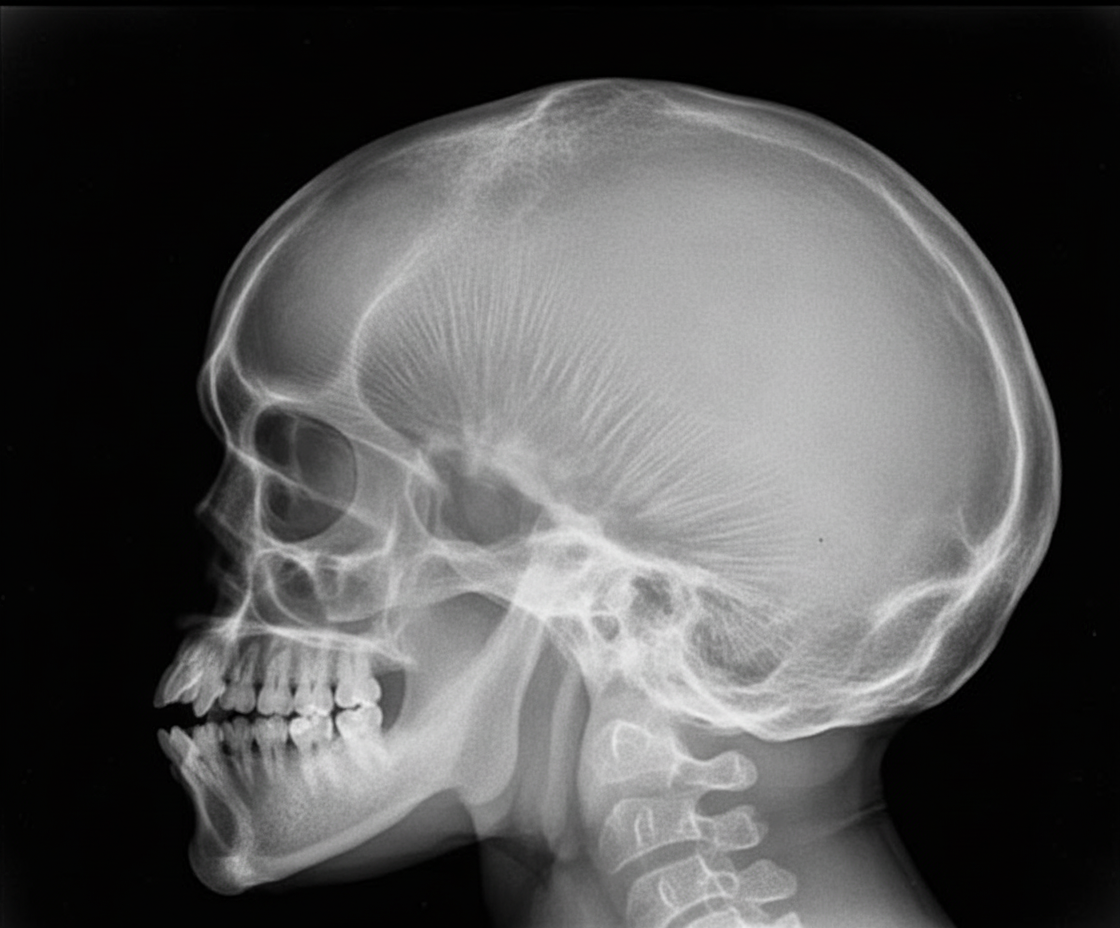
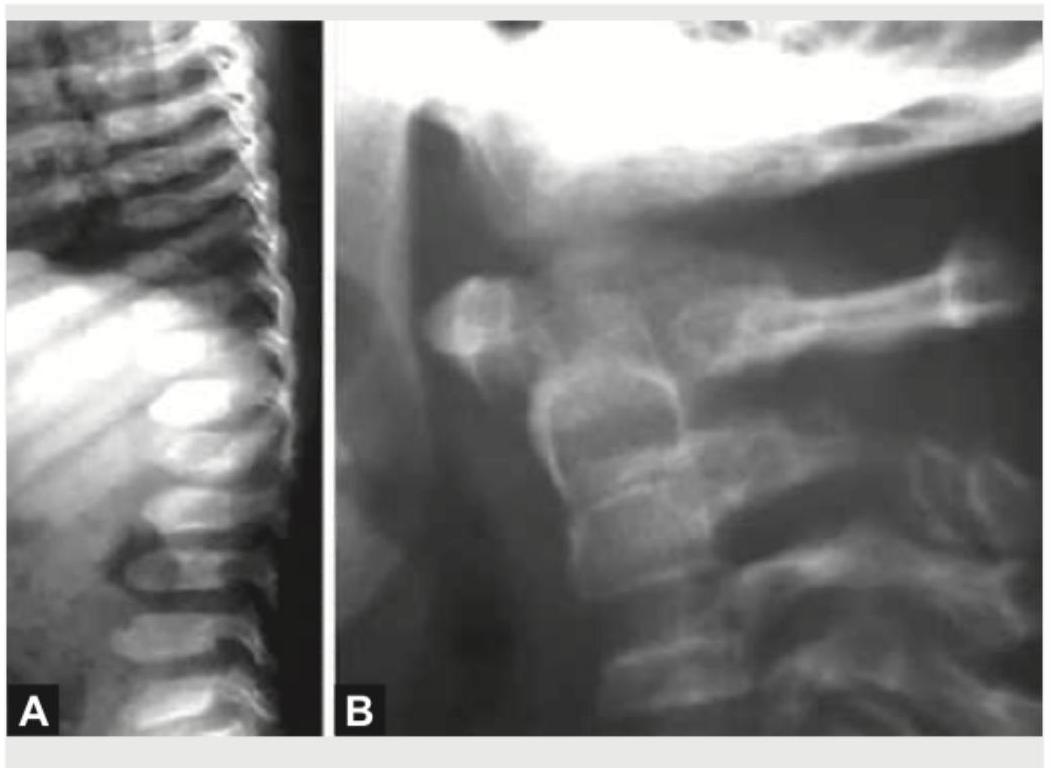
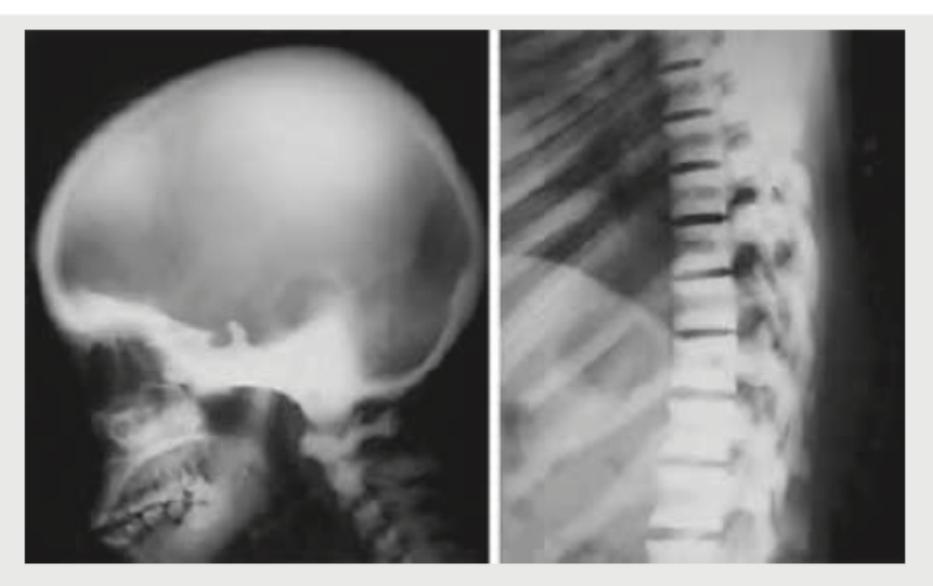
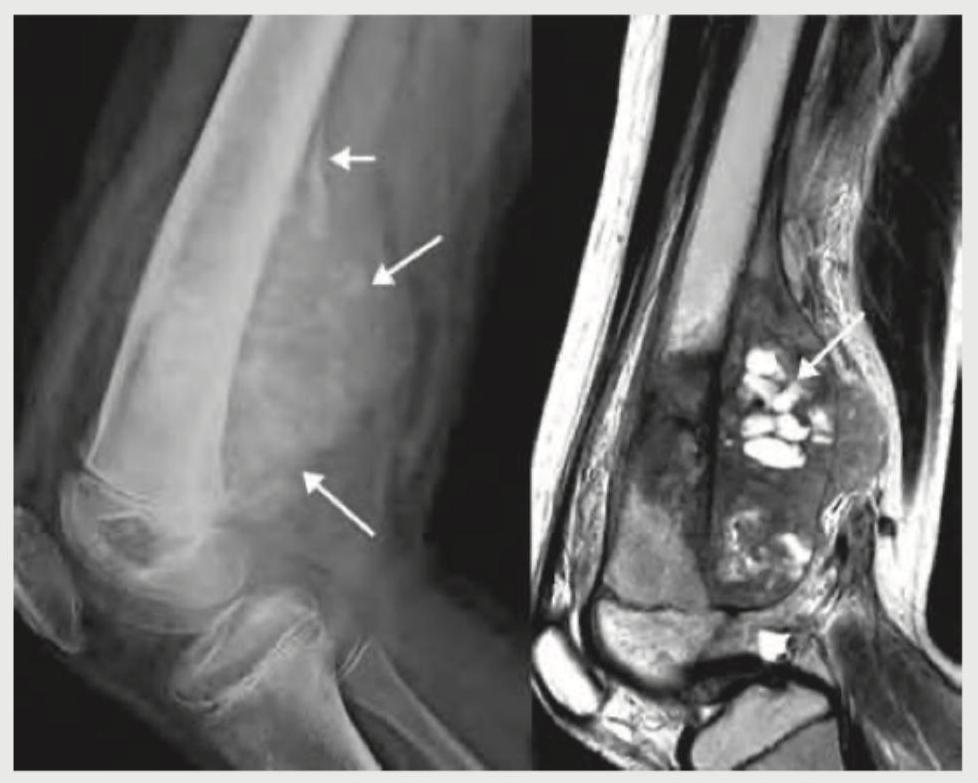
Intraosseous skeletal tumors are best diagnosed by which imaging modality?
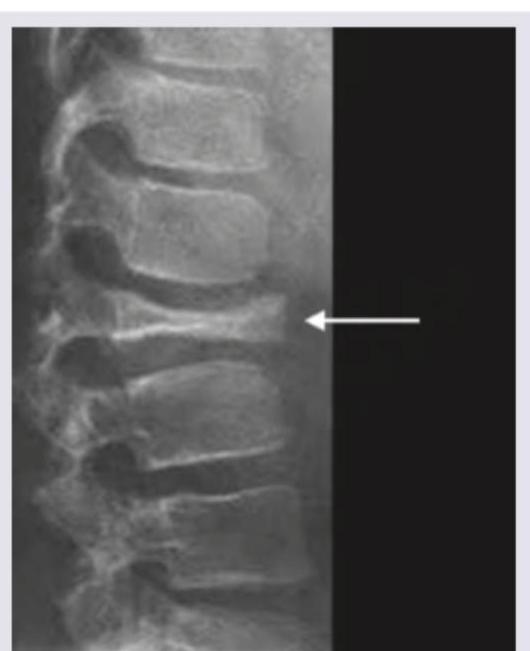
Which condition shows the "bone within bone" appearance radiologically?
Maclean's sign is seen in which of the following conditions?
Multiple periapical radiolucencies are seen in which of the following conditions?
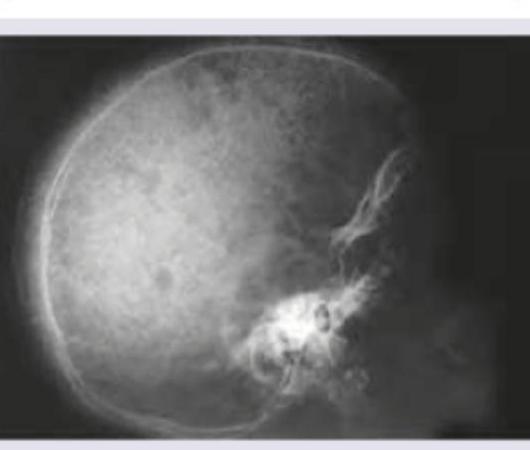
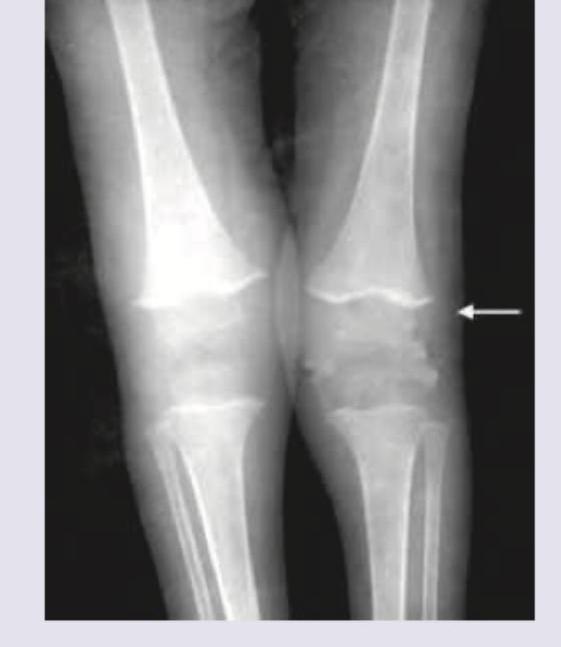
Marble Bone disease is characterized by which of the following conditions?
The "Scottish Dog Terrier" appearance on X-ray is seen in which condition?
A lateral view X-ray of the lumbosacral spine shows which of the following findings?

A Judet view on an X-ray is primarily used for visualizing injuries to which anatomical structure?
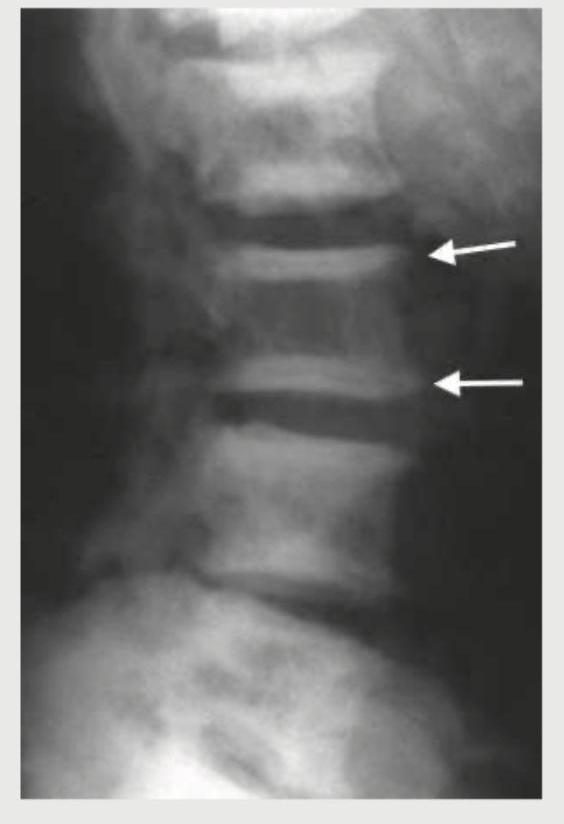
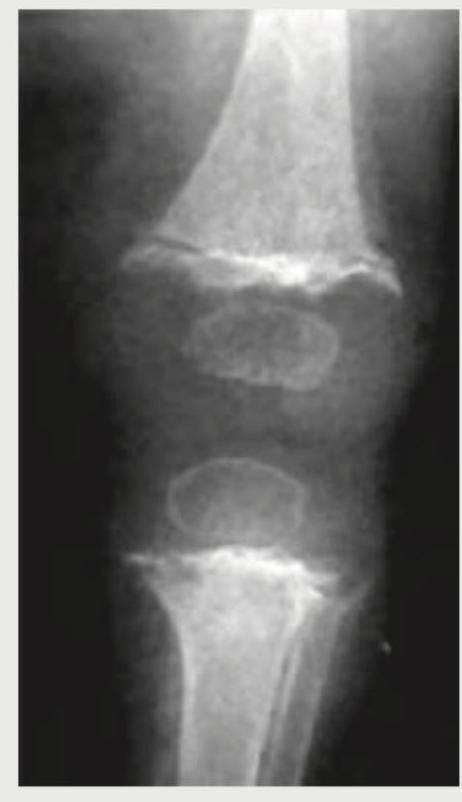
Which of the following is the most probable diagnosis of the patient with the given X-ray?

Which X-ray needs to be taken for a 16-year-old male?
Explanation: **Explanation:** The diagnosis of intraosseous skeletal tumors relies on evaluating both cortical destruction and marrow involvement. **NMR (MRI)** is the gold standard for diagnosing and staging these tumors because of its superior **soft-tissue contrast resolution**. **Why NMR is the correct answer:** MRI is the most sensitive modality for detecting changes within the **bone marrow**. Since most primary bone tumors (like Osteosarcoma or Ewing’s sarcoma) and metastatic deposits originate or spread within the marrow cavity, MRI can precisely delineate the intramedullary extent of the tumor, "skip lesions," and involvement of adjacent neurovascular bundles and soft tissues. **Analysis of incorrect options:** * **Plain X-ray:** While often the *initial* investigation of choice to observe the pattern of bone destruction (e.g., geographic vs. permeative) and periosteal reactions, it lacks the sensitivity to detect early marrow changes or soft tissue extension. * **CT Scan:** CT is superior for evaluating **cortical integrity**, matrix calcification (e.g., osteoid vs. chondroid), and complex anatomy (like the spine or pelvis). However, it is less effective than MRI for intraosseous marrow assessment. * **CT with Scintiscan:** Bone scans (Scintigraphy) are highly sensitive for detecting "hot spots" (increased bone turnover) and are used for screening skeletal metastases, but they have poor specificity and spatial resolution for a definitive diagnosis of a primary tumor. **High-Yield Clinical Pearls for NEET-PG:** * **Investigation of Choice (IOC) for Marrow Edema/Infiltration:** MRI. * **IOC for Staging Bone Tumors:** MRI (to assess local extent) + CT Chest (to look for lung metastases). * **IOC for Cortical Bone/Matrix details:** CT Scan. * **First-line investigation for any bone lesion:** Plain Radiograph (X-ray).
Explanation: **Explanation:** The **"bone within bone"** appearance (also known as *endobone*) is a classic radiological sign of **Osteopetrosis** (Albers-Schönberg disease). **1. Why Osteopetrosis is correct:** Osteopetrosis is a genetic disorder characterized by **defective osteoclast function**, leading to impaired bone resorption. This results in the failure of the primary spongiosa to be remodeled into mature bone. Radiologically, this manifests as a failure of the marrow space to develop, creating a dense, sclerotic bone. The "bone within bone" appearance occurs due to episodic growth arrests followed by periods of increased bone formation, creating a miniature replica of the bone (a "ghost" cortex) inside the actual bone, most commonly seen in the vertebrae, pelvis, and short tubular bones. **2. Why other options are incorrect:** * **GV1L (Gaucher’s Disease):** While it can cause bone changes, its classic radiological hallmark is the **Erlenmeyer flask deformity** (distal femur expansion) and bone infarcts, not a bone-within-bone appearance. * **Osteoporosis:** This is characterized by decreased bone density (radiolucency) and thinning of the cortex, which is the opposite of the dense sclerosis seen in osteopetrosis. * **Bone Infarct:** This typically presents as a "smoke-up-the-chimney" appearance or serpiginous calcification within the medullary cavity. **3. NEET-PG High-Yield Pearls:** * **Erlenmeyer Flask Deformity:** Seen in both Osteopetrosis and Gaucher’s disease. * **Rugger Jersey Spine:** Another classic sign of Osteopetrosis (and Renal Osteodystrophy). * **Sandwich Vertebrae:** Dense endplates seen in Osteopetrosis. * **Complications:** Despite being "dense," the bones are brittle and prone to **pathological fractures** and **pancytopenia** (due to marrow space obliteration).
Explanation: **Explanation:** **Maclean's sign** is a classic radiological feature of **Gouty arthritis**. It refers to the presence of **overhanging margins** or edges of bone that displace outward, covering the characteristic "punched-out" erosions. These erosions are typically peri-articular, well-demarcated, and associated with soft tissue tophi. The overhanging edge is created by the remodeling of bone around a slow-growing tophus, distinguishing gout from other inflammatory arthritides where bone is simply destroyed. **Analysis of Options:** * **Rheumatoid Arthritis (RA):** Characterized by marginal erosions (at the "bare area"), symmetrical joint space narrowing, and periarticular osteopenia. It lacks the sclerotic borders and overhanging edges seen in gout. * **Osteoarthritis (OA):** Features include asymmetric joint space narrowing, subchondral sclerosis, subchondral cysts (Geodes), and osteophyte formation, rather than punched-out erosions with overhanging edges. * **Ochronosis (Alkaptonuria):** Classically presents with dense calcification of intervertebral discs ("vacuum phenomenon") and multi-level disc space narrowing, but not the specific erosive pattern of Maclean's sign. **High-Yield Pearls for NEET-PG:** * **Martel’s Sign:** Another name for the overhanging margin/Maclean's sign in Gout. * **Tophi:** Radiographically appear as eccentric soft tissue swelling; may show faint calcification if calcium urate crystals are present. * **Joint Space:** In Gout, the joint space is characteristically **preserved** until very late stages of the disease, unlike RA or OA. * **Dual-Energy CT (DECT):** The gold standard imaging for identifying urate crystal deposits (color-coded green).
Explanation: **Explanation:** The correct answer is **Jaw cyst basal cell nevus syndrome** (also known as **Gorlin-Goltz Syndrome**). **1. Why the correct answer is right:** Gorlin-Goltz Syndrome is an autosomal dominant disorder characterized by the development of **multiple Odontogenic Keratocysts (OKCs)** in the jaws. On a radiograph, these appear as multiple, well-defined periapical or pericoronal radiolucencies. The syndrome is defined by a triad of: * Multiple OKCs (often the first sign). * Multiple Basal Cell Carcinomas (BCCs). * Skeletal anomalies (e.g., bifid ribs, ectopic calcification of the falx cerebri). **2. Why the incorrect options are wrong:** * **Odontogenic Keratocyst (OKC):** While OKCs are the lesions seen in Gorlin-Goltz, a solitary OKC is usually a sporadic finding. The question specifically asks for *multiple* radiolucencies, which points toward the syndromic association rather than the isolated lesion. * **Cherubism:** This is a genetic condition characterized by **bilateral, multilocular** radiolucencies typically located in the **posterior mandible/ramus**, leading to a "chubby" facial appearance. It does not typically present as simple periapical radiolucencies. * **Thyroid disorders:** These do not typically cause multiple periapical radiolucencies. Hyperparathyroidism (not thyroid) can cause "brown tumors" or a "ground-glass" appearance, but not multiple discrete periapical cysts. **3. High-Yield Clinical Pearls for NEET-PG:** * **Gorlin-Goltz Triad:** Multiple OKCs + Bifid Ribs + Calcified Falx Cerebri. * **OKC Pathology:** High recurrence rate; lined by parakeratinized stratified squamous epithelium with a "picket fence" basal layer. * **Radiographic Tip:** If you see "multiple OKCs" in a question stem, always look for Gorlin-Goltz Syndrome in the options.
Explanation: **Explanation:** **Marble Bone Disease** is a synonym for **Osteopetrosis** (also known as Albers-Schönberg disease). The core pathology is a **defect in osteoclast function** or differentiation, leading to impaired bone resorption. Consequently, bones become excessively dense, thick, and opaque on imaging, resembling "marble," yet they are paradoxically brittle and prone to fractures. **Why the other options are incorrect:** * **Osteoporosis:** This is the polar opposite of osteopetrosis; it involves decreased bone mineral density and "porous" bones, appearing radiolucent (darker) on X-rays. * **Osteopoikilosis:** Known as "spotted bone disease," it is characterized by multiple small, well-defined radiopaque islands (bone islands) in the epiphyses and metaphyses, rather than generalized bone thickening. * **Fibrous Dysplasia:** This is a condition where normal bone is replaced by fibrous tissue and immature bone, typically showing a characteristic **"Ground-glass appearance"** on X-ray, not the diffuse sclerosis seen in marble bone disease. **NEET-PG High-Yield Pearls:** 1. **Radiological Signs:** Look for the **"Bone-within-a-bone"** appearance (Endobone) and **"Sandwich vertebrae"** (dense endplates). 2. **Erlenmeyer Flask Deformity:** Characterized by the expansion of the distal metaphysis of long bones (also seen in Gaucher’s disease). 3. **Clinical Complications:** Despite increased density, bones are fragile. Patients often present with **pancytopenia** (due to marrow space obliteration) and **cranial nerve palsies** (due to narrowing of the cranial foramina). 4. **Treatment:** Bone Marrow Transplant is the definitive treatment for the infantile (malignant) form to provide functional osteoclasts.
Explanation: The **"Scotty Dog" (or Scottish Terrier)** appearance is a classic radiological sign seen on **oblique radiographs** of the lumbar spine. It represents the normal anatomical alignment of the posterior elements of a lumbar vertebra. ### **Why the Correct Answer is Right** In a normal oblique view, the various parts of the vertebra form the shape of a dog: * **Eye:** Pedicle * **Nose:** Transverse process * **Ear:** Superior articular process * **Foreleg:** Inferior articular process * **Body:** Lamina * **Neck:** **Pars interarticularis** When these structures are intact, the "dog" appears normal. Therefore, the appearance itself is a feature of the **normal lumbar spine on a posterior oblique view**. ### **Explanation of Incorrect Options** * **A. Spondylolysis:** This refers to a defect or stress fracture in the **pars interarticularis**. On X-ray, this appears as a **"collar" around the dog's neck** (or a "broken neck"). While the Scotty dog is used to *diagnose* this, the dog itself is a normal finding; the pathology is the break in the neck. * **B. Spondylolisthesis:** This is the forward displacement of one vertebra over another. While often a sequel to spondylolysis, it is best visualized on a **lateral view**, not the oblique view characterized by the Scotty dog. * **D. Vertebral Metastasis:** This typically presents as the **"Winking Owl" sign** on an AP view due to the destruction of a pedicle. ### **High-Yield Clinical Pearls for NEET-PG** * **Oblique View:** Best for visualizing the **pars interarticularis**. * **Winking Owl Sign:** Absence of a pedicle (Metastasis or Tuberculosis). * **Bamboo Spine:** Ankylosing Spondylitis (syndesmophytes). * **Ivory Vertebra:** Seen in Paget’s disease, Lymphoma, or Osteoblastic metastasis (Prostate CA). * **Codfish Vertebra:** Seen in Osteomalacia/Osteoporosis.
Explanation: ***Spondylolisthesis*** - **Lateral X-ray** is the gold standard for diagnosing spondylolisthesis, showing **anterior slippage** of one vertebra over another with a characteristic **step-off deformity**. - The **Meyerding classification** can be applied on lateral views to grade the degree of vertebral displacement. *Pott's spine* - Shows **vertebral body destruction** and **collapse** with **kyphotic angulation** rather than forward slippage. - Associated with **paravertebral soft tissue shadows** and **cold abscesses** due to **tuberculosis**. *Spondylosis* - Demonstrates **degenerative changes** like **osteophyte formation** and **disc space narrowing** without vertebral displacement. - Shows **facet joint arthritis** and **sclerosis** but lacks the **step-off deformity** seen in spondylolisthesis. *Ankylosing spondylitis* - Presents with **bamboo spine** appearance due to **syndesmophyte formation** and **vertebral fusion**. - Shows **sacroiliac joint erosion** and **squaring of vertebral bodies**, not vertebral slippage.
Explanation: **Explanation:** The **Judet view** is a specialized radiographic projection used specifically for evaluating the **acetabulum** and the **pelvic ring**. It consists of two 45-degree oblique views (Iliac oblique and Obturator oblique) taken to visualize the columns and walls of the acetabulum, which are often obscured on a standard AP pelvis view. * **Iliac Oblique View:** Best visualizes the **posterior column** and the **anterior wall** of the acetabulum. * **Obturator Oblique View:** Best visualizes the **anterior column** and the **posterior wall** of the acetabulum. **Why other options are incorrect:** * **Calcaneum:** The standard views are Lateral and Axial (Harris) views. * **Scaphoid:** Requires specific "Scaphoid views" (PA with ulnar deviation and oblique views) to visualize occult fractures. * **Spine:** Common views include AP, Lateral, and occasionally Oblique views (for pars interarticularis), but never Judet views. **High-Yield Clinical Pearls for NEET-PG:** 1. **Letournel Classification:** This is the gold standard classification for acetabular fractures, which relies heavily on the interpretation of Judet views. 2. **The "Teardrop" sign:** Seen on a pelvic X-ray, its displacement is a key indicator of acetabular floor fractures. 3. **Inlet and Outlet views:** These are other specialized pelvic views used to assess the displacement of the pelvic ring (superior/inferior or anterior/posterior).
Explanation: ***Pott's spine*** - X-ray shows characteristic **disc space narrowing** and **vertebral collapse** with **paravertebral shadow**, pathognomonic of tuberculous spondylitis. - May demonstrate **gibbus deformity** (angular kyphosis) due to anterior vertebral body destruction with relative disc space preservation initially, then progressive narrowing. *Osteoporosis* - Presents with **generalized bone demineralization** and **compression fractures** but **disc spaces remain preserved**. - Lacks the **paravertebral soft tissue shadow** and focal destructive changes seen in infectious processes. *Metastatic bone disease* - Typically shows **multiple lytic or sclerotic lesions** throughout the skeleton with **preserved disc spaces**. - **Pedicle destruction** ("winking owl sign") is common, but disc involvement is rare unlike infectious spondylitis. *Multiple myeloma* - Characterized by **multiple punched-out lytic lesions** in vertebral bodies with **normal disc spaces**. - Often associated with **pathological fractures** but lacks the paravertebral soft tissue involvement typical of Pott's spine.
Explanation: **Explanation:** The question pertains to **bone age estimation** for medico-legal purposes, a high-yield topic in NEET-PG. In forensic radiology, specific joints are evaluated based on the chronological age of the individual to observe the appearance and fusion of ossification centers. **Why Elbow is the Correct Answer:** For a 16-year-old male, the **elbow joint** is the most diagnostic region. By age 14–15, most centers around the elbow (Capitellum, Radial head, Internal epicondyle, Trochlea, Olecranon) have appeared, and by **age 16**, the fusion of the **External epicondyle** and the **Olecranon process** typically occurs. This makes the elbow a critical "milestone" joint for confirming the transition from mid-adolescence to late adolescence. **Analysis of Incorrect Options:** * **Wrist (A):** The wrist is the most sensitive indicator for younger children (infancy to puberty). While the distal radius/ulna fuse later (18–19 years), the elbow provides more specific fusion data for the 16-year age bracket. * **Shoulder (C):** The conjoint epiphysis of the upper end of the humerus fuses with the shaft around **18–19 years**. It is used for older adolescents. * **Ilium (D):** The appearance of the **Risser’s sign** (iliac crest apophysis) starts around age 14–16, but complete fusion occurs much later (up to 21–23 years). It is less precise for the specific 16-year mark compared to the elbow. **High-Yield Clinical Pearls:** * **Order of Fusion at Elbow:** Remember the mnemonic **CRITOL** (Capitellum, Radius, Internal epicondyle, Trochlea, Olecranon, Lateral epicondyle). * **Age 14-16:** Elbow and Hip are primary sites. * **Age 18-21:** Medial end of the Clavicle (last bone to fuse) and the Iliac crest are used. * **Rule of Thumb:** Fusion occurs roughly 1–2 years earlier in females than in males.
Radiographic Anatomy of Bones and Joints
Practice Questions
Imaging of Fractures and Dislocations
Practice Questions
Arthritides: Inflammatory and Degenerative
Practice Questions
Metabolic Bone Diseases
Practice Questions
Bone and Soft Tissue Tumors
Practice Questions
Congenital Skeletal Anomalies
Practice Questions
Spine Imaging
Practice Questions
Skeletal Infections
Practice Questions
Sports Medicine Imaging
Practice Questions
Imaging of Prostheses and Implants
Practice Questions
Musculoskeletal Ultrasound
Practice Questions
MSK Interventional Procedures
Practice Questions
Get full access to all questions, explanations, and performance tracking.
Start For Free