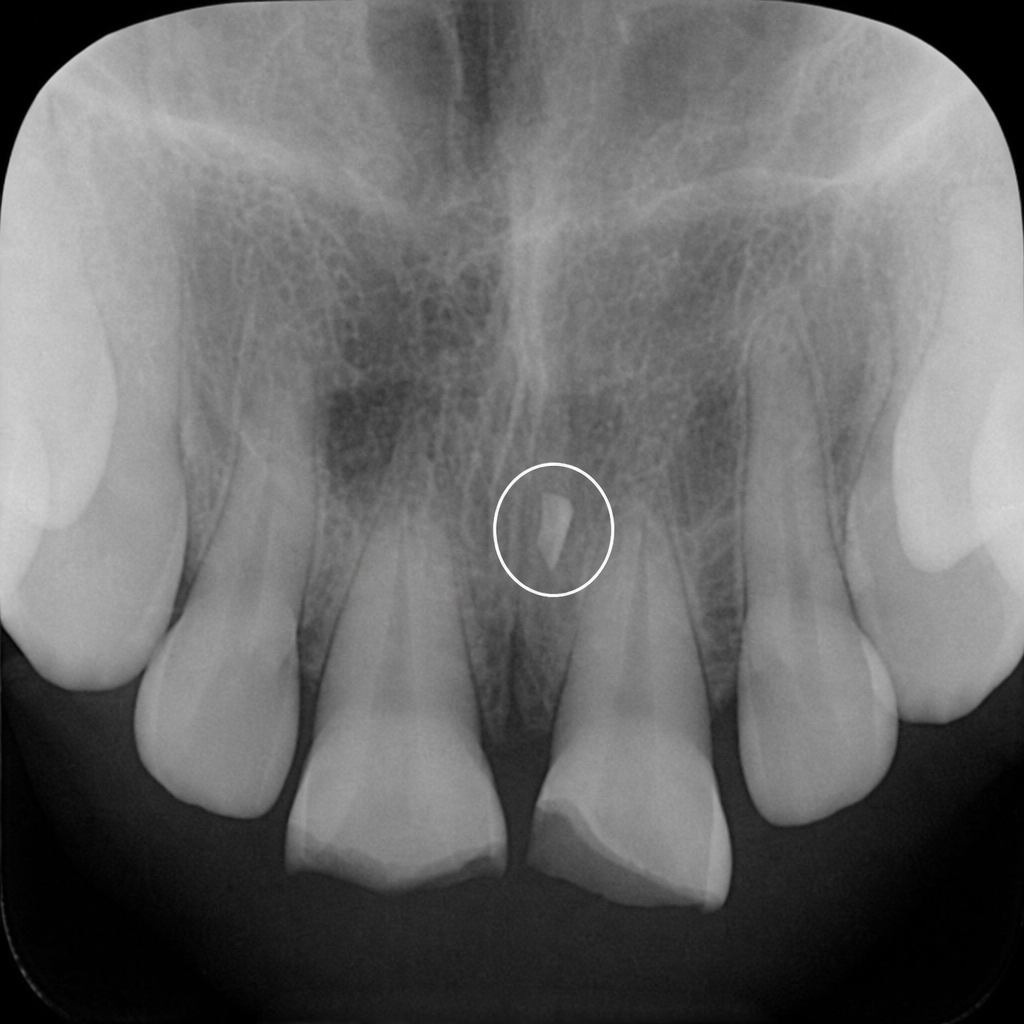
A patient presents with a forefinger injury from glass, with suspicion of a retained foreign body. What is the initial investigation of choice?
For the evaluation of blunt abdominal trauma, which of the following imaging modalities is ideal?
What is the full form of FAST?
Which of the following is the investigation of choice for evaluation of acute head injury?
Pneumatocele is typically seen in fracture of which sinus?
A tripod fracture is a fracture of which bone?
What is the investigation of choice for focal neurologic deficit in the emergency room?
What is the investigation of choice for acute head injury?
A patient presents with a blood pressure of 90/60 mmHg and a pulse rate of 150 beats per minute following blunt abdominal trauma. What is the initial assessment tool you would use?
Splenic injury is best detected by:
Explanation: **Explanation:** The initial investigation of choice for a suspected retained foreign body (FB) in the extremities is a **Plain Radiograph (X-ray)**. 1. **Why Plain Radiograph is Correct:** Most foreign bodies encountered in trauma, such as glass, metal, and stone, are **radiopaque**. Glass, regardless of its lead content, is visible on X-rays in over 90% of cases if it is at least 2mm in size. X-rays are inexpensive, widely available, and highly effective at screening for these materials. Two orthogonal views (Anteroposterior and Lateral) are mandatory to localize the object accurately. 2. **Why other options are incorrect:** * **Ultrasonography (USG):** This is the investigation of choice for **radiolucent** foreign bodies (e.g., wood, thorns, plastic) that do not show up on X-ray. It is also excellent for guiding removal but is usually the second step after a negative X-ray. * **CT Scan:** While highly sensitive, it is not the "initial" choice due to higher radiation dose and cost. It is reserved for deep-seated foreign bodies in complex anatomical areas. * **MRI:** This is generally **contraindicated** as an initial step because if the foreign body is metallic, the magnetic field can cause it to migrate, leading to further tissue or neurovascular injury. **High-Yield Clinical Pearls for NEET-PG:** * **Radiopaque FBs (Visible on X-ray):** Metal, Glass, Stone, Pencil lead (graphite). * **Radiolucent FBs (Invisible on X-ray):** Wood, Thorns, Plastic, Cactus spines. * **Gold Standard for Wood/Organic matter:** Ultrasonography. * **Rule of Thumb:** If the history suggests glass or metal, start with an **X-ray**. If the history suggests wood or the X-ray is negative but clinical suspicion remains high, proceed to **USG**.
Explanation: In blunt abdominal trauma (BAT), **Computed Tomography (CT) with IV contrast** is the gold standard and the imaging modality of choice for hemodynamically stable patients. ### Why CT is the Correct Answer: * **Superior Sensitivity and Specificity:** CT is highly accurate in identifying and grading solid organ injuries (liver, spleen, kidneys) and detecting hemoperitoneum. * **Retroperitoneal Evaluation:** Unlike ultrasound, CT can reliably visualize the retroperitoneum, including the pancreas, duodenum, and major vessels. * **Hollow Viscus Injury:** It is the most sensitive tool for detecting signs of bowel injury (e.g., wall thickening, free air, or mesenteric hematoma). * **Whole-Body Imaging:** In polytrauma, CT allows for a "Pan-scan" to evaluate the head, chest, and pelvis simultaneously. ### Why Other Options are Incorrect: * **A. Ultrasonography:** While **FAST (Focused Assessment with Sonography for Trauma)** is the initial screening tool for hemodynamically unstable patients, it cannot grade organ injuries or reliably detect retroperitoneal pathology. * **C. Nuclear Scintigraphy:** This is too time-consuming and lacks the anatomical detail required for acute trauma management. * **D. Magnetic Resonance Imaging:** MRI is contraindicated in emergency settings due to long scan times, difficulty in monitoring unstable patients, and incompatibility with metallic life-support equipment. ### High-Yield Clinical Pearls for NEET-PG: * **Hemodynamically Unstable + Positive FAST:** Proceed directly to **Laparotomy**. * **Hemodynamically Stable:** **CECT (Contrast-Enhanced CT)** is the investigation of choice. * **CT "Shock Bowel":** Look for diffuse small bowel wall thickening and hyper-enhancement, indicating hypovolemic shock. * **Splenic Injury:** The spleen is the most commonly injured organ in blunt abdominal trauma.
Explanation: **Explanation:** **1. Why Option B is Correct:** FAST stands for **Focused Assessment with Sonography for Trauma**. It is a rapid bedside ultrasound examination performed by surgeons or emergency physicians as a primary screening tool in the evaluation of blunt or penetrating abdominal trauma. The goal is not to image every organ, but to identify the presence of **free intraperitoneal or pericardial fluid** (hemoperitoneum or hemopericardium), which appears anechoic (black) on ultrasound. **2. Analysis of Incorrect Options:** * **Option A:** While the abdomen is a major focus, this is a common misnomer. The term "Assessment" is broader and more accurate as it includes the pericardial view. * **Option C:** FAST does not involve "Tomography" (CT scans). It is strictly an ultrasound-based modality. * **Option D:** "Fast" is an adjective, not the formal medical expansion of the acronym. **3. Clinical Pearls for NEET-PG:** * **The Four Standard Views:** 1. **RUQ (Morison’s Pouch):** Between the liver and right kidney (most sensitive site for free fluid). 2. **LUQ (Splenorenal space):** Between the spleen and left kidney. 3. **Pelvic (Suprapubic):** Posterior to the bladder (Pouch of Douglas in females). 4. **Subxiphoid (Pericardial):** To rule out cardiac tamponade. * **E-FAST (Extended FAST):** Includes the **pleural spaces** to detect pneumothorax (absence of lung sliding) and hemothorax. * **Indication:** Primarily used in **hemodynamically unstable** patients. If a FAST is positive in an unstable patient, they usually proceed directly to laparotomy. * **Limitation:** FAST cannot reliably detect retroperitoneal bleeds or hollow viscus injuries. CT remains the gold standard for stable patients.
Explanation: **Explanation:** **Non-Contrast Computed Tomography (NCCT) Head** is the investigation of choice (IOC) for acute head injury due to its high sensitivity in detecting acute intracranial hemorrhage (which appears hyperdense/white) and skull fractures. In an emergency setting, NCCT is preferred because it is rapid, widely available, and allows for the monitoring of unstable patients. It is excellent for identifying life-threatening conditions like epidural hematomas, subdural hematomas, and subarachnoid hemorrhages. **Why other options are incorrect:** * **CECT Head:** Contrast is generally avoided in acute trauma because intravenous contrast can mimic the appearance of acute blood (both appear white/hyperdense), making it difficult to diagnose a hemorrhage. * **MRI Brain:** While MRI is more sensitive for diffuse axonal injury (DAI) and posterior fossa lesions, it is not the initial IOC because it is time-consuming, expensive, and incompatible with metallic life-support equipment (ventilators/monitors). * **PET Scan:** This is a functional imaging modality used primarily in oncology and dementia workups; it has no role in the acute management of trauma. **Clinical Pearls for NEET-PG:** * **Windowing:** In head trauma, always evaluate both **Brain Windows** (for parenchyma/blood) and **Bone Windows** (for fractures). * **GCS:** CT is indicated if GCS <15 two hours after injury or if there is any sign of basal skull fracture (e.g., Battle sign, Raccoon eyes). * **Hyperacute Blood:** On CT, acute blood has an attenuation value of **+50 to +100 Hounsfield Units (HU)**. * **IOC for Diffuse Axonal Injury (DAI):** MRI (specifically GRE or SWI sequences).
Explanation: ### Explanation **Pneumatocele** refers to an abnormal collection of air within the lung parenchyma or, in the context of head trauma, an intracranial collection of air (tension pneumocephalus) or an extracranial soft tissue air pocket. **Why Frontal Sinus is the Correct Answer:** The frontal sinus is the most common site associated with post-traumatic pneumatocele. This occurs due to a **"ball-valve" mechanism**. When the posterior wall of the frontal sinus is fractured along with a dural tear, air is forced into the intracranial space during coughing, sneezing, or nose-blowing. Because the damaged tissue acts as a one-way valve, the air becomes trapped and cannot escape, leading to a pressurized collection (pneumatocele). The frontal sinus is particularly prone to this because of its anatomical proximity to the anterior cranial fossa and the tight adherence of the dura to the posterior table of the sinus. **Analysis of Incorrect Options:** * **Maxillary Sinus:** Fractures here (like Blow-out fractures) typically result in orbital emphysema or air in the malar soft tissues, but they rarely form a pressurized pneumatocele as there is no direct communication with the intracranial compartment. * **Ethmoid Sinus:** While ethmoid fractures can cause CSF rhinorrhea or pneumocephalus, they are less frequently associated with the classic large, pressurized pneumatocele compared to the frontal sinus. * **Sphenoid Sinus:** Fractures here are rare and usually associated with base of skull injuries. While they can cause pneumocephalus, the frontal sinus remains the classic and most frequent association in exam vignettes. **High-Yield Clinical Pearls for NEET-PG:** * **Mount Fuji Sign:** A characteristic radiological finding on CT scans where tension pneumocephalus causes compression of the frontal lobes, resembling the silhouette of Mount Fuji. * **Most common cause of Pneumocephalus:** Trauma (specifically frontal bone/sinus fractures). * **Clinical Sign:** "CSF Rhinorrhea" is a frequent co-finding with frontal/ethmoid fractures, indicating a dural breach.
Explanation: **Explanation:** A **Tripod Fracture**, also known as a **Zygomaticomaxillary Complex (ZMC) fracture**, is a common facial injury typically resulting from direct blunt trauma to the cheek. The term "tripod" refers to the disruption of the three primary attachments of the zygoma to the rest of the facial skeleton. **Why Zygoma is Correct:** The zygomatic bone (cheekbone) is central to this fracture. The three fracture lines typically involve: 1. **Zygomaticofrontal suture:** Superiorly, at the lateral orbital rim. 2. **Zygomaticomaxillary suture:** Inferiorly, involving the infraorbital rim and the anterior wall of the maxillary sinus. 3. **Zygomaticotemporal suture:** Laterally, involving the zygomatic arch. *Note: Modern anatomy often includes a fourth point—the orbital floor/sphenozygomatic suture—leading some to prefer the term "tetrapod fracture."* **Why Other Options are Incorrect:** * **Mandible:** Mandibular fractures are often bilateral (e.g., "guardsman fracture") but do not follow the tripod pattern. * **Maxilla:** While the maxilla is involved in ZMC fractures, the primary bone displaced is the zygoma. Isolated maxillary fractures are usually classified under the **Le Fort** system. * **Nasal bone:** This is the most common facial fracture but involves the midline nasal bridge, not the lateral malar complex. **Clinical Pearls for NEET-PG:** * **Clinical Presentation:** Patients often present with flattening of the cheek, **infraorbital nerve anesthesia** (numbness of the upper lip/cheek), and **trismus** (difficulty opening the mouth due to impingement on the coronoid process). * **Imaging:** The **Water’s View** (occipitomental projection) is the classic X-ray used to visualize ZMC fractures, though **Non-contrast CT (NCCT) Face** is the gold standard. * **Complication:** Check for **diplopia** (double vision) due to entrapment of the inferior rectus muscle in the associated orbital floor fracture.
Explanation: **Explanation:** In the emergency department setting, the primary goal for a patient presenting with a focal neurologic deficit is to differentiate between an **ischemic stroke** and a **hemorrhagic stroke** as quickly as possible. **1. Why CT Scan is the Correct Answer:** A **Non-Contrast Computed Tomography (NCCT) Head** is the gold standard initial investigation of choice. Its primary utility lies in its **high sensitivity for detecting acute intracranial hemorrhage**. Since thrombolytic therapy (like tPA) is contraindicated in hemorrhage, a rapid CT scan is mandatory to rule out a bleed before initiating treatment for ischemia. CT is preferred in emergencies because it is widely available, fast (takes seconds), and allows for easier monitoring of unstable patients. **2. Why the other options are incorrect:** * **MRI Scan:** While MRI (specifically Diffusion-Weighted Imaging) is more sensitive for detecting early ischemic changes than CT, it is not the *initial* choice in most ER protocols due to longer scan times, limited availability, and contraindications (e.g., metallic implants, pacemakers). * **Lumbar Puncture:** This is used to diagnose meningitis or subarachnoid hemorrhage when the CT is negative but clinical suspicion is high. It is never the first-line investigation for a focal deficit. * **CECT Scan:** Contrast is generally avoided in the initial evaluation of acute stroke because extravasated contrast can mimic the appearance of blood on subsequent scans, complicating the diagnosis of a hemorrhage. **High-Yield Clinical Pearls for NEET-PG:** * **"Time is Brain":** The goal is a "Door-to-CT" time of <25 minutes. * **Earliest sign of infarct on CT:** Loss of insular ribbon sign or obscuration of the lentiform nucleus. * **Hyperdense Middle Cerebral Artery (MCA) sign:** An early sign of acute thrombus in the MCA. * **Investigation of choice for SAH:** NCCT (sensitivity is highest in the first 6 hours).
Explanation: **Explanation:** **Non-contrast Computed Tomography (NCCT) of the brain** is the gold standard and investigation of choice for acute head injury. The primary goal in the emergency setting is to rapidly identify life-threatening intracranial hemorrhage (EDH, SDH, SAH) and mass effect that may require immediate neurosurgical intervention. **Why NCCT is the Correct Choice:** 1. **Speed and Accessibility:** CT scans are fast (taking seconds), widely available, and allow for continuous monitoring of unstable patients. 2. **Sensitivity to Acute Blood:** Acute blood appears **hyperdense (white)** on CT, making it highly sensitive for detecting fresh hemorrhage. 3. **Bone Evaluation:** It is superior for identifying skull fractures. 4. **Safety:** Unlike MRI, CT is safe for patients with metallic implants or those requiring ventilators/monitoring equipment. **Why Other Options are Incorrect:** * **MRI:** While more sensitive for diffuse axonal injury (DAI) or small ischemic changes, it is time-consuming, expensive, and difficult to perform on unstable patients. It is usually reserved for subacute or chronic phases. * **X-ray:** Plain films have limited utility as they only show fractures and cannot visualize the brain parenchyma or intracranial bleeding. A "normal" X-ray does not rule out a brain bleed. * **Ultrasound:** It is only useful in infants with an open fontanelle (transfontanellar USG) and has no role in adult acute head trauma. **Clinical Pearls for NEET-PG:** * **Hyperacute Blood on CT:** Appears white (Hyperdense). * **Epidural Hematoma (EDH):** Biconvex/Lens-shaped; does not cross sutures. * **Subdural Hematoma (SDH):** Crescent-shaped; can cross sutures. * **Diffuse Axonal Injury (DAI):** Best diagnosed by **MRI (GRE or SWI sequences)** showing "petechial hemorrhages" at the grey-white matter junction.
Explanation: ### Explanation **Correct Option: A. Ultrasound (USG)** The patient is presenting with **hemodynamic instability** (hypotension: 90/60 mmHg and tachycardia: 150 bpm) following blunt abdominal trauma. In an unstable patient, the primary goal is to rapidly identify the source of internal bleeding without moving the patient from the resuscitation area. The initial assessment tool of choice is **FAST (Focused Assessment with Sonography for Trauma)**. FAST is a rapid, bedside, non-invasive ultrasound examination used to detect free intraperitoneal or pericardial fluid (blood). It evaluates four areas: the Morison pouch (RUQ), the splenorenal recess (LUQ), the pelvis (suprapubic), and the pericardium (subxiphoid). **Why other options are incorrect:** * **B. CT Scan:** Although the "Gold Standard" for diagnosing solid organ injuries, it is **contraindicated in hemodynamically unstable patients**. The patient must be stable enough to be transported to the radiology suite ("Death in the Donut"). * **C. X-ray:** While a chest X-ray or pelvic X-ray is part of the primary survey, they cannot reliably detect hemoperitoneum or internal organ injury. * **D. MRI:** MRI has no role in the acute management of trauma due to its long acquisition time and incompatibility with resuscitation equipment. **Clinical Pearls for NEET-PG:** * **E-FAST:** An extension of FAST that includes the thorax to detect **pneumothorax** and **hemothorax**. * **Hemodynamically Stable + Trauma:** The investigation of choice is **CECT (Contrast-Enhanced CT)**. * **Hemodynamically Unstable + Positive FAST:** Proceed directly to **Emergency Laparotomy**. * **FAST Limitation:** It cannot reliably detect <250 ml of fluid and cannot distinguish between blood, urine, or ascites. It also poorly visualizes hollow viscus injuries and retroperitoneal bleeds.
Explanation: **Explanation:** **Why CT is the correct answer:** Contrast-Enhanced Computed Tomography (CECT) is the **gold standard** and investigation of choice for evaluating splenic injury in hemodynamically stable patients. Its superiority lies in its high sensitivity and specificity (over 95%) for detecting parenchymal lacerations, subcapsular hematomas, and active extravasation of contrast ("blush"). Crucially, CT allows for the **grading of splenic injuries** (AAST Scale), which dictates whether a patient can be managed conservatively or requires surgical intervention. **Why other options are incorrect:** * **Ultrasonography (FAST):** While FAST (Focused Assessment with Sonography for Trauma) is the initial screening tool in the ER, it is primarily used to detect free intraperitoneal fluid (hemoperitoneum). It is poor at visualizing the splenic parenchyma directly and cannot reliably grade the injury. * **Diagnostic Peritoneal Lavage (DPL):** This is an invasive procedure used in hemodynamically unstable patients when ultrasound is unavailable. While sensitive for bleeding, it is non-specific (cannot identify the organ injured) and has been largely replaced by FAST and CT. * **Isotope Scan:** Technetium-99m sulfur colloid scans can show "cold spots" in splenic trauma, but they are time-consuming, lack detail, and are obsolete in acute emergency settings. **Clinical Pearls for NEET-PG:** * **Investigation of Choice (Stable):** CECT Abdomen. * **Investigation of Choice (Unstable):** FAST (if positive → Laparotomy). * **Most commonly injured organ** in blunt abdominal trauma: Spleen. * **Kehr’s Sign:** Referred pain to the left shoulder due to diaphragmatic irritation from splenic rupture. * **Ballance’s Sign:** Fixed dullness to percussion in the left flank and shifting dullness in the right flank.
Explanation: **Explanation:** The **"Tear Drop Sign"** is a classic radiological finding in **Orbital Floor Fractures** (specifically Blow-out fractures). It refers to a soft tissue mass hanging from the roof of the maxillary sinus on a Water’s view (occipitomental projection) or CT scan. This "teardrop" appearance is caused by the herniation of orbital fat and the **inferior rectus muscle** through the fractured orbital floor into the maxillary sinus. **Why the other options are incorrect:** * **Zygomatic bone fracture:** Typically presents with the "Tripod fracture" pattern (involving the zygomatic arch, inferior orbital rim, and zygomaticomaxillary buttress). It does not produce a localized teardrop herniation. * **Mandibular fracture:** These are usually diagnosed by identifying cortical breaks or displacement on an OPG (Orthopantomogram). Clinical signs include malocclusion and "step-off" deformities. * **Hyoid bone fracture:** A rare injury often associated with strangulation or direct neck trauma; it is diagnosed by lateral neck X-rays showing bone discontinuity, not sinus herniation. **High-Yield Clinical Pearls for NEET-PG:** * **Mechanism:** Blunt trauma to the eye (e.g., a cricket ball or fist) increases intraorbital pressure, causing the thin orbital floor (maxillary bone) to "blow out." * **Clinical Sign:** Patients often present with **diplopia** (double vision) on upward gaze due to entrapment of the inferior rectus muscle and **enophthalmos** (sunken eye). * **Associated Nerve:** The **infraorbital nerve** is frequently involved, leading to anesthesia or paresthesia of the cheek and upper lip. * **Black Eyebrow Sign:** Another radiological sign of orbital fracture representing intraorbital emphysema (air from the sinuses entering the orbit).
Explanation: **Explanation:** In the initial assessment of a trauma patient, **Plain Radiography (X-ray)** remains the mainstay and the first-line imaging modality. This is primarily due to its widespread availability, portability (allowing for bedside imaging in the resuscitation bay), and speed. Under the **ATLS (Advanced Trauma Life Support)** guidelines, the "Trauma Series" of X-rays—specifically the **Chest X-ray (CXR)** and **Pelvis X-ray (PXR)**—is crucial for identifying life-threatening conditions like tension pneumothorax, massive hemothorax, or unstable pelvic fractures during the primary survey. **Analysis of Options:** * **B. CT (Computed Tomography):** While CT is the "gold standard" for definitive diagnosis of internal organ injuries and craniofacial trauma, it is not the initial mainstay. It requires a hemodynamically stable patient and transport to the radiology suite, making it unsuitable for the immediate primary survey of an unstable patient. * **C. MRI:** MRI has limited utility in acute trauma due to long scan times, incompatibility with life-support equipment (metallic objects), and poor sensitivity for cortical bone fractures or acute hemorrhage compared to CT. * **D. Radionuclide Imaging:** This is used for functional assessment (e.g., bone scans for occult fractures) and has no role in the emergency management of acute trauma. **High-Yield Clinical Pearls for NEET-PG:** * **The Trauma Series:** Traditionally included Lateral C-spine, CXR, and PXR. Modern protocols often prioritize **eFAST** (Extended Focused Assessment with Sonography for Trauma) alongside CXR and PXR. * **Cervical Spine:** In many centers, CT has replaced X-ray for C-spine clearance if the patient is already undergoing a CT Polytrauma scan. * **Golden Hour:** The goal of plain films in trauma is to identify "killable" injuries within the first hour of management.
Explanation: **Explanation:** In the acute setting of head trauma, **Non-Contrast Computed Tomography (NCCT) of the head** is the gold standard and the initial imaging modality of choice. **Why Option A is correct:** 1. **Speed and Accessibility:** Helical (spiral) CT is rapid, which is critical for unstable trauma patients. 2. **Acute Hemorrhage:** It is highly sensitive for detecting acute intracranial hemorrhage (which appears hyperdense/white). 3. **Bony Injuries:** It provides excellent visualization of skull fractures. 4. **No Contrast Needed:** IV contrast is avoided initially because it can extravasate or mimic the appearance of acute blood, making it difficult to differentiate a bleed from enhancement. **Why other options are incorrect:** * **Option B:** Contrast is generally avoided in trauma as it obscures acute blood and adds unnecessary time and risk of nephropathy/anaphylaxis. * **Option C:** While MRI is more sensitive for Diffuse Axonal Injury (DAI) and subacute changes, it is time-consuming, expensive, and difficult to monitor unstable patients inside the magnet. * **Option D:** Skull X-rays have a low sensitivity for intracranial pathology; a "normal" X-ray does not rule out a life-threatening intracranial bleed. **High-Yield Clinical Pearls for NEET-PG:** * **Epidural Hematoma (EDH):** Biconvex/Lens-shaped, does not cross sutures, usually involves the Middle Meningeal Artery. * **Subdural Hematoma (SDH):** Crescent-shaped, crosses sutures, involves tearing of cortical bridging veins. * **GCS Threshold:** Imaging is generally indicated if GCS <15 two hours after injury. * **Windowing:** Always evaluate the "Bone Window" to look for subtle fractures and the "Blood Window" to identify small hemorrhages.
Explanation: **Explanation:** A **pneumatocele** (specifically an intracranial pneumatocele or pneumocephalus) refers to the presence of air within the cranial cavity. This occurs when there is a breach in the barriers separating the paranasal sinuses from the intracranial space. **Why Frontal Sinus is the Correct Answer:** The **frontal sinus** is the most common site associated with post-traumatic pneumatocele. This is because the posterior wall of the frontal sinus is in direct contact with the anterior cranial fossa. A fracture involving the **posterior table** of the frontal sinus, accompanied by a tear in the underlying **dura mater**, creates a "one-way valve" mechanism. This allows air to be forced into the intracranial space (often due to coughing, sneezing, or nose-blowing) but prevents it from escaping, leading to an accumulation of air. **Analysis of Incorrect Options:** * **Maxillary Sinus:** Fractures here typically lead to subcutaneous emphysema or air in the soft tissues of the cheek, but not intracranial pneumatocele, as it is not adjacent to the cranial vault. * **Ethmoid Sinus:** While ethmoid fractures (lamina papyracea) can cause orbital emphysema or occasionally pneumocephalus, they are statistically less common causes of large pneumatoceles compared to the frontal sinus. * **Sphenoid Sinus:** Fractures here can cause pneumocephalus or CSF rhinorrhea, but they are less frequent and often associated with high-energy basilar skull fractures rather than isolated pneumatoceles. **High-Yield Clinical Pearls for NEET-PG:** * **Mount Fuji Sign:** A classic radiological sign on CT head where tension pneumocephalus causes compression of the frontal lobes, resembling the peaks of Mt. Fuji. * **Most common cause of Pneumocephalus:** Trauma (Skull base fractures). * **CSF Rhinorrhea:** Frequently co-exists with frontal or ethmoid sinus fractures; the presence of "Target" or "Halo" sign on a pillowcase is a classic clinical indicator. * **Investigation of Choice:** Non-Contrast CT (NCCT) Head is the gold standard for detecting intracranial air.
Explanation: ### Explanation **1. Why Diaphragmatic Rupture is Correct:** The **Dependent Viscera Sign** is a classic CT finding in **traumatic diaphragmatic rupture**. Under normal conditions, the diaphragm supports the abdominal organs (liver, spleen, and stomach), keeping them away from the posterior chest wall. When the diaphragm is ruptured, this support is lost. Consequently, the abdominal viscera "fall" posteriorly due to gravity and lie in direct contact with the posterior ribs or the posterior thoracic wall. This sign is highly specific (approx. 95%) for blunt diaphragmatic injury. **2. Analysis of Incorrect Options:** * **B. Fractured Bronchus:** This typically presents with the "Fallen Lung Sign" (the lung falls away from the hilum towards the dependent part of the hemithorax) and persistent pneumothorax despite chest tube drainage. * **C. Pneumoperitoneum:** This refers to free air in the peritoneal cavity. Key radiological signs include the Rigler sign (double wall sign), Cupola sign, or Football sign on an X-ray. * **D. Diaphragmatic Hernia:** While a rupture is a type of acquired hernia, the "Dependent Viscera Sign" specifically refers to the acute traumatic loss of diaphragmatic integrity where organs collapse against the posterior wall. Congenital hernias (like Bochdalek) usually have a well-defined hernial sac or defect edges that don't necessarily result in this specific "falling" appearance. **3. Clinical Pearls for NEET-PG:** * **Collar Sign:** Another specific sign for diaphragmatic rupture, representing a "waist-like" constriction of the herniated abdominal organs at the site of the diaphragmatic defect. * **Dangling Diaphragm Sign:** Seeing the free edge of the torn diaphragm. * **Most Common Side:** Diaphragmatic rupture is more common on the **left side** (the liver provides a protective cushioning effect on the right). * **Gold Standard Investigation:** Contrast-enhanced CT (CECT) of the chest and abdomen.
Explanation: **Explanation:** **Why Option D is correct:** Computed Tomography (CT) is the **gold standard** for evaluating orbital blow-out fractures. Its primary clinical utility lies in its ability to provide high-resolution, multiplanar (axial and coronal) visualization of the bony anatomy and adjacent soft tissues. In a blow-out fracture, CT accurately determines the **size of the defect** and identifies **soft tissue complications**, such as herniation of orbital fat or entrapment of the inferior rectus muscle. This information is critical for surgical planning, as large defects (>50% of the floor) or significant muscle entrapment are indications for operative intervention. **Analysis of Incorrect Options:** * **Option A:** While CT is the preferred modality, it is not the "only" way. Clinical examination and plain radiographs (e.g., Water’s view showing the "Teardrop sign") can suggest a fracture, though they lack the detail required for surgical planning. * **Option B:** While CT can evaluate coexistent sinus disease (like opacification due to hemorrhage), this is a secondary finding and not the primary reason CT is used to formulate a treatment plan for the fracture itself. * **Option C:** MRI is superior for soft tissue detail but is **inferior to CT** for evaluating cortical bone. Furthermore, MRI is contraindicated if a metallic foreign body is suspected in the orbit. **Clinical Pearls for NEET-PG:** * **Most common site:** The **orbital floor** (specifically the thin bone medial to the infraorbital canal) is the most common site for blow-out fractures. * **Imaging View of Choice:** **Coronal CT scans** are the best for visualizing floor and roof fractures. * **Teardrop Sign:** On a Water’s view radiograph, this represents the herniated orbital contents into the maxillary sinus. * **Clinical Sign:** Diplopia on upward gaze and infraorbital nerve anesthesia are classic findings.
Explanation: **Explanation:** In the setting of blunt or penetrating upper abdominal trauma, the choice of investigation is primarily dictated by the patient's **hemodynamic stability**. **Why Computed Tomography (CT) is the Correct Answer:** For a **hemodynamically stable** patient, a **Contrast-Enhanced CT (CECT)** of the abdomen and pelvis is the gold standard and investigation of choice. It offers high sensitivity and specificity for identifying solid organ injuries (liver, spleen, kidneys), detecting active hemorrhage (contrast blush), and evaluating the retroperitoneum, which is poorly visualized on ultrasound. It also allows for the grading of injuries, which guides non-operative management. **Why the Other Options are Incorrect:** * **Ultrasound (USG/FAST):** While Focused Assessment with Sonography for Trauma (FAST) is the initial screening tool for *unstable* patients to detect free fluid (hemoperitoneum), it cannot reliably grade solid organ injuries or detect hollow viscus/retroperitoneal damage. * **Scintigraphy:** Nuclear medicine scans are too time-consuming and lack the anatomical detail required for acute trauma evaluation. * **MRI:** Although highly detailed, MRI is impractical in emergencies due to long acquisition times, difficulty in monitoring the patient inside the bore, and incompatibility with metallic resuscitation equipment. **Clinical Pearls for NEET-PG:** * **Hemodynamically Unstable + Positive FAST:** Proceed directly to **Laparotomy**. * **Hemodynamically Stable:** **CECT** is the investigation of choice regardless of FAST results if clinical suspicion is high. * **Seatbelt Sign:** Always look for bowel or mesenteric injuries on CT. * **Triple Contrast CT:** Occasionally used to rule out subtle distal esophageal or duodenal perforations.
Explanation: **Explanation:** In Computed Tomography (CT), the density of a tissue is measured in **Hounsfield Units (HU)**. This scale is based on the degree of X-ray attenuation. Substances that attenuate more X-rays appear whiter (**hyperdense**), while those that allow more X-rays to pass through appear darker (**hypodense**). **Why Acute Bleed is Correct:** An **acute hemorrhage** typically has a density of **+60 to +80 HU**. This hyperdensity is primarily due to the high concentration of **hemoglobin** and the formation of a fibrin clot, which increases the protein density within the blood. As the clot retracts and the hemoglobin breaks down over time (chronic stage), the density decreases, eventually becoming isodense and then hypodense. **Analysis of Incorrect Options:** * **A. Air:** This is the least dense substance on CT, appearing pitch black with a value of **-1000 HU**. * **B. Water:** Water is the reference point for the Hounsfield scale and is assigned a value of **0 HU**. * **C. Fat:** Fat is less dense than water and appears dark grey, typically ranging from **-50 to -100 HU**. **High-Yield Clinical Pearls for NEET-PG:** * **Hounsfield Unit (HU) Cheat Sheet:** * Air: -1000 * Fat: -50 to -100 * Water: 0 * Soft Tissue: +40 to +80 * **Acute Blood: +60 to +80** * Bone/Calcification: +400 to +1000 * **Evolution of Blood on CT:** Acute (Hyperdense) $\rightarrow$ Subacute (Isodense) $\rightarrow$ Chronic (Hypodense). * **Contrast Media:** Intravenous contrast (Iodine-based) also appears hyperdense on CT.
Explanation: The **Occipitomental view (Water’s view)** is the gold standard radiographic projection for evaluating mid-facial fractures, particularly those involving the **zygoma** and the maxillary sinuses. ### Why Occipitomental View is Correct: In this projection, the patient’s chin is tilted up against the film, which displaces the dense petrous pyramids of the temporal bone downward, below the floor of the maxillary sinuses. This provides an unobstructed view of the **zygomatic bone, zygomatic arch, infraorbital rims, and the maxillary sinuses**. It is specifically used to diagnose the "Tripod fracture" (Zygomaticomaxillary complex fracture). ### Why Other Options are Incorrect: * **Lateral Oblique View:** Primarily used to visualize the body and ramus of the **mandible**, not the mid-face or zygoma. * **Towne’s View:** An AP axial projection used to visualize the **occipital bone** and the condylar processes of the mandible. It is the best view for mandibular condyle fractures. * **Lateral Skull View:** Useful for visualizing the sella turcica, paranasal sinuses (fluid levels), and calvarial fractures, but the superimposition of facial bones makes it poor for isolating zygomatic injuries. ### High-Yield Clinical Pearls for NEET-PG: * **Submentovertex View (Jug-handle view):** The best view for isolated fractures of the **zygomatic arch**. * **Black Line (Ames’ Line):** On a Water’s view, look for the "hanging drop" sign or disruption of the orbital floor (Blow-out fracture). * **Tripod Fracture:** Involves three points: the zygomaticofrontal suture, the infraorbital rim, and the zygomaticotemporal suture (arch). * **Caldwell View (Occipitofrontal):** Best for visualizing the frontal sinuses and superior orbital rims.
Explanation: **Explanation:** **Pneumocephalus** refers to the presence of air within the cranial cavity. It occurs when a breach in the skull base or calvarium creates a communication between the intracranial space and the external environment or air-containing paranasal sinuses. **Why Frontal Sinus is Correct:** The **frontal sinus** is the most common site of fracture leading to pneumocephalus. This is due to its prominent, exposed position in the forehead and its close anatomical relationship with the anterior cranial fossa. A fracture of the posterior wall of the frontal sinus frequently results in a dural tear, allowing air to be forced into the intracranial space (often via a "ball-valve" mechanism during coughing or sneezing). **Analysis of Incorrect Options:** * **Maxillary Sinus:** While common in facial trauma (Le Fort fractures), it is separated from the intracranial compartment by the ethmoid bone and orbits. It rarely causes pneumocephalus unless associated with extensive skull base injury. * **Sphenoid Sinus:** Fractures here can cause pneumocephalus or CSF rhinorrhea, but they are less common than frontal injuries due to the protected, central location of the sphenoid bone. * **Mastoid Antrum:** Fractures of the temporal bone (petrous part) can lead to air in the posterior fossa or tegmen tympani, but statistically, these occur less frequently than frontal sinus involvements. **Clinical Pearls for NEET-PG:** * **Mount Fuji Sign:** A classic radiologic sign on CT showing tension pneumocephalus, where air compresses the frontal lobes, creating a peaked appearance. * **Most common cause:** Overall, trauma is the leading cause of pneumocephalus (75%), followed by iatrogenic causes (neurosurgery). * **CSF Rhinorrhea:** Frequently co-exists with frontal or ethmoid fractures; look for the "halo sign" or "target sign" on bedsheets. * **Investigation of Choice:** Non-contrast CT (NCCT) Head is the gold standard for detecting even minute amounts of intracranial air.
Explanation: **Explanation:** The **Tear Drop Sign** is a classic radiological finding seen on a Water’s view (occipitomental projection) X-ray, indicating a **blow-out fracture of the orbital floor**. **Why it occurs:** When a blunt object (larger than the orbital rim, like a tennis ball or fist) strikes the eye, the intraorbital pressure increases suddenly. This pressure is transmitted to the weakest part of the orbit—the floor (maxillary bone). The fracture allows orbital fat and the **inferior rectus muscle** to herniate downward into the maxillary sinus. On imaging, this herniated soft tissue mass appears as a "tear drop" hanging from the roof of the maxillary sinus. **Analysis of Incorrect Options:** * **B. Fracture of lateral wall of nose:** Usually presents with epistaxis and localized deformity; it does not involve the maxillary sinus roof or orbital contents. * **C. Le Fort’s fracture:** These are complex midface fractures. While Le Fort II and III involve the orbit, they are characterized by specific patterns of craniofacial dissociation rather than the isolated "tear drop" herniation. * **D. Fracture of zygomatic arch:** Typically presents with a "V-shaped" deformity on a Submentovertex view (Jug-handle view) and does not involve the orbital floor. **High-Yield Clinical Pearls for NEET-PG:** * **Most common site of orbital blow-out fracture:** Orbital floor (specifically medial to the infraorbital groove). * **Clinical Presentation:** Enophthalmos (sunken eye), diplopia (due to inferior rectus entrapment), and anesthesia in the distribution of the **infraorbital nerve**. * **Imaging Gold Standard:** Non-contrast CT (NCCT) of the Orbits (Coronal sections are best for visualizing the floor). * **Black Eyebrow Sign:** Another radiological sign of orbital fracture representing intraorbital air (orbital emphysema).
Explanation: **Explanation:** **NCCT Head (Non-Contrast Computed Tomography)** is the investigation of choice for acute head injury due to its speed, widespread availability, and superior ability to detect acute intracranial hemorrhage and skull fractures. 1. **Why NCCT Head is Correct:** * **Acute Hemorrhage:** Fresh blood (hyperacute/acute) appears **hyperdense** (bright white) on CT, making it easy to identify Epidural (EDH), Subdural (SDH), and Subarachnoid hemorrhages (SAH). * **Bone Detail:** It is the gold standard for identifying linear, depressed, or basilar skull fractures. * **Speed & Monitoring:** It takes less than a minute, allowing for rapid triage and easier monitoring of unstable trauma patients compared to MRI. 2. **Why Other Options are Incorrect:** * **CECT Head:** Contrast is avoided in acute trauma because intravenous contrast appears white (radio-opaque), which can mask or be confused with acute extravasated blood. * **MRI Brain:** While more sensitive for Diffuse Axonal Injury (DAI) and posterior fossa lesions, it is time-consuming, expensive, and difficult to perform on patients with metallic implants or life-support equipment. * **CT Angiography:** This is indicated only if a vascular injury (e.g., carotid artery dissection or dural venous sinus thrombosis) is suspected, not as a primary screening tool. **Clinical Pearls for NEET-PG:** * **Window of Choice:** For viewing hemorrhage, use the **Brain Window**; for fractures, use the **Bone Window**. * **The "Lucid Interval":** Classically associated with **EDH** (biconvex/lens-shaped), usually due to rupture of the **Middle Meningeal Artery**. * **Crescentic Shape:** Characteristic of **SDH**, usually due to tearing of **bridging veins**. * **Investigation of Choice for DAI:** MRI (specifically GRE or SWI sequences).
Explanation: **Explanation:** The detection of hollow viscus perforation on radiography relies on the visualization of **pneumoperitoneum** (free intraperitoneal air). **1. Why Erect is the Correct Answer:** The **Erect Chest X-ray** (or Erect Abdomen) is the gold standard and most sensitive plain radiographic view. Because air is less dense than abdominal viscera and fluid, it obeys the laws of gravity and rises to the highest point in the peritoneal cavity. In the upright position, this air collects under the **diaphragm**, appearing as a thin, radiolucent crescent (crescent sign) between the liver/stomach and the diaphragmatic leaflets. It can detect as little as 1–2 ml of free air. **2. Analysis of Incorrect Options:** * **Supine:** In this position, air collects anteriorly and spreads out, making it difficult to see. It may show subtle signs like **Rigler’s sign** (gas on both sides of the bowel wall), but it is far less sensitive than erect views. * **Right lateral decubitus:** This is incorrect because air would rise and blend with the gastric bubble or be obscured by the splenic shadow. * **Left lateral decubitus:** This is the **alternative of choice** if the patient cannot stand. Air rises to collect between the **liver and the right lateral abdominal wall**, where it is easily visualized. However, the Erect view remains the primary recommendation. **Clinical Pearls for NEET-PG:** * **Most sensitive imaging:** Non-contrast CT scan is the overall gold standard for detecting pneumoperitoneum. * **Rigler’s Sign:** Also known as the "double wall sign," seen on supine films when large amounts of air are present. * **Cupola Sign:** Refers to air trapped under the central tendon of the diaphragm on a supine film. * **Positioning Tip:** Patients should remain in the erect or decubitus position for at least **5–10 minutes** before the X-ray to allow air to migrate upwards.
Explanation: ***Body packer syndrome*** - The X-ray shows multiple, well-defined, uniformly shaped, dense, cylindrical objects throughout the gastrointestinal tract, a classic radiographic finding for **body packer syndrome**. - These objects are ingested packets containing illicit drugs, often showing a "double-condom sign" (a thin lucent rim of air trapped in the wrapping), confirming their manufactured nature. *Bezoar* - A **bezoar** is a mass of indigestible material (like hair or vegetable fiber) that appears as a single, mottled, intraluminal mass on X-ray, not multiple discrete packets. - The objects in the image have a uniform shape and density, which is inconsistent with the heterogeneous appearance of a bezoar. *Pica due to anaemia* - **Pica** involves the ingestion of non-nutritive substances, which would result in radiopaque foreign bodies of various, irregular shapes (e.g., coins, stones), not uniform cylindrical packets. - While associated with conditions like **iron-deficiency anaemia**, the radiographic findings of pica do not match the organized, manufactured appearance of the objects shown. *Constipation due to fecalith* - A **fecalith** is a hardened mass of stool that appears as a mottled density within the colon, conforming to the haustral pattern, and lacks the smooth, well-defined borders seen here. - While severe **constipation** leads to significant stool burden, it does not present as multiple, encapsulated, geometrically regular objects.
Explanation: ***Body packer syndrome*** - This diagnosis is indicated by the presence of multiple, well-defined, uniformly shaped, and hyperdense foreign bodies within the gastrointestinal tract, as seen on the abdominal X-ray. - The clinical context of being at an airport with laxatives and enema apparatus is highly suggestive of an individual attempting to smuggle illicit drugs by ingesting them in packets. *Bezoar syndrome* - A **bezoar** is a mass of indigestible material (like hair or vegetable fibers) trapped in the GI tract, which appears on X-ray as a mottled, heterogeneous mass, not as multiple discrete, uniform packets. - Bezoars typically conform to the shape of the stomach or bowel lumen and lack the smooth, regular outlines seen in this image. *Pica due to anaemia* - **Pica** is the ingestion of non-nutritive substances and might show foreign objects on an X-ray, but these would typically be of varied shapes and sizes (e.g., coins, dirt, paint chips), not uniform packets. - The clinical presentation does not suggest anaemia, and the scenario points towards illegal activity rather than a compulsive eating disorder. *Constipation due to fecalith* - A **fecalith** is a hardened mass of stool that appears as a mottled density within the colon, consistent with retained feces. - The objects in the X-ray have sharp, smooth borders and a uniform density, which is inconsistent with the appearance of a fecalith.
Explanation: ***Tension pneumothorax*** - The clinical presentation of severe dyspnea, **distended neck veins**, and **hypotension** (BP 80/50 mmHg) after trauma is a classic triad for tension pneumothorax, which is a medical emergency. - The chest X-ray confirms this diagnosis by showing a completely collapsed right lung with a significant **contralateral shift of the mediastinum and trachea** to the left, and flattening of the right hemidiaphragm, indicating high intrapleural pressure. *Primary Spontaneous Pneumothorax* - This type of pneumothorax occurs without any preceding trauma or underlying lung disease, typically in tall, thin young men due to the rupture of **apical blebs**. - The patient's presentation follows a fight, clearly indicating a **traumatic etiology**, which rules out a spontaneous pneumothorax. *Traumatic Pneumothorax* - While the cause is trauma, this is a less specific diagnosis. The term **Tension pneumothorax** is more accurate given the life-threatening signs of **hemodynamic instability** and **mediastinal shift**. - A simple traumatic pneumothorax does not typically involve the one-way valve mechanism that leads to the progressive accumulation of air and the resulting **obstructive shock** seen in this patient. *Bilateral Pneumothorax* - This diagnosis is incorrect as the chest X-ray clearly demonstrates a **unilateral** condition affecting only the right side. - The left lung, although compressed by the shifted mediastinum, remains inflated with visible lung markings extending to the chest wall.
Explanation: ***c.CT Limbs***- Whole-body CT in **polytrauma** focuses on detecting time-critical injuries in the **trunk** and **head** (head, chest, abdomen/pelvis, and spine). - Routine inclusion of **CT Limbs** is not standard unless there is specific clinical suspicion of a major fracture or vascular injury based on physical examination. *a.CT Head* - Essential for rapidly excluding **intracranial hemorrhage**, **subdural/epidural hematomas**, or significant **traumatic brain injury (TBI)**, which are major causes of trauma mortality. - Typically performed first in the whole-body protocol to assess the most immediately life-threatening injuries. *b.CT Cervical spine* - Crucial for identifying potentially unstable **spinal fractures** or **ligamentous injuries** that require immediate management and prevent secondary neurological injury. - High-energy trauma mandates comprehensive assessment of the **cervical spine** as part of the primary survey protocol. *d.CT Abdomen* - Necessary for detecting **solid organ injury** (e.g., liver, spleen lacerations) and **intraperitoneal/retroperitoneal hemorrhage**, which are common sources of **exsanguination** and shock. - The abdominal scan usually extends to include the **pelvis** to assess for **pelvic fractures** and associated bleeding.
Explanation: ***Diaphragmatic injury*** - The chest X-ray (**A**) shows opacification in the left lower lung field with a **raised hemidiaphragm**, and the CT scan (**B**) reveals **herniated bowel loops** and **stomach** (appearing as a gas-filled structure) in the left hemithorax. - The insertion of an **NG tube and contrast injection** to confirm the stomach's presence in the chest is a classical diagnostic approach for **diaphragmatic rupture** following penetrating trauma. *Hemothorax* - Hemothorax would primarily show **fluid collection** in the pleural space, which appears homogeneous on CT, typically without specific organ herniation. - While plausible with penetrating trauma, the images specifically show **organ herniation**, not just blood. *Pneumothorax* - Pneumothorax is characterized by **air in the pleural space**, resulting in lung collapse and a visible pleural line. - The images show solid/fluid-filled structures (bowel, stomach) rather than free air and lung collapse. *Cardiac Tamponade* - Cardiac tamponade involves **fluid accumulation in the pericardial sac**, leading to impaired cardiac filling. - This condition primarily affects heart function and is identified by specific echocardiographic findings, which are not depicted in these chest imaging studies.
Explanation: ***Acute cor-pulmonale*** - **4 weeks of immobilization** is a major risk factor for **deep vein thrombosis (DVT)** leading to **pulmonary embolism (PE)** - **CT pulmonary angiography** is the gold standard investigation for PE, showing filling defects in pulmonary arteries - Massive or submassive PE causes acute **right ventricular strain** = **acute cor-pulmonale** - Clinical presentation of **sudden breathlessness** and **hemoptysis** is classic for pulmonary thromboembolism - The timing (4 weeks post-immobilization) fits thromboembolism, not fat embolism *Fat embolism* - Occurs **acutely within 24-72 hours** after long bone fracture (especially femur/tibia) - The **4-week delay** makes fat embolism extremely unlikely - Presents with **respiratory distress, petechial rash, and neurological symptoms** (Gurd's criteria) - CT findings show diffuse ground-glass opacities, not typical filling defects seen on CT angiography *Pulmonary oedema* - Caused by **left heart failure** or **ARDS**, showing bilateral interstitial and alveolar fluid - Would show diffuse bilateral infiltrates on imaging, not filling defects in pulmonary vessels - **Hemoptysis** is uncommon in cardiogenic pulmonary edema - No clear cardiac history or precipitant in this patient *Aortic dissection* - Involves a tear in the aortic intima with blood dissecting through the aortic wall - Presents with **sudden severe chest/back pain**, not primarily with hemoptysis - CT angiography would show **aortic flap and false lumen**, not pulmonary vascular abnormalities - Unrelated to femur fracture or prolonged immobilization
Explanation: ***1, 2 and 3*** - The **eFAST exam (extended Focused Assessment with Sonography for Trauma)** evaluates multiple areas for **free fluid**, including the abdominal cavity, thoracic cavity (pleural effusions), and pericardium (pericardial effusions). - It also includes specific views for the **pelvic cavity** (pouch of Douglas) to detect free fluid, which is highly relevant in trauma settings. *1 and 2 only* - This option misses the crucial component of assessing the **pleural cavity** for free fluid (hemothorax), which is an integral part of the **eFAST protocol**. - While it correctly includes the abdominal and pelvic cavities, the exclusion of the thoracic cavity (pleural) makes it incomplete. *2 and 3 only* - This option incorrectly omits the assessment of the **abdominal cavity**, which is a primary and essential part of any FAST or eFAST exam to identify intra-abdominal hemorrhage. - The abdominal cavity includes views of the **hepatorenal space (Morison's pouch)**, **splenorenal space**, and **suprapubic window**. *1 and 3 only* - This option incorrectly excludes the specific assessment of the **pelvic cavity**, which is routinely included in the eFAST exam, particularly in trauma, to identify dependent pooling of free fluid. - While it correctly includes the abdominal and thoracic cavities, the absence of the pelvic cavity assessment makes it incomplete.
Explanation: **While doing CT scan of brain take extra cuts at the cervical spine region** - For an unconscious patient, **CT scan** is the most reliable and rapid method for assessing cervical spine injuries, especially in a trauma setting. It is highly sensitive for detecting **fractures** and **misalignments**. - Taking extra cuts during a brain CT is efficient and avoids additional patient movement or delay, providing crucial information for immediate management. *MRI scan* - **MRI** is excellent for soft tissue injuries (ligaments, discs, spinal cord), but it is time-consuming and often not immediately available in acute trauma settings, especially for an unstable patient. - While valuable, it is usually performed after initial stabilization and when neurological deficits are specifically suspected, not as the first-line assessment for bony injury in an acute, unstable trauma patient. *Full AP and lateral radiographs of spine* - **Plain radiographs** have significant limitations in visualizing all cervical spine structures, particularly the **C1-C2 junction** and the **cervicothoracic junction**, which can be obscured. - They have a lower sensitivity for detecting subtle fractures and ligament injuries compared to CT scans, and overlying structures can obscure important details. *Rely only on clinical examination* - In an **unconscious patient**, a reliable clinical examination for cervical spine injury is impossible due to the inability to assess pain, tenderness, or neurological function. - Relying solely on clinical examination in such a patient puts them at **significant risk** for further spinal cord injury if an unstable fracture is present and goes undetected.
Explanation: ***NCCT*** - **Non-contrast Computed Tomography (NCCT)** of the head is the **investigation of choice** for acute head trauma due to its rapid acquisition, wide availability, and excellent sensitivity for detecting acute hemorrhage, fractures, and mass effects. - It rapidly identifies life-threatening conditions such as **epidural, subdural, and intracerebral hemorrhages**, which require immediate intervention. *MRI* - **MRI** is superior for detecting subtle brain tissue injuries, diffuse axonal injury, and non-hemorrhagic lesions but is generally **not the first-line investigation** in acute trauma due to longer scan times, limited availability in the emergency setting, and inability to detect acute hemorrhage as clearly as CT. - Its use is typically reserved for follow-up studies or when CT findings are inconclusive or specific soft tissue detail is required. *CECT* - **Contrast-enhanced CT (CECT)** of the head is reserved for specific indications like evaluating vascular lesions (e.g., aneurysms, arteriovenous malformations) or tumors, which are generally **not the primary concern** in the initial assessment of acute head trauma. - Administering contrast agents can delay imaging, may pose risks to patients with renal impairment or allergies, and does not significantly improve the detection of acute traumatic hemorrhage compared to NCCT. *X-ray* - **X-rays** of the skull are useful for detecting **skull fractures**, but they provide **limited information** regarding intracranial injuries or soft tissue damage, which are critical in head trauma. - They have largely been superseded by CT scans, which offer a more comprehensive view of both bony structures and intracranial contents.
Explanation: ***A temporal bone fracture with CSF rhinorrhea*** - The combination of **Battle's sign**, **hemotympanum**, unilateral hearing loss, and clear nasal discharge after head trauma strongly indicates a **temporal bone fracture**. - **CSF rhinorrhea** refers to cerebrospinal fluid leaking from the nose due to a skull base fracture involving the temporal bone, typically affecting the petrous part. - The CSF can reach the nasal cavity via the **eustachian tube** or through fracture lines extending to the middle ear and mastoid air cells. *Occipital bone fracture* - While occipital fractures are possible with head trauma, they do not directly explain the specific findings of **hemotympanum** or unilateral hearing loss. - An occipital fracture would typically cause symptoms related to damage to the **brainstem** or **cerebellum**, depending on the extent. *A skull-base fracture with a mucocele* - A **mucocele** is a cyst filled with mucus, usually resulting from obstruction of a sinus ostium, and is not an acute traumatic finding. - While a skull-base fracture is present, the presence of a mucocele does not fit the acute injury presentation. *A fracture of the cribriform plate with a CSF leak into the paranasal sinuses* - A **cribriform plate fracture** would result in CSF rhinorrhea, but it typically causes CSF to leak directly from the anterior cranial fossa into the nasal cavity. - It would not explain the **hemotympanum**, Battle's sign, or unilateral hearing loss, which are characteristic of **temporal bone injury**.
Explanation: ***100ml*** - A **Focused Assessment with Sonography for Trauma (FAST)** exam is capable of detecting a minimum of **100ml** of free fluid (blood) in the abdomen or pericardium. - This threshold makes it a useful, but not a universally sensitive, tool for identifying significant internal hemorrhage. *200ml* - While 200ml of free fluid would certainly be detectable, this volume is above the established minimum detection threshold for a FAST exam. - The FAST exam is designed to pick up smaller, though still clinically significant, amounts of fluid. *400ml* - Detecting 400ml of free fluid is well within the capabilities of a FAST exam, but this option represents a much larger volume than the minimum often cited. - If 400ml is present, it's a clear indication of substantial bleeding. *10 ml* - A FAST exam typically **cannot reliably detect** as little as 10ml of free fluid in body cavities. - Detecting such a small amount would require higher resolution imaging like CT scans.
Explanation: ***All of the options*** - The **FAST (Focused Assessment with Sonography for Trauma)** exam is a rapid ultrasound done at the bedside in trauma patients to look for **free fluid** (blood) in several key areas. - The standard FAST views include the **pericardial sac**, **right subcostal (hepatorenal)**, **left subcostal (splenorenal)**, and **pelvic (suprapubic)** regions. *Hepatic* - The **hepatorenal recess (Morison's pouch)** is one of the primary areas assessed in a FAST exam to detect free fluid adjacent to the liver. - Free fluid in this area can indicate significant intra-abdominal bleeding, often associated with **hepatic trauma**. *Splenic* - The **splenorenal recess** is another critical view in the FAST exam, looking for free fluid around the spleen. - This area is frequently checked for bleeding associated with **splenic injury**, which is common in blunt abdominal trauma. *Pericardial* - The **pericardial sac** is evaluated in the FAST exam to detect the presence of **pericardial effusion**, particularly **hemopericardium**. - Hemopericardium can lead to **cardiac tamponade**, a life-threatening condition requiring urgent intervention in trauma settings.
Explanation: **USG** - **Focused Assessment with Sonography for Trauma (FAST)** exam specifically uses **ultrasound (USG)** to rapidly detect free fluid (blood) in pericardial, perihepatic, perisplenic, and pelvic spaces. - Its quick, non-invasive nature and portability make it ideal for **point-of-care assessment** in trauma settings. *X-ray* - While X-rays are useful in trauma for detecting **fractures** and some pneumothoraces, they are not the primary modality for detecting free fluid in the peritoneal or pericardial cavities during a FAST exam. - X-rays do not provide real-time, dynamic imaging of soft tissues and fluid accumulation as effectively as ultrasound. *CT* - **Computed Tomography (CT)** is a highly detailed imaging modality used in trauma for comprehensive assessment of injuries to organs, bones, and vessels. - However, it involves **radiation exposure**, takes longer to perform, and is typically reserved for hemodynamically stable patients after initial resuscitation and FAST exam. *MRI* - **Magnetic Resonance Imaging (MRI)** provides excellent soft tissue contrast, but its use in acute trauma is very limited due to its **long scan times**, high cost, and incompatibility with many metallic medical devices. - MRI is not suitable for rapid assessment of free fluid in hemodynamically unstable trauma patients.
Explanation: ***Pneumothorax*** - A **stratosphere sign** (also known as a barcode sign) on M-mode ultrasound indicates the absence of lung sliding, which is a key diagnostic feature of **pneumothorax**. - In a patient with chest injury and low SpO2, the presence of a **collapsed lung** due to air in the pleural space explains respiratory distress. *Cardiac tamponade* - Characterized by **fluid accumulation in the pericardial sac**, leading to impaired cardiac filling and shock. - While it can cause low SpO2 and be associated with chest trauma, the **stratosphere sign** is not a diagnostic feature of cardiac tamponade. *Hemothorax* - Involves the **accumulation of blood in the pleural space**, often following trauma, leading to respiratory compromise. - Ultrasound in hemothorax would show **anechoic or complex fluid collections** but not the stratosphere sign. *Pulmonary embolism* - A condition where a **blood clot blocks blood flow to the lungs**, causing sudden onset dyspnea and hypoxemia. - Although it causes low SpO2, pulmonary embolism is not diagnosed by chest ultrasound revealing a **stratosphere sign**.
Explanation: ***Contrast enhanced computed tomography (CECT)*** - **CECT** is the **investigation of choice** for evaluating solid organ injuries, including renal trauma, in hemodynamically stable patients with blunt abdominal trauma and hematuria. - It provides detailed imaging of the kidneys, urinary tract, and surrounding structures, allowing for the classification of injury severity and identification of associated injuries. *Retrograde urogram* - A retrograde urogram is primarily used to evaluate the **lower urinary tract** (urethra and bladder) for strictures or injuries, specifically when there is a suspicion of urethral injury. - It is not the primary imaging modality for assessing renal parenchymal or collecting system injuries from blunt trauma. *Intravenous urogram (IVU)* - While an IVU can assess the upper urinary tract, it has largely been replaced by **CECT** in the acute trauma setting due to CECT's superior resolution and ability to evaluate renal parenchyma and other abdominal organs. - IVU exposes the patient to radiation and requires contrast administration, and it may not adequately visualize subtle renal injuries or hematomas as effectively as CECT. *Ultrasonography of abdomen* - **Ultrasound** is useful for rapidly detecting free fluid (suggesting hemorrhage) or gross hydronephrosis in trauma, but it has limited sensitivity for diagnosing specific renal parenchymal injuries or urinary extravasation. - Its role in blunt abdominal trauma with hematuria is often as an initial screening tool, but it is not sufficient for definitive diagnosis or grading of renal injuries.
Explanation: ***USG*** - **Focused assessment with sonography for trauma (FAST) exam** is the investigation of choice in an **unstable patient** due to its rapid, non-invasive nature and ability to detect free fluid (blood) in the peritoneal, pericardial, and pleural spaces. - It can be performed at the **bedside** without moving the patient, making it ideal for hemodynamically unstable individuals with suspected intra-abdominal injury. *CT scan* - While a **CT scan** provides detailed anatomical information, it requires the patient to be stable enough for transport to a radiology suite and prolonged scanning time. - It is often difficult to obtain in **unstable patients** who may require continuous resuscitation and monitoring. *X-ray abdomen* - An **X-ray abdomen** has limited utility for detecting intra-abdominal injuries and primarily identifies issues like free air under the diaphragm (suggesting hollow organ perforation) or foreign bodies. - It is **not sensitive** for detecting free fluid (hemoperitoneum) or solid organ injuries, which are critical in trauma. *DPL* - **Diagnostic peritoneal lavage (DPL)** is an invasive procedure that involves inserting a catheter into the peritoneal cavity to detect blood or other fluid. - While sensitive, it is **invasive**, can complicate subsequent imaging, and has largely been replaced by the FAST exam due to the latter's non-invasive nature and comparable diagnostic accuracy for free fluid.
Explanation: **CT scan** - A **CT scan** with intravenous contrast is the investigation of choice for splenic rupture due to its high sensitivity and specificity in detecting **splenic injury**, **hematomas**, and **free intraperitoneal fluid**. - It provides detailed anatomical information, crucial for grading the injury and guiding management decisions, especially in hemodynamically stable patients. *MRI* - **MRI** offers excellent soft tissue contrast, but it is **time-consuming** and often **not readily available** in emergency settings for acute trauma. - It is typically reserved for more chronic or complex cases where detailed soft tissue characterization is not immediately needed in acute trauma. *Peritoneal lavage* - **Diagnostic peritoneal lavage (DPL)** is an **invasive procedure** that is less specific than imaging for diagnosing splenic rupture. - It detects the presence of **intraperitoneal bleeding** but does not localize the injury or provide information about the extent of organ damage. *Ultrasound* - **Ultrasound (FAST exam)** is a rapid, non-invasive tool for detecting **free fluid** in the abdomen but has limited sensitivity for directly visualizing the spleen or accurately grading splenic injuries. - While useful for rapid assessment of **hemodynamically unstable** patients, a **negative FAST exam does not rule out splenic injury**, especially in stable patients.
Explanation: ***Air embolism*** - An **air embolism** occurs when air or gas enters the bloodstream and travels to the heart or great vessels, appearing as a gas shadow on imaging. - This can be due to medical procedures, trauma, or certain deep-sea diving injuries, where gas forms within the vascular system. *Gas-forming infection* - While gas-forming infections can produce gas, they typically result in gas within tissues or organs, not directly as a prominent gas shadow within the **heart chambers** or **great vessels** themselves. - Examples include **clostridial myonecrosis** or abscesses, which are localized and distinct from an intravascular gas collection. *Traumatic injury* - Traumatic injury can lead to **pneumothorax**, **pneumomediastinum**, or gas in soft tissues, but usually not directly within the heart and great vessels to the extent seen with an air embolism. - While gas might be seen if a vessel or heart chamber is perforated, it is typically a secondary effect and not the primary cause of intravascular gas shadow. *Septic thrombophlebitis* - **Septic thrombophlebitis** involves infected blood clots in veins and can lead to inflammation and systemic infection. - It does not typically generate gas or gas shadows within the heart and great vessels; rather, it involves the presence of pus and infected thrombi.
Explanation: ***Detection of free fluid in the abdomen (hemoperitoneum)*** - **FAST (Focused Assessment with Sonography for Trauma)** is primarily used to rapidly identify the presence of **free fluid**, typically blood, within the peritoneal, pericardial, or pleural spaces. - In abdominal trauma, the detection of **hemoperitoneum** guides immediate management decisions, such as the need for surgical intervention. *Detection of aortic injury* - While FAST can sometimes identify large pericardial effusions or mediastinal hematomas which might suggest aortic injury, it is **not sensitive or specific enough** to definitively diagnose an aortic injury. - **CT angiography** is the gold standard for diagnosing aortic injuries. *Detection of mesenteric injury* - **Mesenteric injuries** involve damage to the blood supply of the intestines and are difficult to detect with FAST. - These injuries might cause **intraperitoneal bleeding** detectable by FAST, but FAST cannot directly visualize the mesenteric damage itself. *Detection of bowel perforation* - **Bowel perforations** release air and contents into the peritoneal cavity, but FAST is generally **poor at detecting free air**. - While it might indirectly show some free fluid as a result of inflammation, it is not the primary diagnostic tool for perforation; **plain radiographs** or **CT scans** are more effective.
Explanation: ***CT Scan (Computed Tomography)*** - **CT scans** offer superior anatomical detail and can accurately detect organ damage, hemorrhage, and other injuries in **hemodynamically stable** patients with abdominal trauma. - It is considered the **most sensitive** and specific imaging modality for evaluating blunt and penetrating abdominal trauma when the patient can tolerate the study. *Ultrasonography (FAST)* - While effective for detecting **free fluid** (blood) in specific abdominal areas, **Focused Assessment with Sonography for Trauma (FAST)** has lower sensitivity for solid organ injuries or bowel perforations. - Its primary role is rapid assessment for **hemoperitoneum** to guide immediate management in unstable patients, not detailed injury characterization. *Diagnostic peritoneal lavage (DPL)* - **DPL** is an invasive procedure with high sensitivity for detecting **intraperitoneal bleeding**, but it does not identify specific organ injuries or retroperitoneal hemorrhage. - It is rarely used in hemodynamically stable patients due to its invasiveness and the availability of more detailed imaging techniques. *MRI (Magnetic Resonance Imaging)* - **MRI** provides excellent soft tissue contrast but is typically too **time-consuming** and less accessible in urgent trauma settings compared to CT. - It's generally not the first-line investigation for acute abdominal trauma due to motion artifacts and limited utility in detecting air or bone injuries.
Explanation: ***CT scan (Correct Answer)*** - **Contrast-enhanced CT (CECT)** is the **gold standard** for diagnosing and grading solid organ injuries in hemodynamically stable patients with abdominal trauma - Provides **high sensitivity (95-100%)** and specificity for detecting injuries to liver, spleen, kidneys, and pancreas - Enables accurate **injury grading** using the AAST (American Association for the Surgery of Trauma) classification system - Can detect **active hemorrhage** (contrast extravasation) and guide decisions between operative vs non-operative management - Recommended by **ATLS (Advanced Trauma Life Support)** protocols for stable trauma patients *Ultrasound (Incorrect)* - **FAST (Focused Assessment with Sonography for Trauma)** is excellent for rapid detection of **free intraperitoneal fluid** in unstable patients - However, it has **limited sensitivity (28-50%)** for solid organ parenchymal injuries and cannot grade injury severity - Highly **operator-dependent** with performance affected by body habitus, bowel gas, and subcutaneous emphysema - Best used as a triage tool, not for definitive diagnosis or grading *MRI (Incorrect)* - Offers excellent **soft tissue contrast** but is not suitable for acute trauma evaluation - Major limitations include **long acquisition time** (30-60 minutes), limited emergency availability, and challenges with monitoring critically ill patients - May be used in **specific scenarios** such as pregnant patients where radiation exposure is a concern, or for delayed evaluation of pancreatic/bowel injuries *X-ray (Incorrect)* - **Plain radiographs** have minimal role in evaluating solid organ injuries due to poor soft tissue resolution - Primarily useful for detecting **skeletal fractures**, **pneumoperitoneum** (free air under diaphragm), or **pneumothorax** in trauma patients - Cannot visualize parenchymal injuries, hematomas, or assess organ integrity - Has been largely replaced by CT in modern trauma protocols
Explanation: ***Subdural hematoma*** - A **crescent-shaped hyperdense area** on a non-contrast CT that **crosses suture lines** is the classic imaging finding for a subdural hematoma. - This typically results from the tearing of **bridging veins** and can present acutely or chronically. *Epidural hematoma* - This typically appears as a **lenticular (lens-shaped) hyperdense collection** on CT. - Epidural hematomas characteristically **do not cross suture lines** because the dura is tightly adherent to the skull at these points. *Subarachnoid hemorrhage* - Identified by the presence of blood within the **subarachnoid space**, appearing as **hyperdensity in the sulci and basal cisterns** on CT. - While it causes severe headache, its CT appearance is diffuse and does not form a contained crescent or lenticular shape. *Intracerebral hemorrhage* - Appears as a **focal, hyperdense collection of blood within the brain parenchyma** itself. - It does not conform to the shape of an extra-axial collection like a crescent or lenticular shape.
Explanation: ***CT scan*** - A **CT scan** is the investigation of choice for diagnosing solid organ injuries due to its high sensitivity and specificity in detecting **hemoperitoneum**, organ lacerations, and active bleeding. - It provides detailed cross-sectional images, allowing for precise localization and grading of injuries, crucial for **surgical planning**. *Ultrasound* - While useful for rapid assessment of **free fluid** (FAST scan), it has limited sensitivity for detecting parenchymal organ injuries and cannot reliably assess the extent of damage or active bleeding. - Its utility is primarily in the **initial triage** of hemodynamically unstable patients to identify the presence of significant intra-abdominal bleeding. *MRI* - **MRI** offers excellent soft tissue contrast but is typically too time-consuming and often impractical in the acute trauma setting, especially for **unstable patients**. - Its role is usually reserved for specific indications, such as spinal cord injuries, or when **CT scans** are contraindicated for certain reasons, like **pregnancy**. *X-ray* - **X-rays** are primarily used to detect skeletal injuries, such as fractures, or to visualize air under the diaphragm indicating **hollow viscus perforation**, rather than solid organ damage. - They provide very limited information regarding the **parenchyma of solid organs** and are not sufficient for diagnosing or staging solid organ injuries.
Explanation: ***CT angiography*** - **CT angiography** is the most beneficial tool for differentiating a **ruptured abdominal aortic aneurysm (AAA)** from acute pancreatitis due to its ability to visualize the aorta and detect active extravasation or hematoma [2]. - It clearly identifies the presence, size, and rupture status of an AAA, which is crucial for immediate surgical planning [1]. *MRI abdomen with contrast* - While MRI can provide detailed soft tissue imaging, it is generally **less rapid** and **more expensive** than CT in emergent situations, especially for suspected rupture [2]. - **Motion artifacts** from abdominal breathing can also degrade image quality, and it may not be as readily available in emergency settings as CT. *Endoscopic ultrasound* - **Endoscopic ultrasound (EUS)** is primarily used for detailed imaging of the pancreas, bile ducts, and upper gastrointestinal tract, but it is **invasive** and not suitable for an acute emergency like a suspected AAA rupture. - EUS would not be effective in assessing the aorta for rupture or dissecting an aneurysm. *CT abdomen with oral contrast* - A standard **CT scan of the abdomen with oral contrast** is useful for evaluating the bowel and other intra-abdominal structures, but **oral contrast does not enhance vascular structures sufficiently** to diagnose an AAA rupture. - It would not provide the clear arterial phase imaging necessary to detect active bleeding or the integrity of the aortic wall as effectively as CT angiography [3].
Explanation: ***CT scan*** - **Non-contrast CT** is the most sensitive and rapid imaging modality for detecting acute intracranial hemorrhage, appearing as a **hyperdense** (bright) area within the brain parenchyma or subarachnoid space. - It is readily available in emergency settings and is crucial for immediate diagnosis to guide management, especially within the first **48 hours**. *MRI* - While MRI can detect hemorrhage, its sensitivity for **acute hemorrhage** (especially within the first few hours) is less than CT, and it is more time-consuming. - MRI is superior for detecting older hemorrhage or subtle lesions, but it is not the **first-line investigation** for acute bleeding. *PET* - **Positron Emission Tomography** (PET) scans are primarily used to assess metabolic activity and blood flow in the brain, often for conditions like cancer, epilepsy, or dementia. - It does not directly visualize fresh blood and therefore is not used for the diagnosis of **acute intracranial hemorrhage**. *SPECT* - **Single-Photon Emission Computed Tomography** (SPECT) is used to evaluate cerebral blood flow and neuronal activity, similar to PET but with different tracers and resolution. - It is not indicated for the rapid assessment of **acute intracranial hemorrhage** as it does not directly image blood.
Explanation: ***Blow out fracture*** - The **tear drop sign** on imaging (often CT scan) is characteristic of an **orbital blow-out fracture**, indicating herniation of orbital contents (fat, muscle) into the maxillary sinus. - This fracture typically involves the **orbital floor** or medial wall, often caused by a blunt force trauma to the eye. *Fracture zygomatic arch* - A fracture of the zygomatic arch is often associated with a **flattening of the malar prominence** rather than a "tear drop" sign. - It might lead to restricted jaw movement if the arch impinges on the coronoid process. *Fracture maxilla* - Maxillary fractures (e.g., Le Fort fractures) involve the midface bones and cause **facial deformity**, malocclusion, and mobility of the maxilla. - The tear drop sign is not a primary diagnostic feature of maxillary fractures. *Fracture mandible* - Mandibular fractures present with pain, swelling, and **malocclusion** of the teeth. - Imaging would reveal a break in the mandible, not a tear drop sign associated with orbital contents.
Explanation: ***SDH*** - The image shows a **crescent-shaped collection** of hemorrhage with a concave inner margin, consistent with a **subdural hematoma** (SDH). - SDHs result from the tearing of **bridging veins** and typically conform to the brain's surface, crossing suture lines but not limited by bony sutures. *EDH* - An **epidural hematoma (EDH)** characteristically appears as a **lenticular** or **biconvex** shape on CT, not crescent-shaped. - EDHs are typically caused by arterial bleeding, often from the **middle meningeal artery**, and are limited by cranial sutures. *Contusion* - A **contusion** is brain tissue bruising that appears as **heterogeneous areas** of hemorrhage and edema within the brain parenchyma itself. - It would not manifest as a distinct extra-axial collection with a smooth, concave margin. *Diffuse axonal injury* - **Diffuse axonal injury (DAI)** involves widespread microscopic damage to axons, often at the gray-white matter junction. - It may appear as *punctate hemorrhages* or **small lesions** at these junctions on CT, but often the CT can be normal, and it would not present as a large extra-axial collection.
Explanation: ***Contrast enhanced computed tomography*** - **CT with intravenous contrast** is the gold standard for evaluating **renal trauma**, providing detailed anatomical information on the extent of injury, including lacerations, hematomas, and urinary extravasation, which might be missed by other modalities. - It rapidly assesses the **parenchyma**, **collecting system**, and surrounding structures, allowing for proper staging of the injury and guiding management decisions. *Sonographic evaluation of abdomen* - **Ultrasound** is useful for rapidly detecting **free fluid** (e.g., blood) in the abdomen and assessing major organ integrity, but its ability to characterize renal parenchymal injuries or urinary extravasation is limited. - It is **operator-dependent** and often insufficient for detailed staging of renal trauma compared to CT. *Intravenous pyelography* - **IVP** primarily evaluates the **collecting system** and ureteral patency but has limited sensitivity for assessing renal parenchymal injuries or perinephric hematomas. - It involves radiation exposure and a contrast load, and generally provides **less anatomical detail** than modern CT scans. *MR urography* - **MR urography** provides excellent soft tissue contrast without ionizing radiation, but it is typically **less readily available** in an emergency setting and takes longer to perform than CT. - Its role in acute trauma is usually reserved for cases where **iodinated contrast is contraindicated** (e.g., severe allergy, renal insufficiency) or when specific soft-tissue detail is crucial for follow-up.
Explanation: ***Epiglottitis*** - The **thumb sign** on a lateral neck X-ray is a classic finding in **acute epiglottitis**, caused by the severely swollen epiglottis. - This swelling can lead to severe **airway obstruction** due to its critical location. *Internal hemorrhage* - Internal hemorrhage in the neck might cause soft tissue swelling, but it typically does not produce the specific **"thumb sign" morphology** seen in epiglottitis. - Diagnosis relies more on **clinical signs of bleeding** and potentially imaging like CT scans to localize blood collections. *Saccular cyst* - A **saccular cyst** (or laryngocele) is a benign air-filled or fluid-filled sac - It would appear as a well-defined, often air-filled, or soft-tissue mass, not typically resembling the diffuse, inflamed "thumb" appearance of a swollen epiglottis. *Carcinoma of the epiglottis* - While a **carcinoma of the epiglottis** could cause epiglottic swelling or mass effect, it usually presents as a more irregular or focal mass rather than the uniform, bulbous swelling characteristic of the "thumb sign" in acute epiglottitis. - Carcinoma is also typically a chronic process, unlike the acute, rapidly progressing inflammation of epiglottitis.
Trauma Imaging Protocols
Practice Questions
Head Trauma Imaging
Practice Questions
Spine Trauma Imaging
Practice Questions
Chest Trauma Imaging
Practice Questions
Abdominal Trauma Imaging
Practice Questions
Musculoskeletal Trauma Imaging
Practice Questions
Non-traumatic Neurological Emergencies
Practice Questions
Non-traumatic Thoracic Emergencies
Practice Questions
Non-traumatic Abdominal Emergencies
Practice Questions
Vascular Emergencies
Practice Questions
Pediatric Emergency Imaging
Practice Questions
Imaging of Non-accidental Trauma
Practice Questions
Get full access to all questions, explanations, and performance tracking.
Start For Free