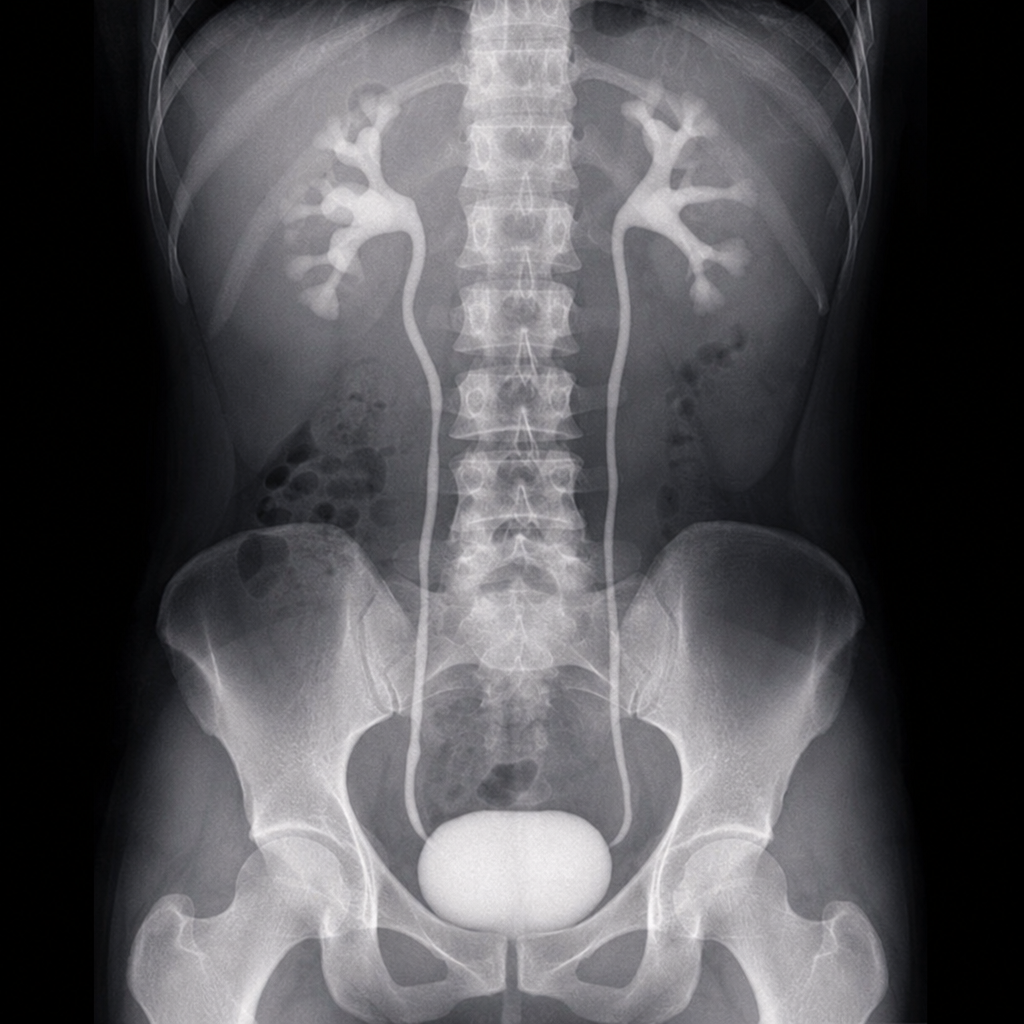
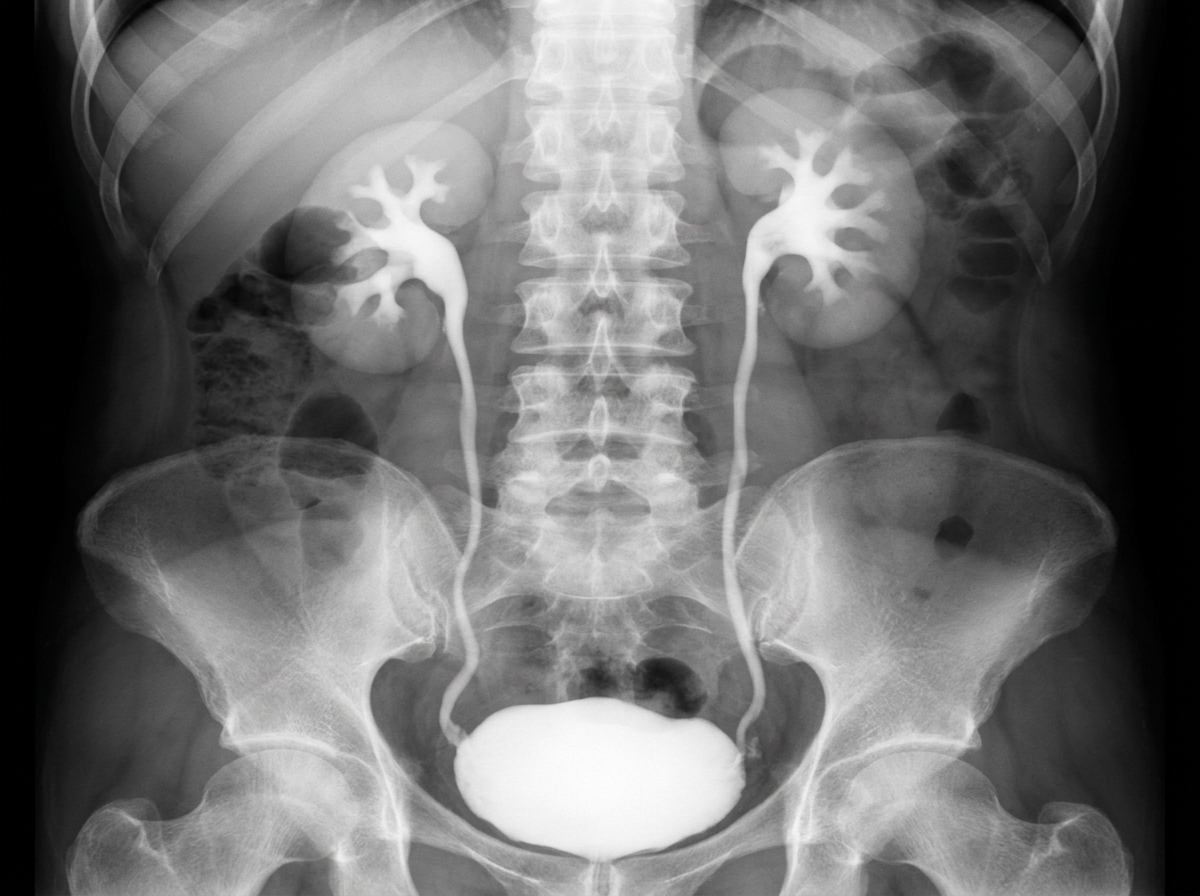
What is the most appropriate diagnostic finding in this scenario?

What is one advantage of digital radiography?
Which of the following is NOT a radiological feature of achalasia cardia?
On barium swallow, what characteristic appearance is shown by a leiomyoma?
Which of the following is NOT a radiological evidence of Achalasia Cardia?
On which day of a normal 28-day menstrual cycle should a hysterosalpingogram be performed for a woman with a 5-day menstrual period?
Who is credited with developing cerebral angiography?
What contrast agent is typically used for Magnetic Resonance Imaging (MRI)?
What contrast agent is used in a barium enema?
What contrast agent is used for MRI?
Explanation: ***Common bile duct dilatation on ERCP*** - **ERCP** is the gold standard for evaluating **biliary obstruction** and can detect **common bile duct dilatation** (>6mm in non-cholecystectomized patients) with high sensitivity. - ERCP allows both **diagnostic visualization** and **therapeutic intervention** for biliary pathology in a single procedure. *Common bile duct dilatation on PTC* - **PTC (Percutaneous Transhepatic Cholangiography)** is more invasive and typically reserved for cases where **ERCP fails** or is contraindicated. - PTC carries higher risks of **bleeding** and **bile leak** compared to ERCP, making it less appropriate as first-line diagnostic tool. *Cystic duct dilatation on ERCP* - The **cystic duct** connects the gallbladder to the common hepatic duct and rarely dilates as a primary finding. - **Cystic duct obstruction** typically causes **cholecystitis** rather than the biliary obstruction pattern suggested in this scenario. *Cystic duct ectasia on ERCP* - **Ectasia** refers to abnormal dilatation, but cystic duct ectasia is an uncommon finding with limited clinical significance. - This finding would not explain the typical presentation of **biliary obstruction** or **cholangitis** that warrants ERCP evaluation.
Explanation: ### Explanation **Correct Answer: C. Radiographic images are obtained immediately.** **Why it is correct:** The primary advantage of Digital Radiography (DR) over conventional film-based radiography is the elimination of chemical processing. In DR, X-ray photons are captured by electronic sensors (CCD, CMOS, or Flat Panel Detectors) and converted into digital signals. This allows for **real-time image acquisition**, significantly reducing the "chair-side" time. This immediate feedback is crucial in emergency settings and during procedures like endodontics or implant placement. **Analysis of Incorrect Options:** * **Option A:** Visualizing all teeth in a single film is a characteristic of **Orthopantomogram (OPG)**, which is a specific *type* of extraoral projection, not a general advantage of digital technology itself. * **Option B:** Digital radiography is **not highly economical** initially. While it saves money on films and chemicals in the long run, the initial setup cost (sensors, software, and hardware) is significantly higher than conventional systems. * **Option D:** Radiographs (digital or conventional) assess hard tissue changes and periapical pathology. They **cannot assess pulpal vitality**, which requires clinical tests like Electric Pulp Testing (EPT) or thermal tests to evaluate blood flow and nerve response. **NEET-PG High-Yield Pearls:** * **Dynamic Range:** Digital sensors have a wider dynamic range (latitude) than film, meaning they can capture useful data even with slight over- or under-exposure. * **Dose Reduction:** Digital radiography typically requires **50% to 90% less radiation** exposure compared to E-speed conventional films. * **Image Manipulation:** A key feature of DR is post-processing (contrast enhancement, zooming, and measurement tools), which is impossible with conventional films. * **DICOM:** Digital images are stored in the **DICOM** (Digital Imaging and Communications in Medicine) format to ensure universal compatibility.
Explanation: **Explanation:** **Achalasia Cardia** is a primary esophageal motility disorder characterized by the failure of the Lower Esophageal Sphincter (LES) to relax and the absence of esophageal peristalsis. **Why "Antral Nipple Sign" is the correct answer:** The **Antral Nipple Sign** is a radiological feature associated with **Hypertrophic Pyloric Stenosis (HPS)**, not achalasia. It represents the protrusion of the thickened pyloric muscle into the gastric antrum, seen during a Barium swallow/meal. **Analysis of Incorrect Options:** * **Megaesophagus (Option A):** In chronic achalasia, the esophagus becomes massively dilated due to the distal obstruction and retained food contents. This is often visible on a plain Chest X-ray as a widened mediastinum with an air-fluid level. * **Bird Beak Appearance (Option B):** This is the classic hallmark of achalasia on a Barium swallow. It represents the persistent, smooth, symmetrical tapering of the distal esophagus at the level of the LES. * **Rat Tailed Appearance (Option C):** This term is often used interchangeably with the "Bird Beak" sign to describe the narrow distal segment. (Note: If the narrowing is irregular or eccentric, it suggests "Pseudoachalasia" due to malignancy). **High-Yield Clinical Pearls for NEET-PG:** * **Gold Standard Investigation:** Esophageal Manometry (shows incomplete LES relaxation and aperistalsis). * **Chest X-ray findings:** Absence of gastric air bubble (due to LES closure) and widened mediastinum. * **Sigmoid Esophagus:** The end-stage radiological appearance where the esophagus becomes dilated and tortuous. * **Heller’s Myotomy:** The surgical treatment of choice.
Explanation: **Explanation:** **Leiomyoma** is the most common benign mesenchymal tumor of the esophagus. It typically arises from the smooth muscle of the muscularis propria. On a barium swallow, it presents as a **smooth, oval, or crescent-shaped intramural filling defect**. Because the tumor is intramural (within the wall) and not mucosal, the overlying mucosa remains intact. This results in the characteristic appearance of an **oval mass lined by barium**, often showing sharp "right-angle" or "obtuse" borders where the mass meets the esophageal wall. **Analysis of Incorrect Options:** * **A. Rat tail appearance:** This refers to the irregular, eccentric narrowing of the distal esophagus seen in **Esophageal Carcinoma**. * **B. Corkscrew appearance:** This is the classic finding in **Diffuse Esophageal Spasm (DES)**, caused by simultaneous, non-peristaltic tertiary contractions. * **C. String sign:** This refers to a severely narrowed lumen appearing as a thin line of contrast. It is classically seen in **Hypertrophic Pyloric Stenosis (HPS)** or **Crohn’s disease** (Kantor’s string sign). **High-Yield Clinical Pearls for NEET-PG:** * **Location:** Leiomyomas are most commonly found in the distal two-thirds of the esophagus. * **Endoscopy:** They appear as a smooth bulge with intact overlying mucosa. Biopsy is generally avoided if surgery is planned to prevent scarring. * **CT Scan:** Shows a well-defined, homogenous mass; calcification within the mass is a highly specific (though rare) sign of leiomyoma. * **Treatment:** Small asymptomatic lesions are monitored; larger or symptomatic lesions are treated via **surgical enucleation**.
Explanation: **Explanation:** **Achalasia Cardia** is a primary esophageal motility disorder characterized by the failure of the Lower Esophageal Sphincter (LES) to relax and the **absence of peristalsis** in the distal two-thirds of the esophagus. This occurs due to the degeneration of the inhibitory neurons in the myenteric (Auerbach’s) plexus. **Why "Exaggerated Peristalsis" is the correct answer:** In Achalasia, the hallmark physiological finding is **aperistalsis** (complete absence of organized motor activity). Therefore, exaggerated peristalsis is never seen; instead, one might see low-amplitude, non-propulsive "simultaneous" contractions. **Analysis of Incorrect Options:** * **Beak-like appearance:** This is the classic radiological sign on a Barium Swallow. The persistent failure of the LES to relax results in smooth, tapered narrowing at the gastroesophageal junction, resembling a **"Bird’s Beak"** or "Rat’s Tail." * **Dilated tortuous esophagus:** Chronic obstruction leads to proximal dilatation. In advanced stages, the esophagus becomes massively dilated and redundant, known as a **"Mega-esophagus"** or **"Sigmoid esophagus."** * **Presence of air-fluid level:** Due to the functional obstruction at the LES, food and secretions pool in the dilated esophagus. On a plain X-ray (Chest/Abdomen), this appears as a retrocardiac air-fluid level, often with an **absent gastric air bubble**. **High-Yield Clinical Pearls for NEET-PG:** * **Gold Standard Investigation:** Esophageal **Manometry** (shows incomplete LES relaxation and aperistalsis). * **Heller’s Myotomy:** The surgical treatment of choice (often combined with a partial fundoplication). * **Chagas Disease:** A secondary cause of Achalasia caused by *Trypanosoma cruzi*. * **Pneumatic Dilatation:** The most effective non-surgical treatment.
Explanation: **Explanation:** Hysterosalpingography (HSG) is a fluoroscopic procedure used to evaluate the uterine cavity and fallopian tube patency. The ideal timing for HSG is during the **proliferative phase**, specifically between **Day 7 and Day 10** of a 28-day menstrual cycle. **Why Day 8 is correct:** 1. **Avoidance of Pregnancy:** Performing the procedure after menstruation ceases but before ovulation (Day 14) ensures the patient is not pregnant, preventing accidental radiation exposure to a developing embryo. 2. **Endometrial Thickness:** During the early proliferative phase (Day 8), the endometrium is thin. This allows for better visualization of the uterine anatomy and reduces the risk of **venous intravasation** (contrast entering the uterine veins), which is more common when the endometrium is thick or vascular. 3. **Clearance of Debris:** Menstrual flow has ceased, ensuring that blood clots do not cause "filling defects" that could be misinterpreted as polyps or fibroids. **Analysis of Incorrect Options:** * **Day 4 (Option A):** The patient is still menstruating. Contrast injection during active bleeding increases the risk of infection and venous intravasation of the contrast medium. * **Day 14 (Option B):** This is the typical day of ovulation. There is a risk that fertilization has occurred, and the high-pressure injection could displace an ovum or interfere with early implantation. * **Day 21 (Option D):** This is the secretory phase. The endometrium is thick and lush, which can mimic intrauterine pathology or block the tubal ostia, leading to a false-positive result for tubal occlusion. **High-Yield Clinical Pearls for NEET-PG:** * **Contraindications:** Pregnancy, active pelvic inflammatory disease (PID), and active uterine bleeding. * **Contrast Used:** Water-soluble iodinated contrast (e.g., Iohexol) is preferred over oil-based contrast to reduce the risk of granuloma formation and oil embolism. * **Therapeutic Effect:** HSG can sometimes be therapeutic; the mechanical flushing of the tubes may improve fertility rates in the subsequent cycles ("flushing effect").
Explanation: **Explanation:** **Correct Answer: D. Egas Moniz** António Egas Moniz, a Portuguese neurologist, is credited with developing **cerebral angiography** in 1927. He successfully visualized the blood vessels of the brain by injecting radiopaque contrast (initially sodium iodide) into the carotid artery. This breakthrough allowed for the diagnosis of tumors, vascular malformations, and aneurysms, which were previously invisible on standard X-rays. For his contributions to neurology (specifically the development of leucotomy), he was awarded the Nobel Prize in 1949. **Analysis of Incorrect Options:** * **A. Sir Walter Dandy:** An American neurosurgeon known for developing **pneumoencephalography** (injecting air into the ventricles) and ventriculography. He was also the first to clip an intracranial aneurysm. * **B. George Moore:** He pioneered the use of **fluorescein** to localize brain tumors during surgery and was an early advocate for using radioactive isotopes in brain scanning. * **C. Seldinger:** Sven-Ivar Seldinger developed the **Seldinger Technique** in 1953. This is the standard method for percutaneous vascular access using a needle, guidewire, and catheter, which revolutionized interventional radiology but came decades after Moniz’s discovery. **High-Yield Clinical Pearls for NEET-PG:** * **Father of Angiography:** Egas Moniz. * **Seldinger Technique Steps:** Needle → Guidewire → Remove Needle → Dilator/Catheter over wire → Remove wire. * **Contrast Media:** Modern angiography uses non-ionic, low-osmolar iodinated contrast (e.g., Iohexol) to reduce the risk of nephrotoxicity and allergic reactions. * **Pneumoencephalography:** Historically used for visualizing the ventricular system but has been entirely replaced by CT and MRI.
Explanation: **Explanation:** **1. Why Gadolinium is Correct:** Gadolinium (Gd) is a rare earth metal used as the gold standard contrast agent in MRI. It is a **paramagnetic** substance, meaning it possesses unpaired electrons that create a local magnetic field. When injected, Gadolinium shortens the **T1 relaxation time** of adjacent water protons. This results in an increased signal intensity, appearing as **"bright" or hyperintense** areas on T1-weighted images. Because it does not cross an intact blood-brain barrier, it is invaluable for detecting tumors, inflammation, and vascular abnormalities. **2. Why the Other Options are Incorrect:** * **Radium (B):** A highly radioactive element formerly used in cancer treatments (brachytherapy). It has no role as a diagnostic contrast agent and is toxic. * **Iridium (C):** Specifically Iridium-192, this is a radioisotope used in **brachytherapy** for treating various cancers, not for imaging. * **TDT (D):** This is not a recognized radiological contrast agent. It may be confused with biochemical markers or unrelated acronyms. **3. Clinical Pearls for NEET-PG:** * **Excretion:** Gadolinium is primarily excreted by the kidneys. * **Safety Warning:** In patients with severe renal impairment (GFR <30 mL/min), Gadolinium can cause **Nephrogenic Systemic Fibrosis (NSF)**, a debilitating fibrosing condition of the skin and internal organs. * **Chelation:** Free Gadolinium is toxic; therefore, it is always administered in a **chelated form** (e.g., Gd-DTPA or Magnevist) to ensure safety and proper excretion. * **Pregnancy:** It is generally avoided in pregnancy as it crosses the placenta and can remain in the amniotic fluid for extended periods.
Explanation: **Explanation:** **Barium sulphate ($BaSO_4$)** is the standard contrast agent used for gastrointestinal imaging, including barium enemas. It is a radio-opaque, high-atomic-number compound that effectively absorbs X-rays, providing excellent mucosal detail. **Why Barium Sulphate is used:** The primary reason for its use is its **extreme insolubility** in water and gastric secretions. Because it is not absorbed by the gastrointestinal tract, it remains non-toxic to the body despite barium being a heavy metal. It is administered as a suspension to coat the colonic mucosa, allowing for the visualization of polyps, diverticula, and tumors. **Analysis of Incorrect Options:** * **Barium oxide:** This is a reactive, caustic compound used in industrial manufacturing (like glass making) and is not suitable for biological use. * **Barium sulphide:** This is a **toxic, soluble** salt. If ingested or administered, it would be absorbed into the bloodstream, leading to severe barium poisoning (hypokalemia, cardiac arrhythmias, and muscle paralysis). * **Lead sulphate:** While lead is radio-opaque, it is highly toxic to humans and is never used as an internal contrast agent. **Clinical Pearls for NEET-PG:** * **Contraindication:** Barium is strictly contraindicated if **bowel perforation** is suspected. In such cases, water-soluble contrast (e.g., **Gastrografin/Iohexol**) is used to avoid barium-induced peritonitis or granuloma formation. * **Double Contrast:** A "Double Contrast Barium Enema" uses both barium (to coat the walls) and air/carbon dioxide (to distend the lumen), providing superior detail of the mucosal surface. * **Apple Core Sign:** A classic radiological finding on a barium enema indicating annular carcinoma of the colon.
Explanation: **Explanation:** The correct answer is **Gadolinium (Option B)**. **Why Gadolinium is correct:** Gadolinium is a rare-earth metal used as a paramagnetic contrast agent in MRI. It works by shortening the T1 relaxation time of water protons in the surrounding tissues, which results in a "bright" or hyperintense signal on T1-weighted images. Because free gadolinium is toxic, it is always administered in a chelated form (e.g., Gadopentetate dimeglumine) to ensure safe excretion by the kidneys. **Why the other options are incorrect:** * **Iodine (Option A):** This is the base for contrast agents used in X-ray and CT scans (e.g., Gastrografin). It works by increasing photon attenuation, but it does not have the paramagnetic properties required for MRI. * **Metrizamide (Option C):** This is an older, first-generation non-ionic water-soluble iodinated contrast medium primarily used for myelography in the past. It is not used in MRI. * **Omnipaque (Option D):** This is the brand name for Iohexol, a commonly used non-ionic, low-osmolar iodinated contrast agent for CT scans and angiography. **High-Yield NEET-PG Pearls:** * **Nephrogenic Systemic Fibrosis (NSF):** A rare but serious complication of gadolinium use in patients with severe renal failure (GFR < 30 mL/min). * **Hepatocyte-specific MRI contrast:** Primovist (Gd-EOB-DTPA) is used specifically for characterizing focal liver lesions. * **Safety:** Gadolinium is generally safer than iodinated contrast regarding allergic reactions, but it is contraindicated in pregnancy unless the benefit clearly outweighs the risk.
Iodinated Contrast Media
Practice Questions
MRI Contrast Agents
Practice Questions
Ultrasound Contrast Agents
Practice Questions
Adverse Reactions to Contrast Media
Practice Questions
Management of Contrast Reactions
Practice Questions
Contrast-Induced Nephropathy
Practice Questions
Barium Studies
Practice Questions
Intravenous Urography
Practice Questions
Angiography Techniques
Practice Questions
Lymphangiography
Practice Questions
Contrast Administration Protocols
Practice Questions
Pretesting and Premedication
Practice Questions
Get full access to all questions, explanations, and performance tracking.
Start For Free