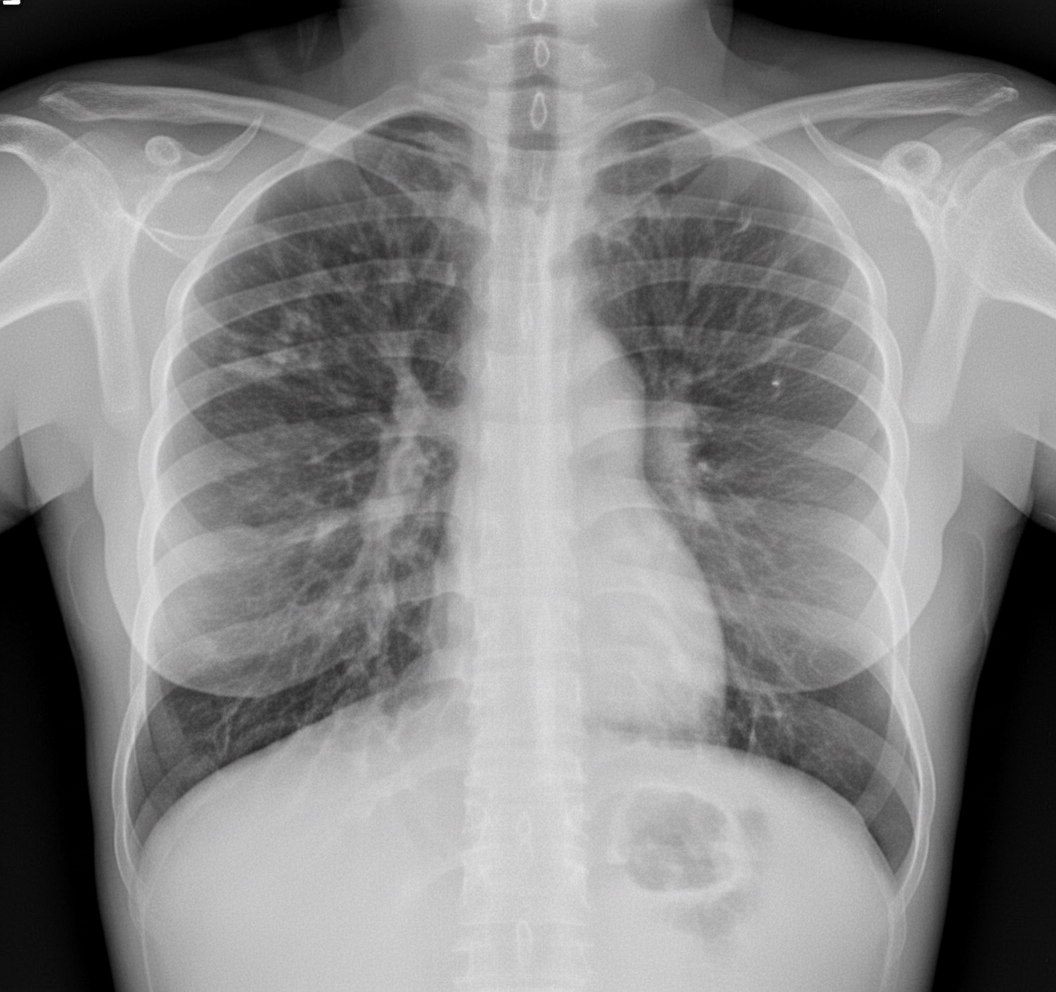
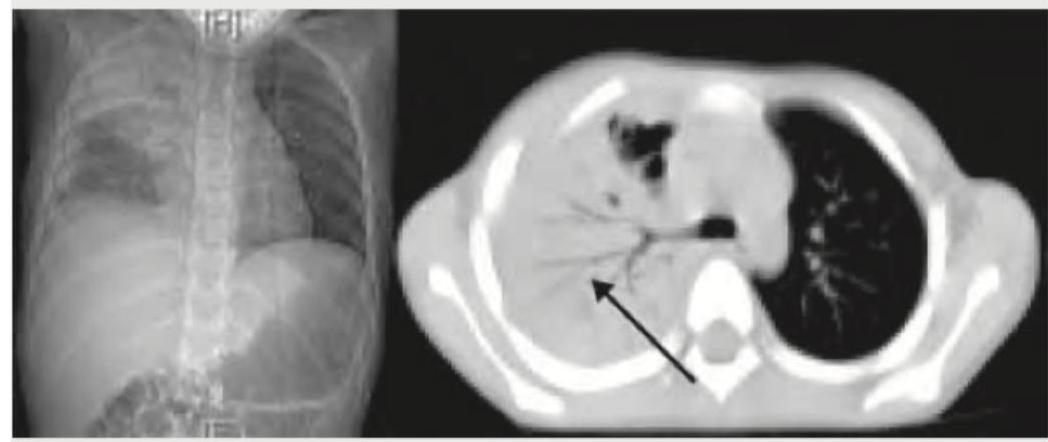
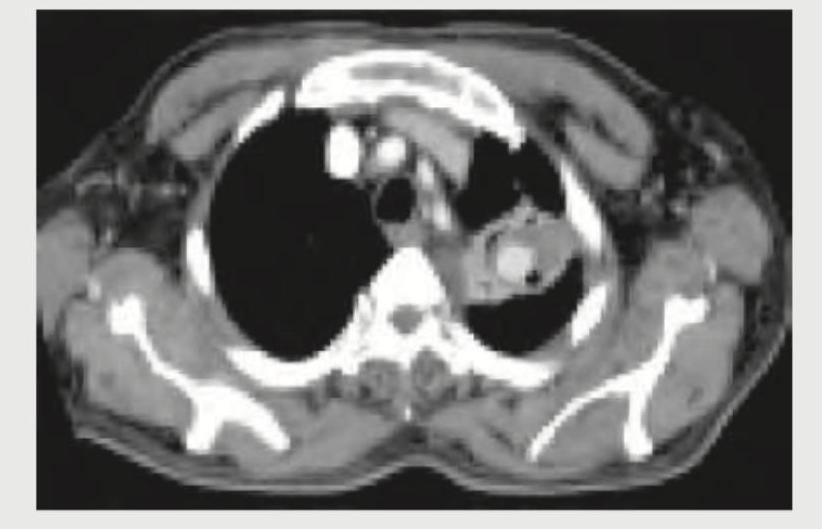
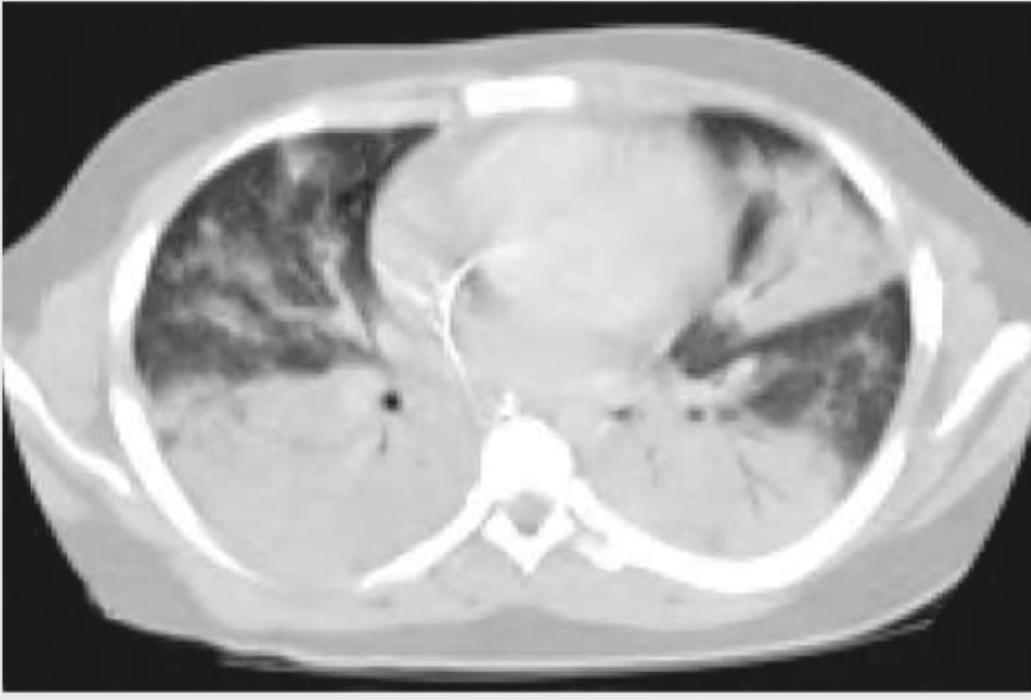
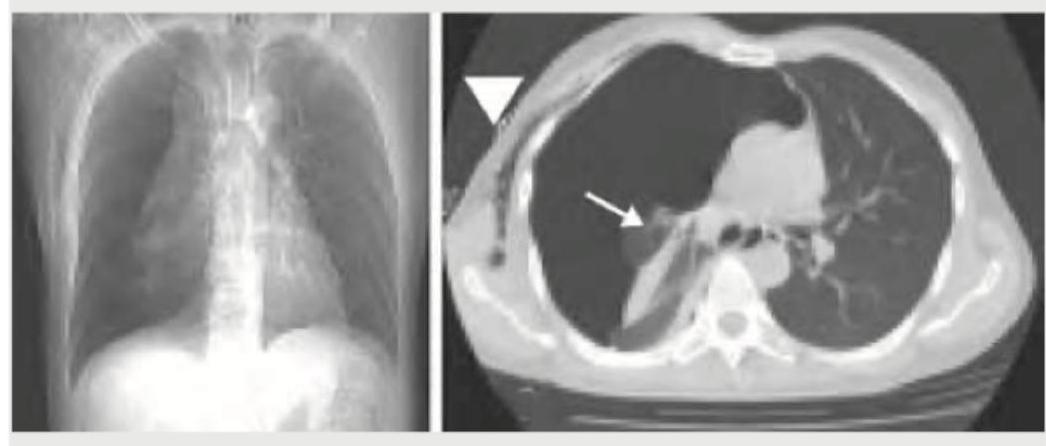
Rib notching of 4 –9th ribs with double bulging is seen in?
In a lung X-ray, what causes a heterogeneous shadow?
What is the characteristic radiological feature of sarcoidosis?
A 55-year-old man, who has been on bed rest for the past 10 days, complains of breathlessness and chest pain. The chest X-ray is normal. What is the next step in investigation?
Honeycomb appearance on X-ray is seen in all except?
Which of the following is a feature of pulmonary venous hypertension?
Miliary shadow in chest X-ray is typically seen in which of the following conditions?
Which feature indicates the benign nature of a solitary pulmonary nodule?
Pruning of pulmonary arteries is seen in which condition?
A well-defined lesion in the lung with popcorn calcification on X-ray is suggestive of which of the following?
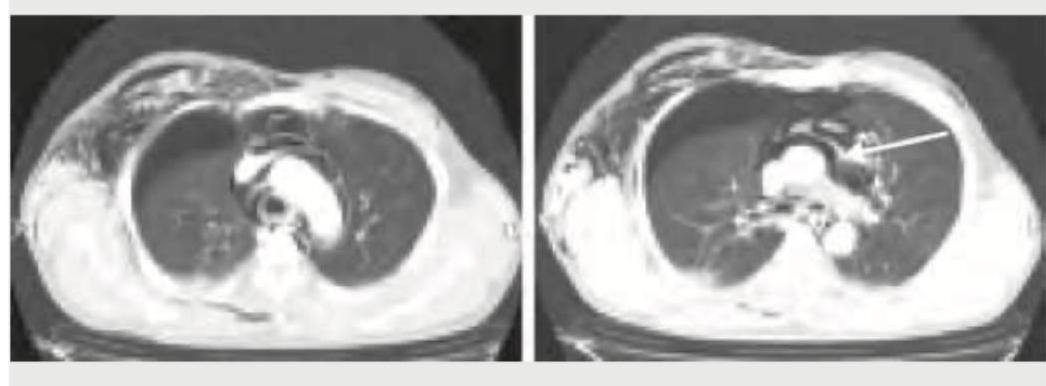
Explanation: **Explanation:** **Coarctation of the Aorta (CoA)** is the correct answer due to the development of extensive collateral circulation. In post-ductal coarctation, the narrowing of the aorta forces blood to reach the lower body via collateral pathways. The primary route involves the **intercostal arteries**. 1. **Mechanism of Rib Notching:** High-pressure blood flows from the subclavian arteries into the internal mammary arteries, then through the posterior intercostal arteries to reach the descending aorta. This increased flow causes the intercostal arteries to become dilated, tortuous, and pulsatile. Over time, these vessels erode the inferior margins of the ribs, leading to the classic **"Roesler’s sign"** (rib notching). 2. **Distribution:** It typically affects the **3rd to 9th ribs**. The 1st and 2nd ribs are spared because their intercostal arteries arise from the costocervical trunk, which is proximal to the coarctation. 3. **Double Bulging:** This refers to the **"Figure of 3" sign** seen on a chest X-ray, formed by the pre-stenotic dilation of the aortic arch, the site of coarctation (the "indent"), and the post-stenotic dilation of the descending aorta. **Why other options are incorrect:** * **Aortic Aneurysm/Dissection:** While these can cause mediastinal widening or a "calcium sign," they do not typically result in the chronic collateral-induced rib notching seen in CoA. * **Diaphragmatic Hernia:** Presents with bowel loops or a soft tissue mass in the thoracic cavity, often displacing the heart, but has no vascular effect on the ribs. **High-Yield Clinical Pearls for NEET-PG:** * **Inferior Rib Notching (Unilateral):** If seen only on the right, it suggests coarctation proximal to the left subclavian artery (Blalock-Taussig shunt). * **Superior Rib Notching:** Associated with connective tissue disorders like Marfan syndrome, Neurofibromatosis, or Hyperparathyroidism. * **Reverse Figure of 3:** Seen on a Barium swallow (E-sign) due to the esophagus being indented by the dilated aortic segments.
Explanation: **Explanation:** In chest radiology, a **heterogeneous shadow** refers to an opacity that is not uniform in density, often containing areas of varying lucency or calcification. **1. Why Metastatic Lesion is correct:** Pulmonary metastases (especially from primary tumors like osteosarcoma, thyroid cancer, or mucinous adenocarcinomas) often present as multiple nodules of varying sizes. These lesions can undergo **central necrosis, cavitation, or internal calcification**, leading to a non-uniform or heterogeneous appearance on an X-ray. While "cannonball" metastases are typically well-defined, the internal architecture of metastatic deposits is frequently inconsistent compared to simple fluid or solid consolidation. **2. Analysis of Incorrect Options:** * **Hemangioma:** These are vascular malformations that typically appear as well-circumscribed, smooth, and **homogeneous** soft tissue densities. * **Pulmonary Infarction:** Usually presents as a wedge-shaped, **homogeneous** opacity (Hampton’s Hump) located at the periphery/pleural base. * **Tuberculosis:** While TB can be complex, primary TB typically presents with homogeneous consolidation or Ghon complexes. (Note: While chronic fibro-cavitary TB can look heterogeneous, in the context of standard MCQ patterns, metastatic disease is the classic association for varying densities due to the processes mentioned above). **High-Yield Clinical Pearls for NEET-PG:** * **Cannonball Metastases:** Classically seen in Renal Cell Carcinoma (RCC), Choriocarcinoma, and Testicular tumors. * **Calcified Metastases:** Suggests Osteosarcoma or Chondrosarcoma. * **Cavitating Metastases:** Most commonly associated with Squamous Cell Carcinoma (SCC). * **Hampton’s Hump:** A sign of pulmonary infarction; a pleural-based, wedge-shaped opacity with the apex pointing toward the hilum.
Explanation: **Explanation:** The correct answer is **D. All of the above** because sarcoidosis is a multisystem granulomatous disease that progresses through distinct radiological stages. The Scadding Staging System is used to categorize these findings on a chest X-ray, and all the options provided represent different stages of the disease. * **Option A (Stage I):** Characterized by **Bilateral Hilar Lymphadenopathy (BHL)**. This is the most common initial presentation and is often asymptomatic. * **Option B (Stage II):** Characterized by **BHL plus Parenchymal Infiltration**. The lung changes typically present as a reticulonodular pattern, often in the mid-to-upper zones. * **Option C (Stage III):** Characterized by **Parenchymal Infiltration without BHL**. At this stage, the lymphadenopathy has regressed, but the lung disease persists. **Why "All of the above" is correct:** Since sarcoidosis is a progressive disease, a patient may present with isolated lymphadenopathy, a combination of nodes and lung changes, or isolated lung changes depending on the stage at which they are imaged. **High-Yield Clinical Pearls for NEET-PG:** * **Scadding Stages:** * Stage 0: Normal CXR. * Stage I: BHL only. * Stage II: BHL + Parenchymal changes. * Stage III: Parenchymal changes only. * Stage IV: End-stage pulmonary fibrosis (honeycombing). * **Garland’s Triad (1-2-3 Sign):** Right paratracheal, right hilar, and left hilar lymphadenopathy. * **Eggshell Calcification:** Occasionally seen in hilar nodes (though more common in silicosis). * **Galaxy Sign:** On CT, a large nodule surrounded by many tiny satellite nodules. * **Panda Sign & Gallium-67 Scan:** Increased uptake in lacrimal and parotid glands.
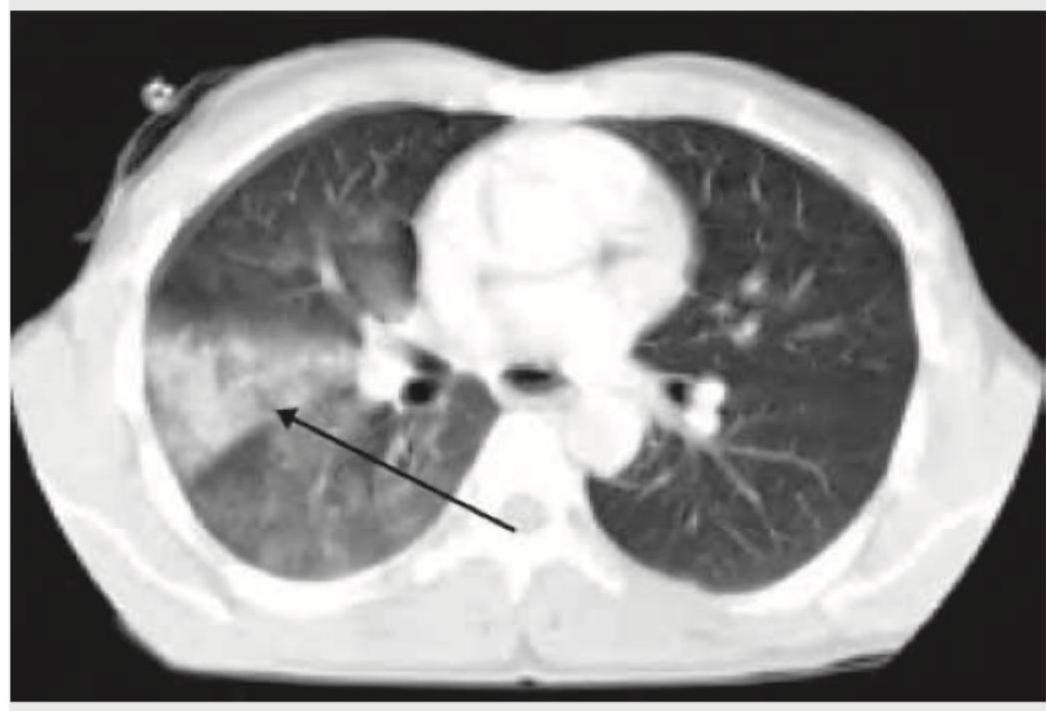
Explanation: **Explanation:** The clinical presentation of sudden onset breathlessness and chest pain in a patient with prolonged immobilization (10 days of bed rest) is highly suggestive of **Pulmonary Embolism (PE)**. **Why Option A is correct:** In a patient suspected of PE where the **Chest X-ray (CXR) is normal**, the next diagnostic step is a **Lung Ventilation-Perfusion (V/Q) scan**. A normal CXR is a classic finding in PE (though non-specific), and the V/Q scan identifies the "mismatch"—areas of the lung that are ventilated but not perfused due to an arterial clot. While CT Pulmonary Angiography (CTPA) is now the gold standard in many centers, the V/Q scan remains the preferred traditional answer in the context of a normal CXR and is highly sensitive for excluding PE. **Why other options are incorrect:** * **B. Pulmonary Angiography:** This is the **Gold Standard** (most accurate) investigation but is invasive and reserved for cases where non-invasive tests are inconclusive. It is not the immediate "next step." * **C. Pulmonary Venous Wedge Angiography:** This is used to measure pulmonary capillary wedge pressure or visualize pulmonary veins; it has no role in diagnosing acute PE. * **D. Echocardiography:** While useful to see right heart strain or bedside assessment in unstable patients, it is not the definitive diagnostic step for PE. **High-Yield Clinical Pearls for NEET-PG:** * **Most common CXR finding in PE:** Normal (or non-specific atelectasis/effusion). * **Classic CXR signs (Rare):** Westermark sign (focal oligemia) and Hampton’s hump (wedge-shaped opacity). * **ECG finding:** Most common is Sinus Tachycardia; most specific is S1Q3T3. * **Gold Standard:** Invasive Pulmonary Angiography. * **Investigation of choice (Modern):** CT Pulmonary Angiography (CTPA).
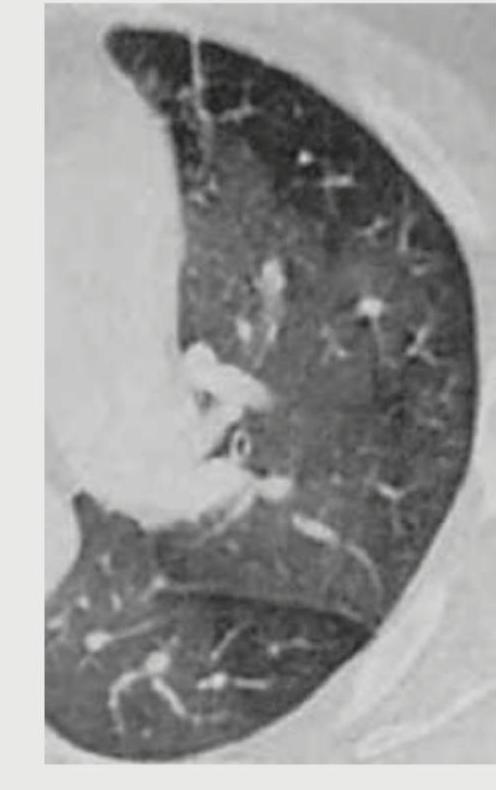
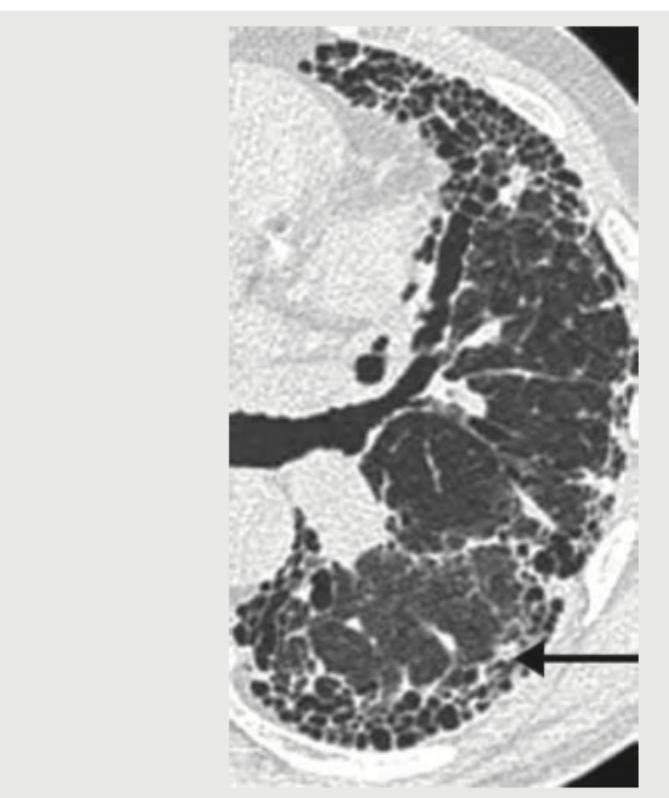
Explanation: **Explanation:** **Honeycomb lung** represents the end-stage of various interstitial lung diseases (ILDs). Radiologically, it appears as multiple, thick-walled, subpleural cystic airspaces (usually 3–10 mm in diameter) that resemble a beehive. This appearance indicates irreversible lung fibrosis and destruction of alveolar architecture. **Why Wegener’s Granulomatosis (Granulomatosis with Polyangiitis) is the correct answer:** Wegener’s is a small-vessel vasculitis characterized by a triad of upper respiratory tract involvement, lower respiratory tract involvement, and glomerulonephritis. The classic radiological findings are **multiple bilateral nodules** (often cavitating) and patchy ground-glass opacities (alveolar hemorrhage). While it causes lung destruction, it typically does not present with a diffuse honeycombing pattern. **Analysis of Incorrect Options:** * **Histiocytosis-X (Langerhans Cell Histiocytosis):** Characterized by a progression from nodules to thin-walled cysts. In advanced stages, these cysts coalesce to form a honeycomb appearance, typically sparing the costophrenic angles. * **Tuberous Sclerosis:** This neurocutaneous syndrome is associated with **Lymphangioleiomyomatosis (LAM)**, which presents with diffuse, thin-walled cysts throughout the lung parenchyma, leading to a honeycomb-like pattern. * **Rheumatoid Arthritis:** RA is frequently associated with Interstitial Lung Disease, most commonly the **UIP (Usual Interstitial Pneumonia)** pattern. UIP is the hallmark of honeycombing, primarily involving the basal and subpleural regions. **High-Yield Clinical Pearls for NEET-PG:** * **Most common cause of honeycombing:** Idiopathic Pulmonary Fibrosis (IPF/UIP). * **HRCT** is the gold standard for diagnosing honeycombing (more sensitive than X-ray). * **Differential Diagnosis (Mnemonic: SHIT):** **S**arcoidosis (Stage IV), **H**istiocytosis-X, **I**diopathic Pulmonary Fibrosis, **T**uberous Sclerosis (LAM) / **T**herapeutic (Radiation/Drugs). * **Wegener’s Marker:** c-ANCA (PR3-ANCA) is highly specific.
Explanation: **Explanation:** Pulmonary Venous Hypertension (PVH) occurs when there is an increase in pressure within the pulmonary veins, most commonly due to left-sided heart failure or mitral valve disease. **Why Option D is Correct:** Chronic, severe pulmonary venous hypertension (especially in long-standing **Mitral Stenosis**) can lead to the formation of **pulmonary ossicles**. These are small (2–5 mm), mature bone nodules found in the alveolar spaces, typically in the lower lobes. On a chest X-ray, they present as a **fine nodular pattern** or "microlithiasis-like" appearance. This is a classic, high-yield radiological sign of chronic PVH. **Analysis of Incorrect Options:** * **A. Peribronchial cuffing:** While this is a sign of pulmonary edema (interstitial stage), it represents fluid accumulation around the bronchi. It is a feature of acute congestion rather than a specific diagnostic hallmark of chronic PVH compared to ossification. * **B. Upper lobar diversion (Cephalization):** This is indeed a feature of PVH (Grade I). However, the question asks for "a feature," and in the context of NEET-PG, when ossicles are an option, they represent the most specific chronic sequela. (Note: Many sources consider both B and D features; however, ossicles are the pathognomonic "textbook" chronic finding). * **C. Uniformly branching lines parallel to pleura:** This description does not match any standard radiological sign of PVH. Kerley B lines are short, horizontal lines *perpendicular* to the pleura at the lung bases. **High-Yield Clinical Pearls for NEET-PG:** * **Stages of PVH on CXR:** 1. **Grade I (PCWP 13-18 mmHg):** Cephalization (Upper lobe diversion/Antler sign). 2. **Grade II (PCWP 18-25 mmHg):** Interstitial edema (Kerley lines, peribronchial cuffing, hazy hila). 3. **Grade III (PCWP >25 mmHg):** Alveolar edema (Bat-wing appearance). * **Kerley A lines:** Radiate from hila; **Kerley B lines:** Peripheral, basal, horizontal. * **Pulmonary Ossification:** Most commonly associated with **Mitral Stenosis**.
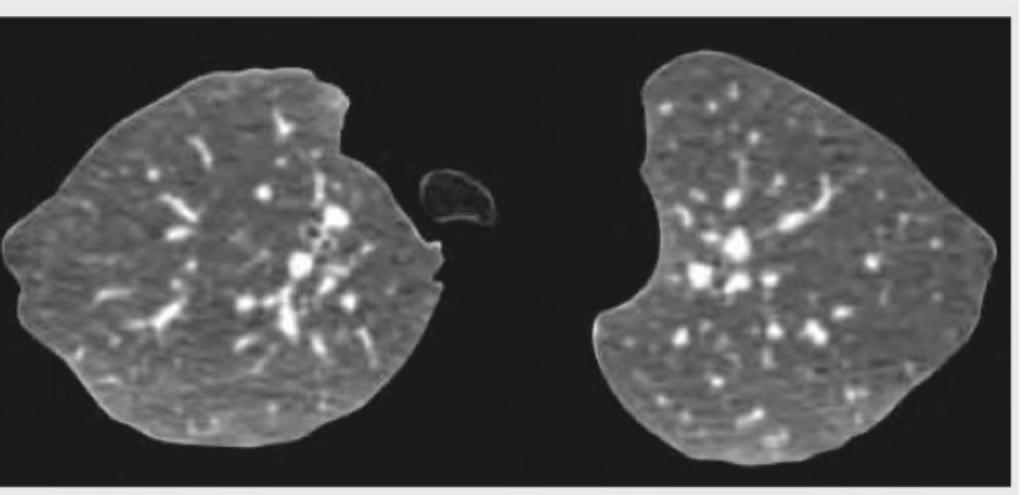
Explanation: **Explanation:** The term **"miliary shadows"** refers to fine, discrete, 1–3 mm nodules distributed uniformly throughout both lung fields, resembling millet seeds. While classically associated with Tuberculosis, this pattern can be seen in various infectious and non-infectious conditions. **Why Klebsiella pneumoniae is the correct answer:** In the context of this specific question, **Klebsiella pneumoniae** is a known cause of miliary opacities, particularly in the early stages of hematogenous spread or in immunocompromised individuals. While Klebsiella more commonly presents with lobar consolidation and the "bulging fissure sign," it is a recognized cause of a miliary pattern among the provided options. **Analysis of Incorrect Options:** * **Tuberculosis (Option A):** While Miliary TB is the classic cause, in many competitive exams, if a specific bacterial pathogen like Klebsiella is marked as the key, it often refers to the acute hematogenous spread of that specific organism. *(Note: In standard clinical practice, TB is the most common cause, but the question seeks the specific bacterial association provided in the key).* * **Loeffler’s Pneumonia (Option B):** This typically presents with **"fleeting" or "transient" pulmonary infiltrates** (eosinophilic pneumonia), not discrete miliary nodules. * **Varicella Pneumonia (Option D):** This usually presents with patchy infiltrates or nodular densities that may eventually undergo **punctate calcification** after the acute phase, rather than a classic miliary distribution. **NEET-PG High-Yield Pearls:** 1. **Miliary Pattern Differential:** TB (most common), Sarcoidosis, Silicosis, Histoplasmosis, and Metastases (Thyroid, Renal Cell Carcinoma, Melanoma). 2. **Bulging Fissure Sign:** Classically associated with *Klebsiella pneumoniae* due to heavy inflammatory exudate. 3. **Snowstorm Appearance:** Seen in Silicosis or Choriocarcinoma metastasis. 4. **Eggshell Calcification:** Characteristic of hilar lymph nodes in Silicosis and occasionally Sarcoidosis.
Explanation: **Explanation:** The radiological assessment of a Solitary Pulmonary Nodule (SPN) focuses on differentiating benign lesions from potential malignancies. **Calcification patterns** are the most reliable indicators of stability. **Why Option C is Correct:** While "popcorn" calcification is a classic sign of a benign hamartoma, the presence of **diffuse, central, laminated, or small specks of organized calcification** generally indicates a benign process, often representing a healed granuloma (e.g., Tuberculosis or Histoplasmosis). These patterns suggest the lesion has been stable over a long period. **Analysis of Incorrect Options:** * **Option A (6cm size):** Any lesion >3 cm is technically termed a "mass" rather than a nodule. Size is a strong predictor of malignancy; lesions larger than 2 cm have a >75% risk of being cancerous. * **Option B (Acute onset):** Rapid growth (doubling time <30 days) usually indicates an infectious or inflammatory process (e.g., pneumonia or abscess) rather than a benign neoplasm. Conversely, stability for >2 years is a hallmark of benignity. * **Option D (Popcorn calcification):** While popcorn calcification is indeed benign (pathognomonic for Hamartoma), in the context of standard radiology MCQ hierarchy, "small specks" or "diffuse" patterns are often used to describe the most common benign presentation (granulomas). *Note: In many clinical scenarios, both C and D indicate benignity, but granulomatous specks are statistically more frequent.* **NEET-PG High-Yield Pearls:** 1. **Benign Calcification Patterns:** Diffuse, Central, Laminated (Bull’s eye), and Popcorn. 2. **Malignant Calcification Patterns:** Stippled, Eccentric, or Punctate. 3. **Corona Radiata Sign:** Spiculated margins highly suggestive of bronchogenic carcinoma. 4. **Doubling Time:** Malignant nodules typically double in volume between 20 to 400 days.
Explanation: ### Explanation **Correct Answer: A. Pulmonary hypertension** **Mechanism:** "Pruning" of pulmonary arteries is a classic radiological sign of **Pulmonary Arterial Hypertension (PAH)**. It refers to the rapid tapering of peripheral pulmonary vessels. In PAH, there is high pressure in the pulmonary circuit, leading to compensatory **dilation of the central pulmonary arteries** (hilar vessels). However, due to increased vascular resistance and obliterative changes in the distal arterioles, the peripheral vessels appear narrow, sparse, or absent. This contrast between large central arteries and "cut-off" peripheral vessels mimics the appearance of a tree with its outer branches pruned away. **Analysis of Incorrect Options:** * **B. Chronic bronchitis:** While this can lead to Cor Pulmonale and secondary PAH, the primary radiological features are "dirty lungs" (increased bronchovascular markings) and cardiomegaly, rather than isolated pruning. * **C. Pulmonary infections:** These typically present with opacities, consolidations, or infiltrates. While infections can cause local hypervascularity, they do not cause the systemic vascular tapering seen in PAH. * **D. Pulmonary transplant:** Post-transplant imaging focuses on complications like rejection (ground-glass opacities), anastomotic strictures, or infections, not the pruning of the arterial tree. **NEET-PG High-Yield Pearls:** * **Westermark Sign:** Focal oligemia (pruning) distal to a pulmonary embolism; a specific but insensitive sign. * **Knuckle Sign:** Abrupt tapering of a pulmonary artery secondary to an embolus. * **Measurement:** On a PA chest X-ray, a right descending pulmonary artery diameter **>16 mm** (males) or **>15 mm** (females) is suggestive of pulmonary hypertension. * **Egg-on-a-string appearance:** Seen in TGA, not to be confused with vascular pruning.
Explanation: ### Explanation **Correct Answer: C. Hamartoma** **Why it is correct:** A **Pulmonary Hamartoma** is the most common benign tumor of the lung. It is a disorganized growth of tissues normally found in the lung (cartilage, fat, and connective tissue). The characteristic **"Popcorn Calcification"** seen on a Chest X-ray or CT scan is a classic radiological sign representing irregular, tufted calcification of the cartilaginous component within the lesion. On CT, the presence of **fat density** (-40 to -120 HU) alongside this calcification is virtually pathognomonic for a hamartoma. **Why the other options are incorrect:** * **A. Carcinoma of the lung:** Malignant lesions typically present with eccentric, stippled, or amorphous calcifications (if any). They often have irregular, spiculated margins rather than the well-defined borders seen in hamartomas. * **B. Bronchial adenoma:** These are slow-growing neuroendocrine tumors (like Carcinoid). While they can calcify, they typically present as endobronchial masses causing obstructive symptoms like collapse or post-obstructive pneumonia. * **C. Hydatid cyst:** Classically presents as a well-defined fluid-filled density. Key radiological signs include the **"Water-lily sign"** (Camasalotta sign) or **"Air crescent sign,"** but not popcorn calcification. **NEET-PG High-Yield Pearls:** 1. **Popcorn Calcification** is also seen in **Fibroadenoma of the breast** (involuting type). 2. **Benign Calcification Patterns in Lung Nodules:** Central, diffuse (solid), laminated (bull’s eye), and popcorn. 3. **Malignant Calcification Patterns:** Eccentric or dystrophic. 4. **Coin Lesion:** A solitary pulmonary nodule (SPN) <3 cm; Hamartoma is a common benign cause of a coin lesion.
Normal Chest Radiographic Anatomy
Practice Questions
Radiographic Signs in Chest Imaging
Practice Questions
Pulmonary Infections
Practice Questions
Chronic Obstructive Pulmonary Disease
Practice Questions
Interstitial Lung Diseases
Practice Questions
Pulmonary Neoplasms
Practice Questions
Pleural Diseases
Practice Questions
Mediastinal Pathology
Practice Questions
Congenital and Developmental Chest Anomalies
Practice Questions
Pulmonary Vascular Diseases
Practice Questions
Chest Trauma Imaging
Practice Questions
Post-Surgical Chest Imaging
Practice Questions
Get full access to all questions, explanations, and performance tracking.
Start For Free