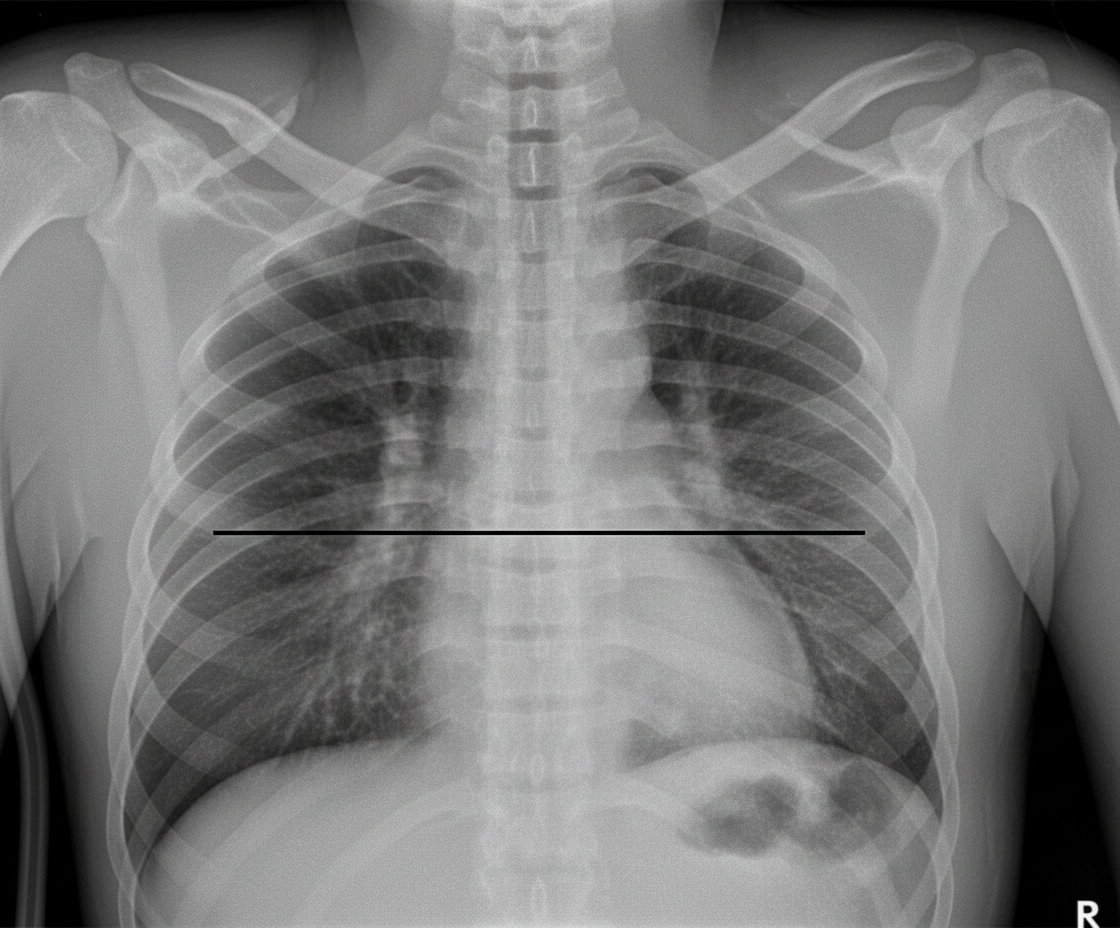
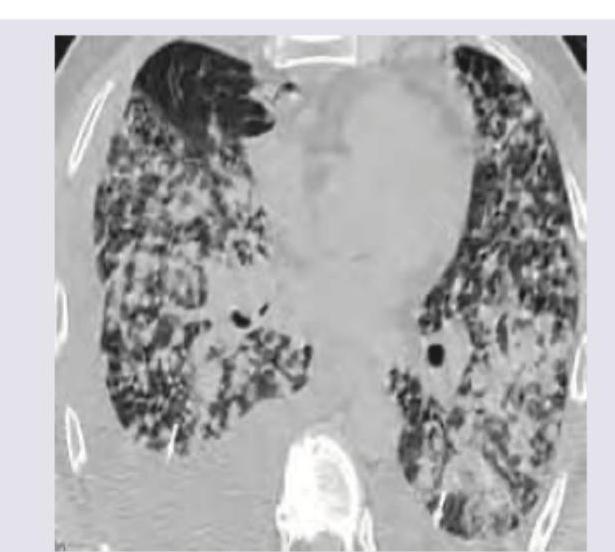
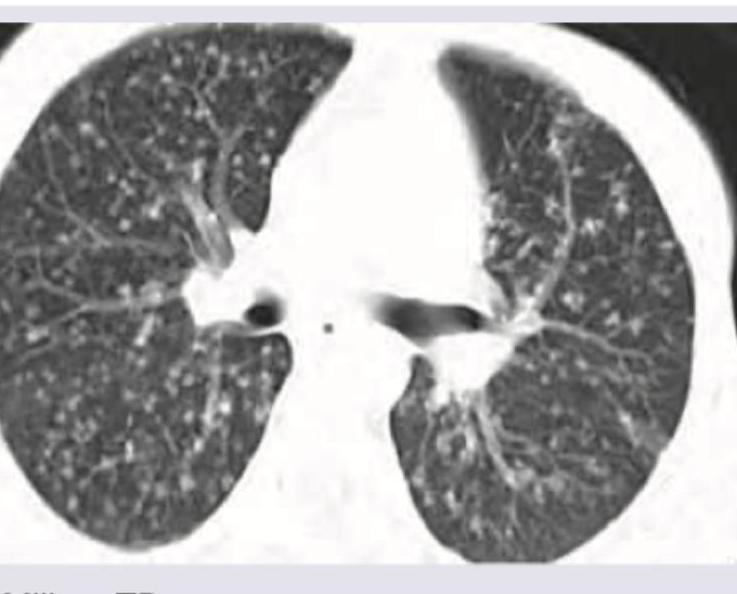
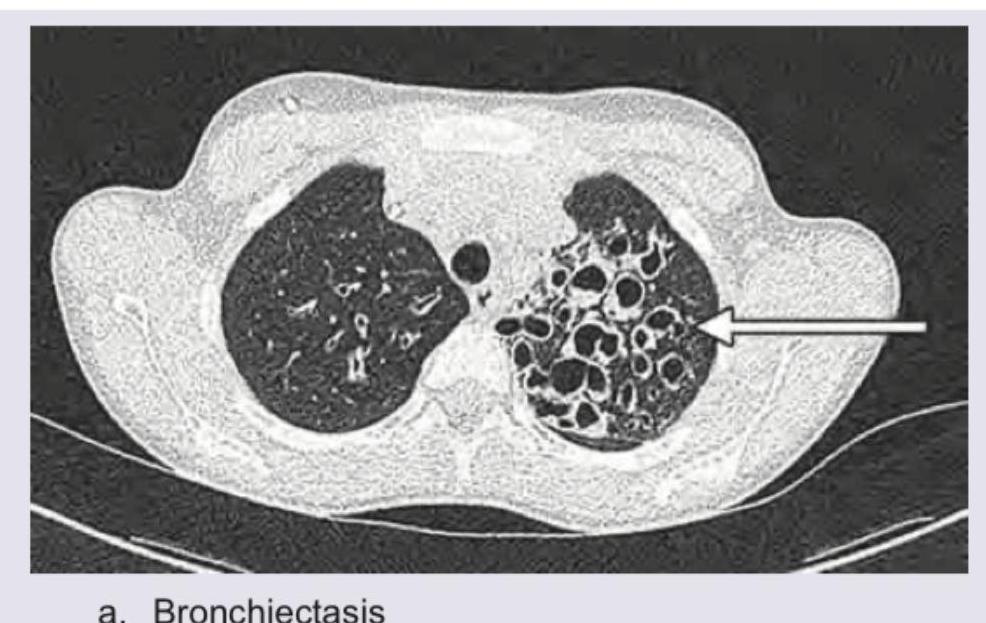
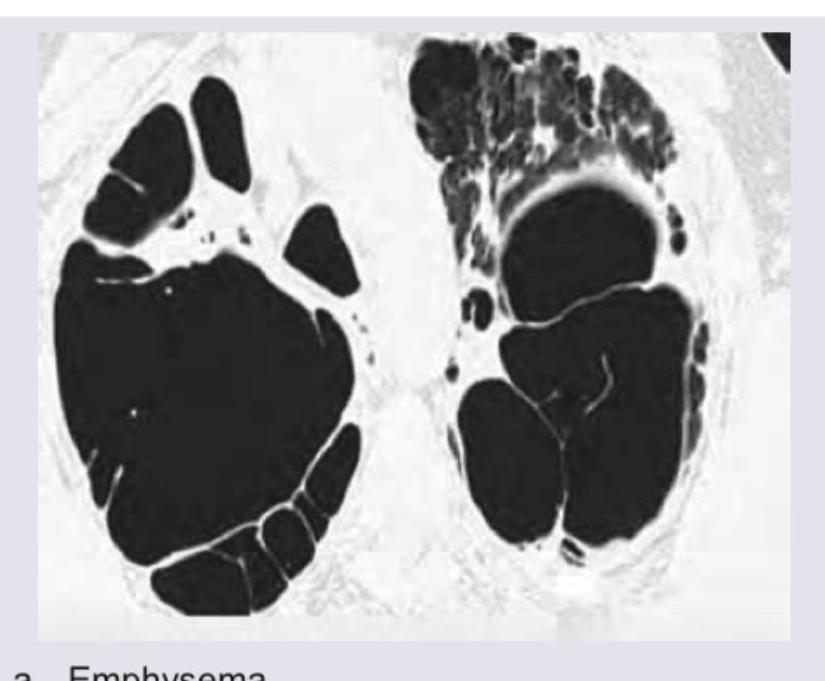
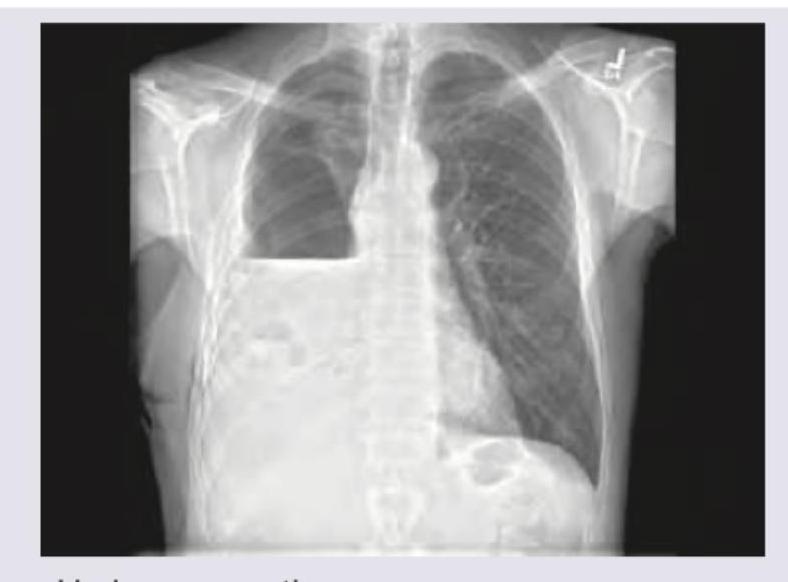
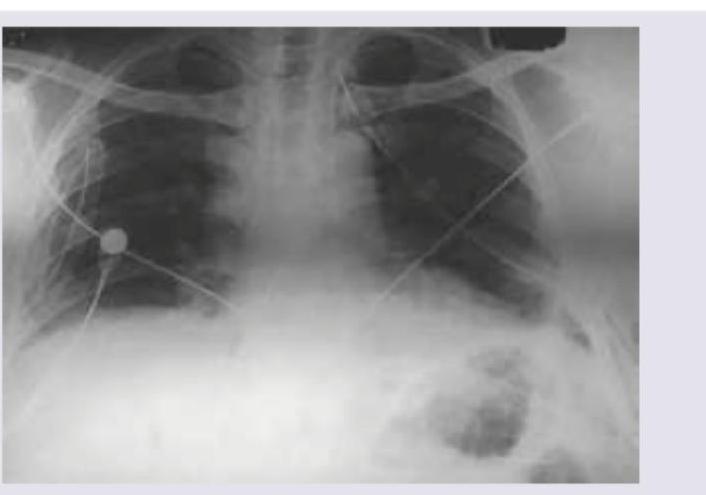
What condition is characterized by conglomerate nodules seen on chest X-ray?
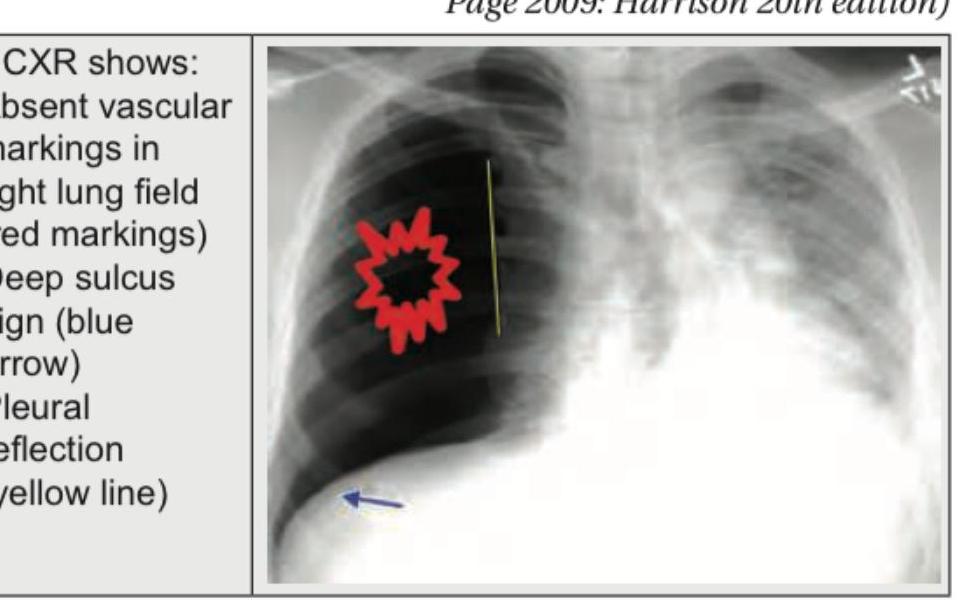
All of the following are indirect radiologic signs of lung collapse EXCEPT?
Plethoric lung fields are seen in all of the following conditions, except?
All of the following are true about Kerley B lines except:
What does "egg shell" calcification in hilar nodes suggest?
Which of the following is NOT a cause of a cavitating lesion in a chest radiograph?
The Panda sign on imaging is suggestive of which condition?
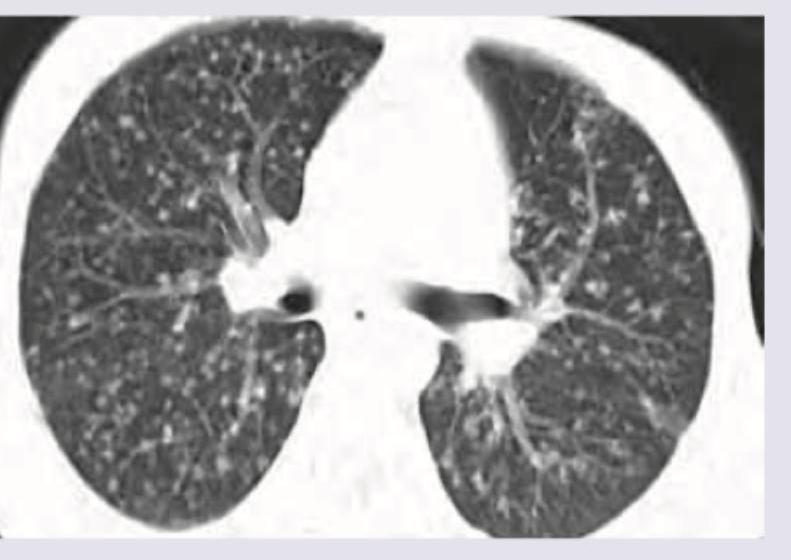
Miliary shadow on chest X-ray is not seen in which of the following conditions?
In mitral stenosis, the "double shadow" on a PA view of the chest X-ray is due to enlargement of which cardiac chamber?
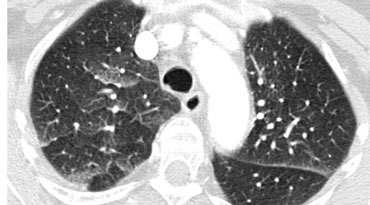
Which of the following findings on a CT scan is indicative of active pulmonary tuberculosis?
Explanation: ### Explanation **Correct Answer: C. Silicosis** **Silicosis** is a fibrotic pneumoconiosis caused by the inhalation of crystalline silica. The hallmark radiological finding is the presence of small, well-defined nodules (2–5 mm) predominantly in the **upper lobes**. As the disease progresses to **Progressive Massive Fibrosis (PMF)**, these small nodules coalesce to form **conglomerate nodules** (large opacities >1 cm). These masses typically migrate toward the hila, leaving compensatory emphysema at the lung bases. **Why other options are incorrect:** * **Hypersensitivity Pneumonitis:** Typically presents with poorly defined centrilobular ground-glass nodules or a "headcheese sign" (mosaic attenuation) on CT. It does not typically form large conglomerate masses. * **Sarcoidosis:** While it features perilymphatic nodules and can lead to fibrosis, its classic radiological hallmark is **bilateral hilar lymphadenopathy** (Stage I) and the "Galaxy Sign" (a central nodule surrounded by tiny satellite nodules). * **Lobar Pneumonia:** Presents as a homogenous **consolidation** involving an entire lobe with air bronchograms, rather than discrete or conglomerate nodules. **High-Yield Clinical Pearls for NEET-PG:** * **Eggshell Calcification:** Calcification of the periphery of hilar lymph nodes is highly characteristic of Silicosis. * **Occupational History:** Look for keywords like "sandblasting," "mining," "stone cutting," or "pottery." * **TB Association:** Silicosis significantly increases the risk of Tuberculosis (**Silicotuberculosis**) because silica impairs alveolar macrophage function. * **PMF Differential:** Progressive Massive Fibrosis is also seen in Coal Worker’s Pneumoconiosis (CWP).
Explanation: **Explanation:** In chest radiology, signs of lung collapse (atelectasis) are categorized into **Direct** and **Indirect** signs. Understanding this distinction is crucial for NEET-PG. **1. Why "Obscured contralateral hemidiaphragm" is the correct answer:** This is not a sign of collapse. In lung collapse, the volume loss occurs on the **ipsilateral** (same) side. Therefore, any diaphragmatic changes—such as elevation or obscuration (due to the Silhouette sign)—would occur on the **affected side**, not the contralateral side. In fact, the contralateral lung often shows **compensatory hyperinflation**, making the contralateral diaphragm appear clearer or more depressed, rather than obscured. **2. Analysis of Indirect Signs (Incorrect Options):** Indirect signs are compensatory mechanisms or secondary shifts resulting from the loss of volume in the affected lobe/lung: * **Mediastinal displacement (Option A):** The mediastinum shifts **towards** the side of collapse to fill the vacant space. * **Hilar displacement (Option B):** This is the **most sensitive indirect sign**. The hilum moves superiorly (upper lobe collapse) or inferiorly (lower lobe collapse). * **Rib crowding (Option C):** As the lung volume decreases, the intercostal spaces narrow on the affected side, leading to "crowding" of the ribs. **Clinical Pearls for NEET-PG:** * **Direct Sign:** The only direct sign of collapse is the **displacement of interlobar fissures**. * **Golden S Sign (S-curve of Golden):** Seen in Right Upper Lobe collapse due to a central mass; it is a high-yield radiological sign. * **Luftsichel Sign:** A crescent of air seen in Left Upper Lobe collapse, representing the hyperinflated superior segment of the left lower lobe. * **Veil Sign:** A hazy opacification seen in Left Upper Lobe collapse.
Explanation: **Explanation:** **Plethoric lung fields** (increased pulmonary vascular markings) on a chest X-ray indicate **increased pulmonary blood flow**. This occurs in congenital heart diseases (CHDs) characterized by **Left-to-Right shunts** or certain cyanotic conditions with increased flow. **Why Ebstein’s Anomaly is the Correct Answer:** Ebstein’s anomaly is characterized by the downward displacement of the tricuspid valve leaflets into the right ventricle, leading to "atrialization" of the ventricle. This results in severe tricuspid regurgitation and a functional reduction in right ventricular output. Consequently, less blood reaches the lungs, leading to **Oligemic lung fields** (decreased vascular markings). On X-ray, it classically presents with a massive, "box-shaped" heart due to right atrial enlargement. **Analysis of Incorrect Options:** * **ASD and VSD (Options A & D):** These are classic **Left-to-Right shunts**. Oxygenated blood from the left side of the heart recirculates into the right side and back into the pulmonary circulation, causing pulmonary plethora. * **TAPVC (Option B):** This is a cyanotic CHD with **increased pulmonary blood flow**. Since all pulmonary veins drain into the right atrium, the pulmonary circuit is overloaded, leading to plethora (and the classic "Snowman" or "Figure-of-8" sign in the supracardiac type). **High-Yield NEET-PG Pearls:** 1. **Plethora + Cyanosis:** TAPVC, Transposition of Great Arteries (TGA), Persistent Truncus Arteriosus. 2. **Oligemia + Cyanosis:** Tetralogy of Fallot (TOF), Ebstein’s Anomaly, Tricuspid Atresia. 3. **Box-shaped heart:** Ebstein’s Anomaly. 4. **Egg-on-side appearance:** TGA. 5. **Boot-shaped heart (Coeur en sabot):** TOF.
Explanation: **Explanation:** Kerley B lines are a classic radiologic sign of pulmonary edema. The correct answer is **B** because it describes the characteristics of **Kerley A lines**, not Kerley B lines. **1. Why Option B is the Correct Answer (The Exception):** Kerley B lines are short (1–2 cm), thin, **peripheral** lines located at the lung bases. They are oriented perpendicular to the pleural surface. In contrast, **Kerley A lines** are longer (2–6 cm), radiate from the **hilar area** toward the periphery, and are caused by distension of anastomotic channels between peripheral and central lymphatics. **2. Analysis of Incorrect Options:** * **Option A (Horizontal):** This is a true characteristic. Kerley B lines are horizontal and usually seen in the costophrenic angles. * **Option C (Thickening of interlobular septa):** This is the underlying pathology. When fluid, cells, or connective tissue infiltrate the interlobular septa (which contain lymphatics and veins), they become visible on X-ray. * **Option D (Pulmonary venous hypertension):** This is the most common clinical cause. It is typically seen when the Pulmonary Capillary Wedge Pressure (PCWP) exceeds **18–20 mmHg**, often due to Left Ventricular Failure or Mitral Stenosis. **Clinical Pearls for NEET-PG:** * **Mnemonic (ABC):** * **A** = **A**pex/Hilar (Long lines) * **B** = **B**ases/Peripheral (Short horizontal lines) * **C** = **C**onfident/Reticular (Fine meshwork pattern) * **Differential Diagnosis:** While most common in Congestive Heart Failure (CHF), Kerley B lines can also be seen in Lymphangitis Carcinomatosa, Sarcoidosis, and Asbestosis. * **Bat-wing Opacity:** Represents alveolar edema (perihilar), whereas Kerley lines represent interstitial edema.
Explanation: **Explanation:** **Eggshell calcification** refers to a specific radiological pattern where thin, peripheral calcification occurs along the rim of a lymph node (usually hilar or mediastinal). **Why Post-irradiation Lymphoma is correct:** While Silicosis is the most classic association, **Post-irradiation Lymphoma** (specifically Hodgkin Lymphoma treated with radiotherapy) is a well-documented cause. The calcification occurs as a dystrophic process in the lymph nodes following successful treatment. In the context of the provided options, it is the most accurate clinical association. **Analysis of Incorrect Options:** * **A. Asbestosis:** Typically presents with pleural plaques (often calcified) and interstitial fibrosis. It does not typically cause eggshell calcification of hilar nodes. * **C. Berylliosis:** While it causes granulomatous disease similar to Sarcoidosis, it rarely results in the distinct eggshell pattern; it more commonly presents with diffuse interstitial opacities. * **D. Baritosis:** A benign pneumoconiosis caused by barium dust. It presents with extremely dense, discrete "shot-like" opacities but not peripheral nodal calcification. **High-Yield Clinical Pearls for NEET-PG:** * **Differential Diagnosis of Eggshell Calcification (Mnemonic: S-S-C-H-A-B):** 1. **S**ilicosis (Most common cause) 2. **S**arcoidosis (5% of cases) 3. **C**oal Worker’s Pneumoconiosis 4. **H**odgkin Lymphoma (Post-irradiation) 5. **A**myloidosis 6. **B**lastomycosis/Histoplasmosis (Rarely) * **Silicosis Key Fact:** Eggshell calcification in a patient with a history of sandblasting or stone cutting is a classic "spotter" for Silicosis. * **Radiological Appearance:** The calcification must be less than 2mm thick and involve at least two nodes to be strictly defined as "eggshell."
Explanation: **Explanation:** A **cavitating lung lesion** is defined as a gas-filled space within a zone of pulmonary consolidation or a mass. The correct answer is **Hamartoma**, as it is a benign tumor typically characterized by "popcorn calcification" and fat density, but it **does not undergo cavitation**. **Why the other options are incorrect:** * **Pulmonary Infarction:** While most pulmonary emboli do not cavitate, an infarction can undergo "aseptic cavitation" (due to necrosis) or become secondarily infected (septic embolism), leading to a cavity. * **Squamous Cell Carcinoma (SCC):** This is the most common histological type of lung cancer to cavitate (occurring in ~10-15% of cases). Cavitation is usually due to central necrosis as the tumor outgrows its blood supply. * **Caplan’s Syndrome:** This is the combination of Rheumatoid Arthritis and Coal Worker’s Pneumoconiosis. It presents with multiple necrobiotic nodules in the periphery of the lung, which frequently undergo cavitation. **High-Yield Clinical Pearls for NEET-PG:** * **Mnemonic for Cavitating Lesions (CAVITY):** **C**ancer (SCC), **A**utoimmune (Wegener’s/GPA, Rheumatoid nodules), **V**ascular (Septic emboli, Infarction), **I**nfection (TB, Klebsiella, Staph aureus, Fungal), **T**rauma (Pneumatocele), **Y**outh (CPAM/Congenital). * **Wall Thickness:** A wall thickness of <4 mm suggests a benign lesion, while >15 mm strongly suggests malignancy. * **Hamartoma Key Fact:** It is the most common benign lung tumor. Look for the classic **"Popcorn Calcification"** on a CT scan.
Explanation: **Explanation:** The **Panda Sign** is a classic radiological sign seen on **Gallium-67 (Ga-67) citrate scintigraphy**. It occurs due to the symmetrical, intense uptake of the radiotracer in the **lacrimal glands, parotid glands, and nasopharyngeal mucosa**. When combined with the "Lambda sign" (symmetrical uptake in the paratracheal and hilar lymph nodes), it is highly specific for **Sarcoidosis**. **Why the correct answer is right:** In Sarcoidosis, active granulomatous inflammation leads to increased metabolic activity in the salivary and lacrimal glands. On a Gallium scan, this bilateral uptake resembles the face of a panda. While not seen on every scan, its presence in a patient with respiratory symptoms and hilar adenopathy is virtually diagnostic. **Why the incorrect options are wrong:** * **Silicosis:** Characterized by "Eggshell calcification" of hilar lymph nodes and nodular opacities in the upper lobes, but does not show the Panda sign. * **Wegener’s Granulomatosis (GPA):** Typically presents with cavitary nodules and sinusitis. While it involves the head and neck, it does not produce the specific symmetrical glandular uptake seen in Sarcoidosis. * **Asbestosis:** Primarily involves the lower lobes with pleural plaques and subpleural curling lines; it is not associated with Gallium-67 glandular uptake. **High-Yield Clinical Pearls for NEET-PG:** * **Lambda Sign:** Symmetrical uptake in right paratracheal and bilateral hilar nodes (resembling the Greek letter $\lambda$). * **Panda + Lambda Sign:** Together, these are pathognomonic for Sarcoidosis. * **Other Sarcoidosis Signs:** "Galaxy sign" (coalescing nodules on CT) and "1-2-3 sign" (Garland’s triad) on Chest X-ray. * **Differential:** A "Panda sign" can occasionally be seen in Sjogren’s syndrome or treated lymphoma, but Sarcoidosis remains the primary association for exams.
Explanation: **Explanation:** A **miliary pattern** on a chest X-ray is characterized by numerous small, discrete, rounded opacities (typically 1–3 mm in size) distributed uniformly throughout both lung fields. This pattern represents a hematogenous or lymphatic spread of disease. **Why COPD is the correct answer:** COPD (Chronic Obstructive Pulmonary Disease), which includes chronic bronchitis and emphysema, is characterized by **hyperinflation**, flattened diaphragms, increased retrosternal airspace, and pruning of peripheral vessels. It is an obstructive airway disease and does not produce micronodular interstitial shadows. Therefore, it does not present with a miliary pattern. **Analysis of incorrect options:** * **Tuberculosis (C):** This is the classic cause of a miliary pattern. It occurs due to the hematogenous dissemination of *Mycobacterium tuberculosis*. * **Pneumoconiosis (A):** Occupational lung diseases, particularly **Silicosis** and Coal Worker’s Pneumoconiosis, frequently present with diffuse micronodular opacities that mimic a miliary pattern. * **Sarcoidosis (B):** Stage II sarcoidosis often presents with a micronodular distribution (often with a perilymphatic predilection) along with bilateral hilar lymphadenopathy. **Clinical Pearls for NEET-PG:** * **Mnemonic for Miliary Shadows (MIST):** **M**iliary TB, **I**diopathic Pulmonary Fibrosis (early), **S**ilicoses/Sarcoidosis, **T**ropical Eosinophilia/Tumor (Metastases like Thyroid or Renal Cell Carcinoma). * **Miliary TB vs. Silicosis:** In Silicosis, nodules are often harder and may show "Eggshell calcification" of hilar nodes, whereas Miliary TB nodules are uniform and soft. * **Most common cause** of miliary shadows in India is **Tuberculosis**.
Explanation: **Explanation:** In **Mitral Stenosis**, the obstruction to blood flow from the left atrium (LA) to the left ventricle leads to increased pressure and subsequent **Left Atrial Enlargement (LAE)**. On a PA view chest X-ray, the enlarged LA expands towards the right side, overlapping the normal right atrial shadow. This creates a **"double density" or "double shadow"** sign, where the right border of the LA is seen as a distinct line within or just medial to the right heart border. **Analysis of Options:** * **Left Atrial Enlargement (Correct):** The LA is the most posterior chamber. When it enlarges, it produces specific radiological signs: the double shadow, splaying of the carina (widening of the subcarinal angle >90°), and the "straightening" of the left heart border due to an enlarged left atrial appendage. * **Right Atrial Enlargement (Incorrect):** This causes an outward bulge of the lower right heart border but does not create a "double" shadow effect within the cardiac silhouette. * **Right Ventricular Enlargement (Incorrect):** This leads to an upward displacement of the apex (boot-shaped heart/Coeur en Sabot) and filling of the retrosternal space on a lateral view, but not a double shadow on PA view. * **Left Ventricular Enlargement (Incorrect):** This causes downward and outward displacement of the apex. In pure mitral stenosis, the LV is typically normal or small. **High-Yield Clinical Pearls for NEET-PG:** * **Walking Man Sign:** On a lateral X-ray, the enlarged LA pushes the left main bronchus posteriorly, resembling a person walking. * **Antler Sign:** Cephalization of pulmonary veins (upper lobe diversion) indicating pulmonary venous hypertension. * **Kerley B Lines:** Horizontal lines at the lung bases indicating interstitial pulmonary edema.
Explanation: **Explanation:** **1. Why "Tree-in-bud" is correct:** The **tree-in-bud appearance** is a classic CT finding representing **active endobronchial spread** of infection. It consists of small, peripheral, soft-tissue centrilobular nodules connected to linear branching structures. Pathologically, this represents the impaction of the distal airways (bronchioles) with pus, mucus, or inflammatory debris. While not pathognomonic for TB, in the context of a patient with constitutional symptoms, it is highly suggestive of **active pulmonary tuberculosis**. **2. Why the other options are incorrect:** * **Honeycomb appearance:** This refers to clustered cystic air spaces with thick walls, typically seen in the subpleural regions. It is the hallmark of **End-stage Interstitial Lung Disease (ILD)** or Usual Interstitial Pneumonia (UIP), representing irreversible fibrosis. * **Ground glass appearance:** This is a non-specific finding of increased lung attenuation where underlying vessels are still visible. It indicates partial filling of alveoli or thickening of the interstitium, commonly seen in **viral pneumonias (like COVID-19)**, pulmonary edema, or early stages of hypersensitivity pneumonitis. * **Signet ring sign:** This occurs when the internal diameter of a bronchus is larger than its accompanying pulmonary artery. It is the classic radiological sign of **Bronchiectasis**. **3. High-Yield Clinical Pearls for NEET-PG:** * **Ghon Complex:** A combination of a parenchymal lesion (Ghon focus) and ipsilateral involvement of a lymph node. * **Ranke Complex:** A healed, calcified Ghon complex. * **Miliary TB:** Characterized by 1–3 mm "millet-sized" nodules randomly distributed throughout both lungs. * **Reactivation TB:** Most commonly involves the **apical and posterior segments** of the upper lobes.
Normal Chest Radiographic Anatomy
Practice Questions
Radiographic Signs in Chest Imaging
Practice Questions
Pulmonary Infections
Practice Questions
Chronic Obstructive Pulmonary Disease
Practice Questions
Interstitial Lung Diseases
Practice Questions
Pulmonary Neoplasms
Practice Questions
Pleural Diseases
Practice Questions
Mediastinal Pathology
Practice Questions
Congenital and Developmental Chest Anomalies
Practice Questions
Pulmonary Vascular Diseases
Practice Questions
Chest Trauma Imaging
Practice Questions
Post-Surgical Chest Imaging
Practice Questions
Get full access to all questions, explanations, and performance tracking.
Start For Free