What is the primary pharmacotherapy for tobacco addiction?
Which of the following is NOT seen in Korsakoff's syndrome?
What is the main symptom of Korsakoff's psychosis?
A 40-year-old patient with a 20-year history of constant marijuana use presents with withdrawal symptoms. Which is the most frequently encountered symptom?
One of the following drug classes is known to produce a psychosis that closely resembles paranoid schizophrenia.
'Marchiafava-Bignami' syndrome is characterized by which of the following?
"Chasing the dragon" phenomena occurs with which class of drugs?
All the following features are seen in Wernicke's encephalopathy except?
All of the following psychotropic drugs have abuse liability, EXCEPT:
A chronic alcoholic blames the family environment as a cause of his alcoholism. This phenomenon is known as:
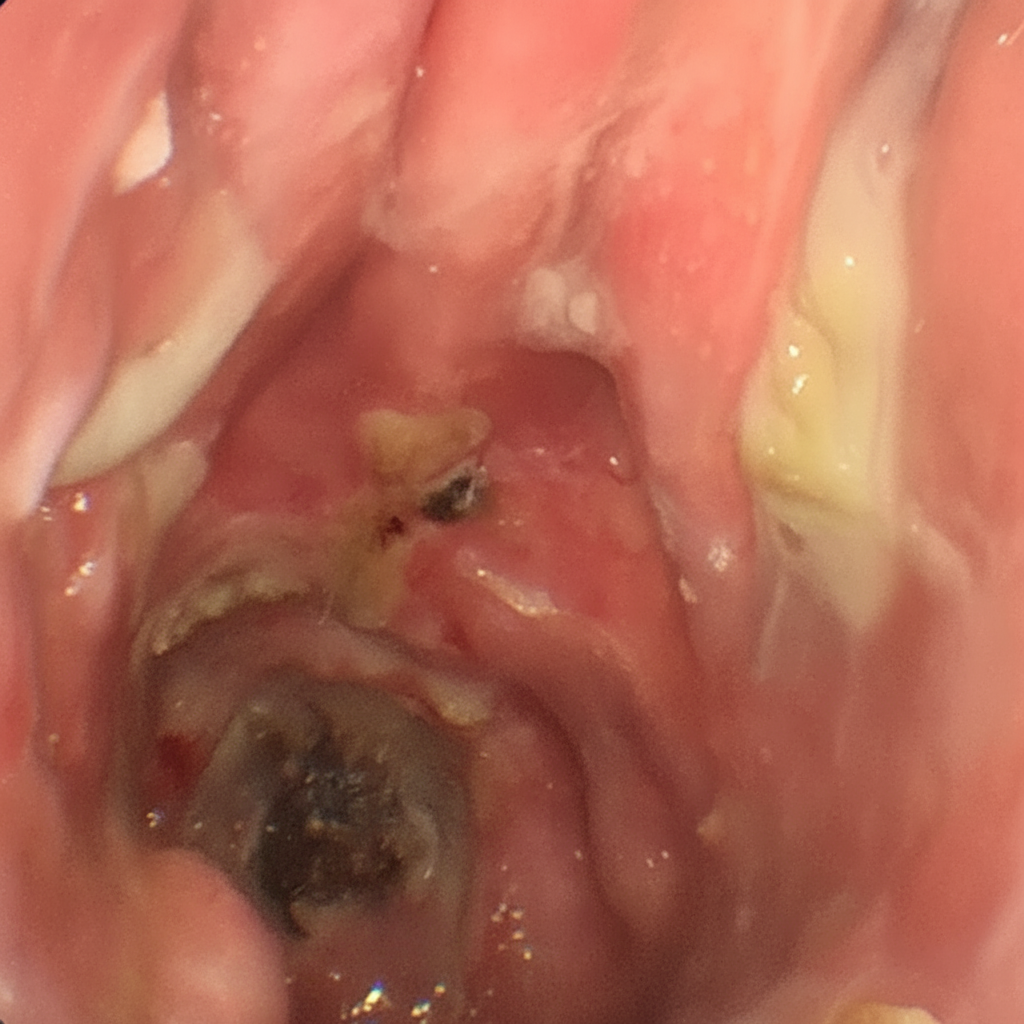
Explanation: **Explanation:** **Nicotine Replacement Therapy (NRT)** is considered the **first-line primary pharmacotherapy** for tobacco addiction. The underlying medical principle is to provide a controlled dose of nicotine to the body without the harmful toxins (tar and carbon monoxide) found in tobacco smoke. This helps alleviate withdrawal symptoms and reduces the craving for nicotine, doubling the chances of successful cessation when combined with behavioral therapy. **Analysis of Options:** * **A. Nicotine Replacement Therapy (Correct):** Available in various forms (gum, patches, lozenges, inhalers, and nasal sprays), it is the most widely used and accessible first-line treatment. * **B. Bupropion:** An atypical antidepressant that inhibits the reuptake of norepinephrine and dopamine. While it is an effective first-line non-nicotine treatment, it is generally considered secondary to or an alternative for NRT. * **C. Varenicline:** A partial agonist at the $\alpha_4\beta_2$ nicotinic acetylcholine receptor. While it is often cited as the **most effective single agent** for smoking cessation, NRT remains the conventional "primary" choice in broad clinical guidelines due to its safety profile and accessibility. * **D. Naltrexone:** An opioid antagonist primarily used in the management of **Alcohol Use Disorder** and **Opioid Use Disorder**; it has no established role in treating tobacco addiction. **High-Yield Clinical Pearls for NEET-PG:** * **Mechanism of Varenicline:** It acts as a partial agonist, providing low-level stimulation while blocking the "reward" effect of nicotine. * **Bupropion Contraindication:** Avoid in patients with a history of **seizures** or eating disorders (bulimia/anorexia) as it lowers the seizure threshold. * **The "5 As" Strategy:** Ask, Advise, Assess, Assist, and Arrange (Standard behavioral approach). * **NRT Precaution:** Avoid NRT in the immediate post-myocardial infarction period or in patients with unstable angina.
Explanation: **Explanation:** Korsakoff’s Syndrome is a chronic neuropsychiatric disorder caused by a deficiency of **Thiamine (Vitamin B1)**, typically following untreated Wernicke’s Encephalopathy in chronic alcoholics. It is characterized by a profound **amnestic syndrome**. **Why Hallucinations is the correct answer:** Hallucinations are **not** a diagnostic feature of Korsakoff’s syndrome. While they may occur in other alcohol-related conditions like Delirium Tremens (visual) or Alcoholic Hallucinosis (auditory), Korsakoff’s is primarily a disorder of memory, not perception. **Analysis of Incorrect Options:** * **Clear Consciousness:** Unlike Wernicke’s Encephalopathy or Delirium, patients with Korsakoff’s syndrome are alert and have a **clear sensorium**. Their level of consciousness and general cognitive functions (like IQ) remain relatively intact. * **Inability to learn new things:** This refers to **Anterograde Amnesia**, the hallmark of the syndrome. Patients cannot form new memories, though their immediate registration (digit span) is usually preserved. * **Confabulation:** This is a classic feature where patients fill in memory gaps with fabricated or distorted stories. It is often a compensatory mechanism for their severe amnesia. **High-Yield Clinical Pearls for NEET-PG:** * **Anatomical Site:** Lesions are most commonly found in the **Dorsomedial nucleus of the Thalamus** and the **Mammillary bodies**. * **Wernicke’s Triad:** Ataxia, Ophthalmoplegia (6th nerve palsy), and Confusion (Global Encephalopathy). * **Korsakoff’s Psychosis:** Characterized by the "Amnestic-Confabulatory" syndrome. * **Treatment:** High-dose parenteral Thiamine. Always give Thiamine **before** Glucose to avoid precipitating Wernicke’s.
Explanation: **Explanation:** The correct answer is **D. Confabulation**. Korsakoff’s Psychosis (or Korsakoff’s Syndrome) is a chronic neuropsychiatric condition resulting from severe **Thiamine (Vitamin B1) deficiency**, most commonly seen in chronic alcoholics. It is characterized by **anterograde and retrograde amnesia**. Because patients have a profound inability to form new memories, they unconsciously fill in memory gaps with fabricated or distorted stories; this hallmark symptom is known as **confabulation**. **Analysis of Incorrect Options:** * **A, B, and C (Ataxia, Global Confusion, and Ophthalmoplegia):** These three symptoms constitute the classic clinical triad of **Wernicke’s Encephalopathy**, which is the acute, reversible phase of thiamine deficiency. While Wernicke’s and Korsakoff’s often occur together (Wernicke-Korsakoff Syndrome), the "psychosis" or chronic phase is specifically defined by the memory deficit and confabulation. **High-Yield Clinical Pearls for NEET-PG:** * **Pathology:** The most characteristic brain lesions are found in the **mammillary bodies** and the dorsomedial nucleus of the thalamus. * **Reversibility:** Wernicke’s is a medical emergency and is potentially reversible with thiamine; Korsakoff’s is often permanent and irreversible. * **Management Rule:** Always administer **Thiamine before Glucose** in a malnourished or alcoholic patient to prevent precipitating Wernicke’s Encephalopathy. * **Memory Profile:** In Korsakoff’s, **immediate memory** is usually preserved, but **short-term memory** is severely impaired.
Explanation: ### Explanation **1. Why "None of the above" is correct:** The question asks for the **most frequently encountered** symptom of Cannabis Withdrawal Syndrome (CWS). According to the DSM-5 and clinical studies, the most common symptom is **Irritability/Anger/Aggression**, followed closely by anxiety and sleep difficulties. However, the core medical concept here is that **cannabis withdrawal is generally mild and rarely requires clinical intervention.** While irritability is the most common symptom *among those who experience withdrawal*, many chronic users do not experience a clinically significant withdrawal syndrome at all due to the long half-life of THC (stored in fat cells). In the context of this specific question, "None of the above" is the correct choice because the options provided do not accurately reflect the hallmark symptoms or the clinical nature of cannabis cessation compared to other substances. **2. Analysis of Incorrect Options:** * **A. Yawning:** This is a classic sign of **Opioid withdrawal**, not cannabis. It is often associated with lacrimation, rhinorrhea, and piloerection. * **B. Seizures:** These are life-threatening complications of **Alcohol or Benzodiazepine withdrawal**. Cannabis withdrawal does not cause seizures; in fact, cannabinoids are being studied for their anticonvulsant properties. * **C. Irritability:** While irritability is technically the most common symptom of CWS, in many standardized PG exams, if the clinical presentation of withdrawal is considered "insignificant" or the options mix pathognomonic signs of other drugs, "None" is used to emphasize that cannabis lacks a severe, medically urgent withdrawal profile. **3. NEET-PG High-Yield Pearls:** * **Cannabis Withdrawal (DSM-5):** Requires 3 or more symptoms: Irritability, Anxiety, Sleep difficulty, Decreased appetite/weight loss, Restlessness, Depressed mood, or Physical symptoms (sweating, tremors, headache). * **Active Ingredient:** Delta-9-tetrahydrocannabinol (THC). * **Receptor:** CB1 (CNS) and CB2 (Periphery). * **Flashbacks:** Known as Hallucinogen Persisting Perception Disorder (HPPD), can occur with cannabis use. * **Amotivational Syndrome:** A controversial but high-yield association with chronic heavy use, characterized by apathy and lack of ambition.
Explanation: ### Explanation **Correct Option: B. Amphetamines** The correct answer is **Amphetamines** because they increase synaptic levels of dopamine by stimulating its release and inhibiting reuptake. According to the **Dopamine Hypothesis of Schizophrenia**, excessive dopaminergic activity in the mesolimbic pathway is responsible for positive symptoms. **Amphetamine-induced psychosis** is clinically indistinguishable from paranoid schizophrenia. It is characterized by: * **Prominent auditory and visual hallucinations.** * **Persecutory delusions** (paranoia). * **Clear sensorium** (unlike delirium, where consciousness is clouded). * **Formication** (the sensation of insects crawling on the skin, also known as "cocaine bugs" or "Magnan’s sign"). --- ### Why Other Options are Incorrect: * **A & D (Barbiturates and Benzodiazepines):** These are CNS depressants that act on GABA receptors. Their intoxication typically leads to sedation, ataxia, and respiratory depression. While **withdrawal** from these drugs can cause delirium and hallucinations, the acute intoxication does not mimic paranoid schizophrenia. * **C (Opioids):** Opioid intoxication typically presents with euphoria, "nodding off" (drowsiness), and miosis (pinpoint pupils). Psychosis is not a characteristic feature of opioid use. --- ### High-Yield Clinical Pearls for NEET-PG: 1. **Drug of Choice:** The treatment for amphetamine-induced psychosis is **Antipsychotics** (e.g., Haloperidol) and acidifying the urine (to accelerate excretion), though the latter is rarely done clinically. 2. **Differential:** While **Cocaine** also produces a similar paranoid psychosis, Amphetamines are more frequently cited in exams for mimicking the chronic course of schizophrenia. 3. **Key Distinction:** Unlike Schizophrenia, drug-induced psychosis usually resolves within days to weeks once the substance is cleared from the body. 4. **Phencyclidine (PCP):** Another drug that mimics schizophrenia, but it often includes **nystagmus** and extreme agitation/violence.
Explanation: **Explanation:** **Marchiafava-Bignami Disease (MBD)** is a rare, progressive neurological complication classically associated with **chronic alcoholism** and malnutrition. The underlying pathophysiology involves the **symmetrical demyelination and necrosis of the corpus callosum**. While originally described in Italian men consuming heavy red wine, it is now understood to be linked to the toxic effects of alcohol combined with Vitamin B complex deficiencies. * **Why Option B is Correct:** MBD is a direct complication of chronic alcohol use. Clinical presentation includes altered mental status, seizures, gait abnormalities, and "interhemispheric disconnection syndrome." MRI is the gold standard for diagnosis, showing characteristic lesions in the corpus callosum (the "sandwich sign"). * **Why Other Options are Incorrect:** * **Option A:** An addiction to hospitalization (seeking medical care for feigned illness) is known as **Munchausen Syndrome** (Factitious Disorder). * **Option C:** Congenital disorders of myelin formation are termed **Leukodystrophies** (e.g., Krabbe disease, Metachromatic leukodystrophy). MBD is an *acquired* demyelinating condition. * **Option D:** Opioid withdrawal presents with autonomic hyperactivity (mydriasis, lacrimation, rhinorrhea, diarrhea) and is unrelated to callosal demyelination. **High-Yield Clinical Pearls for NEET-PG:** * **Primary Site:** Corpus Callosum (specifically the central layers of the body). * **Imaging Finding:** "Sandwich Sign" on MRI (involvement of the central corpus callosum with sparing of the dorsal and ventral layers). * **Differential Diagnosis:** Wernicke’s Encephalopathy (which involves the mammillary bodies and periaqueductal gray). * **Treatment:** High-dose Thiamine (Vitamin B1) and nutritional supplementation, though the prognosis remains guarded.
Explanation: **Explanation:** **Correct Answer: A. Opioids** "Chasing the dragon" is a specific method of drug inhalation primarily associated with **Heroin** (diacetylmorphine). In this process, the powdered drug is heated on aluminum foil with a flame underneath. The user then inhales the resulting white vapor through a small tube or straw. The term "chasing" refers to the user’s movement to keep the liquid bead of melting heroin moving across the foil while pursuing the rising smoke. This method is preferred by some users to avoid the risks of intravenous injection (like HIV or Hepatitis C) while still achieving a rapid "rush." **Why other options are incorrect:** * **B. LSD:** As a potent hallucinogen, LSD is typically ingested orally (via blotter paper). It is not smoked or vaporized. * **C. Cocaine:** While "Crack" cocaine is smoked, the term "chasing the dragon" is etiologically and culturally specific to heroin. Cocaine use is more commonly associated with "snorting" (insufflation) or "freebasing." * **D. Amphetamines:** Methamphetamine is often smoked in a glass pipe (ice), but this is not referred to as chasing the dragon. **High-Yield Clinical Pearls for NEET-PG:** * **Triad of Opioid Overdose:** Pinpoint pupils (miosis), respiratory depression, and altered sensorium (coma). * **Withdrawal Symptoms:** Characterized by "wet" symptoms—lacrimation, rhinorrhea, sweating, yawning, and dilated pupils (mydriasis). * **Treatment:** **Naloxone** is the drug of choice for acute overdose; **Methadone** and **Buprenorphine** are used for substitution therapy. * **Flashbacks:** Most commonly associated with **LSD** (Hallucinogen Persisting Perception Disorder).
Explanation: **Explanation:** Wernicke’s Encephalopathy (WE) is an acute, reversible neuropsychiatric emergency caused by **Thiamine (Vitamin B1) deficiency**, most commonly seen in chronic alcoholics. The diagnosis is clinical and is classically defined by a **triad** of symptoms: 1. **Ophthalmoplegia (Option A):** Most commonly manifests as **6th cranial nerve (Abducens) palsy**, leading to horizontal nystagmus or lateral rectus paralysis. 2. **Ataxia (Option B):** Primarily affecting gait and stance due to cerebellar involvement. 3. **Confusion (Option D):** An altered mental state or global cognitive impairment. **Why Confabulation is the correct answer:** **Confabulation** (the fabrication of memories to fill gaps) is a hallmark feature of **Korsakoff Psychosis**, not acute Wernicke’s Encephalopathy. While the two conditions are related (Wernicke-Korsakoff Syndrome), Korsakoff is the **chronic, irreversible** stage characterized by anterograde/retrograde amnesia and confabulation. Confabulation occurs when the acute confusion of WE clears, leaving behind a profound memory deficit. **High-Yield Clinical Pearls for NEET-PG:** * **The Triad:** Remember the mnemonic **CAN** (Confusion, Ataxia, Nystagmus/Ophthalmoplegia). * **Pathology:** Characterized by petechial hemorrhages in the **mammillary bodies** (most common site) and periaqueductal gray matter. * **Treatment Rule:** Always administer **Thiamine before Glucose**. Giving IV glucose first in a thiamine-deficient patient can precipitate or worsen WE by consuming the remaining B1 cofactors during glycolysis. * **Reversibility:** Ataxia and ophthalmoplegia usually respond rapidly to thiamine, but the memory deficits of Korsakoff are often permanent.
Explanation: **Explanation:** The core concept behind **abuse liability** is the ability of a drug to produce immediate pleasurable effects (euphoria), leading to reinforcement and compulsive drug-seeking behavior. This is typically mediated by a rapid increase in dopamine levels within the brain's reward circuit (the mesolimbic pathway). **Why Escitalopram is the Correct Answer:** Escitalopram is a **Selective Serotonin Reuptake Inhibitor (SSRI)**. Unlike stimulants or opioids, SSRIs do not cause an acute surge in dopamine in the nucleus accumbens and do not produce euphoria. They have a delayed onset of therapeutic action (2–4 weeks) and lack addictive potential. While patients may experience "discontinuation syndrome" if stopped abruptly, this is a physiological withdrawal, not a manifestation of psychological dependence or abuse. **Analysis of Incorrect Options:** * **Methylphenidate:** A CNS stimulant used in ADHD. It blocks the reuptake of norepinephrine and dopamine. Due to its dopaminergic action, it has a high potential for abuse and is classified as a Schedule II controlled substance. * **Buprenorphine:** A partial mu-opioid agonist. While used in Opioid Substitution Therapy (OST), it still possesses opioid properties that can lead to misuse, especially among those with existing opioid use disorders. * **Dextro-propoxyphene:** An opioid analgesic. It was historically widely abused for its sedative and euphoric effects before being banned or restricted in many regions due to toxicity and abuse potential. **High-Yield Clinical Pearls for NEET-PG:** * **Drugs with NO abuse liability:** SSRIs, SNRIs, Antipsychotics, Lithium, and Buspirone. * **Drugs with HIGH abuse liability:** Benzodiazepines, Barbiturates, Opioids, and Stimulants (Amphetamines). * **Z-drugs (Zolpidem, Zopiclone):** Despite being marketed as safer alternatives to Benzodiazepines, they **do** carry a risk of dependence and abuse.
Explanation: **Explanation:** **1. Why Rationalization is Correct:** Rationalization is a defense mechanism where an individual justifies maladaptive behavior or feelings by providing logical, socially acceptable, but false reasons. In the context of substance use disorders, the patient attempts to shift the blame for their addiction to external circumstances (e.g., "I drink because my family is stressful" or "I drink because I lost my job"). This allows the patient to avoid the guilt and responsibility associated with their alcoholism by creating a plausible excuse. **2. Analysis of Incorrect Options:** * **Projection:** This involves attributing one's own unacknowledged feelings or impulses onto someone else. For example, an alcoholic accusing their spouse of being an angry person when, in fact, the patient is the one harboring suppressed anger. * **Denial:** This is the most common defense mechanism in alcoholism. It involves a complete refusal to acknowledge the reality of the situation (e.g., "I don't have a drinking problem; I can stop whenever I want"). * **Sublimation:** This is a mature defense mechanism where socially unacceptable impulses are transformed into socially productive actions (e.g., an aggressive person becoming a professional boxer). **Clinical Pearls for NEET-PG:** * **Defense Mechanisms in Alcoholism:** Denial and Rationalization are the two most frequently tested mechanisms associated with substance abuse. * **Identification:** If the patient **denies** the problem exists, it is Denial. If the patient **justifies** why the problem exists using external excuses, it is Rationalization. * **Wernicke-Korsakoff Syndrome:** Remember that chronic alcoholics often use **Confabulation** (filling memory gaps with fabricated stories), which is a characteristic feature of Korsakoff psychosis.
Neurobiology of Addiction
Practice Questions
Alcohol Use Disorder
Practice Questions
Opioid Use Disorder
Practice Questions
Cannabis Use Disorder
Practice Questions
Stimulant Use Disorders
Practice Questions
Sedative, Hypnotic, and Anxiolytic Use Disorders
Practice Questions
Tobacco Use Disorder
Practice Questions
Hallucinogen-Related Disorders
Practice Questions
Substance Withdrawal Syndromes
Practice Questions
Pharmacotherapy for Substance Use Disorders
Practice Questions
Psychosocial Interventions
Practice Questions
Dual Diagnosis Management
Practice Questions
Get full access to all questions, explanations, and performance tracking.
Start For Free