Systemic desensitization therapy is used for
In which of the following conditions is behavior therapy considered most effective?
All of the following are used to improve attention deficit in children, except which of the following?
A 2.5 year old boy is brought by the parents because of the concern that he is not developing appropriately. Child often is unable to engage with others using eye contact and does not play with other children. He continuously bangs his head against the wall and remains confined to himself most of the time. What is the most likely diagnosis?
The most common cause of hyperthyroidism in a young female is?
A first-grade teacher is concerned about a 6-year-old girl in her class who has not spoken a single word since school started. The little girl participates appropriately in the class activities and uses gestures, drawings, nods, and shakes her head to communicate. The parents report that the little girl talks only at home and only in the presence of her closest relatives. Which of the following is the most appropriate diagnosis?
Which of the following is NOT a characteristic feature of delirium tremens?
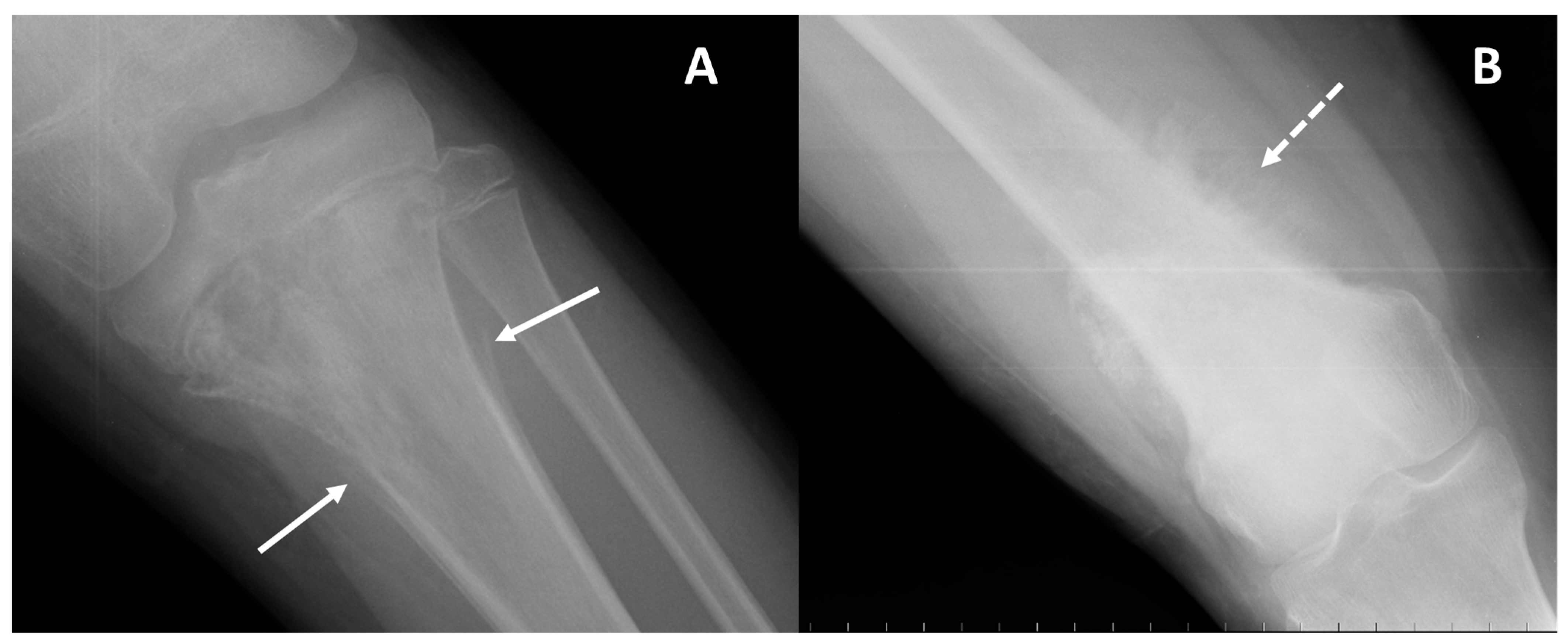
A 7-year-old child presents with a lesion in upper tibia. X-ray shows radiolucent area with Codman's triangle and sunray appearance. Diagnosis is
All are stages of grief, except:
A 20-year-old girl complains of headache while studying. Her vision is found to be normal. In the initial medical evaluation of her headache, which of the following would be the LEAST essential to assess?
Explanation: ***Phobia*** - **Systemic desensitization** is a highly effective behavioral therapy specifically designed to treat **phobias** and other **anxiety disorders**. - It involves gradually exposing the individual to the feared object or situation while teaching them **relaxation techniques** to replace the anxiety response. *Depression/Mania* - These conditions are primarily treated with a combination of **pharmacotherapy** (e.g., antidepressants, mood stabilizers) and other forms of psychotherapy like **cognitive behavioral therapy (CBT)** or **interpersonal therapy**. - Systemic desensitization is not a primary or effective treatment for the core symptoms of **mood disorders**. *Organic brain syndrome* - This is a broad term referring to mental impairment caused by a **physical disease or injury affecting the brain**, such as dementia or delirium. - Treatment focuses on addressing the **underlying medical cause** and managing cognitive or behavioral symptoms, not desensitization. *Schizophrenia* - Schizophrenia is a severe mental illness characterized by **psychosis**, **disorganized thinking**, and significant functional impairment. - Treatment primarily involves **antipsychotic medications** and psychosocial interventions, rather than exposure-based therapies like systemic desensitization.
Explanation: ***Obsessive-Compulsive Disorder (OCD)*** - **Exposure and Response Prevention (ERP)**, a type of behavior therapy, is the gold standard and most effective treatment for OCD. - ERP directly targets the **obsessions** and **compulsions** by gradually exposing individuals to feared situations without allowing them to perform their rituals. - OCD shows the **highest response rates** to pure behavior therapy compared to other psychiatric conditions. *Psychosis* - While supportive therapy and cognitive behavioral therapy for psychosis (CBTp) can be helpful, **behavior therapy alone is not considered the primary or most effective treatment** for core psychotic symptoms. - Management of psychosis primarily relies on **antipsychotic medications** to address symptoms like hallucinations and delusions. *Panic Attack* - Behavior therapy and CBT are effective for **Panic Disorder**, but the effectiveness is somewhat lower than for OCD. - Treatment for panic disorder often requires a **combination of behavioral and cognitive techniques** rather than pure behavior therapy alone. - Management typically includes breathing exercises, exposure to physical sensations, and cognitive restructuring. *Generalized Anxiety Disorder* - **Cognitive Behavioral Therapy (CBT)**, which includes behavioral components, is highly effective for GAD, but the **cognitive elements are essential** for addressing worry and rumination. - Pure behavior therapy (e.g., systematic desensitization) is less effective for GAD compared to OCD, as GAD involves pervasive cognitive distortions that require cognitive restructuring.
Explanation: ***Flooding*** - **Flooding** is a behavioral therapy technique used to treat phobias and anxiety disorders by exposing an individual to a feared stimulus without avoidance. It is not used to improve attention deficit. - This method is based on the principle of **extinction** and habituation, aiming to reduce the anxiety response to previously feared situations. *Cognitive enhancement therapy* - **Cognitive enhancement therapy** (CET) focuses on improving cognitive functions like attention, memory, and social cognition, often used in conditions like schizophrenia. - It involves structured exercises and group activities designed to strengthen **neurocognitive abilities**. *Cognitive behavioral therapy* - **Cognitive behavioral therapy** (CBT) helps individuals identify and change problematic thought patterns and behaviors that contribute to their difficulties. - While not directly targeted at attention deficit, CBT techniques can help children with ADHD manage **disruptive behaviors**, improve organizational skills, and develop coping strategies. *Cognitive remediation therapy* - **Cognitive remediation therapy** (CRT) is a behavioral training intervention designed to improve cognitive skills, including attention, working memory, and executive functions. - It uses targeted exercises and strategies to enhance **neurocognitive performance**, often applicable in conditions like ADHD and schizophrenia.
Explanation: ***Autism*** - The child's lack of **eye contact**, inability to **play with other children**, and repetitive self-stimulatory behavior (banging head) are classic signs of **autism spectrum disorder (ASD)**. - ASD is characterized by persistent deficits in **social communication** and **social interaction** across multiple contexts, along with restricted, repetitive patterns of behavior, interests, or activities. *Conduct disorder* - Characterized by a repetitive and persistent pattern of behavior in which the **basic rights of others** or major age-appropriate **societal norms or rules are violated**. - Symptoms include aggression to people and animals, destruction of property, deceitfulness or theft, and serious violations of rules, which are not described in this case. *Social phobia* - Involves an intense, persistent fear of social or performance situations where the individual fears **embarrassment** or **humiliation**. - While there is social avoidance, it is driven by fear of negative evaluation rather than a fundamental inability to engage socially or repetitive behaviors. *ADHD* - Primarily defined by persistent patterns of **inattention** and/or **hyperactivity-impulsivity** that interfere with functioning or development. - While children with ADHD may have social difficulties, the core symptoms of lack of eye contact, repetitive behaviors, and profound social engagement deficits are not typical of ADHD.
Explanation: ***Graves' disease*** - This is an **autoimmune disorder** where antibodies stimulate the thyroid gland, leading to **overproduction of thyroid hormones** [1], [2]. - It is the **most common cause of hyperthyroidism** in young to middle-aged women, making it highly probable in a young female patient [1], [2]. *Toxic multinodular goiter* - This condition is characterized by **multiple nodules** within the thyroid gland that autonomously produce thyroid hormones. - While a cause of hyperthyroidism, it is **more common in older individuals**, typically those over 50 years of age. *Subacute thyroiditis* - This is a **self-limiting inflammatory condition** of the thyroid often following a viral infection, causing a transient hyperthyroid phase due to the release of preformed hormones. - It presents with **painful thyroid enlargement** and is usually followed by a hypothyroid phase, which is different from sustained hyperthyroidism. *TSH-secreting pituitary adenoma* - This is a **very rare cause of hyperthyroidism** where a pituitary tumor produces excess **Thyroid-Stimulating Hormone (TSH)**, leading to thyroid overstimulation. - It is often accompanied by other symptoms of a pituitary mass like **headaches or visual field defects**, which are not implied here.
Explanation: ***Selective mutism*** - This condition is characterized by a **consistent failure to speak in specific social situations** (e.g., school) despite speaking in other situations (e.g., at home with close family). - The child's **appropriate participation in class activities** and use of alternative communication methods (gestures, drawings) are typical features. *Autism* - Children with autism spectrum disorder often exhibit **deficits in social-emotional reciprocity** and may have **restricted, repetitive patterns of behavior or interests**. - While they may have communication challenges, the selective nature of the mutism and otherwise appropriate social engagement in the classroom argue against autism. *Expressive language disorder* - This disorder involves difficulty **producing spoken language**, regardless of the setting. - The fact that the child speaks normally at home suggests her expressive language abilities are intact, making this diagnosis unlikely. *School phobia* - School phobia, now often referred to as **school refusal**, is characterized by symptoms of anxiety or panic when attending or anticipating school. - While the child might be anxious, her ability to participate in class activities and communicate nonverbally suggests the primary issue is not an avoidance of school itself but a selective inability to speak.
Explanation: ***Severe depression*** - While mood disturbances can occur with alcohol withdrawal, **severe depression** is not a hallmark or defining feature of **delirium tremens (DTs)** itself. - DTs primarily manifest as severe autonomic hyperactivity, altered mental status, and perceptual disturbances. *Hallucination* - **Hallucinations**, particularly **visual** (e.g., seeing insects or small animals), are a classic and common feature of delirium tremens. - These perceptual disturbances contribute significantly to the agitated and disoriented state of patients experiencing DTs. *Extreme anxiety* - **Extreme anxiety**, agitation, and fear are very common in delirium tremens due to the heightened state of arousal and terrifying hallucinations. - This **hyperarousal** is a direct result of the severe autonomic dysregulation. *Delusion* - **Delusions**, often **paranoid** or referring to being persecuted, are frequently observed in patients with delirium tremens. - These fixed, false beliefs contribute to the patient's confusion, fear, and sometimes aggressive behavior.
Explanation: ***Osteosarcoma*** - The classic radiographic features of **Codman's triangle** (periosteal elevation) and **sunray appearance** (spiculated periosteal reaction) are highly characteristic of osteosarcoma. - This tumor commonly affects the **metaphysis of long bones** in children and young adults, with the distal femur and proximal tibia being frequent sites. *Osteoid Osteoma* - This is a **benign bone tumor** characterized radiographically by a small radiolucent **nidus** surrounded by a rim of dense sclerosis. - It does not present with Codman's triangle or sunray appearance and typically causes **nocturnal pain relieved by NSAIDs**. *Ewing sarcoma* - Ewing sarcoma often presents with an **"onion skin" periosteal reaction** (layers of new bone formation) due to its aggressive nature. - While it can be destructive and radiolucent, it typically does not classically exhibit the sunray appearance or a distinct Codman's triangle as prominently as osteosarcoma. *Chondrosarcoma* - Chondrosarcoma is a **malignant cartilaginous tumor** that usually affects older adults more commonly than children. - Radiographically, it often shows a **lobulated appearance** with **punctate or ring-and-arc calcifications** within the lesion, not the sunray or Codman's triangle findings.
Explanation: ***Agitation*** - **Agitation** is not one of the five stages of grief described by Elisabeth Kübler-Ross. Instead, it can be a symptom experienced during many of the stages, but is not a stage itself. - The Kübler-Ross model specifically outlines **Denial**, **Anger**, **Bargaining**, **Depression**, and **Acceptance**. *Bargaining* - **Bargaining** is a recognized stage of grief where individuals try to negotiate or make deals in an attempt to postpone the inevitable or reduce suffering. - This stage often involves thoughts like "If only I had..." or "I promise I'll do X if Y happens." *Anger* - **Anger** is a well-established stage of grief, where the individual may feel rage, resentment, or frustration directed at themselves, others, or higher powers. - This stage reflects the intense emotional response to loss and the perceived unfairness of the situation. *Denial* - **Denial** is the initial stage of grief, characterized by disbelief and a difficulty accepting the reality of the impending death or loss. - This stage serves as a temporary defense mechanism, allowing the individual to cope with overwhelming emotions by refusing to acknowledge the truth.
Explanation: ***Her interest in studies*** - While **stress** and **academic pressure** can contribute to headaches, this represents a **psychosocial assessment** rather than a standard medical evaluation. - Among the listed options, this would be the **least essential** in the initial medical workup compared to the other clinical assessments. *Family history of headache* - Essential evaluation as many headache disorders, particularly **migraine** and **tension-type headache**, have strong **genetic predisposition**. - Family history helps establish diagnosis and guides appropriate management strategies for the patient's headaches. *Menstrual history* - Crucial in young women as **hormonal fluctuations** during the menstrual cycle are major triggers for headaches, especially **menstrual migraine**. - Understanding menstrual patterns can identify cyclical headache triggers and inform treatment approaches. *Fundoscopy examination* - Important to rule out **papilledema** (optic disc swelling) and signs of **increased intracranial pressure**, even with normal visual acuity. - Normal vision does not exclude underlying pathology that could be detected through **ophthalmoscopic examination** of the retina and optic nerve.
Get full access to all questions, explanations, and performance tracking.
Start For Free