What are the products of the isocitrate to α-ketoglutarate conversion in the TCA cycle?
Magnesium is not involved in ?
Golgi tendon organs are innervated by which type of nerve fibre?
What is the neurotransmitter primarily involved in muscle contraction?
During a 100 m sprint which of the following is used by the muscle for meeting energy demands?
Which of the following would be least likely seen 14 days after a rat is injected with a drug that kills all of its pancreatic B cells?
Milk production in pregnancy is inhibited by :
What do motor evoked potentials primarily assess?
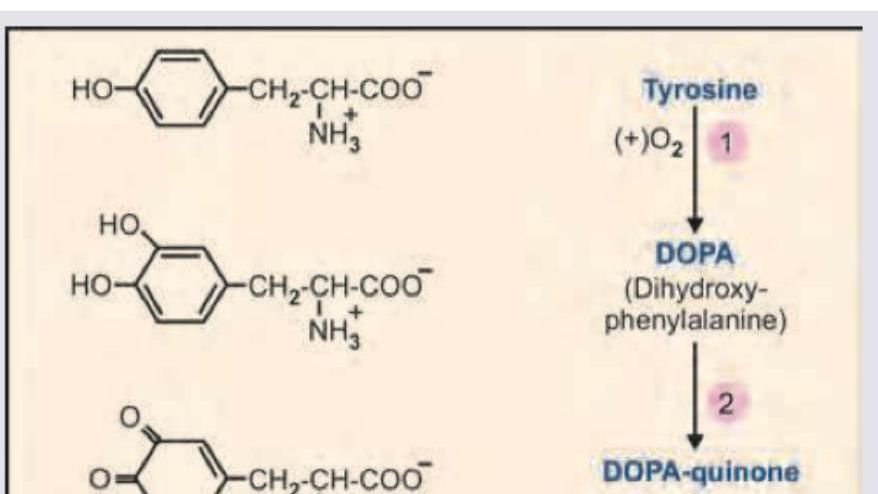
Name the product marked as X in the image shown below:
A 42-year-old firefighter candidate undergoes VO2 max testing showing 32 mL/kg/min (below required 42 mL/kg/min). His body composition shows 28% body fat. He has normal cardiac function (ejection fraction 60%), hemoglobin 15.2 g/dL, and no respiratory disease. Lactate threshold occurs at 65% of VO2 max. Evaluate the most effective evidence-based training strategy to meet occupational requirements within 12 weeks.
Explanation: ***NADH, CO2*** - The conversion of **isocitrate to α-ketoglutarate** is an oxidative decarboxylation step catalyzed by **isocitrate dehydrogenase**. - This reaction produces **NADH** (from NAD+) and **carbon dioxide (CO2)**, as a carbon atom is lost. *GTP, CO2* - **GTP** is produced during the conversion of **succinyl-CoA to succinate** in a substrate-level phosphorylation step, not during the isocitrate to α-ketoglutarate conversion. - While CO2 is produced in the latter, GTP is not. *NADPH, H2O* - **NADPH** is primarily generated in the **pentose phosphate pathway** and is used for reductive biosynthesis, not directly produced in the TCA cycle. - **H2O** is consumed or produced in other steps of the TCA cycle but not as a direct product of this specific reaction. *FADH2, ATP* - **FADH2** is produced during the conversion of **succinate to fumarate** by succinate dehydrogenase. - **ATP** (or GTP which can be converted to ATP) is produced in the succinyl-CoA to succinate step, not at the isocitrate dehydrogenase step.
Explanation: ***Hemoglobin synthesis*** - **Magnesium** is not directly involved in the synthesis of **hemoglobin**; **iron** is the crucial mineral for this process. - While magnesium is vital for many enzymatic reactions, it does not play a direct role in forming the heme structure or globin chains. *Cellular oxidation* - **Magnesium** acts as a **cofactor** for numerous enzymes involved in **cellular respiration** and **oxidative phosphorylation**, which are key processes in cellular oxidation. - These enzymatic reactions are critical for energy production within the cell. *Membrane transport* - **Magnesium** ions are essential for the proper functioning of various **ion channels** and **pumps**, such as the **Na+/K+ ATPase**, which are fundamental for maintaining **membrane potential** and **active transport**. - It influences the permeability of cell membranes and the movement of substances across them. *Glucose tolerance* - **Magnesium** plays a significant role in **glucose metabolism** and **insulin signaling**, affecting **glucose uptake** and utilization by cells, thereby influencing **glucose tolerance**. - Deficiency in magnesium has been linked to **insulin resistance** and an increased risk of **type 2 diabetes**.
Explanation: ***Ib*** - **Golgi tendon organs (GTOs)** are encapsulated sensory receptors located in the musculoskeletal junction that monitor **muscle tension**. - They are innervated by **Ib afferent nerve fibers**, which are large diameter, myelinated nerve fibers with a high conduction velocity that transmit information to the central nervous system. *Ia* - **Ia afferent nerve fibers** innervate **muscle spindles**, which detect changes in **muscle length** and the rate of change of muscle length. - While both Ib and Ia fibers are involved in proprioception, their specific sensory receptors and functions differ. *II* - **Type II afferent nerve fibers** also innervate **muscle spindles**, primarily sensing sustained changes in **muscle length** (static stretch). - They do not innervate Golgi tendon organs; their role is distinct in providing information about muscle position. *III* - **Type III afferent nerve fibers** are smaller, thinly myelinated fibers that respond mainly to **nociceptive (pain)** and **temperature stimuli** in muscles and joints. - They are not involved in sensing muscle tension or length and do not innervate Golgi tendon organs.
Explanation: ***Acetylcholine*** - **Acetylcholine (ACh)** acts at the **neuromuscular junction** to initiate muscle contraction by binding to nicotinic receptors on the muscle fiber membrane. - This binding causes depolarization and triggers the release of **calcium** from the sarcoplasmic reticulum, essential for the interaction of actin and myosin filaments. *Glutamate* - **Glutamate** is the primary **excitatory neurotransmitter** in the central nervous system, mainly involved in synaptic transmission, learning, and memory. - It does not mediate signal transmission at the **neuromuscular junction** for skeletal muscle contraction. *Dopamine* - **Dopamine** is a neurotransmitter involved in reward, motivation, and motor control pathways within the **central nervous system** (basal ganglia). - It does not play a direct role in the peripheral process of **skeletal muscle contraction** at the neuromuscular junction. *Serotonin* - **Serotonin** primarily regulates mood, sleep, appetite, and gastrointestinal function in the **central nervous system**. - It is not involved in directly signaling **skeletal muscle fibers** for contraction at the neuromuscular junction.
Explanation: ***Phosphocreatine*** - **Phosphocreatine (PCr)** is the primary energy source for a **100m sprint** (lasting 10-20 seconds). - The **ATP-PC (phosphagen) system** provides **immediate energy** by rapidly regenerating **ATP** from ADP through the transfer of a high-energy phosphate group. - This system is crucial for **short bursts of maximal intensity exercise** where energy demand exceeds the capacity of glycolysis and oxidative phosphorylation to respond quickly enough. - Phosphocreatine stores can fuel maximum effort for approximately **10-15 seconds**, making it ideal for sprint activities. *Phosphofructokinase* - **Phosphofructokinase (PFK)** is a key regulatory enzyme in **glycolysis**, not an energy substrate. - While PFK-catalyzed glycolysis contributes ATP during intense exercise, it cannot provide energy as rapidly as the phosphocreatine system. - Glycolysis becomes more prominent after the first 10-15 seconds of maximal effort. *Glucose 1-phosphate* - **Glucose 1-phosphate** is an intermediate in **glycogenolysis** (breakdown of glycogen to glucose-6-phosphate). - It is part of the pathway leading to glucose availability for glycolysis, but is not a **direct, immediate energy source** for muscle contraction. - Unlike phosphocreatine, it cannot directly regenerate ATP. *Creatine phosphokinase* - **Creatine phosphokinase (CPK)**, also known as **creatine kinase (CK)**, is the **enzyme** that catalyzes the reversible transfer of phosphate from phosphocreatine to ADP. - It facilitates the energy transfer reaction but is **not an energy substrate** itself. - The enzyme enables the phosphocreatine system to function, but the actual energy comes from phosphocreatine.
Explanation: ***A fall in the plasma amino acid concentration*** - Destruction of pancreatic **B cells** leads to a lack of **insulin**. Insulin promotes amino acid uptake and protein synthesis, so its absence would lead to a *rise*, not a *fall*, in plasma amino acids due to increased protein breakdown. - In **insulin deficiency**, the body shifts to catabolic states, breaking down proteins for energy and glucose production (gluconeogenesis), thus releasing amino acids into the plasma. *A rise in plasma osmolality* - The absence of insulin would lead to **hyperglycemia** (high blood sugar) as glucose cannot be efficiently taken up by cells. - **High plasma glucose** significantly increases plasma osmolality due to its osmotic activity. *A rise in the plasma H+ concentration* - Long-term **insulin deficiency** can lead to **diabetic ketoacidosis (DKA)**, where the body breaks down fats for energy, producing **ketone bodies**. - Ketone bodies are acids, and their accumulation increases the **plasma H+ concentration**, leading to **metabolic acidosis**. *A rise in the plasma amino acid concentration* - Without **insulin**, protein synthesis is inhibited, and protein breakdown (proteolysis) is enhanced to provide substrates for gluconeogenesis. - This results in a release of **amino acids** from muscle and other tissues into the bloodstream, increasing their plasma concentration.
Explanation: ***High estrogen*** - High levels of **estrogen** and progesterone during pregnancy inhibit milk production by blocking the action of **prolactin** on the mammary glands. - After delivery, the sudden drop in these hormones removes the inhibition, allowing prolactin to stimulate **lactogenesis**. *Low luteinizing hormone* - **Luteinizing hormone (LH)** is primarily involved in ovulation and corpus luteum formation, not directly in the inhibition of milk production. - Low LH levels would impact fertility but not have a direct inhibitory effect on lactation. *Low thyroid-stimulating hormone* - **Thyroid-stimulating hormone (TSH)** regulates thyroid function, which can indirectly affect metabolism and overall well-being. - While **hypothyroidism** can impact milk supply, low TSH itself is not a direct inhibitor of milk production. *Human somatomammotropin* - **Human placental lactogen (HPL)**, also known as human chorion somatomammotropin, is produced by the placenta. - It promotes mammary gland development and has weak lactogenic properties but does not inhibit milk production.
Explanation: ***Central motor pathways*** - **Motor evoked potentials (MEPs)** are generated by electrical or magnetic stimulation of the **motor cortex** and primarily assess the integrity of **central motor pathways**, specifically the **corticospinal tracts**. - MEPs are the **gold standard** for monitoring **upper motor neuron** function during neurosurgical and spinal procedures. - The technique is most sensitive to dysfunction in the **brain and spinal cord** (central nervous system), making this their primary clinical utility. *Peripheral motor pathways* - While MEPs do eventually activate peripheral motor neurons to produce muscle responses, they are **not the primary tool** for assessing peripheral pathways. - **Nerve conduction studies (NCS)** and **electromyography (EMG)** are direct and more specific measures for evaluating peripheral motor nerve function. *Both central and peripheral motor pathways* - Although MEPs provide information about the entire motor pathway from cortex to muscle, their **primary diagnostic strength and clinical application** is in detecting dysfunction within the **central nervous system**. - The latency and amplitude of MEPs are most sensitive to **conduction abnormalities along the corticospinal tract**, not peripheral nerves. *Muscle regeneration* - MEPs do **not assess muscle regeneration** or intrinsic muscle health. - **Electromyography (EMG)** with needle examination and **muscle biopsy** are the appropriate methods to evaluate muscle regeneration and myopathic processes.
Explanation: ***Indolequinone*** - The image depicts the **melanin biosynthesis pathway** starting from **tyrosine**. - Tyrosine is converted to **L-DOPA** by tyrosinase, which is then oxidized to **dopaquinone** (also called DOPA-quinone). - Dopaquinone undergoes intramolecular cyclization to form **leucodopachrome**, which is subsequently oxidized to **dopachrome**. - Dopachrome is then converted through a series of steps to **5,6-dihydroxyindole**, which is finally oxidized to **indole-5,6-quinone** (indolequinone). - **Indolequinone** is a key intermediate that polymerizes to form **melanin**, the pigment responsible for coloration in skin, hair, and eyes. - Based on the pathway shown, X represents indolequinone, an oxidized indole derivative in melanin synthesis. *Tetrabenazine* - **Tetrabenazine** is a pharmaceutical drug that inhibits **vesicular monoamine transporter 2 (VMAT2)**. - It is used therapeutically to treat hyperkinetic movement disorders such as **Huntington's disease** and tardive dyskinesia. - It is not a natural metabolic intermediate in the tyrosine-to-melanin biosynthetic pathway. *Homovanillic acid* - **Homovanillic acid (HVA)** is a major end metabolite of **dopamine** in the catecholamine degradation pathway. - It is formed by the sequential actions of **monoamine oxidase (MAO)** and **catechol-O-methyltransferase (COMT)** on dopamine. - This represents a completely different branch of tyrosine metabolism (catecholamine pathway), not the melanin synthesis pathway. *Kynurenine* - **Kynurenine** is an intermediate metabolite in the **kynurenine pathway**, which is the major route of **tryptophan** degradation. - The kynurenine pathway leads to the formation of NAD+ and various neuroactive metabolites. - This pathway is completely separate from tyrosine metabolism and is unrelated to the melanin synthesis pathway shown in the image.
Explanation: ***Combined approach: HIIT twice weekly plus threshold training three times weekly*** - This strategy utilizes **periodization** to target both **central adaptations** (increased stroke volume and cardiac output) and **peripheral adaptations** (mitochondrial density and enzyme activity), which is essential for a significant 12-week VO2 max increase. - **HIIT** provides the necessary stimulus to push the **VO2 max ceiling**, while **threshold training** improves the candidate's efficiency at higher work rates, addressing the gap between his current and required performance. *Continuous moderate-intensity training at 60-70% VO2 max for 60 minutes daily* - This protocol primarily improves **oxidative capacity** and fat metabolism but lacks the **intensity** required to elicit a 30% increase in VO2 max within a short 12-week window. - It is less effective at increasing **cardiac stroke volume** compared to higher-intensity methods, which is critical for athletes or candidates needing rapid aerobic gains. *High-intensity interval training (HIIT) at 90-95% VO2 max with active recovery* - While **HIIT** is highly effective for increasing aerobic power, performing it exclusively may lead to **overtraining** or injury if not balanced with lower-intensity sessions. - It overlooks the specific benefit of **threshold training** in shifting the **lactate threshold**, which is currently at 65% and needs to be higher for occupational endurance. *Resistance training focusing on muscular strength to improve work efficiency* - **Resistance training** primarily improves **muscular strength** and **anaerobic power** but has a negligible direct effect on improving **VO2 max** or maximum oxygen transport capacity. - While it may improve **movement economy**, it will not address the candidate's primary deficit in **aerobic power** needed to meet the 42 mL/kg/min requirement. *Threshold training at lactate threshold intensity for extended durations* - Working solely at the **lactate threshold** (65% VO2 max for this candidate) is insufficient to maximize the **cardiac output** stimulus needed for significant VO2 max improvement. - This approach is better suited for improving **stamina** at a fixed pace rather than increasing the **maximal oxygen consumption capabilities** required for firefighting.
Get full access to all questions, explanations, and performance tracking.
Start For Free