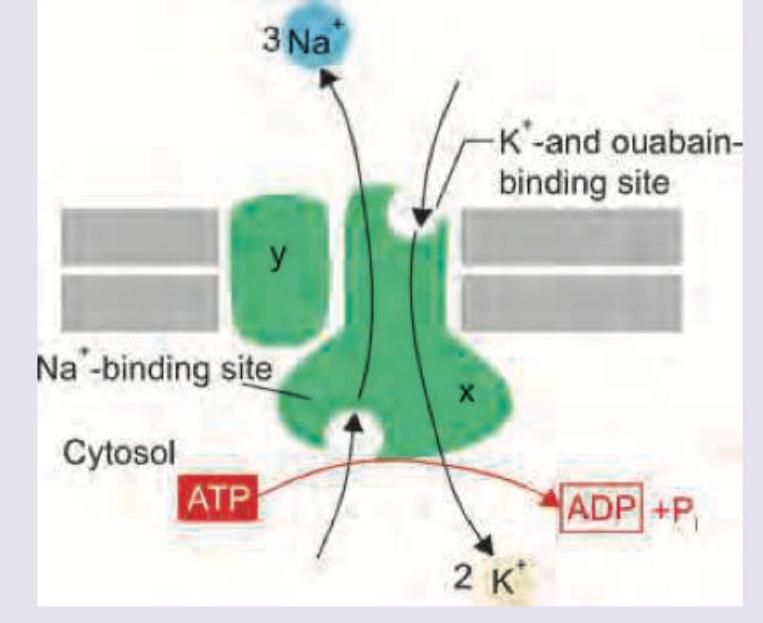
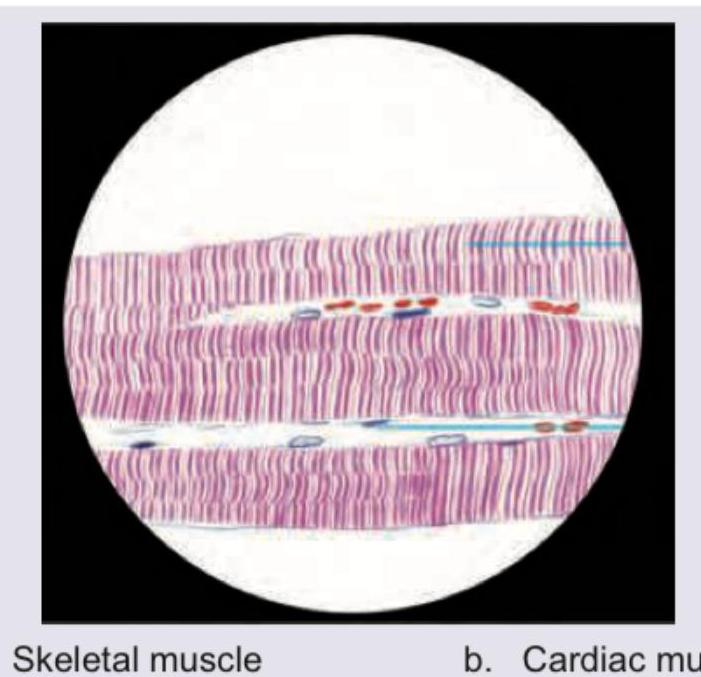
Which of the following is correct about the image shown below?
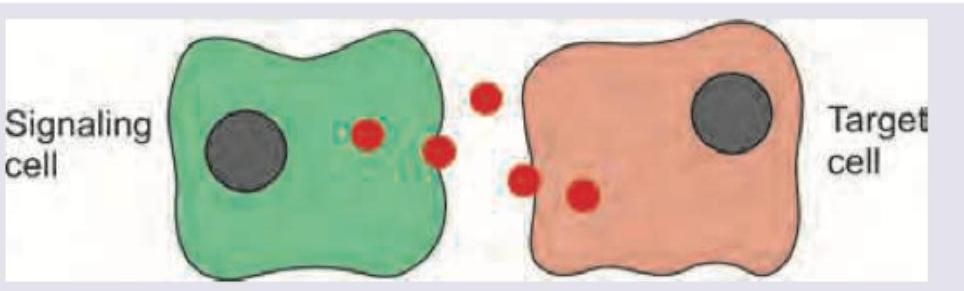
Identify the modality of intercellular communication shown below.
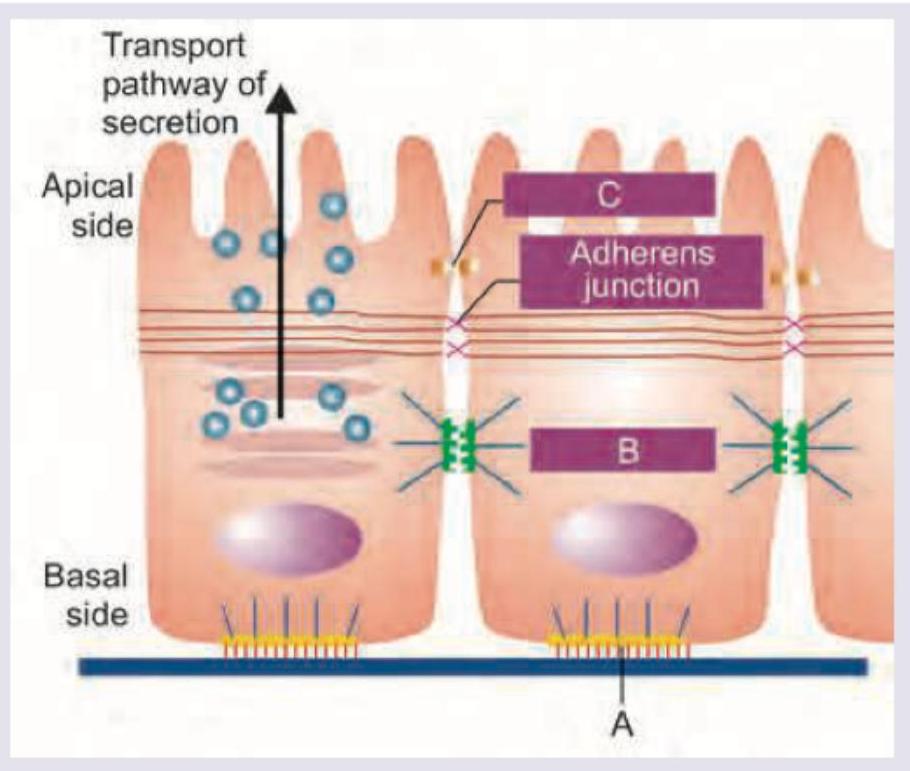
Which of the following is correct about the image shown below?
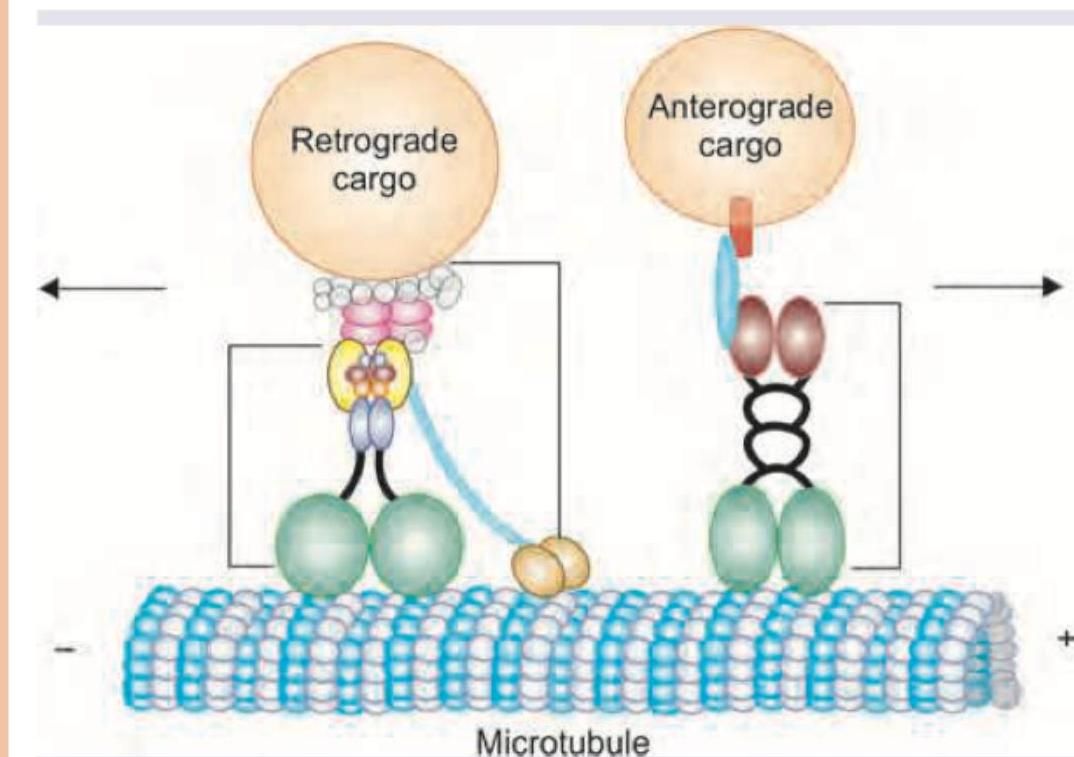
Which of the following is not a component of the process shown in the image?
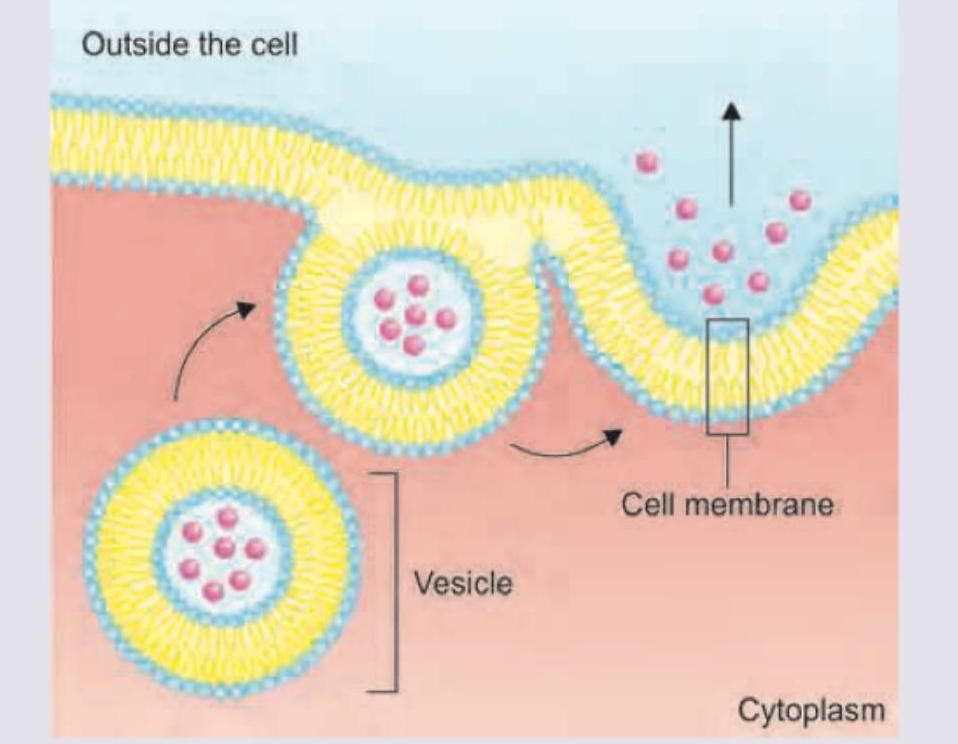
Which ion plays a role in the process shown below? (Recent NEET Pattern 2018)
The image shows:
With reference to human body's requirement for proteins, they are essential because they are: 1. an important alternative source for energy during specific metabolic states. 2. the primary molecules responsible for maintenance of osmotic pressure within the extracellular compartment. 3. critical for upkeep of cell mediated immune response. 4. vital for the synthesis of certain hormones. Which of the statements given above are correct?
The ratio for Type-I to Type-III collagen during maturation of collagen in remodelling phase is :
Cystic fibrosis leads to defect in which of the following channels?
JAK-STAT pathway is seen in which of the following?
Explanation: ***X=Alpha subunit, A=Beta subunit*** - The image displays the **Na+/K+-ATPase pump**, a crucial enzyme in maintaining cellular membrane potential and ionic gradients. - **X represents the alpha subunit**, the larger catalytic subunit responsible for **ATP hydrolysis, ion binding sites (3 Na+ and 2 K+), ouabain binding, and ion translocation** across the membrane. - **A represents the beta subunit**, the smaller glycoprotein subunit that assists in **proper folding, membrane insertion, and stabilization** of the alpha subunit. - The alpha subunit contains approximately 1000 amino acids with 10 transmembrane domains, while the beta subunit is smaller with a single transmembrane domain. *X=Beta subunit, A=Alpha subunit* - This incorrectly reverses the subunit identities. The **larger, catalytically active subunit (X) is the alpha subunit**, not the beta subunit. - The beta subunit is smaller and does not contain the ATP binding site or perform ion translocation. *X=Beta subunit, A=Delta subunit* - This is incorrect on both counts. **X is the alpha subunit**, not beta, and there is **no delta subunit** in the standard Na+/K+-ATPase structure. - While a gamma subunit exists in some tissues (FXYD proteins), it is not typically labeled as "delta" and is not shown in this basic diagram. *X=Alpha subunit, A=Delta subunit* - While correctly identifying **X as the alpha subunit**, this incorrectly labels A as a delta subunit. - **A is the beta subunit**, which is essential for proper enzyme function and membrane localization.
Explanation: ***Paracrine*** - The image shows a **signaling cell** releasing **signaling molecules** (red dots) into the extracellular space, which then act on a nearby **target cell**. This local signaling is characteristic of paracrine communication. - In **paracrine signaling**, the molecules travel short distances through the interstitial fluid to influence neighboring cells, without entering the bloodstream. *Autocrine* - In **autocrine signaling**, a cell releases signaling molecules that then act on **receptors on the same cell** that produced them. The image clearly depicts communication between two different cells. - The signaling molecules are shown moving from one cell (signaling cell) to another distinct cell (target cell), rather than acting back on the originating cell. *Synaptic* - **Synaptic signaling** involves specialized structures called **synapses** where neurons transmit signals using **neurotransmitters** across a synaptic cleft to a target cell (another neuron, muscle cell, or gland cell). The image does not show a neuronal structure or a synapse. - This type of communication is highly specific to the nervous system and involves electrical impulses followed by chemical transmission, which is not represented here. *Gap junction* - **Gap junction communication** involves direct passage of signaling molecules between adjacent cells through specialized protein channels called **gap junctions**. - The image depicts signaling molecules being released into the extracellular space and binding to receptors on the target cell, rather than passing directly between the cytoplasms of two cells.
Explanation: ***Correct: A=Hemidesmosomes, B=Desmosomes, C=Tight junctions*** - Structure **A** is located at the **basal side** of the cell, anchoring the cell to the **basement membrane**, which is the characteristic function of **hemidesmosomes** - Structure **B** connects two adjacent cells and is associated with **intermediate filaments** (keratin), which is typical of **desmosomes** - Structure **C** is at the **apical side** of the lateral membrane, forming a **sealing barrier** between cells, representing **tight junctions (zonula occludens)** *Incorrect: A=Desmosomes, B=Hemidesmosomes, C=Tight junctions* - This incorrectly identifies **A** as desmosomes, which connect adjacent cells laterally via intermediate filaments, not cells to the basement membrane - It also incorrectly identifies **B** as hemidesmosomes, which should be located at the basal surface anchoring to the basement membrane, not between adjacent cells *Incorrect: A=Desmosomes, B=Hemidesmosomes, C=Zona Occludens* - While this correctly uses **"Zona Occludens"** as a synonym for tight junctions for structure **C**, it incorrectly identifies structures **A** and **B** - **Desmosomes** are cell-to-cell junctions found laterally, not at the basal surface where structure A is located - **Hemidesmosomes** anchor to the basal lamina, not between two adjacent cells where structure B is shown *Incorrect: A=Desmosomes, B=Hemidesmosomes, C=Gap junctions* - This incorrectly identifies **A** as desmosomes and **B** as hemidesmosomes for the same reasons as above - Furthermore, **gap junctions** facilitate direct cell-to-cell communication via **connexons**, allowing passage of small molecules and ions, which is functionally different from structure **C** that acts as a sealing barrier preventing paracellular transport
Explanation: ***Actin*** - The image depicts **microtubule-based transport** involving motor proteins (dynein and kinesin) moving cargo along microtubules. - **Actin filaments** are a completely separate cytoskeletal system and are NOT components of the microtubule-based process shown. - This is the most fundamental distinction - actin vs. microtubule cytoskeletal systems. *Dynein* - **Dynein** is clearly shown in the image, transporting **retrograde cargo** toward the minus end of the microtubule. - It is a key motor protein for minus-end directed movement along microtubules. *Kinesin* - **Kinesin** is depicted in the image, transporting **anterograde cargo** toward the plus end of the microtubule. - It is the primary motor protein for plus-end directed movement along microtubules. *Myosin* - While **myosin** typically works with actin filaments rather than microtubules, it belongs to the same functional category as dynein and kinesin (motor proteins). - Some myosin isoforms can even associate with microtubule-based processes in specific contexts. - **Actin** is the better answer as it represents a completely different cytoskeletal system, whereas myosin is still a motor protein like the others listed.
Explanation: ***Calcium*** - **Calcium ions (Ca2+)** are the primary trigger for **exocytosis**, binding to **synaptotagmin** proteins on synaptic vesicles to initiate membrane fusion. - Ca2+ influx activates the **SNARE complex** formation, allowing vesicles to fuse with the plasma membrane and release neurotransmitters or other cellular contents. *Potassium* - **Potassium ions (K+)** are primarily responsible for maintaining the **resting membrane potential** and **repolarization** during action potentials. - While essential for neuronal function, K+ does not directly trigger **vesicle fusion** or exocytosis processes. *Sodium* - **Sodium ions (Na+)** are crucial for **action potential depolarization** and maintaining **electrochemical gradients** across cell membranes. - Na+ influx initiates nerve impulses but does not serve as the direct trigger for **vesicle release** during exocytosis. *Magnesium* - **Magnesium ions (Mg2+)** function as essential **cofactors** for numerous enzymes and play roles in **ATP metabolism** and **protein synthesis**. - Although Mg2+ can modulate some cellular processes, it is not the primary ion responsible for triggering **exocytotic release**.
Explanation: ***Skeletal muscle*** - The image clearly displays **striations** (alternating light and dark bands) and **multinucleated cells** with peripherally located nuclei, which are characteristic features of skeletal muscle tissue. - Skeletal muscle fibers are also typically **long and unbranched**, as seen in the linear arrangement in the image. *Cardiac muscle* - Cardiac muscle also exhibits striations, but it is characterized by **branched fibers** and the presence of **intercalated discs**, neither of which are visible here. - Cardiac muscle cells are typically uni- or binucleated, with centrally located nuclei. *Smooth muscle* - Smooth muscle tissue lacks striations and is composed of **spindle-shaped cells** with a single, centrally located nucleus. - It does not present the organized, linear fascicles seen in the image. *Compact bone* - Compact bone tissue is characterized by **osteons** (Haversian systems) with central canals, lacunae containing osteocytes, and lamellae, which are entirely different from the cellular structure shown. - Bone tissue is **rigid and calcified**, unlike the contractile tissue depicted.
Explanation: ***1, 3 and 4*** - Proteins can be used as an **alternative energy source** during specific metabolic states, such as prolonged fasting or starvation, when carbohydrate and fat stores are depleted, through processes like **gluconeogenesis** and protein catabolism. - Proteins are critical for the **cell-mediated immune response**, as T-lymphocytes, cytokines, MHC proteins, and various immune mediators are protein-based. Protein-energy malnutrition significantly impairs cell-mediated immunity. - Many hormones, such as **insulin**, **growth hormone**, **ACTH**, and various **peptide hormones**, are protein-based or derived from amino acids, making proteins vital for hormone synthesis. *2, 3 and 4* - Statement 2 is **incorrect** because while proteins (particularly albumin) do contribute to osmotic pressure in the **intravascular compartment**, the statement refers to the "extracellular compartment" broadly, where **electrolytes (especially sodium)** are the primary molecules responsible for osmotic pressure maintenance, not proteins. - Proteins contribute to **oncotic pressure** (colloid osmotic pressure) specifically, which is distinct from total osmotic pressure. *1, 2 and 3* - This option incorrectly includes statement 2, which overstates the role of proteins in osmotic pressure across the entire extracellular compartment. - It correctly identifies proteins as an energy source and their role in cell-mediated immunity, but fails to include their vital role in **hormone synthesis**. *1, 2 and 4* - This option incorrectly includes statement 2 about osmotic pressure in the extracellular compartment. - It correctly recognizes proteins as an alternative energy source and for hormone synthesis, but omits their critical role in the **cell-mediated immune response**.
Explanation: **2 : 1** - During the maturation of **collagen in the remodeling phase**, Type-I collagen replaces Type-III collagen to provide greater tensile strength. - The mature scar tissue predominantly consists of **Type-I collagen**, with a typical Type-I to Type-III ratio around 2:1. *1 : 1* - A 1:1 ratio of Type-I to Type-III collagen is more characteristic of **early granulation tissue formation** rather than the mature remodeling phase. - In the initial stages of wound healing, there is a relatively high proportion of **Type-III collagen** for rapid closure and scaffolding. *4 : 1* - While the ratio does shift towards Type-I collagen, a 4:1 ratio of Type-I to Type-III collagen would imply an **even greater dominance of Type-I**, which is higher than the commonly accepted ratio for mature scar tissue. - This ratio is not typically observed in the normal remodeling process and might indicate a **hypertrophic scar** or keloid, if Type 1 is greatly increased as comparison to Type 3 *3 : 1* - A 3:1 ratio of Type-I to Type-III collagen represents a significant increase in Type-I collagen, but it is **not the most accurately recognized ratio** for mature collagen remodeling. - While the ratio moves in this direction, 3:1 is a less precise representation compared to the more commonly cited 2:1 for mature scar tissue.
Explanation: ***Cl-*** - Cystic fibrosis is caused by a mutation in the **CFTR gene**, which encodes for the **Cystic Fibrosis Transmembrane Conductance Regulator protein**. - This protein functions primarily as a **chloride channel**, and its dysfunction leads to impaired chloride transport across epithelial cell membranes. *K+* - While potassium channels are crucial for many physiological processes, their primary dysfunction is **not directly linked to the pathogenesis of cystic fibrosis**. - Defects in potassium channels are associated with conditions like **long QT syndrome** or certain forms of epilepsy. *Ca2+* - **Calcium channels play a role in various cellular signaling pathways**, but their direct defect is not the underlying cause of cystic fibrosis. - Conditions like **Lambert-Eaton myasthenic syndrome** involve antibodies affecting presynaptic calcium channels. *Na+* - **Sodium channels are involved in maintaining membrane potential and fluid balance**, and while they interact with CFTR, their primary defect is not the cause of cystic fibrosis. - Dysregulation of sodium transport can occur secondary to CFTR dysfunction, leading to **dehydrated mucus**, but the initial defect is in chloride.
Explanation: ***Leptin*** - **Leptin** binding to its receptor activates the **JAK-STAT pathway**, regulating appetite and metabolism. - This pathway involves the phosphorylation of **STAT proteins**, which then translocate to the nucleus to induce gene expression. *Calcitonin* - **Calcitonin** activates **G protein-coupled receptors**, leading to an increase in intracellular cyclic AMP (cAMP). - Its primary role is in **calcium homeostasis**, lowering blood calcium levels. *Aldosterone* - **Aldosterone** is a steroid hormone that binds to **intracellular mineralocorticoid receptors**. - This complex then acts as a **transcription factor**, affecting gene expression in the kidneys to regulate sodium and potassium balance. *Vasopressin* - **Vasopressin** (ADH) binds to **G protein-coupled receptors** (V1 and V2 receptors). - V2 receptor activation in the kidney leads to increased **cAMP** and insertion of aquaporins, regulating water reabsorption.
Cell Membrane Structure and Function
Practice Questions
Membrane Transport Proteins
Practice Questions
Cellular Energetics and Metabolism
Practice Questions
Mitochondrial Function
Practice Questions
Cell Volume Regulation
Practice Questions
Cellular Responses to Stress
Practice Questions
Calcium Signaling
Practice Questions
Cell Cycle and Regulation
Practice Questions
Cellular Aging
Practice Questions
Apoptosis and Cell Death
Practice Questions
Get full access to all questions, explanations, and performance tracking.
Start For Free