
Compartment Models — MCQs

Volume of distribution of a drug is 500 ml and target concentration of drug in blood is 5 g/L. 20% of administered drug is reached to systemic circulation. What will be the loading dose of that drug -
A 70 kg man was given a drug with a dose of 100 mg/kg body weight, twice daily. The half-life (t1/2) is 10 hours, the plasma concentration is 1.9 mg/mL, and the clearance is unknown. What is the clearance of this drug?
What would happen to the half-life and plasma concentration of a drug which follows first-order kinetics, if the dose is doubled?
Low apparent volume of distribution of drug indicates that:
What is the commonly used concentration of tetracaine for topical anesthesia in minor ophthalmic procedures?
In which of the following conditions is digoxin most likely to accumulate to toxic levels?
What is the preferred concentration range of lidocaine for topical anesthesia?
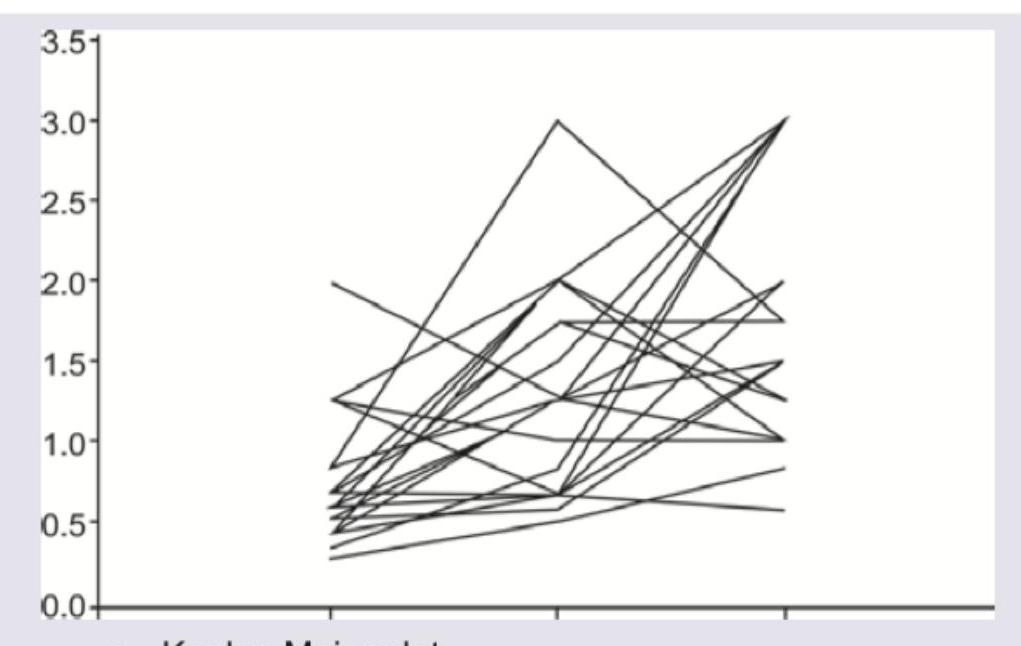
The following plot comparing pharmacokinetics of different ibuprofen brands is called:
Which immunosuppressive medication blocks the effects of interleukin -2 (IL-2) without inhibiting calcineurin activity?
A novel anti-aging compound induces autophagy by inhibiting EP300 histone acetyltransferase, leading to deacetylation of autophagy-related proteins. Which known anti-aging agent works by the same mechanism?
Want unlimited practice?
Get full access to all questions, explanations, and performance tracking.
Scan to download app