All of the following drugs used in the management of diabetes mellitus cause hypoglycemia except?
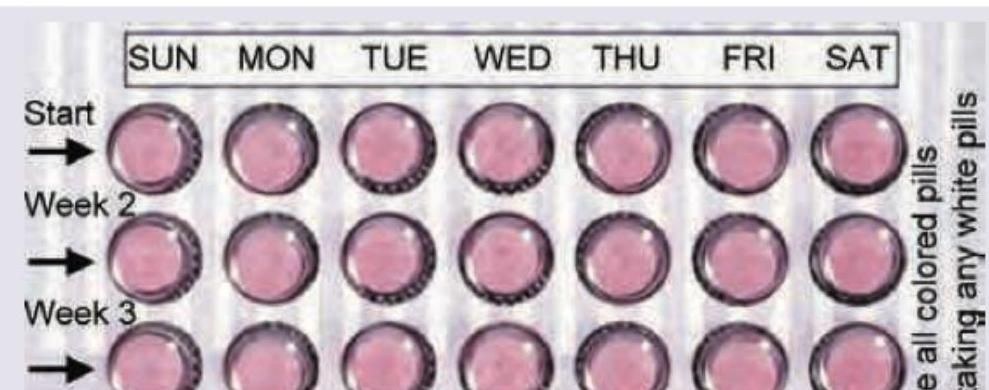
Which of the following is a selective progesterone receptor modulator?
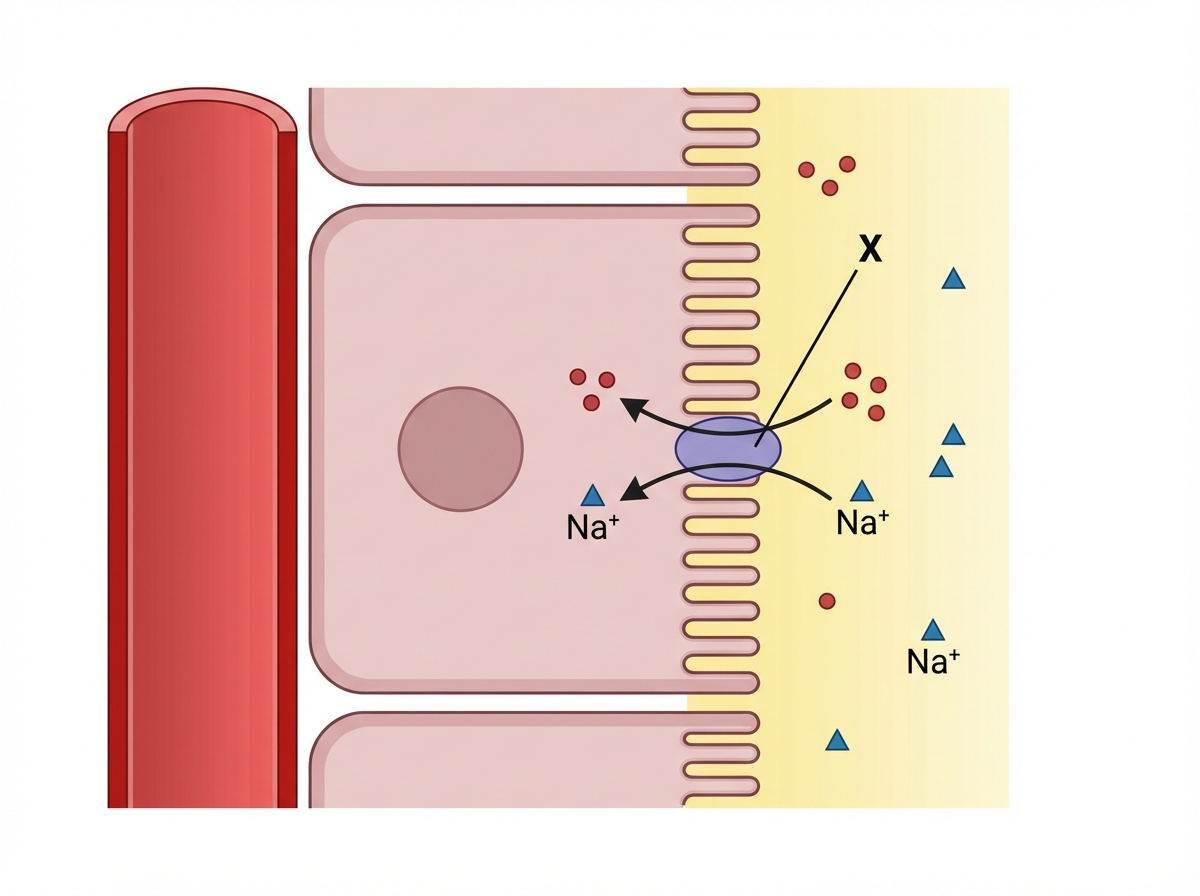
A 38-year-old male with known type 2 diabetes mellitus, treated with oral hypoglycemic drugs, presents with complaints of excessive thirst, increased urinary frequency, and a burning sensation during urination. Which of the following medications could be the cause of these symptoms?
Which of the following statements about iodine is false?
Bisphosphonates are not indicated in which of the following conditions?
Peripheral conversion of thyroxine (T4) to triiodothyronine (T3) is inhibited by which of the following medications?
What is the characteristic problem in females taking nor-ethisterone?
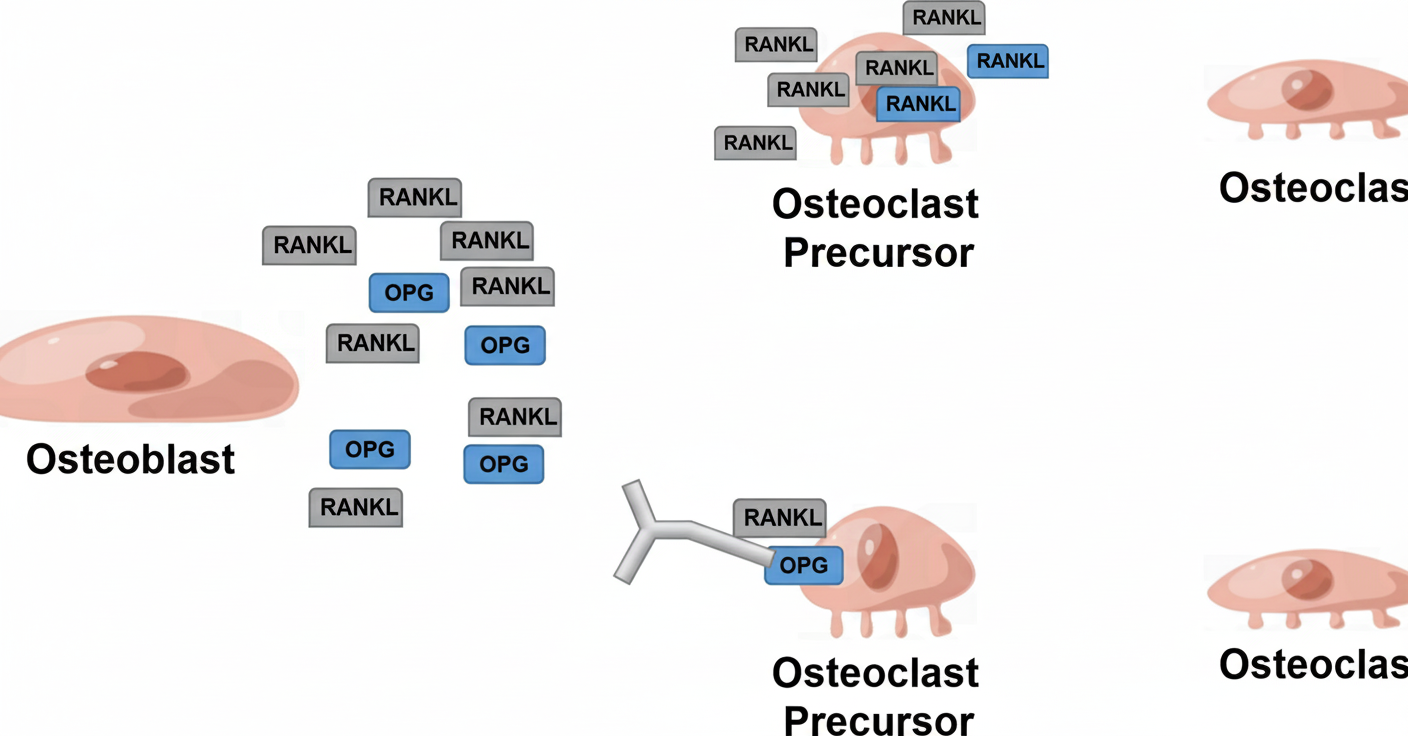
Denosumab, a monoclonal antibody against RANK ligand, is used for the treatment of which condition?
Systemic steroids can cause all of the following except?
Which one of the following is NOT an appropriate treatment for hyperthyroidism due to subacute lymphocytic thyroiditis?
Explanation: The correct answer is Metformin (Option A). The fundamental distinction in diabetes pharmacology lies between Euglycemics (drugs that lower high blood glucose without causing hypoglycemia) and Hypoglycemics (drugs that actively stimulate insulin secretion). 1. Why Metformin is the correct answer: Metformin belongs to the Biguanide class. Its primary mechanism of action is the activation of AMP-activated protein kinase (AMPK), which leads to decreased hepatic gluconeogenesis and improved peripheral insulin sensitivity. Because Metformin does not stimulate the pancreas to release insulin, it does not cause hypoglycemia when used as monotherapy. It is therefore classified as a "euglycemic" agent. 2. Why the other options are incorrect: * Tolbutamide (Option B), Glibenclamide (Option C), and Glipizide (Option D) are all Sulfonylureas [1], [2]. * Mechanism: They act by closing the ATP-sensitive K⁺ channels in the pancreatic beta-cell membrane [3]. This causes depolarization, leading to calcium influx and the forced release of pre-formed insulin [3]. * Since insulin secretion is stimulated regardless of the ambient blood glucose levels, these drugs carry a significant risk of hypoglycemia [1], [3]. High-Yield Clinical Pearls for NEET-PG: * Drug of Choice: Metformin is the first-line drug for Type 2 Diabetes Mellitus (T2DM). * Weight Neutrality: Unlike Sulfonylureas and Insulin (which cause weight gain), Metformin is weight-neutral or promotes modest weight loss. * Lactic Acidosis: The most serious (though rare) side effect of Metformin is lactic acidosis; it is contraindicated in patients with significant renal impairment (eGFR <30 mL/min). * Other Euglycemics: Apart from Biguanides, other classes that typically do not cause hypoglycemia as monotherapy include Thiazolidinediones (Pioglitazone), DPP-4 inhibitors (Gliptins), and SGLT-2 inhibitors (Gliflozins).
Explanation: **Explanation:** **Ulipristal acetate** is the correct answer because it is a **Selective Progesterone Receptor Modulator (SPRM)**. SPRMs are ligands that exert tissue-specific progestational or anti-progestational effects by binding to progesterone receptors. Ulipristal acts primarily as a partial agonist/antagonist. Its clinical utility stems from its ability to inhibit ovulation (used as **emergency contraception** within 120 hours) and to reduce the size of **uterine fibroids** by inhibiting cell proliferation and inducing apoptosis. **Analysis of Incorrect Options:** * **Tamoxifen (A) and Toremifene (D):** These are **SERMs** (Selective Estrogen Receptor Modulators). They act as estrogen antagonists in the breast but agonists in the bone and endometrium (Tamoxifen). They are primarily used in the management of hormone-responsive breast cancer. * **Nomegestrol (C):** This is a **pure progestin** (19-norprogesterone derivative). It is used in combined oral contraceptive pills and hormone replacement therapy, but it does not possess the modulator (mixed agonist/antagonist) properties characteristic of SPRMs. **High-Yield Facts for NEET-PG:** * **Mifepristone:** Another key SPRM (often classified as an anti-progestin). It is used for medical abortion (combined with Misoprostol) and Cushing’s syndrome. * **Emergency Contraception:** Ulipristal (30 mg) is effective up to **5 days (120 hours)** after unprotected intercourse, whereas Levonorgestrel is ideally used within 72 hours. * **Fibroid Management:** Ulipristal is unique for its non-surgical management of leiomyomas, though liver function monitoring is required due to rare reports of hepatotoxicity.
Explanation: **Explanation:** The patient is presenting with symptoms of **polyuria, polydipsia, and a Urinary Tract Infection (UTI)**, characterized by the burning sensation during urination. Among the given options, **Dapagliflozin** is the most likely cause. **1. Why Dapagliflozin is correct:** Dapagliflozin is an **SGLT-2 inhibitor** (Sodium-Glucose Co-transporter 2 inhibitor). It works by inhibiting glucose reabsorption in the proximal convoluted tubule of the kidney, leading to **therapeutic glucosuria** [2]. * **Polyuria/Polydipsia:** The presence of glucose in the urine causes osmotic diuresis, leading to increased urinary frequency and compensatory thirst [1]. * **UTI/Candidiasis:** High glucose concentration in the urinary tract provides a fertile medium for bacterial and fungal growth, significantly increasing the risk of UTIs and vulvovaginal candidiasis. **2. Why other options are incorrect:** * **Exenatide (GLP-1 agonist):** Primarily causes gastrointestinal side effects like nausea, vomiting, and a risk of pancreatitis. It does not cause glucosuria. * **Glipizide (Sulfonylurea):** Its main side effects are hypoglycemia and weight gain [3]. It does not increase the risk of UTIs. * **Metformin (Biguanide):** Most common side effects are GI-related (diarrhea, abdominal bloating) and, rarely, lactic acidosis. It does not cause osmotic diuresis. **High-Yield Clinical Pearls for NEET-PG:** * **SGLT-2 Inhibitors ("-gliflozins"):** Associated with **Euglycemic Diabetic Ketoacidosis (eDKA)** and Fourner’s gangrene. * **Cardiorenal Benefits:** They are now first-line for patients with Heart Failure (HFrEF) and Chronic Kidney Disease (CKD), regardless of diabetes status. * **Contraindication:** Avoid if eGFR is significantly low (usually <30 mL/min/1.73m²) [2].
Explanation: ### Explanation The statement "Contraindicated in hyperthyroidism" is **false** because iodine (specifically in the form of Lugol’s iodine or Potassium Iodide) is a standard treatment modality for hyperthyroidism, particularly in specific clinical scenarios [1]. #### Why the Correct Answer is Right: Iodine is **not contraindicated**; rather, it is used therapeutically in hyperthyroidism for two main reasons [2]: 1. **Pre-operative Preparation:** It is given 10–14 days before a thyroidectomy to decrease the vascularity and size of the gland, making the surgery technically easier and safer [1], [3]. 2. **Thyroid Storm:** It is used as an adjuvant to rapidly suppress thyroid hormone levels [1]. #### Analysis of Other Options: * **Causes Iodism (B):** This is a true statement. Chronic iodine overdose leads to "Iodism," characterized by a metallic taste, excessive salivation, running nose (coryza), and swelling of the eyelids/salivary glands. * **Inhibits the release of thyroxine (C):** This is true and represents its primary mechanism. High doses of iodine acutely inhibit the proteolytic cleavage of thyroglobulin, thereby blocking the release of $T_3$ and $T_4$ [1], [2]. * **Inhibits the synthesis (D):** This is true and is known as the **Wolff-Chaikoff effect** [1]. High concentrations of iodine transiently inhibit the organic binding (organification) of iodine to tyrosine, reducing hormone synthesis. #### NEET-PG High-Yield Pearls: * **Wolff-Chaikoff Effect:** Temporary inhibition of thyroid hormone synthesis by high iodine levels [1]. * **Jod-Basedow Phenomenon:** The opposite effect, where iodine administration triggers hyperthyroidism in patients with underlying multinodular goiter [1]. * **Order of Administration:** In thyroid storm, always administer **Propylthiouracil (PTU)** at least 1 hour *before* iodine to prevent the iodine from being used as a substrate for new hormone synthesis.
Explanation: **Explanation:** **Bisphosphonates** (e.g., Alendronate, Zoledronate) are structural analogs of pyrophosphate that primarily act by inhibiting **osteoclast-mediated bone resorption**. **Why Vitamin D Intoxication is the Correct Answer:** Vitamin D intoxication causes hypercalcemia primarily through **increased intestinal absorption of calcium** and increased renal reabsorption, rather than excessive bone resorption. The primary treatment for Vitamin D toxicity involves stopping Vitamin D intake, low calcium diet, hydration, and the use of **Glucocorticoids** (which antagonize Vitamin D action by decreasing intestinal calcium absorption). Bisphosphonates are ineffective here because the source of excess calcium is dietary/intestinal, not the bone matrix. **Analysis of Other Options:** * **Hypercalcemia:** Bisphosphonates (especially IV Zoledronate and Pamidronate) are the drugs of choice for **Hypercalcemia of Malignancy**, as they prevent the release of calcium from the bone. * **Osteoporosis:** They are first-line agents for postmenopausal and steroid-induced osteoporosis. They increase Bone Mineral Density (BMD) by inhibiting osteoclastic activity. * **Cancer-induced osteolysis:** In conditions like Multiple Myeloma or bony metastases, bisphosphonates reduce skeletal-related events (SREs) and bone pain by stopping tumor-induced bone destruction. **High-Yield NEET-PG Pearls:** * **Mechanism:** They bind to hydroxyapatite crystals and inhibit the enzyme **farnesyl pyrophosphate (FPP) synthase** in the mevalonate pathway of osteoclasts. * **Administration:** Oral bisphosphonates must be taken on an empty stomach with a full glass of water, and the patient must remain upright for 30 minutes to prevent **erosive esophagitis**. * **Adverse Effects:** Osteonecrosis of the Jaw (ONJ) and atypical subtrochanteric fractures (with long-term use).
Explanation: **Explanation:** The peripheral conversion of **T4 (Thyroxine)** to the more potent **T3 (Triiodothyronine)** is mediated by the enzyme **5'-deiodinase**. Inhibiting this enzyme is a crucial therapeutic strategy in managing severe hyperthyroidism and thyroid storm, as it rapidly lowers the levels of active thyroid hormone. **1. Why Propranolol is correct:** Propranolol is a non-selective beta-blocker. Beyond its ability to antagonize the cardiovascular effects of thyrotoxicosis (tachycardia, palpitations), high doses of propranolol uniquely inhibit the **5'-deiodinase enzyme**. This dual action—symptomatic control and reduction of active T3 levels—makes it the preferred beta-blocker in thyroid emergencies. **2. Why the other options are incorrect:** * **Diltiazem:** A calcium channel blocker used for rate control in hyperthyroid patients who cannot tolerate beta-blockers. However, it has **no effect** on the peripheral conversion of T4 to T3. * **Sotalol:** While it is a beta-blocker, it lacks the specific inhibitory effect on 5'-deiodinase seen with propranolol. * **Sodium Iodide:** It acts via the **Wolff-Chaikoff effect** to acutely inhibit the *release* of thyroid hormones from the gland and decrease its vascularity. It does not inhibit peripheral conversion. **High-Yield Clinical Pearls for NEET-PG:** * **Mnemonic for 5'-deiodinase inhibitors:** "**P**-**P**-**P**-**S**" (**P**ropranolol, **P**ropylthiouracil (PTU), **P**rednisolone/Glucocorticoids, and **S**odium Ipodate/Amiodarone). * **Drug of Choice (DOC):** Propranolol is the DOC for symptomatic relief in thyrotoxicosis. * **PTU vs. Methimazole:** PTU is preferred in thyroid storm specifically because it inhibits peripheral conversion, whereas Methimazole does not.
Explanation: **Explanation:** **Norethisterone** (Norethindrone) is a first-generation synthetic progestin derived from 19-nortestosterone. It is commonly used in oral contraceptive pills (OCPs), hormone replacement therapy, and for the management of endometriosis or dysfunctional uterine bleeding. **1. Why Irregular Bleeding is Correct:** The most characteristic side effect of progestin-only preparations (like the "mini-pill" or high-dose norethisterone) is **irregular breakthrough bleeding** or spotting. This occurs because progestins alone cause the endometrial lining to become thin, atrophic, and vascularly fragile. Unlike combined pills, there is no estrogen to stabilize the endometrium, leading to unpredictable shedding. **2. Analysis of Incorrect Options:** * **Thromboembolism:** This is primarily a risk associated with the **estrogen** component of OCPs (which increases clotting factors) or third-generation progestins (like desogestrel). Norethisterone has a negligible risk of thromboembolism. * **Hirsutism:** While norethisterone has slight androgenic activity, it is more likely to cause acne or oily skin rather than frank hirsutism. In clinical practice, irregular bleeding is a far more frequent and "characteristic" complaint. * **Weight gain:** Though often reported by patients, clinical studies show a weak correlation with low-dose progestins compared to the significant incidence of menstrual irregularities. **Clinical Pearls for NEET-PG:** * **Norethisterone** is a "19-nortestosterone" derivative; these are known for being more androgenic than "pregnane" derivatives (like Medroxyprogesterone). * **High-yield use:** It is frequently used to **delay menses** (started 3 days before the expected period). * **Contraindication:** Undiagnosed vaginal bleeding is a primary contraindication for its use.
Explanation: **Explanation:** **Denosumab** is a fully human monoclonal antibody that targets and binds to **RANK ligand (RANKL)**. In the bone remodeling cycle, osteoblasts produce RANKL, which binds to RANK receptors on osteoclast precursors. This interaction is essential for the formation, function, and survival of osteoclasts (the cells responsible for bone resorption). By inhibiting RANKL, Denosumab prevents osteoclast activation, thereby increasing bone mineral density and reducing fracture risk. It is primarily indicated for **postmenopausal osteoporosis** and bone loss in patients undergoing hormone ablation therapy for cancer. **Analysis of Incorrect Options:** * **A & D (Rheumatoid Arthritis & SLE):** These are systemic autoimmune inflammatory disorders. While chronic inflammation and steroid use in these conditions can lead to secondary osteoporosis, Denosumab is not a primary treatment for the underlying autoimmune pathology. Drugs like TNF-inhibitors or DMARDs are used here. * **C (Osteoarthritis):** This is a degenerative joint disease involving cartilage wear and tear, not a primary disorder of systemic bone resorption. Denosumab has no role in its management. **High-Yield Clinical Pearls for NEET-PG:** * **Dosage:** For osteoporosis, it is administered as a **60 mg subcutaneous injection once every 6 months**. * **Giant Cell Tumor of Bone:** Denosumab is also the drug of choice for this condition (at higher doses), as these tumors are rich in RANKL-expressing osteoclast-like giant cells. * **Adverse Effects:** The most significant side effects include **hypocalcemia** (must check calcium levels before administration) and **Osteonecrosis of the Jaw (ONJ)**. * **Comparison:** Unlike bisphosphonates, Denosumab can be used in patients with **renal impairment**, as it is not cleared by the kidneys.
Explanation: **Explanation:** The question asks for the side effect **not** typically caused by **systemic** steroids. While corticosteroids are notorious for a wide array of adverse effects, the distinction here lies in the route of administration and the specific ocular pathology. **1. Why Glaucoma is the Correct Answer:** Glaucoma (specifically Open Angle Glaucoma) is primarily a side effect associated with **topical (ophthalmic)** steroid use rather than systemic use. Topical steroids increase resistance to aqueous outflow at the trabecular meshwork. While systemic steroids *can* occasionally raise intraocular pressure in "steroid responders," it is not a classic or frequent systemic complication compared to the other options. In the context of NEET-PG questions, **Cataract** is the classic systemic ocular side effect, while **Glaucoma** is the classic topical one. **2. Analysis of Incorrect Options:** * **Hypertension:** Steroids have mineralocorticoid activity (causing sodium and water retention) and increase vascular sensitivity to catecholamines, leading to elevated blood pressure. * **Cataract:** Systemic steroids are a well-known cause of **Posterior Subcapsular Cataracts (PSC)**. This is a dose- and duration-dependent complication. * **Osteoporosis:** This is the most common limiting factor of long-term steroid therapy. Steroids inhibit osteoblasts, decrease calcium absorption from the gut, and increase PTH-mediated bone resorption. **Clinical Pearls for NEET-PG:** * **Ocular Rule of Thumb:** Systemic steroids → Cataract; Topical steroids → Glaucoma. * **Osteoporosis Prophylaxis:** Patients on long-term steroids (>3 months) should receive Calcium, Vitamin D, and potentially Bisphosphonates. * **Metabolic Effects:** Steroids cause hyperglycemia (Steroid Diabetes), centripetal obesity, and muscle wasting (proximal myopathy).
Explanation: ### Explanation The key to answering this question lies in distinguishing between **hyperthyroidism** (excess synthesis of thyroid hormone) and **thyrotoxicosis** (excess circulating hormone regardless of source). **Subacute lymphocytic thyroiditis** (painless thyroiditis) is a form of destructive thyroiditis. In this condition, the thyroid gland is not overactive; instead, pre-formed thyroid hormones leak into the circulation due to inflammation and follicular destruction. 1. **Why Beta Blockers are NOT the "Wrong" Treatment (Understanding the Question):** The question asks for the treatment that is **NOT** appropriate. However, there appears to be a discrepancy in the provided key. In clinical practice, **Beta blockers (Option D)** are actually the **preferred** symptomatic treatment for subacute thyroiditis to control palpitations and tremors. **The actual "inappropriate" treatments are Options A, B, and C.** * **Propylthiouracil (PTU):** Thionamides work by inhibiting thyroid peroxidase (hormone synthesis). Since there is no increased synthesis in thyroiditis, PTU is ineffective. * **Radioactive Iodine (RAI):** In thyroiditis, the iodine uptake is low (near zero) because the follicles are damaged; therefore, RAI will not be taken up by the gland. * **Subtotal Thyroidectomy:** This is an invasive surgical procedure indicated for Graves' disease or toxic multinodular goiter, not for a self-limiting inflammatory condition like subacute thyroiditis. **Note on Question Logic:** If the question asks for the "appropriate" treatment, the answer is Beta Blockers. If it asks for "NOT appropriate," then A, B, and C are all technically correct choices as they are contraindicated/ineffective. ### High-Yield NEET-PG Pearls: * **Thyroiditis Triad:** Low Radioactive Iodine Uptake (RAIU) + High T3/T4 + Suppressed TSH. * **Treatment of Subacute Thyroiditis:** 1. **Symptomatic:** Beta-blockers (Propranolol). 2. **Pain/Inflammation:** NSAIDs (for De Quervain’s) or Steroids (if severe). * **Thionamides (PTU/Methimazole):** Only effective in conditions with **increased iodine uptake** (e.g., Graves' disease).
Hypothalamic and Pituitary Hormones
Practice Questions
Thyroid Drugs and Antithyroid Agents
Practice Questions
Insulin and Oral Hypoglycemic Agents
Practice Questions
Adrenocorticosteroids
Practice Questions
Sex Hormones: Estrogens and Progestins
Practice Questions
Androgens and Anabolic Steroids
Practice Questions
Hormonal Contraceptives
Practice Questions
Drugs Affecting Calcium Metabolism
Practice Questions
Drugs for Osteoporosis
Practice Questions
Pharmacological Management of Obesity
Practice Questions
Get full access to all questions, explanations, and performance tracking.
Start For Free