HIV sentinel surveillance is used for:
Which of the following statements about drug-induced SLE is NOT true?
A patient on warfarin has a high INR. Which drug likely caused this?
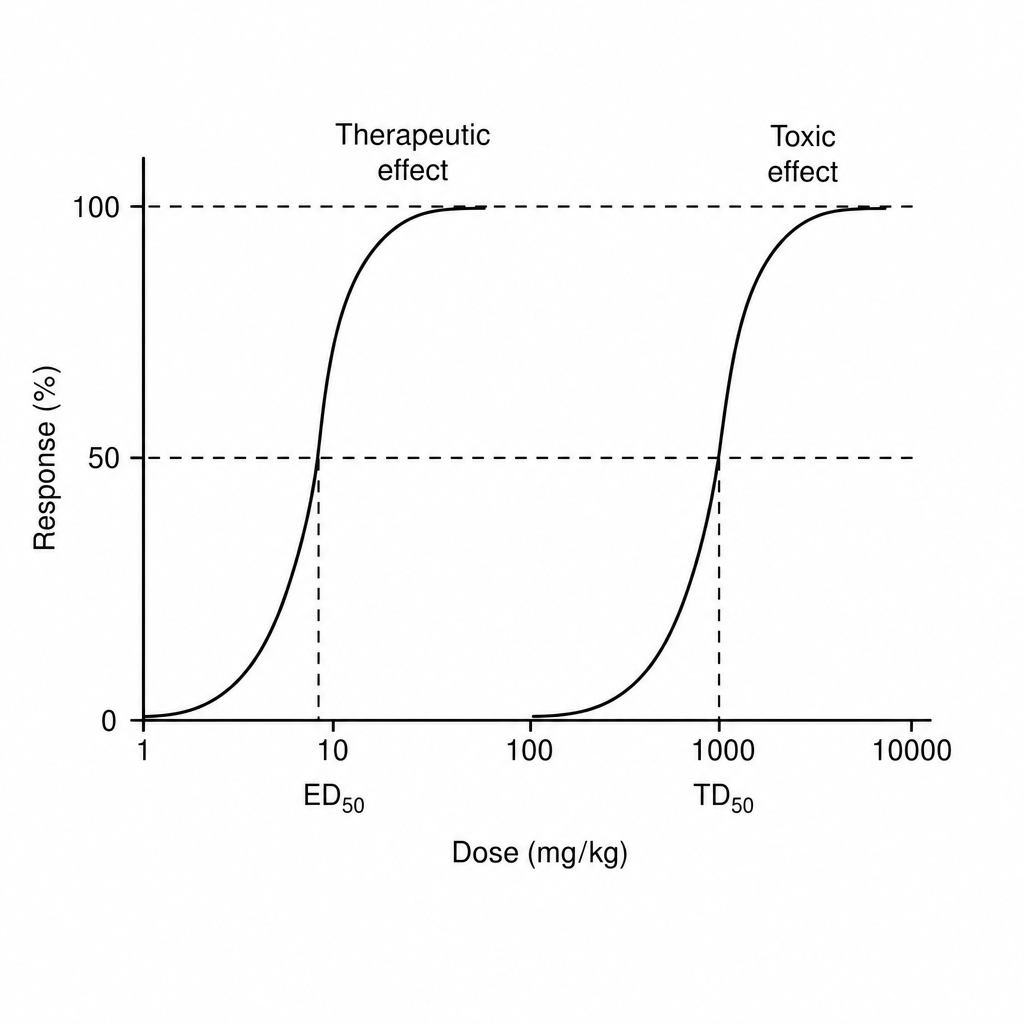
Therapeutic drug monitoring is done for:
Which of the following diseases is primarily monitored under the Integrated Disease Surveillance Program (IDSP)?
According to Hill's criteria, which of the following is NOT a criterion for establishing causality in noncommunicable diseases?
A district shows API of 4.2, ABER 11%, and SPR 3.1%. What is the malaria surveillance status?
Cisapride was withdrawn from the market due to?
Permission from DCGI [Drug controller general, India] is needed before which phase of drug trial?
The following malformation in a baby due to drug intake by mother is classified as \qquad ADR?

Explanation: ***Monitoring trends in HIV infection*** - **HIV sentinel surveillance** is specifically designed to track **HIV prevalence trends** over time in selected sentinel populations (ANC attendees, STD clinic attendees, high-risk groups). - The primary objective is to monitor **how HIV infection rates change** over time, helping identify emerging epidemics, evaluate intervention programs, and guide public health policy. - As per **NACO and WHO guidelines**, sentinel surveillance provides repeated cross-sectional prevalence measurements at fixed sites to detect temporal trends in HIV infection. *Monitoring disease trends* - This is **too broad and vague** for the specific purpose of HIV sentinel surveillance. - "Disease trends" could refer to AIDS progression, opportunistic infections, or other disease manifestations, which are **not the focus** of sentinel surveillance. - Sentinel surveillance specifically tracks **infection (seroprevalence)**, not general disease patterns. *Prevalence of HIV infection* - While sentinel surveillance **does measure prevalence**, this is a **method rather than the ultimate purpose**. - Prevalence measurements are taken repeatedly at different time points specifically to **monitor trends**, making this incomplete as the primary objective. *Detection of high-risk group* - Identification of high-risk groups is typically done through **epidemiological studies** and behavioral surveys, not sentinel surveillance. - Sentinel surveillance may **include** high-risk populations as sentinel sites, but its purpose is to monitor trends **within** these groups, not to detect them.
Explanation: ***Female: Male ratio=1:9*** - Drug-induced lupus erythematosus (DILE) typically has no significant **gender predilection**, unlike idiopathic SLE which has a marked female predominance (9:1 female: male ratio) [1]. - This statement is incorrect because the male:female ratio is closer to 1:1, or even male predominance, making the given ratio of 1:9 (female:male) false. *Anti-histone antibodies are negative* - **Anti-histone antibodies** are positive in 95% of patients with drug-induced lupus, making this statement incorrect. - The presence of anti-histone antibodies is a hallmark diagnostic feature of drug-induced lupus. *CNS involvement not common* - **Central nervous system (CNS) manifestations** are indeed uncommon in drug-induced lupus erythematosus. - This statement accurately reflects a key differentiating feature from idiopathic systemic lupus erythematosus (SLE), where CNS involvement can be significant [1]. *Renal involvement not common* - **Renal involvement** is rare in drug-induced lupus erythematosus. - This statement is true and helps distinguish drug-induced lupus from idiopathic SLE, where renal disease (lupus nephritis) is a frequent and serious complication [1].
Explanation: ***Amiodarone*** - Amiodarone is a well-known inhibitor of **CYP2C9**, the primary enzyme responsible for the metabolism of **S-warfarin**, the more potent enantiomer of warfarin. - Inhibition of warfarin metabolism leads to increased warfarin levels, thereby enhancing its anticoagulant effect and causing a **higher INR**. *Phenytoin* - Phenytoin is an **enzyme inducer**, primarily of **CYP2C9** and **CYP3A4**. - Its interaction with warfarin typically leads to **decreased warfarin levels** and a **lower INR**, reducing the anticoagulant effect. *Carbamazepine* - Carbamazepine is a potent **enzyme inducer**, particularly of **CYP3A4** and **CYP2C9**. - Like phenytoin, it generally leads to **increased warfarin metabolism** and a **reduced INR**, thereby decreasing its anticoagulant efficacy. *Rifampicin* - Rifampicin is a strong **inducer of hepatic cytochrome P450 enzymes**, especially **CYP3A4** and **CYP2C9**. - Its co-administration with warfarin significantly **increases warfarin metabolism**, resulting in **lower warfarin concentrations** and a **decreased INR**.
Explanation: ***Phenytoin*** - **Phenytoin** has a **narrow therapeutic window**, meaning the difference between an effective and a toxic dose is small, necessitating close monitoring. - Its **variable absorption** and **nonlinear pharmacokinetics** (saturable metabolism) make individual dosing adjustments critical to maintain therapeutic levels and avoid toxicity. *Aspirin* - **Aspirin** is generally not monitored via plasma levels for its analgesic or antiplatelet effects, as its therapeutic effects are often observed at doses where plasma monitoring is not practical or necessary. - Its primary therapeutic use as an **antiplatelet agent** is evaluated by clinical outcomes rather than drug concentration. *Heparin* - **Heparin** is monitored using coagulation tests like **aPTT (activated partial thromboplastin time)** or anti-Xa levels to assess its anticoagulant effect, not direct drug concentration. - Therapeutic drug monitoring for heparin focuses on its **pharmacodynamic effects** on the clotting cascade rather than its absolute plasma concentration. *Metformin* - **Metformin** has a relatively **wide therapeutic index** and its efficacy is primarily measured by reductions in blood glucose and HbA1c, not by plasma drug concentrations. - It is excreted largely unchanged by the kidneys, and dose adjustments are typically made based on **renal function** and glycemic control.
Explanation: ***Malaria*** - Malaria is a significant public health concern with high incidence and mortality, making its surveillance crucial for **disease control and elimination efforts**. - The IDSP aims for early detection and rapid response to **outbreaks of communicable diseases**, including vector-borne diseases like malaria. *Tuberculosis* - While a major public health issue, **tuberculosis (TB)** is primarily monitored under the **National Tuberculosis Elimination Programme (NTEP)**, which has a dedicated and extensive surveillance system. - The NTEP focuses on active case finding, treatment, and prevention of TB through a specific, robust framework separate from the IDSP's general surveillance. *HIV* - **HIV/AIDS** surveillance is conducted under the **National AIDS Control Organisation (NACO)**, which has a specialized program for monitoring prevalence, incidence, and risk behaviors. - NACO's surveillance includes sentinel surveillance among specific populations and programmatic data collection, distinct from the IDSP's generalized infectious disease monitoring. *Diabetes* - **Diabetes** is a **non-communicable disease** and is not primarily monitored under the IDSP, which focuses on infectious disease outbreaks. - Surveillance for non-communicable diseases like diabetes typically falls under programs dedicated to non-communicable disease prevention and control, focusing on prevalence and risk factors.
Explanation: ***Absence of temporal sequence*** - A crucial criterion for establishing causality is the **presence of a temporal sequence**, meaning the exposure must precede the outcome. - The **absence of a temporal sequence** would argue directly against causality, as the cause cannot come after the effect. *Strength of association* - This criterion suggests that a **stronger statistical association** between an exposure and an outcome makes a causal relationship more likely. - A large **relative risk** or **odds ratio** indicates a strong association. *Dose response relationship* - This criterion implies that as the **amount or duration of exposure increases**, the **risk or severity of the outcome also increases**. - This **dose-response gradient** strengthens the argument for a causal link. *Specificity of association* - This criterion suggests that a single exposure leads to a **specific effect**, and not a wide range of unrelated effects. - While helpful, **lack of specificity does not rule out causality**, as many exposures can have multiple effects.
Explanation: ***Adequate surveillance*** - An **ABER of 11%** meets the WHO minimum threshold of **≥10%** for adequate malaria surveillance, indicating that blood examination is occurring at an acceptable level. - An **API of 4.2** per 1000 population indicates moderate malaria transmission with reasonable case detection. - An **SPR of 3.1%** is within the acceptable range (1-5%), suggesting balanced testing practices—not excessively high (which would indicate poor case detection) or extremely low (though lower would be better). - Together, these metrics indicate a **functioning surveillance system** that meets basic adequacy criteria but has room for optimization. *Poor surveillance* - This would be characterized by **ABER <10%** (indicating inadequate blood examination coverage), very **high SPR >10%** (suggesting only highly symptomatic cases are tested), or extremely low reporting rates. - The given values (API 4.2, ABER 11%, SPR 3.1%) do not align with poor surveillance indicators. *Cannot be determined* - The three epidemiological indicators provided (API, ABER, SPR) are **standard WHO metrics** specifically designed to assess malaria surveillance effectiveness. - These metrics provide **sufficient information** to make a determination about surveillance status. *Optimal surveillance* - Optimal surveillance would require **ABER ≥20-50%** (much higher blood examination coverage), **SPR <2%** (indicating highly sensitive early case detection), and comprehensive reporting systems. - While the current ABER of 11% is adequate, it is just above the minimum threshold and would need substantial improvement to reach optimal levels.
Explanation: ***QT Prolongation*** - Cisapride was withdrawn from the market primarily due to its association with **dose-dependent QT interval prolongation**, which increased the risk of serious ventricular arrhythmias. - This **QT prolongation** could lead to potentially fatal **Torsades de Pointes**, a polymorphic ventricular tachycardia. *PR interval prolongation* - While some medications can affect the PR interval, **cisapride's primary cardiac concern** was specifically related to the QT interval, not the PR interval. - PR interval changes generally indicate issues with **AV nodal conduction**, a different mechanism than that affected by cisapride. *Hepatotoxicity* - Although drug-induced liver injury is a known adverse effect for many medications, **hepatotoxicity was not the primary reason** for cisapride's withdrawal. - The most significant and life-threatening adverse effect was its impact on cardiac repolarization. *Nephrotoxicity* - **Nephrotoxicity (kidney damage)** was not identified as a major or significant adverse effect associated with cisapride that led to its market withdrawal. - The drug's safety profile concerns were focused on its cardiovascular effects.
Explanation: ***Phase 3*** - Permission from the **DCGI (Drug Controller General of India)** is mandatory before initiating **Phase 3** clinical trials as per **Schedule Y** of the Drugs and Cosmetics Rules. - Phase 3 trials involve **large-scale studies in Indian patients** to establish efficacy and safety in the target population, requiring explicit regulatory approval. - This is the critical regulatory checkpoint where DCGI evaluates the Phase 1 and 2 data before allowing widespread testing in Indian subjects. *Phase 1* - Phase 1 trials can be conducted after approval from the **Institutional Ethics Committee (IEC)** without requiring prior DCGI permission. - These trials in healthy volunteers focus on safety, pharmacokinetics, and dose-ranging studies. - DCGI is informed but explicit permission is not mandatory at this stage. *Phase 2* - Phase 2 trials also proceed with **IEC approval** and do not require prior DCGI permission. - These trials evaluate therapeutic efficacy and dose determination in a limited number of patients. - Results from Phase 2 are submitted to DCGI when seeking Phase 3 approval. *Phase 4* - Phase 4 trials are **post-marketing surveillance** studies conducted after drug approval. - These are conducted under the Post-Marketing Surveillance (PMS) framework. - While regulatory oversight exists, these are not pre-market trials requiring permission to initiate.
Explanation: ***Type D*** - **Type D** ADRs are **delayed effects** that include **teratogenicity** and **carcinogenicity**, occurring after prolonged exposure or during critical developmental periods. - The image shows **phocomelia** (severe limb malformation), a classic example of drug-induced teratogenicity (e.g., **thalidomide**), which is classified as a Type D ADR. *Type A* - **Type A** ADRs are **augmented** reactions that are predictable, dose-dependent pharmacological effects of drugs. - Examples include **bleeding** with anticoagulants or **hypotension** with antihypertensives, not congenital malformations. *Type E* - **Type E** ADRs are **end-of-use** effects or **withdrawal symptoms** that occur when a drug is discontinued. - These reactions (like **opioid withdrawal**) are unrelated to developmental malformations from in-utero drug exposure. *Type F* - **Type F** is not a recognized category in standard ADR classification systems, which typically include only Types A through E. - The established classification covers predictable, unpredictable, chronic, delayed, and end-of-use effects without requiring a Type F category.
Get full access to all questions, explanations, and performance tracking.
Start For Free