Which of the following statements regarding benzodiazepines is true?
Pegvisomant is approved for the treatment of which condition?
Which of the following anticonvulsant drugs can cause granulocytopenia, gingival hyperplasia, and facial hirsutism?
Onabotulinum toxin A can be used for the treatment of which of the following conditions?
Metabolic syndrome is most commonly associated as a side effect with which of the following groups of medications?
What is the mechanism of action of dantrolene?
Which of the following hypnotic drugs facilitates the inhibitory actions of GABA but lacks anticonvulsant or muscle relaxing properties and has minimal effect on sleep architecture?
Ethosuximide is used in the treatment of which type of seizure?
Which drug requires visual field monitoring before starting treatment?
A patient on antiepileptics develops hirsutism, coarsening of facial features, and gingival hypertrophy. Which antiepileptic is the likely cause?
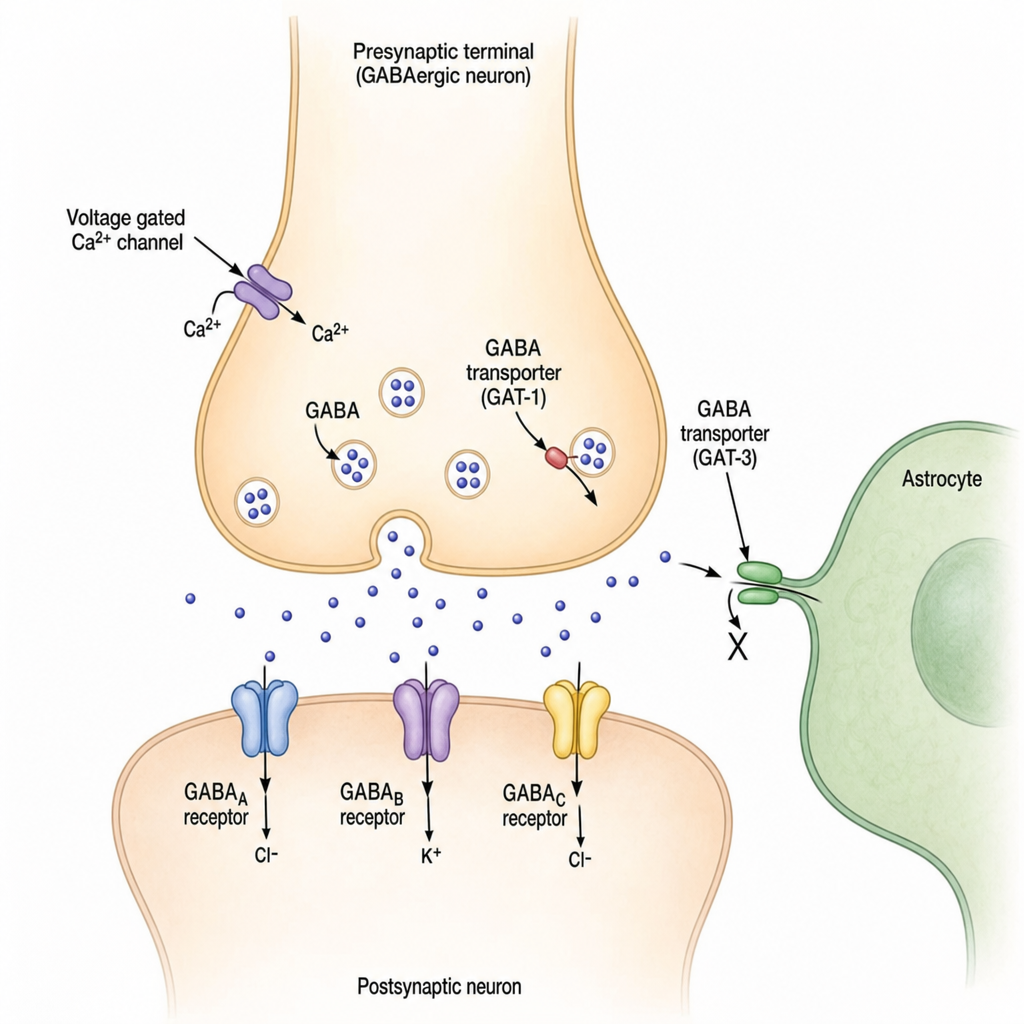
Explanation: ### Explanation **Correct Option: C. These act as GABA facilitators.** Benzodiazepines (BZDs) work by binding to a specific site on the **GABA-A receptor** (between the $\alpha$ and $\gamma$ subunits). They do not activate the receptor directly; instead, they act as **positive allosteric modulators**. They increase the **frequency** of chloride channel opening in the presence of GABA, leading to hyperpolarization of the neuron. This enhancement of GABA’s inhibitory effect is why they are termed "GABA facilitators." **Why other options are incorrect:** * **A. These are very unsafe drugs:** BZDs are relatively safe compared to older sedatives like barbiturates. They have a high therapeutic index and rarely cause fatal respiratory depression unless combined with other CNS depressants (like alcohol). * **B. These are powerful enzyme inducers:** Unlike barbiturates (which are potent microsomal enzyme inducers), BZDs **do not induce hepatic enzymes**. This makes them safer regarding drug-drug interactions. * **D. The antidote for these is protamine sulfate:** Protamine sulfate is the antidote for Heparin. The specific competitive antagonist for benzodiazepine overdose is **Flumazenil**. **High-Yield NEET-PG Pearls:** * **Mechanism Distinction:** BZDs increase the **frequency** of channel opening, while Barbiturates increase the **duration** of channel opening. * **Metabolism:** Most BZDs are metabolized by Phase I (oxidation) and Phase II (glucuronidation) reactions. However, **L-O-T** drugs (**L**orazepam, **O**xazepam, **T**emazepam) undergo only Phase II reactions, making them safer in elderly patients or those with liver failure. * **Drug of Choice:** BZDs are the DOC for **Status Epilepticus** (Lorazepam/Diazepam) and **Alcohol Withdrawal** (Chlordiazepoxide).
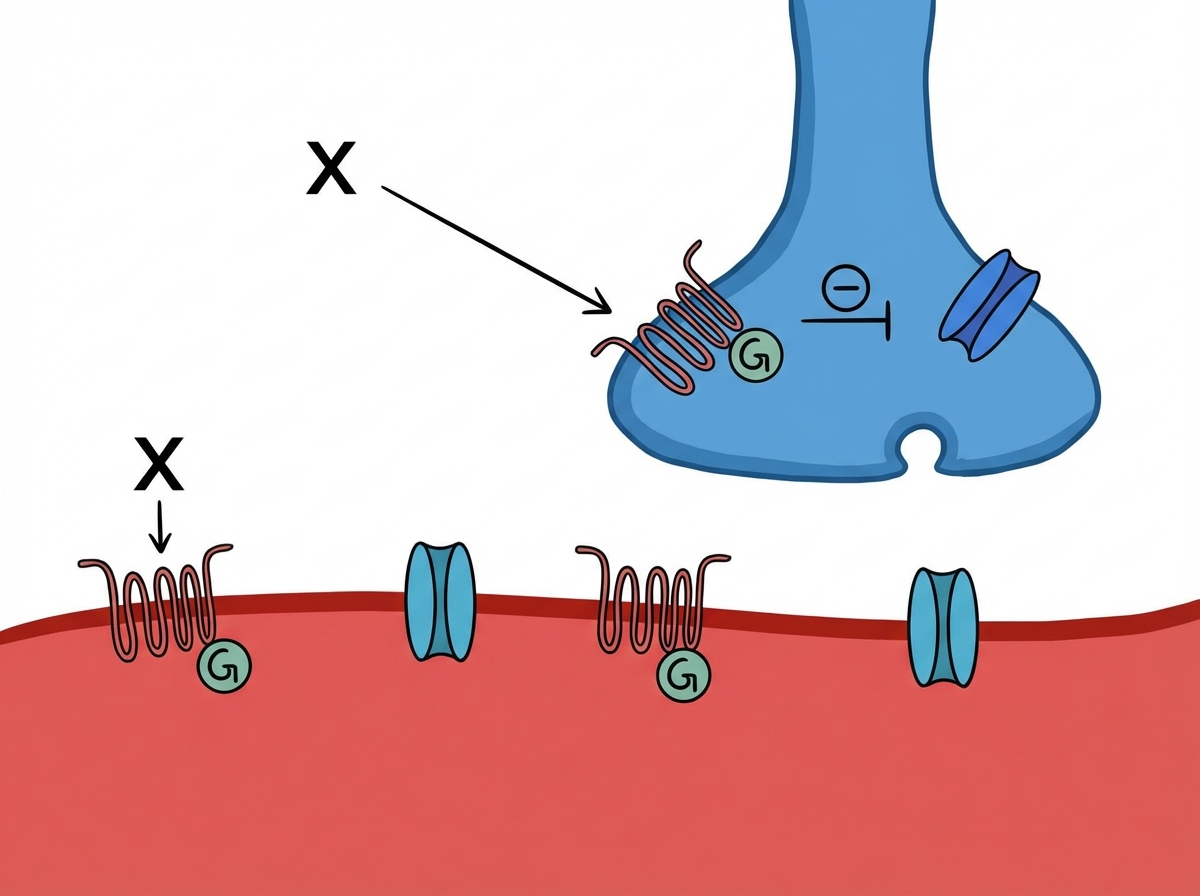
Explanation: **Explanation:** **Pegvisomant** is a genetically modified analog of human growth hormone (GH) that acts as a highly selective **Growth Hormone Receptor Antagonist**. 1. **Why Acromegaly is Correct:** In Acromegaly, there is an overproduction of GH (usually from a pituitary adenoma), leading to elevated levels of Insulin-like Growth Factor-1 (IGF-1). Pegvisomant binds to the GH receptor but prevents the functional dimerization and signal transduction required for IGF-1 production. Unlike Somatostatin analogs (e.g., Octreotide), which inhibit GH *secretion*, Pegvisomant blocks GH *action* at the periphery. It is primarily used for patients who are resistant to or intolerant of surgery, radiation, or somatostatin analogs. 2. **Why Other Options are Incorrect:** * **Parkinsonism:** Treated with dopaminergic agents (Levodopa) or anticholinergics. Pegvisomant has no effect on dopamine receptors or the basal ganglia. * **Hyperprolactinemia:** Managed with Dopamine Agonists (e.g., Cabergoline, Bromocriptine) which inhibit prolactin release from the pituitary. * **Amenorrhoea:** This is a clinical symptom often caused by hyperprolactinemia or PCOS. While Pegvisomant might indirectly help if acromegaly is the cause, it is not a standard treatment for amenorrhoea itself. **High-Yield Clinical Pearls for NEET-PG:** * **Mechanism:** GH Receptor Antagonist (prevents receptor dimerization). * **Monitoring:** Unlike other treatments, GH levels will remain high (or even increase) during therapy; therefore, **serum IGF-1 levels** are used to monitor treatment efficacy. * **Side Effect:** Potential for liver enzyme elevation; periodic LFT monitoring is required. * **Administration:** Subcutaneous injection.
Explanation: **Phenytoin** is the correct answer because it is associated with a specific constellation of side effects often tested in NEET-PG, including gingival hyperplasia and hirsutism. ### **Explanation of the Correct Answer** Phenytoin acts by blocking voltage-gated sodium channels in their inactive state. Its side effect profile is extensive and can be remembered by the mnemonic **"HOT MALAI"**: * **H**irsutism (excessive facial/body hair) * **O**steomalacia (due to Vitamin D interference) * **T**eratogenicity (Fetal Hydantoin Syndrome) * **M**egaloblastic anemia (due to Folate deficiency) * **A**taxia and Nystagmus (signs of toxicity) * **L**ymphadenopathy * **A**plastic anemia/Granulocytopenia (bone marrow suppression) * **I**nsulin inhibition (leading to hyperglycemia) * **Gingival Hyperplasia:** Occurs due to overgrowth of gum tissue, likely caused by increased expression of platelet-derived growth factor (PDGF). ### **Why Other Options are Incorrect** * **Valproate:** Primarily causes weight gain, alopecia (hair loss, not hirsutism), hepatotoxicity, and pancreatitis. It is highly teratogenic (neural tube defects). * **Carbamazepine:** Known for causing diplopia, SIADH (hyponatremia), and serious skin reactions like Stevens-Johnson Syndrome (SJS), especially in patients with the HLA-B*1502 allele. * **Phenobarbitone:** Commonly causes sedation, cognitive impairment, and behavioral changes in children. It does not cause gingival hyperplasia or hirsutism. ### **High-Yield Clinical Pearls for NEET-PG** 1. **Zero-Order Kinetics:** Phenytoin follows saturation (non-linear) kinetics at therapeutic concentrations; a small dose increase can lead to a disproportionate rise in plasma levels. 2. **Fetal Hydantoin Syndrome:** Characterized by hypoplastic phalanges, cleft lip/palate, and microcephaly. 3. **Drug of Choice:** Phenytoin is a first-line agent for Generalized Tonic-Clonic Seizures (GTCS) and Status Epilepticus (though Fosphenytoin is preferred for IV use).
Explanation: **Explanation:** **Onabotulinum toxin A** is a neurotoxin derived from *Clostridium botulinum*. It acts by cleaving the **SNAP-25 protein**, which prevents the fusion of synaptic vesicles with the neuronal membrane, thereby inhibiting the release of **Acetylcholine** at the neuromuscular junction. **Why Chronic Migraine is the Correct Answer:** While Botulinum toxin is used for various muscular conditions, the specific formulation **Onabotulinum toxin A** (Botox) is FDA-approved and specifically indicated for the prophylaxis of **Chronic Migraine** (defined as ≥15 headache days per month, with at least 8 being migraines, for >3 months). In this context, it is thought to work by inhibiting the release of nociceptive neuropeptides like **CGRP** (Calcitonin Gene-Related Peptide) and Substance P, thereby reducing peripheral and central sensitization. **Analysis of Other Options:** * **A, C, and D (Cervical dystonia, Blepharospasm, and Strabismus):** While Botulinum toxin is indeed used to treat these conditions, they are typically treated with various formulations (including AbobotulinumtoxinA or IncobotulinumtoxinA). In the context of standard medical examinations, when "Chronic Migraine" is provided as an option alongside focal dystonias, it highlights the specific, high-yield preventive indication for Onabotulinum toxin A that distinguishes it from purely motor-disorder treatments. **NEET-PG High-Yield Pearls:** * **Mechanism:** Proteolysis of SNAP-25 (SNARE protein). * **Clinical Use:** Achalasia cardia, Hyperhidrosis (excessive sweating), and Spasticity. * **Cosmetic Use:** Reduction of glabellar lines ("frown lines"). * **Contraindication:** Myasthenia Gravis and Eaton-Lambert Syndrome (due to pre-existing neuromuscular junction weakness). * **Antidote:** Botulism antitoxin (heptavalent).
Explanation: **Explanation:** **Metabolic syndrome**—characterized by weight gain, dyslipidemia, and hyperglycemia—is a notorious side effect of **Antipsychotic drugs**, particularly the **Second-Generation Antipsychotics (SGAs)** or atypical antipsychotics [1]. **Why Antipsychotics are the Correct Answer:** The mechanism involves the blockade of **H1 (Histamine)** and **5-HT2C (Serotonin)** receptors, which leads to increased appetite and hyperphagia [3]. Additionally, these drugs interfere with insulin signaling and glucose metabolism [2]. Among the SGAs, **Clozapine** and **Olanzapine** carry the highest risk for metabolic syndrome, while Ziprasidone and Aripiprazole are considered relatively weight-neutral [1], [4]. **Why Other Options are Incorrect:** * **Anti-anxiety drugs (Benzodiazepines):** These primarily act via GABA-A receptors. Their main side effects are sedation, ataxia, and cognitive impairment, not metabolic derangement. * **Anticholinergic drugs:** These cause "dry" symptoms (dry mouth, blurred vision, urinary retention, and constipation) and tachycardia [3]. They do not significantly impact glucose or lipid metabolism. * **Antidepressants (not listed but relevant):** While some (like Mirtazapine) cause weight gain, the association with full-blown metabolic syndrome is most profound and clinically monitored in antipsychotic therapy. **NEET-PG High-Yield Pearls:** 1. **Monitoring:** Patients on Clozapine/Olanzapine require baseline and periodic monitoring of BMI, waist circumference, fasting blood glucose, and lipid profile [5]. 2. **Hyperprolactinemia:** While SGAs cause metabolic issues, **Risperidone** (an SGA) is unique for causing significant prolactin elevation, similar to First-Generation Antipsychotics (FGAs) [3]. 3. **Drug of Choice:** For a psychotic patient with pre-existing obesity or diabetes, **Aripiprazole** or **Ziprasidone** are preferred [4].
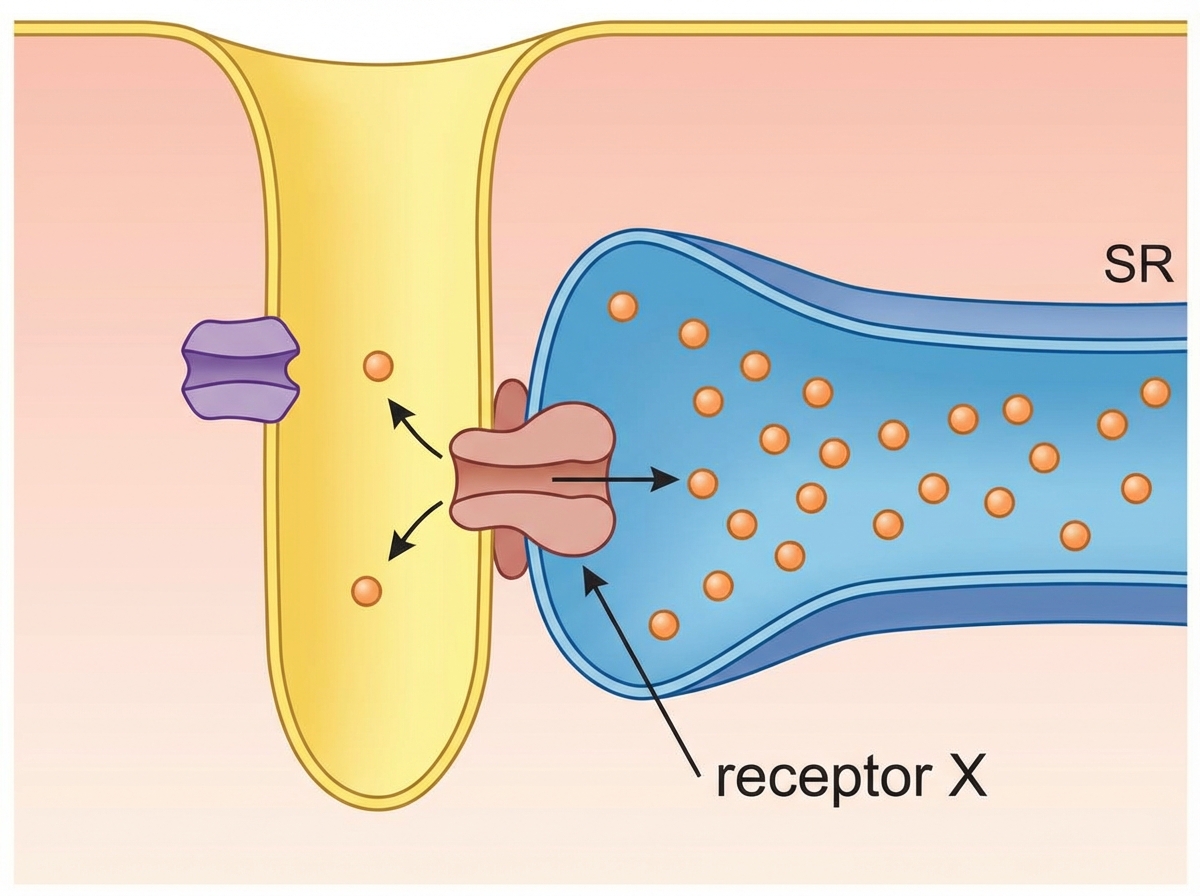
Explanation: **Explanation:** **Mechanism of Action:** Dantrolene is a unique skeletal muscle relaxant that acts **peripherally** rather than centrally. Its primary mechanism involves binding to the **Ryanodine Receptor 1 (RyR1)** channels located on the membrane of the **Sarcoplasmic Reticulum (SR)** in skeletal muscle. By blocking these receptors, dantrolene inhibits the release of stored calcium ions ($Ca^{++}$) into the cytosol. Since calcium is essential for the interaction between actin and myosin, its sequestration prevents muscle contraction (excitation-contraction uncoupling). **Analysis of Options:** * **Option A:** While dantrolene does inhibit $Ca^{++}$ release, Option B is the **more specific** and accurate pharmacological description required for PG entrance exams, as it identifies the exact molecular target (Ryanodine receptor). * **Option C:** GABA inhibition is associated with convulsants (e.g., Picrotoxin). Central muscle relaxants like Baclofen actually *stimulate* GABA receptors. * **Option D:** Inhibition of gamma motor neurons is the mechanism of action for **Cyclobenzaprine**, a centrally acting antispasmodic. **High-Yield Clinical Pearls for NEET-PG:** * **Drug of Choice (DOC):** Dantrolene is the gold standard treatment for **Malignant Hyperthermia** (triggered by volatile anesthetics or succinylcholine) and **Neuroleptic Malignant Syndrome (NMS)**. * **Specificity:** It acts specifically on skeletal muscle and has little to no effect on cardiac or smooth muscle (which utilize RyR2 receptors). * **Adverse Effect:** The most significant chronic side effect is **hepatotoxicity**; therefore, Liver Function Tests (LFTs) should be monitored.
Explanation: ### Explanation The correct answer is **Zaleplon**. **1. Why Zaleplon is Correct:** Zaleplon belongs to the "Z-drugs" (Non-benzodiazepine hypnotics), which also include Zolpidem and Eszopiclone. These drugs act as **selective agonists at the $\alpha_1$ subunit** of the $GABA_A$ receptor complex (BZ1 site). * **Mechanism:** They facilitate GABA-mediated inhibitory neurotransmission. * **Selectivity:** Because they specifically target the $\alpha_1$ subunit (responsible for sedation) and avoid $\alpha_2, \alpha_3,$ and $\alpha_5$ subunits, they **lack** significant anticonvulsant, muscle relaxant, or anti-anxiety properties. * **Sleep Architecture:** Unlike benzodiazepines, Z-drugs have minimal impact on REM sleep or NREM stage 3/4 (deep sleep), preserving a more natural sleep profile. Zaleplon specifically has a very short half-life (~1 hour), making it ideal for sleep induction without next-day hangover effects. **2. Why Other Options are Incorrect:** * **Buspirone:** It is a 5-$HT_{1A}$ partial agonist used for generalized anxiety disorder. It does not act on GABA receptors and is not a hypnotic. * **Diazepam:** A classic benzodiazepine that binds non-selectively to various GABA subunits. Consequently, it possesses potent anticonvulsant, muscle relaxant, and anxiolytic properties and significantly alters sleep architecture (decreases REM and Stage 4 sleep). * **Phenobarbital:** A barbiturate that increases the *duration* of GABA channel opening. It has powerful anticonvulsant effects and causes significant suppression of REM sleep and respiratory depression. **3. High-Yield NEET-PG Pearls:** * **Zaleplon:** Shortest acting Z-drug; used for "sleep-onset" insomnia or middle-of-the-night awakening. * **Zolpidem:** Most common Z-drug; can cause side effects like sleep-walking (parasomnias). * **Eszopiclone:** Longest half-life among Z-drugs; used for "sleep-maintenance" insomnia. * **Antidote:** **Flumazenil** reverses the effects of both Benzodiazepines and Z-drugs.
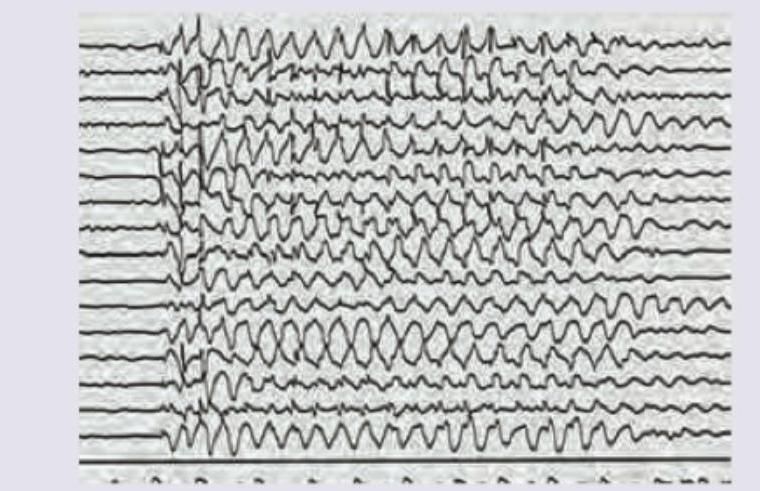
Explanation: **Explanation:** **Ethosuximide** is the drug of choice for **Absence Seizures (Petit Mal)** [1]. **1. Why Absence Seizure is correct:** The pathophysiology of absence seizures involves abnormal T-type $Ca^{2+}$ currents in the thalamic neurons, which act as a pacemaker to generate the characteristic 3 Hz spike-and-wave discharges on EEG [2]. Ethosuximide works specifically by **inhibiting these T-type voltage-gated calcium channels** in the thalamus [1], thereby suppressing the rhythmic cortical discharges without significantly affecting other ion channels. **2. Why other options are incorrect:** * **Tonic-clonic (GTCS) and Partial Seizures:** These involve different mechanisms (primarily $Na^+$ channel overactivity). Ethosuximide has a very narrow spectrum and is ineffective against these seizures. Drugs like Valproate, Phenytoin, or Carbamazepine are preferred here. * **Myoclonic Seizures:** While Valproate is the drug of choice for myoclonic seizures, Ethosuximide does not provide the necessary broad-spectrum coverage required for this seizure type. **High-Yield Clinical Pearls for NEET-PG:** * **Drug of Choice (DOC):** Ethosuximide is the DOC for pure absence seizures. However, if a patient has **concomitant** absence and GTCS, **Valproate** becomes the DOC. * **Side Effects:** Remember the mnemonic **EFGH** — **E**thesuximide causes **F**atigue, **G**I distress, **H**eadache (and rarely Hematologic issues like Stevens-Johnson Syndrome). * **EEG Finding:** Absence seizures are classically associated with **3 Hz spike-and-wave patterns** [2].
Explanation: **Explanation:** **Vigabatrin (Option A)** is the correct answer because it is associated with a high risk of **permanent bilateral concentric visual field constriction** (peripheral vision loss). This occurs in approximately 30–50% of patients due to the accumulation of GABA in the retina, leading to retinal toxicity. Consequently, baseline visual field testing (perimetry) is mandatory before initiation, followed by monitoring every 6 months. **Why the other options are incorrect:** * **Topiramate (Option B):** While it can cause ocular side effects like acute myopia and secondary angle-closure glaucoma, it does not typically require routine visual field monitoring. Its most high-yield side effects are nephrolithiasis and cognitive "fogging." * **Valproic acid (Option C):** Primarily associated with hepatotoxicity, pancreatitis, and neural tube defects. It does not have significant ocular toxicity. * **Carbamazepine (Option D):** Known for causing diplopia and ataxia as dose-related side effects, but it does not cause permanent visual field defects requiring screening. **Clinical Pearls for NEET-PG:** * **Mechanism of Action:** Vigabatrin is an irreversible inhibitor of **GABA-transaminase**, the enzyme responsible for GABA degradation. * **Drug of Choice:** It is the first-line treatment for **Infantile Spasms** (West Syndrome) associated with Tuberous Sclerosis. * **Mnemonic:** **Vi**gabatrin = **Vi**sual field loss (**Vi**-**Ga**-**B**atrin: **Vi**sual **Ga**ba **B**locker). * **Black Box Warning:** Due to the risk of permanent vision loss, it is often restricted to patients who have failed other treatments.
Explanation: ### Explanation **Correct Option: A. Phenytoin** Phenytoin is a first-generation antiepileptic drug that acts by blocking voltage-gated sodium channels. The clinical triad of **gingival hyperplasia** (due to increased expression of platelet-derived growth factor), **hirsutism**, and **coarsening of facial features** is a classic "signature" side effect profile of chronic Phenytoin therapy. These changes occur due to its effect on connective tissue metabolism and androgenic-like stimulation. **Incorrect Options:** * **B. Valproic Acid:** Known for causing weight gain, alopecia (hair loss), and hepatotoxicity. It is a broad-spectrum agent but does not cause gingival or facial coarsening. * **C. Ethosuximide:** The drug of choice for Absence seizures. Its primary side effects are GI distress (nausea/vomiting) and lethargy; it is not associated with connective tissue changes. * **D. Lamotrigine:** A newer antiepileptic known for causing life-threatening skin rashes, specifically **Stevens-Johnson Syndrome (SJS)**. It does not cause hirsutism or gingival hypertrophy. **High-Yield Clinical Pearls for NEET-PG:** * **Mnemonic for Phenytoin Side Effects (PH_NYTOIN):** **P**-P450 inducer, **H**-Hirsutism, **H**-Hyperplasia of gums, **N**-Nystagmus (earliest sign of toxicity), **Y**-Yellow-brown skin (pigmentation), **T**-Teratogenicity (Fetal Hydantoin Syndrome), **O**-Osteomalacia (Vitamin D deficiency), **I**-Interference with B12/Folate (Megaloblastic anemia), **N**-Neuropathy (Peripheral). * **Pharmacokinetics:** Phenytoin follows **Zero-order kinetics** (Capacity-limited elimination) at therapeutic or high concentrations, making its plasma levels highly unpredictable. * **Fetal Hydantoin Syndrome:** Characterized by cleft lip/palate and digital hypoplasia.
General Anesthetics
Practice Questions
Local Anesthetics
Practice Questions
Sedative-Hypnotics
Practice Questions
Antiepileptic Drugs
Practice Questions
Antiparkinsonian Drugs
Practice Questions
Opioid Analgesics
Practice Questions
Drugs of Abuse and Addiction
Practice Questions
Psychostimulants
Practice Questions
Hallucinogens
Practice Questions
CNS Stimulants and Cognitive Enhancers
Practice Questions
Get full access to all questions, explanations, and performance tracking.
Start For Free