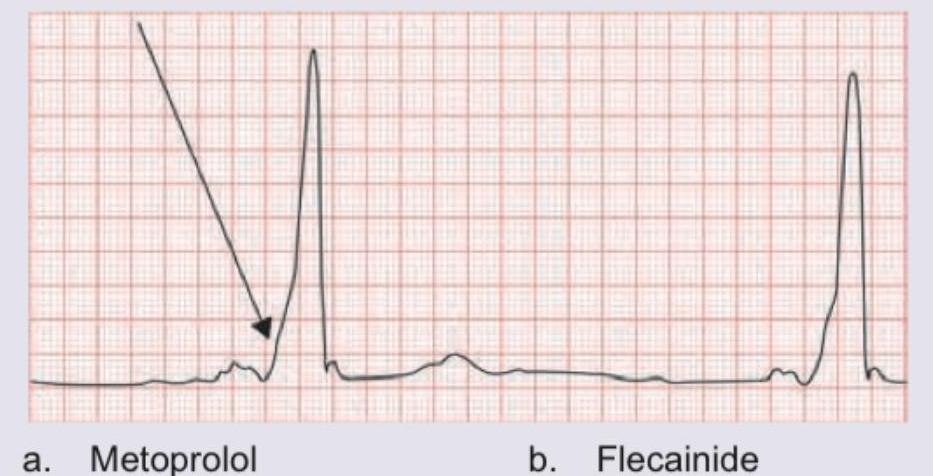
A young air force pilot complains of palpitations and recurrent pre-syncope like condition during training exercises. He passed out in the cockpit in last training exercise after which he is grounded and sent for medical examination. ECG was done. Which of the following drugs is absolutely contraindicated in this condition?
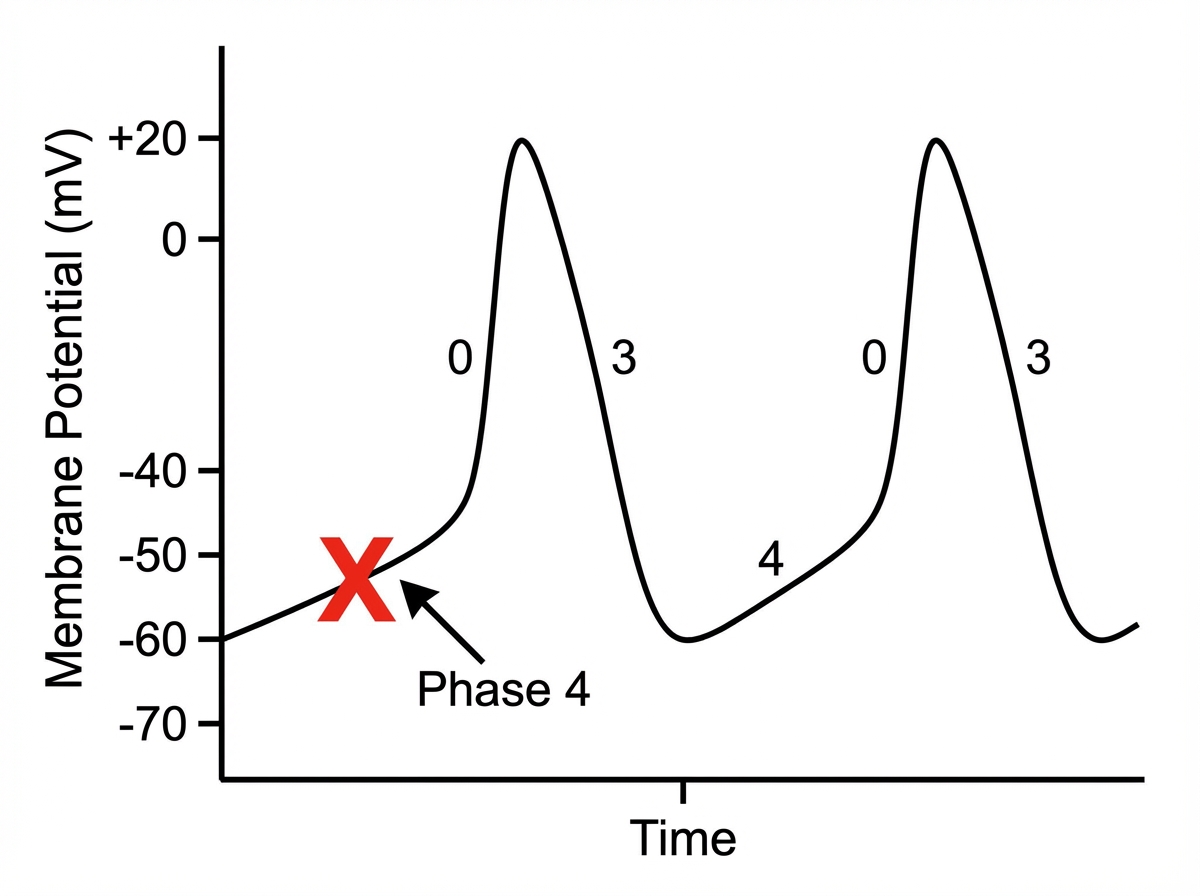
Which of the following drugs will act on the phase of cardiac action potential marked as $X$ ?
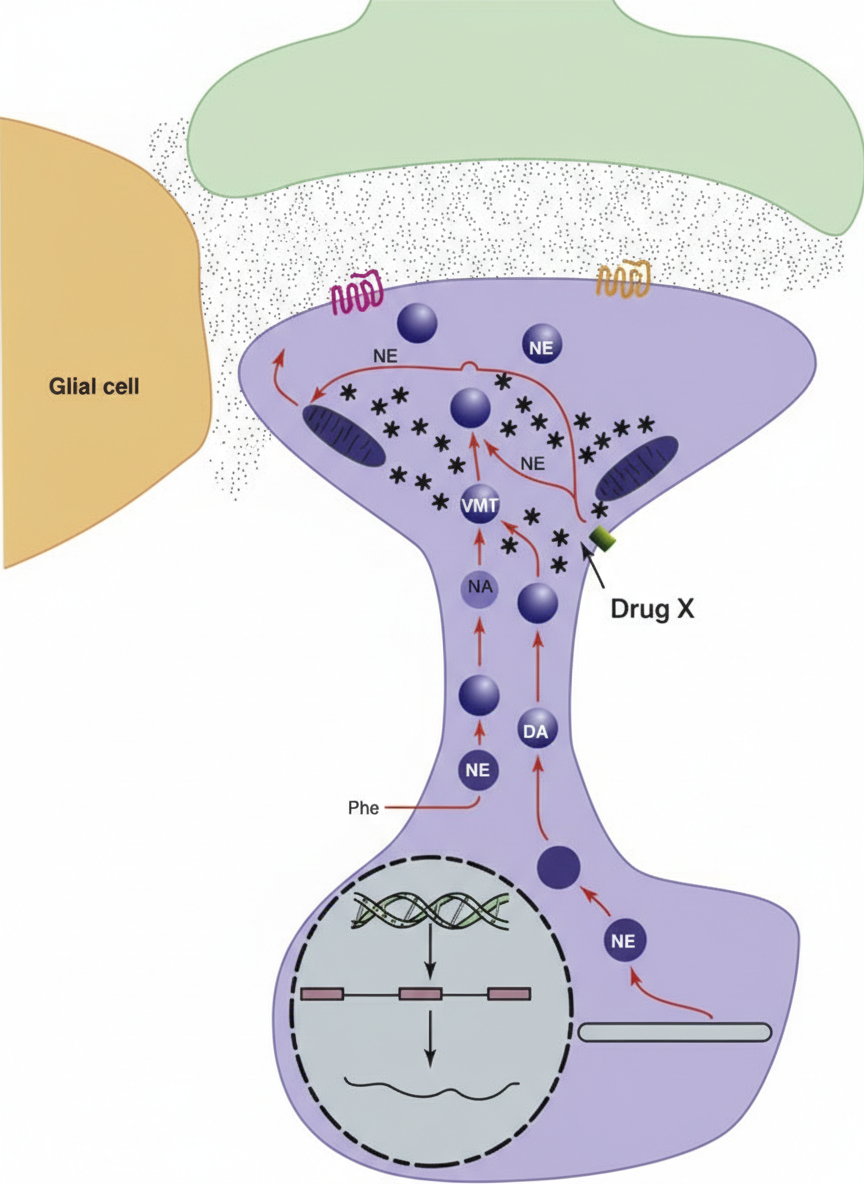
The synaptic cleft shown is from the sympathetic outflow system. The following anti-hypertensive drug $X$ acts via the mechanism shown below:
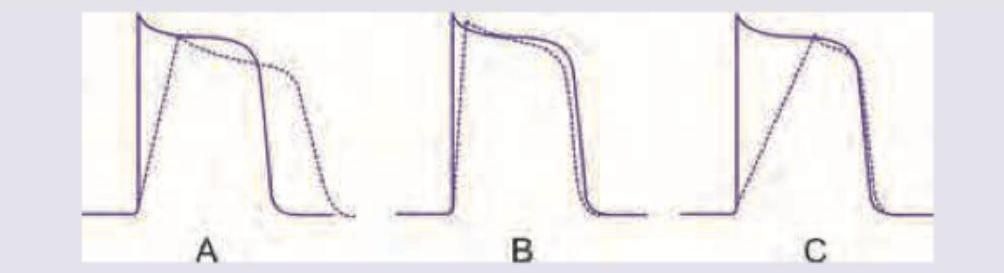
Which of the anti-arrhythmic drug actions shown below will have high predisposition to development of Torsades de pointes?
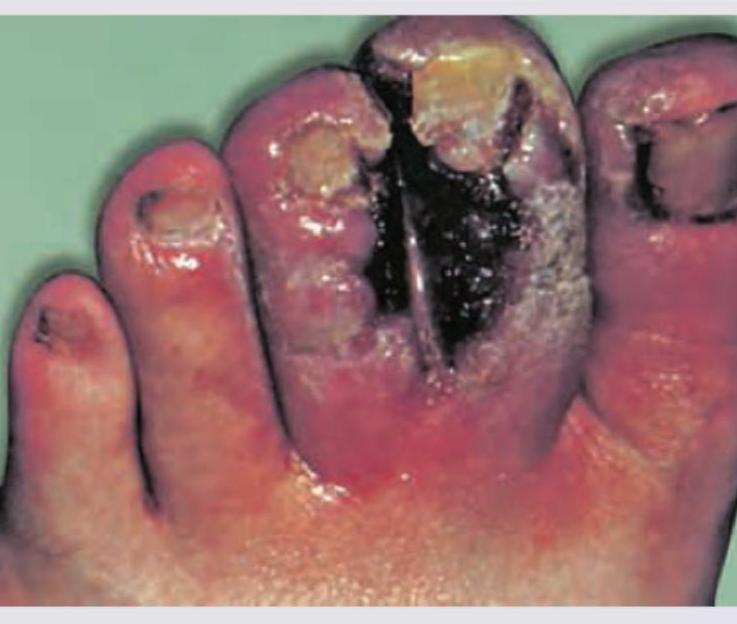
A 30-year-old male chronic smoker presents with this condition. Which of the following drugs is the preferred drug for improving circulation?
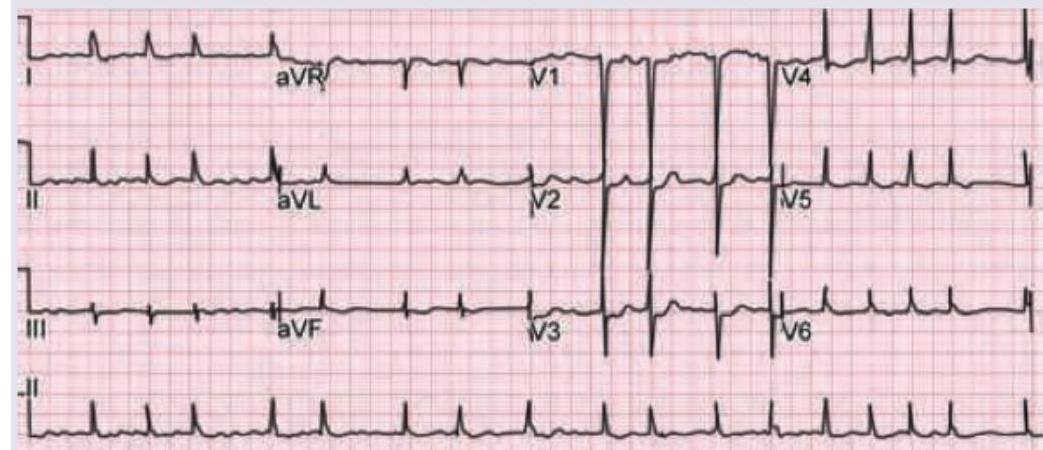
A 50-year-old woman with rheumatic heart disease is on medication for heart disease. She feels unwell for most part of the day. Which of the following medicine is responsible for the ECG changes shown below? (Recent NEET Pattern 2016-17)
Which one of the following responses to intravenous adenosine is correctly matched?
Which of the following anti-hypertensive drugs is/are best avoided during pregnancy ?
Match the following antiarrhythmic drugs with their mechanism of action: | Mechanism of action | Drug | | :-- | :-- | | 1. Na+ channel blocker | A. Quinidine | | 2. K+ channel blocker | B. Digoxin | | 3. Na+K+ ATPase inhibitor | C. Esmolol | | 4. Beta-blocker | D. Ibutilide |
Identify the correct match, regarding the drug and its adverse effect.
Explanation: ***Adenosine*** - The ECG shows a **delta wave** characteristic of **Wolff-Parkinson-White (WPW) syndrome**, indicating ventricular pre-excitation via an accessory pathway (Bundle of Kent). - **Adenosine is absolutely contraindicated** in WPW syndrome when there is risk of **atrial fibrillation or atrial flutter**, as it blocks the **AV node** preferentially while having minimal effect on the accessory pathway. - This causes all atrial impulses to be conducted exclusively through the **accessory pathway**, which can lead to extremely **rapid ventricular rates** and potentially **ventricular fibrillation**. - Given the patient's symptoms of syncope and palpitations during stress (which can trigger AF), adenosine poses significant risk. *Flecainide* - **Class IC antiarrhythmic** that blocks fast sodium channels in both the **AV node AND the accessory pathway**. - Flecainide is actually **used to treat WPW syndrome** as it slows conduction through both pathways and increases the refractory period of the accessory pathway. - It is one of the **recommended drugs** for preventing recurrent arrhythmias in symptomatic WPW patients. *Metoprolol* - **Beta-blockers** can be used cautiously in WPW for rate control, but are **relatively contraindicated** if there is atrial fibrillation with rapid ventricular response via the accessory pathway. - They primarily slow AV nodal conduction and may paradoxically increase ventricular rate if AF develops. - However, they are not as absolutely contraindicated as adenosine in the acute setting. *None* - This is incorrect because there are specific drugs that are absolutely contraindicated in WPW syndrome, particularly **adenosine, digoxin, verapamil, and diltiazem** when there is risk of pre-excited atrial fibrillation.
Explanation: ***Ivabradine*** - Phase X in the image refers to the **funny current (If)**, which is responsible for the **spontaneous depolarization** of pacemaker cells in the heart. - **Ivabradine** selectively inhibits the funny current, thereby reducing heart rate without affecting contractility or blood pressure significantly. *Verapamil* - Verapamil is a **calcium channel blocker** that primarily acts on L-type calcium channels. - Its effects are mainly on the **depolarization phase (phase 0 in nodal cells, phase 2 in ventricular myocytes)** and plateau phase, not the funny current. *Lidocaine* - Lidocaine is a **sodium channel blocker** (Class IB antiarrhythmic). - It primarily acts on phase 0 of the action potential in ventricular myocytes by **reducing sodium influx**, which is not the phase indicated by X. *Flecainide* - Flecainide is a **sodium channel blocker** (Class IC antiarrhythmic). - It primarily affects the **depolarization (phase 0) of cardiac myocytes** by blocking fast sodium channels, which is distinct from the funny current (Phase X).
Explanation: ***Reserpine*** - The image indicates that drug X acts on the **neurotransmitter re-uptake pump** located on the synaptic vesicles within the axon terminal. - **Reserpine** inhibits the **vesicular monoamine transporter (VMAT)**, which is responsible for packaging neurotransmitters like norepinephrine, dopamine, and serotonin into synaptic vesicles for release. - This depletes neurotransmitter stores and reduces sympathetic activity, leading to anti-hypertensive effect. *Clonidine* - **Clonidine** is an **alpha-2 adrenergic agonist** that acts pre-synaptically on autoreceptors to reduce the release of norepinephrine. - Its mechanism does not involve directly blocking the re-uptake pump as depicted in the image. *Trimethaphan* - **Trimethaphan** is a **ganglionic blocker** that acts by interfering with nicotinic receptors at autonomic ganglia. - It does not directly affect neurotransmitter re-uptake or storage within the presynaptic terminal as shown in the diagram. *Guanethidine* - **Guanethidine** is an adrenergic neuron blocker that inhibits the **release** of norepinephrine from nerve terminals. - Unlike reserpine, it does not block VMAT or affect vesicular storage of neurotransmitters as depicted in the mechanism shown.
Explanation: ***A*** - This graph shows significant **QT prolongation** due to inhibition of delayed rectifier potassium channels (**IKr**), characteristic of **Class III antiarrhythmic drugs** like sotalol and amiodarone. - The prolonged repolarization increases risk of **early afterdepolarizations (EADs)**, which can trigger **Torsades de pointes** arrhythmias. *B* - This graph shows **decreased phase 0 slope** of depolarization with minimal change in action potential duration, characteristic of **Class IC antiarrhythmics** like flecainide. - Class IC drugs primarily block **fast sodium channels** causing conduction slowing, but have **low predisposition** to Torsades de pointes due to minimal QT prolongation. *C* - This graph shows **shortened action potential duration** with changes in phase 4 and phase 0, characteristic of **Class I/II antiarrhythmic combinations**. - **No significant QT prolongation** is observed compared to baseline, therefore the predisposition to **Torsades de pointes is minimal**. *D* - This graph shows **rate slowing effects** with prolonged cycle length, characteristic of **Class II antiarrhythmics** (beta-blockers) like propranolol. - Beta-blockers have **protective effects** against arrhythmias and do not cause QT prolongation, thus having **very low Torsades de pointes risk**.
Explanation: ***Cilostazol*** - The image shows **gangrenous toes** in a **chronic smoker**, suggesting peripheral arterial disease (PAD) or Buerger's disease (thromboangiitis obliterans), which is typically seen in young to middle-aged males who are heavy smokers and presents with limb ischemia. - **Cilostazol** is a phosphodiesterase-3 inhibitor that inhibits platelet aggregation and is a direct arterial vasodilator, making it the preferred drug for improving **claudication** and circulation in PAD. *Prasugrel* - **Prasugrel** is an antiplatelet drug used primarily in acute coronary syndromes undergoing percutaneous coronary intervention (PCI) to reduce thrombotic events. - While it reduces platelet aggregation, it does not directly improve peripheral circulation or symptoms of claudication as effectively as cilostazol in PAD. *Naftidrofuryl* - **Naftidrofuryl** is a peripheral vasodilator and serotonin 5-HT2 receptor antagonist used primarily for treating intermittent claudication and has some evidence for improving pain-free walking distance. - However, it is generally considered a second-line agent, and its efficacy is often less pronounced than cilostazol, particularly in severe cases of peripheral ischemia. *Xanthine nicotinate* - **Xanthine nicotinate** is a derivative of nicotinic acid with vasodilator properties, sometimes used to improve circulation in peripheral vascular disease. - Its efficacy in severe peripheral ischemia or symptomatic claudication is generally considered limited compared to other agents like cilostazol, and it is not typically a preferred first-line treatment.
Explanation: ***Digoxin*** - The ECG shows changes characteristic of **digoxin toxicity**, specifically **downsloping ST depressions (scooping)** and **flattened or inverted T waves**, particularly in leads with dominant R waves. - The patient's symptoms of feeling "unwell for most part of the day" are consistent with **digoxin toxicity**, which can include nausea, fatigue, and cardiac arrhythmias. *ACE inhibitor* - ACE inhibitors primarily affect the **renin-angiotensin-aldosterone system** and do not typically cause these specific ECG changes. - Common side effects include cough and **hyperkalemia**, not the "scooped" ST segments seen here. *Diuretics* - Diuretics can cause **electrolyte imbalances**, such as hypokalemia, which might manifest as **flattened T waves** or **prominent U waves** on ECG, but not the characteristic "scooped" ST depression. - The symptoms of malaise are non-specific and while possible with electrolyte disturbances, the specific ECG pattern points away from diuretics as the primary cause. *Ivabradine* - Ivabradine is a **selective If channel inhibitor** that primarily reduces heart rate, without affecting myocardial contractility or repolarization significantly. - It does not cause the **ST segment changes** characteristic of digoxin effect or toxicity.
Explanation: ***Atrio-ventricular nodal reentrant tachycardia - Termination and complete recovery*** - Adenosine acts on **adenosine A1 receptors** in the AV node, causing **transient AV nodal block** and interrupting the reentrant circuit in **AVNRT**, leading to abrupt termination and recovery of normal sinus rhythm. - This characteristic response makes adenosine a primary diagnostic and therapeutic agent for **AVNRT**. *Atrial flutter - Termination and complete recovery* - Adenosine can transiently increase **AV block** in atrial flutter, making the flutter waves more apparent and aiding diagnosis, but it **rarely terminates atrial flutter** itself. - The underlying reentrant circuit for atrial flutter is typically in the **atria**, outside the AV node. *Ventricular tachycardia - Termination and complete recovery* - Adenosine is **generally ineffective** in terminating **most forms of ventricular tachycardia (VT)** because VT originates below the AV node. - While it can be helpful diagnostically by excluding supraventricular tachycardias or unmasking broad complex SVT, adenosine **does not usually terminate VT**. *Atrial fibrillation - Termination* - Adenosine **does not terminate atrial fibrillation**; instead, it can temporarily **slow the ventricular rate** by increasing the AV nodal block. - The rapid and chaotic atrial activity in atrial fibrillation is largely **unaffected by adenosine**, as the drug primarily acts on the AV node.
Explanation: ***Angiotensin converting enzyme inhibitors*** - **ACE inhibitors** are contraindicated in pregnancy due to their association with **fetal renal abnormalities**, **oligohydramnios**, and **fetal death**. - They can cause severe **birth defects** and are categorized as pregnancy category D drugs, meaning there is positive evidence of human fetal risk. *Nifedipine* - **Nifedipine**, a dihydropyridine calcium channel blocker, is considered a **safe** and effective antihypertensive in pregnancy. - It is frequently used for managing **hypertension** and **preterm labor** in pregnant women. *Methyldopa* - **Methyldopa** is often considered the **first-line drug** for chronic hypertension in pregnancy due to its established safety profile for both mother and fetus. - It has a long history of use and is one of the most studied antihypertensives in pregnancy. *Labetalol* - **Labetalol**, a combined alpha and beta-blocker, is also considered a **safe** and effective option for managing hypertension in pregnancy. - It is often used for **gestational hypertension** and **preeclampsia** and has a good fetal safety record.
Explanation: ***1-A, 2-D, 3-B, 4-C*** - **Quinidine** is a Class IA antiarrhythmic drug that primarily blocks **sodium channels**, prolonging the action potential duration and refractoriness. - **Ibutilide** is a Class III antiarrhythmic drug that blocks **potassium channels**, leading to delayed repolarization and increased effective refractory period. - **Digoxin** inhibits the **Na+/K+ ATPase pump**, increasing intracellular calcium and affecting AV nodal conduction. - **Esmolol** is a **beta-blocker** (Class II antiarrhythmic) that reduces heart rate and contractility by blocking β1-adrenergic receptors. *1-A, 2-C, 3-D, 4-B* - This option incorrectly matches **Esmolol** (a beta-blocker) with **K+ channel blocker** and **Ibutilide** (K+ channel blocker) with **Na+K+ ATPase inhibitor**. - It also incorrectly matches **Digoxin** (Na+K+ ATPase inhibitor) with **beta-blocker**. *1-D, 2-C, 3-A, 4-B* - This option incorrectly matches **Ibutilide** (K+ channel blocker) with **Na+ channel blocker** and incorrectly matches **Quinidine** (Na+ channel blocker) with **Na+K+ ATPase inhibitor**. - It also incorrectly matches **Digoxin** (Na+K+ ATPase inhibitor) with **beta-blocker**. *1-D, 2-B, 3-A, 4-C* - This option incorrectly matches **Ibutilide** (K+ channel blocker) with **Na+ channel blocker** and **Digoxin** (Na+K+ ATPase inhibitor) with **K+ channel blocker**. - It also incorrectly matches **Quinidine** (Na+ channel blocker) with **Na+K+ ATPase inhibitor**.
Explanation: ***Verapamil - Constipation*** - **Verapamil**, a **non-dihydropyridine calcium channel blocker**, frequently causes constipation due to its effect on smooth muscle in the gastrointestinal tract, leading to **decreased intestinal motility**. - This adverse effect is common and often dose-dependent, making it a significant consideration in patient management. *Aliskiren - hypokalemia* - **Aliskiren**, a **direct renin inhibitor**, can cause **hyperkalemia** by reducing angiotensin II levels, which normally stimulate aldosterone secretion. - It does not typically cause hypokalemia; rather, potassium-sparing effects are often observed. *Hydralazine - heart failure* - **Hydralazine** is a **vasodilator** used to treat hypertension and **heart failure** with reduced ejection fraction by reducing afterload. - It does not cause heart failure; instead, it is often prescribed to improve cardiac function in patients with heart failure. *Atenolol - hemolytic anemia* - **Atenolol** is a **beta-blocker** primarily used for hypertension, angina, and arrhythmias. - **Hemolytic anemia** is a rare adverse effect associated with certain drugs, but it is not a known or common side effect of atenolol.
Antihypertensive Agents
Practice Questions
Drugs for Heart Failure
Practice Questions
Antiarrhythmic Drugs
Practice Questions
Antianginal Agents
Practice Questions
Lipid-Lowering Drugs
Practice Questions
Anticoagulants and Antiplatelet Drugs
Practice Questions
Thrombolytic Agents
Practice Questions
Drugs Used in Pulmonary Hypertension
Practice Questions
Drugs Used in Shock
Practice Questions
Cardiovascular Effects of Non-Cardiovascular Drugs
Practice Questions
Get full access to all questions, explanations, and performance tracking.
Start For Free