Which of the following is not true regarding bempedoic acid?
Mechanism of action of Fenoldopam drug is:
A patient with recurrent episodes of PSVT (Paroxysmal Supraventricular Tachycardia) is being considered for long-term prophylactic therapy to prevent future episodes. Which of the following is the most appropriate preventive treatment?
A patient with paroxysmal supraventricular tachycardia (PSVT) requires treatment for prophylaxis. Which drug is appropriate?
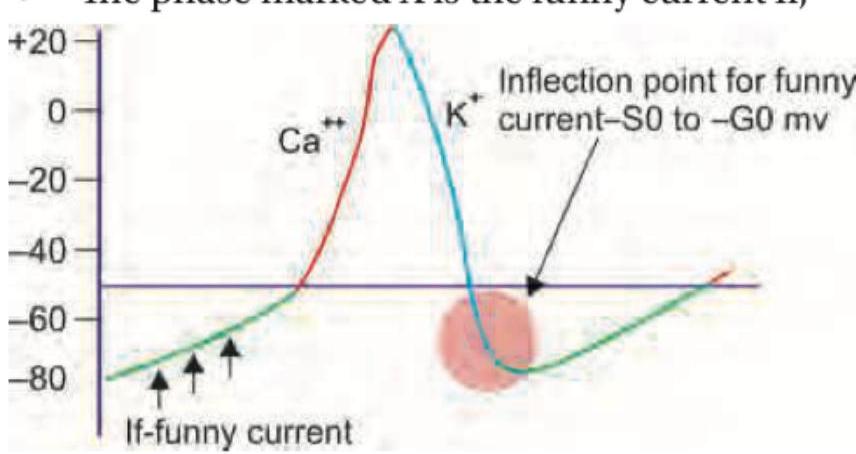
The image above (labeled img-78.jpeg) shows a cardiac action potential. The phase marked X represents the funny current (If). Which drug selectively blocks this funny current and is used in chronic CHF and chronic stable angina?
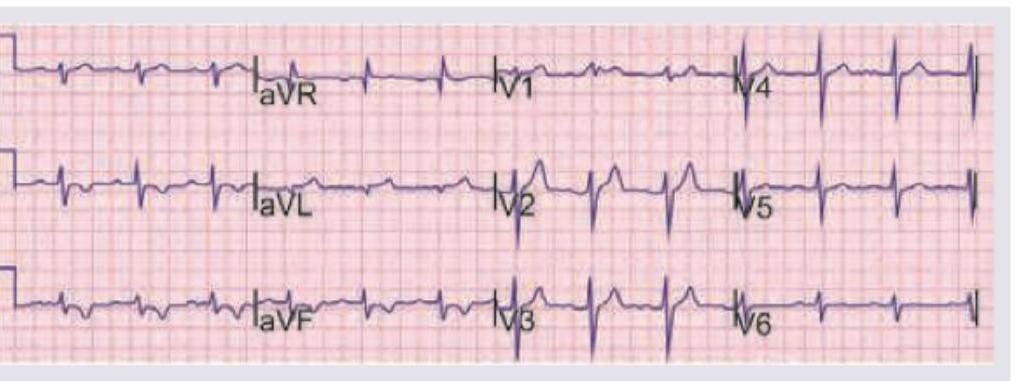
A 65-year-old retired school teacher presents with chest pain of 6 hours duration with dyspnea grade III. On examination RR $=24 / \mathrm{min}$ with use of accessory muscles of respiration, elevated pulsatile JVP, pulse rate of 120 bpm and $\mathrm{BP}=150 / 90$. Troponin I is $0.08 \mathrm{ng} / \mathrm{dL}$ and ECG is shown below. Which of these drugs will not be useful for this patient?
A 50-year-old patient with premature atherosclerosis has deranged lipid profile. On examination there is development of plane xanthomas in palmar creases. All are useful for this patient except:
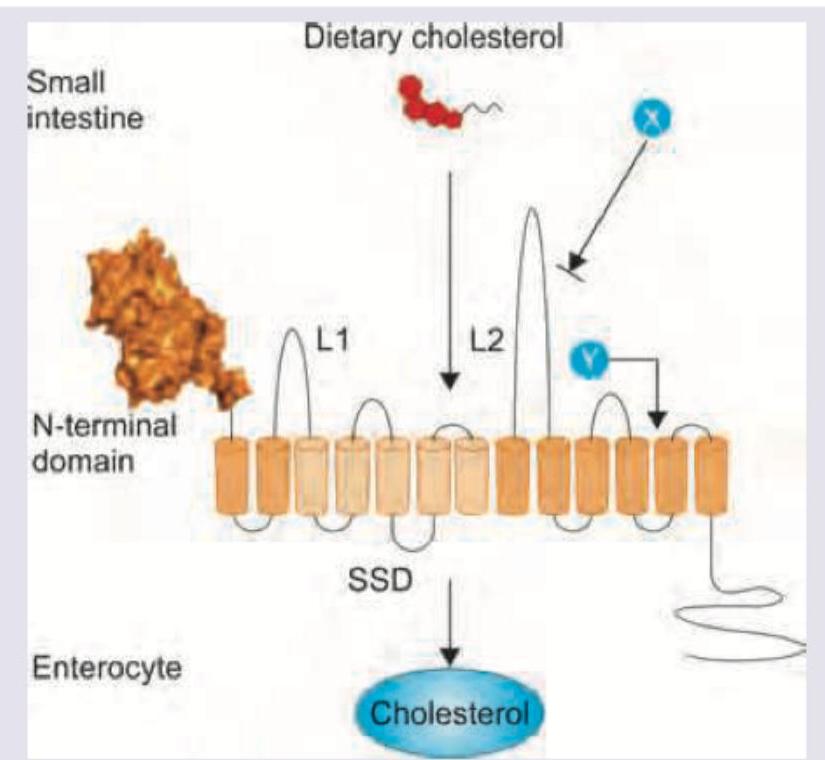
A 50-year-old patient with type IIA hyperlipoproteinemia is started on intestinal cholesterol absorption inhibitor. Which drug and its receptor combination is correct?
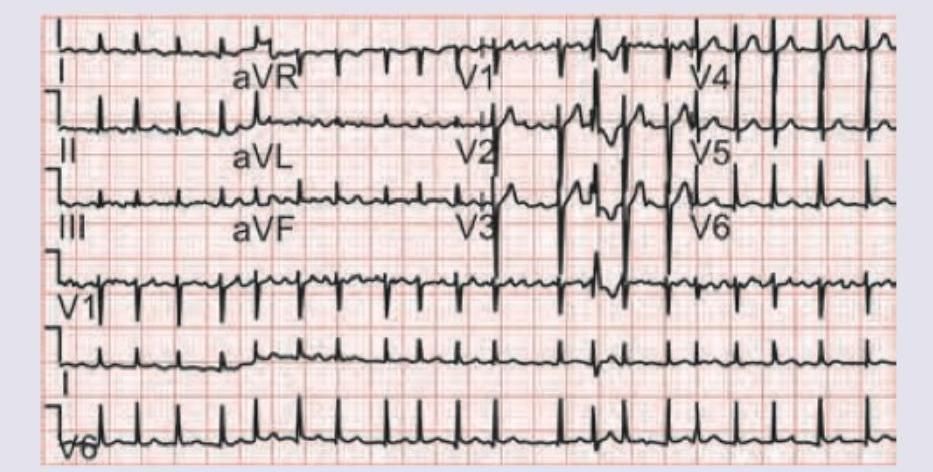
A 60-year-old hypertension patient presents with palpitations and pre-syncope. ECG was done. All drugs can be used for management of this condition except:
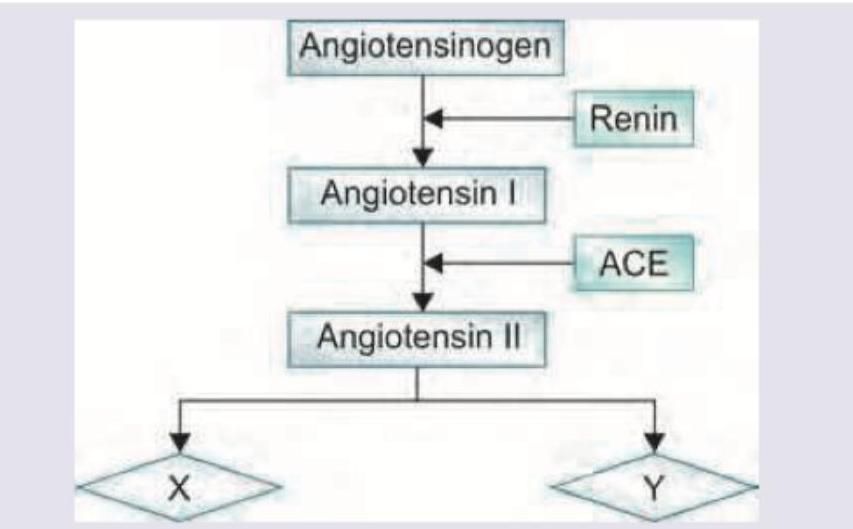
Telmisartan acts on the following receptors for its action. Name X and Y? (Recent NEET Pattern 2016-17)
Explanation: ***It non-competitively inhibits ATP citrate lyase*** - This statement is **incorrect** because Bempedoic acid's active metabolite, **ETC-1002-CoA**, inhibits **Adenosine Triphosphate Citrate Lyase (ACL)**, but it does so in a **competitive** manner, not a non-competitive one. - This inhibition leads to reduced acetyl-CoA production in the liver, subsequently lowering **cholesterol synthesis**. ***It is a dicarboxylic acid*** - This statement is **true**. Bempedoic acid (ETC-1002) is structurally a **dicarboxylic acid derivative**, requiring activation in the liver by short-chain acyl-CoA synthetase 1 (ACSVL1). - The presence of the dicarboxylic acid structure is key to its mechanism and selective liver activation. ***It is used when statins and diet cannot control dyslipidemia*** - This statement is **true**. Bempedoic acid is approved primarily for patients with **heterozygous familial hypercholesterolemia** or established **atherosclerotic cardiovascular disease (ASCVD)** who require additional lowering of LDL-C despite maximally tolerated statin therapy. - It is often used as an adjunct to diet and other lipid-lowering therapies, particularly in statin-intolerant patients. ***It inhibits de-novo synthesis of liver cholesterol*** - This statement is **true**. By competitively inhibiting **ATP Citrate Lyase (ACL)**, Bempedoic acid reduces the availability of **acetyl-CoA** in the cytosol, which is the necessary precursor for *de novo* cholesterol synthesis in the liver. - This mechanism is upstream of the HMG-CoA reductase step targeted by statins, offering a complementary path to reducing cholesterol.
Explanation: ***D1 agonist*** - **Fenoldopam** is a selective, short-acting agonist of the **Dopamine-1 (D1) receptor**. - D1 receptor stimulation leads to **vasodilation** in peripheral, coronary, renal, and splanchnic arterial beds, explaining its use as a rapid-acting antihypertensive agent. ***Alpha-1 antagonist*** - Alpha-1 antagonists (e.g., prazosin, doxazosin) block peripheral vasoconstriction and are used for hypertension and BPH, which is not the mechanism of Fenoldopam. - These drugs act by blocking the binding of **norepinephrine** to the alpha-1 receptor on smooth muscle cells. ***Beta-2 agonist*** - Beta-2 agonists (e.g., salbutamol) primarily act as **bronchodilators** by relaxing bronchial smooth muscles, and are unrelated to Fenoldopam's mechanism of action. - They sometimes cause peripheral vasodilation and increased heart rate, but Fenoldopam acts via the D1 receptor. ***D2 antagonist*** - D2 antagonists (e.g., metoclopramide, typical antipsychotics) block dopamine receptors, resulting in antiemetic or antipsychotic effects. - This mechanism is opposite to that of Fenoldopam, which is a dopamine **receptor agonist**.
Explanation: ***Oral Verapamil*** - This is a non-dihydropyridine **Calcium Channel Blocker** that effectively slows conduction and increases refractoriness in the **AV node**. - It is a standard oral medication used for the **long-term prevention (prophylaxis)** of recurrent PSVT, especially in cases of AVNRT or AVRT. *IV lignocaine* - Lignocaine (Lidocaine) is a **Class IB antiarrhythmic** primarily used to treat and prevent **ventricular arrhythmias** (premature ventricular contractions, VT). - It is generally ineffective for chronic prophylaxis of supraventricular tachycardias like PSVT. *IV Adenosine* - **Adenosine** is the preferred drug for the **acute termination** of PSVT due to its potent, transient block of the AV node (half-life of <10 seconds). - It has an extremely short half-life, making it unsuitable for a chronic, **oral preventive regimen**. *Oral Nifedipine* - Nifedipine is a **dihydropyridine Calcium Channel Blocker** primarily acting as a **peripheral vasodilator**. - It has minimal effects on the **AV nodal conduction** properties required for PSVT prophylaxis and is therefore not used for this purpose.
Explanation: ***Verapamil*** - It is an oral **non-dihydropyridine calcium channel blocker** commonly used for long-term **prophylaxis** of recurrent PSVT (AVNRT/AVRT) by slowing conduction through the AV node [1], [2]. - It is effective for reducing the frequency of episodes and achieving chronic **rate and rhythm control** in stable patients [1]. *IV adenosine* - Adenosine is the drug of choice for the **acute termination** of PSVT due to its rapid onset and extremely short half-life, making it unsuitable for chronic long-term **prophylaxis** [2]. - It works by transiently blocking the **AV node** conduction [2]. *IV esmolol* - Esmolol is an ultra-short-acting **beta-blocker** administered intravenously, primarily used for **acute control** of heart rate or rhythm in emergency settings [3]. - Since the requirement is for prophylaxis, an oral formulation (e.g., oral metoprolol) would be preferred over an **intravenous agent** [3]. *Oral phenytoin* - Phenytoin is mainly an anti-epileptic and is historically reserved for the treatment of **digitalis-induced ventricular arrhythmias**. - It is **not a standard or primary agent** recommended by current guidelines for the long-term prophylactic management of typical non-digitalis-induced PSVT.
Explanation: ***Ivabradine*** - **Ivabradine** is a specific and selective **funny current (If) inhibitor**, which reduces the heart rate without affecting myocardial contractility or repolarization. - It is approved for use in patients with **chronic heart failure** with reduced ejection fraction and normal sinus rhythm, and for **chronic stable angina** in patients intolerant or contraindicated to beta-blockers. *Digoxin* - **Digoxin** is a cardiac glycoside that increases **myocardial contractility** (positive inotropy) and slows heart rate by affecting the Na+/K+-ATPase pump and increasing vagal tone. - It is primarily used to treat **heart failure** with reduced ejection fraction and **atrial fibrillation**, but it does not directly block the funny current. *Verapamil* - **Verapamil** is a **non-dihydropyridine calcium channel blocker** that primarily acts on the heart, reducing heart rate and contractility and dilating coronary arteries. - While it can slow heart rate, its primary mechanism involves blocking L-type calcium channels, not directly inhibiting the funny current. *Adenosine* - **Adenosine** is an **endogenous nucleoside** that acts on A1 receptors in the AV node, causing transient AV block and restoring sinus rhythm in supraventricular tachycardias. - Its action is very short-lived and it is primarily used for the acute treatment of **paroxysmal supraventricular tachycardia (PSVT)**, not for chronic management of heart failure or angina through funny current inhibition.
Explanation: ***β-blocker*** - The ECG shows significant **ST elevation** in leads V1-V4, indicating an **anterior ST-elevation myocardial infarction (STEMI)**. The patient also has signs of **acute decompensated heart failure** (dyspnea, elevated JVP, tachypnea, accessory muscle use). - β-blockers are **contraindicated** in patients with **acute heart failure** or **cardiogenic shock** because they can worsen cardiac output by reducing contractility and heart rate. *Aspirin* - **Aspirin** is an essential antiplatelet agent used in the acute management of **STEMI** to prevent further thrombus formation and reduce mortality. - It works by irreversibly inhibiting cyclooxygenase-1 (COX-1) in platelets, thereby reducing thromboxane A2 production and platelet aggregation. *Heparin* - **Heparin**, specifically unfractionated or low molecular weight heparin, is indicated in **STEMI** to prevent further clot propagation and to maintain patency of the infarct-related artery, especially during and after percutaneous coronary intervention (PCI). - It acts as an anticoagulant by enhancing the activity of antithrombin, thereby inhibiting various coagulation factors. *Morphine* - **Morphine** is commonly used in **STEMI** for pain relief, which can also help reduce myocardial oxygen demand and alleviate anxiety. - While it can be useful, caution is advised in patients with heart failure due to potential for vasodilation and hypotension, but it is not absolutely contraindicated like β-blockers in acute heart failure.
Explanation: ***Colestipol*** - The patient has **premature atherosclerosis** and **plane xanthomas in palmar creases**, which is suggestive of a genetic lipid disorder like **Familial Dysbetalipoproteinemia** (Type III Hyperlipoproteinemia). This condition primarily involves elevated **chylomicron remnants** and **VLDL remnants**. [1] - **Colestipol** is a **bile acid sequestrant**. It primarily lowers LDL cholesterol by binding bile acids in the intestine, leading to increased hepatic synthesis of bile acids from cholesterol. It is generally not effective for reducing the remnants in this specific disorder and can sometimes even worsen hypertriglyceridemia, which is characteristic of Type III. [1] *Diet control* - **Diet modification**, particularly reducing fat and simple carbohydrates, is a cornerstone of management for all dyslipidemias, including Familial Dysbetalipoproteinemia. [1] - It helps to lower **chylomicron and VLDL remnants**, which are the primary lipid abnormalities in this condition. [1] *Niacin* - **Niacin** (nicotinic acid) is very effective in lowering **VLDL** and **triglycerides**, and raising **HDL cholesterol**. [1] - It is considered a particularly beneficial treatment for **Familial Dysbetalipoproteinemia** due to its impact on remnant lipoproteins. [1] *Fenofibrate* - **Fibrates**, like fenofibrate, are highly effective in reducing **triglycerides** and increasing **HDL cholesterol** by activating PPAR-alpha. [1] - They are specifically indicated and very useful in the treatment of **Familial Dysbetalipoproteinemia** as they promote the catabolism of VLDL and chylomicron remnants. [1]
Explanation: ***$X=$ Ezetimibe, $Y=$ NPC1L1 receptor*** - The image depicts the mechanism of **cholesterol absorption in the enterocyte**, where dietary cholesterol enters the cell. The arrow labeled 'X' points to an inhibitor of this absorption, and 'Y' points to the receptor involved. - **Ezetimibe** (X) is a specific inhibitor of intestinal cholesterol absorption, acting by binding to the **Niemann-Pick C1-like 1 (NPC1L1)** protein (Y) on the brush border of enterocytes. *X = Ezetimibe, Y = PPAR $\alpha$ receptor* - While Ezetimibe (X) correctly identifies the drug, **PPAR $\alpha$ receptors** (Y) are nuclear receptors primarily involved in lipid and lipoprotein metabolism, and they are the target of fibrates, not ezetimibe. - **PPAR $\alpha$ receptors** regulate the expression of genes involved in fatty acid oxidation and triglyceride metabolism, distinct from direct cholesterol absorption inhibition. *X = Mipomersen, Y = ABCD1 receptor* - **Mipomersen** (X) is an oligonucleotide inhibitor of apolipoprotein B-100 synthesis, used to treat homozygous familial hypercholesterolemia. It is not an intestinal cholesterol absorption inhibitor. - The **ABCD1 receptor** (ATP-binding cassette transporter D1) is involved in peroxisomal transport of very long-chain fatty acids, not directly related to intestinal cholesterol absorption or Mipomersen's mechanism. *X = Mipomersen, Y = LDL receptor* - As mentioned, **Mipomersen** (X) inhibits apoB-100 synthesis and does not directly act on intestinal cholesterol absorption. - The **LDL receptor** (Y) is primarily responsible for clearing LDL particles from circulation but is not the target of Mipomersen, nor is it the intestinal cholesterol absorption receptor.
Explanation: ***Adenosine*** - The ECG shows **atrial fibrillation with rapid ventricular response** and evidence of **pre-excitation** (short PR interval, delta wave), suggesting **Wolff-Parkinson-White (WPW) syndrome** complicated by atrial fibrillation. - Adenosine is **absolutely contraindicated** in AF with WPW syndrome because it causes profound AV nodal blockade, forcing all conduction down the accessory pathway, which can precipitate **life-threatening ventricular fibrillation**. - Among AV nodal blockers, **adenosine poses the greatest risk** due to its rapid, complete AV nodal blockade and is the classic teaching example of drugs to avoid in this condition. *Diltiazem* - **Calcium channel blockers** like diltiazem should generally be avoided in AF with WPW because they block the AV node and can worsen conduction via the accessory pathway, potentially leading to VF. - However, their effect is less abrupt than adenosine, making them somewhat less immediately dangerous. *Esmolol* - **Beta-blockers** like esmolol should also be avoided in AF with WPW syndrome because they block the AV node and can increase conduction through the accessory pathway. - Like calcium channel blockers, the risk is real but less catastrophic than with adenosine. *Amiodarone* - Amiodarone is a **Class III antiarrhythmic** that **can be safely used** for rhythm control in AF with WPW syndrome. - Unlike pure AV nodal blockers, it affects **both the AV node and accessory pathway**, helping to slow conduction through both routes without preferentially shunting impulses down the dangerous accessory pathway. - It is considered appropriate for pharmacological management of this condition.
Explanation: ***AT1 and AT2*** - The diagram illustrates the **renin-angiotensin-aldosterone system (RAAS)**, where Angiotensin II exerts its effects through two main receptor subtypes: **Angiotensin Type 1 (AT1)** and **Angiotensin Type 2 (AT2)** receptors. - **Telmisartan** is an **Angiotensin Receptor Blocker (ARB)** that is **highly selective for the AT1 receptor**, competitively blocking angiotensin II binding to prevent vasoconstriction, aldosterone release, and sympathetic activation. - **Important distinction**: While Telmisartan primarily blocks **AT1 receptors**, the question identifies both receptor subtypes (X and Y) present in the RAAS pathway. AT2 receptors remain unblocked and may mediate beneficial effects like vasodilation and tissue repair. - The therapeutic effects of Telmisartan stem from **selective AT1 blockade**, which reduces blood pressure and provides cardiovascular protection. *V1 and V2* - **V1 and V2 receptors** are **vasopressin (antidiuretic hormone) receptors**, not angiotensin receptors. - V1 mediates vasoconstriction and V2 mediates water reabsorption in collecting ducts. - Telmisartan does not act on vasopressin receptors; it specifically targets the **angiotensin II receptor system**. *ENaC and ROMK* - **ENaC (epithelial sodium channel)** and **ROMK (renal outer medullary potassium channel)** are ion channels in the distal nephron involved in sodium reabsorption and potassium secretion. - These channels are regulated by aldosterone, which is downstream of AT1 receptor activation. - Telmisartan's primary mechanism is **AT1 receptor blockade**, not direct action on these ion channels, though reduced aldosterone levels indirectly affect their activity. *All of these* - This option is incorrect because Telmisartan specifically acts on the **angiotensin receptor system** (particularly AT1), not on vasopressin receptors (V1, V2) or renal ion channels (ENaC, ROMK). - Its **selective AT1 receptor antagonism** is the key mechanism for its antihypertensive and cardioprotective effects.
Antihypertensive Agents
Practice Questions
Drugs for Heart Failure
Practice Questions
Antiarrhythmic Drugs
Practice Questions
Antianginal Agents
Practice Questions
Lipid-Lowering Drugs
Practice Questions
Anticoagulants and Antiplatelet Drugs
Practice Questions
Thrombolytic Agents
Practice Questions
Drugs Used in Pulmonary Hypertension
Practice Questions
Drugs Used in Shock
Practice Questions
Cardiovascular Effects of Non-Cardiovascular Drugs
Practice Questions
Get full access to all questions, explanations, and performance tracking.
Start For Free