Which of the following is an advantage of losartan over enalapril?
Why are statins typically administered at night?
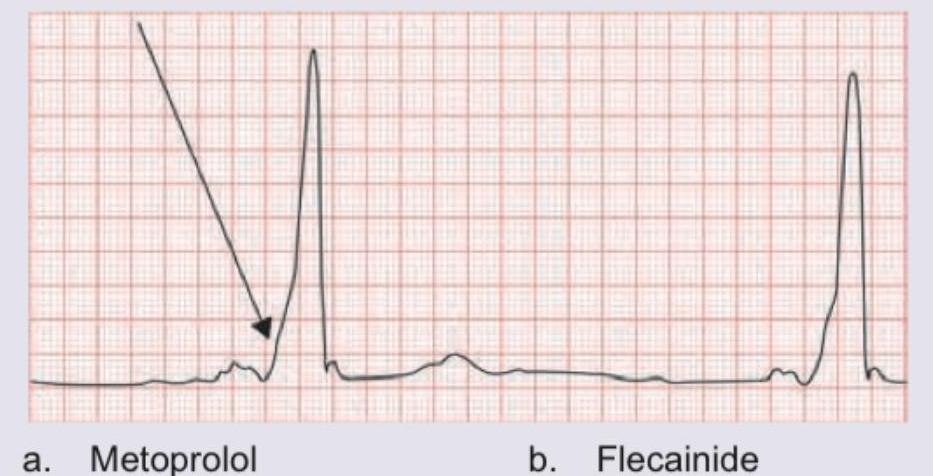
Which of the following drugs is used for the management of Supraventricular tachycardia?
Gemfibrozil produces hypolipidemic action by?
All of the following drugs are used in the management of atrial arrhythmias except:
Which of the following is not a prodrug?
Which drug is used for the treatment of pulmonary hypertension?
How does digoxin act on the heart?
A patient with Prinzmetal's angina is treated with isosorbide mononitrate. What is the mechanism of action of nitrates in this condition?
Which of the following is an effect of dobutamine?
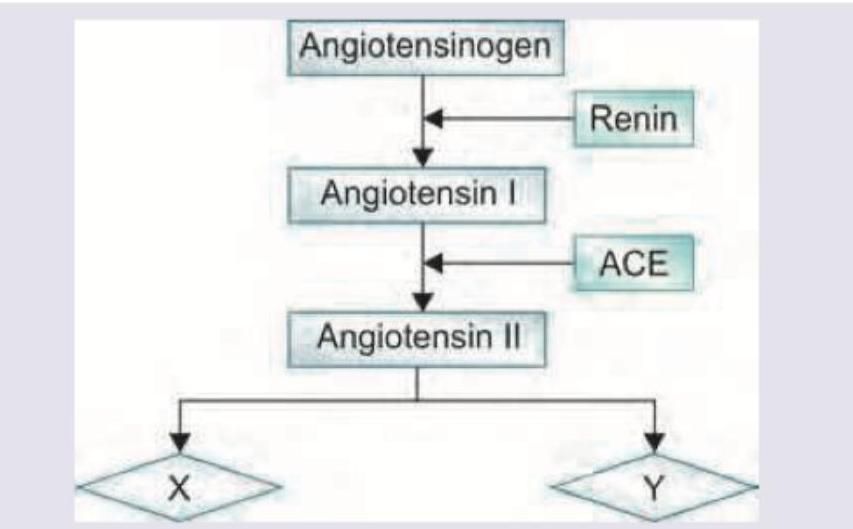
Explanation: **Explanation:** The primary difference between **Enalapril** (an ACE inhibitor) and **Losartan** (an Angiotensin Receptor Blocker - ARB) lies in their effect on the kinin system. 1. **Why Option D is correct:** ACE inhibitors like Enalapril inhibit the enzyme *kininase II*, which is responsible for the breakdown of **bradykinin** and **Substance P**. Accumulation of these inflammatory mediators in the lungs and upper airways leads to the classic side effects of dry cough and, more seriously, **angioedema**. Since Losartan acts by blocking the AT1 receptor directly and does not interfere with the breakdown of bradykinin, the incidence of angioedema and dry cough is significantly lower. 2. **Why other options are incorrect:** * **Option A & B:** Large-scale clinical trials (like the ONTARGET study) have shown that ACE inhibitors and ARBs have **comparable efficacy** in lowering blood pressure and providing cardioprotection (prevention of secondary MI and heart failure mortality). Neither class is significantly superior to the other in therapeutic outcome. * **Option C:** ACE inhibitors are generally older drugs and are often more cost-effective than newer ARBs, though both are now available as affordable generics. **High-Yield Clinical Pearls for NEET-PG:** * **The "Cough" Factor:** Dry cough occurs in 10-20% of patients on ACE inhibitors; switching to an ARB is the standard management. * **Uricosuric Effect:** Losartan is unique among ARBs because it inhibits the URAT1 transporter, increasing uric acid excretion. This makes it the preferred antihypertensive for patients with **Gout**. * **Teratogenicity:** Both ACE inhibitors and ARBs are **contraindicated in pregnancy** (Category X) as they cause fetal renal anomalies and oligohydramnios. * **Hyperkalemia:** Both classes can cause potassium retention; monitor levels closely, especially in chronic kidney disease.
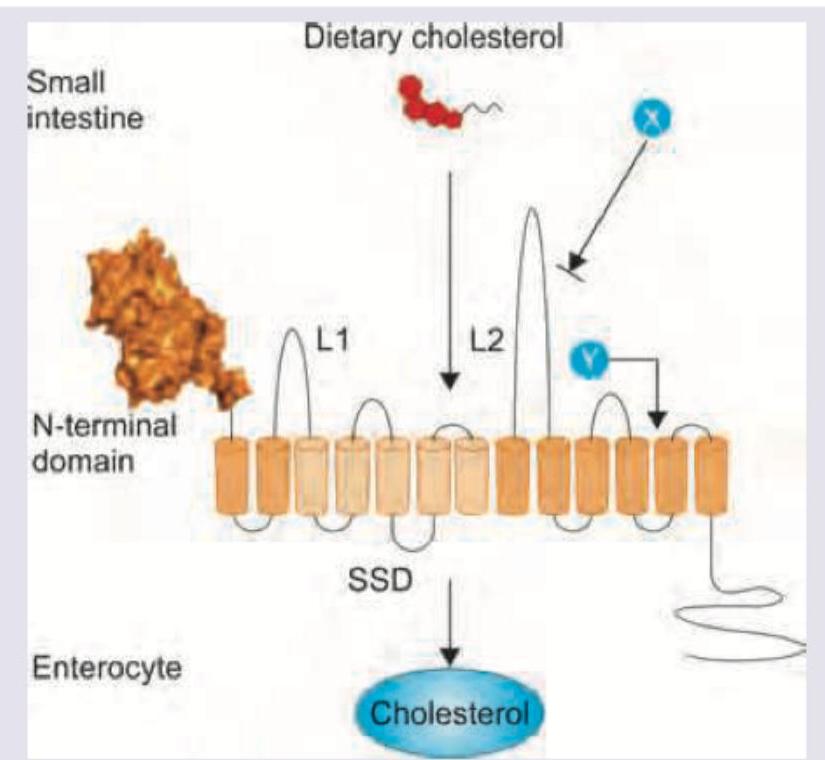
Explanation: ### Explanation **1. Why Option A is Correct:** The rate-limiting enzyme in cholesterol synthesis is **HMG-CoA reductase**. Endogenous cholesterol production follows a circadian rhythm, with synthesis being significantly higher during the night than during the day. Specifically, HMG-CoA reductase activity peaks during the early morning hours (midnight to 2:00 AM). Since statins are competitive inhibitors of this enzyme, administering them at bedtime ensures that peak drug concentrations coincide with peak enzyme activity, thereby maximizing the reduction of LDL cholesterol. **2. Why Other Options are Incorrect:** * **Option B:** While some statins (like Lovastatin) show increased absorption with food, there is no physiological evidence that absorption is inherently superior at night for the entire class. * **Option C:** The intrinsic potency (the dose required to produce an effect) of the drug molecule does not change based on the time of day; rather, the biological target's activity changes. * **Option D:** While "bedtime dosing" is a common habit, the primary reason for this specific recommendation is biochemical, not behavioral. **3. Clinical Pearls for NEET-PG:** * **Short vs. Long Half-life:** Bedtime dosing is critical for statins with **short half-lives** (e.g., Simvastatin, Pravastatin, Lovastatin). * **Exceptions:** Statins with **long half-lives** (e.g., **Atorvastatin** [14h] and **Rosuvastatin** [19h]) can be administered at any time of the day because they maintain effective plasma levels throughout the 24-hour cycle. * **Pleiotropic Effects:** Remember that statins also provide "pleiotropic effects" (e.g., plaque stabilization, anti-inflammatory, and antioxidant effects) which are independent of their LDL-lowering capacity. * **Side Effects:** Monitor for **myopathy** (elevated CK levels) and **hepatotoxicity** (elevated LFTs). Statins are **Teratogenic** (Category X).
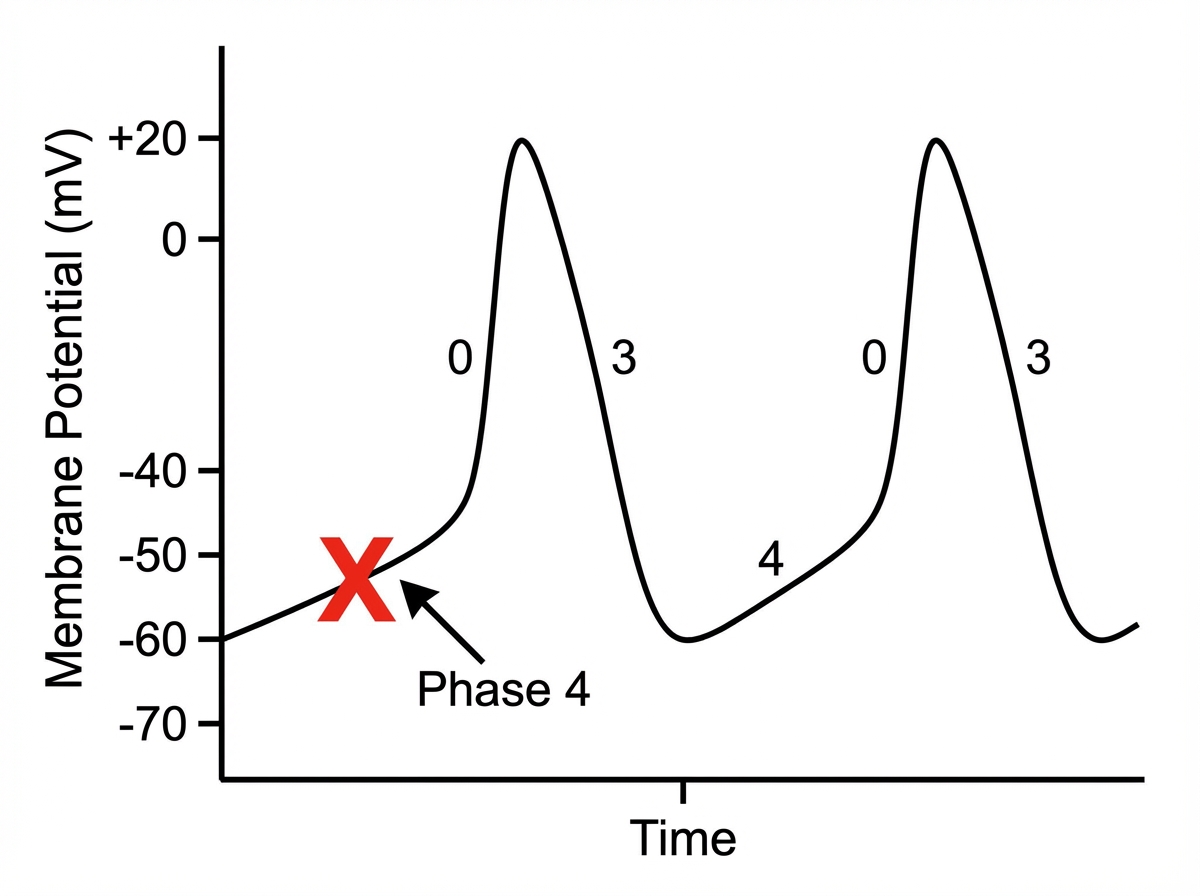
Explanation: **Explanation:** **Adenosine (Option A)** is the drug of choice for the acute management of Paroxysmal Supraventricular Tachycardia (PSVT), including AV nodal re-entrant tachycardia (AVNRT). It works by stimulating A1 receptors in the AV node, leading to the activation of potassium channels and inhibition of calcium current. This results in profound hyperpolarization and a transient "chemical cardioversion" by blocking AV nodal conduction. Its ultra-short half-life (<10 seconds) makes it ideal for rapid termination of arrhythmias with minimal systemic side effects. **Incorrect Options:** * **Amiodarone (Option B):** While it is a broad-spectrum Class III antiarrhythmic used for both atrial and ventricular arrhythmias, it is not the first-line agent for acute SVT. It is more commonly used for rhythm control in Atrial Fibrillation or life-threatening Ventricular Tachycardia. * **Naloxone (Option C):** This is a competitive opioid antagonist used specifically for the reversal of opioid overdose; it has no role in cardiac rhythm management. * **Calcium Gluconate (Option D):** This is used for membrane stabilization in hyperkalemia or to treat hypocalcemia and magnesium toxicity. While it can be used to counteract the side effects of calcium channel blockers, it does not treat SVT. **High-Yield Clinical Pearls for NEET-PG:** * **Administration:** Adenosine must be given as a **rapid IV bolus** (usually 6mg, followed by 12mg) via a large-bore peripheral vein, followed by a saline flush, due to its rapid metabolism by erythrocytes and vascular endothelial cells. * **Contraindications:** Avoid in patients with **Asthma** (can cause bronchospasm) and **2nd/3rd-degree Heart Block**. * **Drug Interactions:** Its effects are **potentiated by Dipyridamole** and **antagonized by Theophylline/Caffeine** (adenosine receptor antagonists). * **Common Side Effect:** Patients often experience a transient sense of "impending doom," chest pain, or flushing during administration.
Explanation: Gemfibrozil belongs to the Fibrate class of hypolipidemic drugs. Its primary mechanism of action involves the activation of Peroxisome Proliferator-Activated Receptor-alpha (PPAR-α), a nuclear receptor [1]. 1. **Why Option A is Correct:** Activation of PPAR-α by Gemfibrozil leads to the increased transcription of the gene for Lipoprotein Lipase (LPL) [1]. LPL is the key enzyme responsible for the hydrolysis of triglycerides in VLDL and chylomicrons. By increasing LPL activity and down-regulating inhibitor proteins like apo C-III, Gemfibrozil significantly enhances the clearance of triglyceride-rich lipoproteins, making it the drug of choice for Hypertriglyceridemia [1]. 2. **Why Other Options are Incorrect:** * **Option B:** While fibrates do slightly decrease VLDL production, their *primary* and most potent action is the enhancement of LPL-mediated clearance [1]. * **Option C:** This is the primary mechanism of Statins (HMG-CoA reductase inhibitors) and PCSK9 inhibitors, which upregulate LDL receptors to lower serum LDL cholesterol. * **Option D:** This describes the mechanism of Bile Acid Sequestrants (e.g., Cholestyramine), which prevent bile acid reabsorption, forcing the liver to convert more cholesterol into bile acids. **High-Yield Clinical Pearls for NEET-PG:** * **Primary Effect:** Fibrates are the most effective drugs for lowering Triglycerides (TGs) and increasing HDL [1]. * **Adverse Effects:** Myopathy and Rhabdomyolysis (risk increases significantly when combined with Statins) [2], [3]. * **Contraindication:** Gemfibrozil should be avoided in patients with Gallstones (cholelithiasis) because it increases biliary cholesterol excretion. * **Drug Interaction:** Gemfibrozil inhibits the glucuronidation of Statins, leading to increased statin plasma levels and toxicity.
Explanation: **Explanation:** The correct answer is **Lignocaine** (Lidocaine) because it is a **Class IB antiarrhythmic** that acts specifically on sodium channels in the ventricular myocardium. It has a high affinity for tissues with long action potential durations; since atrial action potentials are very short, Lignocaine has negligible effects on the atria. Therefore, it is ineffective for atrial arrhythmias and is used exclusively for **ventricular arrhythmias** (e.g., post-MI or digitalis-induced). **Analysis of other options:** * **Digoxin:** A cardiac glycoside that increases vagal tone, slowing conduction through the AV node. It is used for rate control in atrial fibrillation and flutter. * **Verapamil:** A Class IV antiarrhythmic (Calcium Channel Blocker) that slows AV nodal conduction. It is a drug of choice for terminating Paroxysmal Supraventricular Tachycardia (PSVT) and controlling ventricular rate in atrial fibrillation. * **Quinidine:** A Class IA antiarrhythmic that blocks sodium and potassium channels. It can be used for the rhythm conversion of atrial fibrillation/flutter (though less common now due to side effects). **High-Yield Clinical Pearls for NEET-PG:** * **Lignocaine** is the drug of choice for **emergency treatment of ventricular arrhythmias** following myocardial infarction. * **Adenosine** is the drug of choice for **acute PSVT**. * **Amiodarone** is a "broad-spectrum" antiarrhythmic effective for both atrial and ventricular arrhythmias. * **Class IB agents (Lignocaine, Mexiletine)** are the only antiarrhythmics that do not work on the atria.
Explanation: **Explanation:** The core concept tested here is the pharmacological activation of drugs. A **prodrug** is an inactive compound that must undergo metabolic conversion (usually in the liver) to become an active pharmacological agent. **1. Why Lisinopril is the correct answer:** Most ACE inhibitors are prodrugs designed to improve oral bioavailability. However, **Lisinopril** and **Captopril** are the two notable exceptions; they are **active drugs** and do not require hepatic metabolism for activation. This makes them preferred in patients with liver dysfunction. **2. Why the other options are incorrect:** * **Methyldopa:** This is a centrally acting antihypertensive prodrug. It must be converted into **alpha-methylnorepinephrine** in the brain to stimulate alpha-2 receptors and decrease sympathetic outflow. * **Enalapril:** This is a classic example of an ACE inhibitor prodrug. It is converted by hepatic esterases into its active metabolite, **Enalaprilat**. (Note: Enalaprilat itself is available only intravenously because it has poor oral absorption). **High-Yield Clinical Pearls for NEET-PG:** * **ACE Inhibitor Mnemonic:** All ACE inhibitors are prodrugs **EXCEPT** **C**aptopril and **L**isinopril (Remember: "**C**heck **L**iver"). * **Bioavailability:** Lisinopril is water-soluble and excreted unchanged by the kidneys; therefore, dosage adjustment is required in renal failure but not in hepatic failure. * **Other common prodrugs to remember:** Levodopa (to Dopamine), Clopidogrel (to active thiol metabolite), and Prednisone (to Prednisolone).
Explanation: **Explanation:** Pulmonary Arterial Hypertension (PAH) is characterized by increased pulmonary vascular resistance leading to right heart failure. Treatment strategies focus on three major pathways: the **Endothelin pathway**, the **Nitric Oxide (NO) pathway**, and the **Prostacyclin pathway**. 1. **Calcium Channel Blockers (CCBs):** These are used in a specific subset of patients who show a positive "vasoreactivity test" during right heart catheterization. High-dose CCBs (like Nifedipine, Diltiazem, or Amlodipine) can significantly improve survival in these "responders." 2. **Tadalafil:** This is a **Phosphodiesterase-5 (PDE-5) inhibitor**. By inhibiting PDE-5, it increases the levels of cyclic GMP (cGMP) in the pulmonary vasculature, leading to potent vasodilation via the Nitric Oxide pathway. Sildenafil is another drug in this class. 3. **Bosentan:** This is a **dual Endothelin Receptor Antagonist (ERA)** that blocks both $ET_A$ and $ET_B$ receptors. Endothelin-1 is a potent vasoconstrictor; blocking its action results in vasodilation and reduced vascular remodeling. **Why "All of the above" is correct:** Each of these drugs acts through a distinct pharmacological mechanism to reduce pulmonary artery pressure, and all are established components of PAH management guidelines. **High-Yield Clinical Pearls for NEET-PG:** * **Bosentan** is known for its potential **hepatotoxicity** (requires monthly LFT monitoring) and is highly **teratogenic**. * **Macitentan** is a newer ERA with better tissue penetration and fewer side effects. * **Riociguat** is a soluble Guanylate Cyclase (sGC) stimulator used for chronic thromboembolic pulmonary hypertension (CTEPH). * **Epoprostenol** (IV) is a Prostacyclin analog and is the drug of choice for severe (NYHA Class IV) PAH.
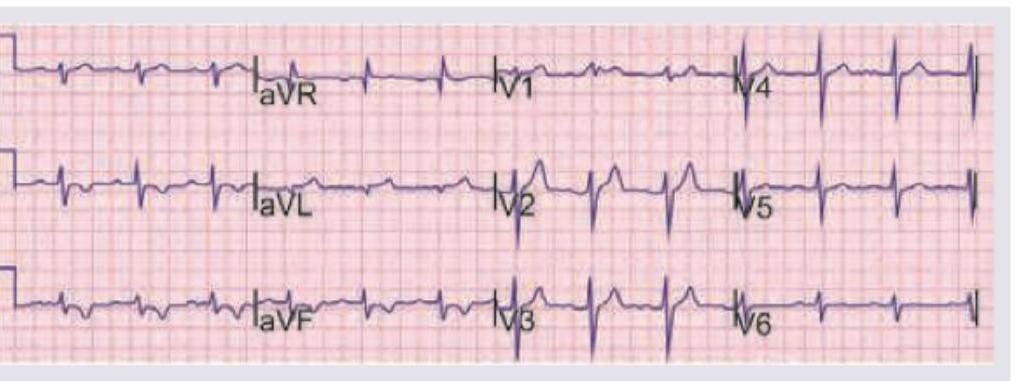
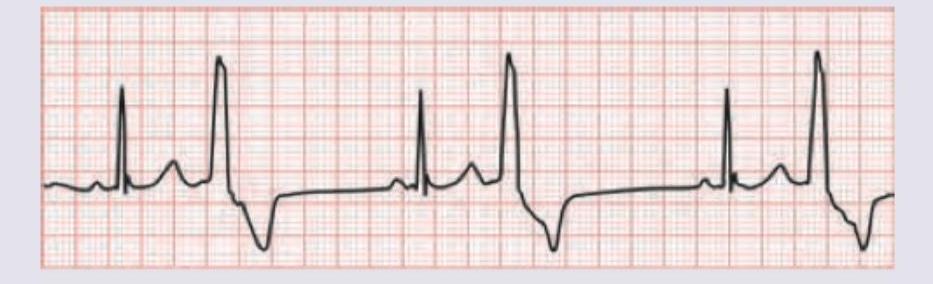
Explanation: **Explanation:** Digoxin is a cardiac glycoside primarily used in the management of heart failure and certain supraventricular arrhythmias. **Why Option B is Correct:** The primary mechanism of action of Digoxin is the **inhibition of the membrane-bound Na⁺/K⁺-ATPase pump**. This inhibition leads to an increase in intracellular sodium ($Na^+$). The rise in $Na^+$ reduces the concentration gradient that drives the **$Na^+/Ca^{2+}$ exchanger (NCX)**, thereby decreasing the efflux of calcium ($Ca^{2+}$) from the cell. The resulting increase in intracellular $Ca^{2+}$ is sequestered into the sarcoplasmic reticulum, leading to greater $Ca^{2+}$ release during depolarization. This enhances the **force of myocardial contraction (Positive Inotropy)**. **Analysis of Incorrect Options:** * **Options A & C:** Digoxin does not have a direct effect on vascular smooth muscle to cause vasodilation. While it may indirectly reduce preload and afterload by improving cardiac output (leading to decreased sympathetic tone), these are secondary hemodynamic consequences, not its primary mechanism. * **Option D:** While Digoxin does decrease the heart rate (**Negative Chronotropy**) and slows conduction through the AV node (**Negative Dromotropy**) via increased vagal tone, its hallmark pharmacological definition in the context of heart failure is its positive inotropic effect. **NEET-PG High-Yield Pearls:** * **ECG Changes:** Characterized by the "Reverse Tick" sign or "Sagging" ST-segment depression. * **Toxicity:** Hypokalemia predisposes to Digoxin toxicity because $K^+$ and Digoxin compete for the same binding site on the Na⁺/K⁺-ATPase pump. * **Antidote:** Digoxin-specific antibody fragments (DigiFab). * **Therapeutic Window:** Narrow (0.5–2 ng/mL).
Explanation: ### Explanation **1. Why Option D is Correct:** Prinzmetal’s (variant) angina is caused by **coronary artery vasospasm** rather than fixed atherosclerotic obstruction [1]. Nitrates (like isosorbide mononitrate) act as prodrugs that are converted into **Nitric Oxide (NO)** [5]. Unlike endogenous NO, which requires a healthy endothelium to be produced, exogenous nitrates provide NO directly to the vascular smooth muscle cells. * **Mechanism:** NO activates **Guanylyl Cyclase**, increasing **cGMP**, which leads to dephosphorylation of the myosin light chain and subsequent relaxation of the smooth muscle [2]. This results in **endothelium-independent vasodilation** of the large epicardial coronary arteries, effectively relieving the spasm [1]. **2. Why Other Options are Incorrect:** * **Option A:** Nitrates primarily affect vascular smooth muscle. They do not have a direct negative inotropic effect; any change in contractility is usually a reflex tachycardia (sympathetic activation) due to peripheral vasodilation [5]. * **Option B:** Nitrates are potent venodilators [5]. By increasing venous capacitance, they decrease venous return (preload), which **decreases** left ventricular end-diastolic volume (LVEDV) and pressure, thereby reducing myocardial oxygen demand [3]. * **Option C:** Diastolic perfusion pressure is the driving force for coronary blood flow. Nitrates do not aim to decrease this; in fact, an excessive drop in systemic blood pressure could dangerously reduce coronary perfusion. **3. NEET-PG High-Yield Pearls:** * **Drug of Choice:** While nitrates treat acute episodes, **Calcium Channel Blockers (CCBs)** are the drugs of choice for the long-term prophylaxis of Prinzmetal’s angina. * **Contraindication:** **Beta-blockers** are strictly contraindicated in Prinzmetal’s angina as they can lead to unopposed alpha-1 mediated vasoconstriction, worsening the spasm. * **Tolerance:** Continuous use of nitrates leads to "tachyphylaxis" (tolerance) due to the depletion of sulfhydryl groups; a **10–12 hour nitrate-free interval** is required daily [4].
Explanation: ### Explanation The correct answer is **D. Increase in plasma volume**. While Dobutamine is primarily known as a sympathomimetic used in acute heart failure, its effect on plasma volume is a specific physiological consequence of its mechanism. Dobutamine acts as a potent **$\beta_1$-agonist** with mild $\beta_2$ and $\alpha_1$ activity. By stimulating $\beta_1$ receptors in the **juxtaglomerular apparatus** of the kidney, it triggers the release of **renin**. This activates the Renin-Angiotensin-Aldosterone System (RAAS), leading to sodium and water retention, which ultimately results in an **increase in plasma volume**. #### Analysis of Incorrect Options: * **A. Increase in heart rate:** While Dobutamine has positive chronotropic effects, it is specifically favored in clinical practice because, at therapeutic doses, it significantly increases contractility with a **minimal** increase in heart rate compared to other inotropes. * **B. Increase in cardiac output:** This is a primary *therapeutic effect* of Dobutamine, not a physiological side effect or a unique pharmacological property in the context of this specific question's focus on volume. * **C. Increase in BP:** Dobutamine typically has a neutral effect on blood pressure. The increase in cardiac output (via $\beta_1$) is often offset by peripheral vasodilation (via $\beta_2$), making it an "inodilator." It is not used as a primary vasopressor. #### NEET-PG High-Yield Pearls: * **Drug of Choice:** Dobutamine is the DOC for **Cardiogenic Shock** (without severe hypotension) and **Stress Echocardiography** (to detect hibernating myocardium). * **Isomerism:** It is a racemic mixture; the (+) isomer is a $\beta$-agonist, while the (-) isomer is an $\alpha_1$-agonist. * **Limitation:** Prolonged infusion leads to **tachyphylaxis** due to the downregulation of $\beta$-receptors.
Antihypertensive Agents
Practice Questions
Drugs for Heart Failure
Practice Questions
Antiarrhythmic Drugs
Practice Questions
Antianginal Agents
Practice Questions
Lipid-Lowering Drugs
Practice Questions
Anticoagulants and Antiplatelet Drugs
Practice Questions
Thrombolytic Agents
Practice Questions
Drugs Used in Pulmonary Hypertension
Practice Questions
Drugs Used in Shock
Practice Questions
Cardiovascular Effects of Non-Cardiovascular Drugs
Practice Questions
Get full access to all questions, explanations, and performance tracking.
Start For Free