What is the most accurate statement regarding digoxin?
A 50-year-old diabetic patient presents with malaise. Workup reveals serum creatinine of 5.0 mg% and blood urea of 125 mg%. The Urine MICRAL test is positive. Which of the following medications would be beneficial for this patient?
Which of the following describes the mechanism of action of levosimendan?
Which of the following is NOT a centrally acting antihypertensive drug?
The drug effective for treatment as well as prophylaxis of angina pectoris is:
Which antiplatelet drug inhibits the cyclo-oxygenase 1 enzyme?
Which of the following calcium channel blockers has a predominant peripheral action?
Which drug used in the treatment of peripheral vascular disease acts by increasing the flexibility of the RBC membrane and improving microcirculation?
All of the following are class Ic anti-arrhythmic drugs except?
Quinidine is used to treat which of the following conditions?
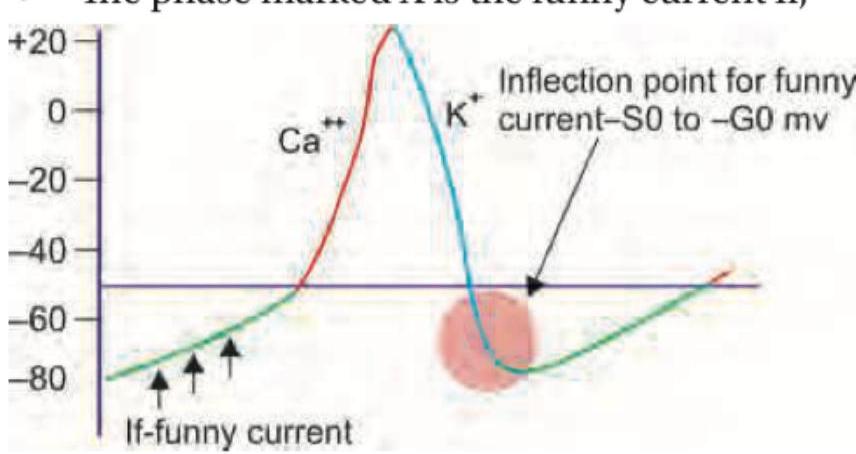
Explanation: **Explanation:**1. Why Option A is Correct:Digoxin exerts a potent **parasympathomimetic (vagomimetic) effect** on the heart [1]. It increases vagal tone, which slows the firing rate of the SA node and, more importantly, **prolongs the refractory period of the AV node** [1]. This decreases AV node conduction velocity (negative dromotropy) [1]. This mechanism is clinically utilized to control the ventricular rate in patients with atrial fibrillation [1].2. Why the Other Options are Incorrect:* **Option B:** While Digoxin improves symptoms and reduces the rate of hospitalization in Congestive Heart Failure (CHF), multiple trials (like the DIG trial) have shown it has **no effect on mortality** in patients with normal sinus rhythm [1].* **Option C:** Digoxin actually **shortens the action potential duration** and the refractory period in the atrial and ventricular myocardium (though it increases it in the AV node) [1]. This shortening contributes to its potential for causing arrhythmias.* **Option D:** Digoxin is **contraindicated in WPW syndrome**. By slowing AV node conduction, it may paradoxically favor conduction through the accessory pathway (Bundle of Kent), potentially leading to life-threatening ventricular tachycardia or fibrillation.**High-Yield NEET-PG Pearls:** * **Mechanism of Action:** Inhibits the **Na+/K+ ATPase pump**, leading to increased intracellular Na+, which subsequently increases intracellular Ca²+ via the Na+/Ca²+ exchanger (Positive Inotropy).* **ECG Changes:** Characterized by the **"Reverse Tick" or "Sagging" ST-segment depression** (Salvador Dali mustache sign).* **Toxicity:** Hypokalemia predisposes to toxicity. The most common arrhythmia is atrial tachycardia with AV block; the most specific is **Bidirectional Ventricular Tachycardia**.* **Antidote:** Digoxin-specific antibody fragments (DigiFab).
Explanation: ### Explanation **Correct Option: A (Diuretics)** The patient presents with signs of **Advanced Chronic Kidney Disease (CKD)**, evidenced by a high serum creatinine (5.0 mg/dL) and elevated blood urea (125 mg/dL). The positive Urine MICRAL test indicates albuminuria. In advanced renal failure (typically when GFR < 30 ml/min or Creatinine > 3 mg/dL), volume overload is a common complication. **Loop diuretics** (e.g., Furosemide) are the drugs of choice here as they remain effective even at low GFRs to manage fluid status and provide symptomatic relief from malaise caused by uremia and fluid retention. **Why other options are incorrect:** * **C. ACE Inhibitors:** While ACE inhibitors are the first-line treatment for diabetic nephropathy with microalbuminuria (to reduce proteinuria), they are generally **contraindicated or used with extreme caution** in advanced renal failure (Creatinine > 3 mg/dL). They can cause a further acute decline in GFR and precipitate life-threatening **hyperkalemia**. * **B. Cardio-selective Beta Blockers:** These are not the primary treatment for renal failure or albuminuria. While they may be used for comorbid hypertension, they do not address the acute presentation of advanced CKD. * **D. Amiodarone:** This is an anti-arrhythmic drug. There is no evidence of arrhythmia in this patient; furthermore, it does not address renal pathology. **High-Yield Clinical Pearls for NEET-PG:** * **Drug of Choice for Diabetic Nephropathy:** ACE inhibitors or ARBs (early stage) because they dilate the efferent arteriole, reducing intraglomerular pressure. * **The "3.0 Rule":** In clinical vignettes, if Serum Creatinine is **> 3 mg/dL**, ACE inhibitors should typically be avoided or discontinued due to the risk of hyperkalemia and AKI. * **Diuretic Choice:** Thiazides lose efficacy when CrCl < 30 ml/min; Loop diuretics are preferred in such cases. * **Micral Test:** A rapid immuno-dipstick test used to detect **microalbuminuria** (30–300 mg/day), the earliest clinical sign of diabetic nephropathy.
Explanation: **Levosimendan** is a unique cardiovascular drug used in the management of acute decompensated heart failure. It is classified as an **Inodilator** because it possesses both positive inotropic and vasodilator properties. ### Mechanism of Action The correct answer is **Potassium channel opener** because levosimendan acts on ATP-sensitive potassium ($K_{ATP}$) channels in the vascular smooth muscle. This leads to hyperpolarization and subsequent vasodilation, which reduces both preload and afterload. Additionally, its primary inotropic mechanism is **Calcium Sensitization**. It binds to cardiac troponin C in a calcium-dependent manner, increasing the sensitivity of myofilaments to calcium without increasing intracellular calcium levels. This enhances contractility without increasing myocardial oxygen demand or causing arrhythmias. ### Why the other options are incorrect: * **Option A (Sodium channel opener):** There are no standard inotropes that act as sodium channel openers. Sodium channel blockers (Class I anti-arrhythmics) are common, but openers would likely cause cellular toxicity and arrhythmias. * **Option C (Beta blocker):** Beta-blockers (e.g., Metoprolol) are negative inotropes used in chronic heart failure, but they are generally avoided or used with caution in acute decompensated states where levosimendan is indicated. * **Option D (Beta-1 agonist):** This describes drugs like **Dobutamine**. Unlike dobutamine, levosimendan does not increase cAMP or intracellular calcium, making it safer in patients already on beta-blocker therapy. ### High-Yield Clinical Pearls for NEET-PG: * **Triple Mechanism:** 1. Calcium sensitization (Inotropy), 2. $K_{ATP}$ channel opening (Vasodilation), 3. Mitochondrial $K_{ATP}$ opening (Cardioprotection). * **Advantage:** It does not increase myocardial oxygen consumption ($MVO_2$), unlike Dobutamine or Milrinone. * **Clinical Use:** Short-term treatment of severe acute heart failure when conventional inotropes are insufficient.
Explanation: ### Explanation The correct answer is **D. Trimethoprim**. **1. Why Trimethoprim is the correct answer:** Trimethoprim is an **antibiotic**, not an antihypertensive. It acts as a dihydrofolate reductase inhibitor, preventing the conversion of dihydrofolic acid to tetrahydrofolic acid in bacteria. It is commonly used in combination with Sulfamethoxazole (Cotrimoxazole) for urinary tract infections and *Pneumocystis jirovecii* pneumonia. It has no mechanism of action involving the central nervous system's vasomotor centers or blood pressure regulation. **2. Analysis of Incorrect Options (Centrally Acting Drugs):** Options A, B, and C are all **central alpha-2 ($\alpha_2$) adrenergic agonists**. They work by stimulating $\alpha_2$ receptors in the nucleus tractus solitarius (NTS) of the medulla, which decreases sympathetic outflow from the brain to the heart and peripheral vasculature, thereby lowering blood pressure [1]. * **Alpha-methyl dopa:** A prodrug converted to alpha-methyl norepinephrine; it is the **drug of choice for hypertension in pregnancy** [2]. * **Clonidine:** An imidazoline derivative used for hypertension, opioid withdrawal, and ADHD. Abrupt withdrawal can cause **rebound hypertension** [1]. * **Guanabenz:** Similar to clonidine, it reduces sympathetic tone via central $\alpha_2$ stimulation. **3. NEET-PG High-Yield Pearls:** * **Side Effects:** Centrally acting drugs commonly cause sedation, dry mouth (xerostomia), and mental depression. * **Coombs Test:** Alpha-methyl dopa is associated with a positive **Direct Coombs test** and rare hemolytic anemia [1]. * **Moxonidine/Rilmenidine:** These are newer centrally acting drugs that selectively act on **Imidazoline ($I_1$) receptors**, causing fewer sedative side effects than clonidine.
Explanation: **Explanation:** The correct answer is **Isosorbide dinitrate (ISDN)**. This drug belongs to the organic nitrate class and is unique because it is effective for both the **acute termination** (treatment) and **long-term prevention** (prophylaxis) of angina pectoris. * **Why ISDN is correct:** ISDN can be administered via the **sublingual route** for rapid onset of action (2–5 minutes) to abort an acute attack, similar to Nitroglycerin. Additionally, it can be given **orally** for sustained prophylaxis due to its longer half-life compared to glyceryl trinitrate. Its primary mechanism is venodilation, which reduces preload and myocardial oxygen demand. **Analysis of Incorrect Options:** * **Pentaerythritol tetranitrate:** This is a long-acting nitrate with a very slow onset of action. It is used **only for prophylaxis** and is ineffective for treating an acute attack. * **Diltiazem:** While this Calcium Channel Blocker (CCB) is excellent for prophylaxis (especially in Prinzmetal angina), it is not used for the immediate termination of an acute anginal episode. * **Dipyridamole:** This drug is a phosphodiesterase inhibitor and vasodilator. It is generally **avoided** in acute angina because it can cause **"Coronary Steal Phenomenon,"** where blood is diverted away from ischemic areas to non-ischemic areas, potentially worsening the condition. **High-Yield Clinical Pearls for NEET-PG:** * **Drug of Choice (DOC)** for acute anginal attack: Sublingual Nitroglycerin (Glyceryl Trinitrate). * **Tolerance:** Continuous nitrate exposure leads to "tachyphylaxis." To prevent this, a **nitrate-free interval** of 8–12 hours (usually at night) is mandatory. * **Contraindication:** Never co-administer nitrates with **Sildenafil** (PDE-5 inhibitors) as it can cause life-threatening hypotension.
Explanation: **Explanation:** **Aspirin (Acetylsalicylic acid)** is the correct answer because it acts by **irreversibly inhibiting the Cyclo-oxygenase-1 (COX-1) enzyme** via acetylation of a serine residue. This inhibition prevents the conversion of arachidonic acid into Thromboxane A2 (TXA2), a potent platelet aggregator and vasoconstrictor. Since platelets are anucleated and cannot synthesize new enzymes, this effect lasts for the entire lifespan of the platelet (7–10 days). **Analysis of Incorrect Options:** * **Clopidogrel:** This is a P2Y12 receptor antagonist. It prevents platelet aggregation by blocking the binding of ADP to its receptor on the platelet surface. * **Tirofiban:** This belongs to the Glycoprotein IIb/IIIa (GP IIb/IIIa) inhibitors class. It blocks the "final common pathway" of platelet aggregation by preventing fibrinogen binding. * **Dipyridamole:** This is a Phosphodiesterase (PDE) inhibitor. It increases intracellular cAMP levels, which inhibits platelet aggregation and also acts as a vasodilator. **High-Yield Clinical Pearls for NEET-PG:** * **Low-dose Aspirin (75–150 mg):** Selectively inhibits COX-1 (antiplatelet effect). * **High-dose Aspirin:** Inhibits both COX-1 and COX-2 (analgesic/anti-inflammatory effect) and may inhibit PGI2 (prostacyclin) in vascular endothelium. * **Primary Prevention:** Aspirin is used in patients with a high risk of MI or stroke. * **Side Effects:** Most common is GI bleed/gastritis; most serious in children is Reye’s syndrome (if used during viral infections).
Explanation: **Explanation:** Calcium Channel Blockers (CCBs) are classified into two main categories based on their chemical structure and site of action: **Dihydropyridines (DHPs)** and **Non-dihydropyridines**. **Why Nifedipine is correct:** Nifedipine belongs to the **Dihydropyridine** class. These drugs have a much higher affinity for the L-type calcium channels in the **vascular smooth muscle** compared to the myocardium. By blocking these channels, they cause potent peripheral vasodilation (decreased systemic vascular resistance). At therapeutic doses, Nifedipine acts almost exclusively on the peripheral vasculature, making it a "predominant peripheral" agent. **Why the other options are incorrect:** * **Verapamil (Phenylalkylamine):** This is a non-dihydropyridine with a predominant action on the **heart (myocardium and conduction system)**. It is a potent negative inotrope and dromotrope, used primarily for arrhythmias (PSVT) and angina. * **Diltiazem (Benzothiazepine):** This is also a non-dihydropyridine with **intermediate action**. It affects both the heart and the peripheral vasculature, sitting between Verapamil and Nifedipine in its clinical effects. * **Nor-verapamil:** This is the active metabolite of Verapamil. While it possesses some pharmacological activity, it is not the primary drug used for peripheral action. **High-Yield Clinical Pearls for NEET-PG:** * **Reflex Tachycardia:** Because DHPs like Nifedipine cause rapid vasodilation, they often trigger a compensatory sympathetic reflex (tachycardia). This is less common with long-acting DHPs like **Amlodipine**. * **Drug of Choice:** Verapamil is the CCB of choice for **PSVT**; Nifedipine/Amlodipine are preferred for **Hypertension**. * **Side Effects:** A common side effect of peripheral CCBs (DHPs) is **ankle edema**, which is due to precapillary vasodilation, not fluid overload. * **Nimodipine:** A DHP specifically used to prevent vasospasm in **Subarachnoid Hemorrhage (SAH)**.
Explanation: ### Explanation **Correct Answer: C. Pentoxifylline** **Mechanism and Rationale:** Pentoxifylline is a methylxanthine derivative classified as a **rheological modifier** (hemorheologic agent). Its primary mechanism of action in peripheral vascular disease (PVD) is twofold: 1. **RBC Deformability:** It increases the flexibility of the erythrocyte membrane by increasing intracellular ATP levels and inhibiting phosphodiesterase. This allows RBCs to deform and pass through narrow, stenotic capillaries more easily. 2. **Blood Viscosity:** It reduces blood viscosity by decreasing fibrinogen concentration and inhibiting platelet aggregation. Together, these effects improve microcirculation and oxygen delivery to ischemic tissues, particularly in patients with **intermittent claudication**. **Analysis of Incorrect Options:** * **A. Cyclandelate:** A direct-acting smooth muscle relaxant and vasodilator. While it was used for PVD, it lacks the specific rheological (RBC flexibility) properties of Pentoxifylline. * **B. Xanthinol nicotinate:** A vasodilator that combines the effects of theophylline and niacin. It primarily acts via peripheral vasodilation but is less effective than modern agents for claudication. * **D. Cilostazol:** A **PDE3 inhibitor** that increases cAMP. While it is currently the **first-line drug** for intermittent claudication, its primary mechanism is potent vasodilation and inhibition of platelet aggregation, not specifically increasing RBC flexibility. **NEET-PG High-Yield Pearls:** * **Drug of Choice:** While Pentoxifylline is the classic answer for "RBC flexibility," **Cilostazol** is clinically preferred for improving walking distance in intermittent claudication. * **Contraindication:** Cilostazol is strictly contraindicated in patients with **Heart Failure** (due to its PDE3 inhibitory effect, similar to milrinone). * **Pentoxifylline in Hepatology:** It is also used off-label in **Severe Alcoholic Hepatitis** to reduce the risk of hepatorenal syndrome due to its anti-TNF-α properties.
Explanation: The question asks to identify the drug that does **not** belong to Class Ic of the Vaughan-Williams classification of anti-arrhythmic drugs. **1. Why Tocainide is the Correct Answer:** Anti-arrhythmic drugs are classified based on their mechanism of action. Class I drugs are **Sodium (Na+) channel blockers**, further divided into three subclasses based on their effect on the action potential duration (APD) [2], [3]: * **Class Ia:** Moderate Na+ block; increases APD (e.g., Procainamide, Quinidine) [1], [2]. * **Class Ib:** Weak Na+ block; decreases APD (e.g., Lidocaine, **Tocainide**, Mexiletine) [1]. * **Class Ic:** Strong Na+ block; no significant effect on APD (e.g., Flecainide, Propafenone) [1]. **Tocainide** is a Class Ib agent (an oral analog of Lidocaine). Therefore, it is the exception in this list. **2. Analysis of Incorrect Options (Class Ic Agents):** * **Propafenone (Option A):** A potent Class Ic drug that also possesses weak beta-blocking activity [1]. * **Encainide (Option C):** A classic Class Ic agent (though largely replaced in clinical practice due to pro-arrhythmic risks). * **Flecainide (Option D):** The prototype Class Ic drug, often used for rhythm control in atrial fibrillation in patients without structural heart disease [1]. **3. NEET-PG High-Yield Pearls:** * **Mnemonic for Class I:** "**D**ouble **P**y **Q**uarter" (Ia: Disopyramide, Procainamide, Quinidine); "**L**etters **M**ake **T**ext" (Ib: Lidocaine, Mexiletine, Tocainide); "**E**at **F**ries **P**lease" (Ic: Encainide, Flecainide, Propafenone). * **CAST Trial Warning:** Class Ic drugs (Flecainide/Encainide) are **contraindicated post-MI** or in structural heart disease because they increase mortality due to pro-arrhythmic effects. * **Class Ic Effect:** They show "use-dependence," meaning their blocking effect is stronger at higher heart rates [2].
Explanation: **Explanation:** **Quinidine** is a **Class IA antiarrhythmic** drug [1], [2]. It works by blocking open sodium (Na+) channels, which decreases the rate of rise of the action potential (Phase 0) and slows conduction velocity. Additionally, it blocks potassium (K+) channels, prolonging the action potential duration and the effective refractory period (ERP) [2]. 1. **Why Atrial Fibrillation is correct:** Due to its ability to increase the ERP and slow conduction, Quinidine is used for the **conversion and maintenance of sinus rhythm** in patients with atrial fibrillation or atrial flutter [1]. However, because it has vagolytic (antimuscarinic) effects, it can paradoxically increase AV conduction; therefore, it must be administered with an AV nodal blocking agent (like Digoxin or Beta-blockers) to prevent a rapid ventricular rate. 2. **Why other options are incorrect:** * **Hypertension:** Quinidine actually causes peripheral vasodilation (via alpha-blockade), which can lead to hypotension, but it is not a therapeutic agent for hypertension. * **Angina Pectoris:** It has no role in reducing myocardial oxygen demand or increasing supply. Beta-blockers or Calcium Channel Blockers are preferred here. * **Congestive Heart Failure (CHF):** Quinidine has a **negative inotropic effect**, which can worsen heart failure. **High-Yield Clinical Pearls for NEET-PG:** * **Cinchonism:** A classic side effect triad of tinnitus, headache, and dizziness. * **ECG Changes:** It causes **QT prolongation**, which carries a high risk of **Torsades de Pointes**. * **Drug Interaction:** Quinidine reduces the renal clearance of **Digoxin**, leading to Digoxin toxicity. * **Therapeutic Use:** While largely replaced by safer drugs, it remains a specific treatment for **Brugada Syndrome** and certain malaria strains.
Antihypertensive Agents
Practice Questions
Drugs for Heart Failure
Practice Questions
Antiarrhythmic Drugs
Practice Questions
Antianginal Agents
Practice Questions
Lipid-Lowering Drugs
Practice Questions
Anticoagulants and Antiplatelet Drugs
Practice Questions
Thrombolytic Agents
Practice Questions
Drugs Used in Pulmonary Hypertension
Practice Questions
Drugs Used in Shock
Practice Questions
Cardiovascular Effects of Non-Cardiovascular Drugs
Practice Questions
Get full access to all questions, explanations, and performance tracking.
Start For Free