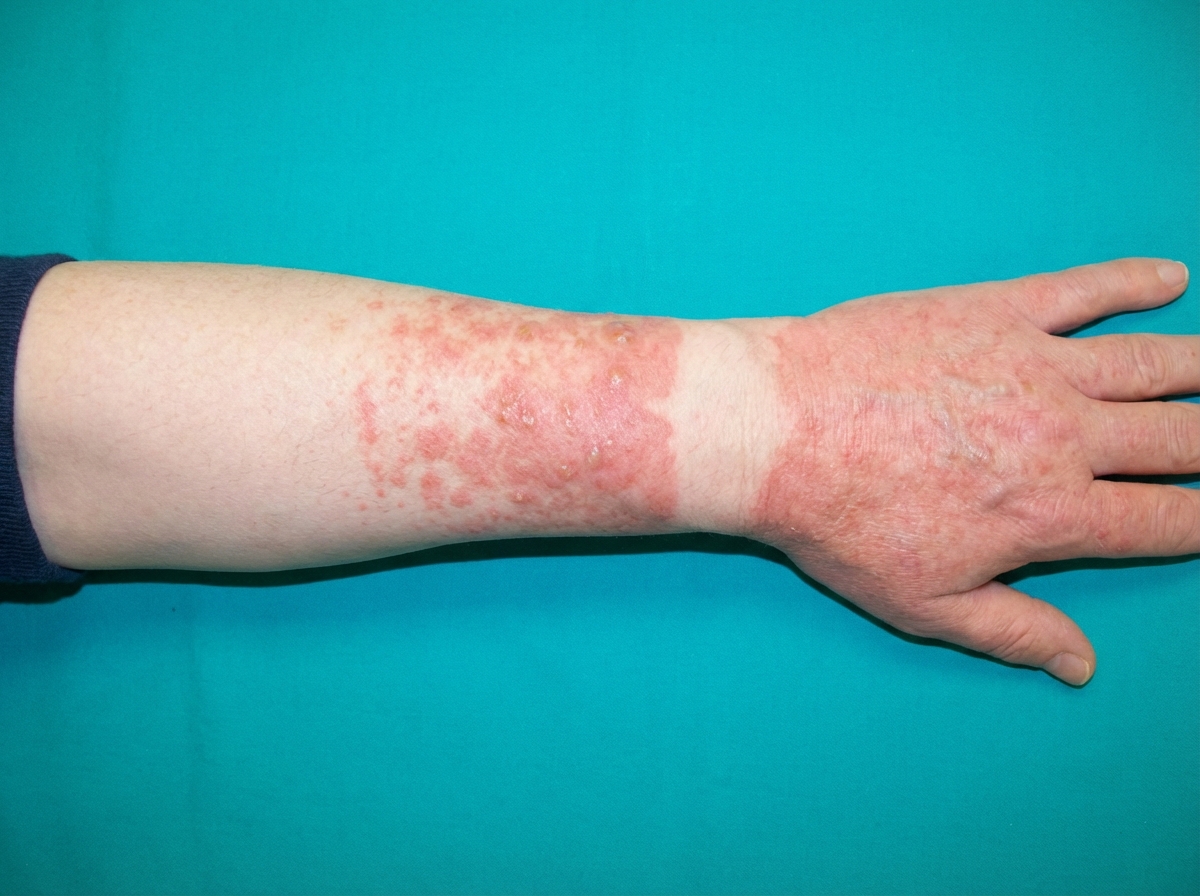
All of the following statements about adverse effects of tetracyclines are true, except?
Which antitubercular drug should not be given to a patient who has both tuberculosis and AIDS?
Which of the following penicillins can be administered orally?
Which of the following is an antifungal agent?
Which antimicrobial drug is considered safe for use during pregnancy?
Which of the following is not an anti-pseudomonal agent?
Which of the following antibiotics is the drug of choice in the treatment of lymphedema?
Which antibiotic achieves high concentration in hard tissue due to its molecular size?
Which of the following is true about amoxicillin in comparison to ampicillin?
What is the mechanism of action of tetracycline?
Explanation: **Explanation:** The correct answer is **D**, as the statement "Are not known to be teratogenic" is false. Tetracyclines are well-documented **teratogens** and are classified as **FDA Pregnancy Category D**. **1. Why Option D is the correct answer (The False Statement):** Tetracyclines readily cross the placental barrier and bind to calcium in fetal bones and teeth. This leads to **fetal growth retardation**, permanent **brownish-yellow discoloration of teeth**, and **enamel hypoplasia**. Therefore, they are strictly contraindicated during pregnancy (especially after the first trimester) and in children below 8 years of age. **2. Analysis of Incorrect Options (True Statements):** * **Option A:** Tetracyclines have a high affinity for calcium. They form a tetracycline-calcium orthophosphate complex that deposits in the dentin, leading to permanent tooth discoloration. * **Option B:** Being broad-spectrum antibiotics, they significantly alter the normal intestinal flora. This suppression of "good" bacteria allows the overgrowth of resistant organisms like *Candida albicans* or *Clostridium difficile*, leading to **superinfections** (e.g., oral thrush, vaginal candidiasis, or pseudomembranous colitis). * **Option C:** High doses of tetracyclines (especially IV) can cause **acute fatty liver infiltration**, particularly in pregnant women or patients with pre-existing renal impairment. **High-Yield Clinical Pearls for NEET-PG:** * **Fanconi Syndrome:** Expired tetracyclines cause proximal renal tubular acidosis due to degradation products (epitetracycline). * **Phototoxicity:** Demeclocycline and Doxycycline are most commonly associated with exaggerated sunburn reactions. * **Vestibular Toxicity:** Minocycline can cause dizziness and vertigo. * **Drug of Choice:** Doxycycline is the DOC for Rickettsial infections, Chlamydia, Cholera, and Brucellosis.
Explanation: **Explanation:** The correct answer is **Thiacetazone**. **Why Thiacetazone is contraindicated:** Thiacetazone is a bacteriostatic antitubercular drug that is strictly contraindicated in HIV-positive patients. In individuals with AIDS, Thiacetazone is associated with a high incidence of severe, life-threatening cutaneous adverse drug reactions, most notably **Stevens-Johnson Syndrome (SJS)** and **Toxic Epidermal Necrolysis (TEN)**. Due to the compromised immune system and altered drug metabolism in HIV patients, the risk of these fatal skin reactions is significantly elevated compared to the general population. **Analysis of Incorrect Options:** * **A, B, and C (Isoniazid, Pyrazinamide, Ethambutol):** These are part of the standard first-line "RIPE" regimen (Rifampicin, Isoniazid, Pyrazinamide, Ethambutol). They are safe and essential for treating TB in HIV-positive patients, provided that drug-drug interactions with Antiretroviral Therapy (ART)—particularly involving Rifampicin—are managed. **High-Yield Clinical Pearls for NEET-PG:** * **Mechanism of Action:** Thiacetazone inhibits mycolic acid synthesis (similar to Isoniazid but at a different site). * **Major Side Effect:** Aside from SJS/TEN, it can cause hepatitis and ototoxicity. * **WHO Recommendation:** The WHO recommends against the use of Thiacetazone in any setting where HIV prevalence is high or where HIV testing is not readily available. * **Drug Interaction Note:** When treating TB-HIV co-infection, **Rifabutin** is often preferred over Rifampicin if the patient is on Protease Inhibitors, as it is a less potent inducer of CYP450 enzymes.
Explanation: **Explanation:**The correct answer is **Penicillin V (Phenoxymethyl penicillin)**.1. Why Penicillin V is the correct answer:The primary factor determining the route of administration for penicillins is their **acid stability**. **Benzyl penicillin (Penicillin G)** is acid-labile, meaning it is rapidly destroyed by gastric acid in the stomach, resulting in poor and inconsistent oral absorption [1]. In contrast, **Penicillin V** is an acid-stable congener. The addition of a phenoxymethyl group makes it resistant to gastric acid degradation, allowing for effective oral administration and reliable therapeutic blood levels [1].2. Why the other options are incorrect:* **Benzyl penicillin (Penicillin G):** As mentioned, it is acid-labile and must be administered parenterally (IV/IM) for systemic infections.* **Procaine and Benzathine penicillin:** These are **repository (depot) forms** of Penicillin G. They are formulated as insoluble salts to be administered exclusively via **Deep Intramuscular (IM) injection**. They provide a slow-release effect over days (Procaine) or weeks (Benzathine). They are never given orally or intravenously (due to the risk of embolism).3. NEET-PG High-Yield Clinical Pearls:* **Drug of Choice:** Penicillin V is commonly used for mild-to-moderate streptococcal pharyngitis and skin infections.* **Benzathine Penicillin:** The drug of choice for **Syphilis** (primary, secondary, and latent) and for **Rheumatic Fever prophylaxis**.* **Contraindication:** Never give Procaine or Benzathine penicillin IV; it can cause "Hoigne's syndrome" or pulmonary embolism.* **Excretion:** Most penicillins are excreted via tubular secretion, which can be blocked by **Probenecid** to prolong their duration of action.
Explanation: **Explanation:** **Correct Option: A. Flucytosine** Flucytosine (5-fluorocytosine) is a pyrimidine antimetabolite used exclusively as an **antifungal agent**. Its mechanism of action involves being taken up by fungal cells via the enzyme **cytosine permease**. Inside the cell, it is converted by **cytosine deaminase** into 5-fluorouracil (5-FU), which inhibits DNA and protein synthesis. Since human cells lack cytosine deaminase, the drug exhibits selective toxicity. It is primarily used in combination with Amphotericin B for treating Cryptococcal meningitis to prevent the rapid development of resistance. **Incorrect Options:** * **B. Cytosine arabinoside (Ara-C):** This is a pyrimidine analogue **chemotherapeutic agent** used primarily in the treatment of acute myeloid leukemia (AML) and lymphomas. It inhibits DNA polymerase. * **C. 5-fluorouracil (5-FU):** This is a potent **anticancer drug** used for solid tumors (colorectal, breast, etc.). While Flucytosine is converted into 5-FU *inside* fungal cells, 5-FU itself is too toxic for systemic use as an antimicrobial in humans. * **D. Procarbazine:** This is an **alkylating agent** (methylhydrazine derivative) used in cancer chemotherapy, most notably in the MOPP regimen for Hodgkin’s lymphoma. **High-Yield Clinical Pearls for NEET-PG:** * **Synergy:** Flucytosine is almost always used with Amphotericin B; the latter increases fungal cell permeability, allowing more Flucytosine to enter. * **Adverse Effect:** The most significant side effect is **bone marrow suppression** (anemia, leukopenia, thrombocytopenia) due to the conversion of the drug to 5-FU by intestinal flora. * **Spectrum:** It has a narrow spectrum, mainly targeting *Cryptococcus neoformans* and *Candida* species.
Explanation: **Explanation:** **Penicillin** is the correct answer because it belongs to the **Beta-lactam** class of antibiotics, which are generally considered the safest antimicrobials during pregnancy (FDA Category B). Their mechanism of action involves inhibiting bacterial cell wall synthesis—a process that does not exist in human cells—thereby posing minimal risk to the developing fetus. **Why the other options are incorrect:** * **Fluoroquinolones (e.g., Ciprofloxacin):** These are contraindicated due to their high affinity for bone and cartilage. They can cause **arthropathy** and permanent damage to the weight-bearing joints of the fetus. * **Sulfadiazine (Sulfonamides):** If used in the third trimester, they compete with bilirubin for binding sites on albumin. This leads to increased free bilirubin, which can cross the blood-brain barrier, resulting in **kernicterus** in the newborn. * **Tetracyclines (e.g., Doxycycline):** These are strictly contraindicated as they cross the placenta and chelate calcium. This leads to **permanent discoloration of teeth** (yellow-brown) and inhibition of bone growth (enamel hypoplasia). **High-Yield Clinical Pearls for NEET-PG:** * **Safe in Pregnancy (Mnemonic: "CAMP"):** **C**ephalosporins, **A**moxicillin/Ampicillin, **M**acrolides (except Estolate form), and **P**enicillins. * **Avoid in Pregnancy (Mnemonic: "SAFE"):** **S**ulfonamides (Kernicterus), **A**minoglycosides (Ototoxicity), **F**luoroquinolones (Cartilage damage), **E**rythromycin Estolate (Hepatotoxicity) and **T**etracyclines (Teeth/Bone). * **Nitrofurantoin** is safe but must be avoided at term due to the risk of hemolytic anemia in the newborn (if G6PD deficient).
Explanation: **Explanation:** The correct answer is **Vancomycin**. **1. Why Vancomycin is the correct choice:** *Pseudomonas aeruginosa* is a Gram-negative, aerobic bacillus. **Vancomycin** is a glycopeptide antibiotic that acts by inhibiting cell wall synthesis specifically in **Gram-positive bacteria** (e.g., MRSA, *Enterococcus*). Its large molecular size prevents it from penetrating the outer membrane of Gram-negative bacteria, making it inherently ineffective against *Pseudomonas*. **2. Analysis of incorrect options (Anti-pseudomonal agents):** * **Ticarcillin (Option B):** This is a carboxypenicillin. Along with Piperacillin, it belongs to the "anti-pseudomonal penicillins" class, specifically designed to penetrate the cell wall of *Pseudomonas*. * **Ceftazidime (Option C):** A 3rd-generation cephalosporin. Unlike Ceftriaxone, Ceftazidime (and the 4th-gen Cefepime) has excellent activity against *Pseudomonas*. * **Tobramycin (Option D):** An aminoglycoside. It is often the preferred aminoglycoside for *Pseudomonas* infections, frequently used in combination with beta-lactams for synergistic effects. **3. High-Yield Clinical Pearls for NEET-PG:** * **Mnemonic for Anti-pseudomonal drugs:** "**P**ants **C**an **T**ame **T**he **C**ruel **P**seudomonas" * **P**iperacillin/Ticarcillin * **C**eftazidime/Cefepime * **T**obramycin/Amikacin/Gentamicin * **T**henam (Carbapenems: Imipenem, Meropenem—*Note: Ertapenem has NO anti-pseudomonal activity*) * **C**iprofloxacin/Levofloxacin * **P**olymyxins (Colistin) * **Drug of Choice:** For severe infections, a combination of an anti-pseudomonal beta-lactam and an aminoglycoside is typically used. * **Aztreonam:** The only Monobactam; it is active *only* against Gram-negative bacteria, including *Pseudomonas*.
Explanation: ### Explanation **1. Why Penicillin is the Correct Answer:** Lymphedema (especially chronic stages) leads to impaired lymphatic drainage, creating a protein-rich environment that is highly susceptible to recurrent bacterial infections. The most common complication and cause of worsening lymphedema is **Recurrent Cellulitis or Lymphangitis**, typically caused by **Group A Beta-hemolytic Streptococci** (*Streptococcus pyogenes*). **Penicillin** is the drug of choice because it is highly effective against Streptococci. In patients with recurrent episodes (more than two per year), long-term **prophylactic Benzathine Penicillin G** (administered intramuscularly every 3–4 weeks) is the standard of care to prevent further lymphatic damage and disease progression. **2. Why the Other Options are Incorrect:** * **B. Amikacin:** This is an aminoglycoside primarily used for aerobic Gram-negative infections (e.g., *Pseudomonas*). It has no activity against the Streptococci that cause cellulitis in lymphedema and carries risks of nephrotoxicity and ototoxicity. * **C. Metronidazole:** This agent is specific for anaerobic bacteria and certain protozoa. It is ineffective against the aerobic Gram-positive cocci responsible for lymphedema-associated infections. * **D. Ceftazidime:** While a potent third-generation cephalosporin, its primary clinical utility is against *Pseudomonas aeruginosa*. It is "overkill" for simple streptococcal prophylaxis and is not the first-line agent. **3. Clinical Pearls for NEET-PG:** * **Milroy’s Disease:** Congenital lymphedema (VEGFR3 mutation). * **Meige’s Disease:** Lymphedema praecox (most common primary lymphedema). * **Stemmer’s Sign:** Inability to pinch the skin on the dorsal surface of the base of the second toe; a pathognomonic physical finding for lymphedema. * **Stewart-Treves Syndrome:** A rare, highly aggressive angiosarcoma that develops in the setting of long-standing chronic lymphedema (classically post-mastectomy).
Explanation: ### Explanation **Correct Option: C. Clindamycin** Clindamycin is a lincosamide antibiotic known for its excellent tissue penetration. The primary reason it achieves high concentrations in **hard tissues (bone)** is its unique pharmacokinetic profile, including its small molecular size and high lipid solubility. It is actively transported into phagocytic cells (neutrophils and macrophages), which then carry the drug to the site of infection, including poorly vascularized bone tissue. This makes it the drug of choice for **osteomyelitis** (especially when caused by *Staphylococcus aureus*) and dental infections. **Analysis of Incorrect Options:** * **A. Ceftum (Cefuroxime):** This is a second-generation cephalosporin. While it has good distribution, it does not concentrate in bone as effectively as clindamycin and is primarily used for respiratory and urinary tract infections. * **B. Ciprofloxacin:** A fluoroquinolone that has decent bone penetration, but its mechanism of distribution is different. It is often used for Gram-negative osteomyelitis, but clindamycin remains the classic answer for "high concentration in hard tissue" in pharmacological contexts. * **D. Erythromycin:** A macrolide that has poor penetration into bone and the central nervous system. It is primarily used for soft tissue and respiratory infections. **High-Yield Clinical Pearls for NEET-PG:** * **Mechanism of Action:** Inhibits protein synthesis by binding to the **50S ribosomal subunit**. * **Spectrum:** Excellent against **Gram-positive aerobes** and **Anaerobes** (Bacteroides fragilis) [1]. * **Adverse Effect:** Most notorious for causing **Pseudomembranous colitis** (due to *Clostridioides difficile* overgrowth). * **Topical Use:** Commonly used for **Acne vulgaris** [2] due to its activity against *Cutibacterium acnes*.
Explanation: Amoxicillin and ampicillin are both semi-synthetic, broad-spectrum aminopenicillins [1]. The primary pharmacokinetic difference between them lies in their absorption profile. **1. Why Option A is Correct:** Amoxicillin has **higher oral bioavailability** (approximately 90%) compared to ampicillin (approximately 30-50%). This is because amoxicillin is more acid-stable and its absorption is **not interfered with by food**, whereas ampicillin absorption is significantly decreased when taken with meals [1]. Consequently, amoxicillin achieves higher and more consistent plasma concentrations, allowing for less frequent dosing (TID vs. QID) [1]. **2. Why Other Options are Incorrect:** * **Options B & C:** These are incorrect because the chemical structure of amoxicillin (the addition of a hydroxyl group) specifically enhances its lipophilicity and gastrointestinal absorption compared to ampicillin. * **Option D:** While ampicillin is frequently given parenterally (IV/IM), amoxicillin is primarily used **orally**. In clinical practice, if a parenteral aminopenicillin is required, ampicillin is the preferred choice. **3. NEET-PG High-Yield Pearls:** * **Diarrhea:** Ampicillin causes a higher incidence of diarrhea because its poor absorption leaves a larger amount of unabsorbed drug in the gut, altering the intestinal flora. Amoxicillin is less likely to cause diarrhea. * **Spectrum:** Both cover *H. influenzae, E. coli, Listeria monocytogenes, Proteus mirabilis,* and *Enterococci* (Mnemonic: **HELPS**) [1]. * **Drug of Choice:** Amoxicillin is the drug of choice for **Otitis Media** and prophylaxis of **Infective Endocarditis** (dental procedures). * **Shigellosis:** Ampicillin is traditionally preferred over amoxicillin for Shigella enteritis because its lower absorption allows it to reach higher concentrations within the intestinal lumen [1].
Explanation: **Mechanism of Action: Tetracyclines** Tetracyclines are bacteriostatic antibiotics that inhibit bacterial protein synthesis [1]. They enter the bacteria through passive diffusion and active transport [1]. **Why Option A is Correct:** Tetracyclines bind reversibly to the **30S ribosomal subunit** (specifically at the 16S rRNA) [1]. By doing so, they physically block the **Aminoacyl-tRNA (A-site)** [1]. This prevents the attachment of the incoming aminoacyl-tRNA to the mRNA-ribosome complex, effectively halting the addition of new amino acids to the growing peptide chain [1]. **Analysis of Incorrect Options:** * **Option B (Peptidyl transferase inhibition):** This is the mechanism of **Chloramphenicol**. It binds to the 50S subunit and prevents the formation of peptide bonds. * **Option C (Misreading of mRNA):** This is characteristic of **Aminoglycosides**. They bind to the 30S subunit and cause the incorporation of incorrect amino acids, leading to non-functional proteins. * **Option D (Termination of peptide chain):** This describes the action of **Puromycin** (an antineoplastic/antibiotic used in research) or the premature termination caused by **Macrolides** (which inhibit translocation). **High-Yield Clinical Pearls for NEET-PG:** * **Resistance:** Primarily occurs via **efflux pumps** (encoded by *tet* genes) or ribosomal protection proteins [1]. * **Spectrum:** Broad-spectrum; drug of choice for **Rickettsial infections, Chlamydia, Cholera, and Brucellosis.** [1] * **Contraindications:** Avoided in pregnancy and children <8 years due to **chelation of calcium**, leading to permanent tooth discoloration and bone growth retardation. [1] * **Doxycycline:** The only tetracycline safely excreted via feces (bile), making it the drug of choice in **renal failure**. [1]
Beta-Lactam Antibiotics
Practice Questions
Aminoglycosides
Practice Questions
Macrolides and Ketolides
Practice Questions
Tetracyclines
Practice Questions
Quinolones
Practice Questions
Sulfonamides and Trimethoprim
Practice Questions
Antimycobacterial Drugs
Practice Questions
Antifungal Agents
Practice Questions
Antiviral Drugs
Practice Questions
Antiparasitic Agents
Practice Questions
Principles of Antimicrobial Selection
Practice Questions
Antimicrobial Resistance
Practice Questions
Get full access to all questions, explanations, and performance tracking.
Start For Free