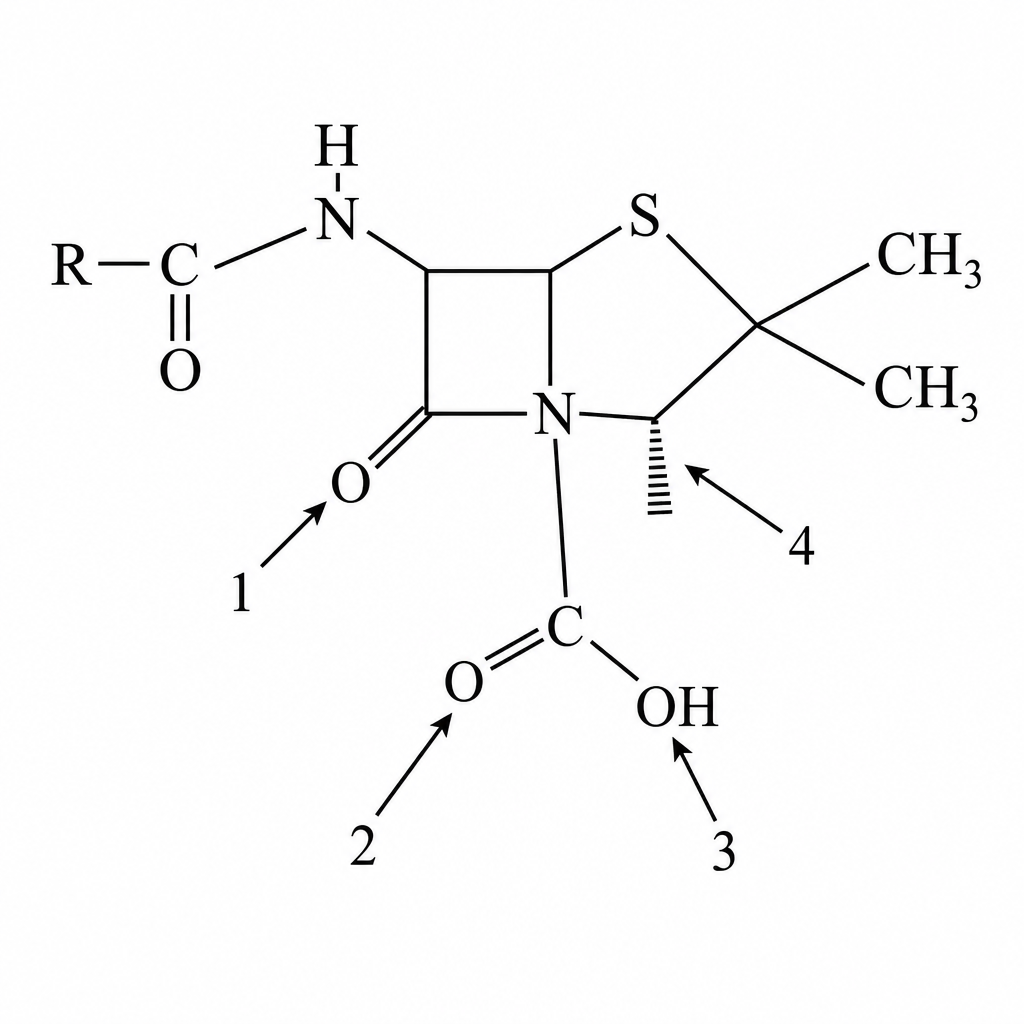
What is the drug of choice for the treatment of infestation due to Onchocerca volvulus?
Which of the following anti-TB drugs is NOT bactericidal?
What is the mechanism of action of rifampicin?
Which drug is used for the treatment of influenza?
Which antibiotic is most frequently associated with hypoplasia and staining of fetal teeth?
Which of the following antibiotics does not act by inhibiting protein synthesis?
Which drug is used in the treatment of herpetic lesions?
Which of the following drugs can be used for the treatment of chloroquine-resistant malaria in children?
Pyrantel pamoate is effective in which of the following parasitic infections?
Rifampicin is obtained from what source?
Explanation: **Explanation:** **Ivermectin** is the drug of choice for **Onchocerciasis (River Blindness)** caused by *Onchocerca volvulus*. Its primary mechanism involves binding to glutamate-gated chloride channels in invertebrate nerve and muscle cells, leading to hyperpolarization and paralysis of the parasite. In Onchocerciasis, Ivermectin is highly effective against **microfilariae** (microfilaricidal) and suppresses their release from adult worms for several months. **Analysis of Options:** * **Albendazole (A):** While a broad-spectrum anthelmintic that inhibits microtubule synthesis, it is primarily used for Hydatid disease, Neurocysticercosis, and intestinal nematodes (Ascaris, Hookworm). It is not the primary treatment for Onchocerciasis. * **Praziquantel (C):** This is the drug of choice for **Schistosomiasis** and most trematode (fluke) and cestode (tapeworm) infections. It works by increasing calcium permeability, causing contraction and paralysis. It has no activity against *O. volvulus*. * **Suramin (D):** This is a macrofilaricidal drug (kills adult worms). However, it is highly toxic (renal toxicity) and must be given intravenously. It is rarely used today, having been replaced by safer alternatives. **High-Yield Clinical Pearls for NEET-PG:** * **Mazzotti Reaction:** A severe immune response (fever, rash, hypotension) occurring after treatment of Onchocerciasis due to the rapid death of microfilariae. Ivermectin is preferred because it causes a milder reaction compared to Diethylcarbamazine (DEC). * **Contraindication:** DEC is **contraindicated** in Onchocerciasis as it can cause permanent blindness due to severe ocular inflammation. * **Dosing:** For River Blindness, Ivermectin is typically given as a single oral dose (150 µg/kg) annually or semi-annually.
Explanation: ### Explanation In the treatment of Tuberculosis, drugs are classified based on their mechanism of action as either **bactericidal** (killing the bacteria) or **bacteriostatic** (inhibiting growth). **Why Ethambutol is the correct answer:** Ethambutol is the only **bacteriostatic** drug among the first-line anti-TB agents. It works by inhibiting the enzyme **arabinosyl transferase**, which interferes with the synthesis of arabinogalactan, an essential component of the mycobacterial cell wall. Since it only halts the replication process rather than directly killing the bacilli, it is classified as bacteriostatic. **Why the other options are incorrect:** * **Rifampicin:** A potent **bactericidal** drug. It inhibits DNA-dependent RNA polymerase, preventing transcription. It is effective against both rapidly dividing and dormant (persister) bacilli. * **Isoniazid (INH):** Primarily **bactericidal** against rapidly dividing mycobacteria. It inhibits the synthesis of mycolic acids, which are vital for cell wall integrity. * **Pyrazinamide:** A **bactericidal** drug that is particularly effective in acidic environments (e.g., inside macrophages). It is crucial for killing intracellular organisms. **NEET-PG High-Yield Pearls:** * **Mnemonic for First-line Drugs:** **PRIEST** (Pyrazinamide, Rifampicin, Isoniazid, Ethambutol, STreptomycin). All are bactericidal **except** Ethambutol. * **Visual Side Effect:** Ethambutol is notorious for causing **Retrobulbar Neuritis**, leading to decreased visual acuity and **red-green color blindness**. (Remember: **E**thambutol for **E**ye). * **Sterilizing Activity:** Rifampicin and Pyrazinamide have the highest sterilizing activity, which helps in preventing relapses. * **Safe in Renal Failure:** Rifampicin and Isoniazid are primarily metabolized by the liver, while Ethambutol requires dose adjustment in renal impairment.
Explanation: **Mechanism of Action: Rifampicin** **Correct Answer: B. DNA dependent RNA polymerase inhibition** Rifampicin is a bactericidal antibiotic that acts by binding to the **beta ($\beta$) subunit** of the bacterial **DNA-dependent RNA polymerase (DDRP)** enzyme. This binding prevents the initiation of RNA transcription, thereby halting the synthesis of messenger RNA (mRNA) and subsequent protein production. Because it targets the bacterial enzyme specifically, it does not interfere with human RNA polymerase. **Explanation of Incorrect Options:** * **A. Inhibition of mycolic acid synthesis:** This is the mechanism of **Isoniazid (INH)**. INH inhibits the enzyme *InhA*, which is essential for the synthesis of mycolic acids, the primary component of the mycobacterial cell wall. * **C. Protein synthesis inhibition:** This is a broad category for drugs like **Aminoglycosides** (30S), **Macrolides** (50S), and **Tetracyclines** (30S). While Rifampicin ultimately stops protein production, its primary target is the transcription phase (RNA synthesis), not the translation phase (ribosomes). * **D. Inhibits synthesis of arabinogalactan:** This is the mechanism of **Ethambutol**. It inhibits the enzyme *arabinosyl transferase*, disrupting the polymerization of arabinogalactan in the cell wall. **High-Yield Clinical Pearls for NEET-PG:** * **Resistance:** Develops rapidly due to mutations in the **rpoB gene** (which encodes the $\beta$-subunit of RNA polymerase). * **Side Effects:** Causes harmless **orange-red discoloration** of body fluids (urine, sweat, tears, saliva). * **Enzyme Induction:** Rifampicin is a potent **Cytochrome P450 inducer**, leading to significant drug interactions (e.g., decreasing the efficacy of OCPs, warfarin, and protease inhibitors). * **Clinical Use:** A first-line drug for Tuberculosis and Leprosy; also used for prophylaxis of Meningococcal and *H. influenzae* meningitis.
Explanation: ### Explanation **Correct Answer: D. Oseltamivir** **Mechanism and Rationale:** Oseltamivir is a **Neuraminidase Inhibitor** used for both the prophylaxis and treatment of Influenza A and B. Neuraminidase is a viral enzyme responsible for cleaving sialic acid receptors, which allows newly formed virions to be released from the host cell. By inhibiting this enzyme, Oseltamivir causes the viral particles to aggregate at the cell surface, effectively halting the spread of infection within the respiratory tract. For maximum efficacy, it should ideally be started within 48 hours of symptom onset. **Analysis of Incorrect Options:** * **A. Ritonavir:** A Protease Inhibitor used in the treatment of HIV (HAART regimen). It is frequently used as a "pharmacokinetic booster" because it inhibits the CYP3A4 enzyme, increasing the plasma levels of other co-administered protease inhibitors (e.g., Lopinavir). * **B. Idoxuridine:** A pyrimidine analogue and the first antiviral agent developed. Due to systemic toxicity, its use is restricted to the topical treatment of Herpes Simplex Virus (HSV) keratitis. * **C. Lumefantrine:** An antimalarial agent used in combination with Artemether (ACT) for the treatment of uncomplicated *Plasmodium falciparum* malaria. **High-Yield Clinical Pearls for NEET-PG:** * **Route of Administration:** Oseltamivir is administered **orally** (prodrug), whereas Zanamivir is administered via **inhalation** (contraindicated in asthma/COPD due to bronchospasm risk). * **Baloxavir Marboxil:** A newer single-dose drug for influenza that inhibits **cap-dependent endonuclease**, blocking viral mRNA synthesis. * **Amantadine/Rimantadine:** Older drugs that inhibit the **M2 ion channel**; they are no longer recommended for influenza due to widespread resistance and lack of activity against Influenza B.
Explanation: **Explanation:** **Tetracyclines** (Option A) are the correct answer because they have a high affinity for calcium [1]. They form a stable **tetracycline-calcium orthophosphate complex** that is deposited in bones and teeth during the process of mineralization (calcification). When administered during the second or third trimester of pregnancy (or to children under 8 years of age), these drugs cross the placenta and deposit in the fetal deciduous teeth, leading to permanent **yellow-brown discoloration** and **enamel hypoplasia** [2]. **Why other options are incorrect:** * **Streptomycin (Option B):** An aminoglycoside primarily associated with **ototoxicity** (damage to the 8th cranial nerve), leading to permanent hearing loss in the fetus. * **Nitrofurantoin (Option C):** Generally considered safe in early pregnancy but contraindicated at term (38–42 weeks) due to the risk of **hemolytic anemia** in the newborn (due to immature fetal erythrocyte enzyme systems). * **Chloramphenicol (Option D):** Associated with **Gray Baby Syndrome** when given to neonates, characterized by vomiting, flaccidity, hypothermia, and cardiovascular collapse due to the inability of the liver to conjugate the drug (glucuronidation). **NEET-PG High-Yield Pearls:** * **Safe Period:** Tetracyclines do not affect teeth if given only during the first trimester, as tooth calcification begins later. * **Bone Growth:** Tetracyclines can also cause temporary suppression of fibular growth in infants. * **Doxycycline Exception:** Recent evidence suggests Doxycycline has a lower calcium-binding affinity than older tetracyclines, but it is still generally avoided in pregnancy for board exams.
Explanation: ### Explanation The correct answer is **Vancomycin**. **1. Mechanism of Action of Vancomycin:** Vancomycin is a glycopeptide antibiotic that inhibits **cell wall synthesis**, not protein synthesis. It binds specifically to the **D-Ala-D-Ala** terminus of the nascent peptidoglycan pentapeptide. This binding sterically hinders the transglycosylation and transpeptidation steps, preventing the cross-linking of the bacterial cell wall. It is primarily used for Gram-positive infections, including MRSA. **2. Why the other options are incorrect:** * **Tetracycline:** Inhibits protein synthesis by binding to the **30S ribosomal subunit**, preventing the attachment of aminoacyl-tRNA to the A-site. * **Streptomycin:** An aminoglycoside that binds to the **30S ribosomal subunit**. It causes misreading of mRNA and inhibits the initiation of protein synthesis. * **Azithromycin:** A macrolide that inhibits protein synthesis by binding to the **50S ribosomal subunit**, specifically blocking the translocation step. **3. High-Yield Clinical Pearls for NEET-PG:** * **Mnemonic for Protein Synthesis Inhibitors:** **"Buy AT 30, CELL at 50"** * **30S inhibitors:** **A**minoglycosides, **T**etracyclines. * **50S inhibitors:** **C**hloramphenicol, **E**rythromycin (Macrolides), **L**inezolid, **L**incosamides (Clindamycin). * **Vancomycin Resistance:** Occurs via a change in the binding site from D-Ala-D-Ala to **D-Ala-D-Lac** (seen in VRSA/VRE). * **Red Man Syndrome:** A common side effect of Vancomycin due to rapid infusion causing histamine release (not a true allergy).
Explanation: **Explanation:** **Acyclovir** is the correct answer because it is a potent antiviral agent specifically designed to treat infections caused by the **Herpes Simplex Virus (HSV)** and **Varicella-Zoster Virus (VZV)**. **Mechanism of Action:** Acyclovir is a guanosine analogue that acts as a "prodrug." It requires phosphorylation by the viral enzyme **thymidine kinase** to become active (Acyclovir triphosphate). Once active, it selectively inhibits viral DNA polymerase and causes DNA chain termination, preventing the virus from replicating. Since it requires a viral enzyme for activation, it has low toxicity to host cells. **Why other options are incorrect:** * **Penicillin (B):** A beta-lactam antibiotic used to treat Gram-positive bacterial infections (e.g., Syphilis, Streptococcal pharyngitis). It has no activity against viruses. * **Tetracycline (C):** A broad-spectrum bacteriostatic antibiotic that inhibits the 30S ribosomal subunit. It is used for Rickettsia, Chlamydia, and Acne, but is ineffective against herpetic lesions. * **Ciprofloxacin (D):** A fluoroquinolone that inhibits DNA gyrase and Topoisomerase IV. It is used for Gram-negative bacterial infections (e.g., UTIs, Typhoid) but not for viral pathogens. **High-Yield Clinical Pearls for NEET-PG:** * **Drug of Choice:** Acyclovir is the gold standard for **Herpes Simplex Encephalitis** (administered IV). * **Resistance:** Resistance to Acyclovir usually occurs due to the absence or mutation of the viral **thymidine kinase** enzyme. In such cases, **Foscarnet** or **Cidofovir** (which do not require phosphorylation by viral kinase) are used. * **Valacyclovir:** A prodrug of acyclovir with better oral bioavailability, often preferred for outpatient management of Shingles. * **Side Effect:** Rapid IV infusion of Acyclovir can cause **obstructive crystalline nephropathy**; ensure adequate hydration.
Explanation: **Explanation:** The treatment of chloroquine-resistant *Plasmodium falciparum* requires combination therapy. According to the National Vector Borne Disease Control Programme (NVBDCP) and WHO guidelines, when using Quinine for resistant malaria, it must be paired with a second antibiotic to ensure complete parasite clearance. **Why Clindamycin is Correct:** In children (especially those under 8 years of age) and pregnant women, **Clindamycin** is the drug of choice to be used in combination with Quinine. It acts by inhibiting protein synthesis via the 50S ribosomal subunit and is safe for use in pediatric populations where other options are contraindicated. **Analysis of Incorrect Options:** * **Chloroquine:** By definition, it is ineffective against chloroquine-resistant strains due to the *pfcrt* gene mutation which increases drug efflux from the parasite's food vacuole. * **Doxycycline & Tetracycline:** While these are highly effective against resistant malaria, they are **contraindicated in children under 8 years of age**. These drugs cause permanent dental discoloration (yellowish-brown staining) and can inhibit bone growth by chelating calcium in developing teeth and bones. **NEET-PG High-Yield Pearls:** * **Drug of Choice (DOC):** For uncomplicated chloroquine-resistant malaria in India, the standard treatment is **ACT (Artemisinin-based Combination Therapy)**. * **Quinine + Clindamycin:** This is the specific regimen for resistant malaria in **pregnancy (1st trimester)** and **young children**. * **Mechanism of Resistance:** Chloroquine resistance is primarily due to mutations in the *Plasmodium falciparum* chloroquine resistance transporter (**pfcrt**) gene. * **Side Effect Note:** Always remember that Clindamycin is classically associated with *Pseudomembranous colitis* caused by *C. difficile*.
Explanation: ### Explanation **Mechanism of Action:** Pyrantel pamoate is a **depolarizing neuromuscular blocking agent**. It acts as a nicotinic acetylcholine receptor agonist, causing persistent depolarization of the parasite's muscle cells. This leads to **spastic paralysis**, causing the worms to lose their grip on the intestinal wall and be expelled through peristalsis. **Why Option B is Correct:** Pyrantel pamoate is highly effective against common intestinal nematodes (roundworms). It is considered a first-line treatment for: * **Enterobius vermicularis (Pinworm/Threadworm):** Often used as a single dose, repeated after two weeks. * **Ascaris lumbricoides (Roundworm):** Highly efficacious with a single dose. * **Hookworms (Ancylostoma and Necator):** Also susceptible, though often requiring longer courses than pinworms. **Why Other Options are Incorrect:** * **Amoebiasis (Options A & C):** Caused by the protozoan *Entamoeba histolytica*. Pyrantel pamoate has no activity against protozoa; these are treated with nitroimidazoles like Metronidazole. * **Trichuriasis (Option A):** While it has some effect, Pyrantel is generally poor against *Trichuris trichiura* (Whipworm). Mebendazole or Albendazole are preferred. * **Strongyloides (Option C):** Pyrantel is ineffective against *Strongyloides stercoralis*. The drug of choice is **Ivermectin**. * **Taenia solium (Option D):** This is a cestode (tapeworm). Pyrantel is only effective against nematodes. Cestodes are treated with **Praziquantel** or Niclosamide. **High-Yield Clinical Pearls for NEET-PG:** * **Pharmacokinetics:** It is poorly absorbed from the GIT, which is an advantage as it ensures high concentrations reach the parasites in the lumen with minimal systemic toxicity. * **Mnemonic:** "Pyrantel **P**aralyzes **P**inworms and **P**roundworms (Ascaris)." * **Safety:** It is generally safe in pregnancy (Category B), though Albendazole is usually avoided in the first trimester.
Explanation: **Explanation:** **Correct Option: D (Bacteria)** Rifampicin is a semi-synthetic derivative of **Rifamycin B**, which is a macrocyclic antibiotic produced by the bacterium ***Amycolatopsis rifamycinica*** (formerly known as *Streptomyces mediterranei*). In pharmacology, many key antibiotics are derived from soil-dwelling bacteria (Actinomycetes), and Rifampicin belongs to the Rifamycin group, which inhibits bacterial DNA-dependent RNA polymerase [2]. **Incorrect Options:** * **A (Sea fish):** While some toxins (like Tetrodotoxin) or Omega-3 fatty acids are derived from marine life, no major antitubercular antibiotics are sourced from sea fish. * **B & C (Plant/Leaves):** Although many drugs (like Digoxin, Quinine, or Atropine) are plant-derived, Rifampicin is strictly of microbial origin. It is not a phytochemical or botanical extract. **NEET-PG High-Yield Pearls:** * **Mechanism of Action:** Inhibits **DNA-dependent RNA polymerase** (blocks transcription) [1], [2]. * **Resistance:** Develops due to mutations in the **rpoB gene** [2]. * **Clinical Side Effect:** Causes harmless **orange-red discoloration** of body secretions (urine, sweat, tears, saliva). * **Drug Interactions:** It is a potent **Microsomal Enzyme Inducer** (CYP450 inducer), which decreases the efficacy of oral contraceptives, warfarin, and HIV protease inhibitors. * **Spectrum:** It is a bactericidal drug used primarily for Tuberculosis (part of RIPE regimen), Leprosy, and as prophylaxis for Meningococcal meningitis [1], [2].
Beta-Lactam Antibiotics
Practice Questions
Aminoglycosides
Practice Questions
Macrolides and Ketolides
Practice Questions
Tetracyclines
Practice Questions
Quinolones
Practice Questions
Sulfonamides and Trimethoprim
Practice Questions
Antimycobacterial Drugs
Practice Questions
Antifungal Agents
Practice Questions
Antiviral Drugs
Practice Questions
Antiparasitic Agents
Practice Questions
Principles of Antimicrobial Selection
Practice Questions
Antimicrobial Resistance
Practice Questions
Get full access to all questions, explanations, and performance tracking.
Start For Free