Rituximab is an antibody against which of the following?
Gemcitabine is effective in which of the following conditions?
Temozolomide is used in the treatment of which of the following conditions?
Which of the following drugs produces significant nephrotoxicity?
A young male was diagnosed with acute myeloid leukemia and received induction chemotherapy with a doxorubicin-based regimen, which was successful. Two months later, he presents with swelling of both feet and dyspnea on exertion, along with paroxysmal nocturnal dyspnea. Which of the following is most likely responsible for this patient's symptoms?
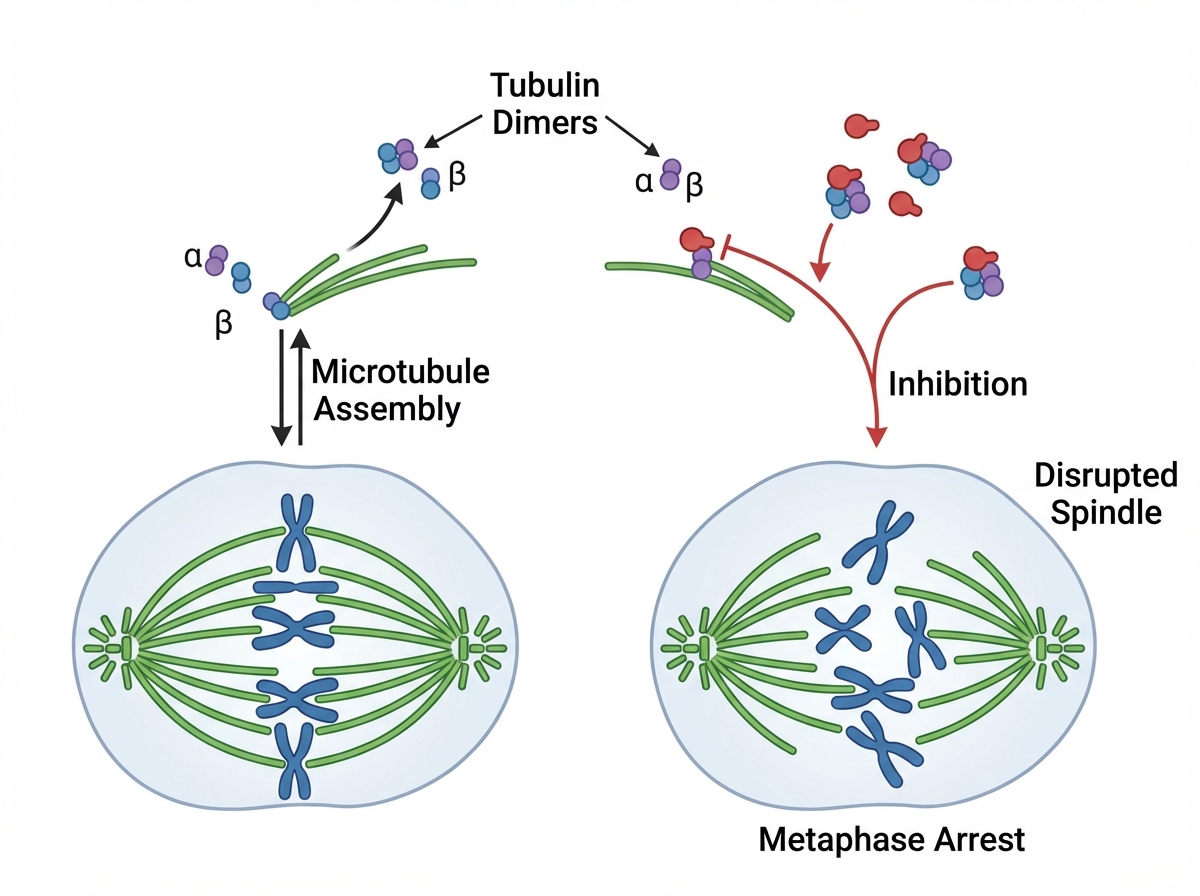
The provided figure illustrates the mechanism of action of which of the following drugs?
Cetuximab (an EGFR antagonist) can be used in which of the following conditions?
Which anticancer drug is known to cause nephrotoxicity?
Alkylating agents are known to cause which of the following conditions?
Tretinoin is useful in the treatment of which type of leukemia?
Explanation: **Explanation:** **Rituximab** is a chimeric monoclonal antibody that specifically targets the **CD20** antigen. CD20 is a transmembrane protein expressed primarily on the surface of pre-B and mature B-lymphocytes, but not on hematopoietic stem cells or plasma cells. 1. **Why CD20 is correct:** Binding of Rituximab to CD20 triggers B-cell lysis through three mechanisms: Antibody-Dependent Cellular Cytotoxicity (ADCC), Complement-Dependent Cytotoxicity (CDC), and induction of apoptosis. It is the gold-standard treatment for **Non-Hodgkin Lymphoma (NHL)**, Chronic Lymphocytic Leukemia (CLL), and autoimmune conditions like Rheumatoid Arthritis. 2. **Why other options are incorrect:** * **VEGF (Vascular Endothelial Growth Factor):** Targeted by **Bevacizumab**. It acts as an angiogenesis inhibitor used in colorectal and renal cell carcinomas. * **EGFR (Epidermal Growth Factor Receptor):** Targeted by **Cetuximab** and **Panitumumab**. These are used primarily in metastatic colorectal cancer and head/neck cancers. * **IL-2 Receptor (CD25):** Targeted by **Basiliximab** and **Daclizumab**. These are used as induction therapy to prevent acute organ transplant rejection. **High-Yield Clinical Pearls for NEET-PG:** * **Infusion Reaction:** The most common side effect of Rituximab is a severe infusion-related reaction (hypotension, bronchospasm); premedication with paracetamol and antihistamines is required. * **HBV Reactivation:** Before starting Rituximab, patients must be screened for Hepatitis B, as it can cause fatal viral reactivation. * **PML:** It is associated with a rare risk of Progressive Multifocal Leukoencephalopathy (caused by JC virus).
Explanation: **Explanation:** **Gemcitabine** is a pyrimidine antimetabolite and a deoxycytidine analog. It acts by inhibiting DNA synthesis through the inhibition of **ribonucleotide reductase** and by competing with dCTP for incorporation into DNA (masked chain termination). **Why Pancreatic Cancer is correct:** Gemcitabine is considered the **first-line chemotherapy** for locally advanced or metastatic **adenocarcinoma of the pancreas**. It was the first drug to demonstrate a "clinical benefit response" (improvement in pain, performance status, and weight) in pancreatic cancer patients, even when tumor shrinkage was minimal. It is also widely used in non-small cell lung cancer (NSCLC) and bladder cancer. **Analysis of Incorrect Options:** * **Head and Neck Cancers:** These are primarily treated with Cisplatin, 5-Fluorouracil (5-FU), and Taxanes (Docetaxel). * **Small-cell Lung Cancer (SCLC):** The standard of care involves Etoposide combined with Platinum agents (Cisplatin/Carboplatin). Gemcitabine is used in *Non-small cell* lung cancer (NSCLC), not SCLC. * **Soft Tissue Sarcoma:** First-line treatments typically include Doxorubicin and Ifosfamide. **High-Yield Clinical Pearls for NEET-PG:** * **Mechanism:** It is phosphorylated by *deoxycytidine kinase* to its active forms (dFdCDP and dFdCTP). * **Specific Toxicity:** Apart from myelosuppression, Gemcitabine is associated with **Flu-like syndrome** and, rarely, Hemolytic Uremic Syndrome (HUS). * **Potent Radiosensitizer:** It is often used concurrently with radiotherapy. * **Phase Specificity:** Like most antimetabolites, it is **S-phase specific**.
Explanation: **Explanation:** **Temozolomide** is an oral alkylating agent belonging to the **triazene class**. Its primary clinical utility stems from its unique ability to cross the **blood-brain barrier (BBB)** effectively. 1. **Why Brain Tumor is Correct:** Temozolomide is a prodrug that undergoes rapid non-enzymatic conversion at physiological pH to its active metabolite, **MTIC** (monomethyl triazenoimidazole carboxamide). It exerts its cytotoxic effect by alkylating DNA at the **O6 and N7 positions of guanine**, leading to DNA damage and apoptosis. It is the standard-of-care (first-line) treatment for **Glioblastoma Multiforme (GBM)** and is also used for Anaplastic Astrocytoma. 2. **Why Other Options are Incorrect:** * **Epilepsy:** Treated with anti-seizure medications (e.g., Levetiracetam, Phenytoin) that modulate ion channels or neurotransmitters, not cytotoxic alkylating agents. * **Stroke:** Managed with thrombolytics (Alteplase) or antiplatelets/anticoagulants. * **Multiple Sclerosis:** Managed with disease-modifying therapies (DMTs) like Interferon-beta, Glatiramer, or monoclonal antibodies (Ocrelizumab). **High-Yield Clinical Pearls for NEET-PG:** * **Route:** It is highly bioavailable when taken **orally**. * **Radiosensitizer:** It is often used concurrently with radiotherapy (Stupp Protocol) because it sensitizes tumor cells to radiation. * **Resistance:** High levels of the DNA repair enzyme **MGMT** (O6-methylguanine-DNA methyltransferase) can cause resistance to Temozolomide. Patients with a *methylated* MGMT promoter respond better to treatment. * **Side Effects:** Myelosuppression (thrombocytopenia and leukopenia) is the dose-limiting toxicity.
Explanation: **Explanation:** The question focuses on the dose-limiting toxicities of platinum-based compounds and vinca alkaloids. **Why Carboplatin is the correct answer:** Both **Cisplatin** and **Carboplatin** are platinum compounds that cause nephrotoxicity. However, in the context of many standardized medical exams (including specific NEET-PG patterns), **Carboplatin** is often highlighted for its significant renal impact, although it is traditionally considered *less* nephrotoxic than Cisplatin but *more* myelosuppressive. If this question identifies Carboplatin as the primary answer, it emphasizes its clinical requirement for dose adjustment based on the **Calvert Formula** (using GFR), as its clearance is almost entirely renal. **Why the other options are incorrect:** * **Cisplatin (A):** While Cisplatin is classically the *most* nephrotoxic (causing Acute Tubular Necrosis and magnesium wasting), it is also associated with severe vomiting (highly emetogenic) and ototoxicity. * **Vinblastine (C):** A vinca alkaloid that acts by inhibiting microtubule assembly. Its dose-limiting toxicity is **Bone Marrow Suppression** ("Blastine blasts the bone marrow"). * **Vincristine (D):** Another vinca alkaloid. Its dose-limiting toxicity is **Peripheral Neuropathy** (paresthesia, loss of reflexes) and paralytic ileus. It is famously "Bone Marrow Sparing." **High-Yield Clinical Pearls for NEET-PG:** * **Amifostine:** A cytoprotective agent (free radical scavenger) used specifically to reduce Cisplatin-induced nephrotoxicity. * **Vincristine:** Associated with SIADH and is notorious for causing foot drop. * **Calvert Formula:** Dose (mg) = Target AUC × (GFR + 25). This is used exclusively for Carboplatin dosing. * **Mnemonic:** **C**isplatin = **C**ore (Kidney/Ear) problems; **V**incristine = **V**ery sensitive nerves (Neuropathy).
Explanation: **Explanation:** The patient is presenting with classic signs of **congestive heart failure (CHF)**—peripheral edema, dyspnea on exertion, and paroxysmal nocturnal dyspnea (PND)—following chemotherapy with **Doxorubicin** (an Anthracycline). **Why Dilated Cardiomyopathy is correct:** Anthracyclines like Doxorubicin and Daunorubicin cause dose-dependent cardiotoxicity. The underlying mechanism involves the generation of **iron-dependent free radicals** (superoxide anions) and the inhibition of **Topoisomerase IIβ** in cardiomyocytes. This leads to oxidative stress, mitochondrial dysfunction, and myofibrillar loss, ultimately resulting in **Dilated Cardiomyopathy (DCM)**. This toxic effect is often irreversible and leads to systolic dysfunction (reduced ejection fraction). **Why other options are incorrect:** * **Restrictive Cardiomyopathy:** Typically caused by infiltrative diseases (e.g., amyloidosis, sarcoidosis) or radiation therapy, not anthracyclines. * **Hypertrophic Cardiomyopathy:** Usually a genetic condition (mutations in sarcomere proteins) or a result of chronic hypertension; it is not a side effect of chemotherapy. * **Pericardial Fibrosis:** While radiation to the chest can cause constrictive pericarditis/fibrosis, Doxorubicin specifically targets the myocardium, not the pericardium. **High-Yield Clinical Pearls for NEET-PG:** * **Dose Limit:** The risk of heart failure increases significantly when the cumulative dose of Doxorubicin exceeds **450–550 mg/m²**. * **Prevention:** **Dexrazoxane**, an iron-chelating agent, is administered to reduce free radical formation and protect the heart. * **Monitoring:** Periodic **Echocardiography** or **MUGA scans** are mandatory to monitor the Left Ventricular Ejection Fraction (LVEF). * **Early vs. Late Toxicity:** Acute toxicity (arrhythmias) is usually reversible; delayed toxicity (DCM) is chronic and often progressive.
Explanation: ***Vinblastine*** - **Binds to tubulin** and prevents **microtubule polymerization**, disrupting the mitotic spindle formation. - Causes **metaphase arrest** by blocking chromosome separation, leading to cancer cell death. *Cisplatin* - Works by forming **DNA cross-links** between and within DNA strands, not by affecting microtubules. - Mechanism involves **alkylation** of DNA bases, particularly guanine, leading to DNA damage and apoptosis. *Imatinib* - Acts as a **tyrosine kinase inhibitor**, specifically targeting **BCR-ABL** fusion protein in chronic myeloid leukemia. - Does not interact with **microtubules** but rather blocks abnormal protein kinase signaling pathways. *Trastuzumab* - A **monoclonal antibody** that targets **HER2 receptors** on breast cancer cells overexpressing this protein. - Works through **antibody-dependent cellular cytotoxicity** and receptor blockade, not microtubule disruption.
Explanation: **Explanation:** **Cetuximab** is a recombinant human/mouse chimeric monoclonal antibody that binds specifically to the extracellular domain of the **Epidermal Growth Factor Receptor (EGFR)**. By inhibiting the binding of EGF and other ligands, it blocks the downstream signaling pathways (MAPK, PI3K/Akt) responsible for cell proliferation and survival. **Why Option A is Correct:** Cetuximab is FDA-approved for use in **Squamous Cell Carcinoma of the Head and Neck (SCCHN)**. It is used in combination with radiotherapy for locally advanced disease or as a monotherapy/combination therapy (with platinum-based drugs) for **palliative treatment** in recurrent or metastatic cases. It is particularly effective in these cancers because EGFR is frequently overexpressed in squamous cell lineages. **Why Other Options are Incorrect:** * **B. Anal canal carcinoma:** The standard of care (Nigro protocol) involves Mitomycin and 5-Fluorouracil with radiation. Cetuximab is not a primary treatment. * **C. Gastric carcinoma:** While Trastuzumab (anti-HER2) is used for HER2-positive gastric cancer, Cetuximab has not shown significant survival benefits in major clinical trials for gastric adenocarcinoma. * **D. Lung carcinoma:** While EGFR mutations are common in Non-Small Cell Lung Cancer (NSCLC), the preferred treatments are **Tyrosine Kinase Inhibitors (TKIs)** like Erlotinib, Gefitinib, or Osimertinib, rather than Cetuximab. **High-Yield Clinical Pearls for NEET-PG:** * **Colorectal Cancer:** Cetuximab is also used in metastatic colorectal cancer, but **only in KRAS wild-type** patients. If a KRAS mutation is present, the drug will be ineffective. * **Adverse Effect:** The most characteristic side effect is an **acneiform skin rash**. Interestingly, the severity of the rash often correlates with a better clinical response to the drug. * **Mechanism:** It is an IgG1 antibody; it also induces antibody-dependent cell-mediated cytotoxicity (ADCC).
Explanation: **Explanation:** **Cisplatin** is a potent platinum-based alkylating agent used for various solid tumors. Its dose-limiting toxicity is **nephrotoxicity**, specifically causing acute tubular necrosis (ATN) in the proximal convoluted tubules. This occurs because cisplatin accumulates in the renal tubular cells, leading to oxidative stress and apoptosis. To prevent this, patients are managed with **aggressive pre- and post-treatment hydration** and the administration of **Amifostine** (a cytoprotective free-radical scavenger). **Analysis of Incorrect Options:** * **A. Imatinib:** A tyrosine kinase inhibitor (BCR-ABL) used in CML. Its hallmark side effect is **periorbital edema** and fluid retention, not primary nephrotoxicity. * **B. Irinotecan:** A Topoisomerase I inhibitor used in colorectal cancer. Its signature toxicity is **severe diarrhea** (early phase due to cholinergic crisis; late phase due to SN-38 metabolite). * **C. Fosfestrol:** A synthetic estrogen (prodrug of diethylstilbestrol) used in prostate cancer. Common side effects include gynecomastia and thromboembolic complications. **NEET-PG High-Yield Pearls:** * **Cisplatin Toxicities:** Remember the "3 Os": **O**totoxicity (high-frequency hearing loss), **O**liguria (Nephrotoxicity), and severe **O**mesis (highly emetogenic). * **Electrolyte Imbalance:** Cisplatin frequently causes **hypomagnesemia** due to renal wasting. * **Drug of Choice:** While Cisplatin is nephrotoxic, **Carboplatin** (its analog) is more associated with **myelosuppression** (thrombocytopenia) but has significantly less renal and ototoxicity.
Explanation: **Explanation:** Alkylating agents (e.g., Cyclophosphamide, Busulfan, Melphalan) are cell-cycle non-specific drugs that act by forming covalent bonds with DNA, leading to cross-linking and strand breaks. While they are effective in treating malignancies, they are inherently **mutagenic and carcinogenic** due to their permanent alteration of DNA structure. 1. **Acute Myelocytic Leukemia (AML):** This is a well-documented long-term complication of alkylating agent therapy. These drugs induce chromosomal aberrations (often involving chromosomes 5 and 7) in hematopoietic stem cells. This "therapy-related AML" typically occurs 3–10 years after treatment. 2. **Bladder Cancer:** Specifically associated with **Cyclophosphamide** and **Ifosfamide**. These drugs are metabolized into **Acrolein**, a toxic metabolite that causes hemorrhagic cystitis. Chronic irritation and DNA damage to the urothelium by acrolein significantly increase the risk of transitional cell carcinoma of the bladder. **Analysis of Options:** * **Option A & B:** Both are correct, but incomplete individually. * **Option D:** There is no established causal link between alkylating agents and the development of prostate cancer. **High-Yield Clinical Pearls for NEET-PG:** * **Mesna** (2-Mercaptoethane sulfonate Na) is administered with Cyclophosphamide to neutralize acrolein and prevent hemorrhagic cystitis. * **Busulfan** is notorious for causing **Pulmonary Fibrosis** ("Busulfan lung") and hyperpigmentation. * **Nitrosoureas** (Lomustine, Carmustine) are highly lipid-soluble and are the drugs of choice for **Brain tumors** (Glial tumors). * **Secondary Malignancy:** Alkylating agents are the most common class of anticancer drugs to cause secondary cancers.
Explanation: **Explanation:** **Tretinoin (All-Trans Retinoic Acid or ATRA)** is the standard of care for **Acute Promyelocytic Leukemia (APL)**, which is classified as **M3** under the French-American-British (FAB) system. **Why M3 is correct:** APL (M3) is characterized by a specific chromosomal translocation **t(15;17)**. This translocation fuses the Retinoic Acid Receptor alpha (RARα) gene on chromosome 17 with the Promyelocytic Leukemia (PML) gene on chromosome 15. The resulting **PML-RARα fusion protein** blocks myeloid differentiation at the promyelocyte stage. Tretinoin works by binding to this abnormal receptor, inducing the **differentiation** of leukemic promyelocytes into mature neutrophils, thereby inducing remission. **Why other options are incorrect:** * **M2 (Acute Myeloblastic Leukemia with maturation):** Commonly associated with t(8;21). It does not involve the RARα mutation and does not respond to differentiation therapy with ATRA. * **M5 (Acute Monocytic Leukemia):** Characterized by monocytic lineage; often associated with gum hypertrophy and skin involvement. It is treated with standard induction chemotherapy (7+3 regimen). * **M7 (Acute Megakaryoblastic Leukemia):** Associated with Down Syndrome (in children <5 years) and extensive marrow fibrosis. It does not respond to ATRA. **High-Yield Clinical Pearls for NEET-PG:** * **Differentiation Syndrome:** A life-threatening side effect of ATRA characterized by fever, dyspnea, and pulmonary infiltrates. It is managed with **Dexamethasone**. * **DIC Risk:** M3 is highly associated with **Disseminated Intravascular Coagulation (DIC)** due to the release of procoagulants from promyelocyte granules. * **Arsenic Trioxide:** Also used in M3 to degrade the PML-RARα protein, often in combination with ATRA.
Principles of Cancer Chemotherapy
Practice Questions
Alkylating Agents
Practice Questions
Antimetabolites
Practice Questions
Antitumor Antibiotics
Practice Questions
Plant Alkaloids
Practice Questions
Topoisomerase Inhibitors
Practice Questions
Hormonal Agents
Practice Questions
Targeted Therapy
Practice Questions
Immunotherapy
Practice Questions
Management of Chemotherapy Side Effects
Practice Questions
Get full access to all questions, explanations, and performance tracking.
Start For Free