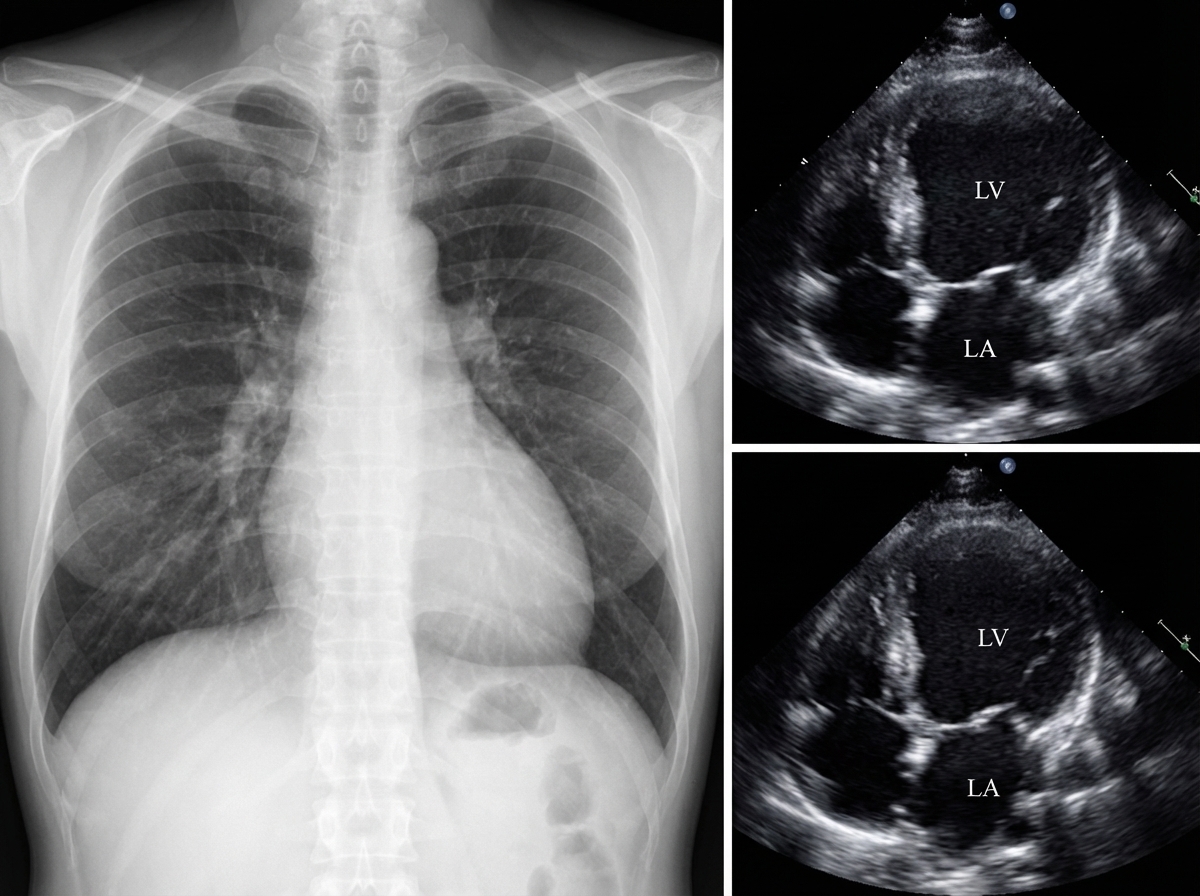
Trastuzumab is targeted against which of the following receptors?
Which of the following anticancer drugs is known to cause cardiotoxicity?
Which of the following anticancer drugs causes hemolytic uremic syndrome?
All of the following is true about hydroxyurea except:
L-asparaginase is particularly used in which type of leukemia?
Which of the following blocks replication without getting involved in the DNA strand?
Mogamulizumab was approved by FDA recently for which of the following conditions?
Practically all antineoplastic drugs can produce the following toxic effects except?
Combination chemotherapy is not indicated in which of the following conditions?
Which of the following statements about Trastuzumab is FALSE?
Explanation: **Trastuzumab** is a recombinant humanized monoclonal antibody specifically designed to target the **HER2/neu (ErbB2)** receptor, a member of the Epidermal Growth Factor Receptor (EGFR) family. ### Why Option A is Correct: HER2/neu is a proto-oncogene that encodes a transmembrane tyrosine kinase receptor. In about 20–30% of breast cancer cases, this receptor is overexpressed, leading to uncontrolled cell proliferation. Trastuzumab binds to the extracellular domain of HER2, inducing cell cycle arrest and mediating antibody-dependent cellular cytotoxicity (ADCC). ### Why Other Options are Incorrect: * **B. CD20:** This is the target for **Rituximab**, used in Non-Hodgkin Lymphoma and Chronic Lymphocytic Leukemia. * **C. EGFR (ErbB1):** Targeted by drugs like **Cetuximab** and **Panitumumab** (monoclonal antibodies) or **Erlotinib/Gefitinib** (tyrosine kinase inhibitors), primarily used in colorectal and head/neck cancers. * **D. VEGF:** Targeted by **Bevacizumab**, which acts as an angiogenesis inhibitor by neutralizing the Vascular Endothelial Growth Factor. ### High-Yield Clinical Pearls for NEET-PG: * **Primary Indication:** HER2-positive breast cancer and HER2-positive gastric/gastroesophageal junction adenocarcinoma. * **Major Side Effect:** **Cardiotoxicity** (manifests as a decrease in Left Ventricular Ejection Fraction). Unlike anthracyclines (Doxorubicin), Trastuzumab-induced cardiotoxicity is **not dose-dependent** and is usually **reversible** upon discontinuation. * **Contraindication:** It should never be co-administered with anthracyclines due to the synergistic risk of heart failure. * **Resistance Mechanism:** Production of **p95HER2** (a truncated version of the receptor) can lead to Trastuzumab resistance.
Explanation: **Explanation:** **Rubidomycin** (also known as Daunorubicin) belongs to the **Anthracycline** class of antibiotics. The hallmark toxicity of anthracyclines is **cardiotoxicity**, which occurs via the generation of iron-dependent free radicals (superoxide anions) that cause lipid peroxidation of the myocardial cell membrane. Because the heart is deficient in protective enzymes like catalase, it is particularly susceptible to this oxidative stress. This can manifest as acute arrhythmias or chronic, dose-dependent **congestive heart failure (CHF)**. **Analysis of Incorrect Options:** * **A. Bleomycin:** Primarily known for **Pulmonary Fibrosis** ("Bleo-Lung"). It lacks significant cardiotoxicity but can cause skin hyperpigmentation. * **B. Topotecan:** A Topoisomerase I inhibitor. Its dose-limiting toxicity is **bone marrow suppression** (neutropenia), not cardiotoxicity. * **D. Procarbazine:** An alkylating agent often used in Hodgkin’s lymphoma. It is known for causing a **Disulfiram-like reaction** with alcohol and MAO inhibition, but not direct cardiomyopathy. **High-Yield Clinical Pearls for NEET-PG:** * **Dexrazoxane:** An iron chelator used to prevent/reduce anthracycline-induced cardiotoxicity. * **Monitoring:** Periodic Echocardiography (LVEF monitoring) is mandatory for patients on Rubidomycin or Doxorubicin. * **Cumulative Dose:** The risk of CHF increases significantly once the cumulative dose of Doxorubicin exceeds **550 mg/m²**. * **Other Cardiotoxic Drugs:** Trastuzumab (Her2/neu inhibitor) also causes cardiotoxicity, but unlike anthracyclines, it is usually reversible and not dose-dependent.
Explanation: **Explanation:** **Mitomycin C** is a potent alkylating agent (specifically an antibiotic derived from *Streptomyces caespitosus*) that acts by cross-linking DNA. It is notorious for causing **delayed and cumulative myelosuppression** and a specific, life-threatening form of nephotoxicity known as **Mitomycin-induced Hemolytic Uremic Syndrome (HUS)**. This syndrome is characterized by microangiopathic hemolytic anemia, thrombocytopenia, and progressive renal failure, typically occurring at cumulative doses exceeding 40-50 mg/m². **Analysis of Incorrect Options:** * **Vincristine (A):** A Vinca alkaloid that inhibits microtubule assembly. Its dose-limiting toxicity is **peripheral neuropathy** (paresthesia, loss of reflexes) and autonomic dysfunction (constipation/paralytic ileus). It is notably bone marrow sparing. * **Vinblastine (B):** Also a Vinca alkaloid, but unlike Vincristine, its dose-limiting toxicity is **bone marrow suppression** (neutropenia). It does not cause HUS. * **Cisplatin (C):** A platinum compound known for significant **nephotoxicity** (specifically Acute Tubular Necrosis), ototoxicity, and severe emesis. While it affects the kidneys, it does not typically present as HUS. **High-Yield Clinical Pearls for NEET-PG:** * **Mitomycin C** is also used topically for superficial bladder cancer and in ophthalmic surgery (glaucoma) to prevent scarring. * **Vincristine** is famous for "stocking and glove" neuropathy. * **Cisplatin** nephotoxicity is minimized by aggressive **hydration** and **Amifostine** (a cytoprotective agent). * **Cyclophosphamide** is associated with hemorrhagic cystitis (prevented by **MESNA**).
Explanation: **Explanation:** **Hydroxyurea** is an antimetabolite that inhibits the enzyme **ribonucleotide reductase**, thereby depleting intracellular deoxynucleotide pools and arresting cells in the **S-phase** of the cell cycle. 1. **Why Option B is the Correct Answer (The False Statement):** Contrary to the option, Hydroxyurea has **excellent oral bioavailability** (nearly 100%). It is rapidly absorbed from the gastrointestinal tract, reaches peak plasma levels within 1–4 hours, and readily crosses the blood-brain barrier. This high oral efficacy makes it a convenient long-term maintenance therapy. 2. **Analysis of Other Options:** * **A. Causes myelosuppression:** This is the **dose-limiting toxicity** of hydroxyurea. It primarily causes leukopenia, though anemia and thrombocytopenia can also occur. * **C. Used in CML:** Hydroxyurea was historically the first-line agent for Chronic Myeloid Leukemia (CML) to rapidly reduce high white blood cell counts (cytoreduction) before the advent of Imatinib. It is still used for rapid debulking in blast crises. * **D. Acts as a radiosensitizer:** By arresting cells in the G1-S phase (the most radiation-sensitive phase) and inhibiting DNA repair, it enhances the effectiveness of radiotherapy, particularly in head and neck or cervical cancers. **High-Yield Clinical Pearls for NEET-PG:** * **Sickle Cell Anemia:** Hydroxyurea is a mainstay treatment because it increases the production of **Fetal Hemoglobin (HbF)**, which inhibits the polymerization of HbS. * **Other Uses:** Polycythemia Vera and Essential Thrombocytosis (to reduce hematocrit/platelet counts). * **Side Effects:** Apart from myelosuppression, it can cause **macrocytic anemia**, cutaneous ulcers, and hyperpigmentation of nails.
Explanation: **Explanation:** **L-asparaginase** is a unique enzyme-based chemotherapy agent primarily used in the induction phase of **Acute Lymphoblastic Leukemia (ALL)** [1]. **Why ALL is the correct answer:** The mechanism of action relies on a metabolic vulnerability in neoplastic lymphoid cells. Normal cells can synthesize the non-essential amino acid **L-asparagine** from aspartic acid using the enzyme *asparagine synthetase*. However, ALL cells lack this enzyme and are dependent on an exogenous supply of L-asparagine from the blood for protein synthesis [1]. L-asparaginase catalyzes the conversion of circulating L-asparagine into aspartic acid and ammonia, effectively "starving" the leukemia cells and leading to apoptosis [1]. **Why other options are incorrect:** * **AML (Acute Myeloid Leukemia):** Myeloid blasts typically possess sufficient levels of asparagine synthetase, making them resistant to this drug. * **CML & CLL (Chronic Leukemias):** These are slow-growing malignancies where the metabolic demand for asparagine is not as critical as in the rapidly dividing lymphoblasts of ALL. **High-Yield Clinical Pearls for NEET-PG:** * **Route:** Usually administered IM or IV. * **Major Side Effects:** 1. **Hypersensitivity Reactions:** Being a bacterial product (*E. coli* or *Erwinia*), it is highly antigenic and can cause anaphylaxis [1]. 2. **Acute Pancreatitis:** A classic board-exam association (monitor serum amylase). 3. **Clotting Abnormalities:** Decreased synthesis of clotting factors (e.g., Fibrinogen, Antithrombin III), leading to both thrombosis and hemorrhage. * **Unique Feature:** It is one of the few anticancer drugs that **does not cause significant bone marrow suppression**, making it ideal for combination regimens.
Explanation: ### Explanation The core concept of this question lies in distinguishing between drugs that act as **antimetabolites** (which incorporate into DNA) and those that inhibit **topoisomerases** (which act on the DNA structure without being incorporated). **1. Why Nalidixic Acid is Correct:** Nalidixic acid is a prototype quinolone that inhibits the enzyme **DNA Gyrase (Topoisomerase II)** and **Topoisomerase IV**. These enzymes are responsible for relieving torsional strain (supercoiling) during DNA replication. By binding to the enzyme-DNA complex, Nalidixic acid prevents the resealing of DNA strands, thereby blocking replication. Crucially, the drug itself is **not a structural analog** of nucleotides and does not get incorporated into the DNA polymer. **2. Why the Other Options are Incorrect:** * **Cytarabine (Ara-C):** This is a pyrimidine analog. It is phosphorylated into cytosine arabinoside triphosphate, which **competes with dCTP to be incorporated** into the DNA strand, leading to chain termination. * **5-Fluorouracil (5-FU):** A pyrimidine antagonist. While its primary mechanism is inhibiting thymidylate synthase, its metabolites (like FUTP and FdUTP) are **incorporated into both RNA and DNA**, causing structural damage. * **Carbamazepine:** This is an anti-epileptic drug that primarily acts by blocking **use-dependent sodium channels**. It has no direct role in inhibiting DNA replication. **3. NEET-PG High-Yield Pearls:** * **Topoisomerase Inhibitors:** Remember the mnemonic **"ET"** (Etoposide/Teniposide) for Topo-II and **"Iri-Topo"** (Irinotecan/Topotecan) for Topo-I. * **DNA Gyrase:** Quinolones are specific for bacterial DNA Gyrase, making them selectively toxic to bacteria rather than human cells. * **Antimetabolites:** Almost all antimetabolites (Methotrexate, 6-MP, Gemcitabine) work by mimicking natural substrates and are often incorporated into the genetic material or inhibit the synthesis of its precursors.
Explanation: **Explanation:** **Mogamulizumab** is a first-in-class humanized monoclonal antibody that targets the **CC chemokine receptor 4 (CCR4)**. This receptor is consistently expressed on the surface of malignant T-cells. By binding to CCR4, Mogamulizumab induces antibody-dependent cellular cytotoxicity (ADCC), leading to the destruction of cancerous cells. **Why Option D is Correct:** The FDA approved Mogamulizumab specifically for the treatment of relapsed or refractory **Mycosis Fungoides (MF)** and **Sézary Syndrome (SS)**. Both MF and SS are subtypes of **Cutaneous T-Cell Lymphoma (CTCL)**, which falls under the broader category of **Non-Hodgkin Lymphoma (NHL)**. It is the first drug specifically approved for Sézary Syndrome. **Why Other Options are Incorrect:** * **A & B (Prostate & Breast Cancer):** These are solid tumors. While immunotherapy is evolving for these conditions, Mogamulizumab’s mechanism is specific to the CCR4 receptor found on lymphoid cells, not the epithelial cells of the prostate or breast. * **C (Hodgkin Lymphoma):** While HL is a lymphoid malignancy, the standard monoclonal antibody used here is **Brentuximab vedotin** (targeting CD30) or checkpoint inhibitors like Nivolumab. Mogamulizumab is not indicated for HL. **High-Yield Clinical Pearls for NEET-PG:** * **Target:** CCR4 (Chemokine Receptor 4). * **Indications:** Mycosis Fungoides and Sézary Syndrome (T-cell NHL). * **Mechanism:** Antibody-dependent cellular cytotoxicity (ADCC) via defucosylation (enhancing its affinity for effector cells). * **Side Effects:** Most common include drug rash (can be severe), infusion reactions, and increased risk of Graft-versus-Host Disease (GvHD) if a stem cell transplant is performed after treatment.
Explanation: ### Explanation The core principle of traditional antineoplastic chemotherapy is the targeting of **rapidly dividing cells**. Most cytotoxic drugs are non-selective, affecting both malignant cells and normal tissues with high turnover rates. **Why Cardiomyopathy is the Correct Answer:** Cardiomyopathy is **not** a universal side effect of all anticancer drugs. It is a **drug-specific toxicity**, most notably associated with **Anthracyclines** (e.g., Doxorubicin, Daunorubicin) due to the generation of free radicals and lipid peroxidation in cardiac myocytes. Other examples of drug-specific toxicities include nephrotoxicity (Cisplatin), pulmonary fibrosis (Bleomycin), and hemorrhagic cystitis (Cyclophosphamide). **Analysis of Incorrect Options (Common Toxicities):** * **Depression of Leucocyte Count (Bone Marrow Suppression):** This is the most common dose-limiting toxicity. Since hematopoietic stem cells divide rapidly, they are highly susceptible to DNA-damaging agents. * **Mucositis:** The epithelial lining of the gastrointestinal tract (from the mouth to the anus) has a high turnover rate. Damage to these cells leads to painful inflammation and ulceration. * **Oligozoospermia:** Germinal epithelium in the testes is highly proliferative. Most cytotoxic drugs cause a decrease in sperm count, often leading to temporary or permanent sterility. **High-Yield Clinical Pearls for NEET-PG:** * **Exceptions to Bone Marrow Suppression:** Most drugs cause it, but **Vincristine, Bleomycin, and L-Asparaginase** are notable for being "bone marrow sparing." * **Doxorubicin Toxicity:** Acute toxicity presents as arrhythmias; chronic toxicity presents as **congestive heart failure (CHF)**. Dexrazoxane (an iron chelator) is used to prevent this. * **Emetic Potential:** Cisplatin is the drug with the highest emetic potential among anticancer agents.
Explanation: The core principle of combination chemotherapy is to use drugs with different mechanisms of action and non-overlapping toxicities to prevent drug resistance and achieve synergistic effects [1]. This is mandatory in chronic or severe infections (like TB) and malignancies. Why Laryngotracheobronchitis (Croup) is the correct answer: Laryngotracheobronchitis is primarily a **viral infection** (most commonly caused by Parainfluenza virus type 1). The management focuses on airway maintenance, humidified oxygen, and reducing inflammation with **corticosteroids** (e.g., Dexamethasone) or nebulized epinephrine. Since it is viral and self-limiting, combination antimicrobial or anticancer chemotherapy has no role in its treatment. Analysis of Incorrect Options: * **Primary Complex (A):** This refers to the initial focus of Tuberculosis (Ghon complex). TB treatment *always* requires combination chemotherapy (RIPE regimen) to prevent the emergence of multi-drug resistant strains. * **Acute Epiglottitis (B):** This is a life-threatening bacterial infection (usually *H. influenzae* type b). While airway management is a priority, it requires aggressive intravenous antibiotic therapy (often a combination like Ceftriaxone + Vancomycin/Clindamycin) to cover potential pathogens. * **Immunologically Suppressed Patients (D):** These patients are susceptible to polymicrobial and opportunistic infections. Empirical treatment usually involves a combination of broad-spectrum antibiotics, antifungals, or antivirals to cover multiple potential pathogens simultaneously. High-Yield Clinical Pearls for NEET-PG: * **Croup (Laryngotracheobronchitis):** Characterized by a "barking cough" and "steeple sign" on X-ray. * **Epiglottitis:** Characterized by "drooling of saliva," "tripod position," and "thumbprint sign" on X-ray. * **Combination Chemotherapy Goals: 1. Synergism, 2. Decreased toxicity of individual drugs, 3. Prevention of drug resistance [1].
Explanation: ### Explanation **Trastuzumab** is a recombinant humanized monoclonal antibody specifically targeting the extracellular domain of the **HER2/neu (ErbB2)** receptor, which is overexpressed in approximately 25–30% of breast cancer cases. **Why Option C is False (The Correct Answer):** Trastuzumab works by binding to the HER2 receptor, leading to its **downregulation** (internalization and degradation of the receptor) rather than upregulation. It also inhibits receptor dimerization, prevents the cleavage of the extracellular domain, and induces **Antibody-Dependent Cellular Cytotoxicity (ADCC)** via Natural Killer (NK) cells. **Analysis of Other Options:** * **Option A:** Trastuzumab shows a synergistic effect when combined with taxanes like **Paclitaxel**. This combination significantly improves response rates and survival compared to monotherapy. * **Option B:** It is a standard-of-care treatment for **metastatic breast cancer** and is also used in the adjuvant setting for HER2-positive early-stage breast cancer and metastatic gastric adenocarcinoma. * **Option D:** Unlike traditional cytotoxic chemotherapy, Trastuzumab is a targeted therapy and **does not cause significant bone marrow suppression** (myelosuppression) or alopecia. **High-Yield Clinical Pearls for NEET-PG:** * **Cardiotoxicity:** The most significant side effect is **reversible cardiomyopathy** (decrease in Left Ventricular Ejection Fraction). Unlike Doxorubicin, it is not dose-dependent and does not show "Anthracycline-like" vacuolar degeneration. * **Contraindication:** It should generally **not** be administered concurrently with Anthracyclines (like Doxorubicin) due to an increased risk of heart failure. * **Monitoring:** Baseline and periodic **Echocardiography (MUGA scan)** is mandatory.
Principles of Cancer Chemotherapy
Practice Questions
Alkylating Agents
Practice Questions
Antimetabolites
Practice Questions
Antitumor Antibiotics
Practice Questions
Plant Alkaloids
Practice Questions
Topoisomerase Inhibitors
Practice Questions
Hormonal Agents
Practice Questions
Targeted Therapy
Practice Questions
Immunotherapy
Practice Questions
Management of Chemotherapy Side Effects
Practice Questions
Get full access to all questions, explanations, and performance tracking.
Start For Free