Which of the following statements about Cytarabine is false?
Which of the following is NOT a radiosensitizing drug?
Hand and foot syndrome is caused by which anticancer drug?
A patient undergoing treatment with R-CHOP chemotherapy for non-Hodgkin's lymphoma develops symmetric 'stocking and glove' type distal neuropathy, presenting as tingling in the hands and feet. If these symptoms are a side effect of the chemotherapy, which drug in the regimen is most likely responsible, and at which stage of the cell cycle does it cause arrest?
Which of the following is a dihydrofolate reductase inhibitor?
Which agent is used to prevent hemorrhagic cystitis caused by cyclophosphamide and ifosfamide?
Methotrexate is what class of anticancer drug?
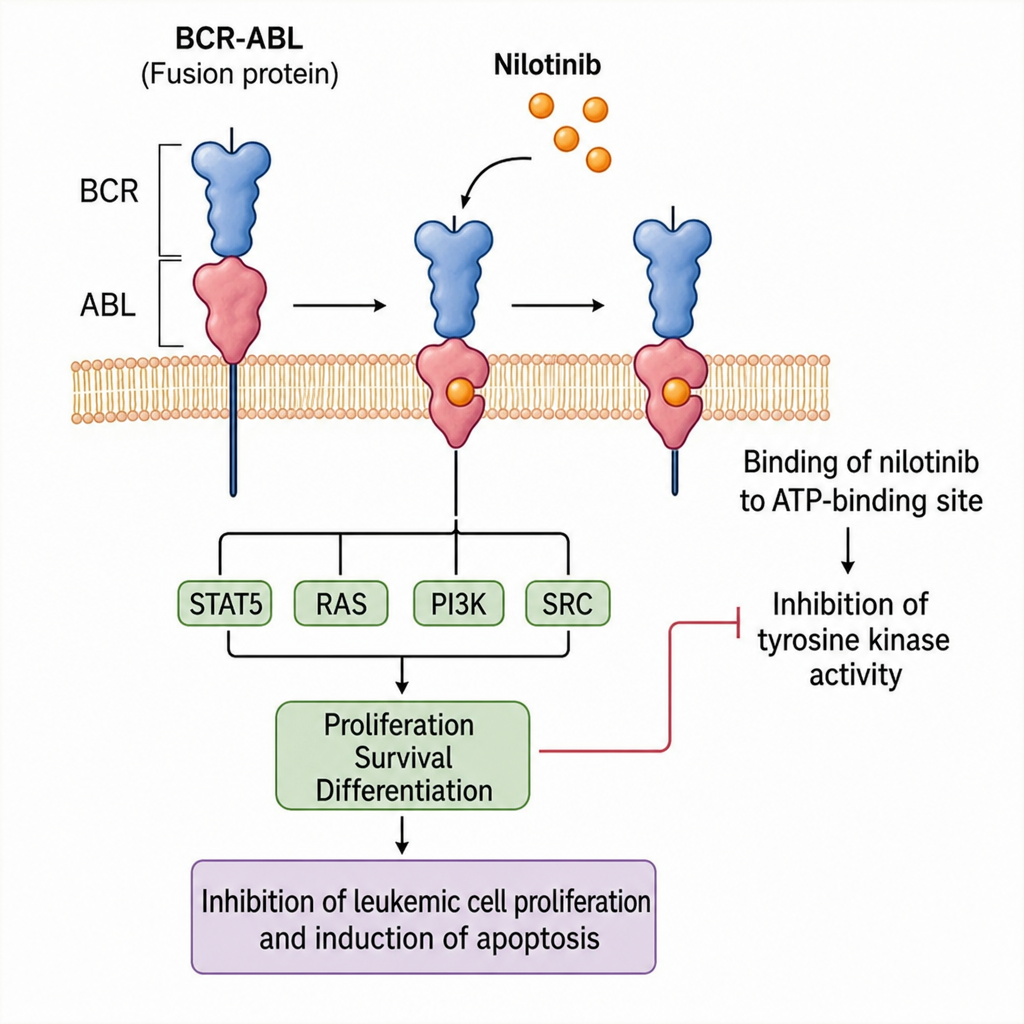
The drug imatinib acts by the inhibition of:
Chemotherapy can be successful during the treatment of which of the following conditions?
Which of the following drugs used in the treatment of lung cancer is also used in the treatment of ovarian carcinoma?
Explanation: ### **Explanation** **1. Why Option D is the Correct Answer (The False Statement):** Cytarabine (Ara-C) is a **Pyrimidine analogue**, not a purine analogue. It is a deoxycytidine analogue that acts as an antimetabolite. Its mechanism involves being phosphorylated into its active form (Ara-CTP), which then competes with deoxycytidine triphosphate for incorporation into DNA. This inhibits **DNA polymerase**, leading to the termination of DNA chain elongation during the **S-phase** of the cell cycle. **2. Analysis of Other Options:** * **Option A (Short acting):** Cytarabine has a very short half-life (approximately 10–20 minutes) because it is rapidly deaminated by the enzyme **cytidine deaminase** into the inactive metabolite uracil arabinoside (Ara-U). * **Option B (Continuous IV infusion):** Due to its rapid metabolism and S-phase specificity, it must be administered via continuous intravenous infusion to ensure that cells entering the S-phase are consistently exposed to the drug. * **Option C (Cerebellar toxicity):** High-dose Cytarabine (HiDAC) can cross the blood-brain barrier. A classic and specific side effect is **cerebellar ataxia** (dysarthria, nystagmus, and dysmetria). **3. Clinical Pearls for NEET-PG:** * **Drug of Choice:** It is the backbone of the "7+3" induction regimen for **Acute Myeloid Leukemia (AML)**. * **Specific Side Effects:** Apart from cerebellar toxicity, it causes **conjunctivitis** (prophylactic steroid eye drops are used) and severe myelosuppression. * **Resistance:** Resistance often develops due to a decrease in the activating enzyme **deoxycytidine kinase**. * **Mnemonics:** Remember **"Cy-tarabine = Cy-tosine"** (Pyrimidine) and **"C for Cerebellum."**
Explanation: **Radiosensitizers** are drugs that enhance the lethal effects of ionizing radiation on tumor cells. The correct answer is **Cyclophosphamide** because it is a cell-cycle non-specific alkylating agent that does not significantly sensitize cells to radiation; rather, it is typically used as a primary chemotherapeutic agent [1, 2, 3].**Why the other options are Radiosensitizers:** * **5-Fluorouracil (5-Fu):** An antimetabolite that inhibits thymidylate synthase. It sensitizes cells by depleting nucleotide pools and interfering with DNA repair mechanisms following radiation damage [1]. * **5-Bromo-2'-deoxyuridine (BUDR):** A halogenated pyrimidine analog that incorporates into DNA in place of thymidine. This makes the DNA strand more susceptible to breakage when exposed to radiation. * **Hydroxyurea:** This drug inhibits ribonucleotide reductase, arresting cells in the **G1-S phase**. Since cells are most sensitive to radiation in the late G1 and early S phases, it acts as a potent radiosensitizer.**High-Yield NEET-PG Pearls:**1. **Mechanism:** Radiosensitizers often work by increasing the production of free radicals or by inhibiting the repair of sublethal radiation damage.2. **Hypoxic Cell Sensitizers:** **Misonidazole** and **Nimorazole** are specific agents designed to mimic oxygen (the best natural radiosensitizer) in hypoxic tumor centers.3. **Gemcitabine** and **Cisplatin** are also clinically significant radiosensitizers used in concurrent chemoradiotherapy (e.g., in cervical or head and neck cancers).4. **Cell Cycle:** Remember that cells are most **radiosensitive** in the **M and G2 phases** and most **radioresistant** in the **S phase**.
Explanation: **Explanation:** **Hand-Foot Syndrome (HFS)**, also known as **Palmar-Plantar Erythrodysesthesia**, is a distinctive cutaneous toxicity characterized by redness, swelling, and pain on the palms and soles. 1. **Why Capecitabine is correct:** Capecitabine is an oral prodrug of **5-Fluorouracil (5-FU)**. It is the most common cause of HFS. The underlying mechanism involves the high levels of the enzyme **thymidine phosphorylase** in the skin of the palms and soles, which converts the prodrug into its active metabolite (5-FU). This leads to local tissue damage and inflammation. Other drugs commonly associated with HFS include 5-FU (infusion) and Cytarabine. 2. **Why the other options are incorrect:** * **Chloramphenicol:** An antibiotic (not an anticancer drug) primarily known for causing **Gray Baby Syndrome** and Bone Marrow Suppression (Aplastic Anemia). * **Cyclophosphamide:** An alkylating agent famous for causing **Hemorrhagic Cystitis** (prevented by MENSA) and SIADH. * **Mitomycin-C:** An antitumor antibiotic known for causing **Hemolytic Uremic Syndrome (HUS)** and delayed myelosuppression. **High-Yield Clinical Pearls for NEET-PG:** * **Management of HFS:** Dose reduction or temporary cessation of the drug is the primary treatment. Topical emollients and Pyridoxine (Vitamin B6) are often used for prophylaxis/symptom relief. * **Hand-Foot Skin Reaction (HFSR):** Do not confuse HFS with HFSR, which is caused by **Tyrosine Kinase Inhibitors (TKIs)** like **Sorafenib** and Sunitinib. HFSR is usually more localized to pressure points. * **Capecitabine's Benefit:** It mimics a continuous infusion of 5-FU but can be administered orally.
Explanation: The patient is presenting with **peripheral neuropathy** (stocking-and-glove distribution), a classic dose-limiting toxicity of **Vincristine** [2, 3], which is the 'O' (Oncovin) in the **R-CHOP** regimen (Rituximab, Cyclophosphamide, Hydroxydaunorubicin/Doxorubicin, Oncovin, Prednisolone) [2]. Vincristine belongs to the **Vinca Alkaloids** class [1, 2]. These drugs work by binding to tubulin and **inhibiting microtubule polymerization** (preventing the formation of the mitotic spindle). Since the mitotic spindle is essential for chromosome separation, the cell cannot progress through mitosis, leading to **M phase arrest** [1, 2]. The neuropathy occurs because microtubules are also vital for axonal transport in neurons. ### 2. Why Incorrect Options are Wrong * **A & B (G1-S transition / S phase):** Drugs like **Antimetabolites** (e.g., Methotrexate, 5-Fluorouracil) act specifically during the S phase by inhibiting DNA synthesis. While Cyclophosphamide (in R-CHOP) is cell-cycle non-specific, its primary impact is on DNA cross-linking, not spindle formation. * **C (G2-M transition):** This is the site of action for **Bleomycin** (which causes G2 arrest) and sometimes Etoposide. These do not typically cause the symmetric peripheral neuropathy described. ### 3. NEET-PG High-Yield Pearls * **Vincristine vs. Vinblastine:** Remember the mnemonic: **"Vincristine blasts the Nerves (Neurotoxicity); Vinblastine blasts the Marrow (Bone marrow suppression)."** [3] * **Taxanes (Paclitaxel):** Also act on the **M phase** but via the opposite mechanism—they **hyper-stabilize** microtubules (inhibiting *depolymerization*) [3]. * **R-CHOP Side Effects:** * **D**oxorubicin: Cardiotoxicity (Dilated Cardiomyopathy). * **C**yclophosphamide: Hemorrhagic cystitis (prevented by **MESNA**). * **V**incristine: Peripheral neuropathy and paralytic ileus [2, 3].
Explanation: **Explanation:** **Methotrexate (MTX)** is the correct answer because it is a potent competitive inhibitor of the enzyme **Dihydrofolate Reductase (DHFR)**. **Mechanism of Action:** Under normal conditions, DHFR converts dihydrofolate into tetrahydrofolate (THF), which is essential for the synthesis of thymidylate and purines. By inhibiting DHFR, methotrexate depletes the cellular pool of THF, thereby halting DNA synthesis and cell division (S-phase specific). This makes it a cornerstone of chemotherapy and an effective Disease-Modifying Antirheumatic Drug (DMARD). **Analysis of Incorrect Options:** * **Alcohol:** While chronic alcohol consumption can interfere with folate absorption and metabolism, it does not act as a DHFR inhibitor. * **Cimetidine:** An H2-receptor antagonist used to reduce gastric acid secretion. It is known for inhibiting Cytochrome P450 enzymes, but not DHFR. * **Erythromycin:** A macrolide antibiotic that inhibits bacterial protein synthesis by binding to the 50S ribosomal subunit. **High-Yield Clinical Pearls for NEET-PG:** * **Rescue Therapy:** To prevent systemic toxicity (bone marrow suppression/mucositis) during high-dose MTX therapy, **Leucovorin (Folinic acid)** is administered. It bypasses the inhibited DHFR enzyme to provide a source of reduced folate. * **Resistance:** Most commonly occurs due to decreased drug uptake, altered DHFR affinity, or increased DHFR enzyme production. * **Other DHFR Inhibitors:** Remember the "MTP" mnemonic: **M**ethotrexate (Humans), **T**rimethoprim (Bacteria), and **P**yrimethamine (Protozoa). * **Adverse Effects:** Hepatotoxicity (cirrhosis), pulmonary fibrosis, and nephrotoxicity (due to crystalluria).
Explanation: **Explanation:** **Cyclophosphamide** and **Ifosfamide** are nitrogen mustard alkylating agents. Their metabolism produces a toxic metabolite called **Acrolein**. Acrolein accumulates in the urinary bladder, causing irritation and sloughing of the bladder mucosa, which leads to **hemorrhagic cystitis**. **Why Mesna is the correct answer:** **Mesna** (2-MercaptoEthane Sulfonate Na) is a sulfhydryl compound used specifically as a uroprotective agent. It works by two mechanisms: 1. It binds to acrolein in the bladder to form a non-toxic, stable thioether complex. 2. It slows the degradation of 4-hydroxy metabolites of the drug in the urine. *Note: Vigorous hydration is also essential alongside Mesna administration.* **Why the other options are incorrect:** * **Busulfan:** An alkylating agent (alkyl sulfonate) primarily used in Chronic Myeloid Leukemia (CML) and bone marrow ablation. Its classic side effects are pulmonary fibrosis ("Busulfan lung") and skin hyperpigmentation. * **Carmustine:** A Nitrosourea drug. These are highly lipid-soluble and cross the blood-brain barrier, making them useful for brain tumors (e.g., glioblastoma). * **Niacin (Vitamin B3):** Used to treat pellagra and hyperlipidemia; it has no role in preventing chemotherapy-induced toxicity. **NEET-PG High-Yield Pearls:** * **Ifosfamide** is more likely to cause hemorrhagic cystitis than cyclophosphamide; therefore, Mesna is mandatory with Ifosfamide. * **Other side effects of Cyclophosphamide:** Bone marrow suppression, SIADH, and long-term risk of transitional cell carcinoma of the bladder. * **Rescue Agents to Remember:** * Leucovorin (Folinic acid) → Methotrexate * Amifostine → Cisplatin (prevents nephrotoxicity) * Dexrazoxane → Doxorubicin (prevents cardiotoxicity)
Explanation: **Explanation:** **Methotrexate** is a classic example of an **Antimetabolite**. These drugs are structural analogs of naturally occurring compounds (like vitamins, purines, or pyrimidines) required for DNA synthesis. Methotrexate is a **folate antagonist** that competitively inhibits the enzyme **Dihydrofolate Reductase (DHFR)**. This prevents the conversion of dihydrofolate to tetrahydrofolate (THF), halting the synthesis of thymidylate and purine nucleotides, which ultimately inhibits DNA synthesis and cell replication (S-phase specific). **Analysis of Incorrect Options:** * **Alkylating Agents (e.g., Cyclophosphamide, Cisplatin):** These act by forming covalent bonds with DNA, leading to cross-linking and strand breaks. They are cell-cycle non-specific. * **Microtubule Damaging Agents (e.g., Vinca alkaloids, Taxanes):** These interfere with the mitotic spindle. Vincristine inhibits tubulin polymerization, while Paclitaxel prevents depolymerization. * **Topoisomerase Inhibitors (e.g., Etoposide, Irinotecan):** These interfere with the enzymes responsible for DNA supercoiling and relaxation during replication. **High-Yield Clinical Pearls for NEET-PG:** 1. **Rescue Therapy:** **Leucovorin (Folinic acid)** is used as "Leucovorin Rescue" to bypass the inhibited DHFR enzyme and protect normal cells from Methotrexate toxicity. 2. **Adverse Effects:** The most common side effects include **mucositis**, bone marrow suppression, and nephrotoxicity (due to crystalluria). 3. **Resistance:** Often occurs due to decreased drug uptake or increased synthesis/altered affinity of the DHFR enzyme. 4. **Non-Oncology Uses:** It is a first-line Disease-Modifying Antirheumatic Drug (**DMARD**) for Rheumatoid Arthritis and is used in the medical management of **Ectopic Pregnancy**.
Explanation: **Explanation:** **1. Why Tyrosine Kinase is Correct:** Imatinib is a prototype **selective tyrosine kinase inhibitor (TKI)**. Its primary mechanism involves the competitive inhibition of the ATP-binding site on the **BCR-ABL** tyrosine kinase enzyme. This enzyme is the product of the Philadelphia chromosome (t[9;22]), which is constitutively active in **Chronic Myeloid Leukemia (CML)**. By blocking this site, imatinib prevents the phosphorylation of substrates that lead to uncontrolled cell proliferation and apoptosis resistance. It also inhibits other tyrosine kinases like **c-KIT** (relevant in GIST) and **PDGFR**. **2. Why Other Options are Incorrect:** * **Glutathione reductase:** This enzyme is involved in antioxidant defense. While some drugs like Carmustine may affect related pathways, it is not the target for imatinib. * **Thymidylate synthetase:** This is the primary target for **5-Fluorouracil (5-FU)** and Methotrexate (indirectly). These are antimetabolites, not targeted TKIs. * **Protein kinase:** While tyrosine kinase is a *type* of protein kinase, "Protein kinase" is too broad a term. In pharmacology exams, imatinib is specifically associated with the **Tyrosine Kinase** subclass (specifically BCR-ABL). **3. High-Yield Clinical Pearls for NEET-PG:** * **Drug of Choice (DOC):** Imatinib is the first-line treatment for **Chronic Myeloid Leukemia (CML)** and **Gastrointestinal Stromal Tumors (GIST)**. * **Resistance:** Resistance to imatinib often occurs due to mutations in the BCR-ABL kinase domain (e.g., **T315I mutation**). * **Side Effects:** Characteristically causes **periorbital edema** (fluid retention), skin rashes, and GI distress. * **Other TKIs:** Nilotinib and Dasatinib are second-generation TKIs used when imatinib resistance develops.
Explanation: The success of chemotherapy is primarily governed by the **Growth Fraction** of a tumor. According to the **Gompertzian model of tumor growth**, chemotherapy is most effective against tumors with a high percentage of actively dividing cells (high growth fraction) [2]. **Why Leukemia is the Correct Answer:** Leukemias (and certain lymphomas) are characterized by a very high growth fraction and rapid cell turnover. Because most cytotoxic anticancer drugs are **cell-cycle specific** (e.g., Antimetabolites acting in S-phase, Vinca alkaloids in M-phase), they preferentially target these rapidly proliferating hematopoietic cells [1]. Consequently, systemic chemotherapy is the primary modality of treatment and can often lead to complete remission or cure in conditions like Acute Lymphoblastic Leukemia (ALL). **Analysis of Incorrect Options:** * **Ameloblastoma:** This is a slow-growing, locally invasive odontogenic tumor. Due to its low growth fraction and benign (though aggressive) nature, it is largely resistant to chemotherapy and requires wide surgical excision. * **Fibrosarcoma:** Most soft tissue sarcomas are characterized by a low growth fraction and significant bulk. They are generally considered "radio-resistant" and "chemo-resistant" compared to hematological malignancies; surgery is the mainstay of treatment. * **Basal Cell Carcinoma (BCC):** BCC is a slow-growing skin cancer. While topical 5-Fluorouracil can be used for superficial types, the definitive treatment is surgical excision (Mohs surgery) because the tumor is localized and rarely metastasizes. **High-Yield NEET-PG Pearls:** * **Log-Kill Hypothesis:** A constant fraction (not a constant number) of cells is killed by a specific dose of a drug. * **Highly Chemo-sensitive tumors:** Burkitt’s lymphoma, Choriocarcinoma, Wilms’ tumor, and Testicular tumors. * **Solid vs. Liquid:** "Liquid" tumors (Leukemias) generally respond better to chemotherapy than large "Solid" tumors due to better drug penetration and higher growth fractions.
Explanation: **Explanation:** **Cisplatin** is the correct answer because it is a cornerstone platinum-based alkylating agent used in the treatment of various solid tumors [1], [2]. Its mechanism involves forming intra-strand cross-links in DNA, which inhibits replication and triggers apoptosis [1], [3]. * **Why Cisplatin is correct:** It is a first-line agent for **Non-Small Cell Lung Cancer (NSCLC)** and **Small Cell Lung Cancer (SCLC)**, typically used in combination with etoposide or gemcitabine. Simultaneously, it (or its analog Carboplatin) is the standard of care for **Epithelial Ovarian Carcinoma**, often paired with Paclitaxel [1], [3]. **Analysis of Incorrect Options:** * **Methotrexate:** A folate antagonist primarily used in leukemias, lymphomas, osteosarcoma, and choriocarcinoma. While used in some lung protocols historically, it is not a standard treatment for ovarian cancer. * **Cyclophosphamide:** An alkylating agent (nitrogen mustard) used for breast cancer, lymphomas, and nephrotic syndrome. While it has activity in ovarian cancer, it is not a primary choice for lung cancer compared to platinum compounds [3]. * **Dacarbazine:** Primarily used for **Malignant Melanoma** and **Hodgkin’s Lymphoma** (as part of the ABVD regimen). It has negligible roles in lung or ovarian carcinoma. **High-Yield Clinical Pearls for NEET-PG:** * **Toxicity Profile:** Cisplatin is notorious for **nephrotoxicity** (prevented by aggressive hydration and Amifostine) and is the **most emetogenic** anticancer drug [3]. * **Ototoxicity:** It can cause high-frequency hearing loss [3]. * **Carboplatin vs. Cisplatin:** Carboplatin is often preferred in ovarian cancer due to a better side-effect profile (less vomiting/nephrotoxicity) but causes more **myelosuppression** (thrombocytopenia) [3].
Principles of Cancer Chemotherapy
Practice Questions
Alkylating Agents
Practice Questions
Antimetabolites
Practice Questions
Antitumor Antibiotics
Practice Questions
Plant Alkaloids
Practice Questions
Topoisomerase Inhibitors
Practice Questions
Hormonal Agents
Practice Questions
Targeted Therapy
Practice Questions
Immunotherapy
Practice Questions
Management of Chemotherapy Side Effects
Practice Questions
Get full access to all questions, explanations, and performance tracking.
Start For Free