
Pediatric Surgery Basics — MCQs

On this page
Malrotation presents as which of the following?
The double bubble sign in children is seen in all EXCEPT:
What is the most common indication for liver transplantation in infants?
A newborn infant develops respiratory distress immediately after birth. The infant's abdomen is scaphoid. No breath sounds are heard on the left side of the chest, but they are audible on the right. Following successful intubation with little or no improvement in clinical status, an emergency chest x-ray was performed. Which of the following is the most likely explanation for this infant's condition?
What is the most common type of esophageal atresia?
Which of the following is NOT true about hypertrophic pyloric stenosis?
What is the recommended treatment for an umbilical adenoma in a newborn?
A baby, who was apparently normal at birth, develops persistent regurgitation and vomiting in the second and third weeks of life. No fever is present and hematologic studies and blood chemistries are normal. Which of the following therapies is most likely to be effective in this case?
A 3-year-old girl presents with acute abdominal pain, a 5-day history of vomiting and abdominal distension, and absence of stool passage. She has been vomiting bilious material for the past day. Physical examination reveals a lethargic child with a firm, tender abdomen and peritoneal signs. Intraoperative findings include resection of approximately 20 cm of markedly distended small intestine containing a tightly knotted ball of nematodes (15-35 cm in length, tapered ends without hooks). The patient's parasite has a life cycle stage where larvae hatch in the duodenum, penetrate the small intestinal wall, and migrate. The passage of these migrating larvae most commonly produces symptomatic disease in which of the following organs?
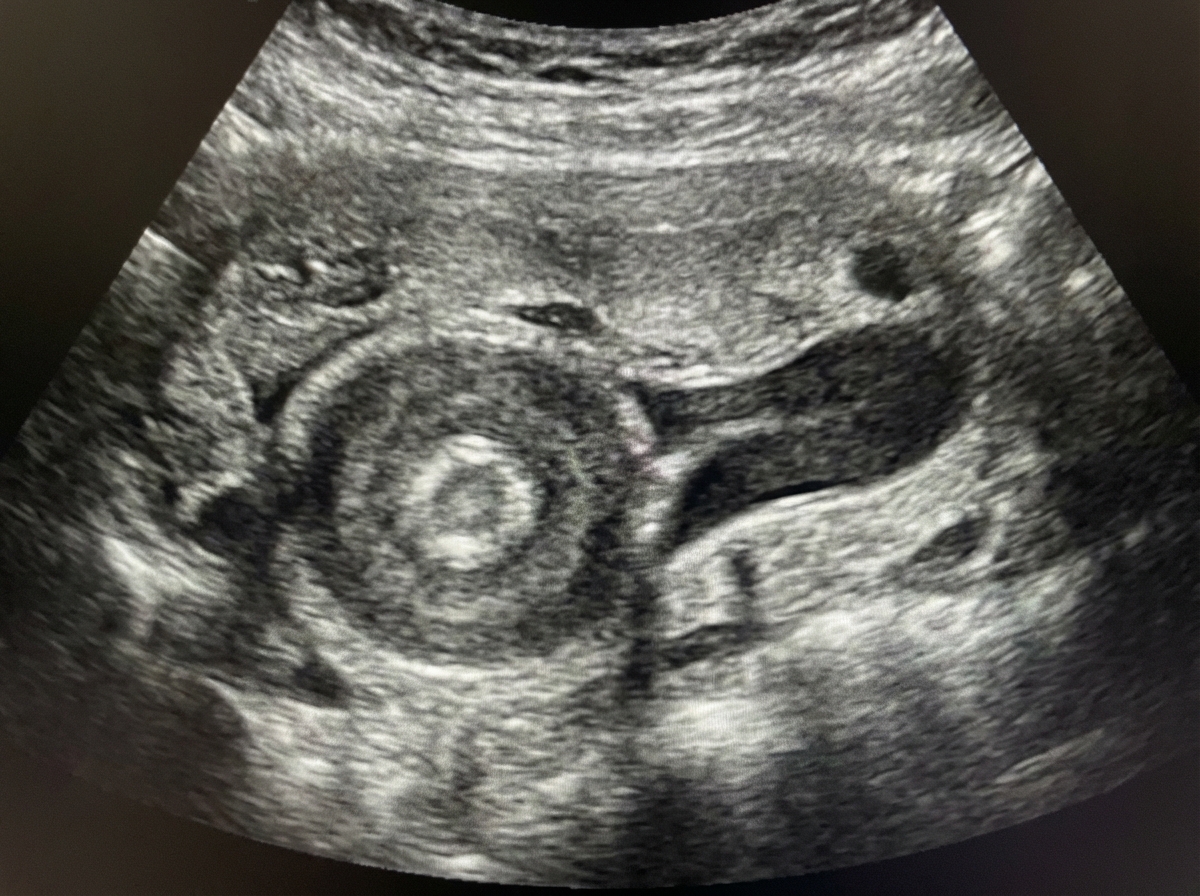
A 6-week-old boy presents with a palpable abdominal mass in the epigastrium. The clinical diagnosis is:
Practice by Chapter
Surgical Conditions of the Newborn
Practice Questions
Congenital Diaphragmatic Hernia
Practice Questions
Esophageal Atresia and Tracheoesophageal Fistula
Practice Questions
Intestinal Atresia and Stenosis
Practice Questions
Malrotation and Volvulus
Practice Questions
Hirschsprung's Disease
Practice Questions
Anorectal Malformations
Practice Questions
Biliary Atresia
Practice Questions
Abdominal Wall Defects
Practice Questions
Inguinal Hernia and Hydrocele
Practice Questions
Intussusception
Practice Questions
Appendicitis in Children
Practice Questions
Want unlimited practice?
Get full access to all questions, explanations, and performance tracking.
Scan to download app