Which of the following factors does NOT reduce breast milk production?
In comparison to breast milk, colostrum has a higher content of?
Compared with cow's milk, what component does mother's milk have more of?
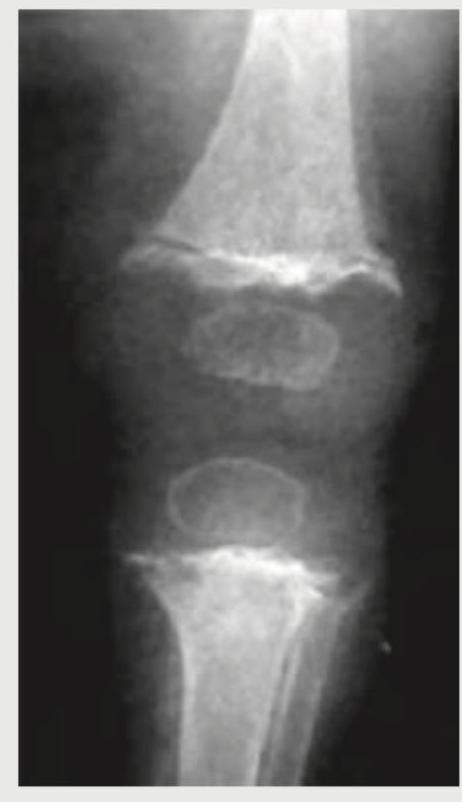
Which of the following are seen in rickets?
All of the following are signs of good attachment during breastfeeding EXCEPT:
What is the best marker for chronic protein-energy malnutrition?
All of the following are true about WHO growth charts EXCEPT:
A 1-year-old child presents with muscle wasting, loss of subcutaneous fat, no signs of edema, and weight below 60% of WHO standard. The mother reports not providing sufficient proteins and other nutrients to the child after six months of age. What is the likely diagnosis?
A term, otherwise well neonate was found to have a total serum bilirubin of 17 mg/dl. He was admitted in NICU and started on treatment. All of the following can be adverse effects of the treatment administered EXCEPT?
Which of the following statements is NOT true about Necrotizing Enterocolitis (NEC)?
Explanation: **Explanation:** Breast milk production and ejection are governed by two primary neuroendocrine reflexes: the **Prolactin reflex** (milk production) and the **Oxytocin reflex** (milk ejection/let-down). **Why Option A is correct:** The **Auditory stimulus** (hearing the baby cry), visual stimulus (looking at the baby), or even thinking about the baby triggers the **Oxytocin reflex**. Oxytocin causes the contraction of myoepithelial cells around the alveoli, leading to milk let-down. Unlike stress or pain, which can inhibit this reflex, positive sensory stimuli from the infant actually **facilitate** milk flow and do not reduce production. **Why the other options are incorrect:** * **B. Use of pacifiers:** This leads to "nipple confusion" and reduces the time the infant spends at the breast. Decreased suckling leads to reduced prolactin secretion, subsequently lowering milk supply. * **C. Formula feeding:** This is the most common cause of secondary milk insufficiency. Supplementation reduces the infant's hunger and frequency of breastfeeding, leading to breast engorgement and feedback inhibition of lactation (FIL). * **D. Absence of night feeding:** Prolactin levels are naturally higher at night. Skipping night feeds reduces the overall prolactin surge and decreases the total daily milk volume. **NEET-PG High-Yield Pearls:** * **Prolactin:** Responsible for milk **synthesis** (secreted by Anterior Pituitary). It is stimulated by nipple suckling. * **Oxytocin:** Responsible for milk **ejection** (secreted by Posterior Pituitary). It is highly sensitive to maternal emotions. * **Lactational Amenorrhea:** Exclusive breastfeeding provides 98% protection against pregnancy for the first 6 months, provided the mother remains amenorrheic. * **Galactogogues:** Drugs like Metoclopramide and Domperidone can increase milk production by antagonizing dopamine (which normally inhibits prolactin).
Explanation: **Explanation:** Colostrum is the "deep yellow" milk secreted during the first 3–4 days after delivery. It is specifically designed to meet the immediate needs of a newborn, focusing on immunity and growth rather than caloric density. **Why Fat-soluble Vitamins is Correct:** Colostrum contains significantly higher concentrations of **fat-soluble vitamins (A, D, E, and K)** compared to mature milk. Vitamin A, in particular, is responsible for the characteristic yellow color of colostrum and is crucial for protecting the neonatal intestinal mucosa. Additionally, colostrum is richer in **proteins** (especially antibodies like IgA), **minerals** (Sodium, Zinc), and **white blood cells**. **Analysis of Incorrect Options:** * **A. Carbohydrates:** Mature milk has a higher concentration of lactose (carbohydrates) than colostrum. Lactose increases as the milk transitions to provide more energy for the growing infant. * **C. Water:** Colostrum is more viscous and concentrated. Mature milk has a higher water content to maintain the infant's hydration as their fluid requirements increase. * **D. Potassium:** While colostrum is higher in Sodium and Chloride, mature milk generally contains higher levels of Potassium and Calcium. **High-Yield NEET-PG Pearls:** * **Immunoglobulin:** Colostrum is richest in **IgA**, providing "passive mucosal immunity." * **Energy Value:** Colostrum has a lower caloric value (approx. 58 kcal/dl) compared to mature milk (approx. 65–70 kcal/dl) because it has less fat and lactose. * **Lactoferrin:** Colostrum contains high levels of lactoferrin and lysozymes, which provide antibacterial protection. * **Transition:** Milk secreted from day 5–14 is "transitional milk," and after day 14, it is "mature milk."
Explanation: **Explanation:** The composition of human milk is uniquely adapted to meet the nutritional and developmental needs of a growing infant. **1. Why Lactose is the Correct Answer:** Human milk contains significantly more **Lactose** (approx. 7 g/dL) compared to cow’s milk (approx. 4.5 g/dL). Lactose is the primary carbohydrate in breast milk; it provides essential energy for the rapidly developing brain and promotes the growth of *Lactobacillus bifidus* in the gut, which maintains an acidic environment to inhibit pathogens. **2. Why the Other Options are Incorrect:** * **Proteins:** Cow’s milk contains about **three times more protein** (3.3 g/dL) than human milk (1.1 g/dL). Specifically, cow’s milk is high in casein, which forms hard, indigestible curds, whereas human milk is rich in whey protein (lactalbumin), which is easily digested. * **Vitamin D:** Both human and cow’s milk are **notoriously low** in Vitamin D. However, cow’s milk generally contains slightly higher amounts than unfortified breast milk. This is why Vitamin D supplementation (400 IU/day) is recommended for all breastfed infants. * **Fat:** The total fat content is roughly **similar** in both (approx. 3.5–4 g/dL). However, the *quality* differs; human milk is richer in essential fatty acids and contains **lipase**, which aids in fat digestion—an enzyme absent in cow’s milk. **High-Yield Clinical Pearls for NEET-PG:** * **Iron:** Both milks are low in iron, but the **bioavailability** of iron in breast milk is much higher (50-70%) compared to cow’s milk (10%). * **Minerals:** Cow’s milk has a much higher mineral content (Sodium, Potassium, Calcium), leading to a high **Renal Solute Load**, which can dehydrate an infant’s immature kidneys. * **Immunological Factors:** Human milk contains IgA, lactoferrin, and lysozymes, which are absent in cow’s milk.
Explanation: **Explanation:** The core pathology of **Rickets** is the failure of osteoid to mineralize. Rickets occurs in the growing bones of children (before epiphyseal closure) and is characterized by an accumulation of unmineralized matrix at the growth plate. * **Why Option B is Correct:** In Rickets, there is a deficiency of Calcium or Phosphate (often due to Vitamin D deficiency). This leads to **defective mineralization** of the newly formed osteoid at the zone of provisional calcification. This results in the expansion of the growth plate and the characteristic skeletal deformities. * **Why Option A is Incorrect:** While **cupping, splaying, and fraying** of the metaphysis are classic *radiological* features of rickets, the question asks for the underlying pathological process. Cupping is a sign, whereas defective mineralization is the fundamental mechanism. * **Why Option C is Incorrect:** **Epiphyseal dysgenesis** (fragmented, "stippled" epiphysis) is a hallmark of **Hypothyroidism** (Cretinism), not rickets. In rickets, the epiphyses are often delayed in appearance or blurred, but not dysgenetic. * **Why Option D is Incorrect:** **Defective osteoid formation** is the hallmark of **Scurvy** (Vitamin C deficiency). In Scurvy, the mineralizing mechanism is intact, but the collagen/osteoid matrix itself is not produced correctly. **High-Yield Pearls for NEET-PG:** * **Earliest Clinical Sign:** Craniotabes (softening of skull bones). * **Earliest Radiological Sign:** Fraying and cupping of the distal ends of the radius and ulna. * **Biochemical Profile:** Low/Normal Calcium, Low Phosphate, and **Elevated Alkaline Phosphatase (ALP)**—ALP is the best marker for disease activity. * **Rachitic Rosary:** Palpable beads at the costochondral junctions (rounded in rickets, sharp/angular in the "Scorbutic rosary" of Scurvy).
Explanation: To master breastfeeding assessment for NEET-PG, it is essential to distinguish between **Positioning** (how the mother holds the baby) and **Attachment** (how the baby takes the breast into the mouth). ### **Explanation of the Correct Answer** **Option C** is the correct answer because it is a sign of **poor attachment**. In a well-attached baby, the **upper areola is more visible than the lower areola**. This occurs because the baby should be "asymmetrically" attached, covering more of the lower part of the areola with their lower jaw to effectively milk the lactiferous sinuses. ### **Analysis of Incorrect Options (Signs of Good Attachment)** The WHO/UNICEF guidelines define four key signs of good attachment (Mnemonic: **CALM**): * **A. Mouth wide open:** The baby must take a large mouthful of breast tissue, not just the nipple. * **B. Lower lip everted:** The lip should be turned outwards, ensuring the tongue is positioned under the lactiferous sinuses. * **D. Chin touching the breast:** This ensures the baby is close enough to maintain a deep latch. * *Note:* The fourth sign is **More areola visible above the mouth than below.** ### **High-Yield Clinical Pearls for NEET-PG** * **Signs of Effective Sucking:** Slow, deep sucks with occasional pauses; audible swallowing; cheeks remain full (not sucked in). * **Consequences of Poor Attachment:** Nipple pain/fissures (due to friction on the nipple), breast engorgement (due to incomplete emptying), and poor weight gain in the infant. * **Rooting Reflex:** Touching the baby's lip helps them open their mouth wide to initiate good attachment. * **Breastfeeding Initiation:** Should ideally occur within **1 hour** of birth (Golden Hour).
Explanation: **Explanation:** In pediatric nutrition, anthropometric indices are used to differentiate between different types and durations of malnutrition. **1. Why Height for Age is Correct:** Height for age is the primary indicator of **linear growth**. When a child suffers from chronic, long-term protein-energy malnutrition (PEM), the body prioritizes survival over bone elongation, leading to **stunting**. Stunting (low height for age) reflects the cumulative effect of long-term nutritional deficiencies and recurrent infections. It is considered the best marker for **chronic malnutrition**. **2. Analysis of Incorrect Options:** * **Weight for Age:** This is a composite index that reflects both past (chronic) and present (acute) malnutrition. While it is the simplest to measure and is used in **Growth Charts (ICDS)** to monitor underweight children, it cannot distinguish between a child who is short and a child who is thin. * **Weight for Height:** This is the best indicator of **acute malnutrition** or "wasting." It reflects recent weight loss or failure to gain weight due to acute illness or starvation. It is independent of age. * **Head Circumference:** This primarily reflects brain growth and is generally preserved until malnutrition becomes extremely severe. It is not a sensitive marker for general nutritional status. **High-Yield Clinical Pearls for NEET-PG:** * **Stunting:** Low Height for Age (Chronic Malnutrition). * **Wasting:** Low Weight for Height (Acute Malnutrition). * **Underweight:** Low Weight for Age (Composite indicator). * **Waterlow’s Classification:** Uses Weight/Height for wasting and Height/Age for stunting. * **Best indicator of recovery from malnutrition:** Weight for height (improvement in wasting occurs before stunting is reversed).
Explanation: The WHO Multicentre Growth Reference Study (MGRS) is a cornerstone of pediatric nutrition. Here is the breakdown of the question: ### **Why Option A is the Correct Answer (The Exception)** The WHO growth charts are based on the **Multicentre Growth Reference Study (MGRS)**, which was conducted in **six different countries** (Brazil, Ghana, India, Norway, Oman, and the USA), not six states within the US. The study aimed to create a "normative" standard by selecting children raised in optimal environments (breastfed, non-smoking households) across diverse ethnic and cultural backgrounds. This established that children worldwide grow similarly when their health and care needs are met. ### **Analysis of Other Options** * **Option B:** The WHO Child Growth Standards for infants and children up to age 5 were indeed first released in **April 2006**. * **Option C:** Beyond the standard weight and height, the WHO provides charts for **Body Mass Index (BMI)**, head circumference, arm circumference, and **subscapular/triceps skinfold thickness**. * **Option D:** Growth patterns differ physiologically between sexes; therefore, **separate charts** (Blue for boys, Pink for girls) are essential for accurate assessment. ### **High-Yield Clinical Pearls for NEET-PG** * **Standard vs. Reference:** WHO charts are **Standards** (how children *should* grow), whereas the older NCHS charts were **References** (how children *did* grow in a specific population). * **Age Groups:** WHO charts are used for children **0–5 years**. For children **5–19 years**, the WHO 2007 Growth Reference is used. * **Indian Context:** India adopted the WHO 2006 standards in 2008 for the ICDS program. * **Growth Velocity:** The MGRS was unique because it followed children longitudinally from birth to 24 months and cross-sectionally from 18 to 71 months.
Explanation: ### Explanation The clinical presentation described is a classic case of **Marasmus**, a form of severe acute malnutrition (SAM) characterized by a total deficiency of all nutrients, particularly calories (energy). **1. Why Marasmus is Correct:** The diagnosis is based on the **Gomez classification** and WHO criteria. Key features include: * **Weight for age <60%** of the expected standard. * **Severe muscle wasting** and **loss of subcutaneous fat**, giving the child a "skin and bones" appearance or a "monkey-like facies." * **Absence of edema:** This is the hallmark differentiator from Kwashiorkor. It occurs due to a balanced deficiency of both proteins and carbohydrates, leading to an adaptive state where the body consumes its own fat and muscle stores. **2. Why Other Options are Incorrect:** * **Kwashiorkor:** This is caused by a **selective protein deficiency** despite adequate calorie intake. The defining feature is **pitting edema** (starting in the feet), along with "flaky paint" dermatosis, "flag sign" hair changes, and an enlarged fatty liver. * **Marasmic-Kwashiorkor:** This is a mixed form where a child with marasmus develops edema, usually triggered by an acute infection. The weight is <60%, but edema is present. * **Undernutrition:** This is a broad, non-specific umbrella term. In a competitive exam, you must choose the most specific clinical diagnosis (Marasmus) based on the severity and symptoms provided. **Clinical Pearls for NEET-PG:** * **Age Group:** Marasmus typically affects infants **<1 year** (early weaning), while Kwashiorkor is more common in children **1–3 years** ("the disease of the displaced child" when a second sibling is born). * **Anthropometry:** Mid-Upper Arm Circumference **(MUAC) <11.5 cm** is a high-yield indicator for SAM in children aged 6–59 months. * **Management:** Always look for the "Big 3" complications: **Hypoglycemia, Hypothermia, and Infection.** Treatment follows the WHO 10-step plan, starting with F-75 (stabilization) and progressing to F-100 (rehabilitation).
Explanation: **Explanation:** The neonate in the clinical scenario has significant hyperbilirubinemia (17 mg/dl) and is being treated with **Phototherapy**, which is the standard of care. The question asks for the exception among the adverse effects of phototherapy. **Why Hypercalcemia is the Correct Answer:** Phototherapy actually causes **Hypocalcemia**, not hypercalcemia. The mechanism involves the suppression of melatonin secretion by the pineal gland due to light exposure. Melatonin normally inhibits cortisol-induced bone resorption; its suppression leads to increased calcium uptake by bones, resulting in a drop in serum calcium levels. **Analysis of Incorrect Options:** * **Bronze Baby Syndrome:** Occurs in neonates with conjugated hyperbilirubinemia. When exposed to phototherapy, the photo-isomers of copper porphyrins accumulate, giving the skin a grayish-brown discoloration. * **Dehydration:** Phototherapy increases **Insensible Water Loss (IWL)** through the skin and stool. This can lead to dehydration if fluid intake is not adjusted. * **Retinal Toxicity:** High-intensity blue light can cause irreversible damage to the retina. This is why eyes must be shielded with opaque patches during treatment. **High-Yield Clinical Pearls for NEET-PG:** * **Wavelength:** The most effective light is in the **blue-green spectrum (460–490 nm)**. * **Mechanism:** Phototherapy works via **structural isomerization** (lumirubin formation - irreversible), **photo-isomerization** (reversible), and **photo-oxidation**. * **Gonadal Protection:** Genitals should be covered to prevent potential damage from heat/light. * **Contraindication:** Phototherapy is contraindicated in **congenital erythropoietic porphyria** (causes severe blistering and photosensitivity).
Explanation: **Explanation:** **1. Why Option A is the correct answer (False statement):** In Necrotizing Enterocolitis (NEC), the most frequently involved segments are the **terminal ileum and the proximal colon**. The distal colon is less commonly involved. This distribution is likely due to the relative "watershed" nature of the blood supply in these areas and the high density of lymphoid tissue, making them more susceptible to ischemia and bacterial translocation. **2. Analysis of other options (True statements):** * **Option B:** **Prematurity** is indeed the single most significant risk factor. The immature gut has poor motility, underdeveloped mucosal barriers, and impaired local immunity, which predisposes it to injury. * **Option C:** While 90% of cases occur in preterm infants, NEC **can be seen in term infants** (approx. 10%). In term babies, it is usually associated with secondary triggers like birth asphyxia, congenital heart disease (e.g., PDA), or polycythemia. * **Option D:** **Aggressive enteral formula feeding** provides a substrate for rapid bacterial proliferation. Breast milk is protective as it contains IgA and growth factors that promote gut maturation. **Clinical Pearls for NEET-PG:** * **Pathognomonic X-ray finding:** **Pneumatosis intestinalis** (gas within the bowel wall). * **Bell’s Staging:** Used to classify the severity of NEC (Stage I: Suspected, Stage II: Definite, Stage III: Advanced/Perforated). * **Management:** Initial management is "NPO" (bowel rest), NG decompression, and antibiotics. Surgery (Laparotomy) is indicated if there is evidence of perforation (**Pneumoperitoneum**). * **Triad of NEC:** Abdominal distension, bloody stools, and gastric residuals.
Breastfeeding
Practice Questions
Infant Formula Feeding
Practice Questions
Complementary Feeding
Practice Questions
Nutritional Requirements by Age
Practice Questions
Malnutrition and Failure to Thrive
Practice Questions
Obesity in Children
Practice Questions
Vitamin Deficiencies
Practice Questions
Mineral Deficiencies
Practice Questions
Food Allergies and Intolerances
Practice Questions
Nutritional Management of Chronic Diseases
Practice Questions
Eating Disorders
Practice Questions
Parenteral and Enteral Nutrition
Practice Questions
Get full access to all questions, explanations, and performance tracking.
Start For Free